Disclosure: This article contains affiliate links. We may earn a commission from purchases at no extra cost to you, which helps our travel content.
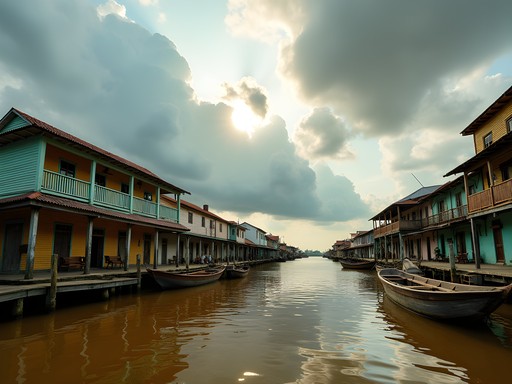
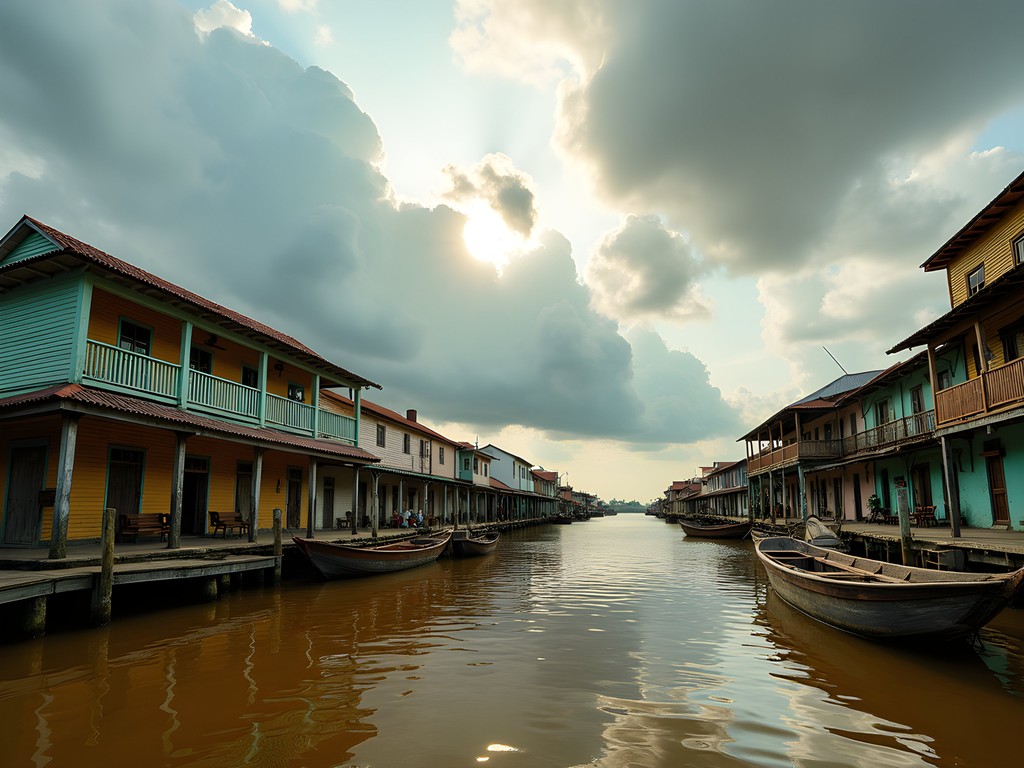
When I first heard about Guyana's Berbice River, I'll admit my financial advisor brain immediately calculated the risk-reward ratio of venturing into one of South America's least-explored waterways. But standing on the banks of New Amsterdam, watching the brown waters merge with the Atlantic under dramatic weather systems rolling in from the Caribbean, I knew this two-week expedition would deliver returns no spreadsheet could quantify. The Berbice isn't just a river—it's a 595-kilometer corridor through time, where Amerindian communities maintain traditions centuries old, and the jungle canopy hides biodiversity that rivals any ecosystem on Earth.

Understanding New Amsterdam: Your Gateway to the Berbice
New Amsterdam sits at the mouth of the Berbice River like a faded postcard from Dutch colonial times. This former administrative capital, now Guyana's second-largest town, serves as the essential staging point for upriver expeditions. I spent three days here acclimatising and organizing logistics—a timeline I'd strongly recommend.
The town's architecture tells a compelling story of colonial ambition meeting tropical reality. The 19th-century Mission Chapel particularly caught my attention, its simple wooden construction designed to withstand the region's intense weather patterns. As someone fascinated by ecclesiastical architecture, I appreciated how the builders adapted European designs to accommodate the 80-90% humidity levels that persist year-round.
From a practical standpoint, New Amsterdam is where you'll finalize arrangements with local guides, stock provisions, and conduct equipment checks. The market near Main Street offers fresh provisions at reasonable prices—budget roughly 15,000-20,000 Guyanese dollars (approximately £60-80) for a two-week supply for a group of four. I picked up a reliable headlamp here after realizing my torch wasn't sufficient for navigating camp after dark—the rechargeable feature proved invaluable when we were days from any power source.
💡 Pro Tips
- Arrive in New Amsterdam at least 48 hours before your river departure to allow for weather delays and final preparations
- Register your expedition with the local police station—it's required and provides an important safety net
- Stock up on insect repellent containing at least 30% DEET; the riverside mosquitoes are relentless, especially during dawn and dusk
Selecting Your River Safari Operator and Vessel
This decision will fundamentally shape your Berbice experience, and it requires the same analytical approach I'd apply to evaluating investment portfolios. After interviewing five operators, I chose Rupununi River Safari based on their safety record, guide credentials, and vessel maintenance standards.
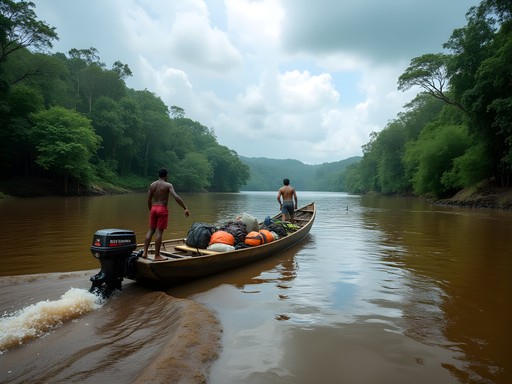
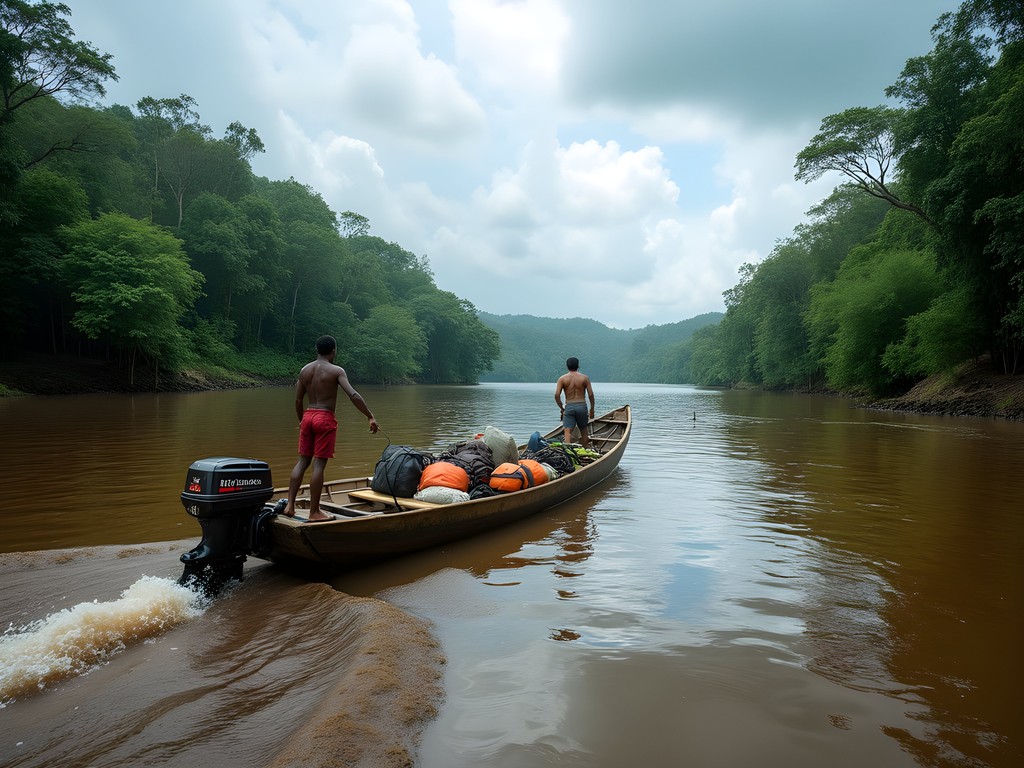
For groups, you'll typically choose between motorized canoes (for 4-6 people) and larger flat-bottomed boats (for 8-12). We opted for a 24-foot motorized canoe with a 40-horsepower outboard—nimble enough to navigate shallow tributaries but stable enough for the river's main channel. The cost averaged £180 per person per day, including guide services, fuel, and basic camping equipment.
Your guide's knowledge is paramount. Our guide, Marcus, a Patamona Amerindian with 20 years' experience, possessed an encyclopaedic understanding of weather patterns, wildlife behaviour, and river navigation. He could read cloud formations to predict afternoon storms with accuracy that would impress any meteorologist. When selecting guides, verify they hold valid first aid certifications and have satellite communication equipment—we were often 40-50 kilometers from the nearest settlement.
I brought along a portable water filter as backup to our boiled water supplies. Given that we were filtering directly from the river for two weeks, having redundant purification methods wasn't paranoia—it was essential risk management.
💡 Pro Tips
- Request references from previous clients and actually contact them—operators with nothing to hide will provide these readily
- Inspect life jackets personally; many are sun-degraded and won't perform in emergencies
- Negotiate a detailed itinerary with flexibility clauses for weather delays—the Berbice's conditions can change rapidly
- Ensure your operator carries comprehensive liability insurance and emergency evacuation protocols
Navigating Upriver: The Journey to Kwakwani and Beyond
The first leg from New Amsterdam to Kwakwani (approximately 110 kilometers upriver) takes 6-8 hours depending on water levels and weather. This stretch serves as your introduction to the river's rhythms and challenges. The Berbice here is wide—300-400 meters in places—and deceptively powerful. Submerged logs and shifting sandbars require constant vigilance.
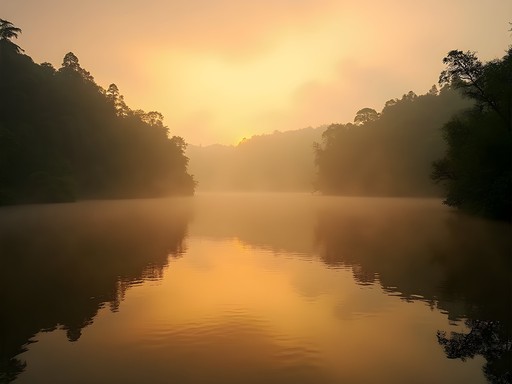
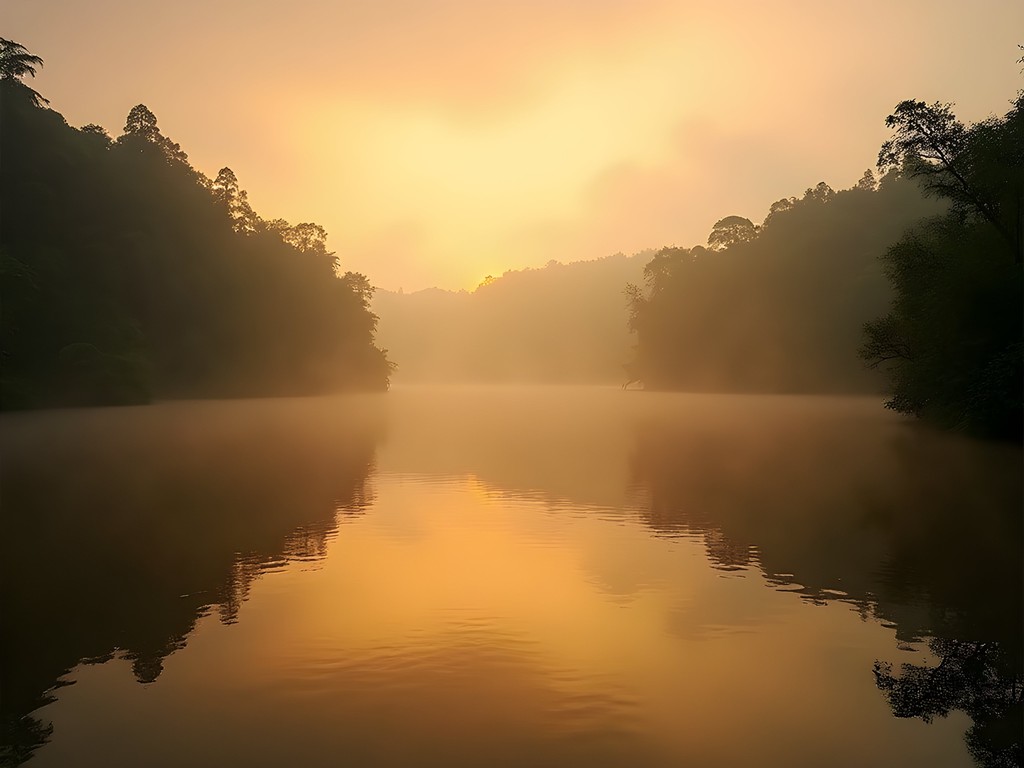
The weather patterns along this section are fascinating from a meteorological perspective. Morning typically brings calm conditions with mist rising off the water, creating ethereal visibility of just 50-100 meters. By mid-morning, the sun burns through, and temperatures climb to 30-32°C with humidity that makes everything feel 5-7 degrees warmer. Afternoon thunderstorms arrive with remarkable punctuality around 2-3 PM during dry season, bringing brief but intense rainfall and wind gusts that can reach 50-60 km/h.
Kwakwani, a former bauxite mining town, offers the last reliable resupply point. We restocked fresh fruit and vegetables here—the local market's selection surprised me given the remote location. Beyond Kwakwani, you enter true wilderness. Settlements become sparse, and the jungle presses closer to the riverbanks.
The physical demands increase significantly upriver. I maintain reasonable fitness through basketball, but the combination of heat, humidity, and constant motion tested our entire group. A quality cooling towel became one of my most-used items—wet it in the river, wring it out, and drape it around your neck for instant relief from the oppressive heat.
💡 Pro Tips
- Start each day's travel at dawn (5:30-6:00 AM) to maximize calm water conditions and avoid afternoon storms
- Bring multiple dry bags in different sizes—everything will get wet despite your best efforts
- Download offline maps on multiple devices; GPS works reliably even in deep jungle, but battery management is critical

Wildlife Encounters and Jungle Immersion
The Berbice's biodiversity rivals anywhere I've travelled—and I've surfed coastlines from Ghana to New Zealand where marine life abounds. Here, the jungle and river ecosystems intertwine to create extraordinary wildlife density. Our group recorded sightings of 47 bird species, including the prehistoric-looking hoatzin and magnificent harpy eagles.
Caimans are ubiquitous. Night safaris with spotlights revealed dozens of eye-shine reflections along every kilometer of riverbank—mostly spectacled caimans, but we encountered two black caimans exceeding 3.5 meters. Marcus explained that caiman populations have rebounded significantly since hunting restrictions were enforced in the 1990s.
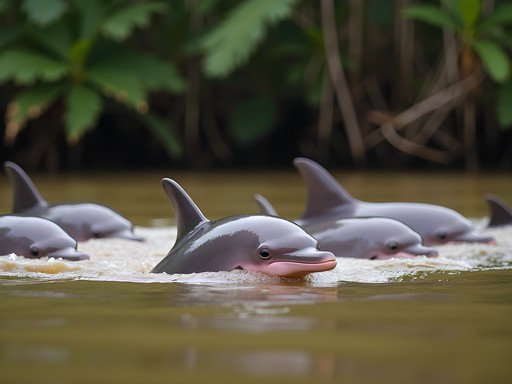
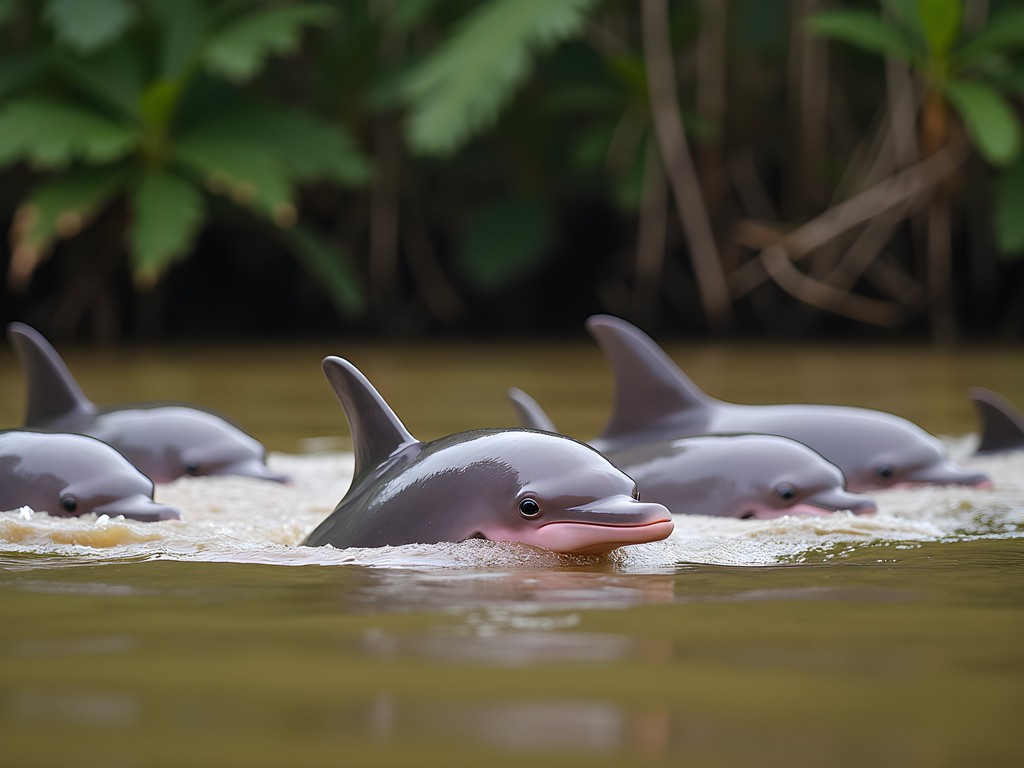
The river dolphins—both pink and grey species—provided our most memorable encounters. Unlike their ocean cousins, these freshwater cetaceans are surprisingly approachable. We observed a pod of six pink dolphins feeding in a tributary confluence, their distinctive coloration ranging from pale grey to vivid pink depending on age and excitement level. The scientific explanation involves blood vessel distribution and skin transparency, but watching them breach in synchronization felt like witnessing something almost mythical.
Capuchin and howler monkeys patrol the canopy, their morning calls serving as nature's alarm clock—though calling it an alarm doesn't capture the sheer volume of howler monkey vocalizations, which can reach 90 decibels and carry for 5 kilometers through the jungle. For wildlife photography in low-light jungle conditions, I relied on my telephoto lens, which delivered sharp images even in the challenging lighting beneath the canopy.
💡 Pro Tips
- Maintain a wildlife log with times and locations—patterns emerge that help predict encounters
- Never swim in the river without your guide's explicit approval; bull sharks have been recorded 200+ kilometers upriver
- Respect wildlife viewing distances: 25+ meters for caimans, 50+ meters for jaguars if you're fortunate enough to spot one
- Bring a quality field guide—I recommend the Helm Field Guide to Birds of Northern South America
Amerindian Communities and Cultural Exchange
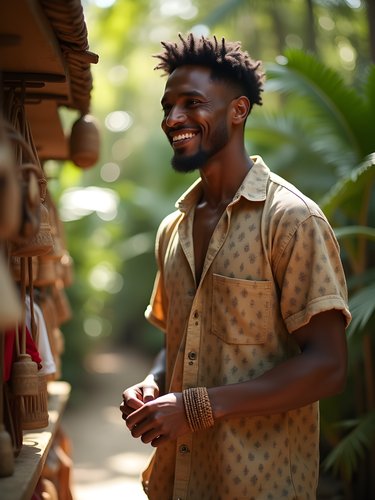
The upper Berbice region is home to several Amerindian communities, primarily Patamona and Akawaio peoples. Visiting these settlements requires advance permission through your guide and appropriate cultural sensitivity—this isn't tourism in the conventional sense, but rather respectful cultural exchange.
We spent two days at a Patamona village approximately 180 kilometers upriver from New Amsterdam. The community of roughly 120 people maintains traditional practices while selectively adopting modern technologies. Solar panels power LED lighting and charge mobile phones, yet cassava processing, hunting, and fishing follow methods unchanged for centuries.
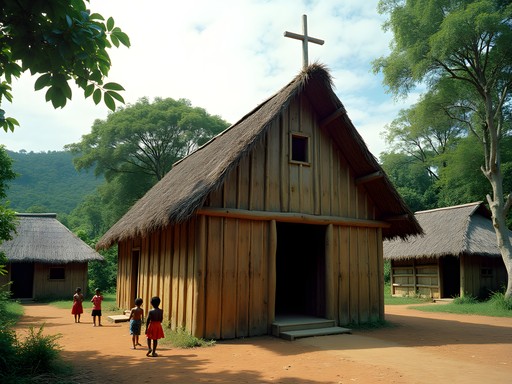
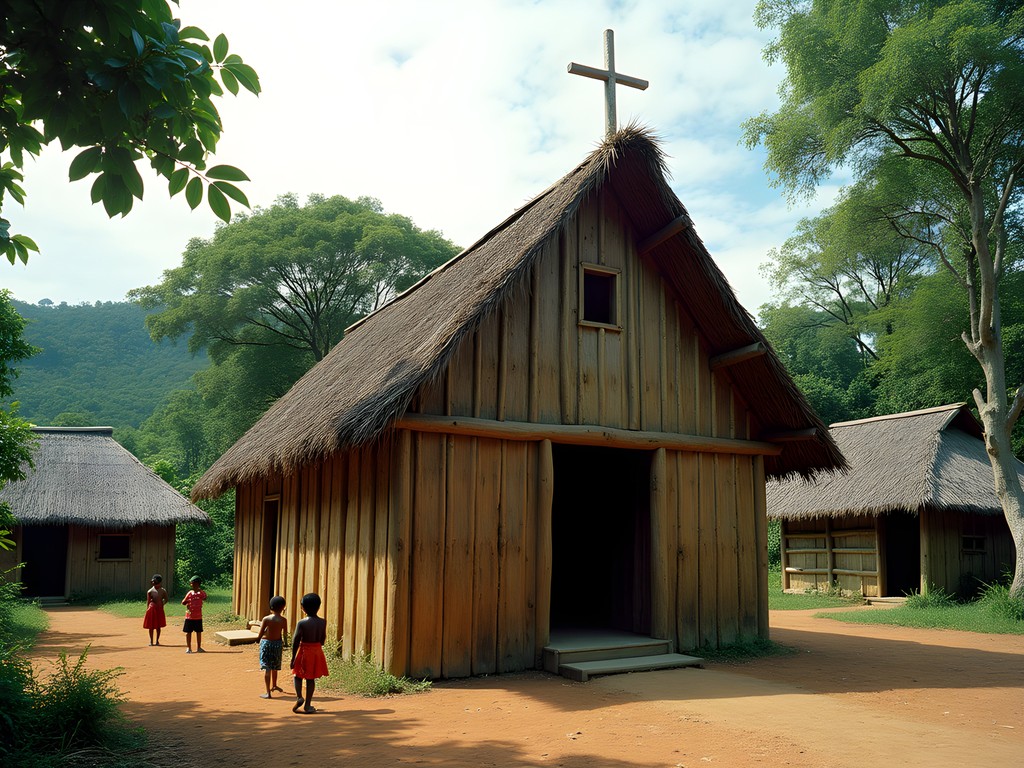
The village's church—a simple wooden structure with a palm-thatch roof—represented a fascinating architectural adaptation. Unlike the European-influenced churches in New Amsterdam, this building incorporated traditional Amerindian construction techniques with Christian purpose. The pastor, who also served as the village captain, explained how Christianity merged with indigenous spiritual practices over generations, creating a unique syncretic tradition.
I participated in a cassava bread-making session, a physically demanding process that begins with harvesting the tubers, grating them manually, pressing out toxic liquids, and cooking the flour on large flat griddles. The final product—a thin, crispy flatbread—became our staple carbohydrate for the remainder of the expedition. As a gesture of appreciation, I gifted the community a solar charger that could power multiple devices simultaneously—a practical contribution that aligned with their existing solar infrastructure.
💡 Pro Tips
- Learn basic greetings in the local language—even simple efforts are deeply appreciated
- Bring thoughtful gifts: fishing line, hooks, batteries, and school supplies are valued; avoid alcohol and tobacco
- Ask permission before photographing people or sacred sites; some community members prefer not to be photographed
- Purchase crafts directly from artisans at fair prices—bargaining aggressively is culturally inappropriate
Physical Challenges and Group Dynamics
Let me be direct: this expedition demands advanced fitness levels and mental resilience. The combination of heat, humidity, insects, basic sanitation, and physical exertion creates cumulative stress that tests even experienced adventurers. Our group of six included two people who'd completed multi-day treks in Nepal and Patagonia, yet they found the Berbice equally challenging in different ways.
The physical demands are constant but varied. Paddling assists the motor during shallow sections. Setting up and breaking down camp twice daily builds routine but never becomes easy in the heat. Hiking jungle trails to reach interior sites involves navigating muddy, root-tangled paths where every step requires attention. My basketball conditioning helped with the explosive movements and balance required, but nothing fully prepares you for moving through equatorial rainforest.
Group dynamics become crucial over two weeks in close quarters. We established clear communication protocols, rotated responsibilities, and maintained a flexible attitude when plans changed—which happened frequently due to weather and water levels. One group member struggled with the heat during days 5-7, requiring modified activities and additional rest. Our guide's experience proved invaluable in adjusting our pace without compromising the overall expedition.
Insect management deserves special mention. Despite using insect repellent on all our gear and clothing, we still endured constant attention from mosquitoes, sand flies, and various biting insects. Treating your clothes with permethrin before departure is non-negotiable—it remains effective through multiple washings and significantly reduces insect harassment.
💡 Pro Tips
- Train specifically for the expedition: focus on heat tolerance, core strength, and extended low-intensity exertion
- Establish group decision-making protocols before departure—emergencies require clear leadership
- Pack moleskin and blister treatment supplies; wet conditions create foot care challenges
- Bring entertainment for downtime: we played cards, shared music, and engaged in long conversations during afternoon storm delays
Practical Logistics: Budgeting and Planning
From a financial planning perspective, a two-week Berbice expedition for a group of four to six people requires careful budgeting. Here's my cost breakdown based on our 2023 expedition:
Core Expedition Costs (per person): - Guide and boat rental: £2,200-2,800 (14 days) - Food and supplies: £280-350 - Permits and community fees: £120-150 - Emergency satellite communication rental: £140
Additional Expenses: - Accommodation in New Amsterdam (pre/post expedition): £35-50 per night - Domestic flights Georgetown to New Amsterdam: £180-220 return - Equipment rental (if needed): £200-350 - Travel insurance with adventure coverage: £120-180
Total estimated cost: £3,300-4,200 per person for two weeks
This positions the expedition firmly in mid-range adventure travel. Costs decrease with larger groups (6-8 people) as guide and boat expenses are shared. Budget an additional 15-20% contingency for unexpected expenses, weather delays, or equipment replacements.
Booking timeline is critical. Contact operators 4-6 months in advance, especially for dry season departures (late August through November). We booked in April for an October expedition, which provided adequate planning time and secured our preferred dates. International flights to Georgetown should be booked simultaneously—prices increase significantly within three months of departure.
For group travel, I created a shared spreadsheet tracking all expenses, which maintained financial transparency and simplified settling accounts post-expedition. This approach, borrowed from my financial advisory practice, eliminated the confusion and potential conflicts that can arise from unclear expense sharing.
💡 Pro Tips
- Purchase comprehensive travel insurance that explicitly covers jungle expeditions and emergency evacuation—standard policies often exclude these activities
- Bring US dollars in small denominations (£1, £5, £10) for community fees and purchases; credit cards are useless beyond New Amsterdam
- Factor in equipment costs if you don't own suitable gear—renting locally is possible but quality varies significantly
- Consider trip cancellation insurance given the advance booking requirements and non-refundable deposits
Final Thoughts
The Berbice River expedition challenged my analytical mindset in the best possible way. No amount of research or planning fully prepares you for the reality of navigating one of South America's wildest rivers. The weather patterns I'd studied manifested with both predictable regularity and surprising intensity. The wildlife encounters exceeded expectations formed by documentary footage and field guides. The cultural exchanges with Amerindian communities provided insights no guidebook captures.
What struck me most profoundly was the Berbice's raw authenticity. This isn't adventure tourism sanitized for mass consumption—it's genuine wilderness exploration that demands respect, preparation, and adaptability. Our group emerged from two weeks on the river with a shared experience that bonded us through challenge and wonder in equal measure.
For groups seeking an advanced adventure that combines physical challenge, cultural immersion, and unparalleled wildlife encounters, the Berbice delivers exceptional returns. The investment—financial, physical, and temporal—yields experiences and perspectives that compound in value long after you've returned to everyday life. Just ensure you approach it with the seriousness and preparation it demands. The Berbice rewards the prepared and humbles the complacent.
✨ Key Takeaways
- The Berbice River expedition requires advanced fitness levels, thorough preparation, and mental resilience—this is not an entry-level adventure despite mid-range pricing
- Selecting an experienced local guide with proper safety credentials and cultural connections is the single most important decision that will shape your entire expedition
- Weather patterns, wildlife behaviour, and river conditions demand flexible planning and daily adaptation—rigid itineraries will create frustration rather than enjoyment
📋 Practical Information
Best Time to Visit
Late August through November (dry season) for optimal river conditions and reduced rainfall, though afternoon storms remain common
Budget Estimate
£3,300-4,200 per person for 14 days including guide services, accommodation, permits, and basic supplies; excludes international flights and personal equipment
Recommended Duration
14 days minimum to reach upper river communities and experience diverse ecosystems; 10 days possible but rushed
Difficulty Level
Advanced - Requires Strong Fitness, Heat Tolerance, Adaptability To Basic Conditions, And Comfort With Wildlife Encounters

Comments
travellover
Amazing photos!!! Adding this to my bucket list
Jean Wells
Excellent documentation of a truly off-the-beaten-path destination. I appreciate your analytical approach to operator selection - that's critical in remote areas with limited infrastructure. Having done solo river expeditions in Borneo and the Congo Basin, I'd emphasize the importance of verifying safety equipment and communication systems. The Berbice's relative obscurity means rescue operations would be complicated. For anyone considering this, I'd recommend bringing a quality satellite communicator as backup. The wildlife diversity you captured is impressive - particularly the caiman shots. Did you encounter many other travelers upriver past Kwakwani?
coffeenomad
What's the best time of year for this? Looks pretty wet and humid year-round?
Casey Andersson
Anthony, this brought back memories of my Amazon tributary expedition last year! The Berbice looks far less touristy though, which is exactly what I'm craving. I stayed at a boutique lodge in Peru and while stunning, we saw more tour groups than wildlife some days. Your description of the jungle immersion sounds properly wild. Did you stay overnight on the boat or at jungle camps? And I'm curious about the food situation - were meals included with your operator or did you need to bring supplies? The wildlife photos are spectacular by the way!
cityace
Would love to hear about the food too!
oceanblogger
How long did the whole river safari take? And did you need any special vaccines before going?
travellover
Also wondering about vaccines! Planning south america trip
cityace
Wow this looks incredible! Never even heard of Guyana before tbh
Venture X
Premium card with 2X miles, $300 travel credit, Priority Pass