


Disclosure: This article contains affiliate links. We may earn a commission from purchases at no extra cost to you, which helps our travel content.
There's something profoundly transformative about connecting two seemingly disparate worlds through travel. As someone who has spent most of my life navigating between cultures—Indian, Korean, and now as a flight attendant based in Seoul—I've developed a deep appreciation for journeys that bridge continents. This summer, I embarked on perhaps my most ambitious adventure yet: a month-long expedition from the misty mountains of Mutare, Zimbabwe to the medieval charm of Brasov, Romania. What follows is not just an itinerary, but a meditation on how landscapes shape our consciousness and how movement across continents can reveal surprising connections.

Mutare: Gateway to Zimbabwe's Eastern Highlands
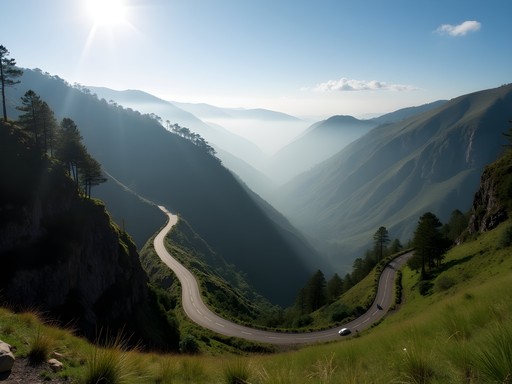
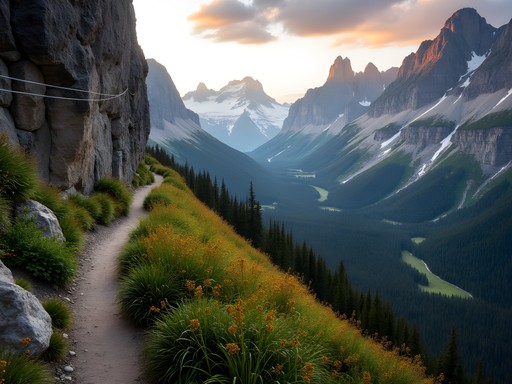
Arriving in Mutare after an overnight bus from Harare, I was immediately struck by the dramatic landscape—verdant mountains rising abruptly from the city's edges, creating a natural amphitheater that cradles this frontier town. The Eastern Highlands has a distinct microclimate, cooler and more lush than much of Zimbabwe, earning it the nickname 'Zimbabwe's Switzerland.'
My adventure began with a three-day cycling expedition through Nyanga National Park. I'd brought my collapsible water bottle which proved invaluable as I navigated the rolling terrain, stopping occasionally to fill up from crystal-clear streams (always using my water purifier for safety). The highlands revealed their magic gradually—misty mornings giving way to sun-drenched afternoons as I pedaled through pine forests that seemed transplanted from another continent.
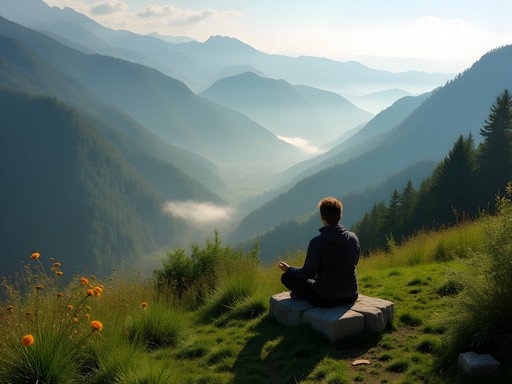
What struck me most was the tranquility. As someone who practices meditation daily, I found the highlands perfectly suited for mindfulness. Each morning, I'd unroll my travel yoga mat at Cecil Kop Nature Reserve, the sunrise illuminating the valley below as I moved through my asanas. The birdsong created a natural soundtrack for my practice, a reminder that presence transcends geography.

💡 Pro Tips
- Hire bikes in Mutare town center—Frontline Cycles offers reasonable weekly rates and well-maintained mountain bikes
- The Burma Valley Road offers spectacular cycling with minimal traffic
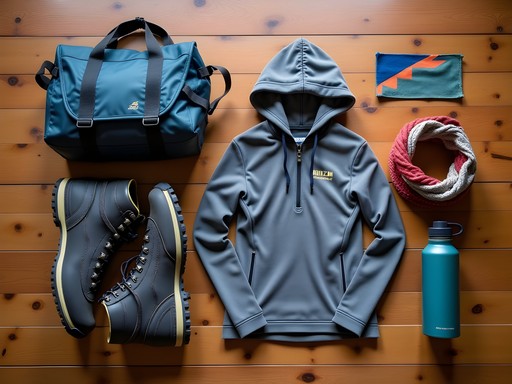
- Pack layers—temperatures can drop dramatically at night, even in summer
The African-European Connection: From Harare to Istanbul
Transitioning from Zimbabwe to Romania required careful planning. After returning to Harare, I caught the Turkish Airlines flight to Istanbul—a journey I've made countless times as a flight attendant, though never as a passenger. The perspective shift was illuminating.
I'd booked a 36-hour layover in Istanbul, creating a perfect midpoint between continents. This wasn't just logistical convenience; it was a deliberate choice to experience the city that has historically bridged East and West.
My compression packing cubes proved invaluable during this transition phase. As someone who lives out of suitcases professionally, I've learned that organization is freedom when traveling. These lightweight cubes compressed my clothing to half its normal size, leaving room for gifts I'd collected in Zimbabwe—soapstone carvings and hand-woven baskets that would eventually find homes with friends in Romania.
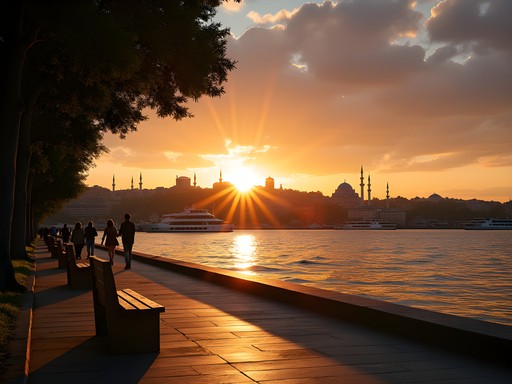
Istanbul's unique position—straddling Europe and Asia—made it the perfect transitional space. I spent the day wandering through the Grand Bazaar, drinking apple tea with shopkeepers, and later practicing meditation at sunset on the shores of the Bosphorus. The call to prayer echoing across the water created a soundscape that somehow prepared me mentally for the European leg of my journey.

💡 Pro Tips
- Book Turkish Airlines for the most direct route between Harare and Eastern Europe
- Plan at least 24 hours in Istanbul to decompress and adjust to the time change
- The Yeşilköy neighborhood near Istanbul Airport offers affordable transit hotels
Brasov: Medieval Charm in the Shadow of the Carpathians
Flying from Istanbul to Bucharest, then catching the train north to Brasov, I watched as the landscape transformed once again. Romania's countryside unfolded through the train window—rolling hills giving way to the dramatic rise of the Carpathian Mountains. As a father who often travels with my child, I found myself mentally noting places my family would love to explore together on a future visit.
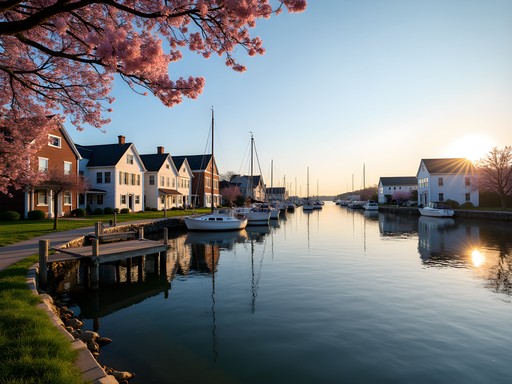
Brasov immediately captivated me with its medieval core surrounded by mountains. The juxtaposition of Gothic spires against forested peaks created a fairytale setting that felt worlds away from Zimbabwe's highlands, yet somehow familiar in its mountainous embrace.
I based myself in an apartment in the old town, using it as a launching pad for daily cycling expeditions into the surrounding countryside. My handlebar phone mount proved essential for navigating the network of rural roads and forest paths. The region's cycling infrastructure surprised me—well-marked routes connecting medieval villages, fortified churches, and breathtaking mountain vistas.
The highlight came three days into my Brasov stay when I joined a local cycling group for a challenging climb to Poiana Brasov. As we ascended through beech forests, conversation flowed easily between breaths. I found myself sharing stories of Zimbabwe's highlands with a Romanian architect who had never visited Africa but recognized the universal language of mountain people—resilience, hospitality, and a deep connection to the land.

💡 Pro Tips
- Rent bikes from Bike the Carpathians in the old town—they offer excellent route advice
- The train from Bucharest to Brasov runs frequently and offers stunning views—sit on the right side
- Learn basic Romanian phrases—locals appreciate the effort and open up more readily

Finding Mindfulness: Meditation Retreats in Two Continents
What truly united these seemingly disparate destinations was my commitment to maintaining a meditation practice throughout the journey. In Mutare, I discovered the Dzimbahwe Meditation Center, tucked away in the foothills outside town. There, I joined local practitioners for dawn sessions, our breath visible in the cool highland air as we sat in silence.
The center's teacher, Amai Chipo, shared techniques that blended traditional Shona spiritual practices with Buddhist mindfulness—a beautiful syncretic approach that reminded me of my own multicultural upbringing between Indian and Korean traditions.
In Romania, I found a similar sanctuary at the Sambhala Meditation Center in a renovated Saxon house just outside Brasov. The contrast was striking—from Zimbabwe's open-air pavilion to Romania's centuries-old stone walls—yet the essence of the practice remained unchanged.
For these meditation sessions, my travel meditation cushion became an anchor of consistency. Lightweight yet supportive, it transformed any space into a sanctuary. During longer sessions, my travel blanket provided warmth in both the cool African highlands and drafty Romanian meditation halls.
What struck me most was how meditation revealed the similarities between these distant places. Sitting in stillness, I noticed how the quality of light filtering through Carpathian beech trees echoed the luminosity of Zimbabwe's msasa forests. The rhythm of breath remained constant across continents—a reminder that beneath cultural differences lies a shared human experience.

💡 Pro Tips
- Contact meditation centers in advance—many welcome visitors but appreciate prior notice
- Early morning practice offers the best energy in both locations
- Pack a lightweight meditation cushion that compresses easily in your luggage
Culinary Connections: From Sadza to Sarmale
No travel experience is complete without exploring local cuisine, and the contrast between Zimbabwean and Romanian food cultures provided fascinating insights into each region's history and values.
In Mutare, I was fortunate to be invited into a local home for a traditional meal centered around sadza (cornmeal porridge) with muriwo (greens) and nyama (meat stew). What struck me was the communal nature of the meal—everyone gathering around a shared plate, eating with their hands from the same dish. This spoke volumes about Shona cultural values of connection and community.
To document these culinary experiences, my food journal became an essential companion. I'd sketch ingredients, note preparation methods, and occasionally press herbs or spices between its pages—creating a sensory archive of my journey.
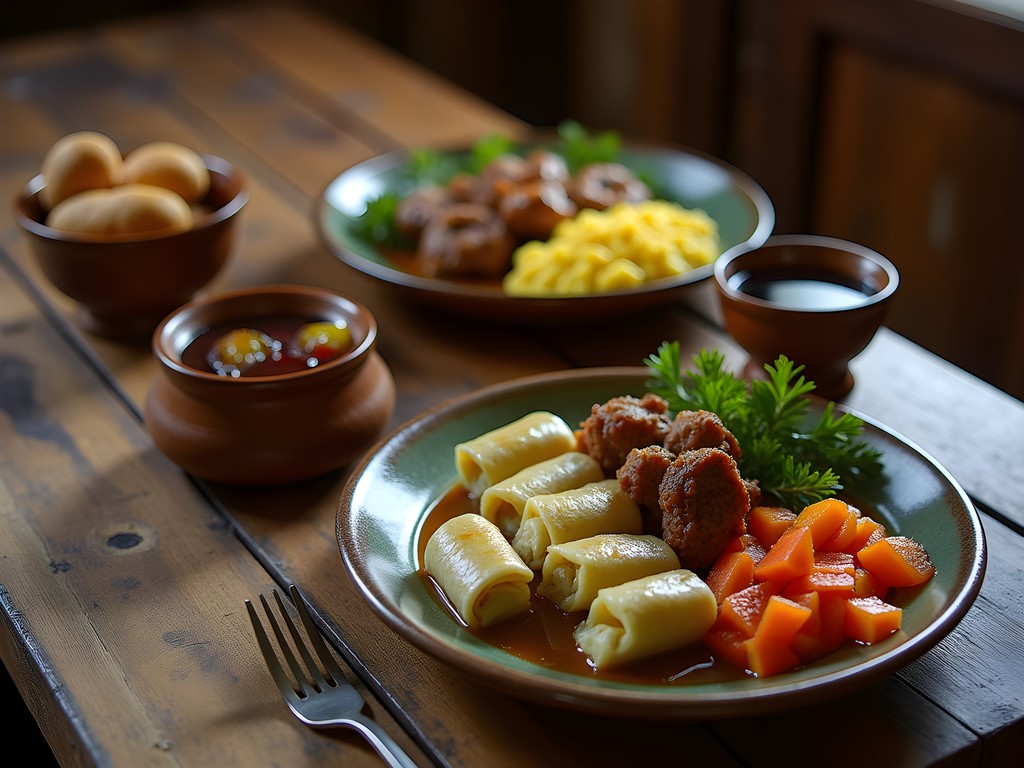
Fast forward to Romania, where I found myself in a rustic countryside restaurant outside Brasov, sampling sarmale (cabbage rolls stuffed with meat and rice) and mămăligă (polenta)—the latter bearing a striking resemblance to Zimbabwe's sadza despite the vast distance between cultures. Here too, the emphasis was on hearty, comforting food that brought people together.
Most memorable was an evening spent at a Romanian family's home in a village near Bran. We gathered around a wood-fired stove as the grandmother prepared plăcintă (cheese pastries) from scratch. Despite the language barrier—my Romanian extends only to basic pleasantries—the universal language of food created immediate connection. As we shared homemade țuică (plum brandy) and stories translated through their university-aged grandson, I found myself reflecting on how food transcends borders in a way few other cultural elements can.
💡 Pro Tips
- Visit Mutare's farmers market on Saturday mornings for the freshest produce and street food
- In Romania, seek out 'Pensiune' family-run guesthouses that often serve home-cooked meals
- Learn the phrase 'Ndatenda' (thank you in Shona) and 'Mulțumesc' (thank you in Romanian)—gratitude opens doors everywhere
Final Thoughts
As my month-long journey from Mutare to Brasov drew to a close, I found myself sitting in Piața Sfatului—Brasov's medieval square—watching the golden evening light play across the facades of centuries-old buildings. In my hands was a stone I'd carried from Cecil Kop Nature Reserve in Zimbabwe, its smooth surface worn by time just like the cobblestones beneath my feet.
What began as an adventure seeking contrast revealed profound connections instead. From the meditative quality of mountain landscapes to the communal spirit of sharing food, I discovered that despite the 7,000 kilometers separating them, these places spoke to similar human needs—for beauty, community, and meaning.
As someone who has always existed between cultures, this journey reinforced my belief that borders are more permeable than we imagine. The African highlands and Carpathian peaks may differ in geology and history, but they evoke the same sense of wonder. They remind us that we are small in the best possible way—humble before the grandeur of this world we're privileged to explore.
If you're contemplating a similar cross-continental adventure, I encourage you to embrace the dissonance and seek the harmony. Pack light, stay curious, and remember that the greatest journeys happen as much within as without. The path from Mutare to Brasov awaits.
✨ Key Takeaways
- Cross-continental journeys reveal surprising connections between seemingly disparate cultures
- Maintaining mindfulness practices while traveling creates continuity and deeper appreciation
- Cycling offers an intimate way to experience both African highlands and Carpathian landscapes
- Culinary traditions often reveal shared human values despite geographic distance
- The most meaningful adventures combine physical challenges with cultural immersion
📋 Practical Information
Best Time to Visit
May-September for both destinations
Budget Estimate
$3,000-4,500 for one month including flights
Recommended Duration
3-4 weeks minimum
Difficulty Level
Moderate To Challenging (Requires Good Fitness For Cycling Components)
Comments
hikinggal
Your photos of the Eastern Highlands trails are gorgeous! Added to my hiking bucket list!
wanderlustbuddy
Just got back from Brasov last month and your descriptions took me right back! That golden light in the square is magical. We stayed in a little pension just off the main square and spent our evenings people-watching with local wine. Didn't make it to Zimbabwe though - that's now on my list! How did you handle the dramatic climate change between the two locations? I packed all wrong just for Romania alone lol. I found my packing cubes super helpful for organizing different climate clothes, but curious how you managed such different environments in one trip!
Michael Turner
The climate shift was definitely a challenge! I basically packed two separate mini-wardrobes and left my summer clothes with a friend in Istanbul before heading to Romania. Those mountain evenings in Brasov can get surprisingly chilly even in summer!
starchamp
Great write-up! For anyone considering this route, I'd add that the shoulder seasons (April-May or Sept-Oct) work really well for both destinations. Zimbabwe's Eastern Highlands can be rainy in summer, and Brasov gets packed with tourists in peak season. Also, the food scene in both places is underrated - don't skip the local markets in Mutare or the traditional Romanian restaurants around Piața Sfatului. One thing that saved me on a similar trip was having a good travel adapter since you're dealing with different plug types across multiple countries.
wandermood
Really appreciate posts like this that go beyond the usual tourist trails. I've been wanting to explore more of Southern Africa and Romania separately, but never considered linking them. The meditation retreat info would be super useful - are there specific places you'd recommend in either location? Also practical question: what was your total budget for a month doing this route?
Fatima Sims
What a journey! I love how you've woven together the cultural threads between these two destinations. The African highlands are criminally underrated - I did a trek through the Chimanimani Mountains near Mutare three years ago and it completely changed my perspective on Southern African landscapes. The mist-covered peaks reminded me so much of the Scottish Highlands, actually. Your point about the medieval architecture in Brasov contrasting with the colonial remnants in Mutare is spot-on. These kinds of unexpected connections are what make long-form travel so rewarding. Did you document the journey between the two destinations as well, or focus mainly on the endpoints?
cityninja
Going to Brasov next month! Super excited now
photogal
You'll love it! The old town is amazing
Sarah Powell
Michael, this is a fascinating comparison between two mountain regions I wouldn't have thought to connect. Your observation about finding mindfulness practices in both locations really resonates. I spent time in the Carpathians last fall and found the slower pace there incredibly grounding. The Eastern Highlands of Zimbabwe have been on my list for years - your post just moved them up considerably. One question: did you find the infrastructure in Mutare challenging for solo travelers, or was it fairly accessible? I typically travel alone and always assess these logistics carefully.
journeyking
How did you handle the flight connections from Harare to Istanbul? That seems like the trickiest part of this journey. Also curious about visa requirements for Zimbabwe - any hassles there?
starchamp
Not the author but I did a similar route last year. Turkish Airlines has good connections through Istanbul. Zimbabwe visa was easy - got it on arrival. The real challenge is the time commitment!
journeyking
Thanks! That's really helpful
photogal
Love the photos from Brasov!
traveladventurer
This is such a unique route! I've been to Romania but never thought about connecting it with Zimbabwe. The meditation retreat angle is really interesting. How long did you spend in each place? I'm always rushing through destinations and this sounds like you really took your time to experience both cultures properly.
wandermood
Right? The meditation part caught my eye too. Would love to know more about those retreats.
Venture X
Premium card with 2X miles, $300 travel credit, Priority Pass