
Disclosure: This article contains affiliate links. We may earn a commission from purchases at no extra cost to you, which helps our travel content.
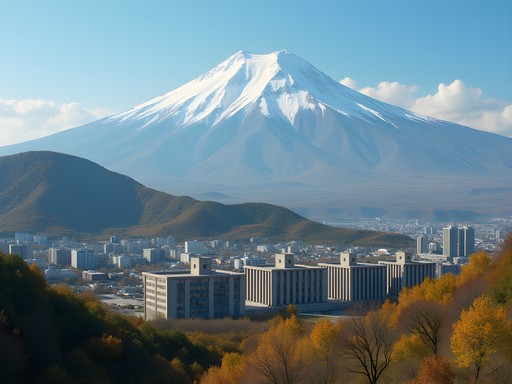
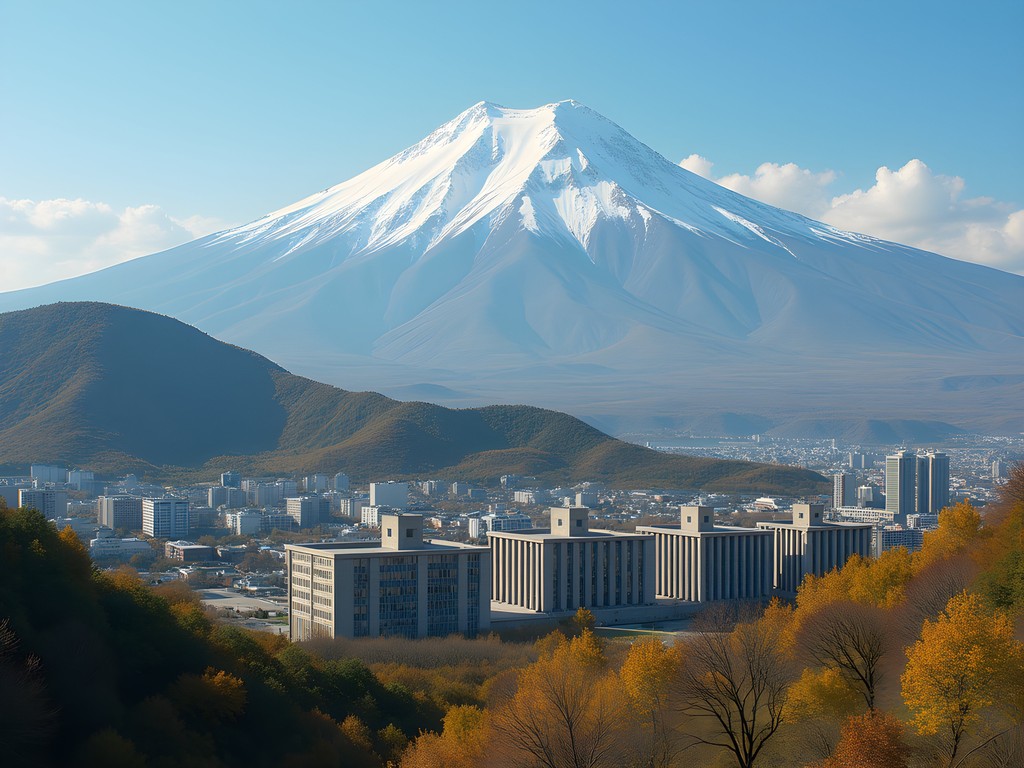
Standing at the border between North Korea and China, Mount Paektu (Baekdu in South Korea) represents one of Asia's most formidable and least-accessible adventure destinations. As someone who has navigated the complex financial markets of Tokyo and São Paulo, I found the intricate diplomatic choreography required to summit this 2,744-meter volcanic peak equally challenging—and infinitely more rewarding. The mountain's crater lake, Heaven Lake, reflects the sky like a perfectly balanced portfolio: sometimes turbulent, sometimes serene, but always compelling.

Navigating the Diplomatic Terrain
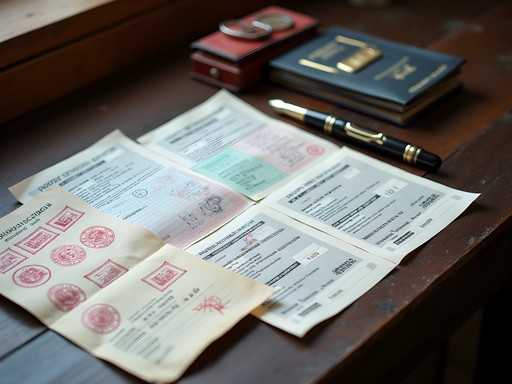
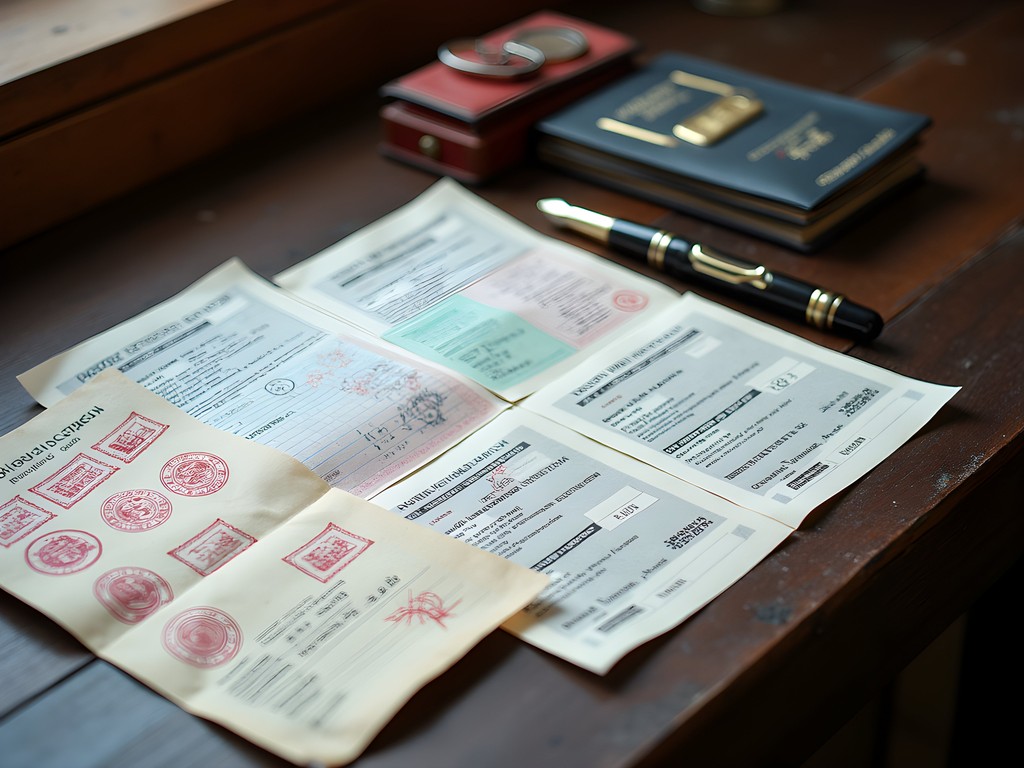
The first summit to conquer when planning a Mount Paektu expedition isn't geological but bureaucratic. North Korea permits only a select number of foreign visitors to this sacred site each year, and these journeys must be arranged through state-approved tour operators. After three decades in international finance, I've learned that relationships are currency, particularly in East Asia.
I secured my expedition through Koryo Tours, specialists in North Korean travel who maintain the necessary government relationships to facilitate these rare permissions. The application process resembles a complex merger acquisition—expect extensive documentation requirements, background checks, and a lead time of at least 6-8 months.
Your visa application will require immaculate presentation. I recommend organizing all documents in a professional document organizer to ensure nothing is creased or misplaced during your journey. North Korean officials appreciate meticulous attention to detail, something I learned during my early banking days in Tokyo.
💡 Pro Tips
- Apply for permits at least 8 months in advance through specialized tour operators
- Ensure your passport has at least 12 months validity and several blank pages
- Prepare a detailed professional background summary that emphasizes academic or cultural interests rather than business connections
The Journey to North Korea's Sacred Summit
The approach to Mount Paektu is a study in controlled access. Most expeditions begin in Beijing, where you'll board an Air Koryo flight to Pyongyang. The airline operates a fleet that financial analysts might classify as 'heritage assets'—Soviet-era aircraft maintained with remarkable engineering ingenuity.
From Pyongyang, you'll be transported to the northeastern region via domestic flight or the overnight train to Samjiyon, the gateway city to Mount Paektu. The train journey, while lengthy, offers a rare glimpse into rural North Korean life—a dividend of patience that few Western visitors collect.
During the journey, maintaining detailed notes becomes essential. I use a weatherproof tactical notebook that withstands both the humid summer conditions and occasional mountain drizzle. For capturing the journey's visual narrative, ensure your equipment is properly protected with a waterproof camera bag as weather conditions can change rapidly at higher elevations.
💡 Pro Tips
- Pack light but comprehensively—North Korea offers limited opportunities to purchase forgotten essentials
- Bring sufficient cash (Euros preferred) as credit cards and ATMs are non-existent
- Download offline maps and reference materials before arrival as internet access will be unavailable throughout your journey
Cultural Context: The Economic and Spiritual Significance
Mount Paektu occupies a position in North Korean national identity that transcends mere geography. It serves as both spiritual cornerstone and political touchstone—a fascinating dual portfolio of cultural value.
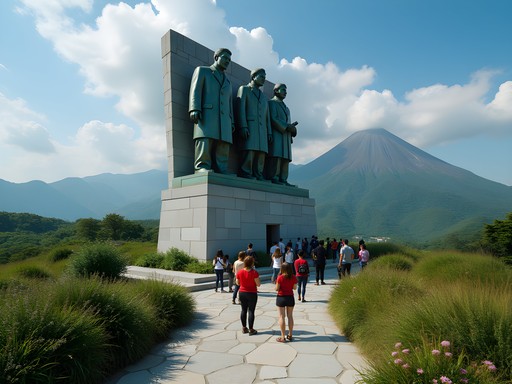
The mountain is revered as the mythical birthplace of the Korean people and, according to official North Korean history, the site of Kim Jong-il's birth (though historical records indicate he was actually born in Russia). This duality—between myth and documented reality—creates a fascinating cultural landscape that any visitor must navigate with diplomatic skill.
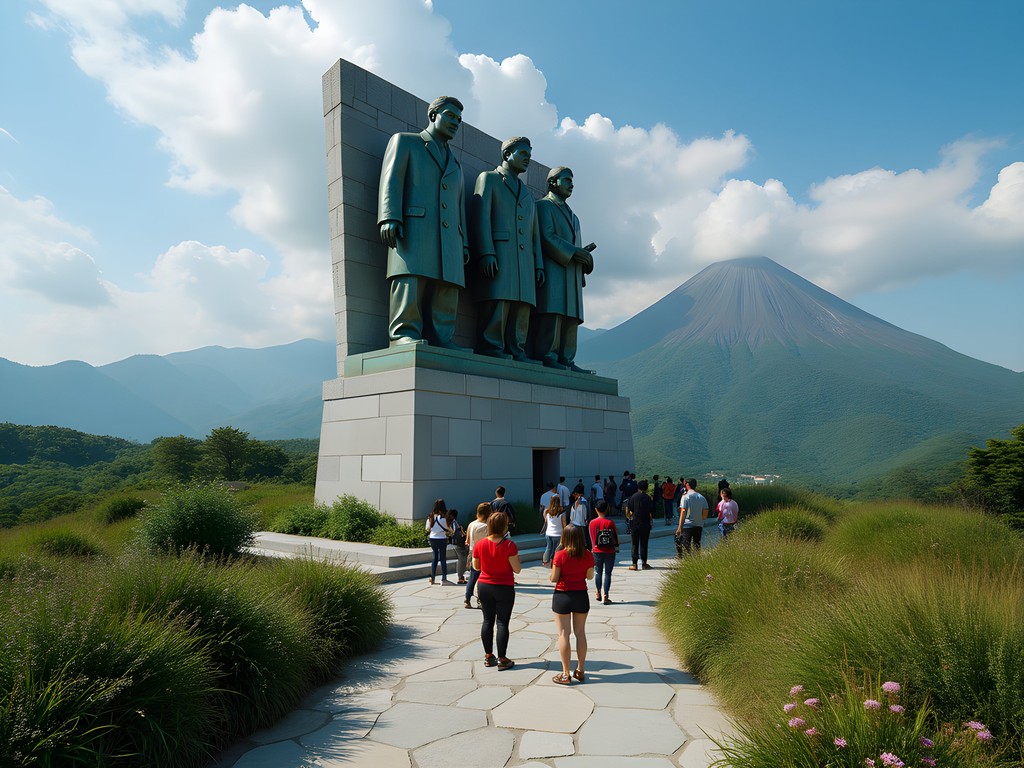
As we ascended through forests of birch and pine, our guides recounted revolutionary tales with the same reverence that my mother once shared ancient Japanese folklore. The mountain itself serves as a physical manifestation of juche, North Korea's philosophy of self-reliance—standing alone, imposing and independent against the horizon.
I found it valuable to demonstrate cultural respect by presenting small, thoughtful gifts to our guides. Traditional Swedish candies and modest Japanese handicrafts were received with genuine appreciation. For carrying such items, I recommend a traditional gift pouch which adds an appropriate cultural dimension to the presentation.
💡 Pro Tips
- Study North Korean cultural protocols before your trip—showing respect for leadership and revolutionary history is non-negotiable
- Practice basic Korean phrases; even minimal language effort is greatly appreciated
- When photographing monuments or political imagery, ensure you capture the entire subject rather than cropping, which may be considered disrespectful

Summit Strategy: The Technical Ascent
The ascent of Mount Paektu presents what financial analysts might call a 'moderate risk, high reward' proposition. While not technically demanding by international alpinist standards, the combination of isolation, weather variability, and limited rescue infrastructure demands serious preparation.
The standard route from the North Korean side involves a drive to approximately 1,900 meters, followed by a 4-5 hour hike to the crater rim. The final ascent traverses volcanic scree and weather-worn paths that can become treacherously slippery after rain. During my July expedition, we encountered both brilliant sunshine and sudden, enveloping mist within the same hour.
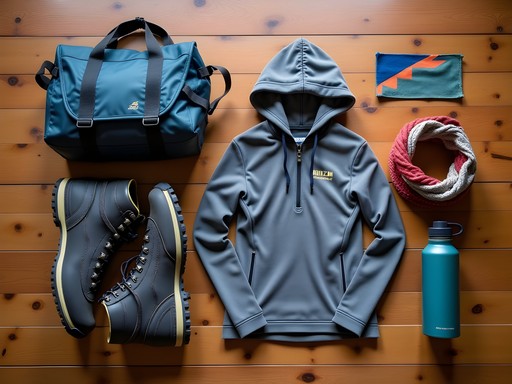
Proper footwear is your most critical investment. I relied on my alpine hiking boots which provided essential ankle support and grip on the volcanic terrain. For the rapid temperature fluctuations at the summit, I found my merino wool base layer invaluable—it regulated temperature effectively even when conditions shifted dramatically at the crater rim.
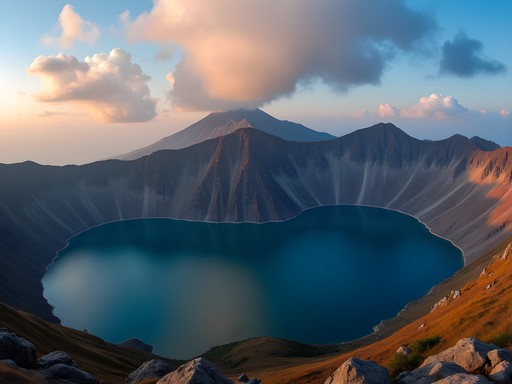
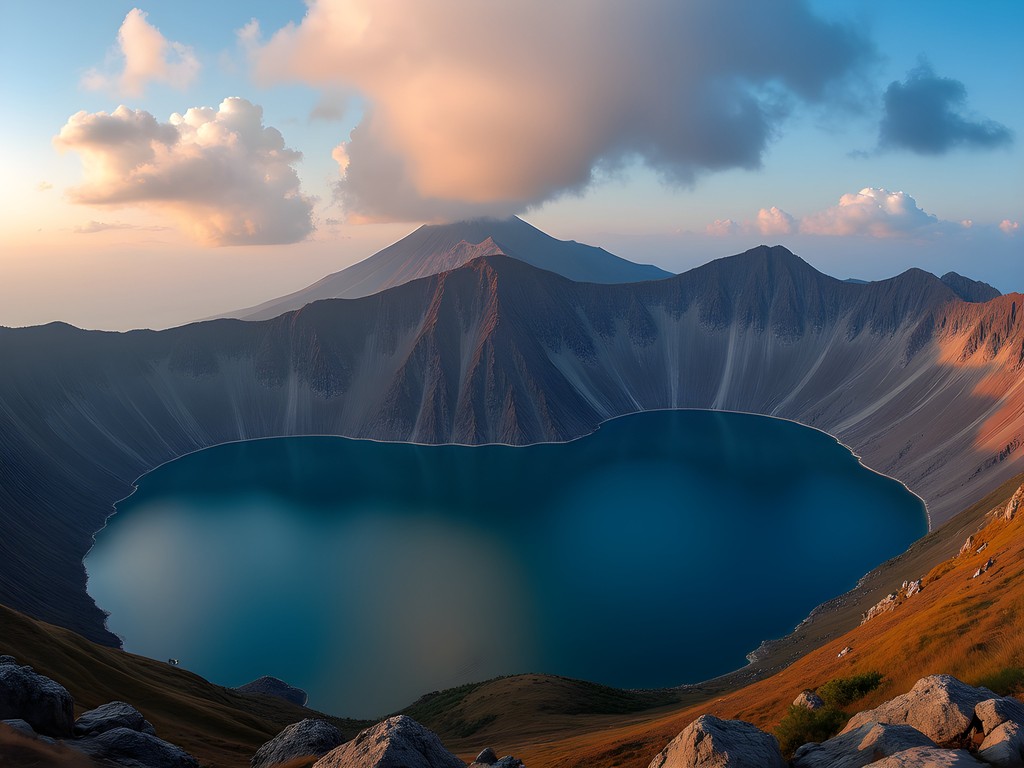
The summit itself delivers a dividend beyond calculation: Heaven Lake (Tianchi) stretches before you in impossible blue, cradled within the volcanic caldera. The contrast between the azure water and the black volcanic rock creates a natural composition that would make my mother, the art curator, speak of perfect balance and tension.
💡 Pro Tips
- Train specifically for high-altitude hiking for at least 3 months before your expedition
- Pack micro-spikes even in summer as morning frost can make certain sections treacherous
- Use trekking poles to manage the loose scree sections, particularly during descent
Luxury Amid Austerity: Accommodations and Comfort
Mount Paektu expeditions present a fascinating study in contrasts—between natural grandeur and human austerity, between luxury expectations and frontier realities. The accommodations in Samjiyon have undergone significant development in recent years, part of a state-driven initiative to increase tourism infrastructure.
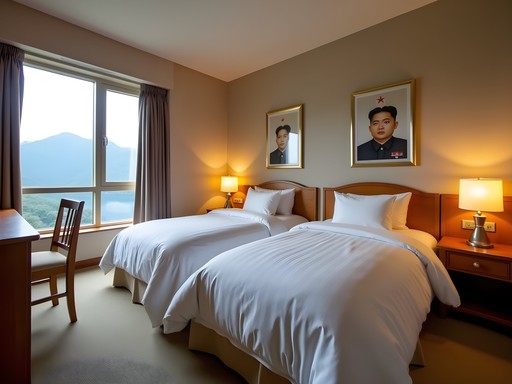
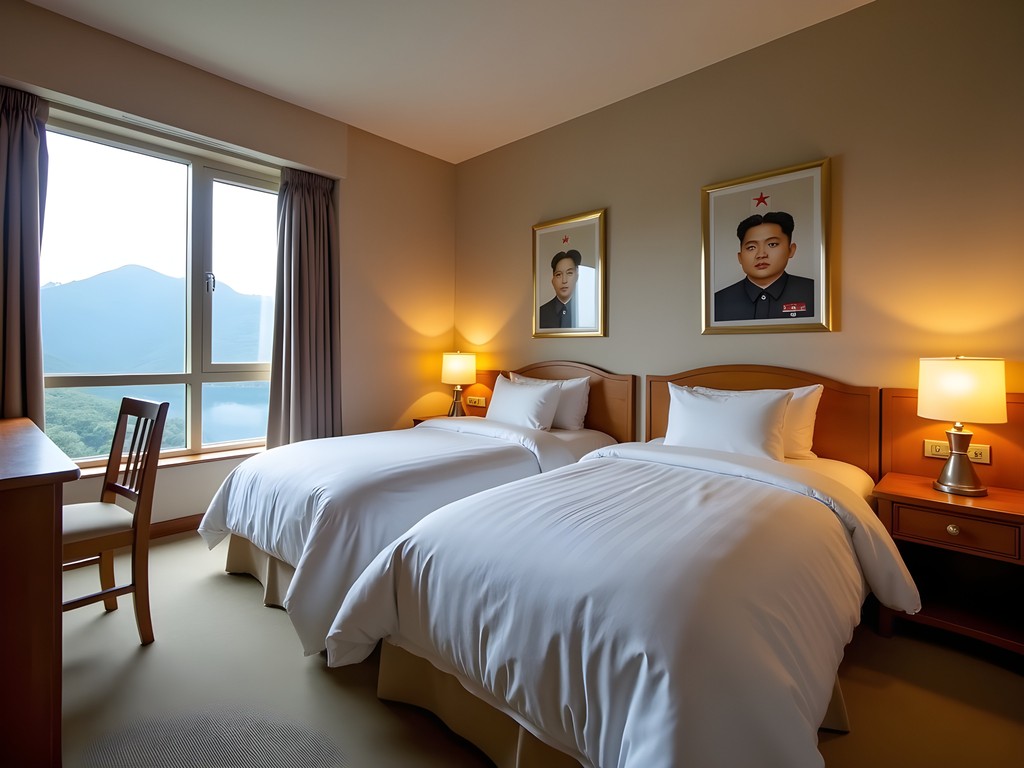
The Paektusan Hotel, where most international visitors stay, offers what might be described as 'functional comfort' rather than true luxury. However, with proper preparation, one can maintain standards of comfort that make the journey more pleasant.
I supplemented the hotel bedding with my own silk travel liner which not only adds a hygienic layer but provides the familiar comfort of silk against the skin—a small luxury that weighs almost nothing in your pack. For the unreliable hot water situation, I found my portable water heater invaluable for preparing morning tea or emergency hot water needs.
Dining options follow a set pattern, with meals arranged by your tour company at designated restaurants. The cuisine focuses on traditional Korean dishes, though adapted somewhat for international palates. As in many frontier investment markets, it's wise to maintain reasonable expectations while looking for unexpected value—the fresh mountain vegetables and locally foraged mushrooms were particular highlights of our meals.
💡 Pro Tips
- Bring comfort items that pack small but impact greatly: quality tea, favorite snacks, and portable luxuries
- Request room assignments on higher floors for better views and typically better maintained accommodations
- Pack a multi-plug power adapter as outlets are limited, and voltage can be inconsistent
Final Thoughts
Mount Paektu stands as a rare double-entry in the ledger of travel experiences—simultaneously a geographic achievement and a cultural immersion unlike any other. The journey demands significant investment: of time in securing permissions, of patience in navigating bureaucracy, and of respect in understanding the mountain's profound significance to Korean identity. Yet the returns are extraordinary.
As I stood at the crater rim watching the morning light transform Heaven Lake from obsidian to sapphire, I was reminded of a Japanese concept my mother often referenced: ichigo ichie—one opportunity, one encounter. Each moment is unique and will never recur in exactly the same way. This perfectly captures the Mount Paektu experience.
For those with the determination to navigate both the diplomatic and physical terrain, Mount Paektu offers a portfolio of memories that appreciate rather than depreciate with time. As the Swedish saying goes, 'Det finns inget dåligt väder, bara dåliga kläder'—there is no bad weather, only bad clothing. With proper preparation, cultural sensitivity, and respect for both natural and political forces, this sacred peak becomes accessible to the most intrepid luxury travelers.
✨ Key Takeaways
- Mount Paektu requires 6-8 months of advance planning and specialized tour operators with North Korean government connections
- The mountain holds profound cultural and political significance that visitors must respect through appropriate behavior and knowledge
- Summer (June-August) offers the most reliable access window with moderate temperatures and clearest views of Heaven Lake
- Luxury in this context means preparedness—bring essential comfort items as local infrastructure remains limited despite development
📋 Practical Information
Best Time to Visit
June to August (summer)
Budget Estimate
$5,000-7,500 per person for a comprehensive 7-day expedition
Recommended Duration
7 days (including travel to/from Pyongyang)
Difficulty Level
Challenging

Comments
escapeway
Wow Adam, this is EXACTLY what I needed! Been trying to figure out how to visit Paektu for ages but info is so scarce. That diplomatic section was gold - I had no idea about the special permit requirements beyond the standard NK visa. Did you feel like the Chinese side approach was easier than trying to go through Pyongyang? Also, those photos of the crater lake are INSANE - way more vibrant blue than I expected!
Adam Johansson
Thanks! The Chinese approach definitely has fewer diplomatic hurdles, but you miss the full North Korean experience. The Pyongyang route lets you see how significant the mountain is culturally, but adds about 4 extra days and a lot more paperwork.
escapeway
That makes sense. Worth the extra days for the full experience I think. Did you have issues with photography restrictions? That's my biggest concern.
Adam Johansson
Photography was actually less restricted at Paektu than in Pyongyang, surprisingly. They're proud of the mountain. Just no photos of military or construction sites along the way.
cityace
For anyone considering this - I did Changbai (Chinese side) last year and it was way easier to arrange. Still get to see Heaven Lake without all the visa headaches. Just saying there are options!
coolclimber
Yeah but that's not really the same experience is it? The NK side is the whole point
Haley Hamilton
This is wild, Adam. I've backpacked through some pretty remote places but North Korea has always felt like the final frontier. Your point about it being both a geographic achievement and cultural immersion really resonates. I'm curious about the physical difficulty - how does it compare to other Asian peaks you've done? Also, the economic angle you touched on is fascinating. The tourism infrastructure must be so different from anywhere else. Did you feel the restrictions heavily impacted the experience, or did it somehow add to the mystique?
Adam Johansson
Physically it's moderate - similar to a challenging day hike rather than a technical climb. The restrictions definitely shape the experience, but honestly, they became part of the story. The mystique is real, and knowing you're somewhere so few people go adds weight to every moment.
greenlover
Those crater lake photos are stunning!!
Ana Robinson
What an incredible journey, Adam! I've been fascinated by Paektu since learning about its significance in Korean mythology. The crater lake must be absolutely breathtaking. I'm curious about the cultural sensitivity aspect - were there specific protocols or behaviors you had to follow during the ascent? With kids, this obviously isn't on my near-term list, but the historical and spiritual context you provided really brings it to life. The fact that both Koreas consider it sacred makes it such a unique destination.
Adam Johansson
Ana, the protocols were strict but clear. Our guides briefed us extensively - no pointing at statues or monuments, always show respect when the leaders are mentioned, and absolutely no unauthorized photos. The spiritual reverence was palpable though. Definitely a unique experience!
coolvibes
How long did the visa process take? And did you have to go through a specific tour company?
Adam Johansson
Visa took about 6 weeks through Koryo Tours. You definitely need to go through an approved agency - no independent travel possible. They handle everything including the guides who accompany you 24/7.
coolvibes
Thanks! That's helpful
Sarah Powell
This is incredibly detailed, Adam! The diplomatic navigation section is particularly valuable. Having traveled to several politically complex destinations myself, I appreciate how thoroughly you've covered the visa process and cultural sensitivities. One aspect that really stands out is your coverage of the mountain's significance in North Korean national mythology. This context is crucial for visitors to understand what they're witnessing. For anyone planning this journey, I'd recommend bringing a quality camera with extra batteries as charging opportunities are limited. My mirrorless camera performed excellently in similar conditions when I visited other remote parts of Asia. The temperature variations you mentioned are definitely something to prepare for, even in summer months.
coolclimber
This is insane! Never thought I'd see a trip report from the NK side.
cityace
Right?? I've done the Chinese side but this is a whole different level
blueclimber
How difficult was the actual climb? Is it something an average hiker could handle or more technical?
Adam Johansson
It's actually quite manageable for anyone with moderate fitness. The main challenge is the diplomatic hurdles, not the terrain. Most visitors take the North Korean route which has a road almost to the top. The Chinese side is more of a traditional hike. The altitude (2,750m) affects some people, but the paths are well-maintained.
blueclimber
That's good to know, thanks! I was picturing something much more extreme from the photos.
exploremood
Wow! I've been fascinated with North Korea's mountains for years but never thought it was possible to actually climb Paektu! This is going straight on my adventure bucket list. The photos of that crater lake are absolutely stunning!
Sarah Powell
Same here! I've been researching DPRK trips for a while but didn't realize Paektu was accessible to foreigners. Adam, did you go through a specialized tour company for this?
Adam Johansson
Thanks for the interest! Yes, I went through Koryo Tours - they're one of the few operators with permission for Paektu. The trip requires extra permits beyond the standard DPRK visa, and they handled all the bureaucracy.
Venture X
Premium card with 2X miles, $300 travel credit, Priority Pass