

Disclosure: This article contains affiliate links. We may earn a commission from purchases at no extra cost to you, which helps our travel content.
When I mentioned to friends that my winter adventure plans included Mbuji-Mayi in the Democratic Republic of Congo, I received more puzzled looks than I could count. 'Why not somewhere more... conventional?' they asked. But conventional has never been my style. As someone who's spent years navigating cultural intersections—from my Japanese-American upbringing in Houston to my current life in Perth with frequent global adventures—I've developed a particular fondness for destinations that challenge perceptions and offer genuine cultural immersion. Mbuji-Mayi, with its fascinating diamond industry, complex history, and rarely-experienced local culture, promised exactly that kind of enriching adventure. What followed was a week of discovery that pushed my comfort zones, connected me with remarkable people, and reminded me why venturing beyond the standard tourist map delivers the most transformative travel experiences.
Preparing for Congo's Diamond Heartland
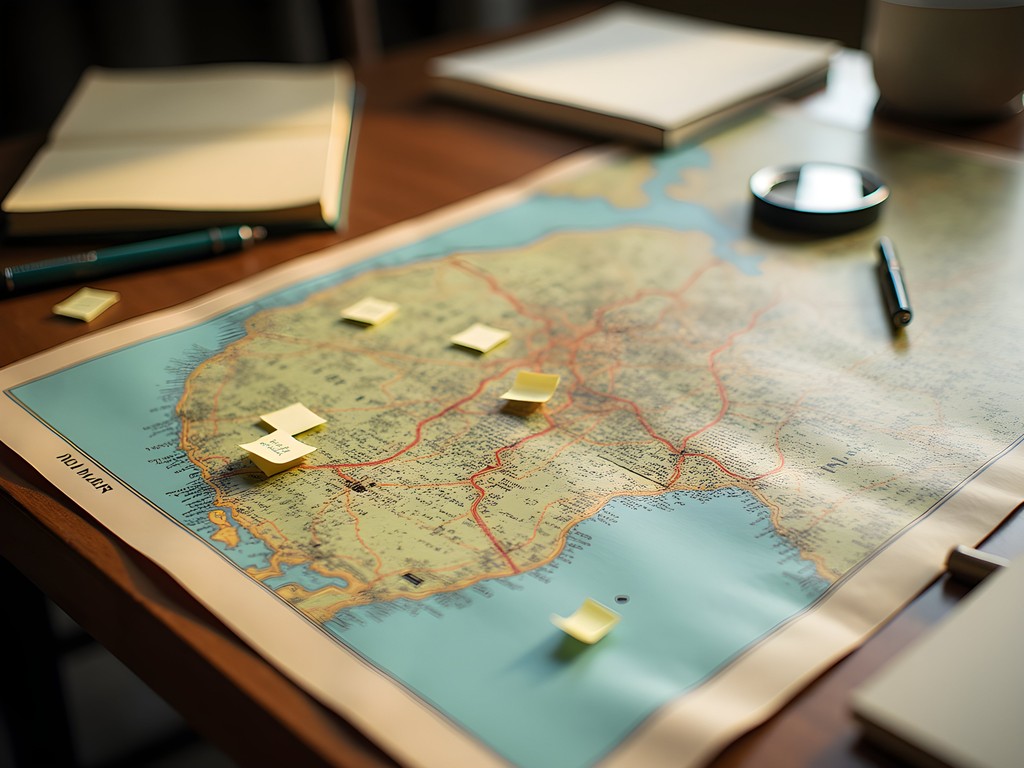
Let me be upfront: traveling to Mbuji-Mayi requires serious preparation. This isn't a destination for travel novices or the faint of heart. The DRC's second-largest city operates with minimal tourism infrastructure, and security considerations are real.
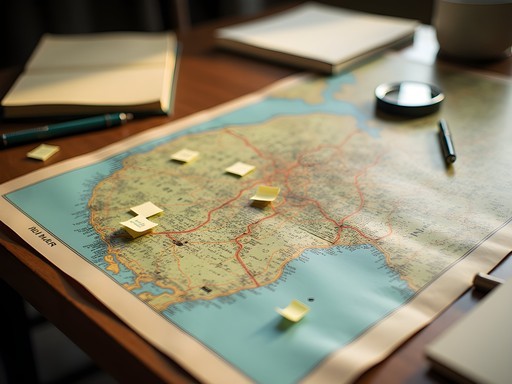
My journey began months before departure with extensive research and connecting with local contacts. Through a friend who works in international development, I arranged a local guide—absolutely essential for safety, language assistance, and cultural navigation. Francis, my guide, became not just a translator but a cultural bridge who transformed my experience.
Visa requirements for the DRC are strict and time-consuming. I applied two months in advance and needed letters of invitation plus proof of accommodation. Health preparations included yellow fever vaccination (mandatory), malaria prophylaxis, and a comprehensive medical kit. My travel first aid kit proved invaluable, especially when I needed rehydration salts after a day in the intense heat.
Packing required thoughtful consideration—modest, lightweight clothing that respected local customs while managing the heat, alongside practical items like a portable water filter that saved me countless times when safe drinking water wasn't available. Electricity in Mbuji-Mayi is inconsistent at best, so my solar charger became my most prized possession for keeping communication devices powered.
💡 Pro Tips
- Secure a trusted local guide before arrival—this is non-negotiable for safety and meaningful cultural access
- Apply for visas at least 8 weeks before travel and expect to provide extensive documentation
- Pack more cash than you think you'll need—ATMs are unreliable and credit cards rarely accepted
Inside the Diamond Economy
The diamond industry defines Mbuji-Mayi, earning it nicknames like 'Diamond Capital' and 'City of Diamonds.' But understanding this industry requires moving beyond postcard perceptions to witness the complex reality.
With Francis navigating bureaucratic hurdles, I secured a rare guided tour of MIBA (Société Minière de Bakwanga), the state-owned mining company. The contrast was striking—industrial mining operations alongside artisanal miners working in more traditional ways. The tour provided fascinating insights into the extraction process, but also highlighted the challenging economic realities facing many workers.
The most eye-opening experience came at the city's diamond markets. After establishing trust with local traders through Francis's connections, I was invited to observe transactions at one of the smaller diamond counting houses. Seated on plastic chairs in a simple room with barred windows, I watched as dealers examined rough diamonds using nothing more than magnifying loupes and practiced eyes, negotiating deals worth thousands of dollars with subtle nods and whispered numbers.
A local trader named Patrice explained how diamonds move from mines through various middlemen before reaching international markets. His stories revealed both entrepreneurial spirit and the precarious nature of working in an industry with wild price fluctuations. When I asked about tourism around the diamond industry, he laughed. 'You're only the second foreigner who has sat in this room this year,' he told me.
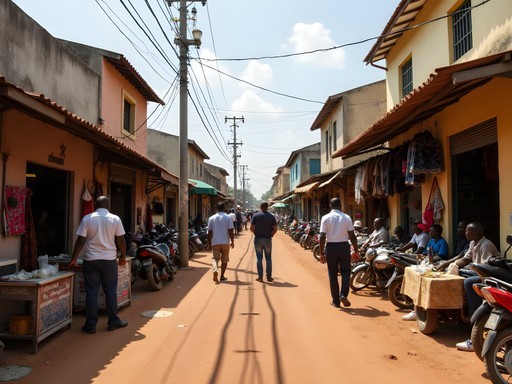
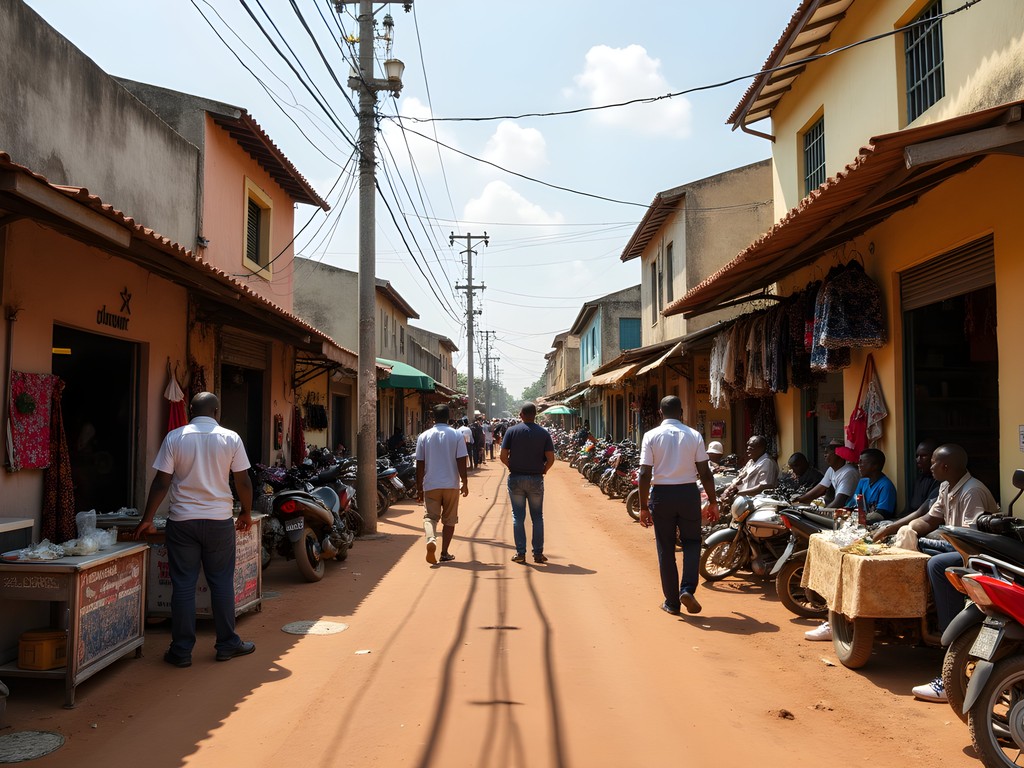
While photography is strictly controlled around diamond operations (for obvious security reasons), I captured the vibrant street life that has developed around this economy—the small restaurants serving miners, the shops selling equipment, and the general buzz of a city whose heartbeat is synchronized with the rhythm of diamond extraction.
💡 Pro Tips
- Never photograph diamond operations without explicit permission—it can result in serious security issues
- Bring small US dollar bills in excellent condition for transactions—torn or marked bills won't be accepted
- Ask your guide about appropriate 'gifts' when meeting with industry figures—small tokens of appreciation are often expected
Cultural Immersion Beyond the Gems
While diamonds may be Mbuji-Mayi's claim to fame, the city's cultural landscape offers equally valuable treasures for the curious traveler. The region is home to the Luba people, whose artistic traditions and social structures have influenced Central African culture for centuries.
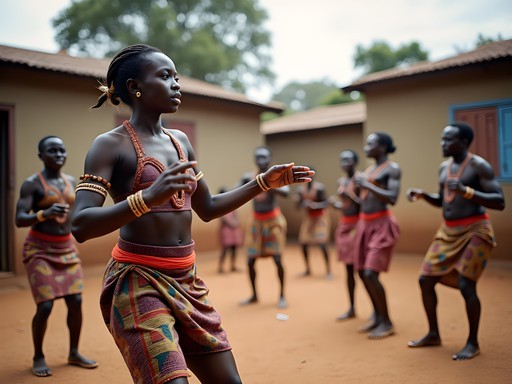
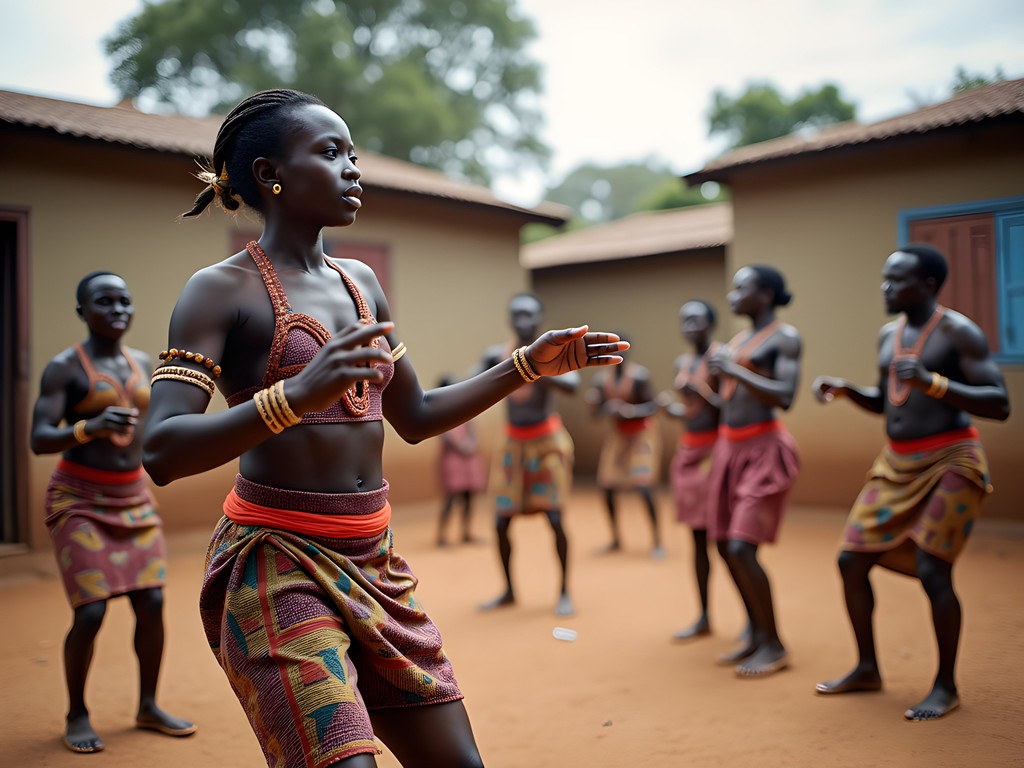
My fascination with traditional dance performances led me to a community cultural center on the city's outskirts. What was scheduled as a brief demonstration evolved into an afternoon-long immersion when the dance troupe discovered my own background in dance. Soon I found myself attempting to learn the intricate rhythms and movements of Luba ceremonial dances, much to the amusement and eventual appreciation of my patient teachers.
Food became another avenue for cultural connection. At the central market, Francis introduced me to mama Angèle, who runs a small food stall specializing in regional dishes. Under her guidance, I tried fufu (a staple made from cassava) with various accompaniments, including a fish stew seasoned with pili-pili (local chili) that tested my spice tolerance! These culinary adventures were enhanced by my pocket translator device which helped me ask questions about ingredients and cooking techniques when Francis was engaged with other vendors.
One unexpected highlight was visiting a local church on Sunday, where I witnessed how religious traditions imported during colonial times have been transformed into vibrant expressions of Congolese spirituality. The three-hour service featured music so captivating that I found myself swaying alongside congregation members, language barriers dissolving in shared rhythm.
Through these experiences, I gained insights into how the Luba and other local groups maintain cultural traditions while navigating the economic realities of a city defined by resource extraction. The resilience and creativity I witnessed challenged many Western narratives about the DRC, revealing the multidimensional nature of life in Mbuji-Mayi beyond simplistic headlines.
💡 Pro Tips
- Learn basic Tshiluba greetings—even a few words will earn smiles and open doors
- Respect religious spaces by dressing modestly—women should cover shoulders and knees
- Ask permission before photographing people, and be prepared to show them the images you've taken

Navigating Challenges and Finding Beauty
I won't sugarcoat it—traveling in Mbuji-Mayi presents genuine challenges. The city's infrastructure bears the scars of political neglect and resource exploitation. Power outages are daily occurrences, roads can be treacherous, and the legacy of conflict has left both physical and psychological impacts on the region.
During my stay, I experienced everything from minor inconveniences (cold showers when electricity failed) to moments that tested my adaptability (a two-hour delay at a police checkpoint where my documentation was scrutinized repeatedly). My travel security pouch became my constant companion, keeping my passport and emergency cash secure beneath my clothing.
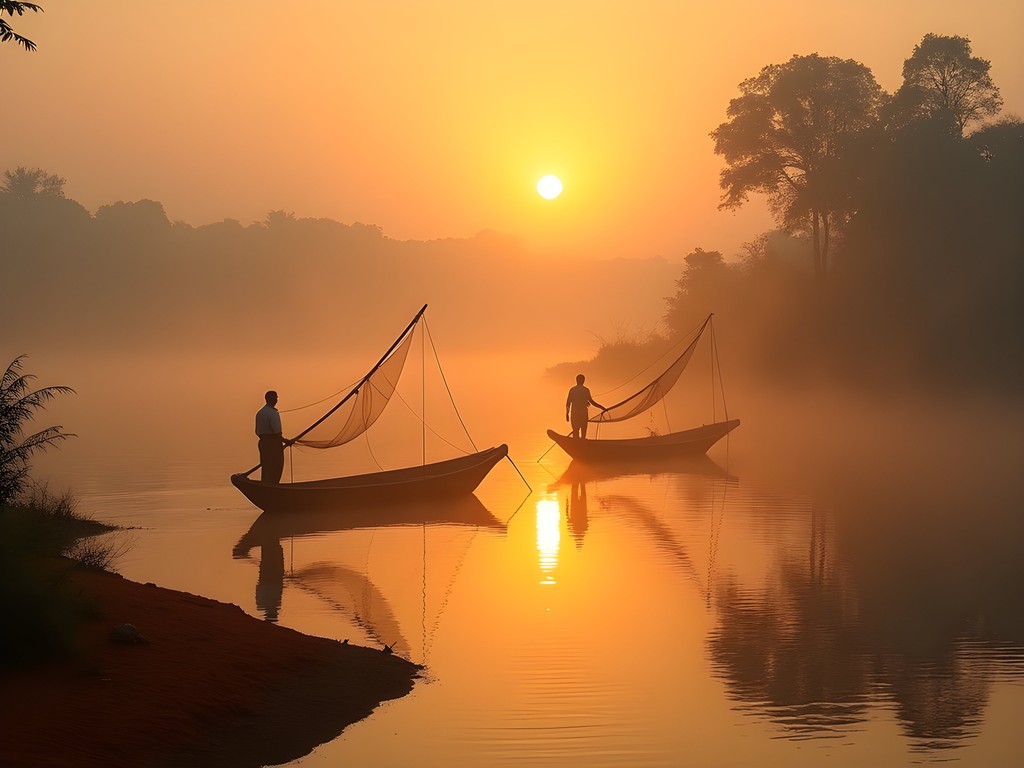
Yet amid these challenges, I discovered unexpected beauty. The red-earth landscapes surrounding the city offer breathtaking vistas, particularly at sunrise when the mist hangs low over the savanna. One morning, Francis took me to a viewpoint overlooking the Sankuru River, where we watched fishermen casting nets in the golden light while discussing how climate change has affected traditional fishing practices.
The city's architecture tells stories of its evolution—from colonial-era administrative buildings to the contrasting modern structures funded by diamond wealth. Walking through different neighborhoods revealed the stark economic divisions but also showcased the creativity of residents who transform limited resources into vibrant homes and businesses.
Perhaps most memorable were the spontaneous moments of connection—sharing mangoes with children practicing English phrases, joining an impromptu soccer match in a dusty lot, or being invited to shelter from sudden rain under a shop awning where I ended up in a passionate discussion about Australian rules football with a shopkeeper who follows international sports religiously on his shortwave radio.
These moments reminded me that while Mbuji-Mayi's infrastructure might be challenging, its human landscape offers richness that standard tourist destinations often can't match.
💡 Pro Tips
- Maintain a flexible attitude—schedules and plans will change frequently and without notice
- Document your journey in a journal rather than relying solely on photos in sensitive areas
- Build relationships with hotel staff—they can provide crucial assistance when unexpected situations arise
Responsible Adventure in a Complex Destination
Traveling to a place like Mbuji-Mayi raises important questions about responsible tourism in complex destinations. Throughout my journey, I grappled with how to engage ethically with a place shaped by resource extraction and historical exploitation.
One approach I took was ensuring my tourism dollars reached local hands directly. Rather than staying at the one international-standard hotel (owned by mining interests), I chose a locally-owned guesthouse where my modest room was clean and secure, if basic. The family running it benefited directly from my stay, and their insights enriched my understanding of daily life in the city.
I was careful about photography, particularly around mining operations or security installations. My compact travel camera was less intimidating than a larger DSLR and allowed me to capture memories without drawing unwanted attention. When photographing people, I always asked permission first and offered to send images when possible.
Perhaps most importantly, I approached the experience with humility and a willingness to listen rather than impose my own narratives. When discussions turned to politics or resource management, I asked questions rather than offering opinions. This approach led to nuanced conversations with locals who shared perspectives rarely represented in Western media coverage of the DRC.
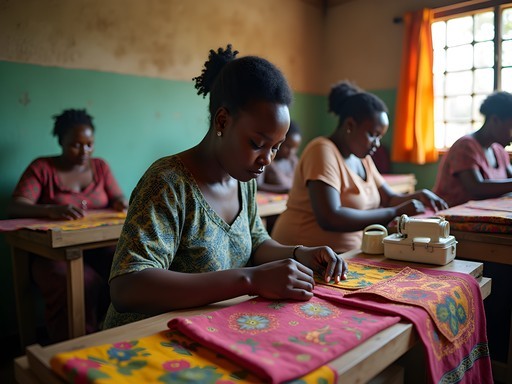
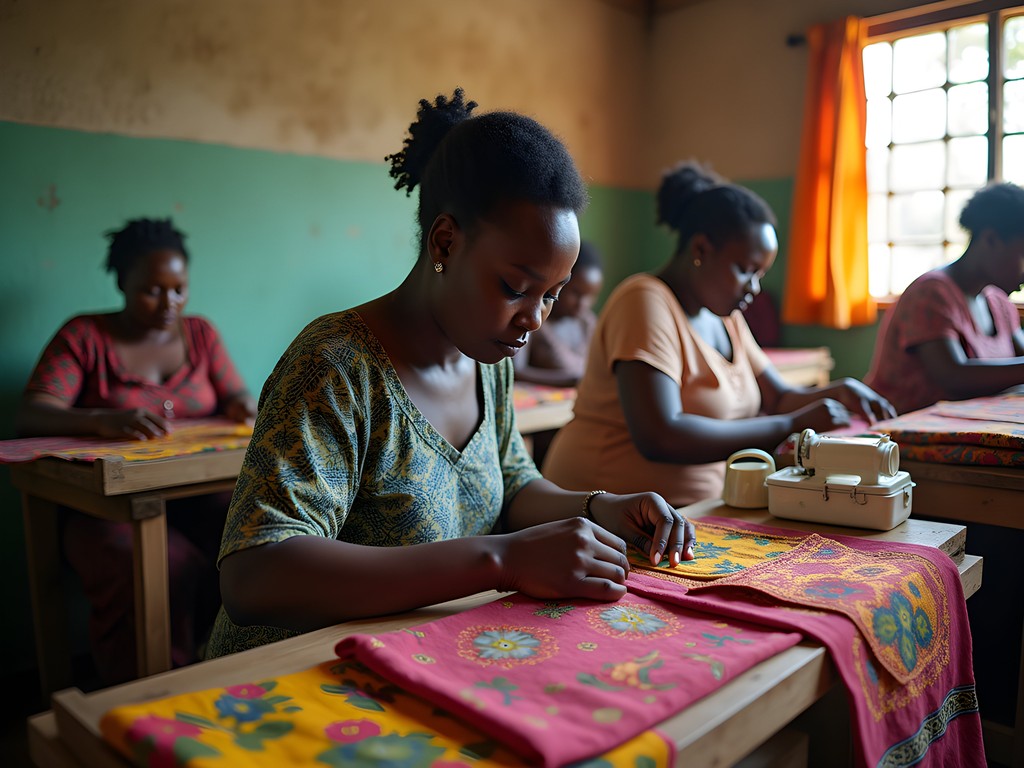
Francis helped me arrange a visit to a community project where women affected by conflict have developed cooperative businesses creating textiles and crafts. Purchasing directly from these artisans provided meaningful support while giving me beautiful, authentic souvenirs with genuine stories behind them.
Responsible travel in challenging destinations isn't about perfection—it's about making conscious choices that maximize benefits to local communities while minimizing potential harms. In Mbuji-Mayi, this meant constant reflection on my presence and its impacts, both positive and negative.
💡 Pro Tips
- Research the political and economic context thoroughly before visiting to understand the complexities you'll encounter
- Support locally-owned businesses whenever possible rather than international chains
- Consider bringing useful items to donate to community organizations (school supplies, medical items) rather than giving to individuals
Final Thoughts
As my week in Mbuji-Mayi drew to a close, I found myself reflecting on how this challenging destination had shifted my perspective. The diamond capital of Congo won't be appearing on mainstream tourism lists anytime soon—and perhaps that's precisely what makes it valuable for the adventurous traveler seeking authentic engagement with our complex world. This journey reminded me why I travel: not for comfort or conventional beauty, but for the profound connections and expanded understanding that come from stepping into unfamiliar realities. If you're an experienced traveler with patience, cultural sensitivity, and a genuine desire to see beyond headlines, Mbuji-Mayi offers rewards that glitter far more meaningfully than the diamonds it's famous for. As the Tshiluba saying goes, 'The journey's difficulty is forgotten, but its lessons remain.' What endures from my time in this misunderstood city is not the challenges, but the human connections that transcended them.
✨ Key Takeaways
- Mbuji-Mayi offers rare insights into the global diamond industry from the source perspective
- Cultural experiences with Luba traditions provide depth beyond the city's industrial identity
- Thorough preparation and working with local guides is essential for safety and meaningful access
- The challenges of traveling in the DRC are balanced by authentic human connections rarely found in mainstream destinations
📋 Practical Information
Best Time to Visit
May-September (dry season)
Budget Estimate
$100-150 USD per day including guide services
Recommended Duration
5-7 days
Difficulty Level
Challenging

Comments
happynomad
Thanks for sharing this! Definitely adding to my bucket list
adventurezone
Not gonna lie, this seems a bit extreme even for off-the-beaten-path travel. I'm all for authentic experiences but there's a reason most people skip this area. That said, I respect the adventure and your writing makes it sound like you really connected with the place beyond just ticking off a rare destination. Would love to hear more about the practical side - accommodation options, food safety, that kind of thing.
Marco Flores
I get what you're saying but sometimes the most 'extreme' places teach us the most. Not every trip needs to be comfortable.
Marco Flores
This is the kind of adventure travel content we need more of! I've been focusing too much on the usual suspects lately. Your point about the diamond economy really hit home - we often see these resources in shops back home but never think about the source. The way you described navigating the challenges without romanticizing the difficulties is perfect. I'm planning Central Africa for next year and this has me seriously considering adding DRC to the itinerary. The cultural immersion section was my favorite part. How long would you recommend staying to really get beneath the surface?
wavemood
I've been to some challenging destinations in Central Africa but never DRC. What would you say was the biggest logistical hurdle? Visas? Transportation? Finding reliable guides? Also curious about malaria prevention - did you take prophylactics?
photoninja4355
good questions, i wanna know too
explorewanderer
Amazing photos! Super brave to go there
Lillian Diaz
Akiko, this brought back memories of my time in Kinshasa last year. The DRC is one of those places that challenges everything you think you know about travel. I didn't make it to Mbuji-Mayi but your description of the diamond economy and the resilience of the local people really resonates. I found that some of my most profound travel experiences have come from places that give me the most anxiety beforehand. The cultural immersion section especially - those unplanned moments with locals are what travel is really about. Did you find it difficult to photograph there? I was always nervous about pulling out my camera.
happynomad
this is what i love about travel blogs - hearing about places that actually push boundaries
redpro
What was the visa process like? And did you need any special vaccinations beyond the usual ones for Africa?
Akiko Robinson
Visa was tricky - had to get it through the embassy in Tokyo which took about 3 weeks. Yellow fever is mandatory, and I also got typhoid, hep A&B, and malaria prophylaxis. Definitely consult a travel clinic well in advance!
redpro
thanks! yeah sounds like a lot of prep work
globeexplorer
How did you even arrange this trip? Did you go with a tour company or just wing it? I'm curious about the safety situation there
adventurezone
yeah i was wondering the same thing. seems pretty risky for solo travel?
photoninja4355
wow this is intense! never even heard of this place
happylover9837
WOW this is amazing!! You're so brave going there. Love reading about places that aren't the usual tourist spots!!! 💎✈️
Venture X
Premium card with 2X miles, $300 travel credit, Priority Pass