

Disclosure: This article contains affiliate links. We may earn a commission from purchases at no extra cost to you, which helps our travel content.
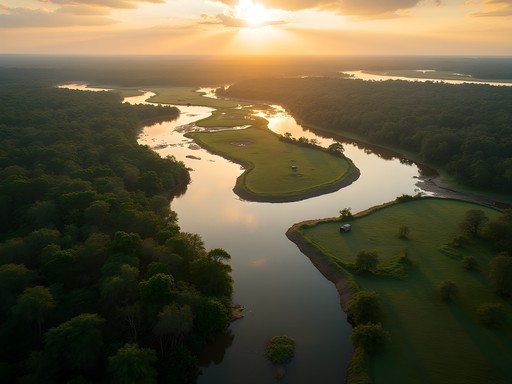
The warehouse floor and the Zambezi River couldn't be more different, yet both follow the same fundamental principle: flow. As I pushed my paddle through the silty waters of Africa's fourth-largest river system, I realized that managing inventory and navigating hippo territories share a surprising connection—both require respect for natural rhythms and careful observation of what lies beneath the surface. After coordinating a supply chain conference in Johannesburg, I extended my stay for what would become the most transformative week of my traveling career: a luxury canoe safari through Zambia's Lower Zambezi National Park.

Preparing for the Zambezi's Wild Symphony
When planning a Lower Zambezi canoe safari, preparation is everything. This isn't your standard weekend paddle—it's an immersion into one of Africa's last truly wild river ecosystems.
I booked my expedition through Royal Zambezi Lodge, a luxury outfitter that balances creature comforts with authentic wilderness experiences. Their seven-day canoe trails include professional guides, porters, and mobile camping setups that would make even the most dedicated glampers nod in approval.
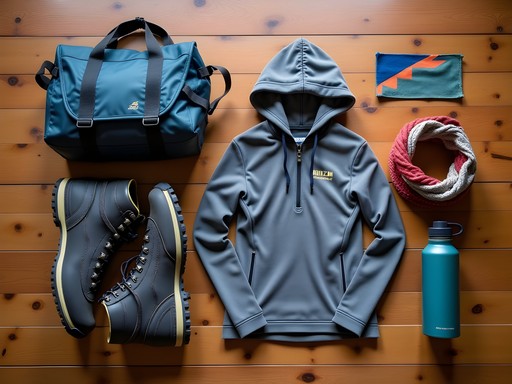
The essential gear list surprised me with its specificity. Beyond the expected safari neutrals (leave anything bright at home), you'll need a high-quality dry bag to protect cameras and electronics. The Zambezi doesn't forgive electronic casualties. My binoculars proved invaluable for spotting wildlife along the shorelines—the difference between seeing a distant gray blob and appreciating the wrinkled skin patterns on a bathing elephant.
💡 Pro Tips
- Book with operators who employ local Zambians as guides—their knowledge of animal behavior is unmatched
- Pack light, quick-dry clothing in neutral colors (khaki, olive, brown)
- Bring twice as many camera batteries as you think you'll need—charging opportunities are limited
Life on the River: Navigation & Wildlife Encounters
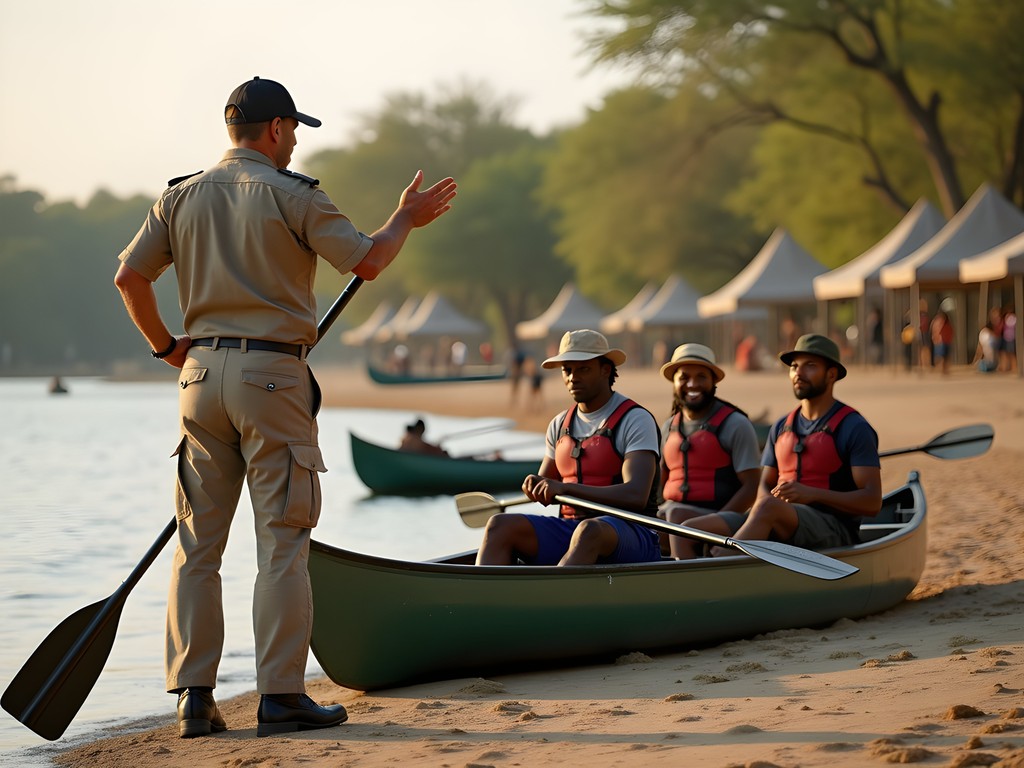
The Zambezi demands respect. Each morning, our head guide Joseph would brief us on the day's route, highlighting hippo pools to avoid and elephant crossing points to observe from a safe distance. Like managing a warehouse workflow, river navigation requires constant adjustments and real-time problem-solving.
Our four-canoe convoy maintained radio contact, with guides positioned at front and rear. We paddled approximately 20-25km daily, though distance wasn't the focus—wildlife encounters dictated our pace. The river teems with over 50 mammal species and 400 bird varieties, creating a constantly shifting natural spectacle.
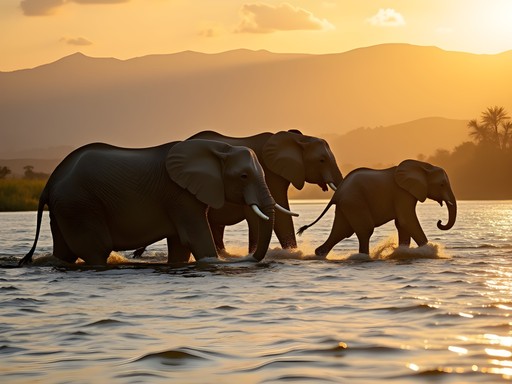
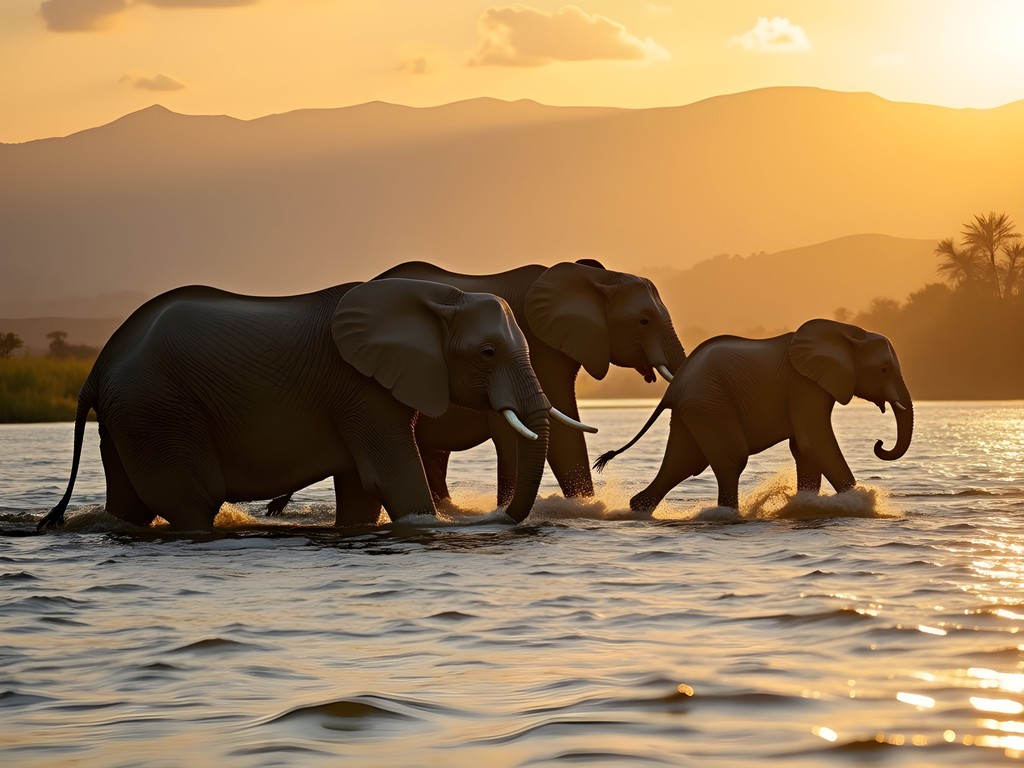
One afternoon, as the sun cast golden light across the water, we paused to watch a breeding herd of elephants cross a narrow channel between islands. The matriarch tested the water depth with her trunk before leading nearly twenty family members across, including a tiny calf swimming between its mother's legs. I captured the moment with my telephoto lens, which proved worth every ounce of its weight for wildlife photography.
Não é brincadeira (this is no joke)—hippos pose the greatest danger. Despite their cartoonish appearance, they're territorial and surprisingly fast. Our guides taught us to identify subtle signs of agitation: ear flicks, mouth gaping, and the ominous water ripples of submerged approach.
💡 Pro Tips
- Always follow guide instructions regarding distance from wildlife
- Learn basic paddle signals before departure
- Morning paddles offer the best wildlife viewing with calm waters
Luxury in the Wild: Mobile Tented Camps
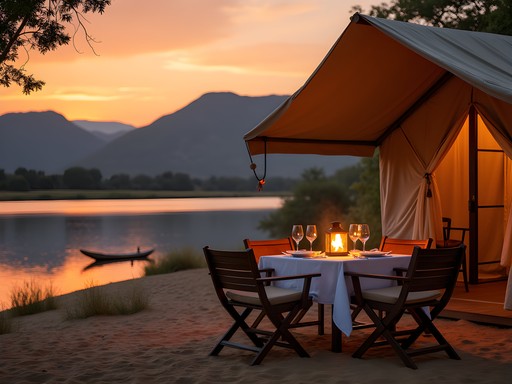
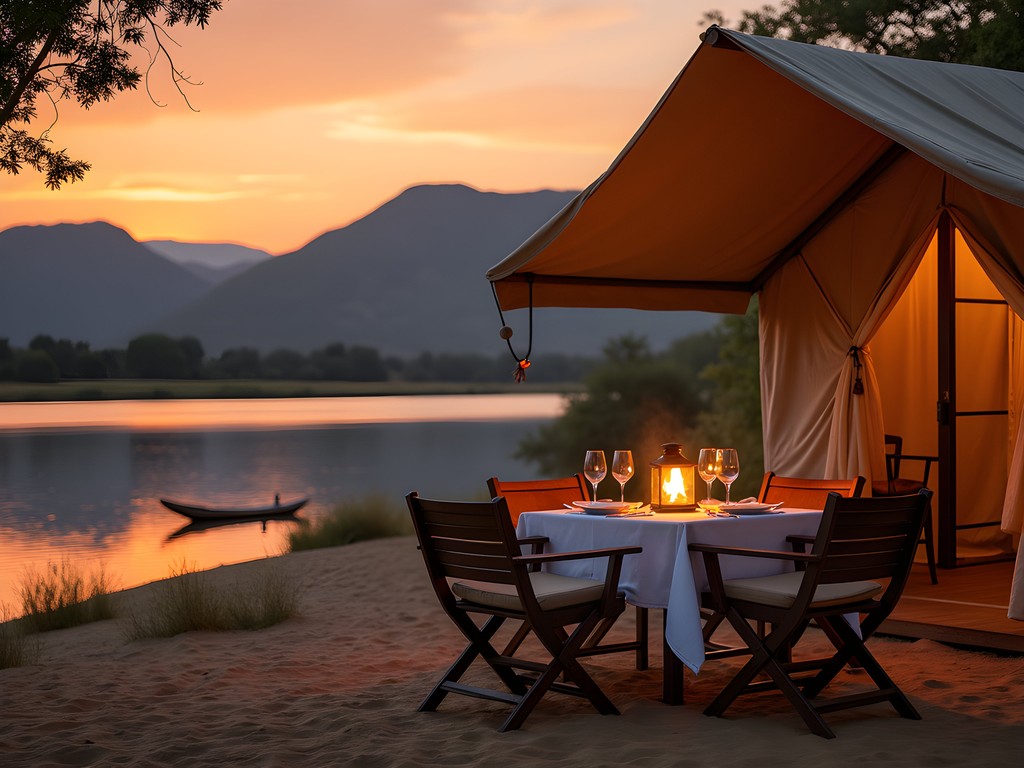
The term 'camping' hardly does justice to our nightly accommodations. Each afternoon, we'd arrive at a predetermined riverside location to find our camp already established by the advance team. Canvas tents with proper beds, hot bucket showers hanging from acacia trees, and a dining area complete with white tablecloths and wine glasses awaited us.
After years of business travel with standardized hotel rooms, this brand of luxury felt revolutionary—authentic without sacrificing comfort. Each campsite was selected for both strategic safety (away from hippo trails) and scenic beauty. My favorite was our third night's location on a sandy island mid-river, where we dined by lantern light as a leopard called from the mainland.
Sleep quality in the wilderness depends on proper gear. I'm grateful I invested in a quality sleeping bag liner that added comfort while keeping the occasional crawling visitor at bay. For those light sleepers concerned about nature's nocturnal symphony, quality earplugs can help, though I preferred embracing the sounds of hippos grunting and lions calling in the distance.
Meals were surprisingly sophisticated three-course affairs prepared over open flames. Fresh bread baked in Dutch ovens, grilled tilapia caught hours earlier, and traditional nshima (cornmeal porridge) with game meat stews highlighted the culinary program. The chef's ability to create gourmet meals with minimal equipment reminded me of the elegant efficiency I strive for in warehouse operations.
💡 Pro Tips
- Pack a headlamp with red light mode to preserve night vision in camp
- Bring a lightweight power bank for essential electronics
- Request dietary restrictions in advance—chefs can accommodate but need preparation time

Beyond Paddling: Walking Safaris & Cave Explorations
While the canoe experience forms the heart of this expedition, the daily rhythm includes land-based adventures. Each afternoon after establishing camp, our guides led optional walking safaris into the riverine forests and floodplains. The perspective shift from water to land reveals different wildlife behaviors and tracking opportunities.
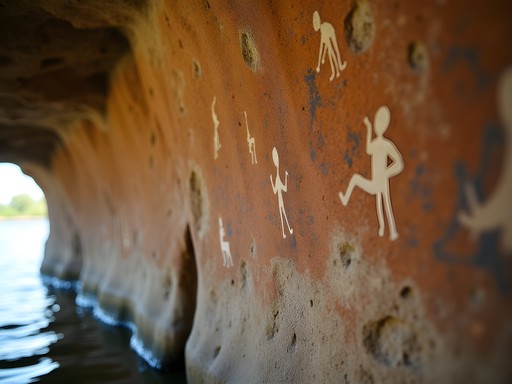
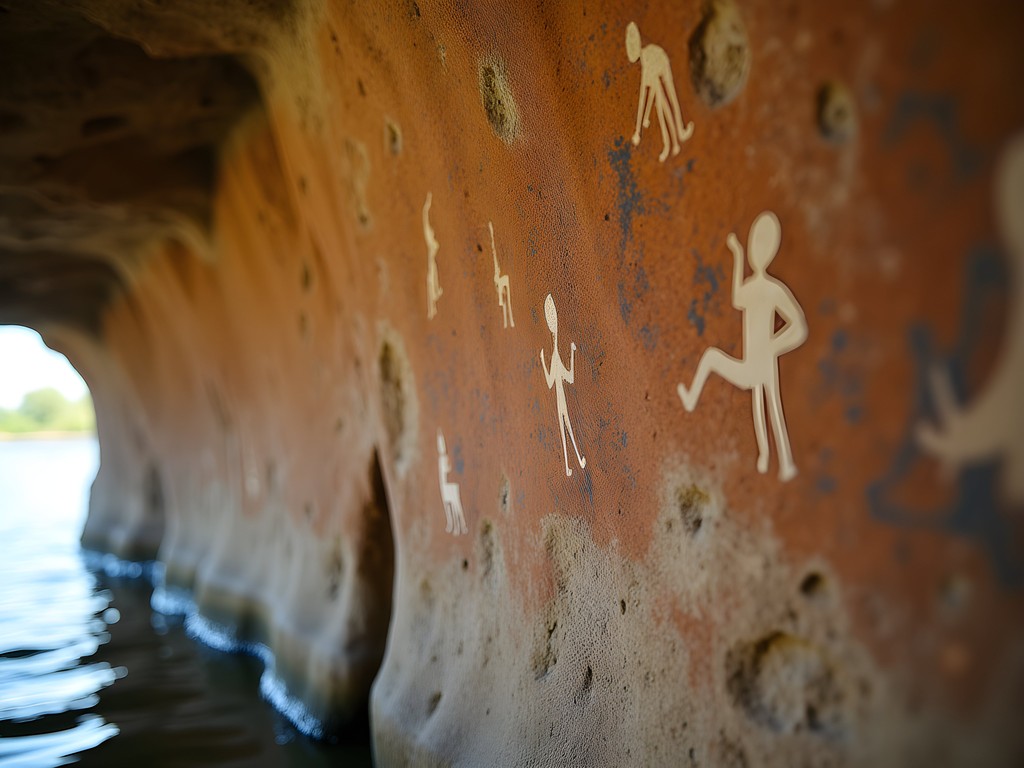
On our fourth day, we explored the Mpata Gorge caves, ancient dwellings with San Bushmen rock paintings dating back thousands of years. As someone who seeks out urban cave systems in my city explorations, these natural formations with their ochre handprints and hunting scenes felt like connecting with the original graffiti artists.
The walking safaris require proper footwear. My hiking boots provided ankle support on uneven terrain while offering protection from thorns and the occasional snake encounter. Joseph taught us to identify tracks, differentiate between black and white rhino middens (sadly, we saw no actual rhinos), and recognize the territorial markings of leopards.
The most memorable land excursion was tracking a pride of lions that had made a buffalo kill the previous night. Following their prints through drying mud, we eventually found them resting in the shade of a massive sausage tree, bellies distended from their feast. The alpha male's roar at sunset vibrated through my chest—a sound no recording can adequately capture.
💡 Pro Tips
- Always walk single-file behind the armed guide during walking safaris
- Bring a small backpack with water and camera for afternoon excursions
- Wear closed shoes and long pants for protection against thorns and insects
Cultural Connections: Village Visits & Conservation Efforts
The Lower Zambezi isn't just a wildlife sanctuary—it's home to communities whose relationship with the river spans generations. Midway through our journey, we visited Mugurameno village, where local conservation initiatives are creating sustainable alternatives to poaching.
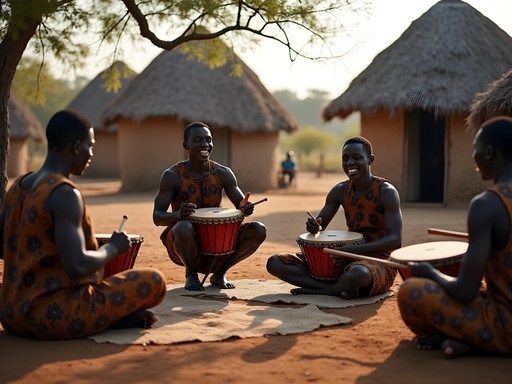
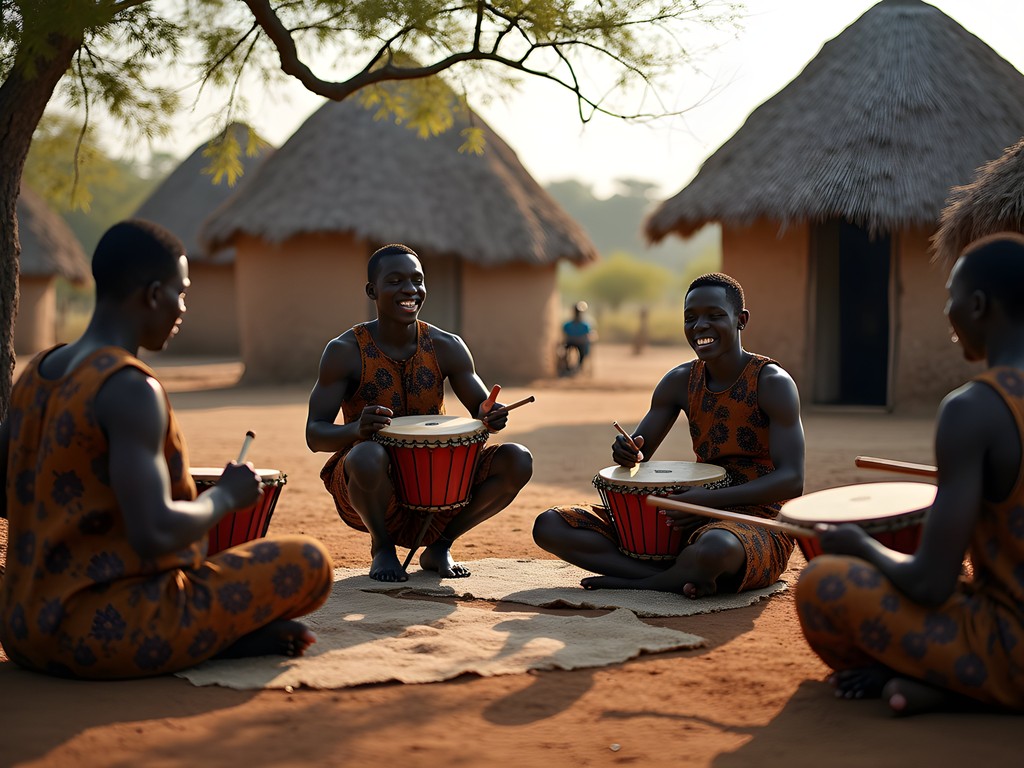
The community-operated Mugurameno Cultural Village Tour provides authentic insights without feeling exploitative. We observed traditional fishing methods, visited the local school (bring donation supplies if possible), and participated in a music session that reminded me of late-night karaoke in Tokyo—different instruments but the same human connection through rhythm.
Conservation Challenges Lower Zambezi faces include poaching, human-wildlife conflict, and habitat fragmentation. The wildlife guide book I brought helped contextualize the conservation discussions with our guides, who explained how tourism directly funds anti-poaching units.
The most inspiring project was the women's cooperative creating artisanal crafts from snare wire recovered by anti-poaching teams—literal transformation of destruction into beauty. I purchased several bracelets made from recycled snare wire, each representing a small victory against poaching while providing sustainable income for families.
💡 Pro Tips
- Bring school supplies or medical items to donate to village communities
- Ask permission before photographing local people
- Support conservation by purchasing locally-made crafts that fund community projects
Final Thoughts
As our final evening descended over the Zambezi, I found myself sitting silently on a riverside rock, watching elephants silhouetted against the sunset while hippos began their nightly chorus. The week had reframed my understanding of luxury travel—true opulence isn't found in thread counts or minibar selections but in unfiltered access to wilderness on its own terms.
The warehouse awaiting me in Raleigh would feel sterile after this immersion in nature's complex systems, but I'd return with renewed perspective on flow, efficiency, and the delicate balance of ecosystems. Like the river itself, this journey carved new channels through my understanding of what travel can accomplish.
For those considering this adventure, know that the Lower Zambezi demands respect, patience, and a willingness to surrender control. In return, it offers transformation. As we say in Brazil, quem não arrisca, não petisca—who doesn't take risks, doesn't snack. The feast of experiences awaiting on the Zambezi is worth every moment of planning and every muscle ache from paddling.
When you go—and I hope you will—remember that you're not just a visitor but a temporary participant in one of Earth's great wild symphonies. Listen carefully. The river has much to teach.
✨ Key Takeaways
- The Lower Zambezi offers Africa's premier canoe safari experience with extraordinary wildlife viewing opportunities
- Professional guides are essential for safety and enrichment—book with reputable operators who employ local experts
- Luxury mobile camping provides comfort without disconnecting from the wilderness experience
- Supporting local conservation initiatives through tourism helps protect this fragile ecosystem for future generations
📋 Practical Information
Best Time to Visit
May to October (dry season)
Budget Estimate
$5,000-7,500 per person for 7-day luxury canoe safari
Recommended Duration
5-7 days minimum
Difficulty Level
Moderate To Challenging
Comments
Casey Andersson
Alexander, this brought back so many memories! I did a similar route in 2024 and your description of that final evening is spot-on. One thing I'd add for anyone planning this: the walking safaris are genuinely where the magic happens. Our guide tracked a leopard for nearly an hour and we got within maybe 30 meters. My heart was absolutely pounding. Also, if you're doing the multi-day canoe trip, bring a really good dry bag for your camera gear. The hippo encounters can get splashy! We had one surface about 5 meters from our canoe and I nearly dropped my camera in the panic.
escapemaster
Wait, how close do the hippos actually get?? That sounds terrifying lol
Casey Andersson
Close enough to make you question your life choices 😅 But the guides are incredible - they know exactly how to read the animals and keep you safe. You're honestly more likely to have elephants wander through camp at night.
escapemaster
This looks absolutely incredible!! Adding to my bucket list right now
Casey Andersson
Do it! The Lower Zambezi is genuinely life-changing. I went last year and still dream about those sunsets.
escapemaster
How was the camping part? I'm not super outdoorsy but this looks worth it
Casey Andersson
Honestly? The mobile camps are way more comfortable than you'd think. We stayed at Sausage Tree Camp and it was proper luxury - hot showers, amazing food, comfy beds. You're glamping, not roughing it. The sounds at night though... that's the wild part. Hearing hippos grunting while you're trying to sleep is surreal but you get used to it. Just keep your tent zipped!
SafariDreamer
These photos are absolutely stunning! Which camera did you use?
Alexander Cook
Thank you! I used a Sony A7IV with a weather-sealed 24-105mm lens. The real challenge was keeping everything dry in the canoe!
Bryce Diaz
Alexander, your piece transported me right back to my own Zambezi adventure last year! That moment when a bull elephant crossed the river 30 yards ahead of our canoe - heart-stopping. One thing I'd add for anyone planning this trip: the mobile tented camps are surprisingly comfortable, but pack light layers. Mornings on the river can be chilly before the sun hits, then scorching by midday. The guides taught me to identify birds by their calls, which added another dimension to the experience. My favorite memory was sharing stories around the campfire with our Zambian guides, learning about their childhood growing up alongside the river. Their traditional ecological knowledge runs deeper than any guidebook. I used my dry bag religiously - absolutely essential when a curious hippo decided to check out our canoe!
Frank Garcia
Coming back to this post because I just recommended it to a friend. One thing worth mentioning about the Lower Zambezi that Alexander touches on but deserves emphasis: the walking safaris are INCREDIBLE. Being on foot in big game territory completely changes your perspective compared to vehicle safaris. The smaller details - tracks, insects, plants - suddenly become fascinating. Our guide taught us to identify animal tracks and predict their movements. Just make sure to book with camps that have qualified walking guides (ours at Anabezi were excellent). The combination of canoeing and walking made it my most memorable African experience.
Frank Garcia
We did two night drives - saw leopards both times! Also spotted honey badgers, genets, and a serval. The nocturnal ecosystem is like entering a different world entirely.
Alexander Cook
Couldn't agree more, Frank! The walking component was a highlight. There's something humbling about being on foot in an ecosystem where you're not the apex predator. Did you get to do any night drives while there?
beachking
Just got back from doing this exact trip last month! The cave explorations were an unexpected highlight - we saw ancient San rock art that our guide said very few tourists visit. Quick tip: bring more memory cards than you think you'll need. Between the elephants, hippos, birds and those incredible sunsets, I filled up 64GB in just three days. Worth every penny though!
beachking
We went with Chiawa Safaris - not cheap but their guides were incredible. The knowledge they had about animal behavior definitely kept us safe around the hippos!
vacationlegend
Which outfitter did you use? I'm seriously planning this for next year!
skyninja
This looks incredible but I'm nervous about capsizing with all those crocs around. How dangerous is it really? Would you recommend for someone with basic paddling experience?
Alexander Cook
Great question! The guides are extremely experienced and prioritize safety. They'll keep you in calmer channels and teach proper paddling techniques. Basic experience is fine, but you should be comfortable on water. The crocs generally avoid canoes, but respect for wildlife boundaries is essential. The guides know exactly which areas to avoid.
skyninja
Thanks Alexander, that's reassuring! Might book for next dry season then.
vacationlegend
Those elephant silhouettes against the sunset must have been absolutely magical! Zambezi just shot to the top of my bucket list.
Bryce Diaz
Trust me, it's worth every penny. The Zambezi changed my perspective on what wilderness truly means. I did a similar trip last year and those elephant crossings will stay with me forever.
vacationlegend
Bryce, did you feel safe with the hippos? That's my only hesitation!
TravelBug27
Just got back from the Lower Zambezi last week! Pro tip: bring a good pair of binoculars - we saw so much wildlife on the distant banks that would've been missed otherwise. I used my compact binoculars and they were perfect for spotting birds and smaller animals while keeping the weight down.
greenfan
Good call on the binoculars! Did you feel safe with the hippos and crocs? That's honestly what makes me nervous.
TravelBug27
The guides are incredibly knowledgeable about animal behavior and keep a very safe distance. We never felt in danger, though the adrenaline rush when a hippo surfaces nearby is something else! Just listen to your guide and you'll be fine.
WildlifeWanderer
Those elephant silhouettes against the sunset must have been magical! Bucket list material right here.
Venture X
Premium card with 2X miles, $300 travel credit, Priority Pass