
Disclosure: This article contains affiliate links. We may earn a commission from purchases at no extra cost to you, which helps our travel content.
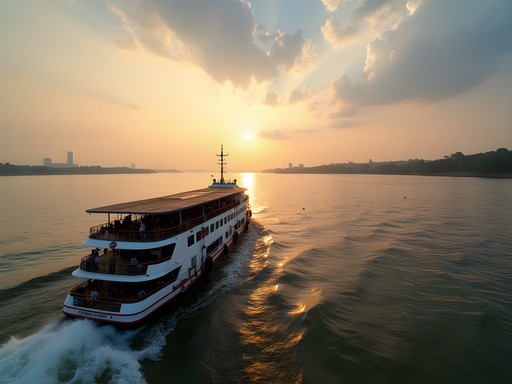
The ferry gently pushed away from Kinshasa's crowded port as I stood at the railing, watching the world's deepest river flow beneath us. My journey bridging the Democratic Republic of Congo and the Republic of Congo wasn't a typical honeymoon recommendation for my clients, but some adventures call to us for reasons beyond explanation. Five years after losing Sarah, these journeys to places less traveled have become my meditation, my healing, and surprisingly, my connection to her adventurous spirit. The Congo River stretched before me, simultaneously dividing and connecting two capital cities with shared heritage but distinct personalities. As we glided toward Brazzaville, I couldn't help but smile thinking how my wedding planning career had unexpectedly led me to become the guy who crosses rivers between countries named Congo, seeking stories most travelers never discover.

Preparing for a Tale of Two Congos
When I tell people I'm heading to 'the Congo,' they inevitably ask which one—and their confusion is understandable. The Democratic Republic of Congo (DRC) and the Republic of Congo share not just a name but a border along the mighty Congo River, with their capitals Kinshasa and Brazzaville facing each other across the water—the world's closest capital cities.
Preparing for this journey required more homework than my typical Caribbean island-hopping adventures. Visa procedures for both countries demand patience and paperwork, especially for the DRC. I spent evenings after wedding consultations meticulously organizing documents and securing invitations from local contacts—a process that reminded me of the detailed wedding timelines I create for clients.
Health preparations were equally important. Yellow fever vaccination is mandatory, and I made sure my travel medical kit was fully stocked with malaria prophylaxis and remedies for potential stomach issues. The medical kit has been my loyal companion since Sarah and I first started traveling to more remote destinations.
I'd be remiss not to mention the importance of travel insurance with evacuation coverage for this region. After researching options extensively, I secured a comprehensive policy that gave me peace of mind knowing that emergency assistance was available if needed.
💡 Pro Tips
- Start visa applications at least 8 weeks before travel
- Get a yellow fever vaccination certificate and carry it with your passport
- Register with your country's embassy in both Kinshasa and Brazzaville
Kinshasa: Chaos, Culture, and Unexpected Connections
Kinshasa greeted me with a symphony of sounds, scents, and colors that instantly overwhelmed and captivated me. The DRC's capital is a sprawling metropolis of over 17 million people, making it one of Africa's largest cities—a fact I shared with my daughter during our nightly video calls, watching her eyes widen at the thought of so many people in one place.
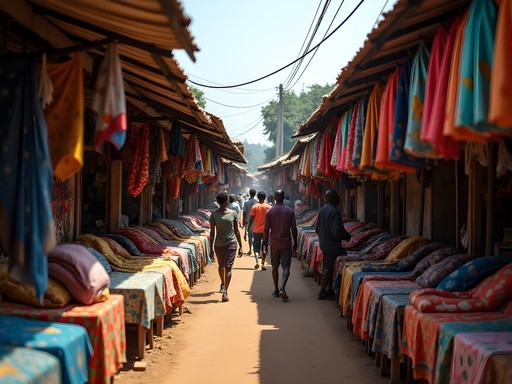
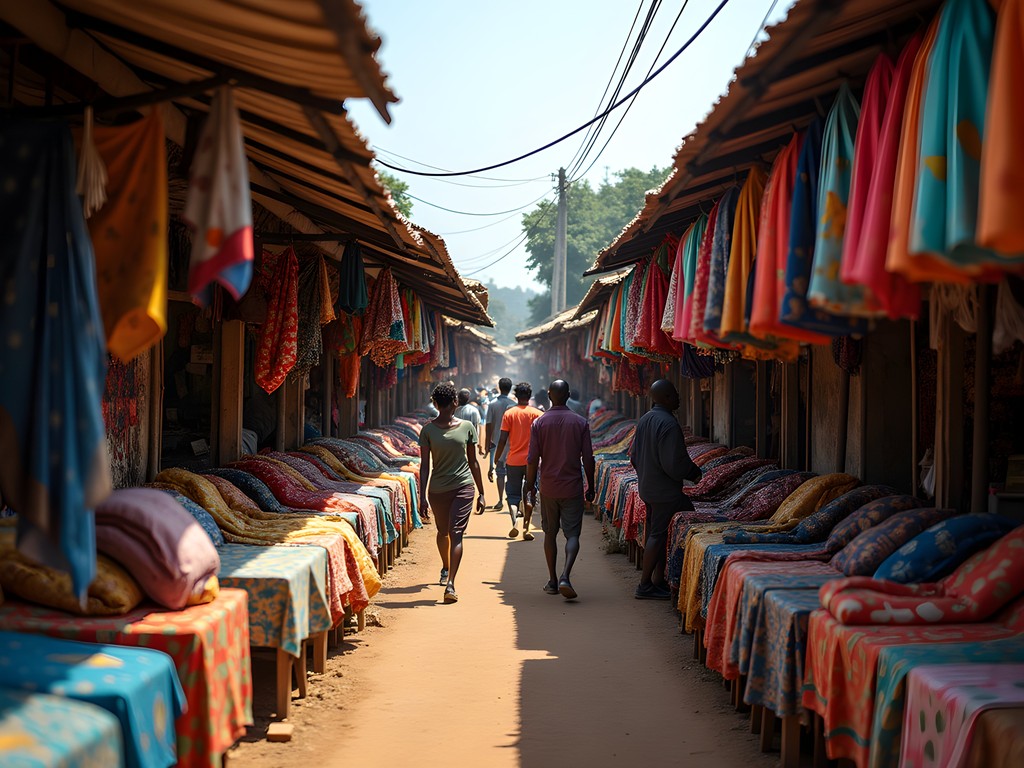
Navigating Kinshasa requires both patience and local guidance. I connected with Jean-Pierre, a local guide I found through a travel forum, who became not just my navigator but a friend who shared his city's soul. We wandered through the chaotic Grand Marché where I purchased colorful fabrics that would make stunning table runners for my wedding events back home.
The Académie des Beaux-Arts revealed Kinshasa's thriving art scene, where contemporary artists transform everyday materials into powerful statements. I spent an afternoon in meditative appreciation of these works, finding a moment of stillness amidst the city's perpetual motion—a practice I've maintained since those early days after Sarah's passing when meditation became my lifeline.
One evening, Jean-Pierre took me to a local spot where musicians played rumba congolaise, and the rhythm seemed to pulse through the entire building. An elderly gentleman, noticing my appreciation, explained how this music style had traveled from Cuba back to Congo, evolving into something uniquely Congolese. These unexpected history lessons—connections between seemingly disparate cultures—remind me why I travel.
Staying hydrated in Kinshasa's heat was essential, and my insulated water bottle proved invaluable, keeping water cold throughout long days of exploration. Jean-Pierre jokingly called it my 'American superpower'—never running out of cold water.
💡 Pro Tips
- Arrange a local guide before arriving in Kinshasa
- Visit the Lola ya Bonobo sanctuary to see conservation efforts for these endangered primates
- Carry small denominations of US dollars for easier transactions
The River Crossing: A Border Like No Other
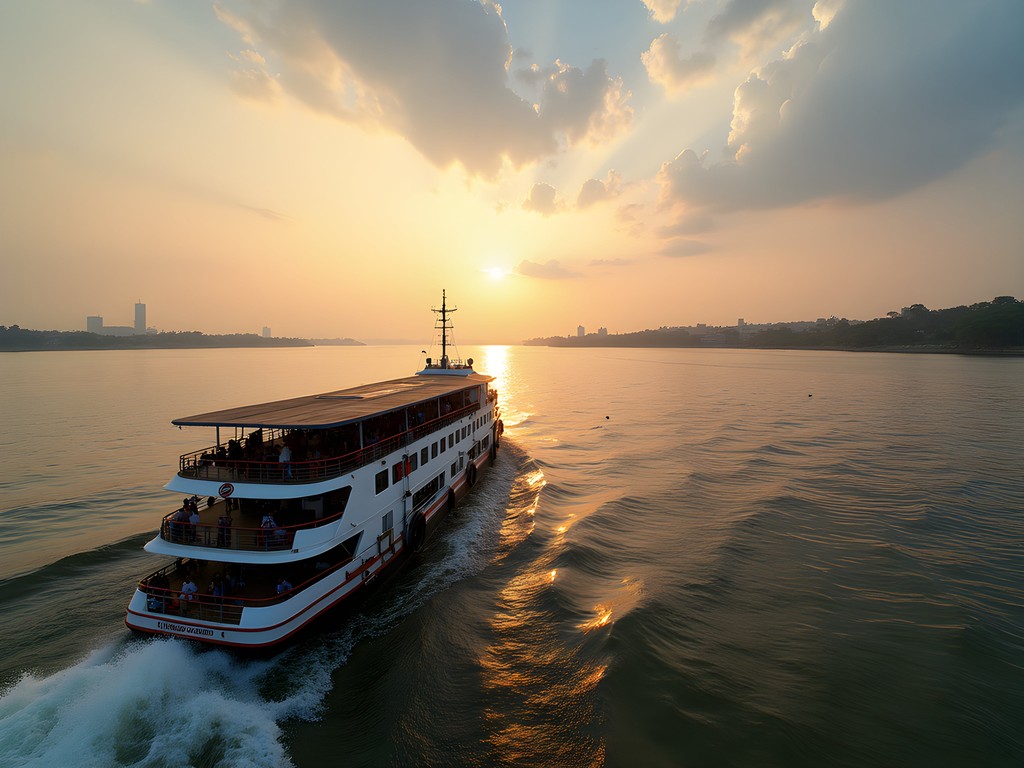
The journey between Kinshasa and Brazzaville may be one of the world's most fascinating border crossings. Though the capitals are separated by just 4 miles of water, crossing the Congo River feels like traveling between different worlds. This experience has become a highlight I share during my meditation workshops back home—a powerful metaphor for how thin the boundaries between our different life experiences truly are.
I chose the passenger ferry over the faster but more expensive speedboat option, wanting to absorb the river's significance at a slower pace. The Congo River isn't just water; it's the lifeblood of the region, a transportation network, and a cultural dividing line with few equals in the world.
The border formalities require patience and preparation. I made sure my documents were organized in a travel document organizer which kept everything accessible and protected from the river spray. This simple tool has saved me countless headaches at border crossings around the world.
On the ferry, I found myself in conversation with a Congolese businessman who regularly crosses between the two cities. 'These are two lungs of the same body,' he told me, gesturing to the approaching Brazzaville shoreline. 'Different governments, different systems, but the same heart.' His words stayed with me throughout my journey.
The river itself tells stories. Massive cargo barges laden with goods from the interior passed us, some having traveled for weeks from remote regions. Fishermen in wooden pirogues cast their nets in the shadow of our ferry. And as we approached Brazzaville, I could see the stark contrast between the two capitals—Kinshasa's sprawling expanse giving way to Brazzaville's more contained, orderly appearance.
💡 Pro Tips
- Arrive at the ferry terminal early to navigate paperwork before departure
- Keep passport and yellow fever certificate easily accessible
- Exchange some currency before crossing as rates at the border may not be favorable

Brazzaville: The Quieter Congo
Stepping onto Brazzaville's shore feels like entering a different world. The Republic of Congo's capital carries a distinctly French colonial influence that creates an interesting counterpoint to Kinshasa's Belgian heritage. This contrast—two different European powers leaving their marks on neighboring African nations—reminded me of how baseball stadiums across America each carry their own architectural personality despite hosting the same beloved game.
Brazzaville moves at a noticeably slower pace than its counterpart across the river. The wide boulevards lined with palm trees, government buildings with distinctive architecture, and the relative orderliness struck me immediately. My guide Marcel explained that locals call it 'Brazza la verte' (Brazza the green) for its numerous trees and parks.
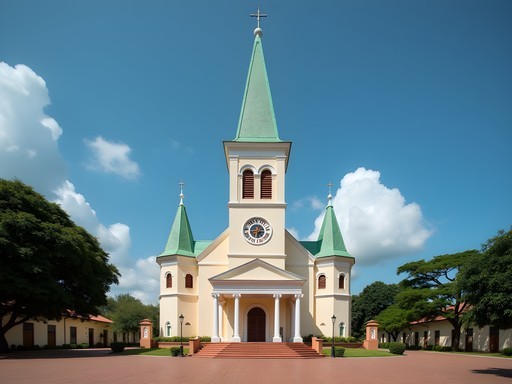
The city's crown jewel is the Basilique Sainte-Anne, a stunning church whose green-tiled roof and unique architecture make it one of Africa's most distinctive religious buildings. I spent a quiet hour there, finding a moment of meditation amidst the cool interior—something I've made a practice of doing in sacred spaces around the world since beginning my healing journey.
Les Rapides, a series of rapids on the outskirts of the city, offered a natural spectacle that contrasted with the urban environment. Watching the mighty Congo River churn through narrow channels helped me understand why river navigation shaped the development of these twin capitals—boats simply cannot pass these rapids, making this the end point of river travel from the interior.
For accommodations, I chose the Radisson Blu M'Bamou Palace, which provided a comfortable base with stunning river views. From my balcony, I could see Kinshasa's lights twinkling across the water each evening, a reminder of the unique geographic relationship between these capitals.
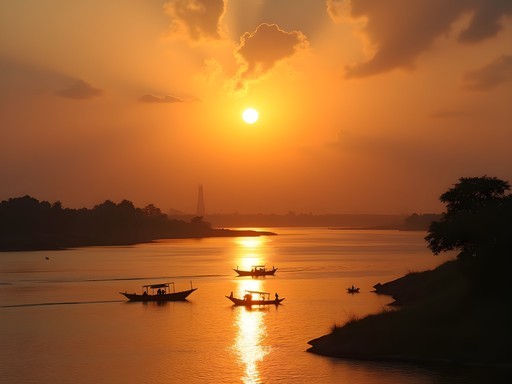
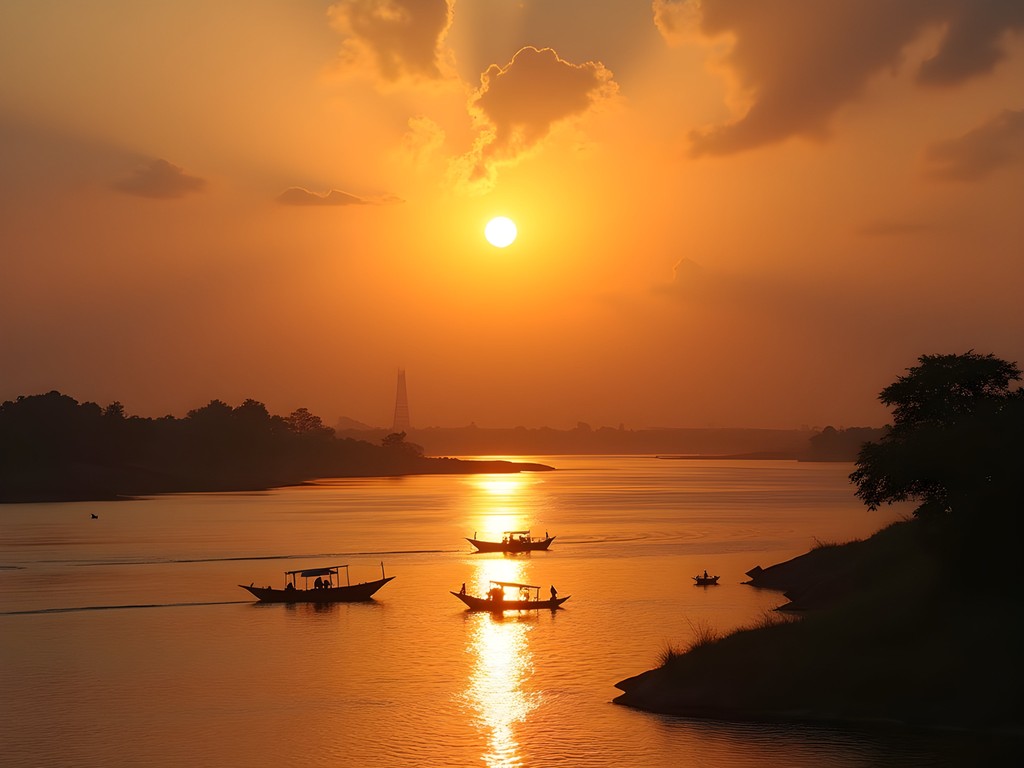
My evenings often found me at Mami Wata, a riverside restaurant where I could enjoy grilled fish while watching the sunset over the Congo River. My compact binoculars allowed me to observe the distant shoreline of Kinshasa and the river traffic in between—a small luxury that enhanced my appreciation of this unique border setting.

💡 Pro Tips
- Visit the Marien Ngouabi Mausoleum to understand the country's political history
- Take a day trip to Les Rapides to witness the power of the Congo River
- Try the local Ngok beer with grilled fish at riverside restaurants
Beyond the Capitals: Day Trips into Congo's Heart
While the twin capitals formed the core of my journey, I made sure to venture beyond city limits to experience the natural wonders that make both Congos truly special. These excursions provided the meditative moments in nature that have become essential to my travel experience.
From Kinshasa, a day trip to Lola ya Bonobo sanctuary offered a profound encounter with our closest relatives. This sanctuary rescues orphaned bonobos, victims of the bushmeat trade, and prepares them for potential reintroduction to the wild. Watching these intelligent primates interact, I was struck by their social bonds and peaceful nature—so different from the chaos of Kinshasa just an hour away.
On the Brazzaville side, I ventured to Lesio-Louna-Gorilla Natural Reserve, where conservation efforts are helping to protect lowland gorillas. The journey there took us through villages where life continues much as it has for generations, a reminder of how quickly one can move between urban modernity and traditional rural life in this region.
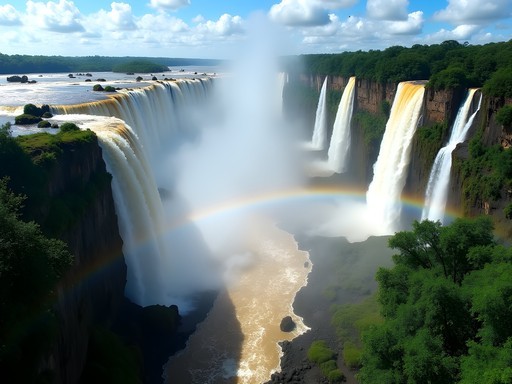
Perhaps my most memorable excursion was to the Livingstone Falls, named after the explorer who navigated much of the Congo River. Standing before these powerful cascades, I felt the same sense of awe that must have struck early explorers. I found a quiet spot to sit in meditation, letting the thunderous sound of the falls wash away all other thoughts—a practice that has helped me process grief and find moments of peace throughout my travels.
For these day trips, my hiking daypack proved essential, carrying water, snacks, and my camera gear comfortably even in the humid conditions. Its compact size made it perfect for both city exploration and these natural excursions.
Each of these journeys outside the capitals revealed different aspects of Congo's complex identity—the urgent conservation challenges, the traditional ways of life that persist, and the natural wonders that have shaped human settlement patterns for centuries. They also provided necessary counterpoints to the urban experiences, creating a more complete picture of these fascinating countries.

💡 Pro Tips
- Book day trips through reputable operators with conservation connections
- Start early to avoid afternoon heat and rain
- Bring cash for village stops as card payments aren't accepted
Final Thoughts
As my ferry returned to Kinshasa on that final crossing, I reflected on how these two weeks had transformed my understanding of not just the two Congos, but of borders themselves. These nations—sharing a name, a river, and countless cultural connections—reminded me that our divisions are often more artificial than we acknowledge. In my journey from wedding planner to traveler, I've found that the most meaningful experiences often come from crossing boundaries, whether geographic or personal. The two Congos may not make my list of honeymoon recommendations for clients seeking ease and luxury, but for those searching for profound understanding and perspective—as I was after losing Sarah—few destinations offer such powerful insights. If you're ready for an adventure that challenges perceptions and rewards courage, the twin capitals of the Congo await. Just remember to bring patience, preparation, and an open heart for the journey.
✨ Key Takeaways
- Crossing between Kinshasa and Brazzaville offers a unique perspective on how colonial history shaped neighboring African nations
- Advance preparation is essential for visas, health requirements, and border crossings
- Local guides are invaluable for navigating both cities safely and meaningfully
- The contrast between the two capitals provides insight into different development paths despite shared cultural heritage
📋 Practical Information
Best Time to Visit
June-September (dry season)
Budget Estimate
$2,500-3,500 for two weeks excluding flights
Recommended Duration
Minimum 10 days, ideally 14 days
Difficulty Level
Challenging

Comments
Haley Hamilton
Lars, this brought back so many memories! I did this crossing in 2025 and that moment when you're in the middle of the Congo River with both capitals visible on either shore - it's surreal, right? Like standing between two different worlds. I remember meeting a Congolese artist on the ferry who explained how families are split between both cities and cross regularly for work or to visit relatives. That human element of the border really stuck with me. Did you get to explore any of the music scene in Kinshasa? The rumba clubs are absolutely electric.
Lars Robinson
Yes! The music scene was incredible. Spent an amazing night at a club in Matonge - the energy was unreal. And you're so right about that mid-river moment. Gave me chills.
journeywalker
How safe did you feel in Kinshasa? I've heard mixed things and trying to figure out if it's doable solo
Haley Hamilton
Not Lars but I spent time in Kinshasa last year. Honestly, it requires street smarts like any big African city. I stayed in Gombe neighborhood which felt pretty secure. Hired a local guide for the first few days which helped me get oriented. The chaos can be overwhelming but people were incredibly welcoming once you break through that initial barrier. Just don't flash valuables and trust your instincts.
journeywalker
Appreciate that! Definitely considering a guide now
beachway2978
Really cool photos! Never seen anything like this
Gregory Boyd
Fascinating read, Lars. I've been analyzing Central African travel routes and the Kinshasa-Brazzaville corridor is genuinely unique - two capitals this close separated by a major river is geographically rare. What struck me most about your account is the contrast in infrastructure and pace between the two cities. Did you notice significant differences in cost of living? I'm trying to budget for a similar route and wondering if Brazzaville is notably more expensive as some sources suggest. Also curious about mobile connectivity - did your usual SIM arrangements work or did you need local providers?
Lars Robinson
Great questions! Brazzaville was definitely pricier - accommodation especially. Figure 30-40% more for similar quality. I got local SIMs in both countries (Vodacom in DRC, MTN in ROC) which was essential. International roaming was spotty at best.
escapeguide
What's the ferry schedule like? Can you just show up or do you need to book ahead?
Lars Robinson
There are several ferries daily. I just showed up but during busy times booking ahead might be smart. Takes about 30 minutes crossing. Bring cash for the ticket!
mountainlegend
This is INSANE!! Never even thought about visiting the Congos but now it's on my list. That river crossing looks incredible!
adventurepro
How hard was it to get the visas for both countries? Planning a trip but the visa stuff looks complicated
Lars Robinson
Not gonna lie, it took some patience! DRC visa was easier through the embassy in my home country. ROC visa I got on arrival but had to show hotel booking and return ferry ticket. Start the process early!
adventurepro
Thanks! Super helpful
Savannah Torres
Lars, this brought back memories of my own river crossing experiences in West Africa! There's something profound about crossing water borders - they feel so different from land crossings. The way you described watching Kinshasa fade while Brazzaville approached really captured that liminal space feeling. I'm curious about the security situation you encountered - was it noticeably different between the two capitals? I've heard Brazzaville is much calmer but wondering about your actual experience on the ground. Also, did you connect with any local guides or fixers? Sometimes those relationships make all the difference in places with complex logistics.
journeydiver
Good question about the guides - I'd want to know this too before going
summerrider
Wow, this is so cool! Never thought about visiting either Congo.
journeydiver
This is wild! How long did the visa process take for both countries? Been wanting to do something like this but the paperwork seems intense.
Savannah Torres
Not Lars, but I looked into this last year! DRC visa can take weeks if you're not already in Africa. Republic of Congo is a bit easier but still requires invitation letters. It's definitely not a spontaneous trip destination.
journeydiver
Yeah that's what I figured. Thanks!
Venture X
Premium card with 2X miles, $300 travel credit, Priority Pass