
Disclosure: This article contains affiliate links. We may earn a commission from purchases at no extra cost to you, which helps our travel content.
I've scaled coastlines from California to New Zealand, but nothing prepared me for the raw, untamed beauty of Sudan's Taka Mountains. Rising dramatically from the eastern plains near the Eritrean border, these granite monoliths have remained largely off the adventure travel radar—which is precisely why they captured my imagination. After three years of documenting EV charging infrastructure across continents, I craved something completely different: a digital detox in a place where the only charging stations are the ones you create within yourself. Kassala, with its bustling markets, rich cultural tapestry, and those magnificent rock formations beckoning in the distance, offered exactly that. This isn't your typical adventure destination, and that's exactly the point. Pack your climbing gear, bring your most adventurous friends, and prepare for a journey that will challenge your body, expand your mind, and fundamentally shift how you think about adventure travel in Africa.

Getting to Kassala: The Road Less Traveled
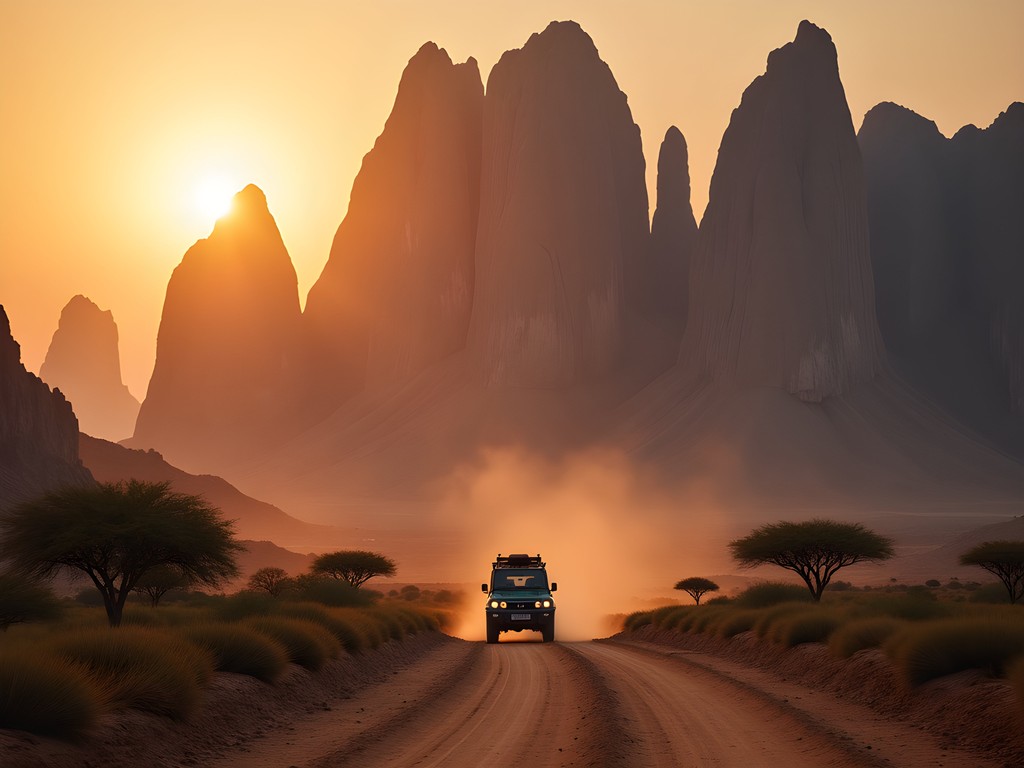
Let me be upfront: reaching Kassala isn't simple, but the journey itself becomes part of the adventure. After flying into Khartoum, I joined three friends from my climbing club for the 400-mile eastward journey. We hired a reliable 4x4 with a local driver—essential for navigating Sudan's variable road conditions.
The drive takes approximately 8-10 hours, crossing diverse landscapes from the Nile Valley to semi-desert plains. While public buses exist, they're unpredictable and uncomfortable for the long haul. If you're traveling with climbing gear (as we were), arranging private transportation is non-negotiable.
One unexpected highlight was stopping at roadside stalls where we sampled incredible traditional fermented foods—a professional curiosity of mine. The rob (fermented milk) and kisra (fermented bread) became our road trip staples, providing both sustenance and a microbial connection to this ancient land.
I tracked our journey using my trusty GPS device, which proved invaluable not just for navigation but for marking potential climbing routes we spotted from the road. Its satellite messaging capabilities gave us peace of mind in areas with zero cell coverage.
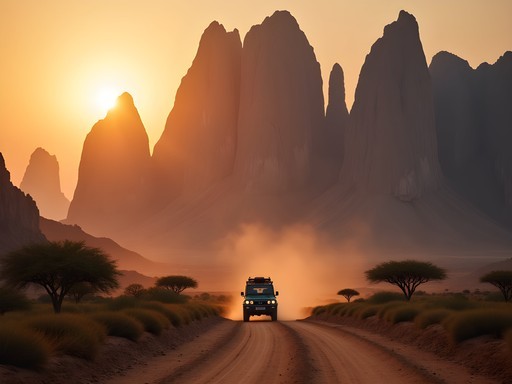
As we approached Kassala in the late afternoon, the Taka Mountains emerged dramatically from the landscape—enormous granite domes and spires catching the golden light. No photo can capture that first glimpse, but it immediately validated every hour of the dusty journey.
💡 Pro Tips
- Arrange transportation at least a week in advance through your accommodation in Khartoum
- Bring twice as much water as you think you'll need for the journey
- Download offline maps as there's minimal cell service between cities
Base Camp: Where to Stay in Kassala
Kassala isn't exactly flush with luxury accommodations, which is part of its charm and why it remains budget-friendly for adventurers. We split our week between two distinct experiences: first at the modest but clean Hipton Hotel in town, then three nights camping at the base of the mountains.
The Hipton (about $30/night for a double) offers basic rooms with surprisingly reliable air conditioning—a blessing after climbing in 85°F winter temperatures. The real value comes from the owner, Mr. Osman, whose connections helped us arrange everything from guides to fresh market food. Pro tip: request a room on the upper floor for mountain views and better ventilation.
For the camping portion, we worked with local guide Ibrahim through Kassala Outdoor Club, a small collective of climbers and hikers who know the Taka Mountains intimately. For about $15/day per person, they provided transportation to remote climbing sites, cooking equipment, and invaluable knowledge about routes and water sources.
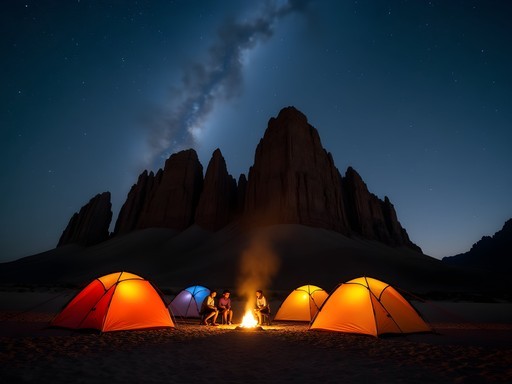
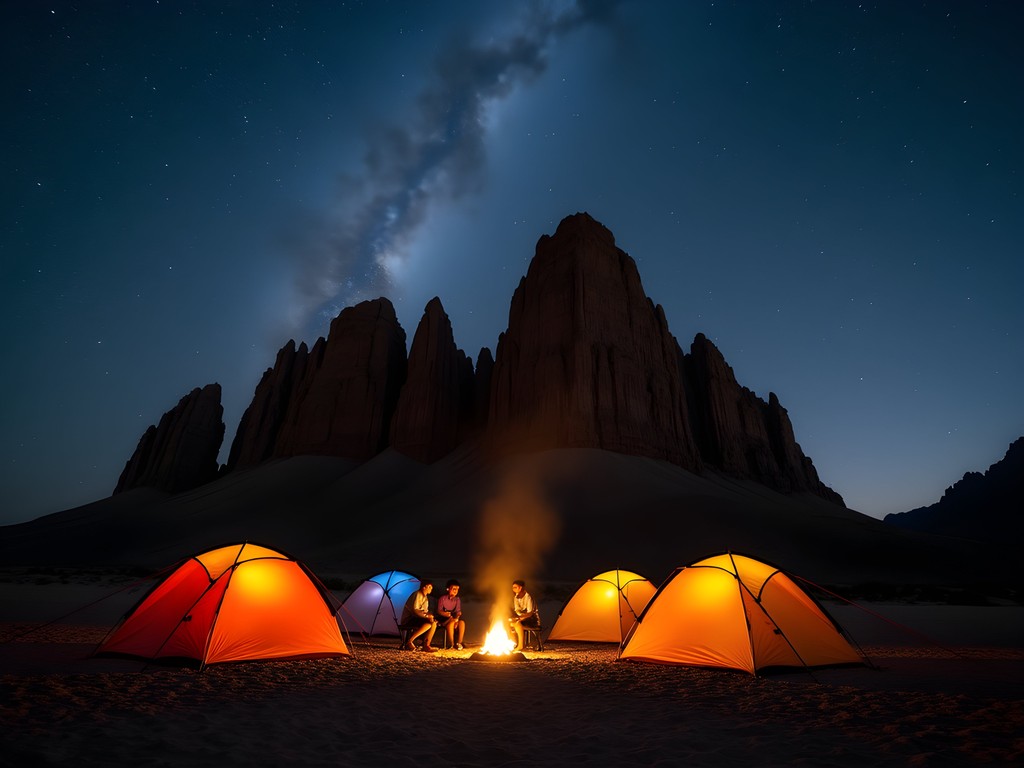
Camping beneath these granite giants was the highlight of our trip. The stars were unlike anything I've experienced—even in remote charging stations along the Pacific coast. We slept in my ultralight backpacking tent, which handled the occasional desert winds beautifully while keeping scorpions and other curious desert dwellers at bay.
While camping, Ibrahim's team introduced us to traditional Beja cooking methods, including underground pit cooking that produced the most tender lamb I've ever tasted, accompanied by fermented sorghum porridge that reminded me of my workshops back home—proof that fermentation truly is the universal language of food preservation.
💡 Pro Tips
- Book the Hipton Hotel through WhatsApp rather than unreliable booking sites
- Bring cash (Sudanese pounds) as credit cards aren't widely accepted
- Pack a sleeping bag liner for hotel stays and a full sleeping bag for camping
Rock Climbing: Conquering Untamed Granite
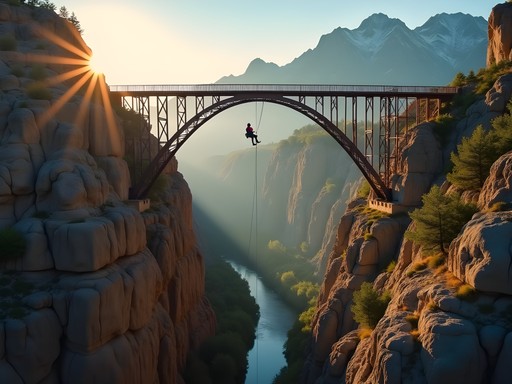
The Taka Mountains offer some of the most underrated climbing in Africa—think Yosemite-quality granite without the crowds or permits. These formations reach heights of up to 2,000 feet, with everything from technical multi-pitch routes to approachable bouldering problems.
Working with Ibrahim and local climber Mahmoud, we focused on three main areas: Jebel Kassala (the most accessible), Jebel Toteil (intermediate, with stunning views), and the remote Jebel Asotriba (challenging, requiring a full day approach). Each area has its own personality and climbing style.
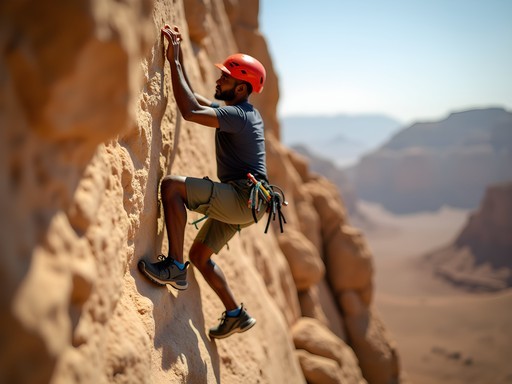
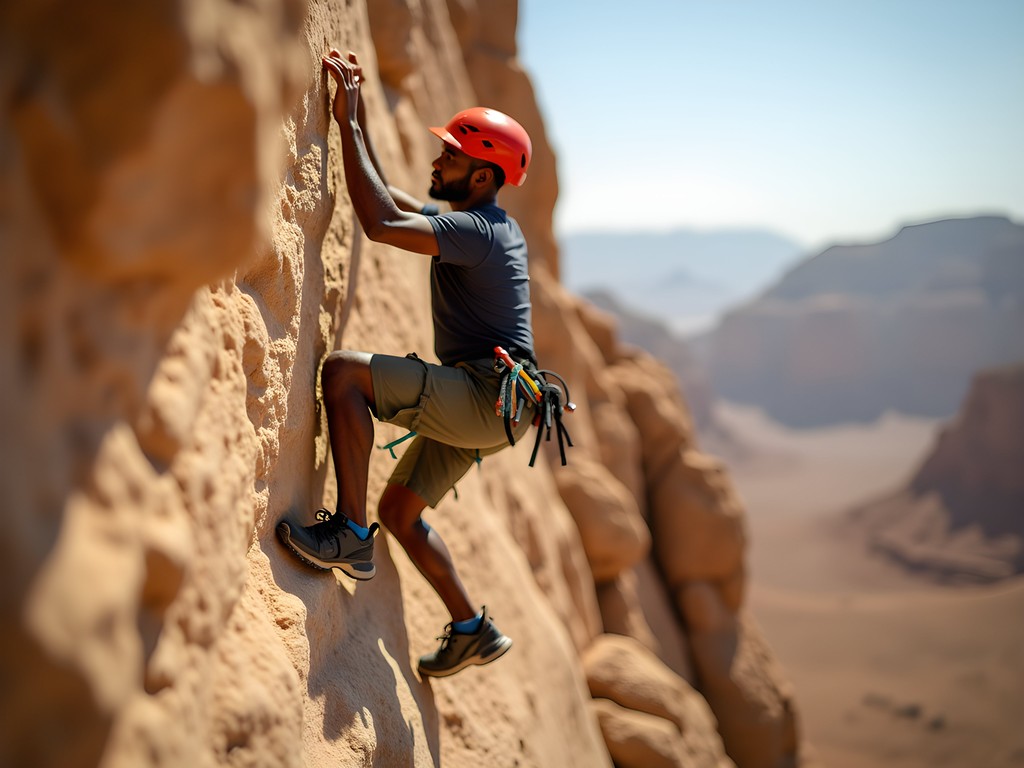
Jebel Kassala offers excellent crack climbing on coarse granite with solid holds. We started with a 5.9 route called 'Beja Way' that follows a natural chimney system up about 400 feet. The rock quality surprised me—minimal loose material and fantastic friction even in warm conditions.
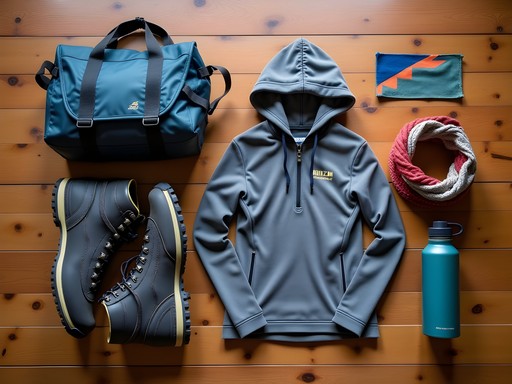
For more experienced climbers, Jebel Toteil presents technical face climbing with sparse protection. My climbing partner Dani led an intense 5.11b route named 'Camel Rider' that required delicate balance and complete trust in tiny crimps. I followed, grateful for my climbing shoes with their precise edging capability—absolutely essential on these technical granite faces.
The climbing here remains largely undocumented, which means two things: you'll need solid traditional climbing skills (bring a double rack of cams up to #3), and you'll experience the rare thrill of potentially establishing new routes. We named our contribution 'Electric Ferment'—a nod to my strange career path from EV stations to food fermentation workshops.
Most importantly, climbing here requires cultural sensitivity. Some formations hold religious significance to local Beja people. Always ask Ibrahim which areas are appropriate for climbing—this respect goes a long way in maintaining positive relationships between foreign climbers and the community.
💡 Pro Tips
- Bring comprehensive first aid supplies as medical assistance is hours away
- Start climbing before 7am to avoid the midday heat
- Learn basic Arabic climbing commands to communicate effectively with local guides

Hiking Adventures: Beyond the Vertical
Not every day in the Taka Mountains should be spent clinging to vertical faces. The hiking here offers equally rewarding experiences, particularly in winter (November-February) when temperatures hover around a manageable 75-85°F.
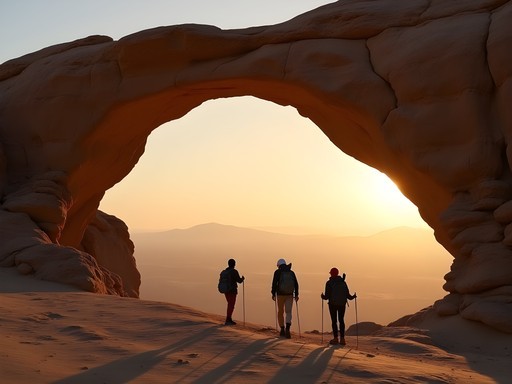
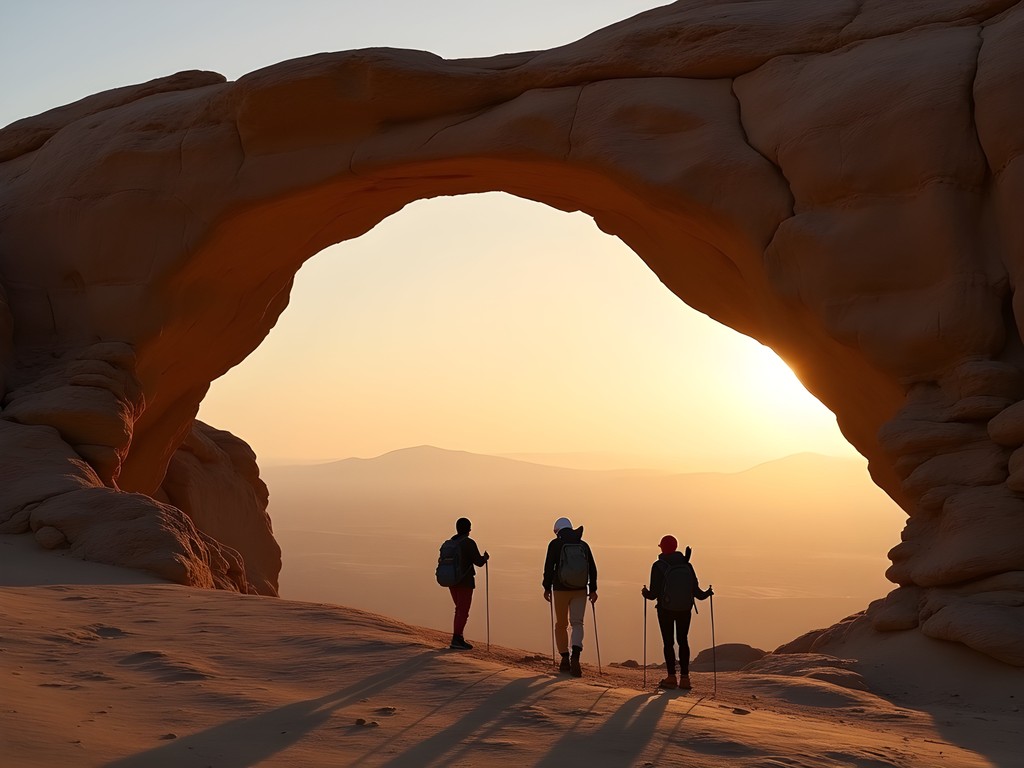
Our favorite trek was the full-day circuit around Jebel Kassala, which begins in dense acacia groves before ascending to a natural rock arch that frames the distant Ethiopian border. The trail isn't marked in any conventional sense—another reason having Ibrahim with us proved invaluable. He navigated using subtle cairns and landscape features invisible to our untrained eyes.
For sunrise enthusiasts (and in the desert, that should be everyone), the two-hour pre-dawn hike to Toteil's eastern ridge rewards you with a spectacle of light across the plains toward Eritrea. I captured this with my compact camera, which handled the challenging light conditions beautifully without weighing down my pack.
The most challenging hike takes you through the 'Valley of Whispers'—a narrow passage between towering rock walls where the wind creates an eerie, almost musical sound. The route requires scrambling over boulder fields and navigating a dry riverbed that transforms into a raging torrent during the brief rainy season.
What makes hiking here special isn't just the landscapes but the encounters. We passed Beja shepherds moving goat herds between sparse grazing areas, using techniques unchanged for centuries. One elderly shepherd invited us to share tea brewed with desert herbs that had a remarkable fermented quality—another reminder of how preservation techniques evolve similarly across cultures.
Water management is critical here. We each carried 3 liters minimum, supplemented by Ibrahim's knowledge of natural springs. I treated all water with purification tablets—even spring water—as medical facilities are limited in Kassala.
💡 Pro Tips
- Wear long, lightweight pants to protect from thorny acacia and sun exposure
- Start hikes no later than 6am to avoid midday heat
- Bring electrolyte packets to add to water—dehydration happens quickly in the dry climate
Cultural Connections: Kassala's Markets and Communities
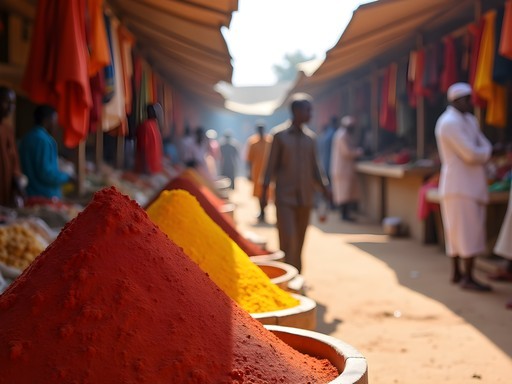
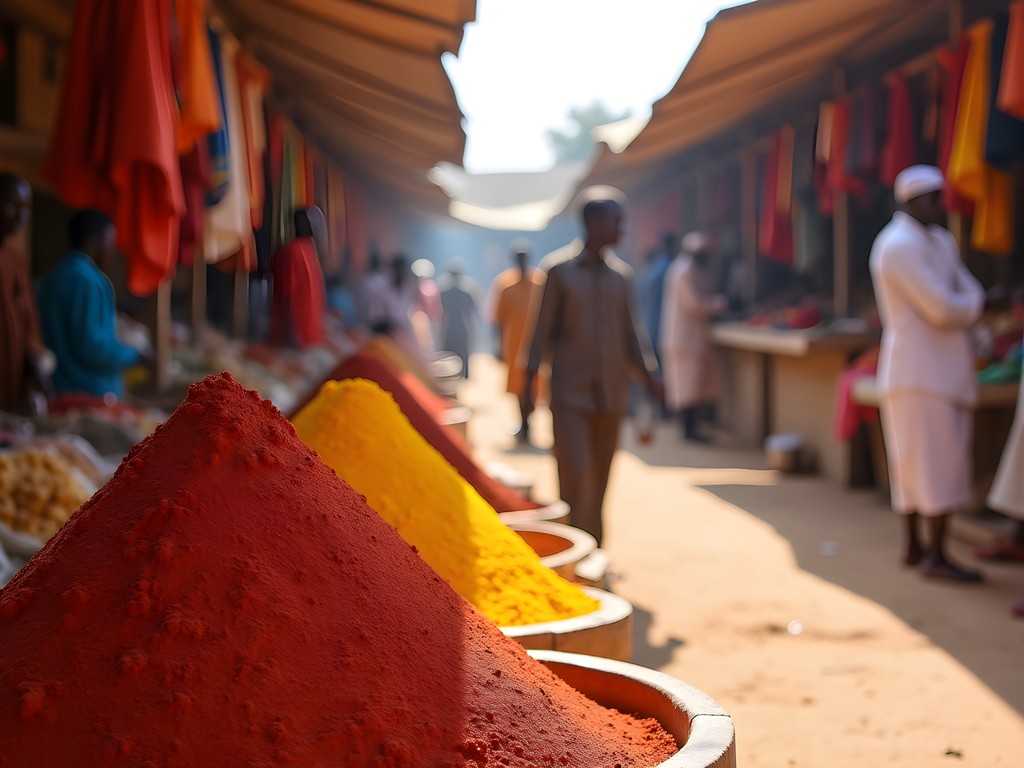
Between our mountain adventures, Kassala's vibrant markets and communities offered a different kind of exploration. The central souq is a sensory overload in the best possible way—spice mountains, textile rainbows, and the constant melody of commerce conducted in multiple languages.
As someone obsessed with fermentation, I was drawn to the food sections where women sold homemade kisra (fermented sorghum flatbread) and abreh (a fermented drink made from sorghum and spices). I spent one afternoon learning techniques from a vendor named Fatima, whose family has been fermenting the same starter culture for generations.
Kassala sits at a cultural crossroads where Sudanese, Eritrean and Ethiopian influences blend visibly in the architecture, food, and faces of its people. The Khatmiyya Mosque, with its distinctive Ottoman-influenced design, anchors the old town and welcomes respectful visitors outside prayer times (modest dress essential).
One unexpected highlight was connecting with a small women's cooperative that produces traditional Beja textiles. Their intricate patterns tell stories of mountain landscapes and ancient migration routes. I purchased a handwoven scarf that protected me from both sun and sand during our climbs—practical gear with cultural significance and direct economic support for local artisans.
During our stay, we were fortunate to witness a Beja wedding celebration where traditional sword dances and call-and-response singing continued late into the night. These moments of cultural exchange—far from any tourist infrastructure—represent travel at its most meaningful.
Ibrahim arranged for us to share a meal with his family, where we learned to eat communal-style from large platters using only our right hands (a skill that takes practice!). His mother's fermented goat cheese mixed with chili paste became my new food obsession—I've been unsuccessfully trying to recreate it since returning home.
💡 Pro Tips
- Learn basic Arabic greetings—they open doors everywhere in Kassala
- Ask permission before photographing people in the markets
- Bring small denominations of Sudanese pounds for market purchases
Final Thoughts
As our 4x4 pulled away from Kassala, the Taka Mountains receding in the rear-view mirror, I felt that rare traveler's emotion—the simultaneous satisfaction of having truly experienced a place and the longing to return for more. Sudan's political complexities and infrastructure challenges mean the Taka Mountains won't be overrun with adventure tourists anytime soon. That's both a shame for those who will miss its wonders and a blessing for those willing to make the journey. The climbing community here remains small but passionate, the routes largely undocumented, and the cultural experiences profoundly authentic. In a world where so many adventure destinations have been polished smooth by tourism, Kassala's rough edges and raw beauty offer something increasingly rare—a chance to feel like you're genuinely exploring rather than simply following a well-worn path. If you go, tread lightly, climb respectfully, and leave nothing but gratitude behind. The mountains have stood for millennia; our privilege is merely to visit briefly and carry their stories forward.
✨ Key Takeaways
- Sudan's Taka Mountains offer world-class granite climbing without the crowds of more famous destinations
- Working with local guides is essential for both safety and cultural respect in this remote region
- Winter (November-February) provides the ideal balance of manageable temperatures and dry conditions for outdoor adventures
📋 Practical Information
Best Time to Visit
November to February (winter)
Budget Estimate
$500-700 per person for one week (excluding international flights)
Recommended Duration
7-10 days
Difficulty Level
Advanced
Comments
Hunter Thompson
NICOLE! This is absolutely brilliant! I've been following your adventures for years and this might be your best post yet. The Taka Mountains look like a climber's paradise - untouched, challenging, and with that incredible cultural experience layered on top. I'm seriously considering making this my big trip for next year. The fact that you can combine world-class climbing with exploring Kassala's markets and Sufi heritage is exactly my kind of adventure. Did you manage to catch any of the whirling dervish ceremonies? Also, practical question - what's the best time of year weather-wise? Cheers from Newcastle!
Nicole Russell
Hunter! So glad this resonated with you mate! We went in November which was perfect - not too hot. Yes, caught a ceremony on Friday evening, absolutely mesmerizing. You'd love it there. Let me know if you need any contacts!
globeone
This is going on my bucket list for sure. Did you feel safe traveling around Kassala? I know the region near Eritrea has had some tensions historically. Also what was the local reaction to tourists - are climbers a common sight there?
Nicole Russell
Felt very safe! Locals were incredibly welcoming and curious. We were definitely a novelty - not many climbers make it out there. Just check current travel advisories before you go and maybe connect with local guides.
Hunter Thompson
I second this! Sudan gets overlooked but the hospitality is genuinely amazing.
islandninja
Your photos are stunning!
Hannah Woods
Really appreciate the detailed route descriptions, Nicole. I'm analyzing Sudan as my next destination and the Taka Mountains weren't even on my radar. The comparison to other climbing destinations is particularly useful - I've climbed in Jordan's Wadi Rum and your description suggests similar rock quality but with virtually no crowds. Can you speak to the grading system used there? Are we talking French grades, YDS, or something local? Also curious about anchor points and whether you needed to place your own protection or if there are established routes.
Nicole Russell
Great questions! Most routes are ungraded honestly - it's very much exploratory climbing. We brought our own gear and placed protection. Definitely bring a full trad rack. The rock quality is exceptional though, really solid granite.
globeadventurer
Wow, those granite formations are insane!
wanderlustguide
This looks absolutely incredible! I've been wanting to explore Sudan for ages. Quick question - how difficult was getting the visa? I've heard mixed things about the process and wondering if you had any issues at all.
Nicole Russell
The visa process was actually smoother than expected! Took about 2 weeks through the embassy. Just make sure you have a solid itinerary and accommodation bookings ready. Happy to share more details if you need them!
wanderlustguide
That's really helpful, thanks!
photoguide
Those sunrise shots of the mountains are absolutely stunning! What time did you have to wake up to catch that golden light?
Nicole Russell
Thank you! I was up at 4:30am to hike into position before the 5:45am sunrise. Totally worth the early wake-up call though!
photoguide
The dedication paid off! Did you use any filters or was that natural light?
Nicole Russell
Just a polarizing filter to cut glare, but that golden color is all natural Sudan magic!
bluezone
Thanks for putting Sudan on my radar! I've been looking for somewhere different for next year's climbing trip. Did you find the visa process difficult? I've heard mixed things about getting into Sudan as a tourist these days.
Fatima Sims
Not Nicole but I can chime in - visa process has gotten much easier in the past couple years. I got mine through the embassy in Cairo with minimal hassle. Just make sure you have all your documentation organized.
redwanderer
That sunset photo is absolutely stunning
Fatima Sims
What an incredible adventure, Nicole! Sudan is so underrated for adventure travel. I spent three weeks there in 2024 doing a Nile expedition and fell in love with the country. The hospitality is unmatched. For anyone reading this and considering a trip - don't let the lack of tourist infrastructure scare you off. That's exactly what makes it special. Just go with an open mind and flexible expectations. The Sudanese people will take care of you. Also, learn a few Arabic phrases - it goes a long way!
Venture X
Premium card with 2X miles, $300 travel credit, Priority Pass