
Disclosure: This article contains affiliate links. We may earn a commission from purchases at no extra cost to you, which helps our travel content.
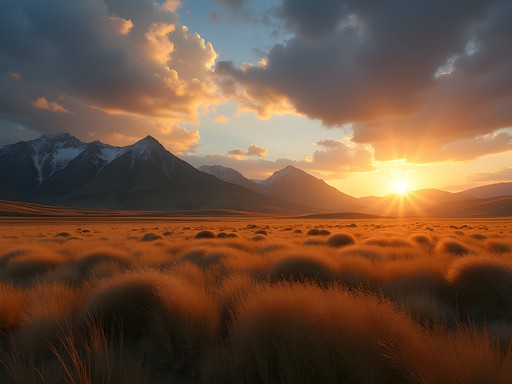
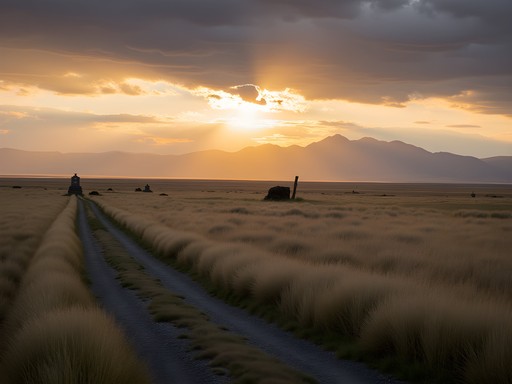
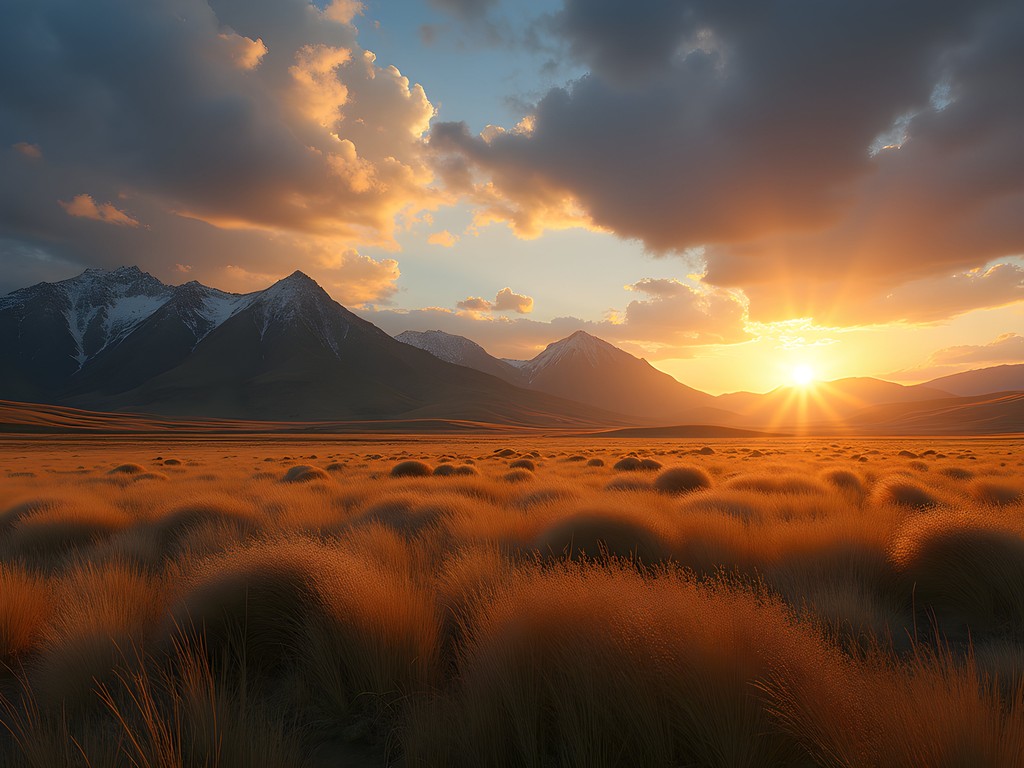
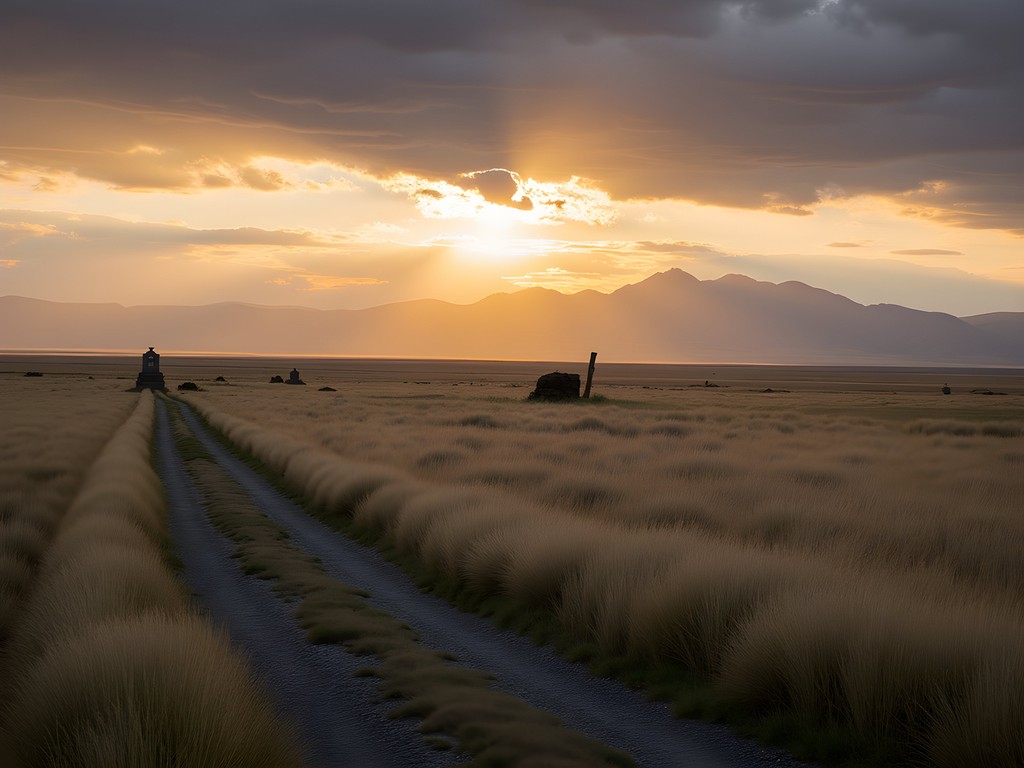
Standing at the edge of Bear Paw Mountains as the golden hour bathes the prairie in amber light, I'm struck by Montana's dichotomy—vast emptiness and profound fullness existing simultaneously. Havre isn't on most travelers' radar, and that's precisely what makes this northern Montana frontier town so captivating. Where the Great Plains meet mountain wilderness, this is a place where conservation and adventure intertwine in ways that speak directly to my environmental policy background and my soul's craving for untouched spaces.

Bear Paw Mountains: Montana's Hidden Hiking Paradise
The Bear Paw Mountains might lack the fame of their western cousins, but what they offer is something increasingly rare: solitude. These modest peaks rising from the prairie create a microclimate that supports surprising biodiversity and challenging trails without the crowds that plague more popular Montana destinations.
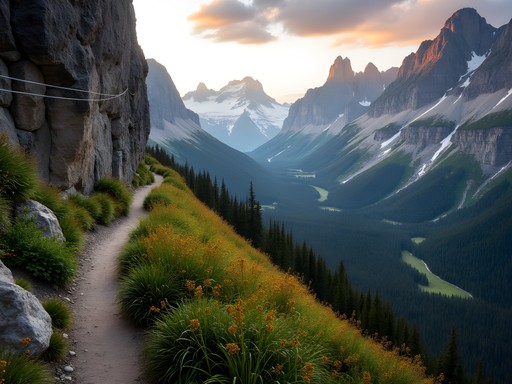
My favorite route is the Saddle Butte Trail, a 7-mile loop that climbs through pine forests before opening to sweeping prairie views. The trail's moderate elevation gain (about 1,200 feet) is enough to get your heart pumping without requiring technical skills. What makes this hike special is the transition zones—where prairie meets forest, where limestone outcroppings create miniature ecosystems.
I spent three days exploring these mountains, each morning setting out with my trekking poles (essential for the occasionally loose terrain) and my topographic map of the area. Cell service is virtually non-existent here, so having reliable navigation tools is non-negotiable.
💡 Pro Tips
- Start hikes before 7am to avoid afternoon thunderstorms common in summer
- Bring at least 3 liters of water per person—the dry air dehydrates you faster than you'd expect
- Pack layers—morning temperatures can be 30°F cooler than afternoon highs
Beneath the Prairie: Havre's Underground Cave Systems
My father's work as a botanist taught me to look beyond the obvious, which served me well in Havre where some of the most extraordinary experiences lie beneath the surface—literally. The limestone karst systems that run beneath the prairie have created a network of caves that few outside the local caving community know about.
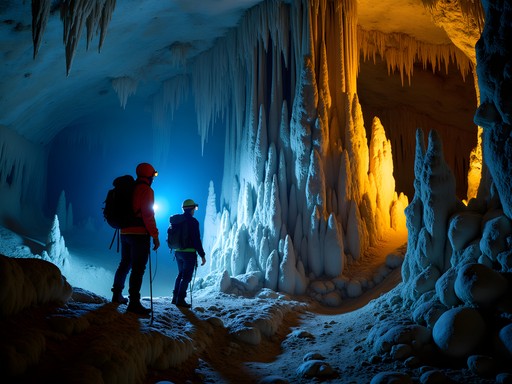
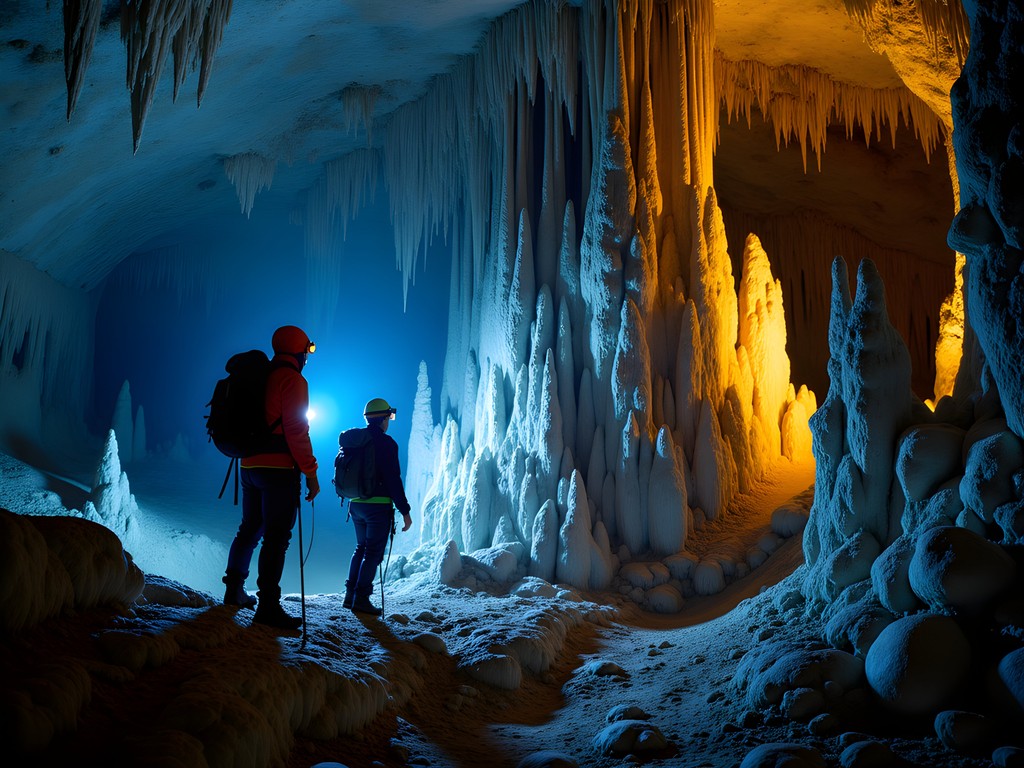
Arranging a guided expedition with Havre Caving Society was straightforward but required advance planning. My guide, Dan, a retired geologist with 30 years of local caving experience, led me through the Cottonwood Cave system, where calcite formations dating back thousands of years create otherworldly chambers.
The caves maintain a constant 52°F year-round, making them a refreshing escape from summer heat. The expedition requires moderate physical fitness—expect to crawl, squeeze, and climb. I was grateful for my knee pads which protected me during the longer crawl sections, and my headlamp which provided reliable illumination with hands-free operation—essential when you're navigating tight passages.
💡 Pro Tips
- Book cave guides at least two months in advance—the local caving society has limited availability
- Practice squats and core exercises before your trip—the unusual movements in caves use muscles you didn't know you had
- Bring a change of clothes for after caving—you will get dirty and possibly wet
Prairie Wilderness: Wildlife Encounters in the Bowdoin National Wildlife Refuge
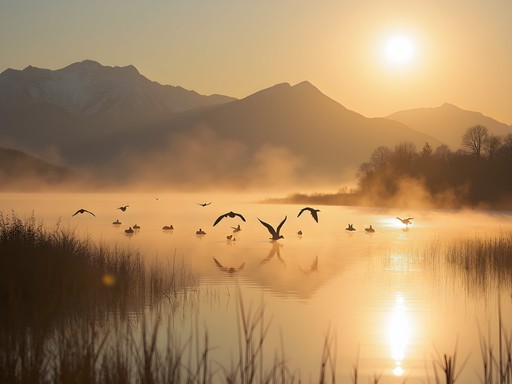
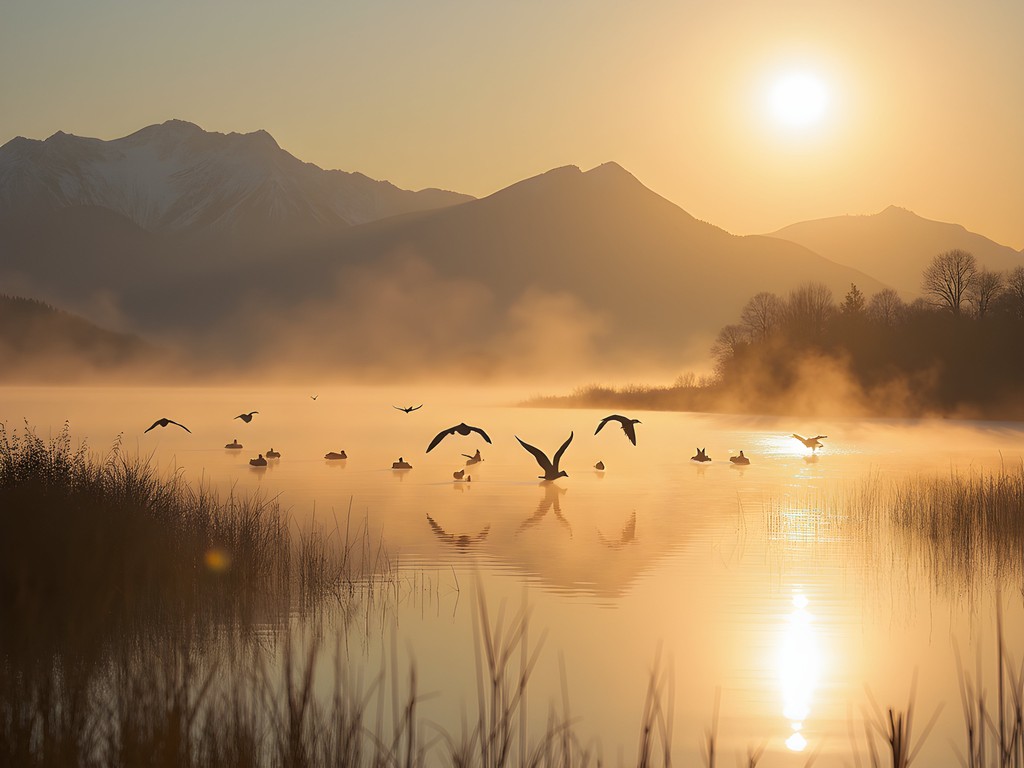
Just 30 miles east of Havre lies Bowdoin National Wildlife Refuge, a 15,000-acre wetland complex that serves as a critical stopover for migratory birds along the Central Flyway. This is where my husband would have been in his element (though this trip I was flying solo), as the photographic opportunities here are extraordinary.
I spent two full days exploring the refuge, waking before dawn to witness the morning chorus of thousands of birds. The auto tour route provides good access, but I recommend the more challenging Lakeside Trail that circles the main water body. Here, I encountered pronghorn antelope, mule deer, and even caught a glimpse of a swift fox—a species that has made a remarkable recovery thanks to conservation efforts I once helped document in my policy work.
My spotting scope proved invaluable for wildlife observation, allowing me to maintain distance while still appreciating the details of birds and mammals. For those serious about wildlife photography, a portable hide will significantly increase your chances of close encounters without disturbing the animals.
💡 Pro Tips
- Visit in early morning (5-8am) or late afternoon (6-9pm) for peak wildlife activity
- Drive the refuge roads slowly and quietly—many animals freeze rather than flee if you're moving slowly
- Bring insect repellent—the wetlands mean mosquitoes can be abundant in summer

Cultural Immersion: The Intersection of History and Wilderness
Havre's human history is as textured as its landscapes. The region sits at the intersection of multiple indigenous territories, primarily the Aaniiih (Gros Ventre) and Nakoda (Assiniboine) peoples, whose knowledge of the local ecology shaped this landscape for millennia before European contact.
I spent a day at the Bear Paw Battlefield, part of the Nez Perce National Historical Park, where Chief Joseph spoke his famous words, "From where the sun now stands, I will fight no more forever." Standing on this windswept prairie, the weight of history is palpable—a reminder that conservation must always consider cultural heritage.
In town, the Havre Beneath the Streets tour offers a fascinating glimpse into the early 1900s, when a fire forced businesses underground. While not wilderness-focused, understanding the human context of a place enriches any outdoor experience.
I carried my notes and observations in a waterproof notebook, which withstood both the occasional summer shower and my accidental drop into a stream during one particularly ambitious creek crossing.
💡 Pro Tips
- Arrange a local indigenous guide through the Fort Belknap Tourism Office for deeper cultural context
- Visit the H. Earl Clack Museum before heading into the backcountry to understand the paleontological significance of the area
- Support local businesses in Havre—the town's economy benefits significantly from thoughtful tourism
Logistical Survival Guide: Navigating Montana's Remote North
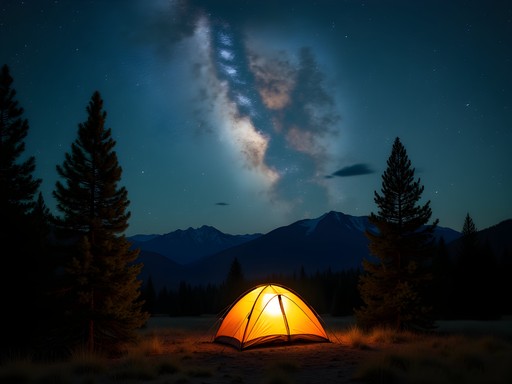
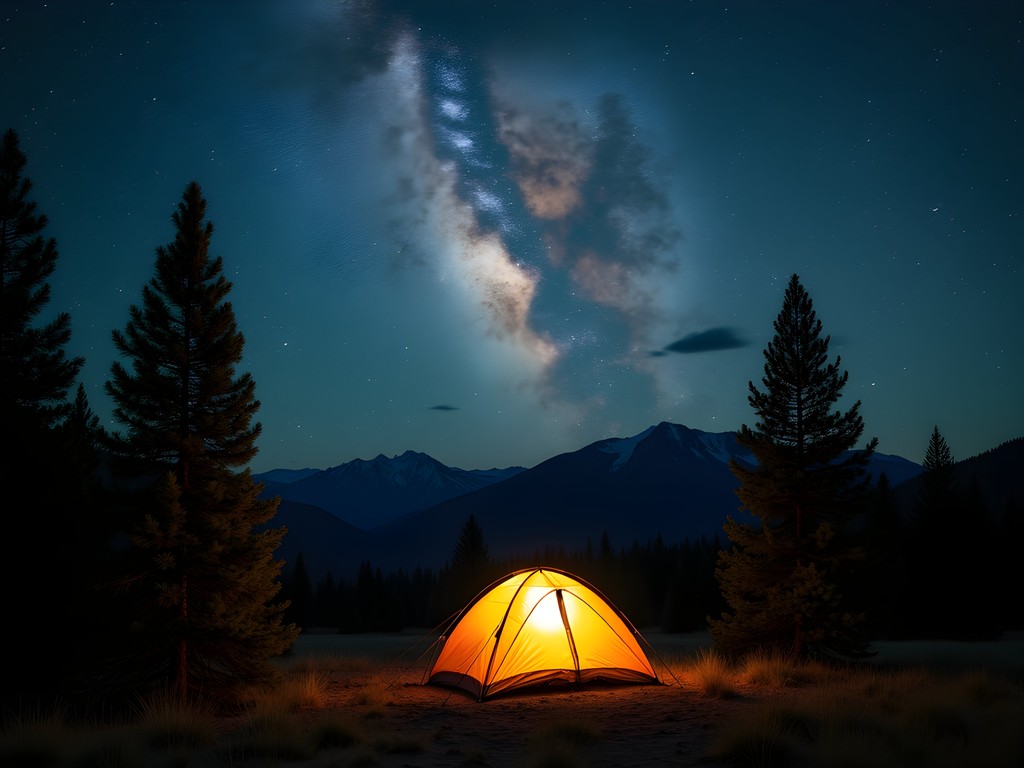
Havre isn't Yellowstone or Glacier—and that's its charm. But this remoteness requires preparation. The town itself has limited accommodation options; I stayed at the Best Western Plus Havre Inn & Suites, which provided a comfortable base for daily excursions. For those seeking deeper immersion, the Clear Creek Campground in the Bear Paw Mountains offers basic facilities with extraordinary stargazing.
Food options in town are limited but surprisingly good. The Triple Dog Brewing Company serves excellent craft beer and better-than-expected pub fare—their bison burger fueled several of my longer hikes. For provisions, Shop'n Save provides adequate groceries for trail meals.
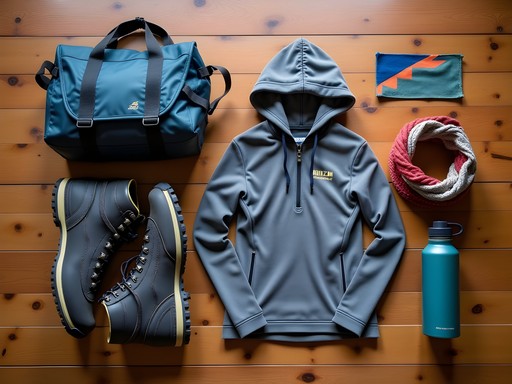
Perhaps most important is water management. Montana's dry climate demands constant hydration. I relied heavily on my water filter when exploring backcountry areas, as many streams and springs are available but require treatment. For longer drives and hikes, my insulated water bottle kept water cool even during 90°F afternoons.
Cell service is spotty at best once you leave town. I rented a satellite communicator for emergency communications—an investment that provided peace of mind during solo backcountry excursions.
💡 Pro Tips
- Download offline maps before arriving—Google Maps, AllTrails, and Gaia GPS all offer this functionality
- Inform someone of your daily plans, especially for solo adventures in remote areas
- Carry more water than you think you need—the dry air and wind accelerate dehydration
Final Thoughts
As I drove away from Havre, watching the Bear Paw Mountains recede in my rearview mirror, I found myself reflecting on what makes a destination truly special. It's not always the grandeur or the fame—sometimes it's the subtle beauty, the unexpected discoveries, and the profound silence that speaks most eloquently. Havre represents what I've always sought in my travels: places where conservation efforts and tourism can coexist harmoniously, where natural wonders remain accessible without being exploited.
This corner of Montana won't appear on many 'must-visit' lists, and perhaps that's for the best. Its magic lies partly in its obscurity, in the fact that you can still find yourself alone on a trail or watching a sunrise that feels like it's unfolding just for you. For the solo traveler seeking authentic wilderness experiences without the crowds of Montana's national parks, Havre offers something increasingly precious—a genuine frontier where adventure still feels like discovery. The question isn't whether you should visit, but whether you're prepared to keep its secrets safe once you do.
✨ Key Takeaways
- Havre offers accessible wilderness experiences without the crowds of Montana's more famous destinations
- The combination of prairie, mountains, and caves creates diverse adventure opportunities in a single region
- Proper preparation is essential—this is true backcountry with limited services and connectivity
📋 Practical Information
Best Time to Visit
June through early September
Budget Estimate
$800-1200 for a week (excluding flights)
Recommended Duration
5-7 days
Difficulty Level
Moderate To Challenging


Comments
Frank Carter
Anna, your piece on Havre really resonated with me. I spent two weeks exploring Montana's 'Hi-Line' region last year and the Bear Paw Mountains were the highlight. For anyone planning a trip, I'd recommend adding an extra day just for the hiking trails south of Beaver Creek Park - they're less traveled but offer some spectacular views of the Little Rockies in the distance. The cave systems are fascinating too, though I'd strongly suggest going with a local guide as Anna mentioned. I used my headlamp which was absolutely essential - the regular flashlights some folks brought were barely adequate in those pitch-black passages. Also, for anyone interested in the cultural history Anna mentioned, the H. Earl Clack Museum in Havre has some fascinating exhibits on the area's indigenous history that provide great context before heading into the backcountry. Adds a whole new dimension to those wilderness hikes.
summerwanderer
Thanks for the museum tip, Frank! I always try to learn about the history before hiking somewhere new. Makes the experience so much richer.
moontime623
Did you have any trouble spotting wildlife at Bowdoin? Planning a trip in April and wondering if that's a good time for wildlife photography there.
Anna Suzuki
April should be excellent for wildlife! The spring migration brings tons of birds, and I saw pronghorn antelope even in December. Dawn and dusk are definitely the best times. Bring a good zoom lens!
roamzone
Best time of year to visit?
happyadventurer
I'd guess late spring or early fall to avoid the heat and winter cold
Anna Suzuki
Exactly right! September was perfect - cooler temps and the wildlife is very active. Summer can get pretty hot on the prairie.
Jean Wells
Excellent write-up, Anna. The Bear Paw Mountains are criminally underrated. I spent three days there last summer and the solitude was remarkable - saw maybe five other hikers the entire time. The elevation gains are moderate but the prairie winds can be deceptive, especially on exposed ridges. I found the wildlife diversity particularly interesting given the ecosystem transition zones. Did you make it to the Chief Joseph battleground site? The historical context adds another layer to understanding the landscape.
Anna Suzuki
Yes! The battleground was incredibly moving. You're absolutely right about the winds - I underestimated them on my first day out. The solitude is really what makes this place special.
summerwanderer
Those sunset photos are absolutely STUNNING! Adding Havre to my bucket list right now!
springmate
Pro tip: stay at one of the local ranches if you can! We stayed at a working cattle ranch outside Havre and the owners gave us amazing recommendations for trails tourists never find. Plus you get the real Montana experience with breakfast included. Way better than the chain hotels in town.
dreamgal
Ooh do you remember the name of the ranch?
springmate
It was Bear Paw Ranch B&B I think? Small place, only like 3 rooms. Book early!
moonexplorer
How accessible are those cave systems you mentioned? Do you need a guide or can you explore on your own? I've done some cave hiking in New Mexico and would love to check this out.
Anna Suzuki
Great question! Some areas require guided tours for safety, but there are a few accessible sections you can explore independently. I'd recommend checking with the local visitor center first - they have updated info on which areas are open.
moonexplorer
Perfect, thanks!
Amit Sullivan
Beautiful piece, Anna. Your writing about the cultural intersection really resonated with me. I spent three days in Havre back in 2019, and what struck me most was the Nez Perce history in the Bear Paw Mountains. The battlefield site is incredibly moving - it's where Chief Joseph surrendered with his famous "I will fight no more forever" speech. If you're visiting, take time to walk those grounds. The interpretive center does an excellent job of telling the story with respect and nuance. It added such depth to the wilderness experience, understanding whose land you're walking through.
Nicole Russell
This is so important, Amit. Thank you for sharing this. Definitely adding the interpretive center to my itinerary.
happyadventurer
This looks amazing! Never even heard of Havre before
roamzone
Same! Adding it to my list
starzone
Your description of the Bear Paw Mountains at golden hour took me right back to my trip there last summer! That part about Montana's 'vast emptiness and profound fullness' is spot on. We spent three days hiking those trails and barely saw another soul. The Cave system was a bit intimidating though - how deep did you go in? We only ventured about 100 yards before my wife got claustrophobic and we had to turn back. Still worth it though!
Anna Suzuki
Thanks for reading, starzone! I went about a quarter-mile into the main cave system with a local guide. Definitely not something I'd recommend doing solo. The chambers open up quite a bit further in - shame your wife got claustrophobic, but completely understandable!
starzone
A guide is a smart move! Maybe next time we'll try that approach.
Venture X
Premium card with 2X miles, $300 travel credit, Priority Pass