


Disclosure: This article contains affiliate links. We may earn a commission from purchases at no extra cost to you, which helps our travel content.
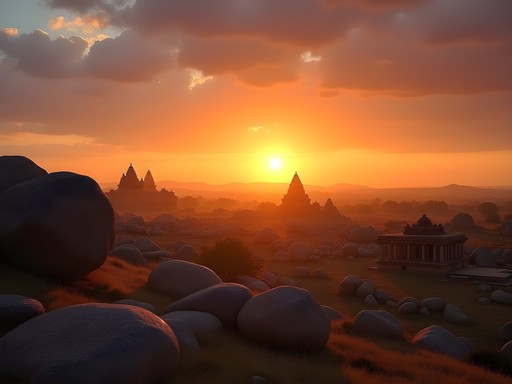
Standing amidst the boulder-strewn landscape of Hampi, gazing at 14th-century ruins while local vendors set up their morning wares, I couldn't help but see the parallels between this ancient trading hub and our modern marketplaces. One month and thousands of kilometers lay ahead—a journey connecting two historic poles of commerce and innovation along fragments of the legendary Silk Road. This wasn't merely a trip but a pilgrimage through the evolution of human exchange, from the stone temples of Hampi to the ancient walls of Jericho. Allons-y—let the adventure begin.
Preparation: Mapping the Modern Silk Road
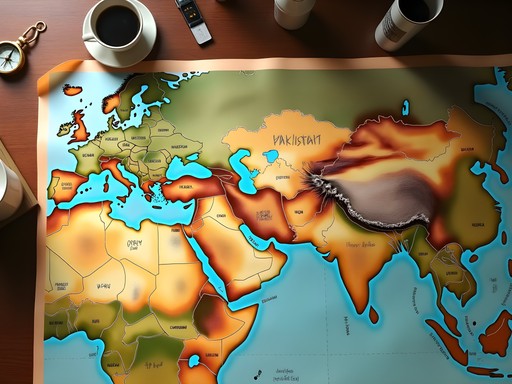
Preparing for a journey of this magnitude requires both strategic planning and a willingness to embrace uncertainty—much like launching a new product in an emerging market. My route would take me from Hampi through central India, Pakistan, Iran, and onward through the Middle East to Jericho—a path that demands research, patience with bureaucracy, and adaptability.
The visa process alone became a three-month chess game, particularly for Iran and Pakistan. I worked with a specialized visa service that proved invaluable for navigating the complex requirements and timing constraints. Each country presented unique documentation challenges, with Iran requiring the most advance planning—their visa authorization code system necessitates working with an approved Iranian travel agency.
Technologically, I prepared by loading my satellite communicator with pre-planned waypoints while ensuring it could send position updates to family regardless of cellular coverage. For regions with internet restrictions, I invested in a reliable VPN subscription installed across all devices—essential for both security and accessing blocked communication platforms.
The most valuable preparation, however, was connecting with fellow travelers who had recently completed segments of my route. Their on-the-ground intelligence about border crossings, transportation reliability, and changing security situations proved more current than any guidebook.

💡 Pro Tips
- Apply for visas at least 3 months before departure, especially for Iran and Pakistan
- Download offline maps for Google Maps, Maps.me AND OsmAnd—each has strengths in different regions
- Carry multiple payment methods including cash (USD in new, uncreased bills), two different credit cards, and a hidden emergency reserve
India to Pakistan: Ancient Ruins to Modern Resilience
The journey began properly in Hampi's surreal landscape—a UNESCO site where massive granite boulders balance precariously above ruins of the Vijayanagara Empire. I spent three days exploring this 14th-century trading powerhouse, where the morning market still operates much as it has for centuries. The parallels between Hampi's historic bazaar and our modern marketplace ecosystems were striking—specialized zones for different goods, reputation-based trust systems, and price negotiations that would make any venture capitalist feel at home.
From Hampi, I traveled north through Maharashtra and Rajasthan, making strategic stops in Mumbai and Jaipur. Each city revealed its own innovation ecosystem—Mumbai with its film industry disruption and Jaipur balancing traditional artisanship with modern design approaches.
The Wagah border crossing between India and Pakistan—a daily ceremony of synchronized hostility and theatrical nationalism—marked my transition into Pakistan. This performance of division stands in stark contrast to centuries of shared cultural and commercial history.
Lahore greeted me with unexpected warmth and a burgeoning tech scene that rivals many Western hubs. I visited The Nest I/O, a technology incubator where young Pakistani entrepreneurs are developing solutions to local challenges with global potential. The resilience required to build startups amidst infrastructure challenges reminded me that innovation often flourishes under constraints—a lesson many Silicon Valley companies could benefit from studying.

💡 Pro Tips
- In Hampi, hire a local guide early morning (before 8am) to avoid both crowds and midday heat
- Use the Pakistan Railways app to book train tickets in advance—the Lahore to Islamabad route often sells out
- Visit Lahore's Anarkali Bazaar in late afternoon when the light streams through ancient archways, illuminating centuries of commerce
Iran: The Heartland of Silk Road Innovation
Crossing from Pakistan into Iran marked a profound shift in landscape, architecture, and cultural tempo. Iran represents the genuine heart of the historic Silk Road, where East truly met West in a confluence of ideas, technologies, and artistic traditions.
My first stop was Mashhad, Iran's second-largest city and home to the stunning Imam Reza shrine complex. Beyond its spiritual significance, the shrine functions as an economic ecosystem—housing museums, libraries, and a massive charitable foundation that operates businesses across the country. The management structure offers fascinating parallels to modern corporate governance, with traditional values guiding long-term investment strategies.
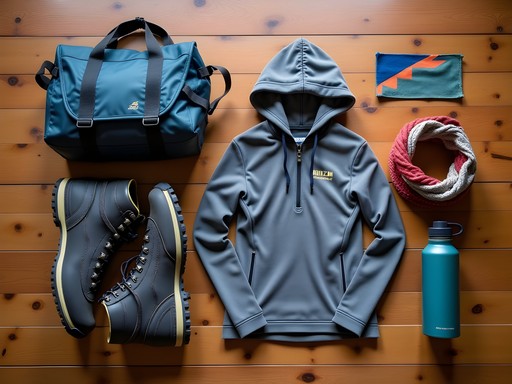
Traveling westward through Iran required adaptation to the seasonal climate variations. My merino wool layers proved essential as temperatures shifted dramatically between desert days and mountain evenings. For capturing the intricate details of Persian architecture, my clip-on smartphone lens delivered exceptional results without drawing attention with professional equipment.
Isfahan's Naqsh-e Jahan Square—one of the world's largest public plazas—embodies the sophisticated urban planning of 17th-century Persia. The square integrates commerce, governance, spirituality, and public gathering in a harmonious design that modern urban planners still study. I spent hours in the surrounding bazaar, where traditional artisans continue crafts passed through generations, now adapting to global markets while maintaining authenticity.
Perhaps most surprising was Tehran's contemporary art scene and startup ecosystem. Behind modest exteriors, I discovered co-working spaces and technology incubators where young Iranians develop innovations despite limited access to international financial systems—a testament to human creativity's resilience under constraints.

💡 Pro Tips
- Exchange currency with official money changers who provide better rates than hotels—look for the green signs in major cities
- Women travelers should pack a lightweight, loose-fitting manteau (overcoat) and several headscarves for different weather conditions
- Install Snapp (Iran's equivalent to Uber) before arrival as it functions well with local SIM cards and eliminates taxi negotiation

Turkey & Jordan: Bridging Ancient and Modern
After the cultural immersion of Iran, Turkey offered a fascinating transition between East and West. Istanbul—straddling two continents—perfectly embodies this bridge. The Grand Bazaar, one of the world's oldest covered markets, continues to function as a commercial hub while adapting to modern tourism economies. Walking its 61 covered streets, I observed how traditional shops now leverage digital payment systems and social media marketing while maintaining centuries-old business locations.
For the Turkey segment, I invested in a language translator device that proved invaluable in negotiations and conversations with artisans in less-touristed areas. The device's ability to translate both ways in real-time opened doors to experiences that would have otherwise remained closed.
From Turkey, I crossed into Jordan, where Petra represented another crucial Silk Road nexus. Beyond the famous Treasury facade lies an extensive commercial district where Nabataean traders once controlled valuable incense routes. I spent a full day hiking to the Monastery, carrying supplies in my packable daypack which compressed to pocket-size when not needed yet expanded to hold water, snacks, and layers for the variable desert climate.
Amman's blend of ancient ruins and modern startups echoed themes I'd observed throughout my journey. At the King Hussein Business Park, I met entrepreneurs developing blockchain applications for supply chain verification—a modern solution to the same trust challenges that Silk Road merchants faced centuries ago. The circular nature of innovation, where new technologies address perennial human needs, became increasingly apparent as my journey neared its conclusion.

💡 Pro Tips
- In Istanbul's Grand Bazaar, venture beyond the main corridors to find specialized sections where locals shop for better prices
- Jordan's desert regions experience extreme temperature fluctuations—pack for both hot days and surprisingly cold nights
- Purchase the Jordan Pass before arrival to include your visa fee and entrance to major sites including Petra
Journey's End: The Ancient Walls of Jericho
The final leg of my journey brought me to Jericho—contested, complex, and claiming the title of world's oldest continuously inhabited city. Standing before archaeological layers representing 11,000 years of human settlement was humbling. Here, some of humanity's earliest experiments with agriculture, permanent architecture, and organized commerce began.
Jericho's ancient marketplace footprint, though small by modern standards, represents the genesis of fixed commercial spaces—a revolutionary concept that eventually led to everything from medieval bazaars to modern shopping centers and digital marketplaces. The circular nature of innovation became clear as I observed Palestinian entrepreneurs at a local tech hub developing agricultural monitoring systems to optimize water usage—addressing the same fundamental challenges that Jericho's first Neolithic farmers faced millennia ago, albeit with vastly different tools.
For navigating the complex political realities of this region, I relied heavily on my travel security app which provided neighborhood-level safety updates and cultural advice. The region's geopolitical complexity demands respectful awareness that goes beyond typical travel considerations.
On my final evening, I shared tea with a Palestinian family whose hospitality business has operated across generations. Their stories of adaptation, resilience, and maintaining commercial traditions through political upheavals echoed themes I'd encountered throughout my journey. "Commerce connects when politics divides," the grandfather told me—a profound observation that summarized much of what I'd witnessed along the modern Silk Road.

💡 Pro Tips
- Arrange West Bank transportation in advance through your accommodation—public transport options are limited and taxis can be expensive
- Bring a wide-brimmed hat and serious sun protection—Jericho sits 258 meters below sea level with intense UV exposure
- Visit Tell es-Sultan (ancient Jericho) early morning for both cooler temperatures and better photography conditions
Final Thoughts
As my overland expedition from Hampi to Jericho concluded, I found myself reflecting on the continuity of human innovation across millennia. The ancient trading networks that once carried silk, spices, and ideas have evolved into digital highways carrying data packets and cryptocurrency transactions, yet the fundamental human desires remain unchanged: connection, exchange, and progress through collaboration.
What struck me most powerfully was how the most successful innovation hubs—both historic and modern—share key characteristics: geographical positioning at cultural crossroads, openness to outside influence, protection of intellectual contribution, and governance systems that enable rather than restrict exchange. From Hampi's stone-carved commercial districts to Tehran's hidden startup accelerators, these principles manifest repeatedly.
For the solo traveler considering this journey, I offer this: prepare meticulously but embrace serendipity. The route demands respect, research, and resilience, but rewards with profound insights into our shared commercial and cultural history. As a French-Algerian raised in a Mediterranean port city now working in American innovation ecosystems, I found pieces of my own story written in the ancient stones and modern glass of each stop along this route. Perhaps you will too. Bon voyage, mes amis.
✨ Key Takeaways
- The Silk Road remains a living commercial and cultural corridor, not merely a historical concept
- Modern innovation hubs often flourish in the same locations as ancient trading centers, leveraging similar geographical and cultural advantages
- Solo travelers should balance thorough preparation with flexibility—political situations and border policies can change rapidly in these regions
📋 Practical Information
Best Time to Visit
September-October or March-April to avoid extreme temperatures across all regions
Budget Estimate
$4,000-6,000 USD excluding international flights (mid-range accommodations, local transportation, meals)
Recommended Duration
Minimum 4 weeks, ideally 6-8 weeks to allow deeper exploration
Difficulty Level
Advanced - Requires Extensive Visa Planning, Adaptability To Varying Cultural Norms, And Comfort With Sometimes Unpredictable Transportation

Comments
Megan Martin
Carter, this is exceptional content and really well documented. I've covered parts of the Silk Road for various publications but never attempted the full overland route like this. Your section on Iran's caravanserais was particularly insightful. One question - how did you manage accommodation bookings in more remote areas where online booking platforms don't really operate? I'm working on a piece about sustainable overland travel and would love to understand your approach to supporting local businesses versus international chains along this route.
Carter Warren
Thanks Megan! Honestly, most remote areas I just showed up and asked around. Locals were incredibly helpful. Only pre-booked in major cities. It actually led to better experiences and definitely more money going directly to local families.
springmood
Love the photos from Iran!! Definitely underrated
luckyqueen
How did you handle connectivity and navigation through all these countries? Did you get local SIM cards everywhere or use something else? Planning a similar trip and trying to figure out the tech side of things.
Carter Warren
Local SIMs in each country worked best for me. Downloaded offline maps on Maps.me beforehand which was a lifesaver. Iran's internet can be tricky with VPN needed for most apps.
dreamhero
Amazing photos! This looks like the adventure of a lifetime
Hunter Thompson
Mate, this is absolutely brilliant! I've been planning a similar route for ages but keep getting stuck on the visa situation. Did you get all your visas in advance or pick them up along the way? I'm particularly curious about the Iran visa - heard it's easier to get in Pakistan than from home. Also, what was your daily budget like for this? Trying to figure out if I can swing it this year on a backpacker budget.
wanderpro
Not OP but I got my Iran visa in Istanbul and it was pretty straightforward! Took about 5 days.
Carter Warren
I did a mix - got Pakistan and Iran sorted in advance through embassies. Daily budget averaged around $40-50 USD including accommodation and food, but Iran was cheaper. Turkey pushed it up a bit.
dreamace
Bucket list material right here!
wanderpro
This is absolutely incredible!! I've done parts of this route but never the full thing. How long did the whole journey take you? And honestly, what was the Pakistan-Iran border crossing like? I've heard mixed things about getting through there overland. The photos from Hampi are stunning btw, takes me right back to when I was there in 2019.
Carter Warren
Thanks! The whole journey took about 6 weeks. Pakistan-Iran crossing at Taftan was definitely challenging - lots of waiting but doable with patience. Make sure all your paperwork is absolutely perfect.
roamninja
Did you feel safe traveling through these regions? I've always wanted to see Hampi and parts of the Silk Road but worried about going solo. Love your photos from the Iranian markets btw!
wanderlustlover
I'm curious about this too! Especially as a female traveler...
redrider
This is on my bucket list! Quick q - is Iran safe for solo female travelers? I keep getting mixed messages from different sources.
redwanderer
Not Carter but I'm a woman and traveled Iran solo in 2023. Honestly one of the safest places I've been. Just respect the dress code and you'll be fine. Locals are incredibly welcoming!
redrider
That's really reassuring, thank you!!
Taylor Moreau
Carter, this is a masterfully documented journey. Your section on navigating the border crossings between India and Pakistan was particularly insightful. I've found that many travelers underestimate the bureaucratic complexities of overland travel in this region. When I led a small business delegation through Central Asia in 2024, we encountered similar challenges with documentation at several checkpoints. Your tip about carrying multiple passport photos and extra documentation copies is spot on. I'd add that establishing relationships with local fixers in advance can be invaluable, especially for the Iran segment. Did you find the Pakistani authorities more accommodating than in previous years? I've heard reports of improving attitudes toward Western travelers.
roamninja
The visa stuff sounds complicated! Is it doable for regular travelers or do you need special connections?
Taylor Moreau
@roamninja It's definitely manageable for independent travelers, but requires advance planning. I recommend starting visa applications at least 3 months before departure, especially for Iran. The Silk Road Travel Guide has excellent up-to-date visa information for all countries along the route.
Venture X
Premium card with 2X miles, $300 travel credit, Priority Pass