

Disclosure: This article contains affiliate links. We may earn a commission from purchases at no extra cost to you, which helps our travel content.
The morning mist hangs like a delicate veil over Antelope Park as the first rays of sunlight pierce through the acacia trees. I sit cross-legged on my private deck, journaling as Zimbabwe awakens around me. After years of chasing healing in the world's remote lakes and plateaus, I've discovered something unexpected in the heart of Africa—a profound connection to wildlife that grounds me in ways I never anticipated. Gweru isn't on most travelers' Zimbabwe itineraries, overshadowed by Victoria Falls and Hwange National Park, but this midlands city harbors intimate wildlife experiences that feel worlds away from the typical safari circuit. For couples seeking both adventure and meaningful connection, Gweru offers something rare: authentic encounters with magnificent creatures in an unhurried setting where conservation and community intertwine. This isn't just another safari destination; it's a place where time slows down and nature's rhythms become your own.

Finding Sanctuary at Antelope Park
After the 4-hour drive from Harare, pulling into Antelope Park felt like discovering a secret garden in Zimbabwe's midlands. Unlike the more commercialized safari experiences I've had elsewhere in Africa, this family-owned private game reserve strikes that perfect balance between comfort and connection to the wild.
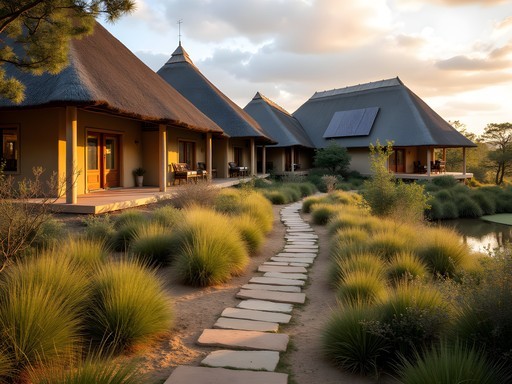
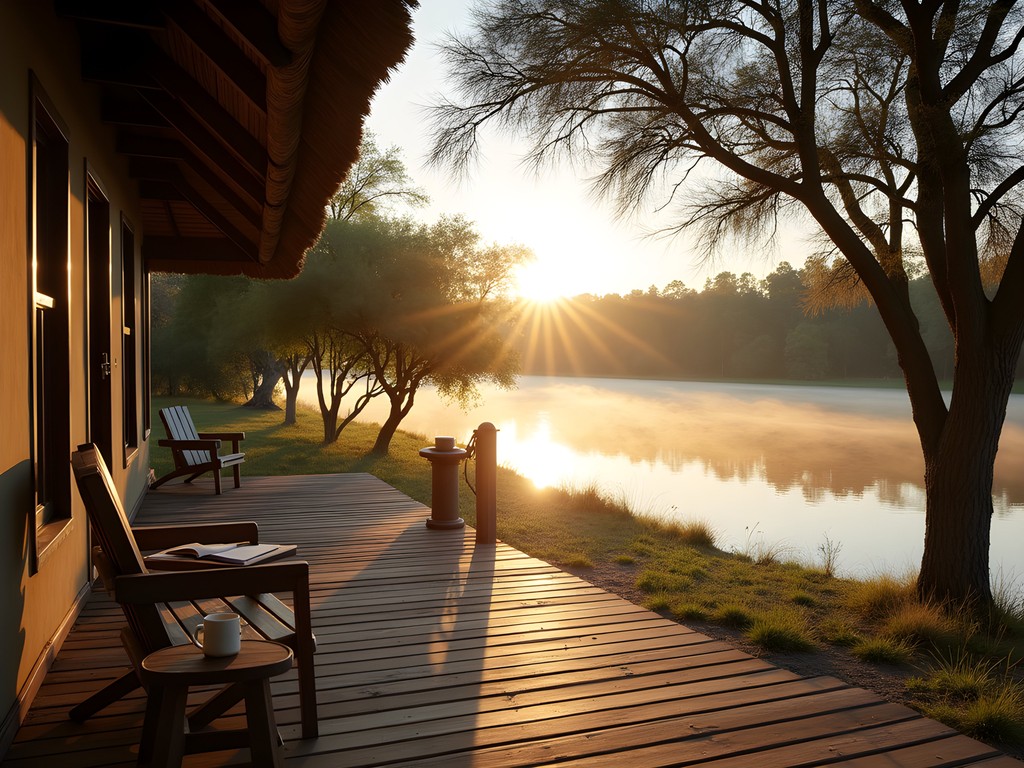
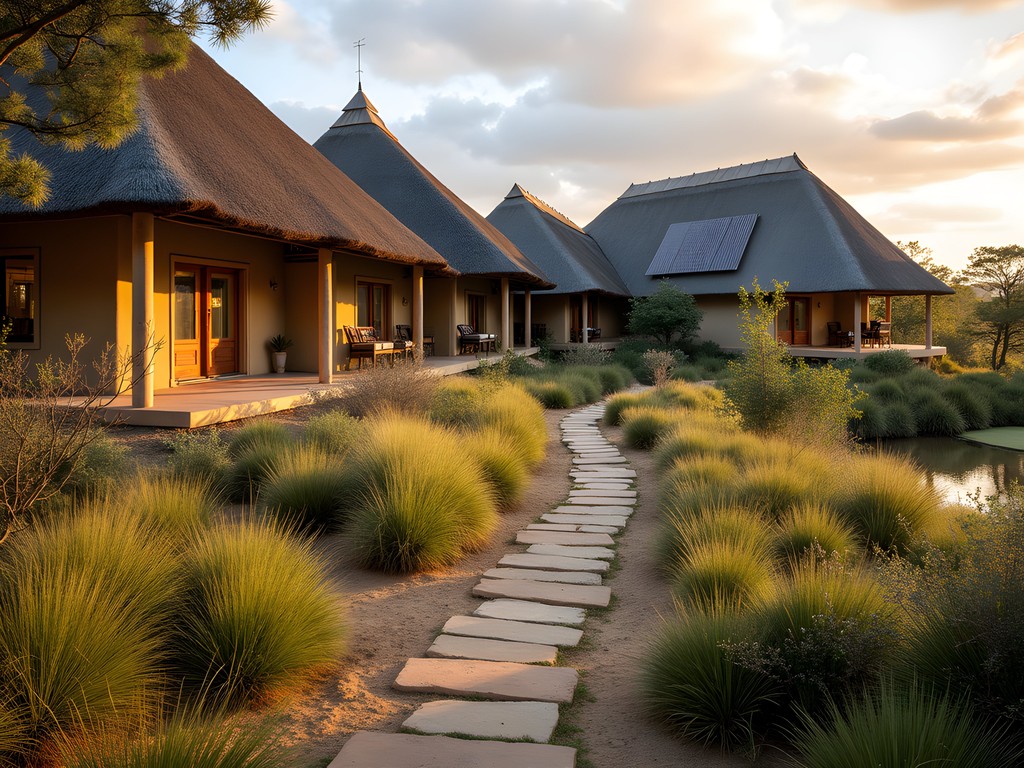
My riverside lodge—constructed with local materials and designed to blend into the landscape—became my sanctuary for the week. Each morning, I'd wake to the distant roars of the reserve's lion conservation project, a sound that vibrated through my chest and reminded me how far I was from my marketing desk in Limerick.
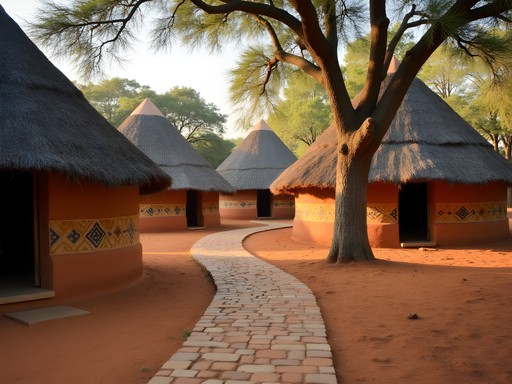
The accommodations range from luxury river lodges to safari tents, but I opted for a mid-range thatched-roof cottage that offered privacy without isolation. After my burnout in New York years ago, I've learned that true luxury is space to breathe, not thread counts or amenities.
Each evening, couples gathered around the communal firepit, sharing stories under stars that seemed close enough to touch. My headlamp became essential for navigating back to my cottage after these fireside chats—the pathways are intentionally kept minimally lit to preserve the night sky views and respect the natural rhythms of the wildlife.
What sets Antelope Park apart is how it creates space for both adventure and reflection. Unlike the rushed game drives I've experienced elsewhere, here you can design your days around your own natural rhythms—whether that means early morning horseback safaris or afternoon meditation by the river.
💡 Pro Tips
- Book a riverside lodge for the best sunrise views and animal sightings from your private deck
- Pack a good journal—the early mornings at Antelope Park offer perfect reflection time
- Request cottage #7 or #8 for the most privacy while still being close to the main facilities
Walking with Lions: Conservation in Action
I've always approached wildlife tourism with healthy skepticism, particularly programs involving predators. But Antelope Park's African Lion Environmental Research Trust (ALERT) conservation program offers something different—a thoughtful approach to lion conservation that prioritizes eventual reintroduction to the wild.
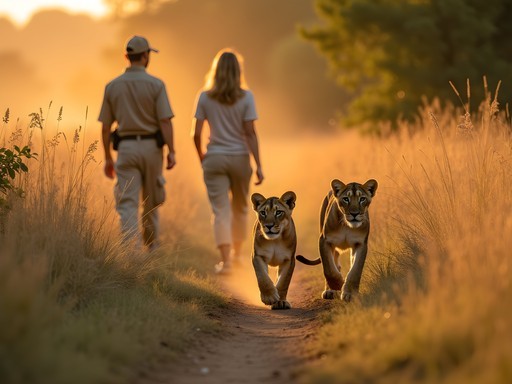
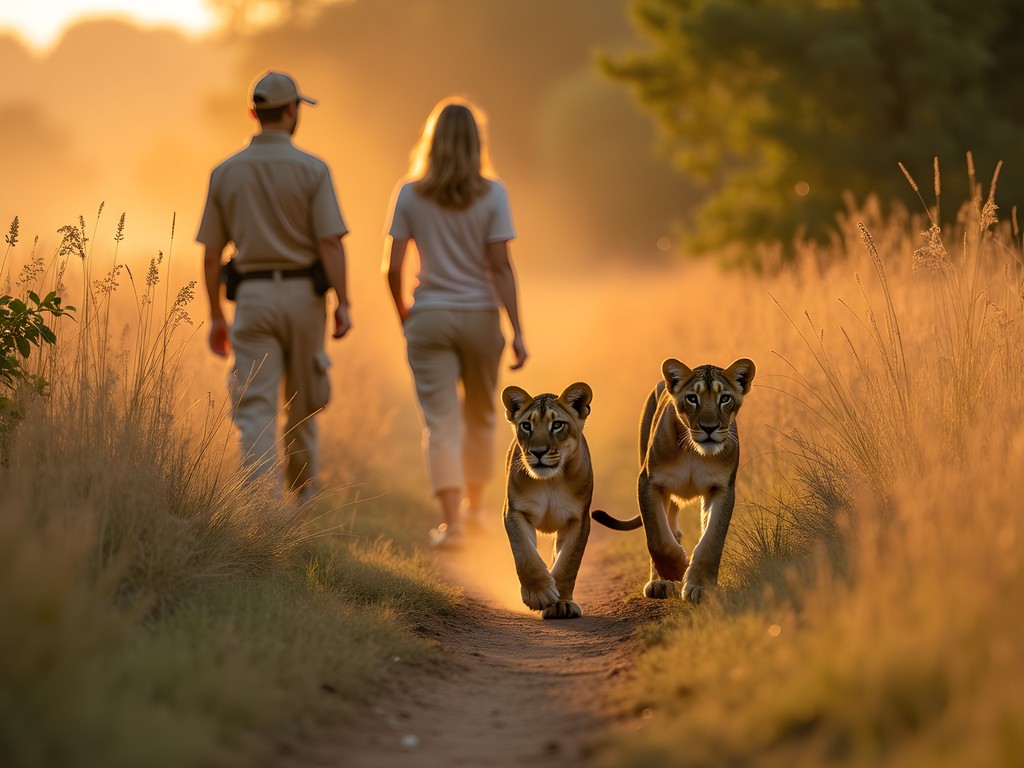
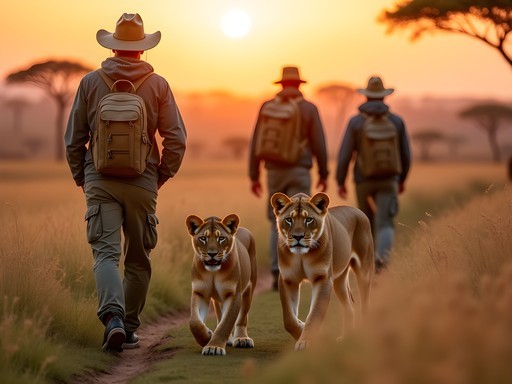
The 'Walking with Lions' experience isn't about tourist photos (though you'll certainly want your mirrorless camera ready); it's about supporting cubs born in the program as they develop crucial hunting skills. Each walk is carefully monitored by trained conservationists who explain the multi-generational rehabilitation process.
What struck me most was the profound silence that fell between my partner and me as we walked alongside these magnificent creatures. There's something about being in the presence of apex predators that strips away pretense and brings you fully into your body. After years of seeking healing in nature, I found that these moments of raw connection—heart pounding, senses heightened—brought a clarity I hadn't experienced even in New Zealand's most remote landscapes.
The program isn't without controversy in conservation circles, and I appreciated the staff's willingness to engage in transparent conversations about the challenges and ethics of their work. For couples, these walks create a shared experience that's both exhilarating and intimate—the kind of memory that becomes a touchstone in your relationship.
Beyond the lion program, Gweru offers elephant encounters that focus on observation rather than interaction. Watching these gentle giants move through their natural habitat at dawn, their movements synchronized in silent communication, reminded me why I left that Manhattan office behind all those years ago. Some healing can only happen in the presence of something greater than yourself.
💡 Pro Tips
- Book the morning lion walks when temperatures are cooler and the animals are more active
- Ask questions about the conservation program—the guides are passionate about education
- Wear neutral colors (beige, khaki, olive) to blend with the environment during wildlife walks
Mindful Game Drives: Beyond the Big Five
If there's one thing I've learned through my travels, it's that the most meaningful experiences often come when you abandon the checklist mentality. Gweru's game drives epitomize this philosophy—rather than racing between big game sightings, guides encourage a more contemplative approach to wildlife viewing.
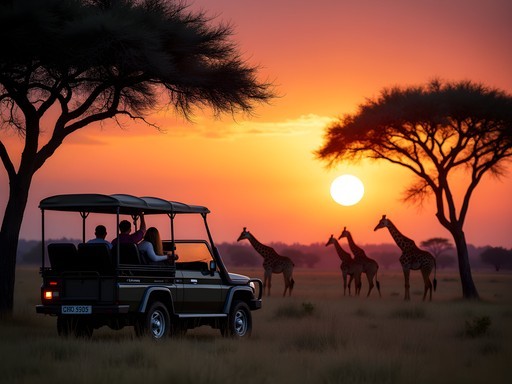
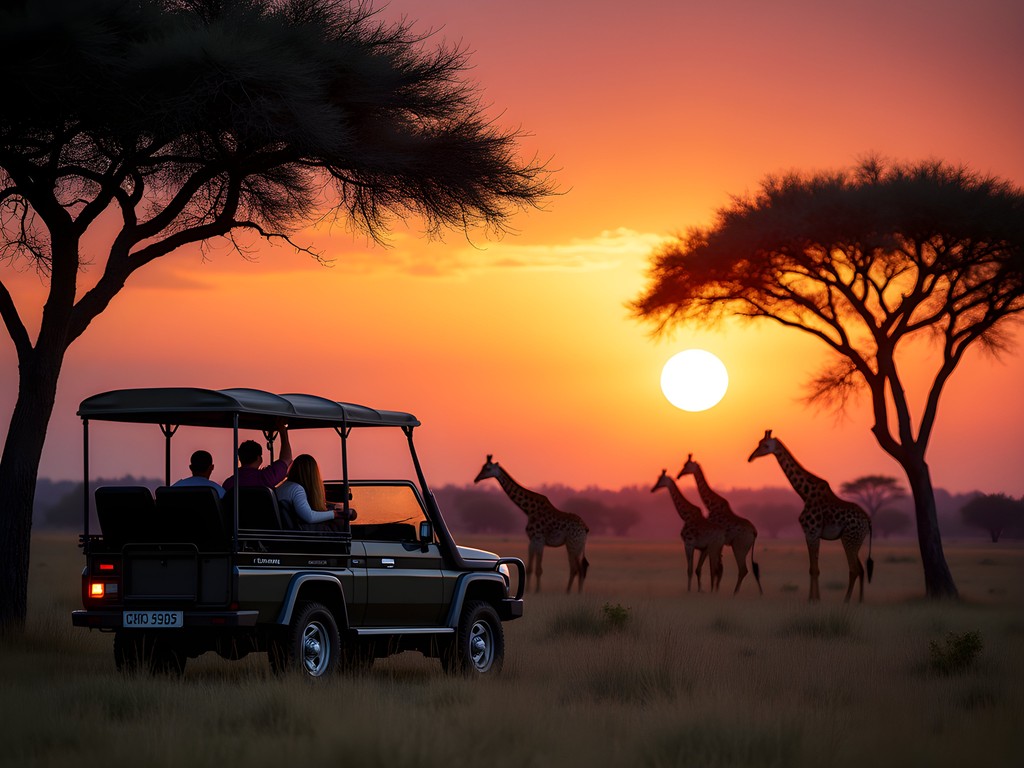
We set out in an open-air vehicle just before dawn, wrapped in blankets against the morning chill with my insulated travel mug filled with local Zimbabwean coffee. Our guide Samuel, a Gweru native with encyclopedic knowledge of the ecosystem, encouraged us to close our eyes and simply listen to the bush awakening around us before we began moving.
This mindfulness practice set the tone for our drives throughout the week. Rather than speeding past 'lesser' animals in search of predators, we'd stop to observe dung beetles rolling their precious cargo or spend thirty minutes watching a giraffe family's intricate social dynamics. Samuel taught us to recognize individual impalas by their markings and to read the landscape for signs of recent animal activity.
The midlands terrain around Gweru offers diverse habitats—from open savanna to riverine forests—creating microenvironments that support varied wildlife. While you won't find the density of big game that Hwange offers, the trade-off is exclusivity and intimacy with the animals you do encounter.
One evening, we tracked a serval cat hunting in the tall grass—a rare sighting that had even Samuel reaching for his camera. As the cat pounced on unseen prey, executing a perfect vertical leap, time seemed suspended. My partner squeezed my hand, and in that shared moment of wonder, I felt more connected than during any luxury experience I've had in my travels.
For couples seeking deeper connection—both with nature and each other—Gweru's unhurried game drives create the perfect conditions for meaningful conversation and shared discovery. There's something about witnessing wildlife together that strips away daily concerns and brings you back to what matters.
💡 Pro Tips
- Request Samuel as your guide if possible—his knowledge of bird calls alone is worth it
- Alternate between morning and evening drives to see different animal behaviors
- Bring binoculars for each person—sharing means one of you always misses something

Cultural Immersion: Connecting with Gweru's Communities
My digital nomad journey has taught me that the most authentic travel experiences happen when you venture beyond tourist boundaries and connect with local communities. Gweru offers rich opportunities for cultural immersion that complement its wildlife experiences.
Through Antelope Park's community program, we spent a day at the Mkoba Village primary school, where local children practiced their English while teaching us traditional games. The genuine curiosity and joy of these interactions provided a necessary counterbalance to the sometimes heavy emotions that wildlife conservation can evoke.
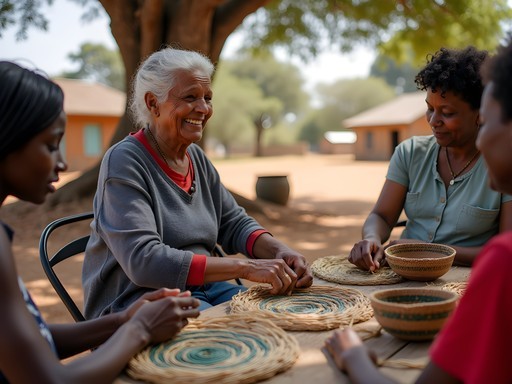
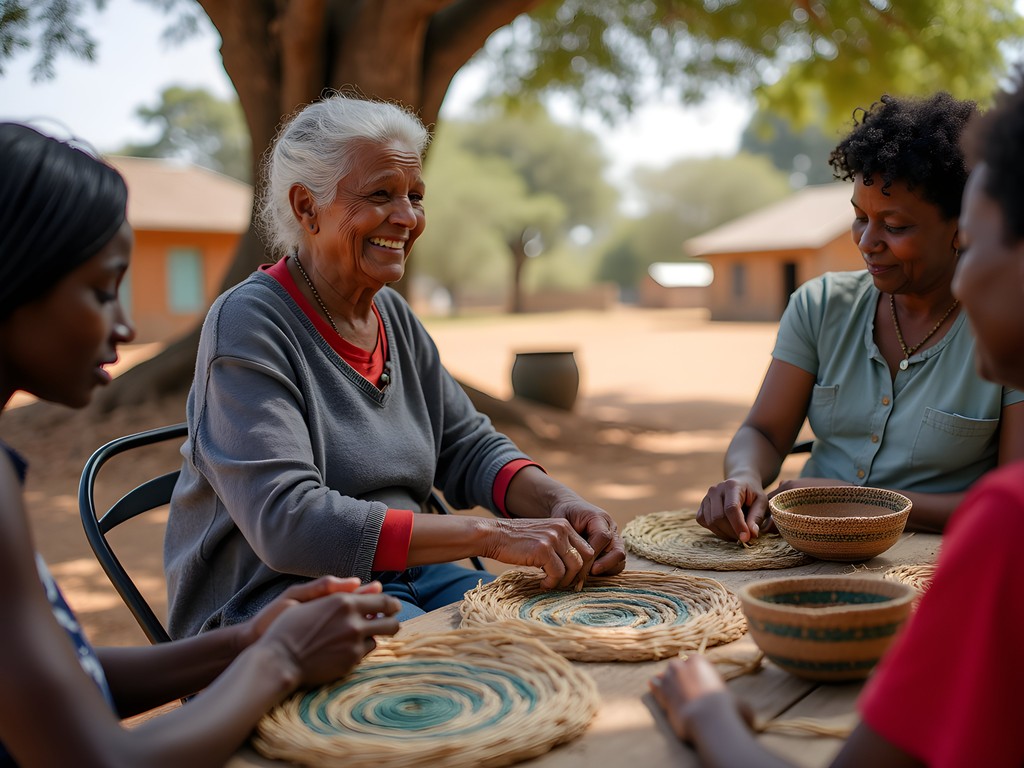
For a deeper understanding of Shona culture, we arranged a visit to a local homestead through our lodge. Mama Ncube welcomed us into her home, demonstrating traditional cooking methods and explaining the symbolic meaning behind the intricate patterns in her basket weaving. These baskets make meaningful souvenirs that directly support local artisans—far more significant than mass-produced curios from tourist shops.
Gweru's Boggie Clock Tower marks the center of this unassuming city, and the nearby markets offer a glimpse into everyday Zimbabwean life. We wandered through stalls of vibrant fabrics and fresh produce, practicing our limited Shona phrases with patient vendors. I found the perfect travel journal made by a local bookbinder—its handmade paper now holds my reflections from this journey.
One evening, we joined a community dinner where generations gathered to share stories under the stars. An elder explained how traditional knowledge informs modern conservation efforts—a reminder that indigenous wisdom often holds solutions to our most pressing environmental challenges.
These cultural exchanges grounded our wildlife adventures in human context. Conservation isn't just about protecting animals; it's about supporting communities to become stewards of their natural heritage. For couples seeking meaningful travel, these connections add depth to the safari experience and foster conversations that continue long after you've returned home.
💡 Pro Tips
- Bring school supplies to donate if visiting local schools—pencils and notebooks are especially appreciated
- Learn a few basic Shona greetings—even simple phrases are warmly received
- Ask permission before photographing people, and offer to send copies if possible
Sustainable Safaris: Responsible Wildlife Tourism in Zimbabwe
My journey from corporate burnout to mindful travel has made me increasingly conscious of my environmental footprint. Zimbabwe's tourism industry is rebuilding after years of political and economic challenges, creating both opportunities and risks for sustainable development.
Gweru's smaller operations often demonstrate stronger sustainability practices than larger commercial safaris. At Antelope Park, solar power provides most of the electricity, water is heated through thermal systems, and food is sourced from local farmers and their own gardens. These practices minimize environmental impact while supporting the local economy.
Before booking any wildlife experience, I researched their conservation credentials and ethical practices. The wildlife guide was invaluable for understanding the complex conservation landscape and identifying genuinely responsible operators. I've learned that the most ethical wildlife experiences prioritize observation over interaction and contribute directly to conservation efforts.
For couples concerned about sustainable travel, Gweru offers opportunities to engage directly with conservation projects. We spent one day assisting researchers with a wildlife census, recording sightings and habitat conditions. This citizen science approach not only provided valuable data but gave us deeper insight into ecosystem management challenges.
Water conservation is critical in this drought-prone region. Our lodge provided refillable water bottles and purification systems, eliminating the need for plastic bottles. These small touches reflect a growing awareness of sustainable tourism principles among Zimbabwean operators.
Perhaps most importantly, sustainable safari experiences in Gweru create economic incentives for wildlife protection. When communities benefit directly from tourism revenue, they become partners in conservation rather than competitors for resources. This model—where wildlife becomes more valuable alive than dead—offers hope for Africa's threatened species.
As travelers, our choices matter. By selecting operators with strong environmental and community commitments, we vote with our dollars for the kind of tourism that preserves rather than exploits natural wonders. For couples seeking meaningful adventures, this mindful approach creates experiences that align with your values while creating lasting memories.
💡 Pro Tips
- Research wildlife operators thoroughly—look for those with transparent conservation policies
- Pack reef-safe sunscreen and biodegradable toiletries to minimize environmental impact
- Consider carbon offsetting your flights to Zimbabwe through verified projects
Final Thoughts
As my week in Gweru draws to a close, I find myself sitting once more on my cottage deck, watching elephants wade across the river in golden afternoon light. There's a particular kind of healing that happens in places where wild things still roam, where your human concerns shrink against the ancient rhythms of the natural world. Zimbabwe isn't the easiest destination—it requires patience, flexibility, and an open heart—but these qualities are precisely what make it transformative. For couples seeking connection both with each other and something greater than yourselves, Gweru's wildlife experiences offer rare moments of shared wonder that become touchstones in your relationship. Whether tracking lion prides at dawn or sharing stories with village elders under baobab trees, these experiences remind us why we travel: to be changed, to be humbled, and ultimately, to return home carrying new perspectives. Zimbabwe's wild heart is waiting—are you ready to listen to what it has to say?
✨ Key Takeaways
- Gweru offers intimate wildlife experiences without the crowds of better-known safari destinations
- Combining conservation activities with cultural immersion creates more meaningful connections
- Mindful safari practices—slowing down, observing deeply—lead to more profound wildlife encounters
- Supporting locally-owned, sustainable operations directly contributes to wildlife conservation efforts
📋 Practical Information
Best Time to Visit
May to October (dry season) for best wildlife viewing, with June-August offering cooler temperatures
Budget Estimate
$150-250 per person per day including accommodations, meals, and activities
Recommended Duration
5-7 days to fully experience both wildlife and cultural activities
Difficulty Level
Moderate - Requires Some Flexibility With Basic Infrastructure And Occasional Unpredictability
Comments
summermood
Just a heads up for anyone planning this - make sure you have your yellow fever certificate sorted before you go. Also the visa process was pretty straightforward when we went to Vic Falls last year. Zimbabwe is seriously underrated as a safari destination!
springone
Going to Zimbabwe in August and SO excited now!!
happywanderer
me too!! maybe we'll see you there lol
vacationking
Is Antelope Park good for families? Have two kids aged 8 and 11
Charlotte Cunningham
Yes! They have family-friendly programs. The lion walks have age restrictions but the game drives and cultural experiences are perfect for kids that age.
Amit Sullivan
What a beautifully written piece, Charlotte. Zimbabwe holds such a special place in my heart - I visited back in 2019 and found the people to be some of the warmest and most resilient I've encountered anywhere in the world. Your section on cultural immersion really resonated with me. I spent time in Bulawayo and the rural areas, and those conversations over sadza and stew taught me more about life than any guidebook ever could. Gweru wasn't on my itinerary then, but reading this makes me want to return. The way you've woven together the wildlife experiences with genuine community connection is exactly what thoughtful travel should look like.
summermood
This is so helpful! I want to do more cultural experiences when I travel instead of just tourist stuff
skygal5930
That sunrise photo is absolutely gorgeous!
citylegend
How much did the whole trip cost roughly? Trying to budget for next year
Jose McDonald
Charlotte! This is INCREDIBLE!! I've been to South Africa and Botswana but never considered Zimbabwe. The walking with lions program sounds absolutely insane (in the best way). How close did you actually get to them? And was it scary at all? I'm always looking for those authentic conservation experiences rather than just tourist traps. The cultural immersion part really speaks to me too - that's where the real magic happens on any trip. Adding Gweru to my 2026 bucket list for sure!
Charlotte Cunningham
Jose! You would LOVE it. The lions are semi-habituated so you're walking maybe 10-15 feet away. It's surreal but the guides are incredibly professional. Definitely not scary with their expertise!
happywanderer
Wow never even heard of Gweru before! This looks amazing!!
starwalker
Beautiful photos!!
roamfan
Planning my first Africa trip and this is super helpful. I was only looking at Kenya and Tanzania but Zimbabwe seems way less crowded. Is it safe to drive yourself around Gweru or better to hire a guide? Also what's the best time of year to visit - I'm flexible with dates.
coffeelover
May to October is dry season - best for wildlife viewing. Roads around Gweru are decent, we self-drove no problem.
Venture X
Premium card with 2X miles, $300 travel credit, Priority Pass