



Disclosure: This article contains affiliate links. We may earn a commission from purchases at no extra cost to you, which helps our travel content.
The Delhi-Agra corridor has long been synonymous with the gleaming white marble of the Taj Mahal and the bustling lanes of Old Delhi. But for those willing to step beyond the well-trodden tourist path, this region harbors adventure opportunities that rarely make it to the glossy travel brochures. Having grown up partially in Kerala and spent decades documenting sporting traditions across continents, I've developed a particular fondness for places where cultural heritage and natural landscapes create unexpected adventure playgrounds. This winter, I returned to my father's homeland with a different mission: to uncover the adrenaline-pumping experiences hidden in the shadows of India's most iconic monuments. What I discovered was a tapestry of activities that challenge both body and spirit—much like the final overs of a test cricket match when the light begins to fade and everything hangs in the balance.

The Yamuna River Gorge: Delhi's Vertical Playground
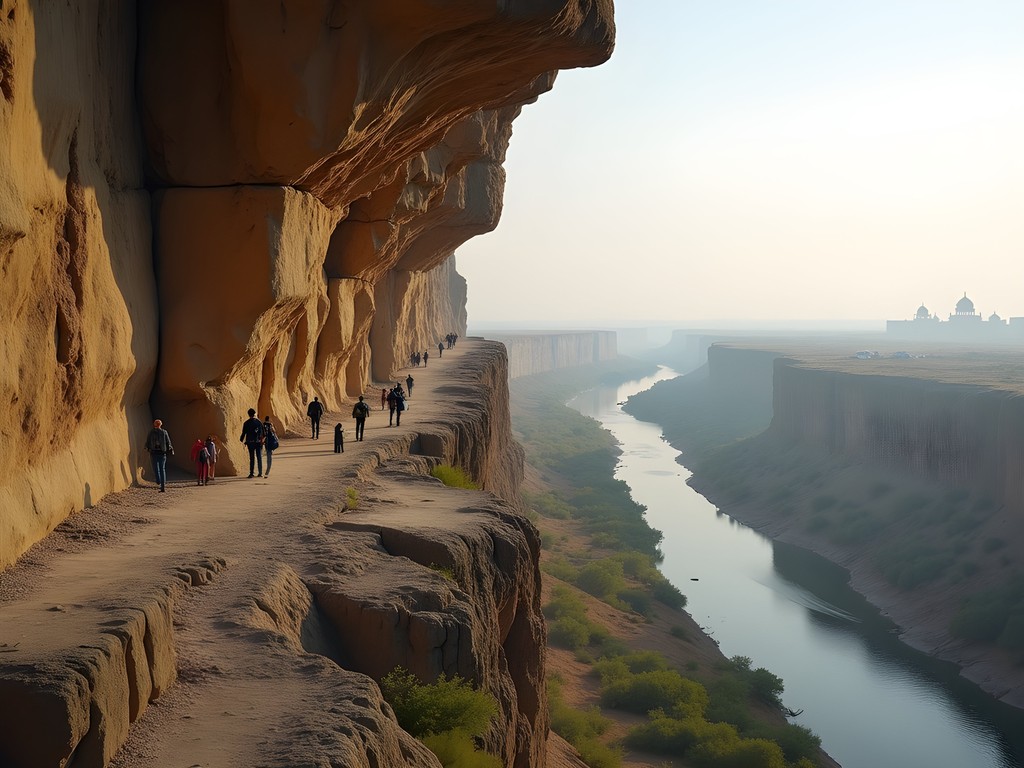
Just 45 kilometers from Delhi's chaotic center lies the Yamuna River Gorge, a dramatic limestone escarpment that seems transplanted from a different geographical realm altogether. The 70-meter cliff faces here offer some of North India's most technical rock climbing routes, yet remain virtually unknown to international adventure seekers.
On my second day in Delhi, I joined a local climbing collective called 'Delhi Rock' for a full-day excursion to the gorge. The approach itself is an adventure—a 30-minute hike through scrubland where nilgai (blue bull antelope) scatter as you approach. The limestone here is unforgiving, with sharp edges and few obvious holds, demanding technical precision rather than brute strength.
'This isn't like sport climbing in Thailand or bouldering in Fontainebleau,' explained my guide Ravi, a former national climbing champion. 'The rock here tells stories of ancient riverbeds and geological upheavals. Each route requires you to read these stories with your fingertips.'
I tackled a moderate 5.10b route called 'Minister's Folly'—named for a politician who once promised to develop the area into an adventure tourism hotspot before promptly forgetting about it after elections. The climb offered spectacular views across the Yamuna floodplain, with Delhi's hazy skyline barely visible in the distance.
For those new to technical climbing, the gorge also offers guided rappelling experiences and top-rope sessions that provide the thrill without requiring years of experience. My climbing harness proved essential for the day's activities, comfortable enough for hours of climbing while providing the safety I needed on these unfamiliar routes.
💡 Pro Tips
- Book climbing guides at least 3 days in advance through Delhi Rock or Adventure Out Delhi
- Winter months (November-February) offer the best climbing conditions with temperatures between 15-25°C
- Bring at least 2 liters of water per person—there are no facilities at the gorge
Nocturnal Wildlife Tracking in Keoladeo National Park
While most travelers rush between Delhi and Agra without stopping, those in the know make a detour to Keoladeo National Park (formerly Bharatpur Bird Sanctuary), a UNESCO World Heritage site just 60km from Agra. What few realize is that this wetland paradise transforms after sunset into an adventure playground for wildlife trackers.
Having covered cricket matches in Sri Lanka that bordered wilderness areas, I've developed a fascination with how ecosystems change from day to night. Keoladeo offers a rare opportunity in India—guided nocturnal safaris that track the park's elusive predators.
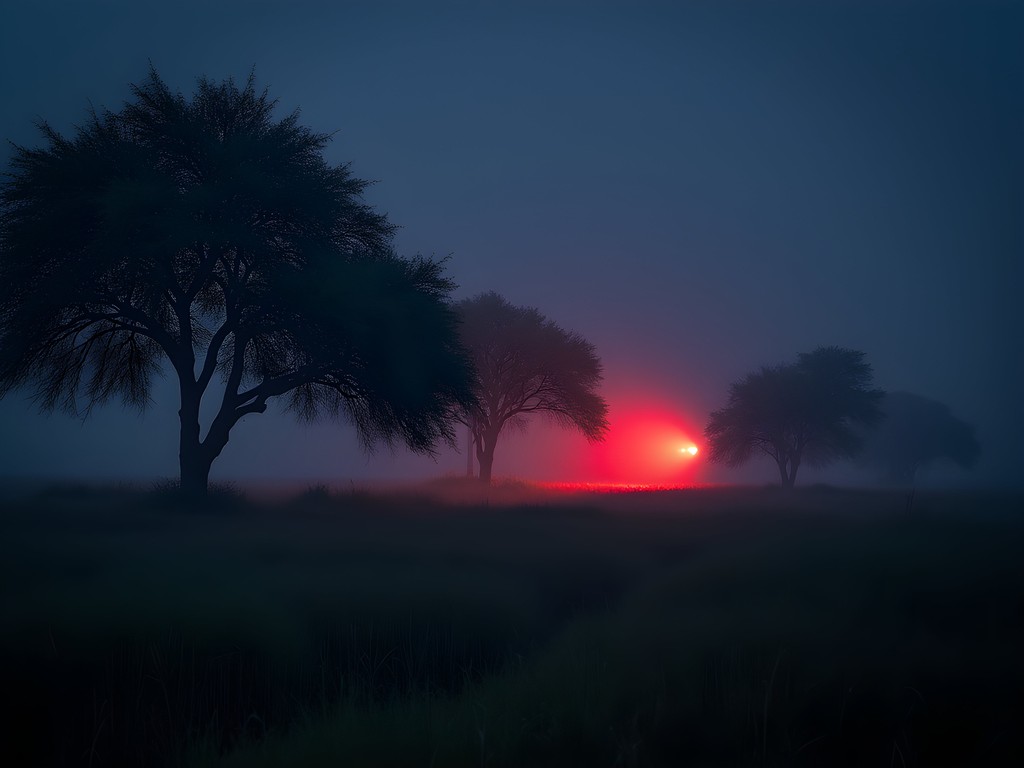
'During daylight, Keoladeo belongs to the birds and tourists,' whispered Lakshman, my tracking guide, as we set out at 9 PM armed with nothing but red-filtered headlamps. 'But the night belongs to the jungle cats, jackals, and fishing cats.'
The tracking experience requires physical stamina and mental fortitude—four hours of silent walking through marshland, reading subtle signs like paw prints in mud or territorial markings on trees. The adventure intensifies when you hear the distinctive sawing call of a leopard nearby but can see nothing in the darkness.
My night vision monocular proved invaluable during this expedition, allowing me to observe hunting behaviors without disrupting the animals with white light. The thermal imaging capability detected body heat signatures of hidden creatures in the tall grasses—technology that transformed what could have been a frustrating experience into an intimate wildlife encounter.
This isn't an adventure for beginners or the faint-hearted. The terrain is challenging in darkness, with mud that can swallow an unwary boot and thorny vegetation that seems to reach out for exposed skin. But for those seeking wildlife experiences beyond the conventional, Keoladeo after dark delivers an adrenaline rush comparable to any extreme sport.
💡 Pro Tips
- Book the nocturnal safari at least one week in advance through the Keoladeo park office
- Wear full-length clothing despite the temperature—thorns and insects make shorts impractical
- Practice walking silently before your trip—the success of wildlife sightings depends on minimizing human noise
Heritage Cycling Routes: The Forgotten Mughal Pathways
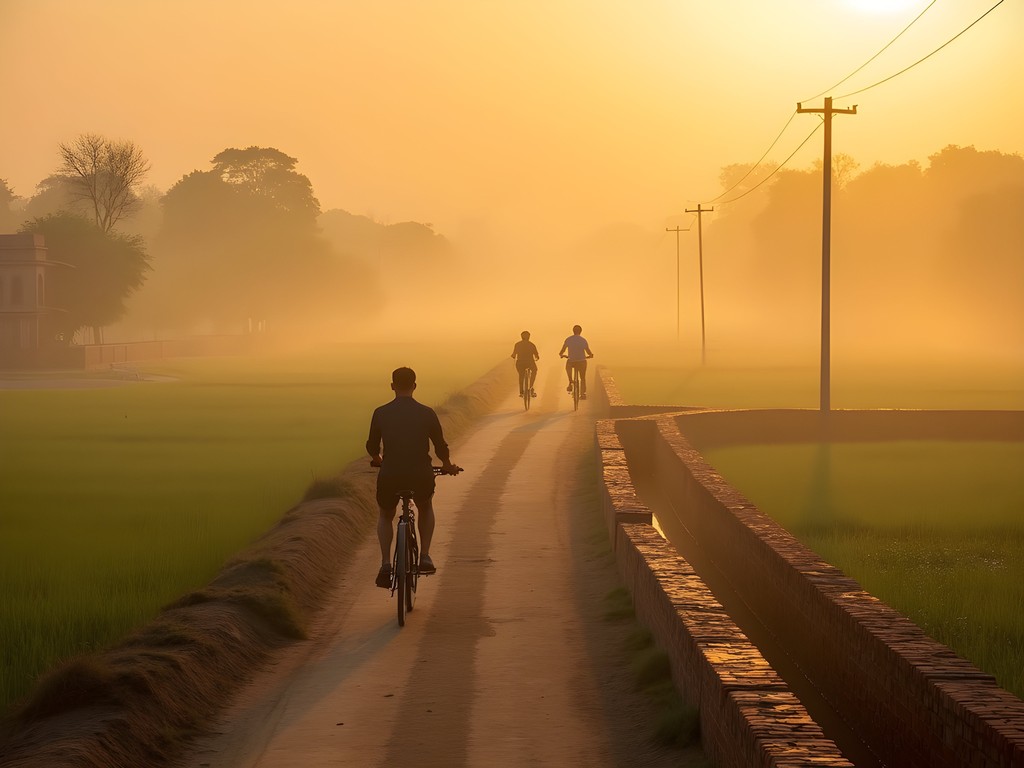
Between Delhi and Agra lies a network of ancient pathways once used by Mughal emperors and their entourages—routes that connected imperial capitals long before highways existed. Today, these paths form what adventure cyclists call the 'Emperor's Trail,' a challenging 230km route that follows canal systems, village backroads, and occasionally, no roads at all.
Having cycled in over thirty countries, I can confidently say India presents unique challenges. The Emperor's Trail is no exception, demanding advanced navigation skills, physical endurance, and cultural sensitivity as you pass through remote villages where foreign visitors remain a novelty.
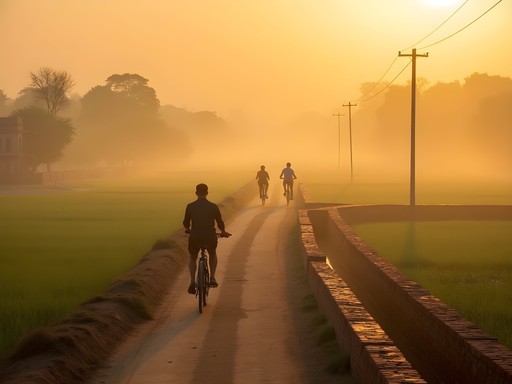
I joined a three-day guided cycling expedition from Delhi to Agra, departing before dawn from Humayun's Tomb. Our group of six experienced riders quickly left the city behind, following the Yamuna Canal system southward through agricultural landscapes rarely seen by tourists.
'This route hasn't changed much since Emperor Akbar's time,' explained Deepak, our guide and a former national cycling champion. 'The canal you see was built in the 16th century. The mango orchards we'll pass through were planted for royal feasts.'
The cycling is technically demanding—unpaved sections, sudden sand traps, and the occasional need to portage your bike across irrigation channels. Days average 75-80km of riding, with temperatures even in winter reaching 25°C by midday. My cycling GPS proved essential for navigation when we ventured off the mapped routes, its battery lasting through the entire three-day journey while tracking our metrics.
What makes this adventure exceptional is the cultural immersion between physical challenges. We stopped at unmarked archaeological sites—minor stepwells, forgotten tombs, and crumbling caravanserais that once housed silk road traders. In one village, we were spontaneously invited to join a local wrestling competition (kushti) in a traditional clay pit—an experience no packaged tour could provide.
💡 Pro Tips
- Choose a bike with at least 32mm tires to handle the varied terrain—road bikes are unsuitable
- Carry water purification tablets as refill opportunities in villages may not meet international standards
- Learn basic Hindi phrases—English comprehension drops dramatically outside tourist areas

Rappelling the Forgotten Forts of Agra
The Taj Mahal may be Agra's crown jewel, but adventure seekers should turn their attention to the lesser-known fortifications scattered across the region. While Agra Fort draws crowds, structures like Fatehpur Sikri's outer walls and the abandoned Keetham Fort offer vertical adventures for those with technical climbing skills.
Having documented traditional cliff-climbing competitions in southern India years ago, I was intrigued when a local adventure outfitter mentioned clandestine rappelling opportunities at these historical sites. To be clear: this activity exists in a legal gray area. While not explicitly forbidden, it's not officially sanctioned either.
'We operate with respect for the structures,' insisted Vikram, my guide and safety officer for the day. 'No equipment that could damage the historical fabric, no new anchor points drilled into the stone.'
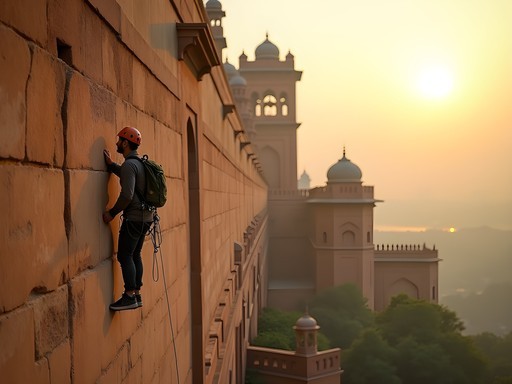
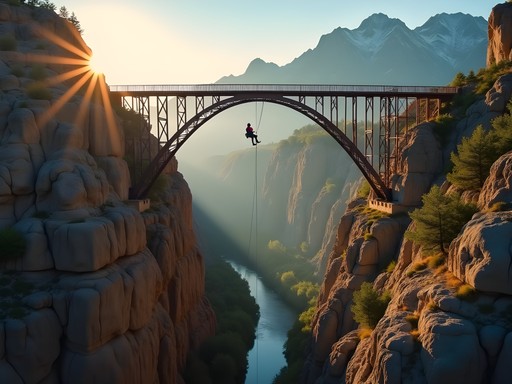
After signing extensive waivers and receiving a thorough safety briefing, we approached the eastern wall of Keetham Fort pre-dawn to avoid both heat and unwanted attention. The 40-meter sandstone wall, once designed to repel invaders, now presented a technical vertical challenge. Using natural features and existing structural elements as anchor points, we established a rappelling line down the sheer face.
The descent offers a unique perspective on Mughal military architecture—defensive features like machicolations (openings for dropping objects on attackers) and arrow slits appear dramatically different when you're suspended alongside them. My climbing helmet proved essential protection against both falling debris and the protruding architectural elements encountered during the descent.
This activity demands advanced rappelling skills and proper equipment—it's not for beginners or the risk-averse. The stone is weathered and unpredictable, with sections crumbling under pressure. But for experienced climbers, the thrill of descending structures that have stood for centuries provides an adventure narrative few visitors to Agra can claim.

💡 Pro Tips
- Only attempt this with certified guides who prioritize both safety and historical preservation
- Bring your own technical equipment if possible—rental gear quality varies dramatically
- Schedule rappelling for weekday mornings when official oversight is minimal and temperatures are cooler
Chambal River Safari: Rapids and Ravines
The National Chambal Sanctuary, just 70km from Agra, represents one of North India's most dramatic and least-explored landscapes. This river system, cutting through steep ravines formed by centuries of erosion, offers adventure opportunities ranging from moderate to extreme.
When most visitors opt for gentle boat safaris to spot gharials (fish-eating crocodiles) and gangetic dolphins, adventure seekers can arrange technical rafting expeditions through the sanctuary's more remote sections. Having kayaked in New Zealand's challenging rivers for years, I was eager to test the Chambal's Class III rapids.
'The Chambal is different,' warned Mahesh, our expedition leader and a veteran of international rafting competitions. 'The water level changes dramatically even within a single day due to upstream dam releases. A calm section can transform into dangerous rapids with little warning.'
Our two-day expedition began at Dholpur, where we put in our inflatable kayaks after comprehensive safety briefings. The initial sections featured gentle flows through towering ravines, their stratified layers telling geological stories spanning millions of years. Wildlife sightings came frequently—skittish Indian skimmers taking flight as we approached, basking gharials slipping silently into the water, and once, the unmistakable arcing leap of a gangetic dolphin.
The adventure intensified on day two when we navigated a section locally known as 'Minister's Folly'—a series of technical rapids created when a poorly planned bridge collapsed during construction decades ago, leaving concrete pillars that create dangerous hydraulics. My dry bag proved invaluable here, keeping camera equipment and emergency supplies bone-dry despite multiple drenchings in the churning waters.
Beyond the physical challenge, the Chambal offers a window into an ecosystem fighting for survival. Conservation efforts have helped stabilize critically endangered species, but the river faces threats from sand mining, pollution, and agricultural runoff. Participating in adventure tourism here directly supports conservation initiatives—a rare case where adrenaline and environmental ethics align perfectly.

💡 Pro Tips
- Book with operators who employ local guides from river communities—they read water patterns others miss
- Winter months offer the best water clarity for spotting underwater wildlife while maintaining sufficient flow for rapids
- Pack biodegradable sunscreen only—conventional products harm the river's fragile ecosystem
Final Thoughts
The Delhi-Agra corridor deserves more than the hasty 'Golden Triangle' treatment most tourists give it. Beneath its postcard-perfect monuments lies a world of adventure that challenges physical limits while providing deeper cultural context than any guided tour could offer. These experiences—scaling ancient fortifications, tracking predators by night, navigating forgotten imperial pathways—connect modern adventurers to landscapes that have shaped human history for millennia. As development accelerates across India, many of these opportunities face an uncertain future. The limestone cliffs may become quarries; the Mughal pathways might disappear under expanding highways. The time for adventure here is now. Like a cricket match approaching its final session, the outcome remains uncertain, but the tension and beauty of the contest make participation worthwhile regardless of the result. Will you answer the call?
✨ Key Takeaways
- The Delhi-Agra region offers technical adventure opportunities requiring advanced skills, not just sightseeing
- Winter (November-February) provides optimal conditions for outdoor adventures with moderate temperatures and clear skies
- Many adventure activities directly support conservation efforts for endangered species and ecosystems
- Connecting with local adventure communities provides access to experiences no commercial tour operator can arrange
📋 Practical Information
Best Time to Visit
November through February
Budget Estimate
$100-150 per day including specialized guides and equipment rental
Recommended Duration
7-10 days minimum
Difficulty Level
Challenging



Comments
freelegend
Just got back from Delhi and tried the Yamuna River Gorge climbing - AMAZING views of the city you'd never get otherwise! Thanks for this recommendation!
beachqueen
We're headed there next week! How difficult was it really? My husband is still nervous...
freelegend
Tell him not to worry! They have routes for all levels, and the guides are super patient. My 12-year-old nephew did it with us. Just wear good shoes with grip!
Frank Garcia
Great post Amit! I backpacked through this region last year and can confirm these hidden gems are worth it. The Heritage Cycling Routes were my absolute favorite - especially the stretch between Fatehpur Sikri and the rural villages. You get to see local life that most tourists miss completely. One tip for anyone planning this: start EARLY (like 6am early) to avoid both traffic and heat. Also, the small chai stall about halfway along the route (near the abandoned stepwell) serves the best masala chai I had in all of India. The owner has fascinating stories about the old Mughal trade routes if you speak a bit of Hindi (or have a translator app).
tripseeker
The nocturnal wildlife tracking sounds amazing! Has anyone done this? Is it safe?
freelegend
Did it last year! Totally safe - you go with experienced guides who know the area well. We saw owls, jackals and even a porcupine! Take a good headlamp though, the ones they provide aren't great. I used my rechargeable headlamp and was glad I brought it.
beachqueen
This is exactly what I've been looking for! We're heading to India next month and I was dreading doing the same old Taj Mahal photo everyone has. The rappelling at those forgotten forts sounds incredible - did you need to book that in advance or can you just show up? Also, how physically demanding was the Yamuna River Gorge climbing? I'm fit but my husband... let's just say he enjoys the hotel buffet more than the gym! 😂
Frank Garcia
I did the Yamuna gorge climbing last year - it's actually not super technical, more of a moderate scramble with some steeper sections. They have routes for different levels. Your husband should be fine if he can handle a couple hours of activity. Just bring plenty of water!
beachqueen
Thanks Frank! That's reassuring. Did you do any of the fort rappelling too?
Frank Garcia
I did! You definitely need to book that one in advance - Adventure Alliance India runs it and they only take small groups. Worth every rupee though!
wildace
Those night photos from Keoladeo are incredible! What camera settings did you use?
redpro9278
How difficult is the rappelling for someone in their 50s with decent fitness but no climbing experience? Also, what's the best time of year for the nocturnal wildlife tracking?
Amit Sullivan
The beginner rappelling routes are quite manageable - they start with a gentle 30-foot wall with excellent guidance. For wildlife tracking, November to February is ideal - cooler temperatures bring out more animals and fewer mosquitoes!
oceanace
Just got back from India and wish I'd seen this post before! Next time for sure!
Casey Andersson
What a refreshing take on this region! I was in Delhi-Agra last winter and stumbled upon the heritage cycling tour completely by accident. Our hotel concierge mentioned it when I said I was bored of the standard attractions. It was the highlight of our trip! Cycling through those ancient Mughal pathways at sunrise, stopping at tiny chai stalls where no tourists go... pure magic. We even had a local family invite us in for breakfast! I used my travel camera to capture the most incredible morning light on those forgotten monuments. If you go, ask for guide Rajesh - his knowledge of local history is encyclopedic and he knows all the secret spots for photos without crowds.
photolover
Has anyone tried the vertical climbing at Yamuna River Gorge? I'm heading there next month and wondering if it's suitable for beginners or if I need prior experience?
photoguide
Did it last year - they have routes for all levels. Beginners start on the 'Mughal Wall' which is gentler. Bring your own gear if you have it, but they rent decent quality stuff too. The guides are super patient with newbies!
photolover
That's perfect, thanks! So excited to try this!
Hannah Woods
I've been to the Delhi-Agra corridor four times and somehow missed most of these gems! The nocturnal wildlife tracking in Keoladeo is particularly intriguing - I had only visited during daytime hours and saw plenty of birds, but never considered the night experience. The ecological diversity there is remarkable. I'd add that travelers should also explore the small villages between Delhi and Agra - many offer homestays where you can learn traditional crafts. My experience in Korai village learning block printing was one of my most authentic experiences in the region.
redpro9278
Hannah, which village would you recommend for someone with just 2 extra days? Is Korai accessible by public transport?
Hannah Woods
Korai is about 30km off the main highway, local buses run there twice daily. With just 2 days, I'd actually recommend Mathura instead - easier to reach and has both craft workshops and religious significance.
Venture X
Premium card with 2X miles, $300 travel credit, Priority Pass