Disclosure: This article contains affiliate links. We may earn a commission from purchases at no extra cost to you, which helps our travel content.
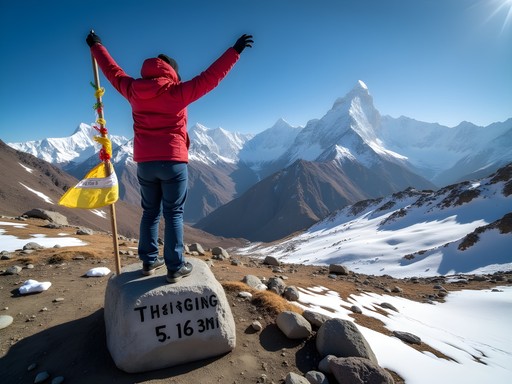
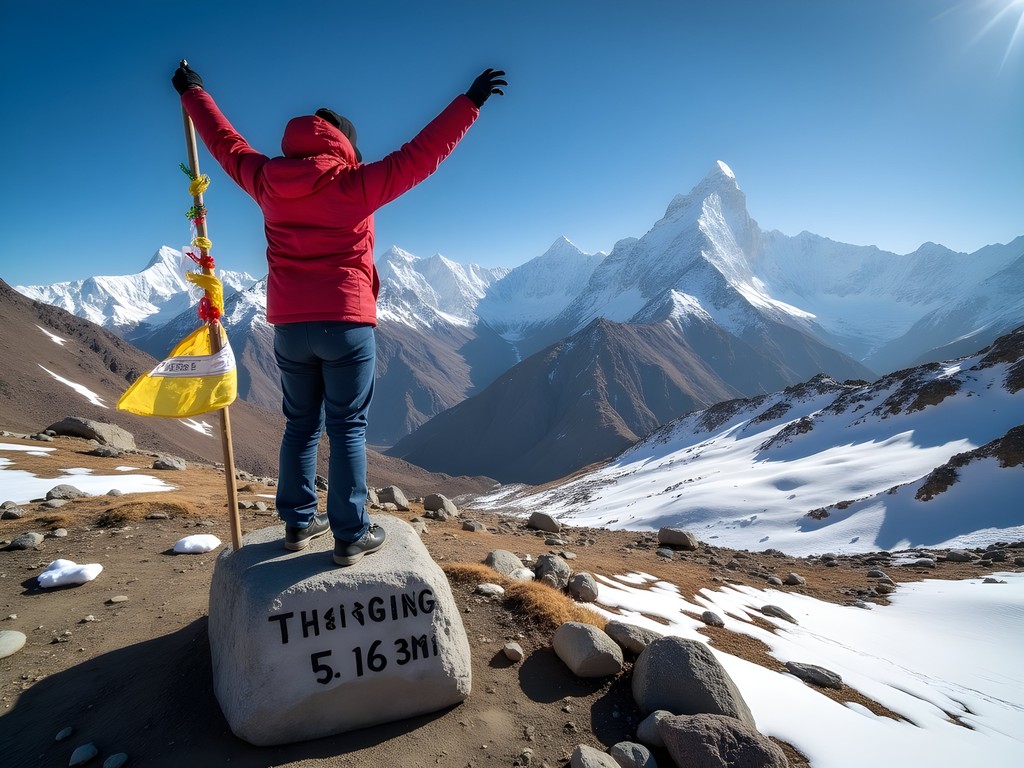
Standing at Thorong La Pass at 5,416 meters, watching prayer flags snap in the wind against a backdrop of snow-capped Himalayan peaks, I couldn't help but reflect on how my journey through the Annapurna Circuit mirrored my life's path—challenging, transformative, and unexpectedly beautiful. As a dentist whose curiosity extends beyond oral health to cultural preservation, this 2-week trek through diverse microclimates and ancient villages offered precisely the immersion I seek in my travels. The circuit isn't merely a physical challenge; it's a living museum of Nepali and Tibetan traditions that have survived for centuries in these remote mountain communities.

Planning Your Annapurna Adventure: Essential Preparations
My approach to the Annapurna Circuit began months before setting foot in Nepal, with careful consideration of both physical conditioning and cultural understanding. As someone who regularly explores cultural contexts professionally, I recognized that this trek demands respect for both the environment and local traditions.
First, establish a solid fitness foundation. While my regular swimming routine in Busan provided cardiovascular endurance, I added targeted hill training three months before departure. The circuit's 160-230km length with significant elevation changes demands preparation—particularly for the challenging ascent to Thorong La Pass.
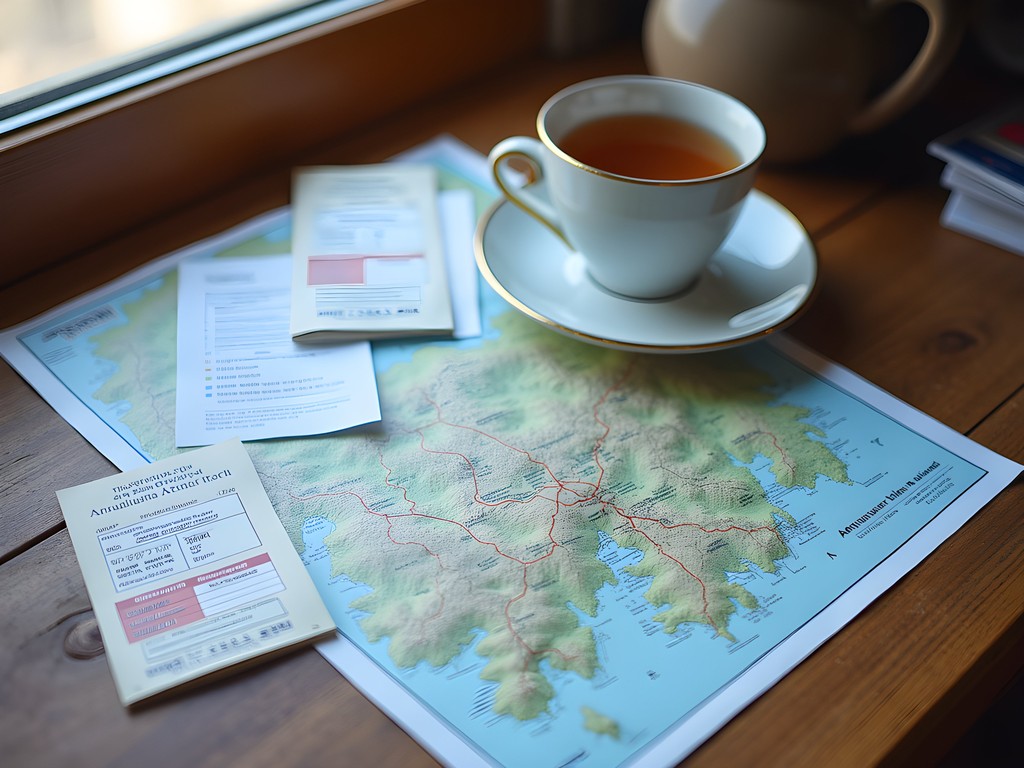
Second, secure the necessary permits. You'll need the Annapurna Conservation Area Permit (ACAP) and the Trekkers' Information Management System (TIMS) card, both available in Kathmandu or Pokhara. I found the process straightforward at the Nepal Tourism Board office in Kathmandu, where staff provided valuable updates on trail conditions.
Finally, consider your trekking style. While I initially planned to trek independently, I ultimately hired a guide through Nepal Hiking Team. My guide Pemba's knowledge of local customs and obscure trail variations proved invaluable, particularly when we diverted to witness a traditional Gurung harvest festival that tourists rarely experience.
💡 Pro Tips
- Begin altitude-specific training at least 3 months before your trek
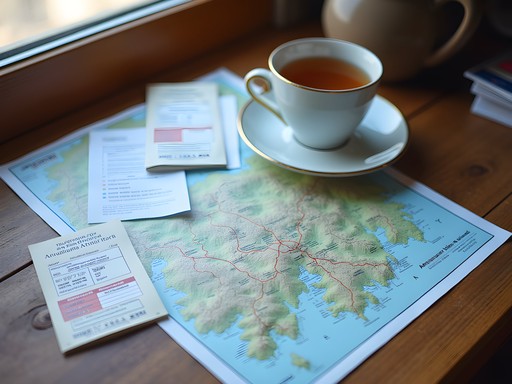
- Download the Annapurna Circuit trail map on Maps.me for offline navigation
- Schedule 2-3 rest/acclimatization days in your itinerary to reduce altitude sickness risk
Essential Gear: Packing Strategically for Diverse Microclimates
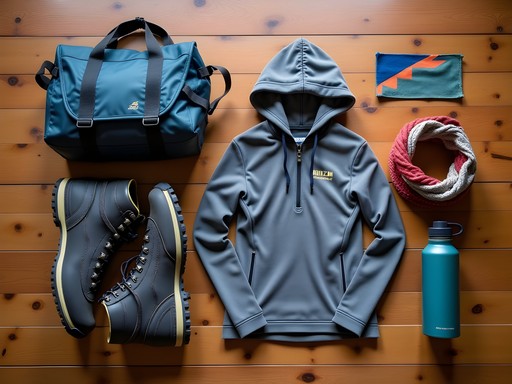
The Annapurna Circuit presents a unique packing challenge: you'll trek through tropical lowlands, dense forests, alpine terrain, and arid high-desert landscapes—all within a single journey. My dental practice has taught me the value of precision and preparedness, qualities equally valuable when assembling trekking gear.
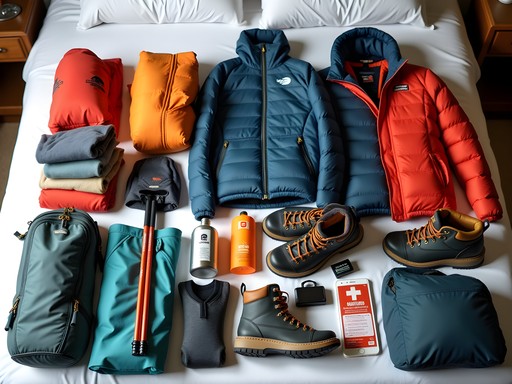
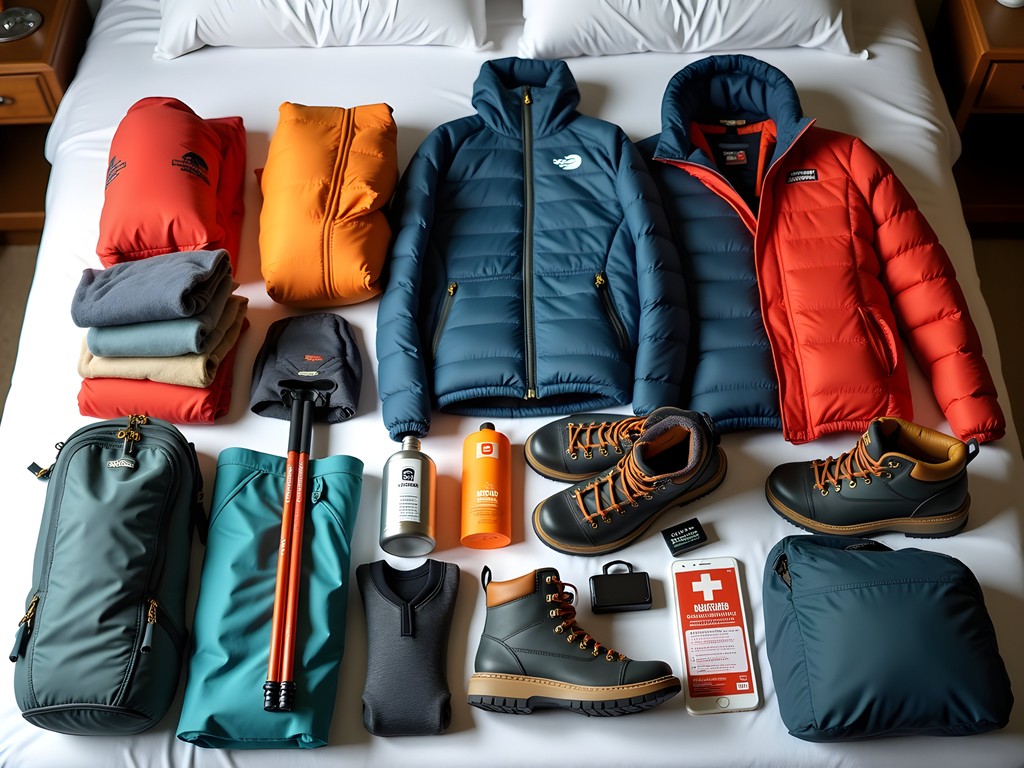
Layering is your fundamental strategy. Begin with moisture-wicking base layers—I relied heavily on my merino wool shirts which remarkably remained odor-free even after multiple days of strenuous hiking. For mid-layers, I packed a lightweight fleece and a packable down jacket that compressed remarkably small yet provided essential warmth at higher elevations.
Footwear deserves special attention. After researching extensively, I invested in waterproof hiking boots with ankle support, which proved invaluable on the rocky descent from Thorong La Pass. Break these in thoroughly before your trek—I logged at least 50 miles in mine before Nepal.
Water purification is non-negotiable. Rather than contributing to plastic waste by purchasing bottled water, I brought a water filter bottle that eliminated viruses, bacteria, and protozoa while removing particulates. This single item saved me from buying roughly 100 plastic bottles throughout the trek.
Finally, don't underestimate the importance of sun protection at high altitudes. The UV exposure is intense, and as someone who regularly examines the effects of environmental factors on oral health, I was meticulous about applying high-SPF sunscreen to prevent both sunburn and potential cold-weather chapping that can exacerbate oral issues.
💡 Pro Tips
- Pack microfiber towels that dry quickly in guest houses with limited heating
- Bring a sleeping bag liner for added warmth and hygiene in teahouse accommodations
- Include moleskin and athletic tape for blister prevention and treatment
Cultural Immersion: Connecting with Local Communities
The Annapurna Circuit's greatest treasure isn't its stunning landscapes but the cultural tapestry woven by its diverse communities. As someone who studies cultural practices through the lens of health traditions, I found the circuit's villages to be living repositories of ancient wisdom.
In lower elevations, Hindu influences predominate, while upper regions reveal strong Tibetan Buddhist traditions. This transition is visible not just in religious structures but in everyday practices, from food preservation techniques to dental care customs. I was particularly fascinated by the traditional use of neem twigs as natural toothbrushes in lower villages—a practice I've observed across various Asian cultures that effectively maintains oral hygiene with locally available materials.
Make time for genuine cultural exchange by learning basic Nepali phrases. Simple greetings like "Namaste" and "Dhanyabad" (thank you) open doors to meaningful interactions. I carried a Nepali phrasebook that proved invaluable when communicating beyond the tourist script.
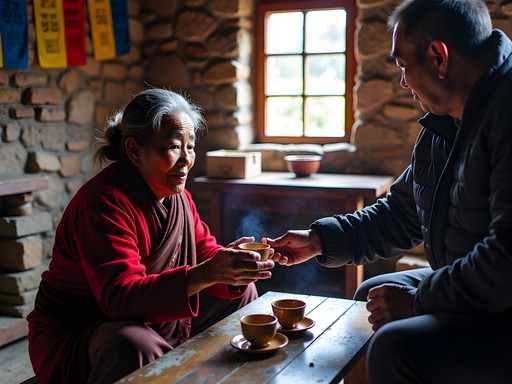
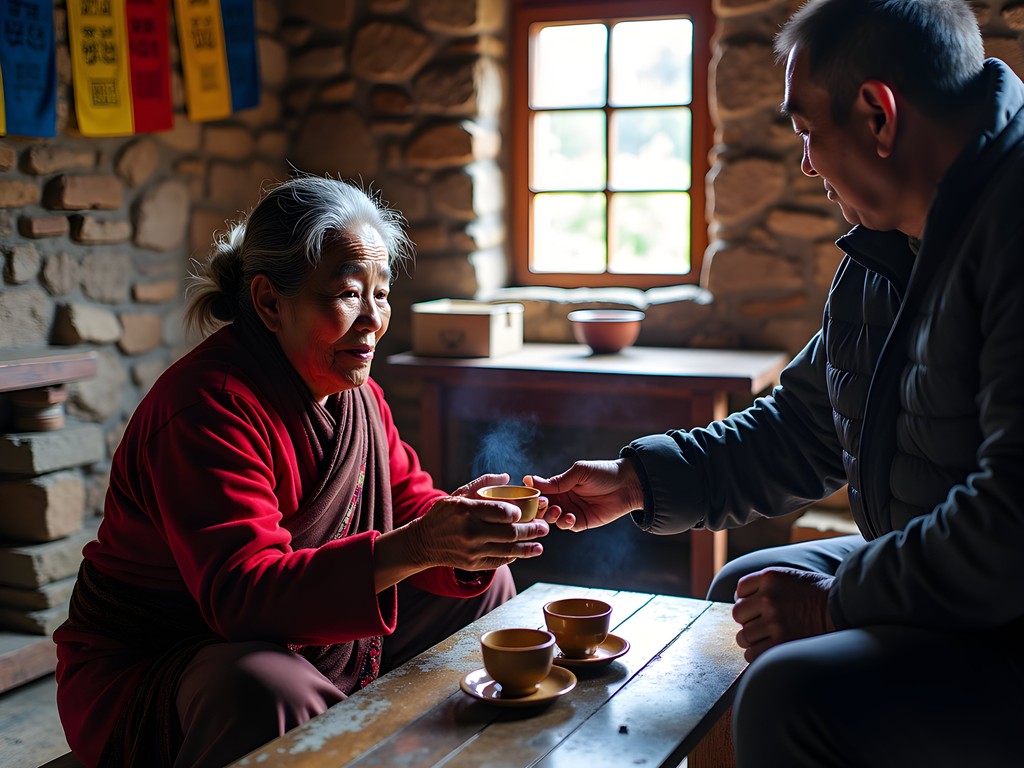
In Manang, I participated in a traditional tea ceremony after noticing an elderly woman preparing butter tea outside her home. My curiosity led to an invitation inside, where I learned about the village's ancient food fermentation practices—techniques that have sustained these communities through harsh winters for generations. The antimicrobial properties of these fermented foods have likely contributed to the surprisingly good dental health I observed among older villagers, despite limited access to modern dental care.
Respect local customs by dressing modestly, asking permission before photographing people, and removing shoes when entering homes and religious sites. These small gestures demonstrate cultural awareness that residents deeply appreciate.
💡 Pro Tips
- Learn the traditional greeting 'Tashi Delek' for Buddhist regions of the circuit
- Participate in a teahouse kitchen to learn traditional cooking techniques
- Visit local schools along the route—many welcome respectful visitors and appreciate small donations of school supplies

Navigating Altitude Challenges: Acclimatization Strategies
As a healthcare professional, I approach altitude acclimatization with scientific precision. The Annapurna Circuit's dramatic elevation changes—from 800m to 5,416m—demand respect and careful planning to prevent altitude sickness, which can derail even the most physically fit trekkers.
The golden rule of high-altitude trekking is simple: ascend slowly. My itinerary incorporated the principle of "climb high, sleep low" with deliberate acclimatization days. In Manang (3,519m), I spent two nights, using the rest day to hike to Ice Lake (4,600m) before returning to sleep at lower elevation. This strategy helps your body adjust to higher altitudes while recovering at more comfortable elevations.
Hydration plays a crucial role in acclimatization. I aimed for at least 3-4 liters daily, using my insulated water bottle to keep water from freezing at higher elevations. The bottle's durability withstood multiple drops on rocky trails—an inevitable occurrence when trekking at altitude where coordination can be affected.
Monitor your body vigilantly for altitude sickness symptoms: headache, nausea, dizziness, or difficulty sleeping. I tracked my blood oxygen levels using a pulse oximeter, which provided objective data about my acclimatization progress. When my reading dropped below 85% in Thorong Phedi, I decided to add an extra acclimatization day—a decision that likely prevented more serious altitude issues.
Garlic soup, a staple on teahouse menus, is traditionally believed to help with acclimatization. While scientific evidence is limited, I found the warm broth soothing and hydrating. The local wisdom around high-altitude health practices often contains valuable insights developed through generations of mountain living.
💡 Pro Tips
- Avoid alcohol completely above 3,000 meters as it worsens dehydration and impairs acclimatization
- Take Diamox (acetazolamide) only after consulting with a travel physician about proper dosage and potential side effects
- If symptoms of altitude sickness persist despite rest, descend immediately—no view is worth risking your health
Teahouse Trekking: Navigating Accommodation and Meals
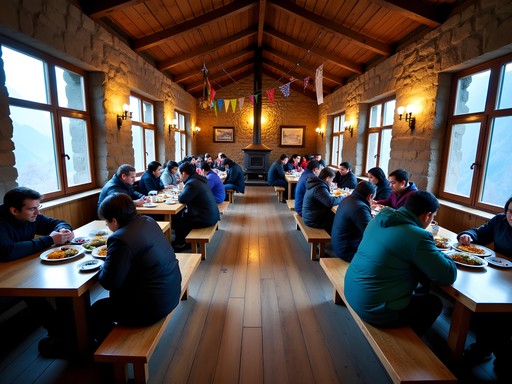
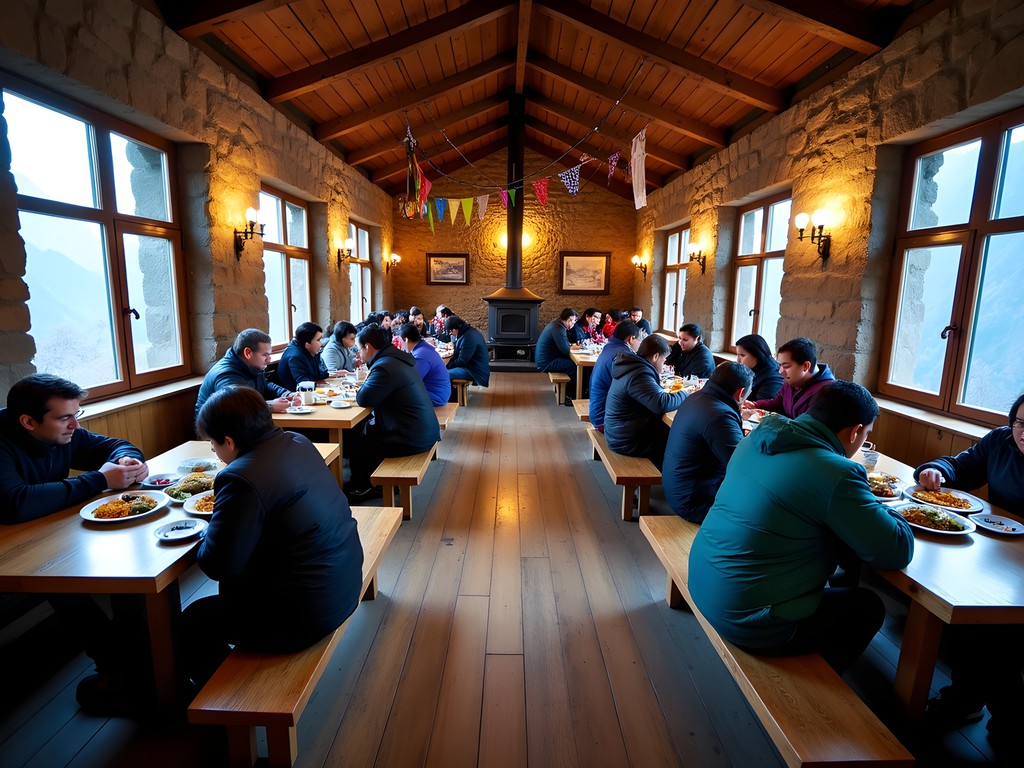
The Annapurna Circuit's teahouse infrastructure offers a fascinating blend of traditional architecture and evolving amenities that reflect Nepal's response to tourism. Having experienced everything from basic lodges to more developed guesthouses, I can attest that understanding teahouse culture enhances both comfort and cultural immersion.
Teahouses typically offer simple twin rooms with shared bathrooms, though private facilities are increasingly available in larger villages. Prices remain remarkably affordable (200-500 NPR, or $2-5 USD per night), with an understanding that you'll dine at the establishment. This economic model sustains local communities while keeping accommodation costs low.
While basic, many teahouses now offer solar-powered charging stations for electronics. I relied on my solar power bank when power was unavailable, which proved essential for keeping my phone charged for photos and navigation. Its multiple ports allowed me to help fellow trekkers charge their devices as well—a small gesture that fostered community on the trail.
Teahouse menus follow a surprisingly consistent format throughout the circuit, with dal bhat (lentil soup with rice and vegetables) being the staple. This traditional meal offers unlimited refills—perfect for replenishing calories after strenuous hiking. From a health perspective, I appreciated that this plant-forward diet naturally supported energy needs while providing fiber that many trekkers need for digestive regularity at altitude.
At higher elevations, expect simpler menus and higher prices as all supplies must be carried up by porters or mules. In Thorong Phedi, I gladly paid premium prices for hot food, recognizing the tremendous effort required to operate a teahouse at 4,450 meters. Carrying a supply of protein bars provided reliable nutrition when options were limited or during long stretches between villages.
💡 Pro Tips
- Book teahouses early during peak season (October-November) as popular villages fill quickly
- Bring your own biodegradable soap and quick-dry towel as these aren't typically provided
- Order meals at least 2-3 hours before dinnertime to ensure availability, especially at higher elevations
Final Thoughts
As I descended from the Annapurna Circuit's high passes toward Jomsom, I carried more than photographs and memories—I carried a profound appreciation for the resilience of Himalayan communities and the delicate balance they maintain between tradition and modernity. The circuit offers far more than spectacular vistas; it provides a window into cultural practices that have sustained these communities for centuries, from sustainable agriculture to traditional medicine.
For those considering this trek, understand that its challenges extend beyond physical endurance to cultural sensitivity and environmental responsibility. The reward for this mindfulness is immeasurable: authentic connections with local communities, a deeper understanding of Himalayan heritage, and the personal transformation that comes from pushing beyond comfort zones.
Whether you're motivated by adventure, cultural exploration, or personal challenge, approach the Annapurna Circuit with respect, preparation, and openness. The mountains have stood for millennia; they have much to teach those willing to listen. As I've returned to my dental practice in Busan, I find myself applying lessons from the trail—patience, precision, and cultural awareness—to my daily work, proving that the journey continues long after the boots are unlaced.
✨ Key Takeaways
- Proper acclimatization is non-negotiable—build extra days into your itinerary
- Cultural respect enhances your experience and supports sustainable tourism
- Strategic packing for multiple climate zones requires careful planning
- The circuit's greatest value lies in cultural exchanges, not just scenic views
- Fall (October-November) offers optimal weather conditions and cultural festival opportunities
📋 Practical Information
Best Time to Visit
Mid-September to November (fall) or March to April (spring)
Budget Estimate
$25-35 USD per day including accommodation, meals and permits
Recommended Duration
14-18 days depending on acclimatization needs and side trips
Difficulty Level
Challenging

Comments
skymaster
How reliable was your internet connection throughout the trek? Need to know if I should tell my family I'll be completely offline or not!
dreamwalker
Not OP but I went last year - most teahouses have WiFi but you pay for it (around 500-700 NPR). Signal was surprisingly good in many villages, but nonexistent between them. I bought a local SIM in Kathmandu which worked in the larger villages. Definitely warn family there will be days with no contact!
Savannah Walker
Jordan, your section on connecting with local communities resonated deeply with me. When I trekked the circuit, my most treasured memories came from impromptu conversations with elderly Gurung women in Upper Pisang and helping a family harvest apples near Marpha. One tip I'd add - learn basic Nepali phrases beyond 'namaste'. Saying 'mitho cha' (it's delicious) after meals or 'dhanyabad' (thank you) opens so many doors. Also, the circuit is changing rapidly with new road construction - did you notice many sections where you had to walk on roads? I found the high route alternatives much more peaceful.
sunsetway
I completed the circuit last year and your acclimatization advice is spot on! I'd add that bringing a pulse oximeter was a game-changer for our group. We monitored our oxygen levels daily and it helped us make smart decisions about when to push on and when to take rest days. Also, the teahouses in Manang have movie nights about altitude sickness that are super informative. Don't miss those if you're a first-timer!
skymaster
Did you use any specific brand of pulse oximeter? I'm putting together my gear list now.
sunsetway
I used the finger pulse oximeter - small, lightweight and the batteries lasted the whole trek. Several teahouses also have them if you don't want to bring your own.
dreamwalker
Those prayer flags at Thorong La Pass look amazing! Can't wait to see them myself someday.
wavewalker
Great guide! I'm planning to do the Annapurna Circuit next spring. How many days would you recommend for someone with moderate hiking experience but no high-altitude trekking before?
Savannah Walker
Not the author but I did it in 14 days last year and wish I'd added 2-3 more days for side trips and acclimatization. The standard route is 12-16 days, but if it's your first high-altitude trek, I'd lean toward 16-18 days to be safe. Those extra days really help with acclimatization and let you enjoy the villages more!
wavewalker
Thanks so much for the advice! I'll definitely plan for the longer timeframe.
Sarah Powell
Jordan, I appreciate your emphasis on cultural immersion. The Annapurna Circuit isn't just about conquering a high pass - it's about the incredible cultural journey through different ethnic regions. When I trekked solo last year, the most memorable moments were drinking tea with elderly Gurung women in Lower Pisang and participating in an impromptu dance celebration in Manang. For women traveling alone: I felt completely safe throughout the circuit. The teahouse system makes solo trekking here much more accessible than many other long-distance treks. You'll always meet other trekkers at mealtimes, and the locals are incredibly supportive of solo female travelers. Just bring extra batteries/power banks as charging gets expensive and unreliable at higher elevations.
winterqueen
This is so reassuring to hear! I've been nervous about doing this solo as a woman. Thanks for sharing your experience!
Sarah Powell
You'll be in great hands! The trail is well-marked, teahouse owners look out for you, and you'll make trekking friends within the first day. Feel free to message me if you have specific questions about solo female trekking there!
islandclimber
JUST BOOKED MY FLIGHT TO NEPAL FOR THIS!!! Your guide convinced me to finally commit after years of dreaming about this trek. Those microclimate tips are gold - definitely going to follow your packing list section to the letter! Can't wait to experience those mountain villages myself!
roampro
Did this trek last month and your guide would've been so helpful! One tip for others: the temperature swings are wild. It was t-shirt weather during day hikes but freezing at night in higher villages. Layers are absolutely crucial.
islandclimber
So true about the layers! I was there in October and went from sweating to shivering multiple times a day. My down jacket was a lifesaver at those higher teahouses where heating is minimal.
Sarah Powell
Jordan, this is such a comprehensive guide! Having completed the circuit twice (once solo, once guiding), I particularly appreciate your emphasis on acclimatization. Too many trekkers rush through Manang trying to 'beat' altitude sickness, which is exactly the wrong approach. I found the side trip to Ice Lake invaluable for acclimatization and would recommend it to anyone with an extra day. One thing I'd add for first-timers: the descent after Thorong La can be surprisingly challenging on the knees. Trekking poles are absolute lifesavers here, especially for the 1700m descent to Muktinath. Also, for anyone concerned about the road development affecting the trek - the alternate trails (like the New NATT routes) offer beautiful alternatives away from the dusty roads. The circuit is evolving, not dying!
Jordan Sullivan
Thanks so much for adding these insights, Sarah! Great point about the descent - I should have emphasized that more. And yes, the NATT routes are fantastic alternatives to the road sections!
photoexplorer
Sarah, since you've done it twice - would you recommend a guide for absolute beginners or is it doable solo with careful planning?
Sarah Powell
It's definitely doable solo if you're comfortable with navigation and basic outdoor skills! The trail is well-marked and populated. That said, a guide adds cultural context and handles logistics. For absolute beginners, maybe consider a guide for peace of mind, but it's not strictly necessary.
Gregory Boyd
Solid write-up on the Annapurna Circuit, Jordan. Your acclimatization strategy is spot on - too many trekkers rush and end up with AMS. When I did this trek last year, I added an extra day at Manang (3,540m) and it made all the difference for crossing Thorong La. One thing I'd add for first-timers: the trail conditions have changed dramatically in recent years due to road construction. The section from Besisahar to Chame now has jeep traffic, so many trekkers opt to start from Chame instead. And the western side after Jomsom is mostly road walking now. Consider taking a jeep from Jomsom to Tatopani to avoid dusty roads, then continue trekking through the beautiful Ghorepani section.
Jordan Sullivan
Great point about the roads, Gregory! I should have emphasized that more. I actually took a jeep to Chame myself to save time and avoid the dustier sections. The Ghorepani/Poon Hill extension is definitely worth it for those stunning sunrise views!
Venture X
Premium card with 2X miles, $300 travel credit, Priority Pass