
Disclosure: This article contains affiliate links. We may earn a commission from purchases at no extra cost to you, which helps our travel content.
Standing at the edge of the Essequibo River—South America's third-largest waterway—I felt that familiar thrill that comes with venturing into places where infrastructure meets wilderness. As both an engineer and a folklore enthusiast, Guyana had long been on my radar, but Anna Regina and the wild Essequibo region specifically called to me with their perfect blend of technical challenges and cultural richness. What followed was two weeks of adventure that tested my engineering mindset while immersing me in stories that no textbook could capture.

Engineering Marvel Meets Natural Wonder: Navigating the Essequibo
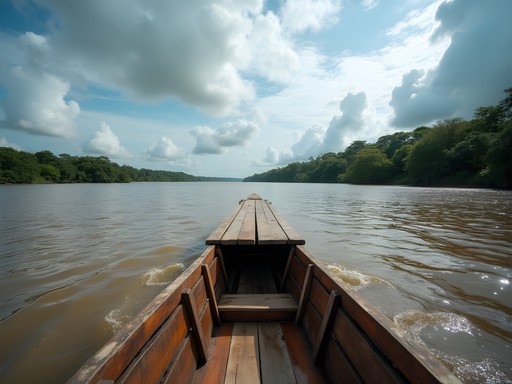
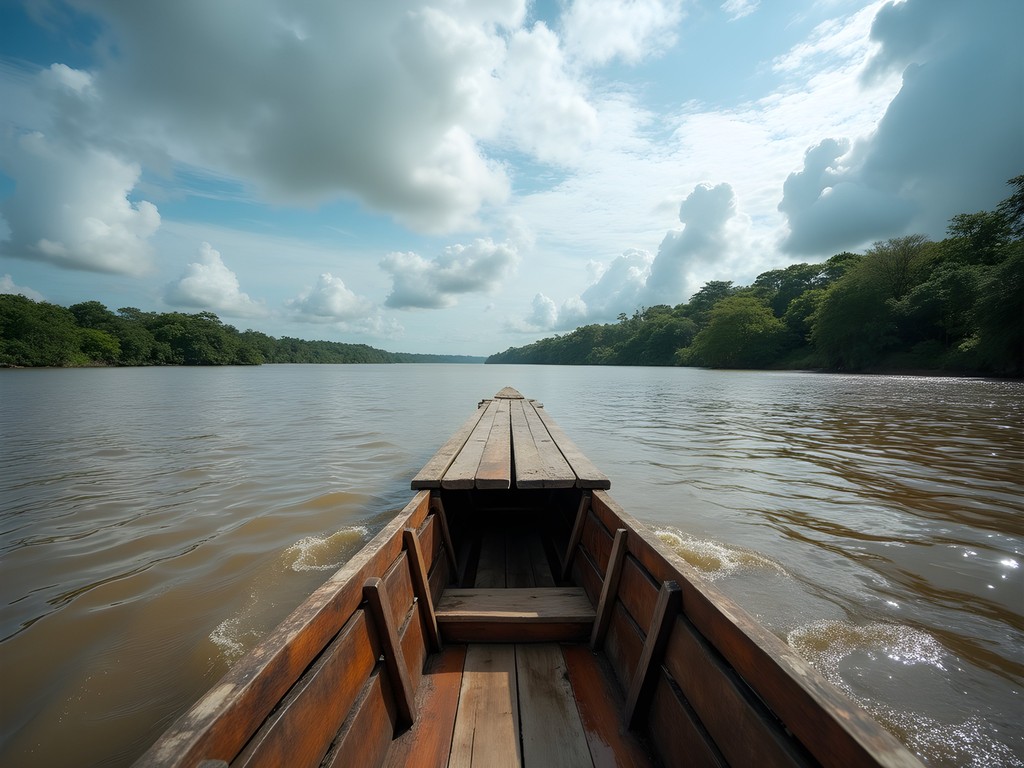
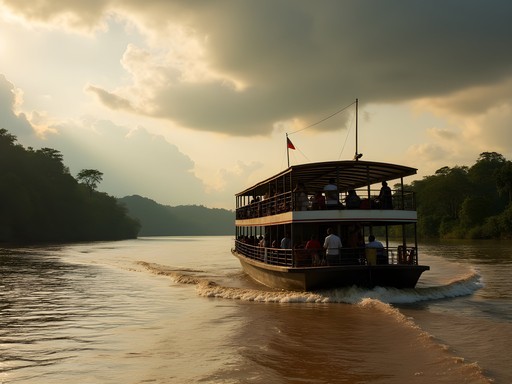
The Essequibo River is both an engineer's case study and a natural phenomenon that defies simple solutions. Spanning up to 20 miles wide in places, this waterway has shaped not just Guyana's landscape but its entire cultural identity. My journey began with a chartered boat from Parika, where I met Captain Liam, a third-generation river navigator whose understanding of the river's complex current patterns surpassed any hydrological model I've studied.
As we navigated through the river's braided channels, I couldn't help but analyze the makeshift docking systems along the way—ingenious solutions born of necessity rather than formal engineering principles. The local boatmen have developed a system of temporary moorings that adjust to the dramatic 12-foot tidal changes, something that would require extensive computer modeling and materials testing in my professional world.
For this journey, my waterproof dry bag proved absolutely essential. Unlike standard waterproofing, this bag protected my equipment through the constant spray and occasional downpours that define river travel here. The shoulder strap design allowed me to keep critical gear accessible while navigating the sometimes precarious transfers between boats and docks.
💡 Pro Tips
- Always negotiate boat prices in advance and expect to pay around 15,000-20,000 Guyanese dollars for private charters to smaller islands
- Pack essentials in waterproof containers—the river spray is constant and unpredictable
- Bring a physical map as GPS coverage is spotty at best in the wider sections of the river
Anna Regina: Where Colonial Infrastructure Meets Modern Challenges
Anna Regina itself presents a fascinating study in adaptation. Founded as a Dutch colonial outpost, the town's drainage and irrigation systems reflect an engineering approach that's over 200 years old yet continues to function—albeit with significant modifications. The colonial-era water management systems here would be museum pieces elsewhere but remain working infrastructure in Guyana.
During my stay, I arranged a meeting with local engineers working on modernizing these systems while preserving their historical significance. The challenge they face daily—balancing preservation with necessary upgrades—mirrors challenges I've encountered in much larger urban centers, though with far fewer resources at their disposal.
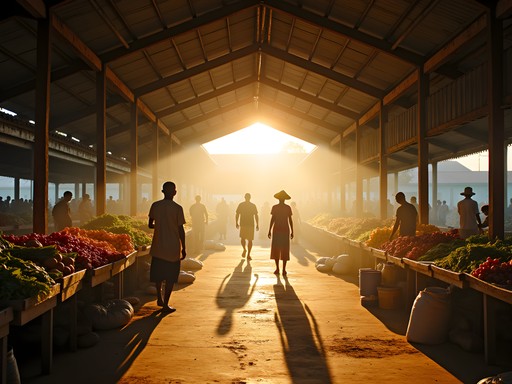
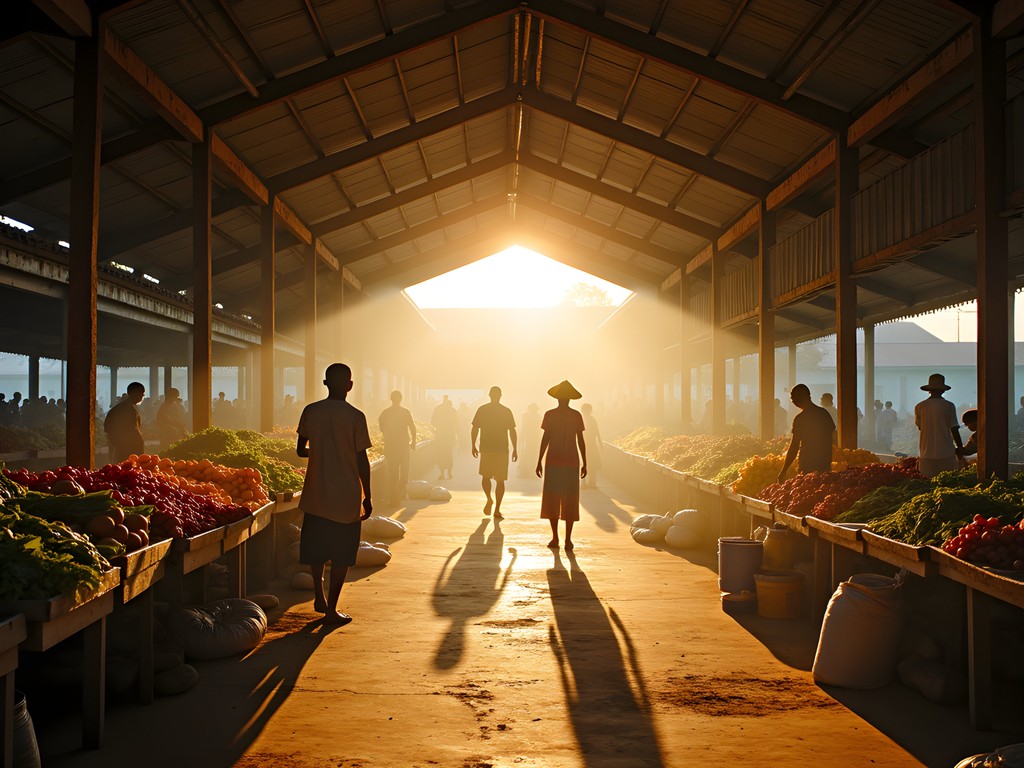
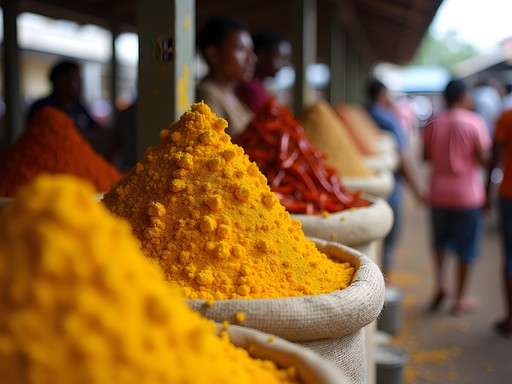
The Anna Regina market became my morning ritual, where I'd sip strong Guyanese coffee while watching the town come to life. The market's structure itself tells a story of pragmatic design—high ceilings for heat dissipation, strategic openings for cross-ventilation, and covered walkways that provide shelter during the frequent rain showers.
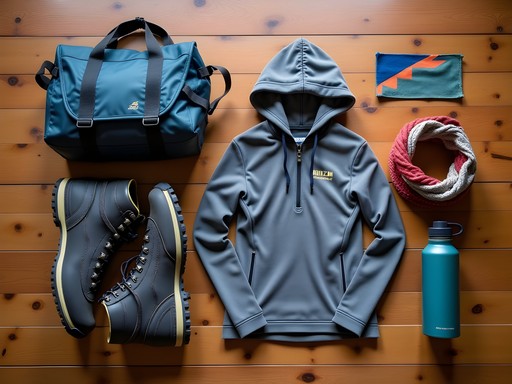
For these early morning explorations, my insect repellent clothing was invaluable. The market areas near water attract mosquitoes even in winter months, and this permethrin-treated jacket provided protection without the constant need to reapply repellent while I was sketching infrastructure details and talking with locals.
💡 Pro Tips
- Visit the market before 7 AM to see the best selection of fresh produce and fish
- Look for the Dutch influences in the drainage canal designs—the sluice gates are particularly interesting from an engineering perspective
- Respect local customs by asking permission before photographing people or their property
The Folklore of Fort Island: Engineering Meets Mythology
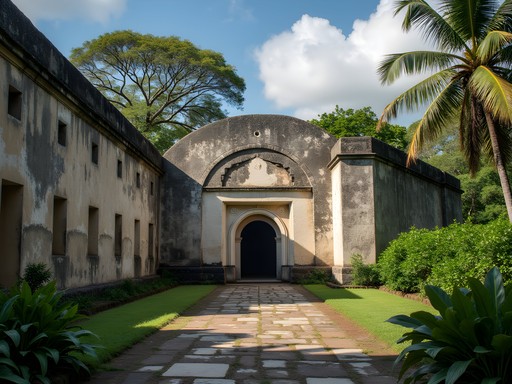
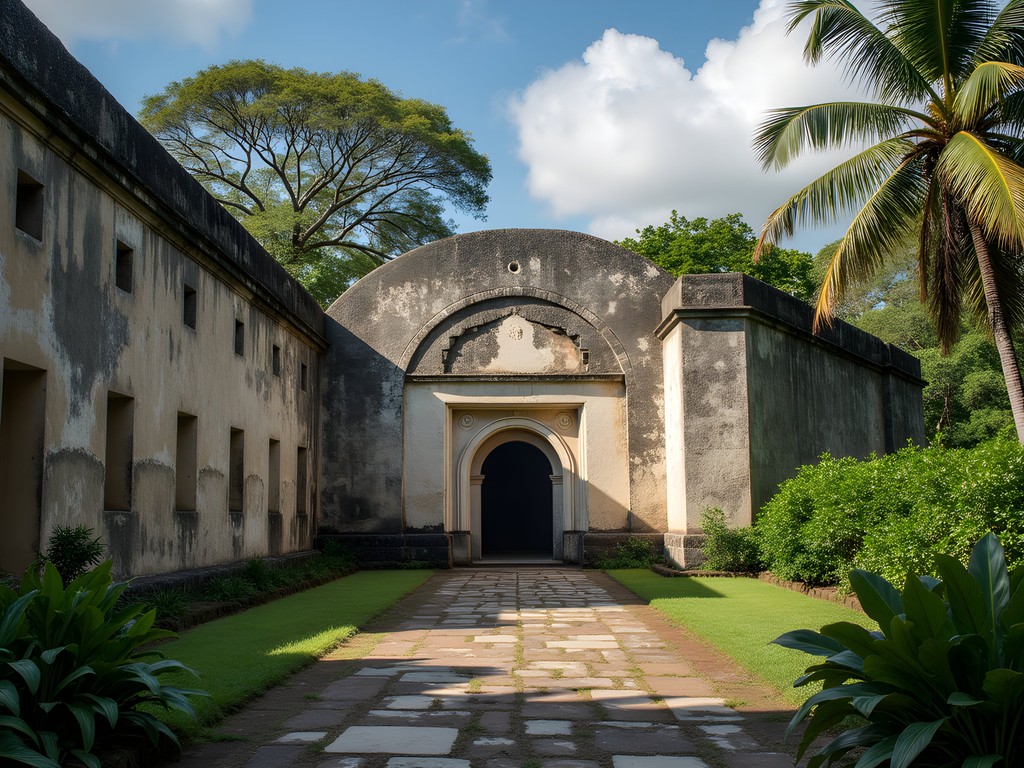
My fascination with the intersection of infrastructure and folklore led me to Fort Island, home to the oldest Dutch fort in Guyana. As an engineer, I was immediately drawn to the construction techniques—coral stone bonded with a mortar made from burnt shells, sand, and molasses. This mixture has withstood centuries of tropical conditions that would deteriorate modern concrete within decades.
What truly captivated me, however, were the stories. My guide, Ms. Abrams, shared tales of the Dutch engineer who allegedly built secret passages beneath the fort that connected to underwater caves. While my professional training made me skeptical, the precision of certain architectural elements did suggest knowledge that seemed ahead of its time for colonial builders.
The most compelling stories centered around the Court of Policy building, where locals claim the ghosts of executed slaves still walk the grounds. As Ms. Abrams recounted these tales, I noticed how the building's acoustics created unusual sound patterns—whispers from one corner could be clearly heard at specific points across the room. Whether intentional design or coincidence, this architectural feature has undoubtedly contributed to the building's ghostly reputation.
Exploring these historical sites required considerable walking on uneven surfaces. My hiking boots provided the ankle support and grip needed for navigating the sometimes treacherous pathways around these historical structures, especially after rainfall when the centuries-old stones become slippery.
💡 Pro Tips
- Hire a local guide for Fort Island—the historical context transforms what might otherwise seem like just old buildings
- Bring a small flashlight to examine the mortar techniques used in the fort's construction
- Visit during weekdays to avoid the weekend crowds from Georgetown

Into the Wild: The Engineering Challenges of Kaieteur Falls
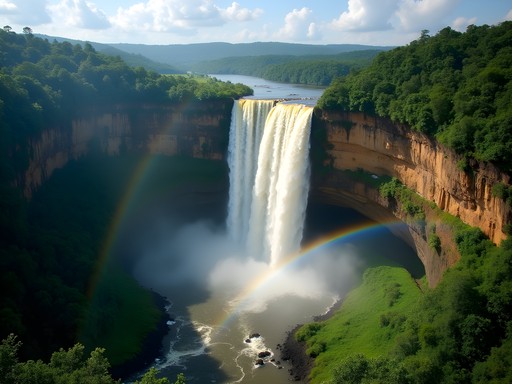
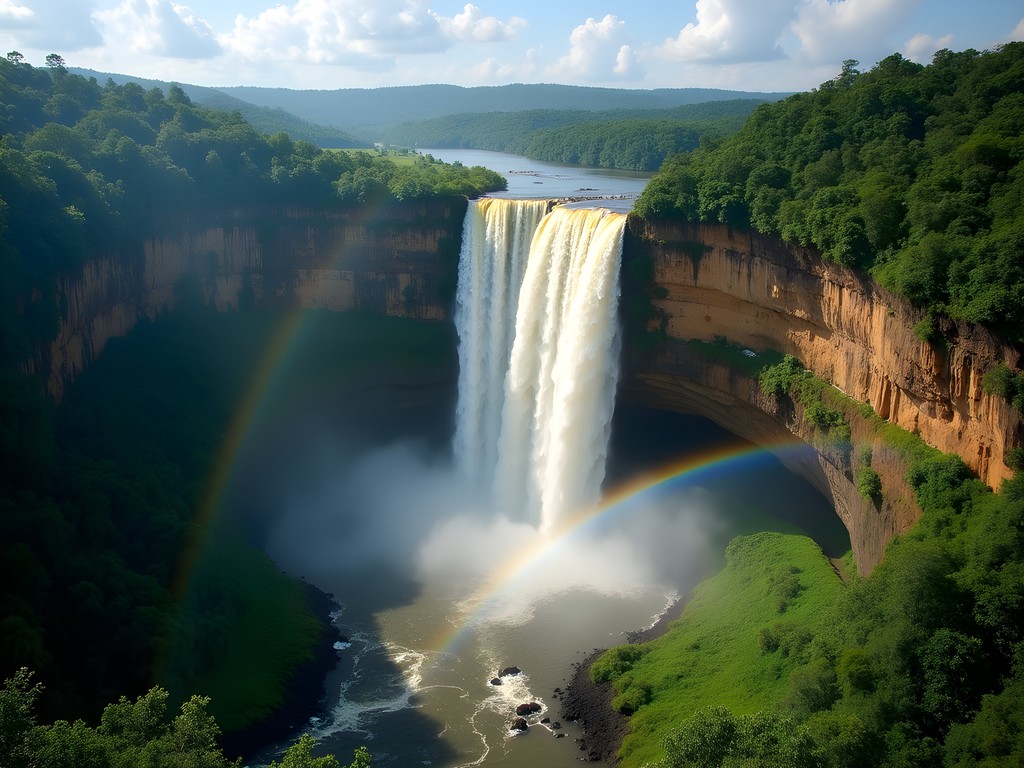
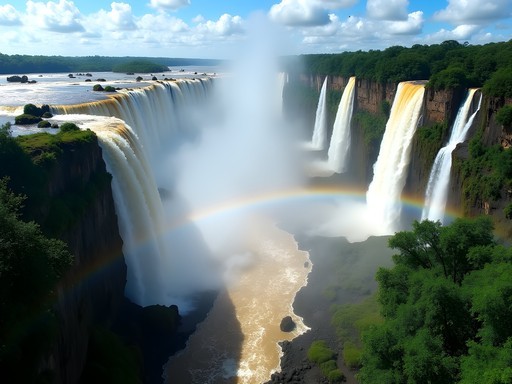
No trip to the Essequibo region would be complete without venturing to its crown jewel: Kaieteur Falls. As one of the world's most powerful waterfalls by volume, it represents both a natural wonder and a testament to the raw power that water infrastructure engineers like myself respect deeply. At 741 feet, it's nearly five times the height of Niagara Falls, yet receives a fraction of the visitors.
Reaching Kaieteur requires either a chartered flight or a multi-day trek through dense rainforest. I opted for the latter, wanting to understand how the local guides navigate this challenging terrain. The trail system itself is a masterclass in working with rather than against natural topography—following ridge lines where possible and using natural drainage patterns to minimize erosion.
The indigenous guides demonstrated techniques for creating temporary bridges using fallen trees and vines—solutions that would never pass a formal engineering review but function perfectly in their context. These methods reminded me that sometimes the most elegant engineering solutions aren't found in textbooks but in generations of practical knowledge.
As we approached the falls, the mist created its own microclimate, and my quick-dry hiking pants proved their worth. Unlike standard hiking gear, these pants dried within minutes after being soaked in the falls' spray, preventing the chafing and discomfort that can make long hikes miserable. For capturing the falls' immense scale, my waterproof phone case allowed me to get shots from perspectives that would have been too risky for unprotected electronics.
💡 Pro Tips
- Book guides through official channels in Georgetown or Anna Regina—unofficial guides may lack proper safety training
- Pack multiple layers as temperatures near the falls can drop significantly due to the mist
- Allow at least three days for the trek if you want to truly appreciate the journey rather than just the destination
Cultural Immersion: Engineering in Indigenous Communities
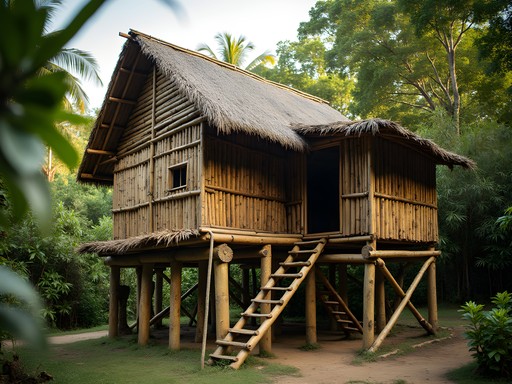
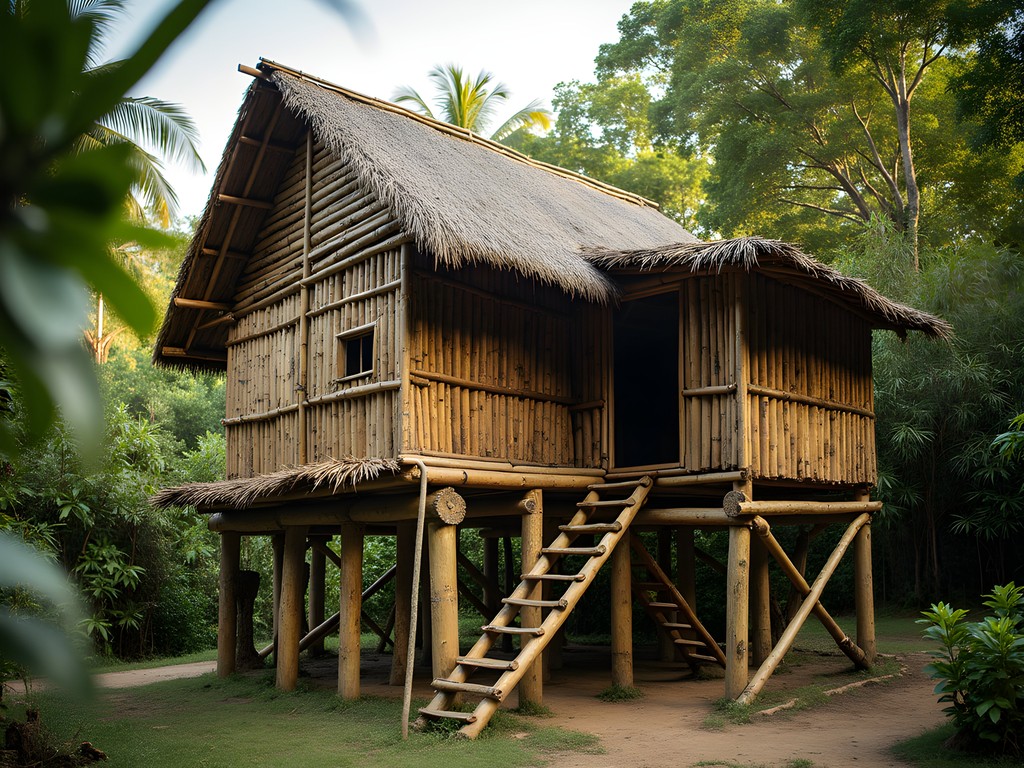
My most profound experiences came from spending time with the Arawak communities along the Essequibo's tributaries. These settlements present a case study in sustainable design that modern engineers are only beginning to appreciate. Their traditional structures—elevated to prevent flooding and oriented to maximize natural ventilation—demonstrate principles now considered innovative in sustainable architecture.
I was fortunate to be invited to participate in the restoration of a community meeting house. The process used no power tools or modern fasteners, yet created joints that flexed during high winds rather than breaking—a principle we apply in modern earthquake-resistant design. The community's master builder, Mr. Hendricks, explained techniques passed down through generations that account for the specific properties of local materials in ways that reminded me of advanced materials science.
The community's water management system particularly impressed me—a series of bamboo pipes and natural filtration beds that provided clean water without external power or chemicals. As someone who designs municipal water systems, I found myself taking notes on their gravity-fed distribution network that maintained consistent pressure throughout the village.
For documenting these engineering solutions, my waterproof notebook was essential. Unlike standard notebooks that would have disintegrated in the humidity, this allowed me to sketch designs and take notes even during afternoon downpours. The community members were eager to share their knowledge, but photographs alone couldn't capture the engineering principles at work.
💡 Pro Tips
- Bring small, practical gifts like fishing line or sewing needles rather than money when visiting indigenous communities
- Learn basic Arawak greetings—even imperfect attempts are deeply appreciated
- Always ask permission before documenting traditional building techniques or water management systems
Final Thoughts
As my float plane lifted off from the Essequibo River, banking toward Georgetown and my eventual return to Indianapolis, I reflected on how this journey had bridged my professional and personal passions in unexpected ways. Guyana's wild Essequibo region offers far more than adventure—it provides a living laboratory where engineering challenges meet cultural ingenuity, where formal training meets generational wisdom.
For fellow engineers who venture beyond technical conferences and infrastructure inspections, Anna Regina and the Essequibo offer invaluable lessons in adaptation and sustainability that no classroom could provide. For folklore enthusiasts, the region's stories are inextricably tied to its built environment—each structure, bridge, and water system carries narratives that reveal how people make sense of their relationship with challenging landscapes.
I came seeking adventure but departed with something more valuable: a deeper understanding of how engineering and cultural expression are not separate domains but rather two perspectives on the same human drive to create meaning and security in our world. The red soil of Anna Regina may wash from my boots, but the lessons of the Essequibo will inform both my professional practice and personal explorations for years to come.
✨ Key Takeaways
- Guyana's Essequibo region offers unique insights into sustainable engineering solutions developed outside formal Western traditions
- Local knowledge about river navigation and construction techniques often surpasses textbook approaches in effectiveness for specific environments
- The folklore surrounding historical structures provides valuable context for understanding their design and cultural significance
📋 Practical Information
Best Time to Visit
January-April (dry season)
Budget Estimate
$2,500-3,500 for two weeks excluding international flights
Recommended Duration
Minimum 10 days, ideally 14-16 days
Difficulty Level
Challenging
Comments
wildphotographer
What camera setup did you use for those amazing Kaieteur Falls shots? The light and mist captured perfectly!
Anna Wilson
Thank you! I used a weather-sealed mirrorless with a polarizing filter to cut through the mist. The key was getting there early morning when the light hits the falls at just the right angle!
nomadclimber
How safe did you feel in Anna Regina? Any tips for staying secure while exploring?
Anna Wilson
I felt relatively safe in Anna Regina, but as with anywhere unfamiliar, common sense precautions apply. I didn't wander alone after dark and kept valuables secure. The locals were incredibly helpful and looking out for tourists is part of their culture. Having a local contact or guide is definitely worthwhile!
Haley Hamilton
Anna, your post brought back so many memories of my trip to Guyana in 2023! The Essequibo is truly magical. I remember camping on one of the river islands and waking up to the sounds of howler monkeys. For anyone planning to visit, I highly recommend bringing a good water filter system - I used my water purifier constantly as clean water can be an issue outside Georgetown. The folklore around Fort Island is fascinating - our guide told us additional stories about Dutch spirits that supposedly guard old treasures buried during colonial times. Did you hear about those? Also, for anyone visiting Kaieteur Falls, try to go during the rainy season if possible - the falls are absolutely thunderous and twice as impressive!
moonseeker
Wow, I've never even heard of Anna Regina before. Thanks for putting it on my radar!
wanderstar36
Same here! Love discovering these lesser-known places.
wanderstar36
Those Kaieteur Falls photos are incredible! Definitely on my bucket list now.
hikingtime
Just got back from Guyana myself last month! Your description of Anna Regina is spot on. That balance between colonial infrastructure and modern challenges is fascinating. We spent three days exploring the market and taking boat trips along the smaller tributaries. The local fishermen were so willing to share stories about how the river systems have changed over the decades. Did you try the labba stew at the small restaurant near the market? Absolute game-changer! And those sunset views over the Essequibo... nothing compares.
vacationace9278
This looks amazing! How difficult was it to arrange transportation to Fort Island? Planning a trip to Guyana next year and wondering if it's doable as a solo traveler?
Anna Wilson
Thanks! Getting to Fort Island isn't too bad - you can hire a boat from Parika. Just make sure to arrange your return trip clearly with the boat operator. As a solo traveler, I'd recommend connecting with a local guide in Georgetown first. The tourism office can help with that.
vacationace9278
That's super helpful, thanks Anna! Will definitely check with the tourism office first.
Casey Andersson
Anna, this brought back so many memories! I did a similar route through the Essequibo last year and was blown away by how untouched it all felt. The engineering angle is fascinating - I never thought about the infrastructure challenges of building in that environment. When I was at Kaieteur, our guide explained how they had to helicopter in all the materials for the viewing platforms. The logistics alone are mind-boggling. Also, totally agree about Anna Regina being underrated. Stayed at a guesthouse there and the owner gave us the most incredible history lesson about the Dutch colonial systems. Such a gem of a destination that deserves more attention!
adventureace
YES!! Finally someone writing about Guyana! I've been telling everyone about this place for years. The Essequibo is incredible and so few tourists. Fort Island is wild - love that you included the folklore stuff too. This is exactly the kind of adventure travel we need more of!
redfan
Adding this to my list now! How many days would you recommend?
adventureace
At least a week if you want to do the interior properly. Georgetown, Essequibo coast, and Kaieteur minimum.
citywalker
This looks amazing but is it safe for solo travelers? Never been to South America before.
Casey Andersson
Guyana's pretty chill actually! I spent 10 days there last year and felt totally safe. The coastal areas are well-traveled and people are super friendly. Just use common sense like anywhere - don't flash valuables, stick to recommended accommodations. The Essequibo region is more remote but if you're doing organized tours you'll be fine. Honestly one of the most underrated destinations I've visited.
Venture X
Premium card with 2X miles, $300 travel credit, Priority Pass