
Disclosure: This article contains affiliate links. We may earn a commission from purchases at no extra cost to you, which helps our travel content.
Worcester doesn't make many travel bucket lists, and that's exactly why I love it. During a medical conference in Boston last spring, I took a detour to Massachusetts' second-largest city and discovered something remarkable: a genuine American industrial city in the midst of reinvention, with stunning architecture, diverse neighborhoods, and none of the tourist crowds. What I found was a city that rewards curiosity—the kind of place where every corner reveals another layer of history, where abandoned factories transform into innovation districts, and where the food scene rivals cities twice its size.

The Industrial Cathedral District: Where Worcester's Soul Lives
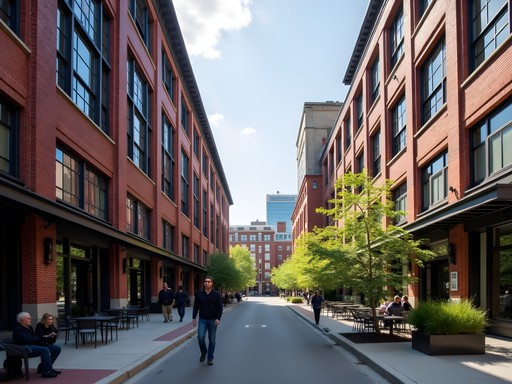
Start your exploration in the heart of downtown, where Worcester's industrial past creates an architectural playground unlike anywhere else I've traveled. The Washburn & Moen Wire Works complex—now partially converted to artist studios—stands as a testament to the city's manufacturing heritage. I spent an entire morning photographing the brick facades along Grove Street, where sunlight filters through fire escapes creating geometric shadows that would make any urban photographer swoon.
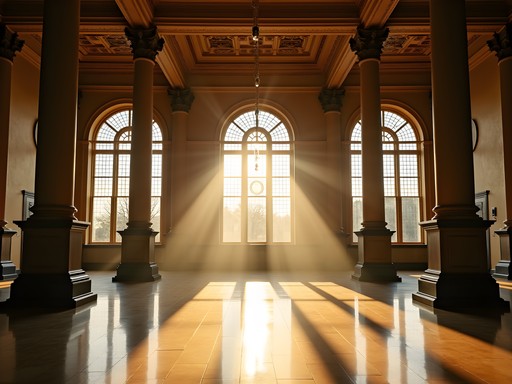
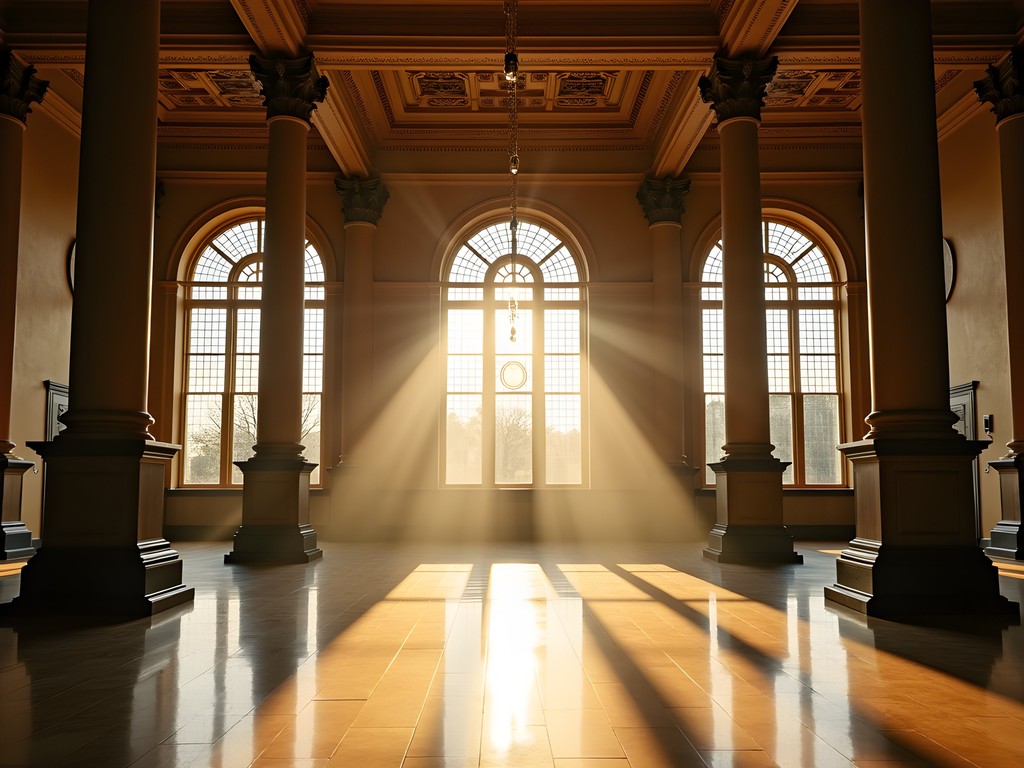
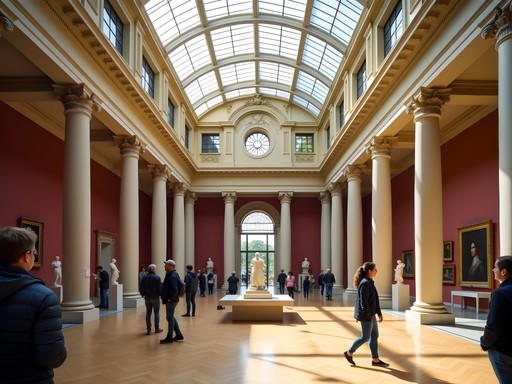
The real gem? Union Station. This 1911 Beaux-Arts masterpiece rivals Grand Central in ambition, if not scale. Arrive early on a Saturday morning when the light streams through the arched windows, and you'll understand why Worcester was once called the 'Heart of the Commonwealth.' The station's recent restoration preserved every ornate detail while adding modern amenities—a metaphor for the city itself.
For documenting these architectural details, I recommend bringing a wide-angle lens if you're serious about photography. The tight urban spaces and towering brick facades demand it, and the low-light capability proved essential inside Union Station's grand halls.
💡 Pro Tips
- Visit Union Station between 8-10am on weekends for the best natural light and fewer commuters
- The Worcester Historical Museum offers free architectural walking tour maps—grab one before exploring
- Download the 'Worcester Rediscovered' app for augmented reality views of historical building uses
Canal District: From Ghost Town to Creative Hub
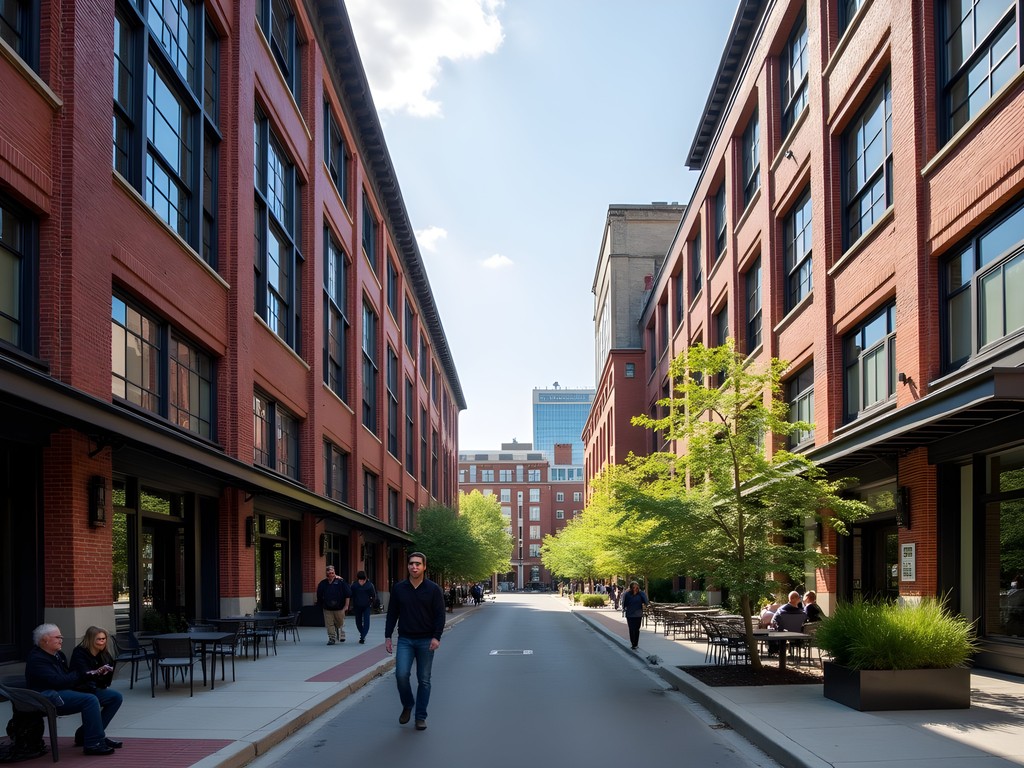
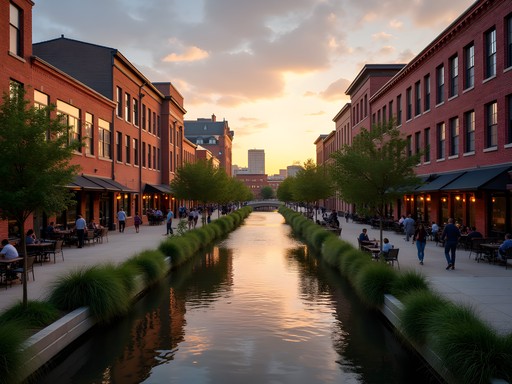
Three years ago, Worcester's Canal District was mostly empty warehouses. Today, it's the beating heart of the city's renaissance, and honestly, it reminds me of what Memphis's South Main district looked like a decade ago—right on the cusp of transformation.
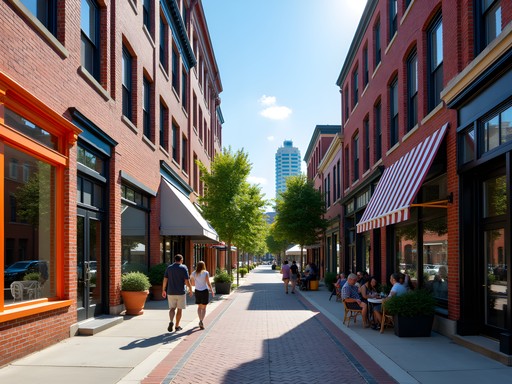
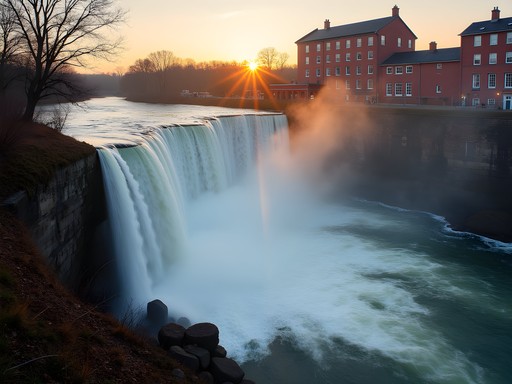
The converted mills along the Blackstone Canal now house breweries, maker spaces, and restaurants that would hold their own in Portland or Brooklyn. I grabbed lunch at Deadhorse Hill, where Chef Jared Forman creates New England cuisine that respects tradition while pushing boundaries. The duck liver mousse with pickled ramps became my benchmark for the entire trip.
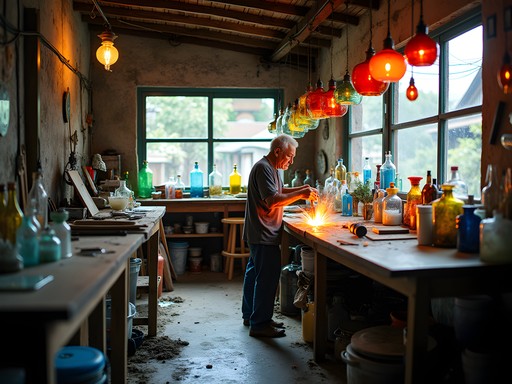
Walking these streets, you'll notice something special: Worcester hasn't sanitized its industrial character. Exposed brick, original timber beams, and century-old machinery coexist with modern design. The Crompton Collective, a multi-story artist community in a former loom factory, opens its studios first Fridays—don't miss it. I spent two hours talking with a metalworker who creates sculptures from reclaimed factory parts, and his perspective on urban renewal challenged my assumptions about gentrification and community preservation.
The terrain here is surprisingly hilly—Worcester sits on seven hills like Rome—so invest in a quality insole set for your walking shoes. After logging 12+ miles daily on cobblestones and steep grades, my feet thanked me.
💡 Pro Tips
- First Friday art walks (5-8pm) offer the best access to artist studios and galleries
- Park at the Green Street garage ($2/hour) and explore on foot—the district is highly walkable
- Polar Park baseball games bring crowds; visit Canal District on non-game days for easier exploration
Neighborhood Hopping: Worcester's True Character
Worcester's neighborhoods tell immigration stories spanning 150 years, creating cultural pockets that feel worlds apart despite being minutes from each other. This is where the city reveals itself to patient explorers.
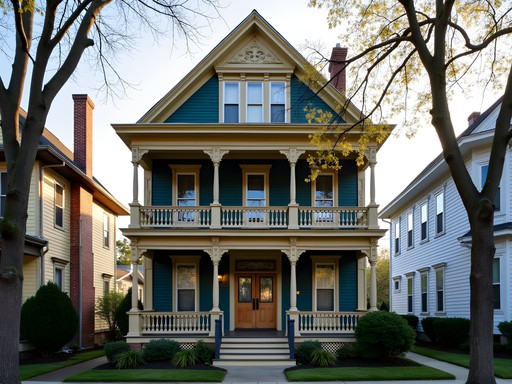
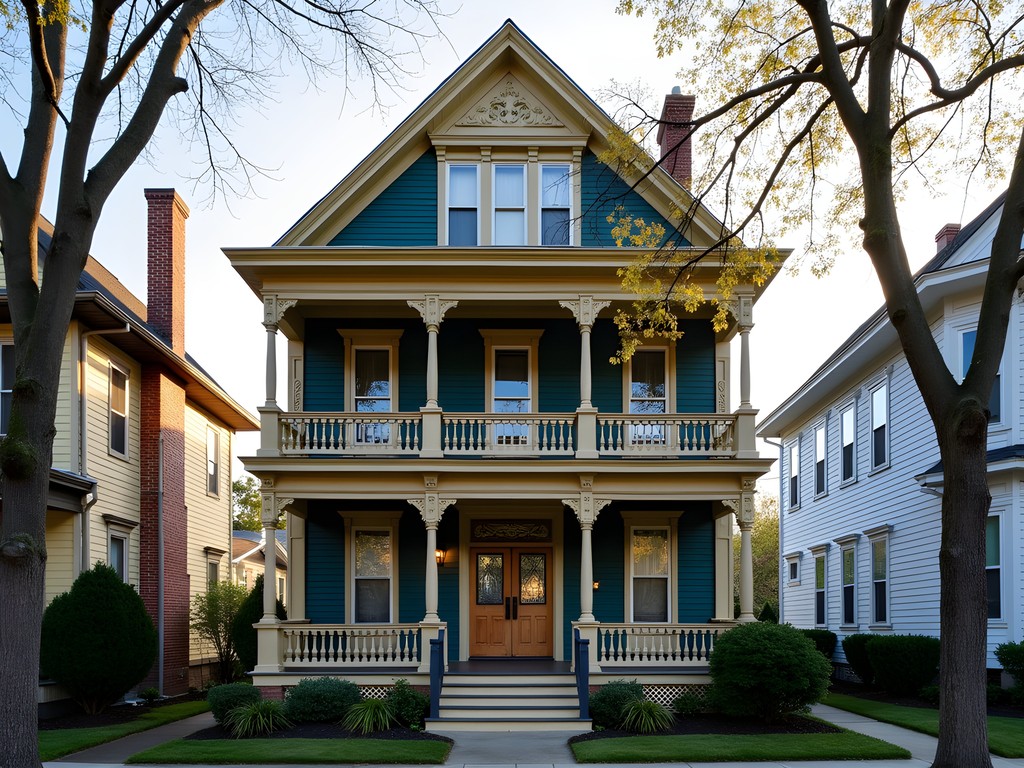
Shrewsbury Street—Worcester's 'Restaurant Row'—concentrates Italian-American culture into eight blocks of red sauce joints, cafes, and specialty shops. I had the best arancini outside Sicily at Nuovo Restaurant, where the third-generation owner still uses his grandmother's recipes. But venture beyond the main drag: the residential streets running parallel showcase triple-decker houses (a New England architectural form I'd never encountered) with intricate woodwork and wraparound porches.
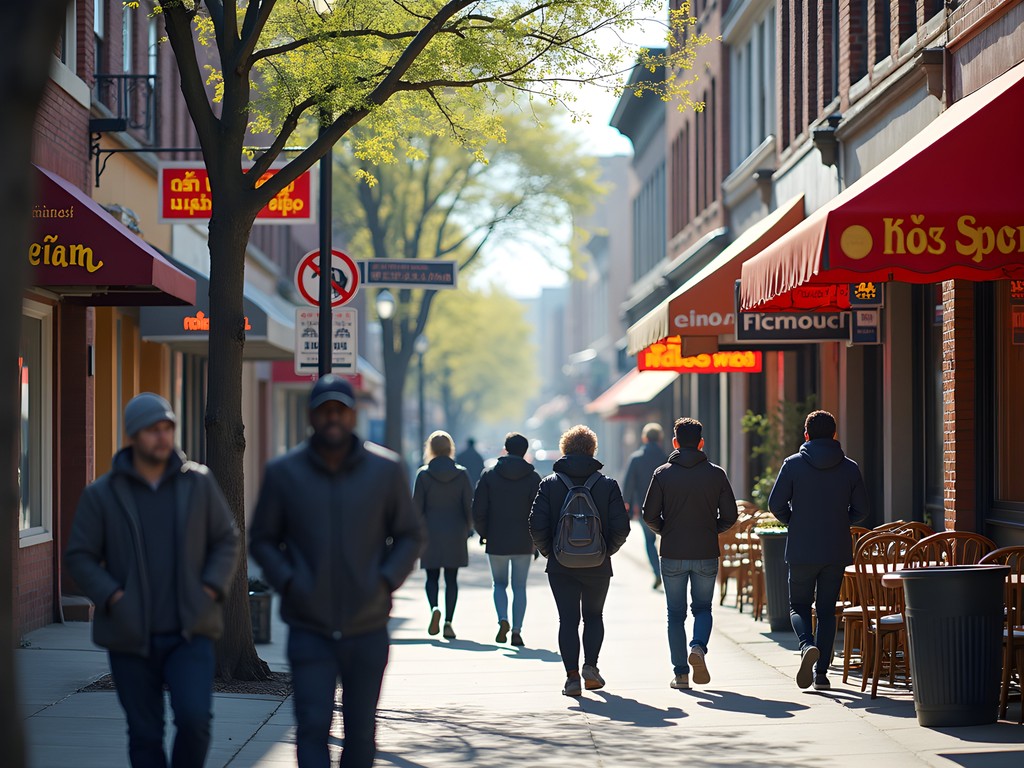
Main South, Worcester's most diverse neighborhood, offers authentic Vietnamese, Liberian, and Ghanaian restaurants within a few blocks. I grabbed banh mi at Dalat Restaurant that rivaled anything I've had in Houston or San Jose. The neighborhood gets less tourist attention, which means you're experiencing real community life, not a curated version.
For navigating between neighborhoods efficiently, I used a folding bike lock and the city's bike-share system. Worcester's bike infrastructure is improving rapidly, and two-wheeling between districts beats driving and parking hassles.
💡 Pro Tips
- Shrewsbury Street parking is challenging—arrive before 11:30am or after 2pm for lunch spots
- Main South's restaurants are cash-preferred; hit an ATM beforehand
- The #19 bus connects most major neighborhoods for $1.75—best transportation bargain in the city

Green Space Surprises: Urban Oases Worth Finding
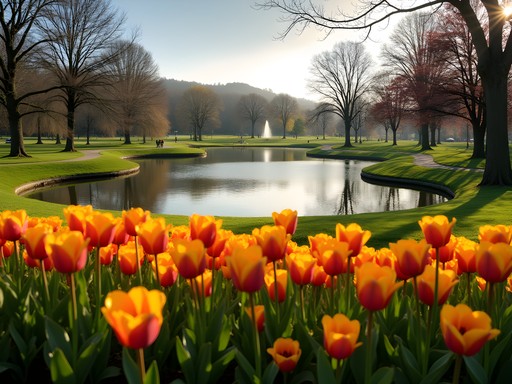
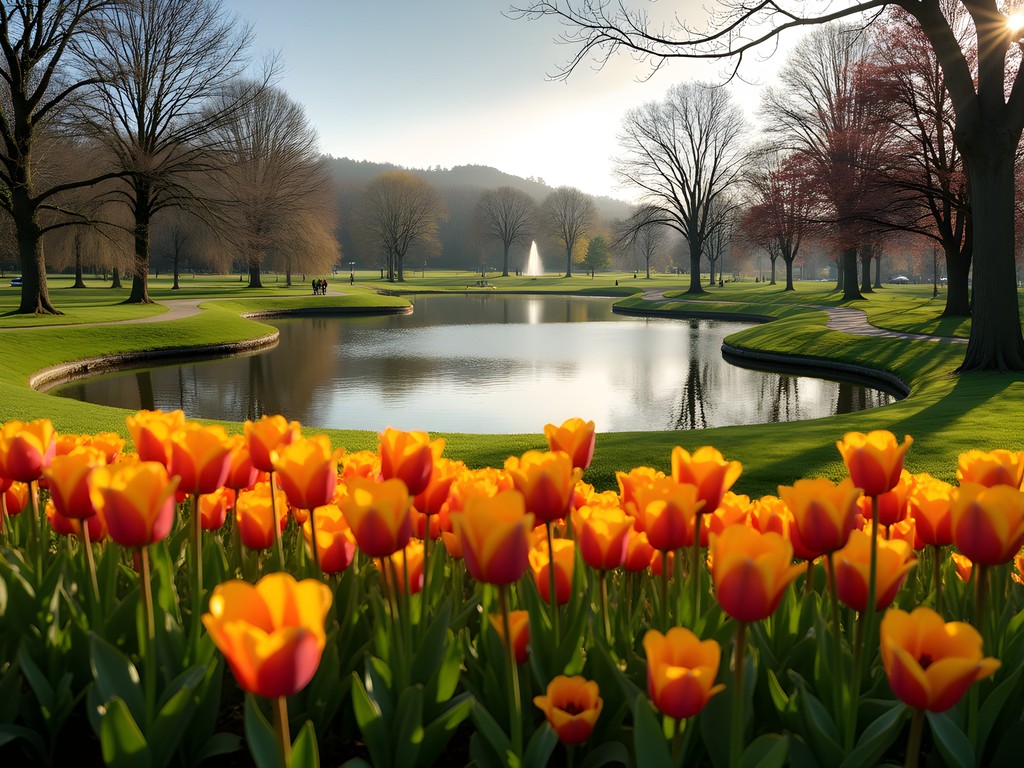
Worcester's park system surprised me more than any other aspect of the city. Elm Park, America's oldest public park (established 1854, predating Central Park by four years), offers 60 acres of rolling meadows, ponds, and specimen trees that create an almost magical escape from urban density.
I visited on a Sunday morning in May when tulips blanketed the hillsides and locals walked dogs, jogged, and practiced tai chi near the pond. The park's Victorian design—winding paths, strategic viewpoints, naturalistic plantings—demonstrates 19th-century landscape philosophy at its finest. Bring a picnic blanket and plan for an extended stay; the park rewards slow exploration.
For a different perspective, head to Bancroft Tower on Salisbury Hill. This 1900 stone tower offers panoramic views across Worcester and, on clear days, sight lines to Mount Wachusett and the Berkshires. The surrounding Bancroft Hill neighborhood features some of Worcester's grandest Victorian homes—I spent an hour just photographing architectural details.
Green Hill Park, Worcester's largest at 480 acres, includes a municipal golf course, but more interestingly, miles of wooded trails that feel genuinely remote despite being minutes from downtown. I encountered deer, identified several bird species, and completely forgot I was in a city of 200,000 people.
💡 Pro Tips
- Elm Park's Newton Hill section offers the best skyline views—perfect for sunset photography
- Bancroft Tower is unstaffed and free, but only open weekends April-October
- Download the AllTrails app for Green Hill Park trail maps—signage is minimal
Practical Realities: Making Worcester Work on a Budget
Here's what makes Worcester perfect for solo urban explorers on a budget: the city hasn't figured out how to charge Boston prices yet. I found excellent Airbnb options in safe, walkable neighborhoods for $60-80/night—comparable accommodations in Boston would cost double.
The Worcester Public Market, opened in 2019, concentrates local vendors, prepared foods, and artisan products under one roof. I assembled incredible lunches for under $10, and the market's central location makes it an ideal base for daily explorations. A insulated food container kept my morning coffee hot through hours of walking—small comfort that made a difference on chilly spring mornings.
Transportation is straightforward: Worcester sits at the intersection of I-90 and I-290, making it accessible by car. But the WRTA bus system is surprisingly functional, and most urban core destinations are walkable. I didn't need my rental car after the first day. The city also offers free downtown parking on Sundays, which sweetened weekend exploration.
For accommodations, consider the Main South or Elm Park neighborhoods rather than downtown hotels. You'll pay less, experience residential Worcester, and still be within 15 minutes' walk of major attractions. I stayed in a converted triple-decker apartment that gave me more authentic city perspective than any hotel could provide.
💡 Pro Tips
- Worcester Public Market validates parking for 2 hours with any vendor purchase
- Download the WRTA bus app—real-time tracking makes the system much more user-friendly
- Many restaurants offer weekday lunch specials that showcase their menus at half the dinner price
Final Thoughts
Worcester isn't trying to be Boston, Portland, or anywhere else—and that's precisely its appeal. This is an American industrial city figuring out its post-manufacturing identity in real-time, with all the authenticity, rough edges, and creative energy that entails. As someone who studies how built environments affect community health, I found Worcester's transformation fascinating: a city that's preserving its architectural heritage while creating space for new voices and visions.
For solo urban explorers, Worcester offers something increasingly rare: discovery. You won't follow Instagram crowds to over-photographed locations. You'll wander neighborhoods, stumble into conversations, and find your own hidden corners. That's the kind of travel that stays with you—not because it was perfect, but because it was real.
Give Worcester a weekend. Bring comfortable shoes, an open mind, and curiosity about American cities beyond the usual suspects. I'm already planning my return trip, this time with a deeper dive into the Blackstone Valley's industrial archaeology. Worcester rewards repeat visits because there's always another layer to uncover, another neighborhood to explore, another conversation to have. That's my kind of city.
✨ Key Takeaways
- Worcester offers authentic urban exploration without tourist crowds or premium prices
- The city's architectural heritage and neighborhood diversity create endless discovery opportunities
- Spring timing provides ideal weather for walking Worcester's hilly terrain and enjoying its exceptional park system
📋 Practical Information
Best Time to Visit
Late April through June for spring weather and First Friday art events
Budget Estimate
$200-300 for a weekend including lodging, food, and local transportation
Recommended Duration
2-3 days for thorough neighborhood exploration
Difficulty Level
Moderate Due To Hilly Terrain And Extensive Walking
Comments
Marco Flores
James, this really resonates! I stumbled into Worcester last year while driving from Montreal to NYC and ended up staying two extra days. The industrial architecture blew me away - reminded me of some neighborhoods in Lyon actually. I met this older guy at a coffee shop in the Canal District who used to work in the factories and he walked me around for an hour showing me hidden courtyards and explaining the history. Those unplanned encounters are what travel is about. The Green Hill Park sunrise was incredible too. Worcester has this honest, unpretentious vibe that's getting so rare in American cities.
summermate
That sounds amazing! Love those random local encounters
summermate
This looks awesome! How's parking in the Canal District? Thinking about visiting in March.
Marco Flores
Street parking is pretty easy actually! Way better than Boston. I found spots near the breweries without much trouble.
summermate
Perfect, thanks!
Kimberly Murphy
Brilliant write-up James! I absolutely love when cities embrace their industrial heritage rather than trying to erase it. The Canal District transformation sounds fascinating - we've seen similar regeneration projects in Manchester and Liverpool, and when done right, they create such authentic character. The Green Space Surprises section really caught my attention too. There's something special about finding unexpected nature pockets in urban environments. Quick question - how walkable is Worcester overall? And are the neighborhoods you mentioned safe to explore solo during the day? Planning a Northeast US trip for autumn and this has definitely sparked my interest!
islandzone
good questions! wondering about this too
islandzone
Never even thought about Worcester! Adding to my list
Kimberly Murphy
Right?? These overlooked cities are often the best finds! I've been meaning to explore more of Massachusetts beyond Boston.
islandzone
yeah exactly! less tourists too probably
Venture X
Premium card with 2X miles, $300 travel credit, Priority Pass