


Disclosure: This article contains affiliate links. We may earn a commission from purchases at no extra cost to you, which helps our travel content.
As a wildlife biologist accustomed to tracking urban ecological adaptations across North America, I've developed a particular appreciation for cities that surprise. Wichita, Kansas—a place many travelers overlook—has repeatedly captured my scientific curiosity during research visits to document the Arkansas River ecosystem. What began as professional interest has evolved into genuine affection for this prairie metropolis. While the city might not top conventional travel lists, its blend of natural spaces, cultural institutions, and historical significance offers a uniquely rewarding experience for couples seeking an affordable weekend escape. This autumn, as the cottonwoods along the river turn golden and temperatures moderate, consider exploring Wichita's less-traveled paths where nature, science, and urban development intersect in fascinating ways.

The Arkansas River Corridor: Urban Wildlife Haven
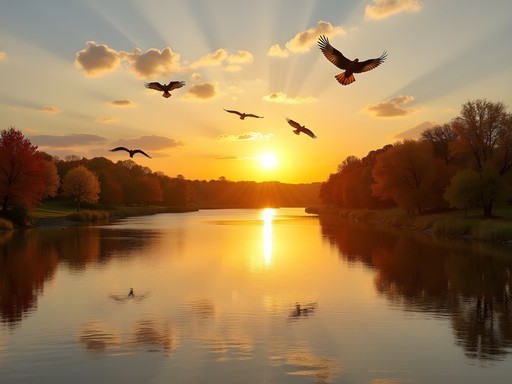
The Arkansas River doesn't merely bisect Wichita—it defines the city's ecological character in ways that fascinate my biologist's perspective. The river corridor hosts an impressive 10-mile paved path system, but the true treasures lie in what I call the 'interstitial spaces'—those areas between formal parks where nature reclaims urban margins.
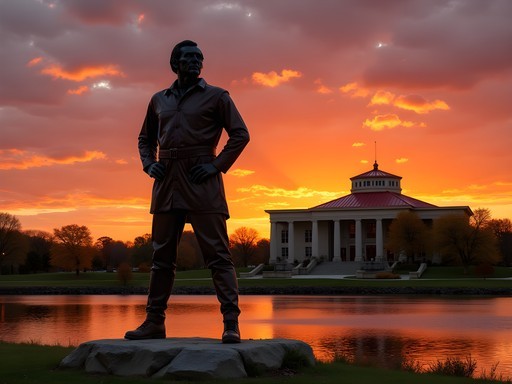
During my recent autumn visit, I spent several mornings at the Keeper of the Plains Plaza, arriving just after sunrise when the city's resident population of Mississippi kites performed their aerial hunting displays. These elegant raptors have adapted remarkably well to Wichita's urban environment, nesting in tall trees while feeding on dragonflies and cicadas above the river.
For optimal wildlife viewing, I recommend venturing north from the plaza along the path system toward the Great Plains Nature Center. This lesser-known section features several wetland areas where I've documented over 30 bird species in a single morning, including migrating warblers using the river as a navigational guide during fall migration.
The convergence of the Arkansas and Little Arkansas rivers creates a riparian ecosystem that supports surprising biodiversity. During my research visits, I've observed evidence of beaver activity, muskrats, and even the occasional river otter—all within the city limits. For serious wildlife observation, I rely on my compact binoculars, which offer excellent clarity without the bulk of my professional field equipment.

💡 Pro Tips
- Visit the river paths early morning (6-8am) or evening (5-7pm) for best wildlife viewing opportunities
- The section between the Keeper of the Plains and 13th Street Bridge offers the best natural habitat
- Bring insect repellent in early fall as mosquitoes can still be active near the water
Geological Wonders at the Museum of World Treasures
While Wichita's Museum of World Treasures is often celebrated for its historical artifacts, my scientific interests have always drawn me to its remarkable geological collection. Located in the Old Town district in a repurposed warehouse, this museum exemplifies how urban spaces can be reimagined to house natural treasures.
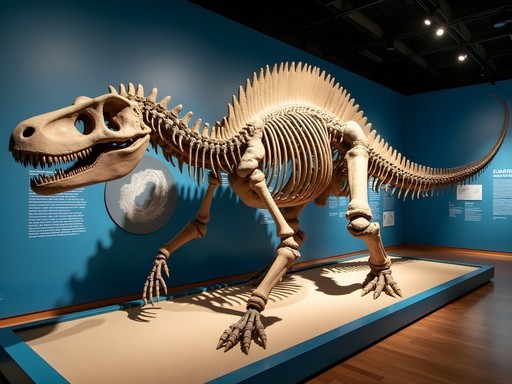
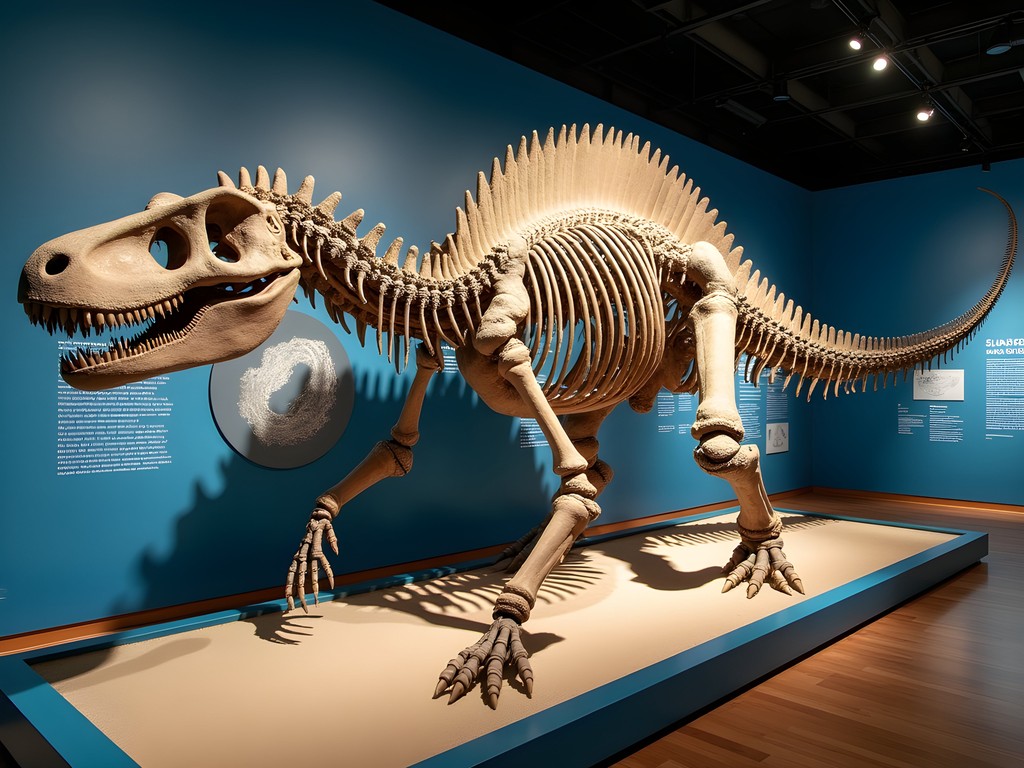
The third floor houses an impressive collection of fossils from the Western Interior Seaway—the shallow sea that covered this region during the Late Cretaceous period. As someone who has studied the ecological history of the Great Plains extensively, I find it particularly moving to stand before the remains of marine reptiles that once swam above what is now downtown Wichita.
During my last visit, I spent several hours examining their Tylosaurus specimen—a magnificent mosasaur over 20 feet long discovered in western Kansas. The museum's curation contextualizes these specimens within the broader story of the region's dramatic environmental transformations over geological time.
What particularly impresses me is how accessible the scientific information is presented. The curators have struck an admirable balance between academic accuracy and public engagement—something I've strived for in my own transition from academic writing to more accessible narratives.
For couples interested in photography, the museum's lighting conditions can be challenging. I've found my travel tripod invaluable for capturing clear images of specimens without flash (which is prohibited in many exhibits).
💡 Pro Tips
- Visit on weekday afternoons when school groups are less common
- Don't miss the small but fascinating exhibit on Kansas chalk formations
- Allow at least 2 hours to properly explore the geological collections
The Hidden Ecology of Chisholm Creek Park
Chisholm Creek Park represents one of Wichita's most successful urban conservation initiatives, yet remains surprisingly uncrowded compared to the city's more prominent recreational areas. As an urban wildlife specialist, I find this 282-acre park particularly fascinating for how it demonstrates ecological restoration principles within an urban context.
The park encompasses several distinct habitats—tallgrass prairie, riparian woodland, and wetland—all carefully managed to support native species. During my research visits, I've documented the park's remarkable bird diversity, with over 200 species recorded throughout the year. Fall migration brings particular richness, as the park serves as a stopover for numerous warblers, thrushes, and waterfowl.
What makes Chisholm Creek exceptional is the integration of the Great Plains Nature Center within the park boundaries. This educational facility offers excellent interpretive exhibits about regional ecology, but the real treasure lies in their observation room—a comfortable indoor space with large windows overlooking a series of feeding stations and water features. During inclement weather, this provides an ideal setting for wildlife observation.
The park's 2.5-mile unpaved trail system winds through various habitat types, offering opportunities to observe ecological transitions. I particularly recommend the wetland boardwalk, where patient observers might glimpse muskrats, painted turtles, and even the occasional mink along the water's edge.
For serious nature enthusiasts, I suggest bringing a field notebook to document observations. Even after decades of professional fieldwork, I still find that maintaining field notes enhances my connection to new environments and helps me notice patterns that might otherwise be missed.

💡 Pro Tips
- Visit the Great Plains Nature Center first to learn what species are currently being observed
- The northern section of the park tends to be quieter and better for wildlife viewing
- Mornings after rainfall are excellent for observing amphibians along the wetland boardwalk

Architectural Ecology: Old Town District After Hours
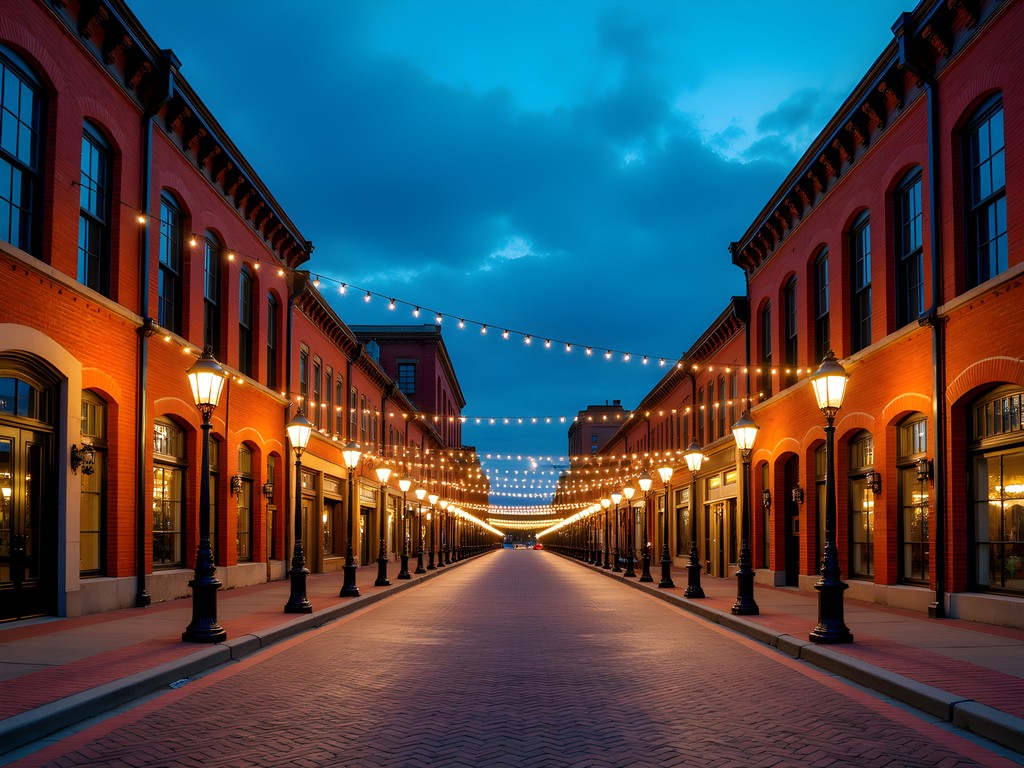
While natural habitats typically dominate my professional attention, I've always been fascinated by how urban architecture creates its own unique ecological niches. Wichita's Old Town District, with its restored 19th-century brick warehouses, exemplifies this intersection between human history and adaptive wildlife.
During evening walks through this district, I've observed fascinating examples of urban adaptation. The historic brick facades, with their numerous crevices and ledges, provide roosting sites for chimney swifts during migration seasons. These aerial insectivores perform spectacular displays at dusk, spiraling into chimneys in coordinated groups—a behavior increasingly rare as modern construction eliminates traditional roosting sites.
Beyond the biological observations, Old Town offers a compelling study in urban revitalization. The transformation of these industrial spaces into galleries, restaurants, and boutiques demonstrates principles of adaptive reuse that parallel ecological succession in natural systems. The district is particularly atmospheric in autumn evenings when the brick absorbs the day's warmth and the string lights create an intimate ambiance.
For couples seeking a unique experience, I recommend what I call an 'architectural safari'—an evening walk specifically focused on observing the intersection between historic structures and urban wildlife. Begin at Central and Mead around sunset, then slowly make your way through the district, paying particular attention to building cornices and rooflines where wildlife often perches.
The area's microbreweries provide excellent opportunities to discuss your observations afterward. River City Brewing Company, housed in a beautifully restored warehouse, offers a scientifically impressive selection of locally crafted beers and a menu featuring several regional specialties.
💡 Pro Tips
- Thursday evenings offer a good balance of activity without weekend crowds
- The area between Douglas Avenue and 2nd Street contains the highest concentration of historic buildings
- Bring a light jacket as evening temperatures in fall can drop significantly after sunset
Cultural Confluence: Mid-America All-Indian Museum
My research into urban ecology inevitably intersects with indigenous knowledge systems, which often contain sophisticated understanding of local environments developed over millennia. The Mid-America All-Indian Museum, situated near the confluence of the Arkansas and Little Arkansas Rivers, provides an illuminating window into this relationship between people and place.
The museum's location is significant—positioned adjacent to the Keeper of the Plains sculpture and at a traditional gathering place for Plains tribes. During my visits, I've been particularly impressed by exhibits documenting traditional ecological knowledge, including sophisticated sustainable hunting practices and botanical expertise that informed medicinal traditions.
The museum houses an exceptional collection of artifacts from Plains tribes, with particular emphasis on the Wichita, Kiowa, and Comanche peoples who historically inhabited this region. What distinguishes this museum from larger institutions is its intimate scale and the involvement of tribal members in curation and interpretation.
The relationship between indigenous cultures and the tallgrass prairie ecosystem is explored with particular nuance. As someone who has studied prairie ecosystems professionally, I appreciate how the exhibits demonstrate the role of controlled burning and other management techniques that maintained the grassland biome long before European contact.
For visitors interested in deeper understanding, I recommend timing your visit to coincide with one of the museum's cultural demonstrations or talks. These events, often led by tribal elders or knowledge keepers, provide context that static exhibits alone cannot convey. The museum's website maintains an updated calendar of these special programs.
During my last visit, I purchased a beautifully crafted field guide from the museum shop that documents traditional plant uses alongside scientific classification—a wonderful example of how different knowledge systems can complement each other.

💡 Pro Tips
- Visit during weekday afternoons when the museum is typically quietest
- Don't miss the outdoor interpretive trail that identifies native plants and their traditional uses
- Check the museum website for demonstrations of traditional crafts and practices
Final Thoughts
Wichita reveals itself as a city of convergences—where rivers meet, where prairie transitions to urban landscape, where indigenous knowledge and Western science offer complementary perspectives. As a wildlife biologist who has spent decades studying urban adaptations, I find particular value in destinations that don't announce their treasures loudly but reward careful observation. For couples seeking an affordable weekend escape this autumn, Wichita offers an opportunity to explore these intersections at a comfortable pace, without the crowds or costs of more prominent destinations. The city's museums, natural areas, and revitalized districts provide windows into both environmental and cultural histories that continue to shape this region. I encourage you to approach Wichita with the patience of a naturalist—observing carefully, asking questions, and allowing the city's subtle patterns and hidden stories to emerge gradually. The richest travel experiences often come from places we might otherwise overlook.
✨ Key Takeaways
- Wichita's river corridors offer surprising biodiversity and wildlife viewing opportunities within an urban setting
- The city's museums provide context for understanding the region's geological and cultural history
- Fall brings comfortable temperatures and enhanced wildlife activity, making it an ideal season for urban exploration
- Budget-friendly accommodations and attractions make Wichita accessible for weekend travelers
📋 Practical Information
Best Time to Visit
September through early November
Budget Estimate
$200-300 per couple for a weekend (excluding transportation)
Recommended Duration
2-3 days
Difficulty Level
Easy




Comments
Savannah Wood
Sophia, this resonates so much! I passed through Wichita last fall on a cross-country trip and almost skipped it entirely. Ended up spending an afternoon at the Arkansas River trail and spotted a family of beavers at dusk—completely unexpected in the middle of Kansas! The way you frame it through an ecological lens makes me want to go back and explore those convergence points you mentioned. Did you notice the bird diversity along Chisholm Creek? I'm curious if the urban development there has created any unique habitat niches.
skyway
beavers in wichita?? thats wild
Savannah Wood
Right?! I couldn't believe it either. They'd built a dam near one of the pedestrian bridges. Local joggers told me they'd been there for a couple years.
skyway
Never thought about Wichita like this!
escapelover
Going there next month, thanks for sharing!
Dylan Turner
Excellent analysis of Wichita's urban ecology convergence points. I've been researching secondary cities in the Midwest for an upcoming piece, and your wildlife biologist perspective adds a dimension I hadn't considered. The Arkansas River Corridor particularly interests me—how would you compare its ecological restoration efforts to similar urban waterway projects in cities like Omaha or Tulsa? Also, any upscale dining recommendations in Old Town for evening exploration? The ecological architecture angle is compelling, but I'm curious about the culinary scene as well.
Sophia Wilson
Great question! Wichita's restoration is more grassland-focused than Tulsa's, which makes sense given the prairie context. For dining, try Public at the Brickyard—locally sourced menu and the building itself is a great example of adaptive reuse architecture.
sunnypro
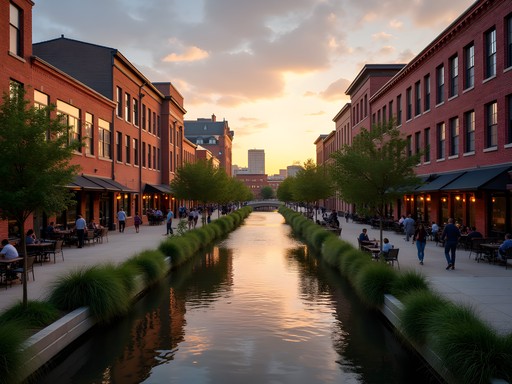
Love the photos of Old Town!
Megan Martin
Sophia, this is such a refreshing take on Wichita! I passed through last year on a business trip and only saw the convention center area. Your section on the Museum of World Treasures has me reconsidering a return visit. The geological exhibits sound fascinating, especially the Kansas chalk formations. Did you find the museum crowded on weekdays? I'm always looking for those quieter exploration opportunities between meetings.
Sophia Wilson
It's pretty quiet on weekday mornings! I went on a Tuesday around 10am and had entire sections to myself. Perfect for really studying the exhibits without rushing.
starexplorer
What time of day is best for wildlife viewing along the Arkansas River? Planning a trip in spring and would love to catch some bird migration action.
Sophia Wilson
Early morning is definitely best, around 6-8am! Spring migration peaks in late April/early May. Bring binoculars for sure.
starexplorer
Perfect, thanks!
roamguide
Never thought about Wichita this way! Really cool perspective
MidwestExplorer
If you're visiting the Old Town District after hours like Sophia suggests, the Wichita Brewing Company has a rooftop patio with amazing views of the city lights. Perfect spot to watch urban wildlife (aka people) while enjoying local craft beer!
Hunter Thompson
Seconding this! Their Wheat State Golden is perfect after a day of exploring. They do a brilliant flight of beers if you can't decide on just one.
TravelWithJamie
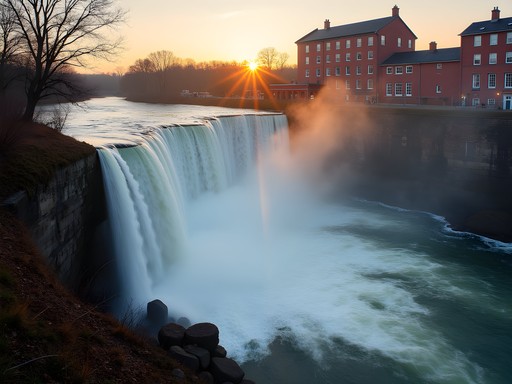
That sunset shot of the Arkansas River is absolutely stunning! What time of year was that taken?
Sophia Wilson
Thanks Jamie! That was taken in late October, about an hour before sunset. The fall light in Kansas has this amazing golden quality to it.
Venture X
Premium card with 2X miles, $300 travel credit, Priority Pass