


Disclosure: This article contains affiliate links. We may earn a commission from purchases at no extra cost to you, which helps our travel content.
As a pediatrician, I'm trained to assess risk versus reward—a skill that translates surprisingly well to urban exploration. When I first heard about Wheeling, West Virginia's abandoned industrial landscape, I knew it would be the perfect weekend challenge for my crew of adventure-seeking friends. This Rust Belt city, once a powerhouse of American steel and glass manufacturing, now offers some of the most compelling urban exploration opportunities in the Mid-Atlantic. But let me be clear: this isn't your typical tourist destination. This is advanced urbex territory that demands respect, preparation, and a healthy understanding of structural safety.

Understanding Wheeling's Industrial Legacy
Wheeling's story is written in brick, steel, and broken glass. During the late 19th and early 20th centuries, this Ohio River city was one of America's industrial juggernauts, producing everything from steel to cut glass to tobacco products. The architectural remnants of this era—massive factory complexes, rail yards, and worker housing—create an urban explorer's paradise.
What fascinates me most about Wheeling is how the industrial decline mirrors what I've observed in healthcare: communities adapting to changing systems. The abandoned structures aren't just ruins; they're evidence of economic shifts that reshaped entire neighborhoods. Walking through these spaces, you'll find Art Deco details on factory administration buildings, innovative engineering solutions in the mill structures, and glimpses of the craftspeople who built America's industrial might.
The Centre Market district provides excellent context before you venture into abandoned sites. This restored 1853 market hall showcases the city's Victorian commercial architecture and helps you understand the scale of prosperity these industries once generated. It's your baseline for appreciating what came after.
💡 Pro Tips
- Research property ownership and legal access before exploring—trespassing charges are real
- Study historical photos to understand original building layouts and identify structural hazards
- Visit the Wheeling Heritage Center first to gain historical context that enriches your exploration
Essential Safety Protocols for Advanced Urbex
Here's where my medical training becomes invaluable. Abandoned industrial sites present genuine hazards: unstable floors, asbestos insulation, heavy metal contamination, and structural collapse risks. I approach urban exploration with the same risk assessment mindset I use in emergency pediatrics—identify hazards, mitigate what you can, and know your limits.
Never explore alone. My group maintains a minimum three-person rule: one to help if someone's injured, one to seek assistance. We carry a comprehensive first aid kit designed for remote locations, because you're often far from immediate help in these sprawling complexes.
Footwear is critical. I've seen too many ankle injuries from inadequate boots. Invest in steel-toed work boots with puncture-resistant soles—you're walking on broken glass, rusted metal, and unstable debris. A hard hat isn't just recommended; it's essential when exploring multi-story structures with degrading ceilings.
Respiratory protection matters more than most urbexers realize. Old industrial sites contain asbestos, mold, and chemical residues. We use N95 respirators minimum, upgrading to P100 filters in areas with visible insulation damage or heavy dust.

💡 Pro Tips
- Test floor stability by tapping with a pole before putting full weight on questionable surfaces
- Bring multiple light sources—headlamp, flashlight, and backup—as industrial spaces are pitch black inside
- Download offline maps of the area as cell service is often nonexistent in these locations
- Wear long sleeves and pants to protect against sharp edges, insects, and contaminated surfaces
The Mill District: Crown Jewel of Industrial Decay
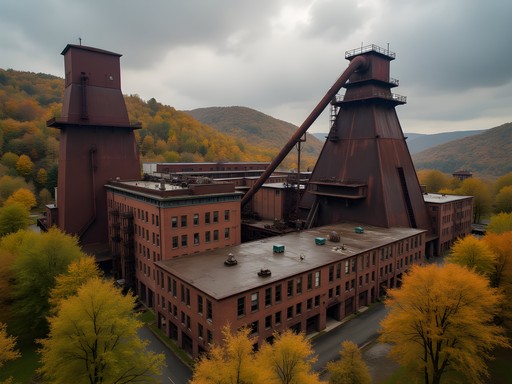
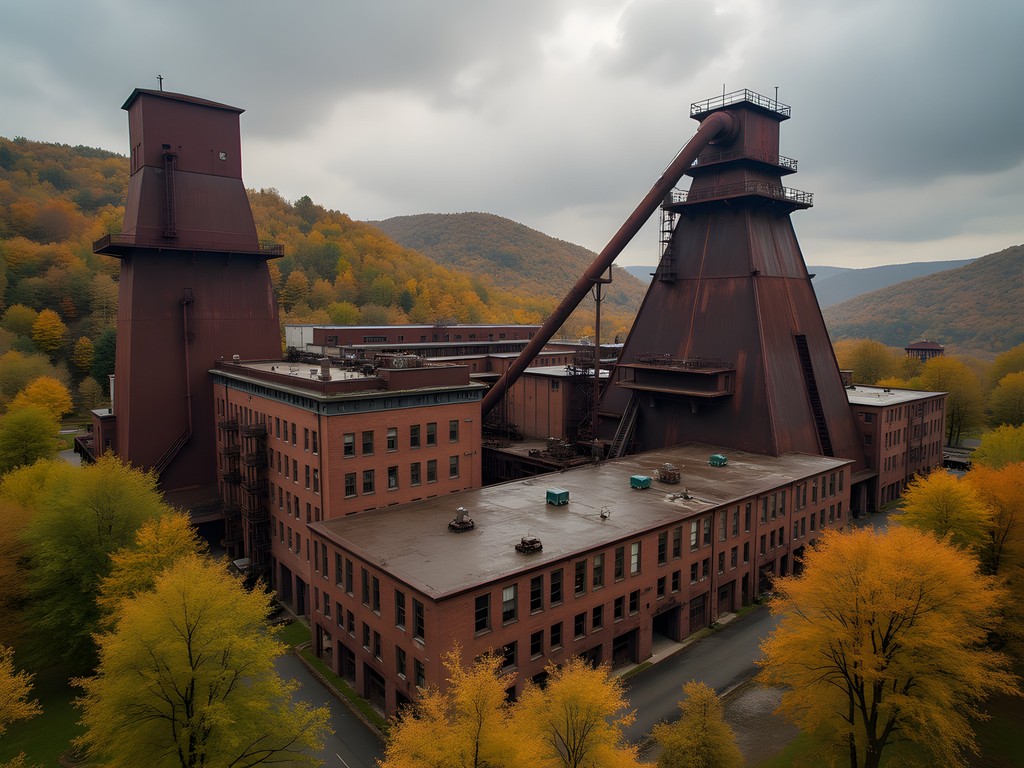
The Wheeling-Pittsburgh Steel Mill complex is the holy grail for industrial urbex enthusiasts. This sprawling site along the Ohio River encompasses dozens of structures spanning different eras of steel production technology. The scale is overwhelming—blast furnaces rising ten stories, rail systems connecting buildings, and administrative offices with surprising architectural details.
Access is complicated. Much of the property is actively monitored, and legal exploration requires connecting with local urbex communities who know which areas tolerate careful visitors. I won't provide specific entry points in print, but patient networking in urbex forums yields results. The effort is worth it: inside, you'll find control rooms with intact gauges, engineering marvels in the conveyor systems, and stunning light streaming through broken industrial windows.
Fall is ideal for exploration. Temperatures are comfortable for the physical exertion of climbing stairs and navigating obstacles, vegetation has died back improving visibility and reducing tick exposure, and the autumn light creates magical conditions for photography. The contrast between rusted orange steel and brilliant fall foliage is genuinely stunning.
Document everything. I carry a waterproof notebook to sketch building layouts and note hazards for future visits. These structures are deteriorating rapidly; what you see this year may be collapsed or demolished next year.

💡 Pro Tips
- Early morning visits provide the best light and minimize encounters with security patrols
- Bring work gloves for climbing rusted ladders and moving debris
- Watch for active industrial operations nearby—some portions of larger complexes remain in use
- Respect the space by carrying out any trash and not adding graffiti to historical structures

Hidden Gems Beyond the Mills
While the steel mills dominate Wheeling's urbex scene, smaller sites offer equally compelling exploration with less risk. The abandoned Wheeling Stamping Company complex features remarkable Art Deco industrial design, with geometric patterns on the facade and surprisingly intact interior spaces. The scale is more manageable for newer urbex enthusiasts transitioning to advanced exploration.
The old Baltimore & Ohio Railroad facilities scattered through South Wheeling provide fascinating glimpses into transportation infrastructure. Roundhouses, repair shops, and switching stations showcase different architectural solutions to industrial problems. These sites are generally more accessible and less hazardous than active production facilities.
For architectural photography enthusiasts, the abandoned worker housing in neighborhoods like South Wheeling and East Wheeling tells the human story behind industrial decline. These aren't technically urbex sites—they're visible from public streets—but they provide context for understanding how industry shaped community development. The contrast between ornate Victorian worker cottages and utilitarian mid-century housing reveals changing labor economics.
A portable phone charger is essential for full-day exploration. You'll use your phone constantly for navigation, emergency communication, and photography. The last thing you want is a dead battery when you need to call for help or document an amazing find.

💡 Pro Tips
- Research each site's specific hazards—railroad facilities have different risks than manufacturing plants
- Bring snacks and water as there are no services near exploration sites
- Use a GPS tracking app to mark your entry point and create a breadcrumb trail in sprawling complexes
Legal Considerations and Community Ethics
Let's address the elephant in the room: much urban exploration exists in a legal gray area. Trespassing is illegal, period. However, enforcement varies dramatically based on property ownership, security presence, and local attitudes toward urbex culture. Some property owners tolerate careful explorers who respect the sites; others prosecute aggressively.
My approach prioritizes legal access whenever possible. Contact property owners, explain your interest in documenting architectural history, and request permission. You'd be surprised how many say yes, especially if you offer to share photographs or historical research. Local historical societies can facilitate introductions to property owners.
When permission isn't possible, understand the risks. In Wheeling, I've found local law enforcement generally focuses on vandalism and theft rather than careful documentation. However, that doesn't make trespassing legal or advisable. If confronted by security or police, be respectful, leave immediately when asked, and never argue or escalate.
The urbex community has ethical standards that matter. Take only photographs, leave only footprints. Don't remove artifacts, add graffiti, or damage structures. These sites are historical resources that deserve preservation, not exploitation. Share locations responsibly—some sites can't handle increased traffic without accelerating deterioration or attracting destructive visitors.

💡 Pro Tips
- Carry identification and be prepared to explain your presence professionally if confronted
- Research local trespassing laws—some jurisdictions distinguish between entering and remaining after warning
- Join established urbex groups to learn community standards and access protocols
- Consider liability insurance that covers recreational activities if you explore frequently
Final Thoughts
Wheeling's abandoned industrial landscape offers some of the most compelling urban exploration opportunities in America, but it demands respect, preparation, and advanced skills. This isn't a casual weekend activity—it's serious adventure that requires the same careful planning you'd apply to backcountry hiking or technical climbing.
What draws me back to Wheeling isn't just the dramatic decay or photographic opportunities. It's the connection to American history, the stories embedded in these structures, and the challenge of safely navigating spaces that weren't designed for visitors. Every exploration teaches me something about architecture, engineering, or the communities that built these industrial monuments.
If you're ready for advanced urban exploration, Wheeling delivers. Just remember: the goal is to document and appreciate, not to conquer or exploit. These structures have survived a century of industrial use and decades of abandonment. With careful, respectful exploration, they'll continue telling their stories to future generations of urban adventurers.
Start planning your Wheeling urbex weekend, but start with safety and ethics. The rust will wait for you to do it right.
✨ Key Takeaways
- Advanced urban exploration requires serious safety equipment including hard hats, steel-toed boots, respirators, and comprehensive first aid supplies
- Legal access through property owner permission is always preferable to trespassing, even when enforcement is lax
- Fall provides ideal conditions for Wheeling exploration with comfortable temperatures and dramatic lighting
- Wheeling's industrial sites offer diverse exploration opportunities from massive steel mills to Art Deco factories and railroad infrastructure
📋 Practical Information
Best Time to Visit
September through November for optimal weather and lighting conditions
Budget Estimate
$200-400 for weekend including lodging, meals, safety equipment rental/purchase, and gas
Recommended Duration
2-3 days for thorough exploration of multiple sites
Difficulty Level
Advanced—requires Physical Fitness, Technical Skills, And Extensive Safety Knowledge



Comments
wildexplorer
Solid guide. I've done the Mill District twice now and your safety tips are spot on. One thing to add: watch for needles in some of the more accessible buildings. Sad reality but important to mention. The old glass factory on the east side is also worth checking out if you have time—less picked over than some of the main sites. Best time to go is early morning, fewer people and the light is perfect for photos.
luckywanderer
Planning a road trip through WV in June. Is Wheeling worth a full day or just a few hours?
James Taylor
I'd say full day if you're into it. The Mill District alone took me 3-4 hours, plus there are some great spots downtown for lunch. The suspension bridge is worth seeing too.
Hayden Butler
Fascinating read, James. I'll admit urban exploration isn't typically my scene—I'm more five-star hotels than abandoned factories—but you've made this genuinely compelling. The historical context you provided really elevated this beyond just "cool ruins." I spent a weekend in Wheeling last fall for a completely different reason (the Oglebay Resort, which I highly recommend), and I had no idea this industrial heritage existed just blocks away. Your point about respecting these spaces resonates. Even in luxury travel, I try to emphasize cultural preservation. These buildings tell America's story just as much as any monument. The safety protocols section was particularly well done—thorough without being alarmist.
wildmate
Your photos are incredible! The rust and decay has such character. Been wanting to try urbex photography for ages.
freevibes
How do you even find these places? Like is there a map or something?
wildexplorer
Google Maps satellite view is your friend. Look for large structures with no parking lots or activity. Also urbex forums but those can be hit or miss.
freevibes
thanks!
starchamp
Dude this is SO COOL! Adding Wheeling to my list right now!!
Claire Hawkins
James, this brings back memories! I explored some abandoned factories in Barcelona last year with my husband and kids (supervised from outside, of course—they're only 6 and 8). There's something haunting yet beautiful about these industrial spaces. The way you captured the light streaming through broken windows in the Mill District is stunning. One thing I learned the hard way: bring multiple light sources. My phone died halfway through and we were scrambling. The pediatrician perspective on risk assessment is brilliant—I love how you framed safety without being preachy. Did you connect with any local historians while you were there? I find they often have the best stories about these places.
James Taylor
Thanks Claire! Yes, I connected with a retired steelworker named Frank who gave me incredible context. And totally agree on the lights—I always carry my headlamp plus backup. Game changer for these spaces.
wildlife
This looks amazing but is it actually legal to go inside these places? Don't want to get in trouble lol
wildexplorer
Most aren't technically legal but enforcement is rare. Just be respectful, don't break anything, and if security shows up just leave politely. Never had issues in Wheeling.
bluediver
adding this to my bucket list!
bluediver
how'd you handle the legal side of this? always worried about trespassing charges when exploring abandoned places
James Taylor
Great question! I only covered publicly accessible areas and the Mill District tour that's actually sanctioned by the historical society on weekends. Definitely don't recommend trespassing—mentioned that in the safety section. Always check local regulations first.
nomadone186
yeah this is key. did detroit urbex last year and got turned away from 3 spots. the legal tours are honestly just as cool and you get actual history from guides
Venture X
Premium card with 2X miles, $300 travel credit, Priority Pass