

Disclosure: This article contains affiliate links. We may earn a commission from purchases at no extra cost to you, which helps our travel content.
The wind whispers stories here. That's the first thing you notice about Wellington—how the gusts from Cook Strait sweep through the harbor city, carrying salt and secrets between its compact hills and colorful neighborhoods. As someone who has documented landscapes from the Scottish Highlands to Jamaica's Blue Mountains, I find Wellington's dramatic topography familiar yet utterly distinctive. The way this city wraps itself around the harbor reminds me of how my father would trace coastlines on maps during my childhood, pointing out how human settlements always find their way to these liminal spaces between land and sea. Wellington exemplifies this perfectly—a creative capital nestled between steep hills and deep waters, best explored at a deliberate pace, one footstep at a time. After spending countless hours editing travel narratives about New Zealand for publication, I finally made my own journey to experience firsthand what writers have been trying to capture for years. What I discovered was a walkable urban gem that offers cultural richness without the price tag many capital cities demand.

The Waterfront Wander: Where City Meets Sea
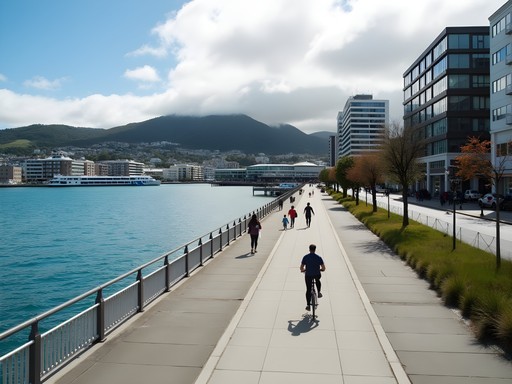
Wellington's relationship with water feels almost literary—like a character whose identity is inextricably linked to the harbor that shaped it. Begin your exploration at Oriental Bay, the city's golden-sand urban beach, where locals bask in rare windless moments. The wide promenade offers an accessible starting point, with clear pathway markers that would please even the most meticulous editor.
As you follow the curve of the harbor northward, the waterfront transforms from recreational space to working port to cultural precinct with the seamlessness of a well-crafted narrative arc. Pass the imposing Te Papa Tongarewa (Museum of New Zealand)—a cultural repository worth at least half a day of your time, especially the powerful Gallipoli exhibition designed by Weta Workshop.
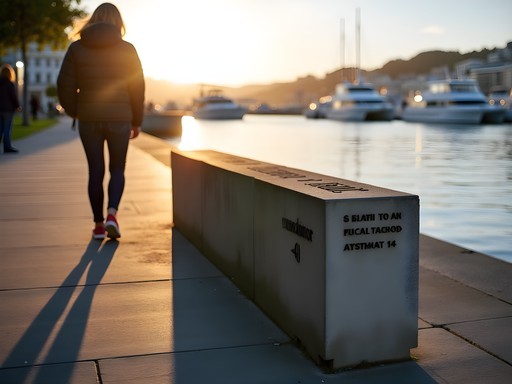
Continue along the Writers Walk, where concrete sculptures display quotes from New Zealand's literary giants. As someone who's spent decades surrounded by words, I found myself lingering here, running my fingers across the embedded text like a proofreader searching for hidden meaning. The harbor itself becomes a character in these excerpts—sometimes benevolent, often temperamental.
The walkway leads to the quirky, repurposed shipping containers of Kumutoto Precinct, where design-forward public spaces and eateries have transformed the former industrial zone. Stop for coffee at one of the harbourside cafés—New Zealanders take their coffee seriously, and even the smallest establishments often serve brews that would satisfy the most discerning Toronto barista.

💡 Pro Tips
- Visit Oriental Bay at sunset when the harbor lights begin to twinkle
- The waterfront path is fully accessible and perfect for all mobility levels
- Bring a windproof jacket—Wellington's infamous gusts can appear without warning
Cuba Street: The Bohemian Heartbeat
If Wellington's waterfront represents its connection to the natural world, then Cuba Street embodies its creative soul. This pedestrian-friendly thoroughfare feels like the city's manuscript margin—the place where all the interesting notes and doodles accumulate. Walking its length, I was reminded of Toronto's Kensington Market, though with a distinctly Kiwi flavor.
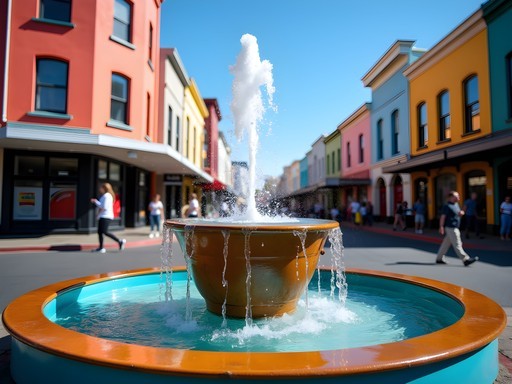
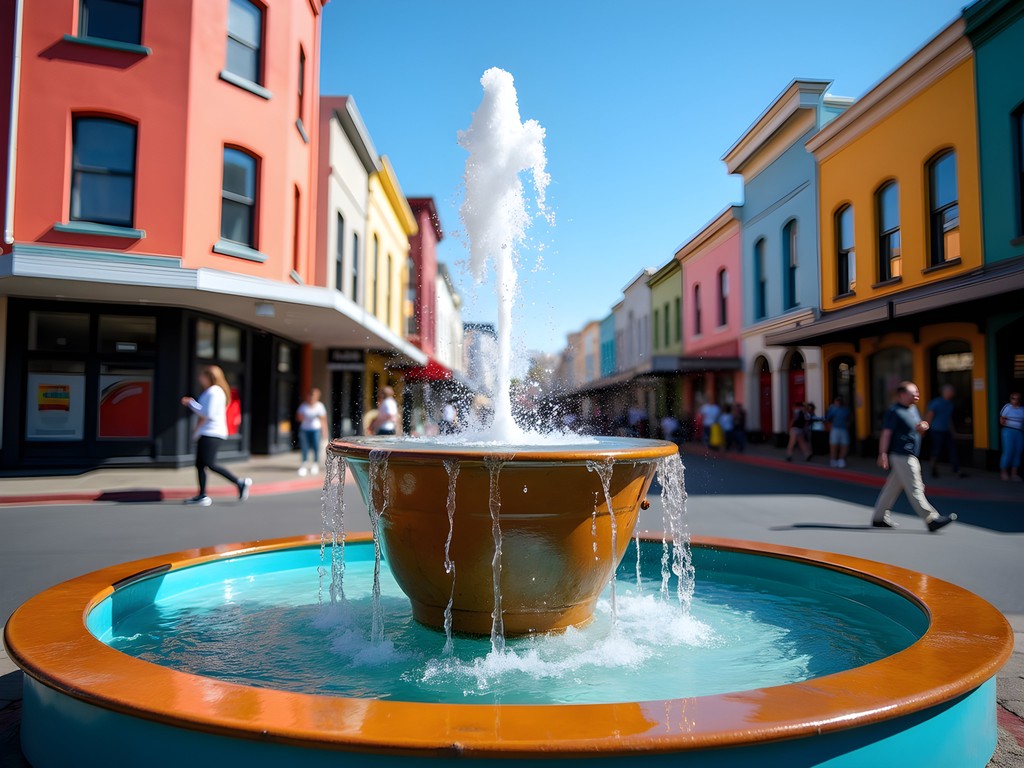
Start at the iconic Bucket Fountain, a kinetic water sculpture whose unpredictable splashes seem to perfectly encapsulate Wellington's playful spirit. The fountain has been malfunctioning in the most charming way since 1969, occasionally dousing unsuspecting pedestrians—a baptism into Wellington's quirky character.
The street is a paradise for those seeking urban exploration on a budget. Vintage shops like Hunters & Collectors and Ziggurat offer carefully curated collections that would make any costume editor swoon. I spent an hour thumbing through vinyl at Slow Boat Records, where the staff's encyclopedic knowledge rivals any music publication's editorial team.
Food options abound for every budget. From the simple pleasures of Midnight Espresso (open until the wee hours) to the more refined offerings at Logan Brown (housed in a former banking chamber), Cuba Street feeds both body and imagination. I recommend bringing a pocket notebook to jot down observations and recommendations from locals—Wellington residents are generous with their insider knowledge if you express genuine interest in their city.
Don't rush this walk. Cuba Street rewards the meandering explorer. Duck into side alleys to discover street art that changes regularly, creating an ever-evolving urban canvas. The buildings themselves tell stories of architectural adaptation, with Victorian facades housing thoroughly modern enterprises.
💡 Pro Tips
- Visit on a Friday evening when street performers add to the carnival atmosphere
- Look up as you walk—some of the best architectural details and street art are above eye level
- Many shops open late on weekends, making this an excellent evening exploration option
The Steep Streets: Wellington's Vertical Narrative
Wellington has been described as "San Francisco without the money," and nowhere is this more evident than in its vertiginous residential streets. These inclines tell the story of a city that refused to be constrained by its challenging topography. For the urban explorer seeking authentic Wellington, these steep pathways offer glimpses into local life far from tourist routes.
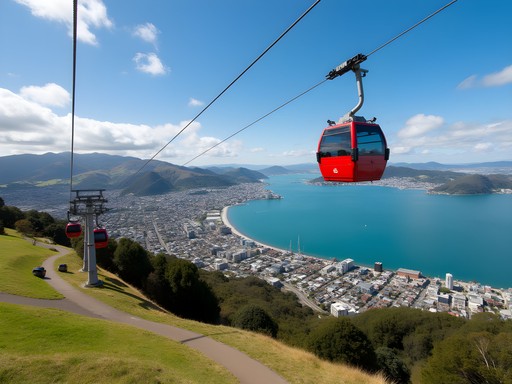
Begin at the historic Wellington Cable Car on Lambton Quay. This funicular has been editing the city's vertical distance since 1902, providing a narrative shortcut between the business district and hilltop suburbs. At the top, the Cable Car Museum offers context for this transport solution in a compact, well-curated space that doesn't demand hours of your time.
From here, wander through the enchanting Botanic Garden, following paths that wind downhill through native and exotic plantings. The garden reads like a botanical anthology, with collections representing different global ecosystems arranged with both aesthetic and scientific consideration.
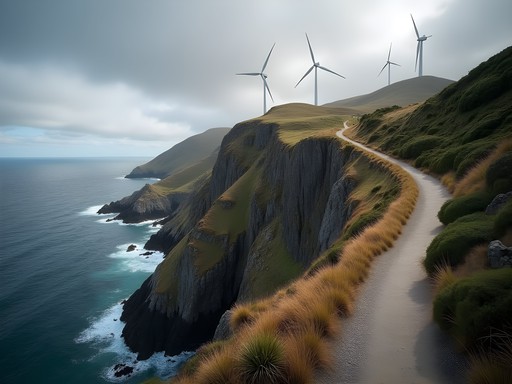
For those seeking more challenging urban hiking, the Southern Walkway offers dramatic perspectives of the city and harbor. Starting from Oriental Bay, this well-marked trail climbs residential streets and bush tracks to Mount Victoria Lookout. I tackled this on my second morning, setting out early with my travel binoculars to catch glimpses of native birds and watch the InterIslander ferry navigate the harbor entrance.
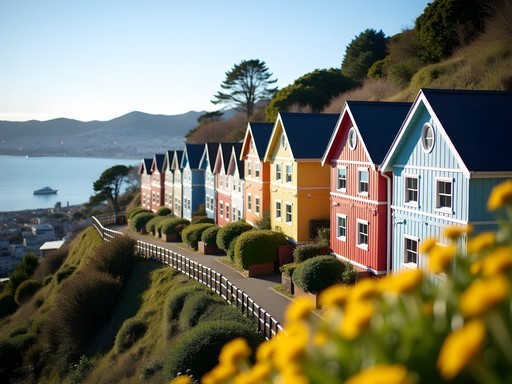
Wellington's residential architecture deserves attention during these climbs. The city's wooden houses cling to hillsides in seemingly impossible arrangements, their weatherboard facades and corrugated iron roofs creating a distinctly New Zealand vernacular. Many homes feature unexpected architectural flourishes—evidence of the creative spirit that permeates the city at every level.

💡 Pro Tips
- Purchase a day pass for public transport to save your legs on the return journey
- The free WellingtonNZ app offers excellent walking maps with elevation information
- Carry water and wear layers—weather changes rapidly as you climb

Te Aro: From Industrial Past to Creative Present
Like many post-industrial urban areas I've documented, Wellington's Te Aro district represents a compelling story of adaptation and reuse. This former warehouse precinct has undergone a thoughtful editing process, preserving architectural elements while repurposing spaces for contemporary creative use.
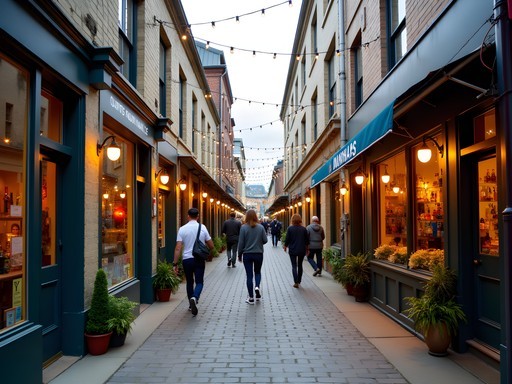
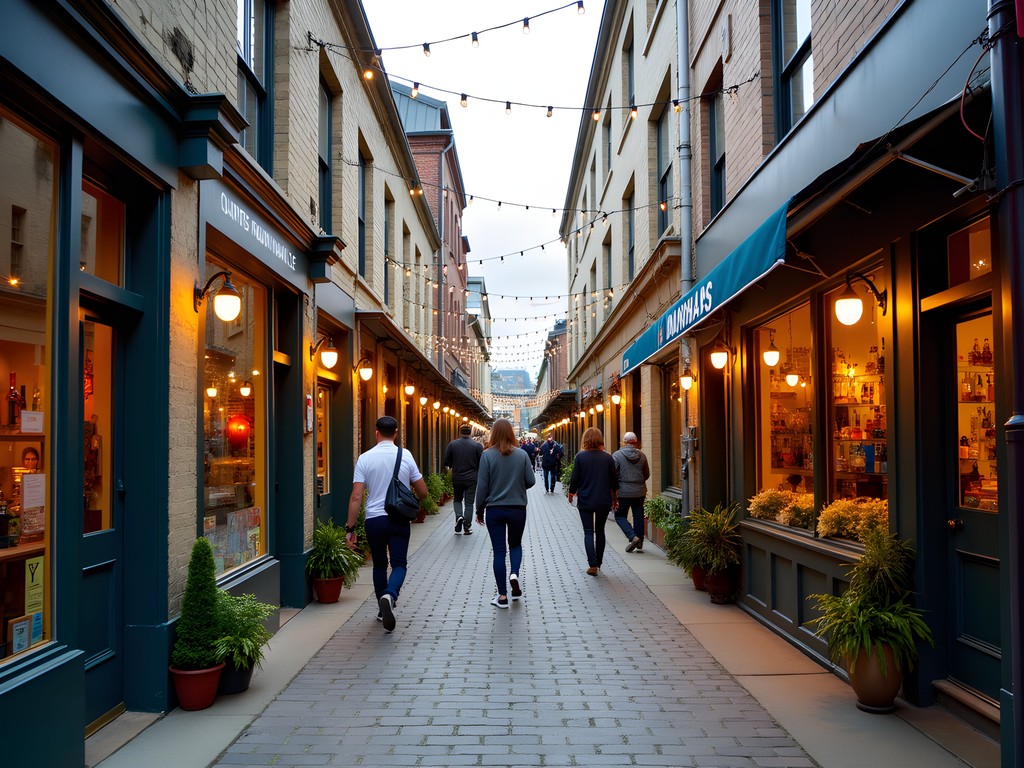
Begin your exploration at Hannah's Laneway, a microcosm of Wellington's artisanal renaissance. This once-neglected service alley now houses craft chocolate makers, peanut butter producers, and artisanal soda creators. The adaptive reuse of these industrial spaces reminds me of Toronto's Distillery District, though on a more intimate scale.
Follow Tory Street southward to experience Te Aro's evolution from industrial functionality to creative hub. The former Hannah's Factory building—once New Zealand's largest shoe factory—now houses apartments and creative enterprises, its brick facade maintaining a visual connection to the area's manufacturing past.
Art galleries like {Suite} and Bartley & Company showcase contemporary New Zealand artists in spaces that honor their industrial origins. The juxtaposition of rough concrete floors with carefully curated exhibitions creates a compelling visual dialogue between past and present.
For those interested in urban sustainability, the community gardens tucked between buildings offer examples of how cities can incorporate green spaces into dense urban environments. I spent a peaceful half-hour watching locals tend their plots, the scene reminding me of similar initiatives in post-industrial Detroit.
End your Te Aro exploration at Golding's Free Dive, a neighborhood bar with an ever-changing craft beer selection. The eclectic interior—part industrial relic, part carefully curated kitsch—provides the perfect setting to document your observations in your travel journal while sampling local brews.
💡 Pro Tips
- Visit Hannah's Laneway around lunchtime when all the artisanal food producers are open
- Many galleries are closed Mondays; plan accordingly
- Look for ghost signs—faded advertisements painted on brick buildings—that hint at the area's commercial past
Literary Wellington: A Bibliophile's Walking Tour
As someone who's spent decades immersed in publishing, Wellington's literary connections resonated deeply with me. The compact city center offers a self-guided literary walking tour that connects past and present wordsmiths who have found inspiration in this windswept harbor.
Begin at Unity Books on Willis Street, an independent bookstore that has survived and thrived in the age of digital reading. The carefully curated New Zealand section offers works you're unlikely to find elsewhere, including small press publications that rarely cross international borders. The knowledgeable staff provided recommendations that became my evening reading throughout my stay.
A short walk brings you to the former site of Barrett's Hotel on Customhouse Quay, where American author Herman Melville stayed in 1841 while aboard a whaling ship. Though the original building is gone, a small plaque marks this literary connection. Standing here, watching modern vessels navigate the same harbor that Melville observed, creates a powerful sense of temporal connection.
The National Library on Molesworth Street houses the He Tohu exhibition, where you can view three founding documents of New Zealand, including the 1840 Treaty of Waitangi. For someone who appreciates the power of words to shape nations, this respectful display of textual artifacts proves deeply moving.
End your literary pilgrimage at Meow café on Edward Street, a popular gathering spot for the city's contemporary writers and artists. The walls feature rotating exhibitions by local visual artists, while the events calendar includes poetry readings and book launches. I spent a contemplative hour here with my e-reader loaded with newly discovered New Zealand authors, the perfect technology for a traveling bibliophile with limited luggage space.

💡 Pro Tips
- Check the library's website for free lunchtime talks by authors and scholars
- Unity Books hosts regular evening book launches that visitors are welcome to attend
- The Writers Walk along the waterfront is best experienced at low tide when all text sculptures are visible
Final Thoughts
Wellington reveals itself gradually to those willing to explore on foot, much like a well-crafted story unfolds for the patient reader. In just a weekend, I found myself developing a relationship with this compact capital that feels surprisingly intimate. The city's dramatic setting—hills embracing harbor—creates a natural amphitheater where cultural and natural histories intertwine visibly. What strikes me most is Wellington's authenticity; it doesn't perform for tourists but rather invites visitors to participate in its everyday creative life. As cities worldwide struggle with homogenization, Wellington maintains a distinct sense of place worth documenting and preserving. I'll return, perhaps in another season, to continue editing my understanding of this remarkable urban narrative. Until then, I encourage you to create your own Wellington story, one step at a time.
✨ Key Takeaways
- Wellington's compact size makes it ideal for walking exploration, even with just a weekend to spare
- The city offers cultural richness and creative energy without the high prices of many capital cities
- Self-guided walks provide flexibility to discover the city at your own pace while connecting with locals
- The intersection of dramatic natural setting and vibrant urban culture creates a unique exploration experience
📋 Practical Information
Best Time to Visit
October-November (spring) offers mild temperatures and fewer tourists
Budget Estimate
$100-150 USD per day for couples (accommodation, food, activities)
Recommended Duration
2-3 days minimum
Difficulty Level
Easy To Moderate (Some Steep Streets)




Comments
winterdiver
Love the photos! Really inspiring me to finally book that NZ trip.
redseeker
What's the weather like for walking? Planning a trip in September.
Lillian Diaz
Wellington stole my heart when I backpacked through NZ two years ago. I remember walking up one of those steep streets in Te Aro and finding this tiny gallery tucked between two cafes - the kind of place you'd never find if you weren't on foot. That's the magic of this city. The wind was insane though, I actually had to buy a proper windbreaker jacket there because my light rain jacket wasn't cutting it. Your photos captured that moody Wellington atmosphere perfectly, Leah!
winterdiver
Which gallery was it? I'm heading there in a few weeks!
Lillian Diaz
I wish I could remember the name! It was somewhere off Ghuznee Street I think. Just wander and you'll find cool spots like that everywhere.
mountainwalker
How steep are the hills really? I'm not super fit and wondering if this is doable?
Lillian Diaz
Some streets are definitely steep! But you can take the cable car up to the Botanic Gardens and walk down instead. That's what I did when I was there. The waterfront route is totally flat though, so start with that one.
wanderstar
Visited Wellington last year and totally agree about Cuba Street! The vibe there is amazing. Did the waterfront walk on a super windy day and almost got blown into the harbor lol. One tip - definitely grab coffee at one of the roasteries in Te Aro, the coffee scene there is next level. How long did each walking route take you?
Leah Clark
Ha! The wind is no joke there. The waterfront walk took me about 90 minutes with stops for photos. Cuba Street I could have spent all day on honestly!
wanderstar
Good to know, thanks!
summernomad
Going there next month!
waveway
How long did each walk take you? Trying to plan out my days
Casey Andersson
The waterfront is maybe 90 minutes if you don't stop much, but honestly budget 3 hours because you'll want to grab coffee and check out the little museums along the way. Cuba Street you could do in an hour but why rush? It's made for wandering. I always tell visitors to just let Wellington happen to them - some of the best experiences are the cafes and galleries you stumble into.
winterway
Did these walks last year and they're spot on. The Te Aro section is my favorite - so much street art and those little hidden cafes everywhere. One tip though: wear GOOD walking shoes. Those hills are no joke and I made the mistake of wearing my regular sneakers. My calves were screaming by day 2. Also the waterfront walk is perfect at sunset if you time it right.
waveway
which shoes would you recommend for the hills?
winterway
anything with good arch support honestly. i switched to my hiking shoes after day 1 and it was way better
summernomad
Love this! Cuba Street looks amazing
freediver
how bad is the wind really?? planning to visit in april and wondering if i should pack different stuff
Casey Andersson
April is actually gorgeous here! The wind is real but honestly it's part of the charm. Just bring layers and a decent jacket. The wind can change everything in about 10 minutes - I've had days where I start in sunshine and end up in sideways rain by lunch. But that's Wellington for you!
freediver
thanks!! good to know
Venture X
Premium card with 2X miles, $300 travel credit, Priority Pass