


Disclosure: This article contains affiliate links. We may earn a commission from purchases at no extra cost to you, which helps our travel content.
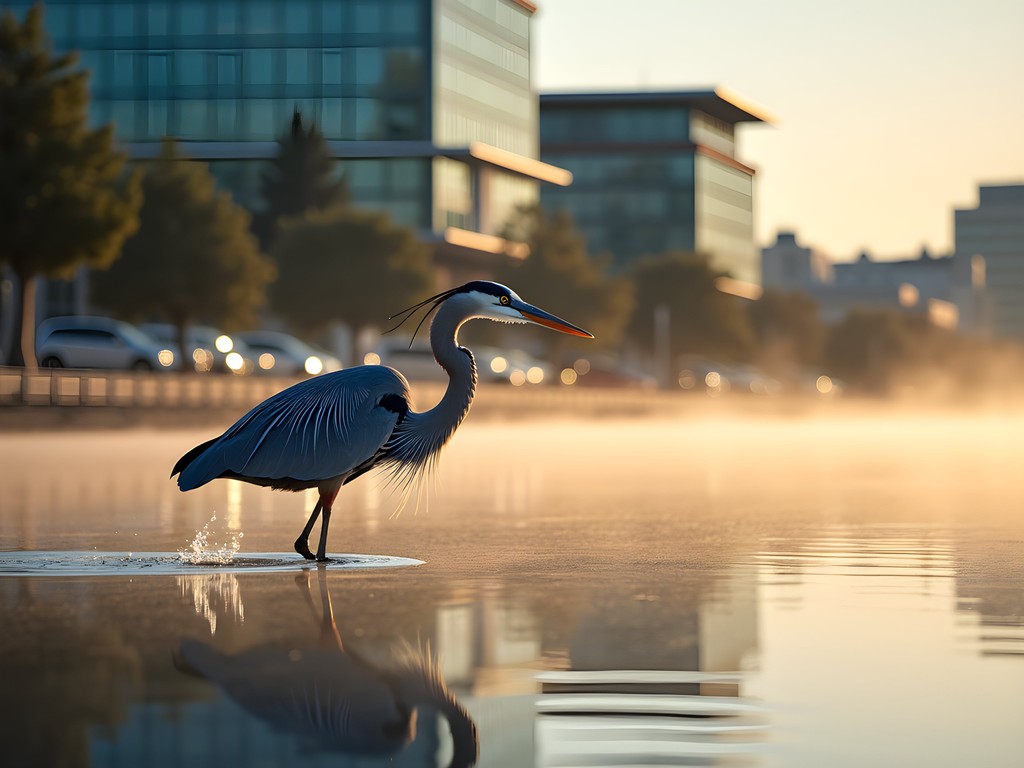
Standing at the intersection of Mill River Park, watching the morning light dance across glass skyscrapers while a great blue heron stalks through reeds below, I'm reminded that even the most developed urban environments maintain a dialogue with the natural world. Stamford, Connecticut—often dismissed as merely a corporate satellite of New York City—reveals itself as a fascinating study in urban ecology and cultural layering to those willing to look beyond the Fortune 500 facades.

The Revitalized Waterfront: Where Industry Meets Nature
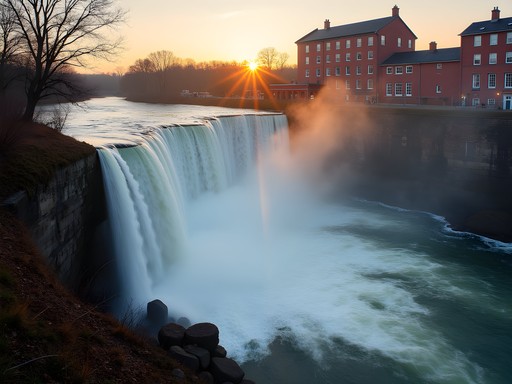
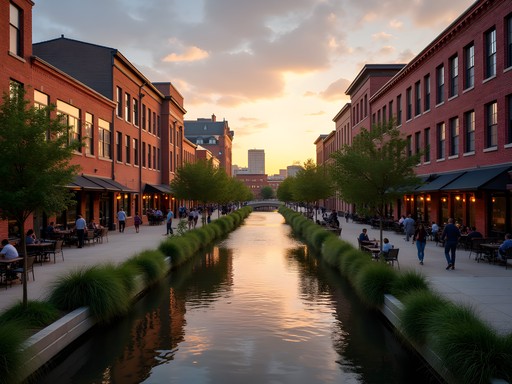
The transformation of Stamford's harbor from industrial wasteland to vibrant waterfront encapsulates everything I love about thoughtful urban regeneration. Walking along the boardwalk at Harbor Point, I trace the outlines of what once was a manufacturing hub, now reimagined as a place where people and nature coexist.
My ranger instincts draw me to the small patches of restored coastal habitat between modern buildings. These microecosystems—easy to miss if you're rushing—host surprising biodiversity. One morning, I spotted five different bird species within a restored salt marsh pocket no larger than a tennis court.
As dusk approaches, I recommend grabbing a seat at one of the waterfront restaurants. I found myself mesmerized by the sunset views while sipping a local craft beer at Sign of the Whale. For those early morning explorations when coffee becomes essential survival gear, my insulated travel mug kept my cappuccino perfectly hot during a two-hour waterfront photography session.
💡 Pro Tips
- Visit at dawn to spot wildlife in the harbor's quietest moments
- Take the water taxi for unique perspectives of the waterfront development
- Pack polarized sunglasses to cut glare when photographing the water-architecture interface
Mill River Park: Urban Wilderness Reclaimed
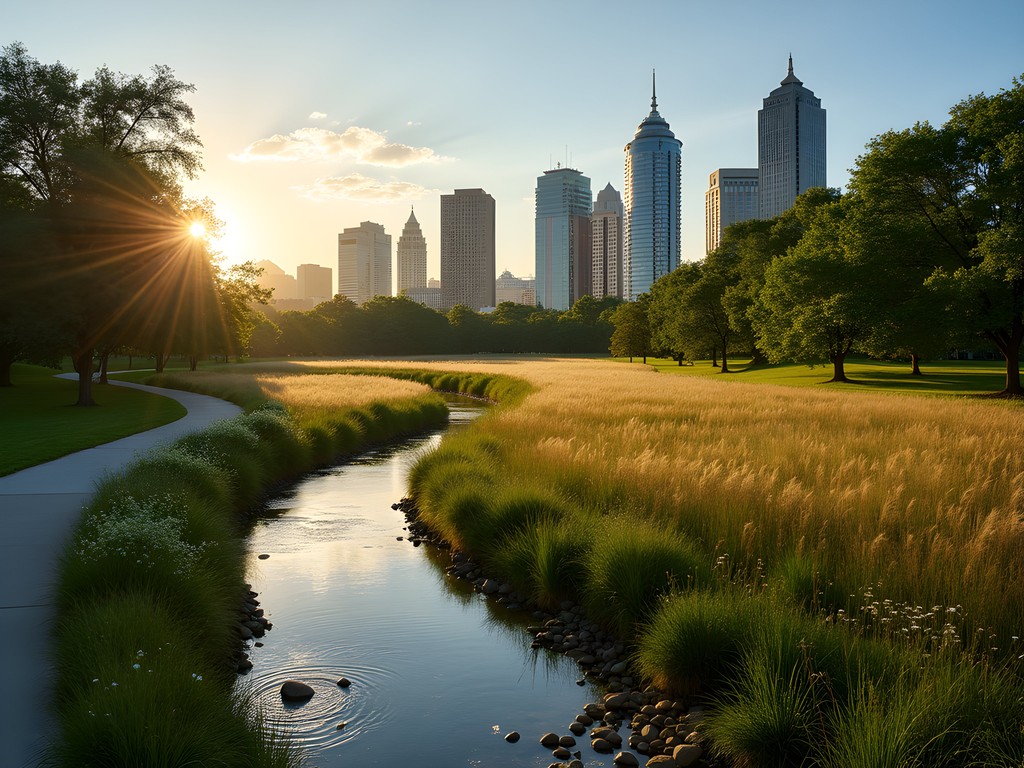
Having spent my career documenting the intersection of human development and natural spaces, Mill River Park feels like a textbook case study come to life. This 28-acre urban sanctuary represents a remarkable ecological restoration project where a concrete-channeled river was liberated and returned to its natural state.
During my visit, I joined one of the free guided ecology walks led by the conservancy volunteers. The guide, a retired botany professor, pointed out native plantings specifically chosen to support local wildlife while managing stormwater runoff—a brilliant example of functional ecological design.
The carousel pavilion serves as both community gathering space and educational center. I spent a fascinating hour speaking with the education coordinator about their programs connecting urban children with nature—work that resonates deeply with my own ranger experiences in Australia.
For comfortable exploration, I relied on my trail running shoes which provided excellent grip on both paved paths and the natural terrain near the river's edge. When an afternoon shower surprised me, my compact travel umbrella saved both my camera equipment and field notes from a drenching.
💡 Pro Tips
- Download the Mill River Park app for self-guided tour information
- Visit after rain to see the stormwater management systems in action
- Check their calendar for outdoor concerts and cultural events that showcase the space differently
Cultural Crossroads: The Stamford Museum & Nature Center
Just a short drive from downtown, the Stamford Museum & Nature Center offers a perfect blend of cultural heritage and natural exploration—something I'm always seeking in my travels. Set on 118 acres of woodland, the property centers around the 1929 neo-Tudor Bendel Mansion, now housing art exhibitions that often explore human-nature relationships.
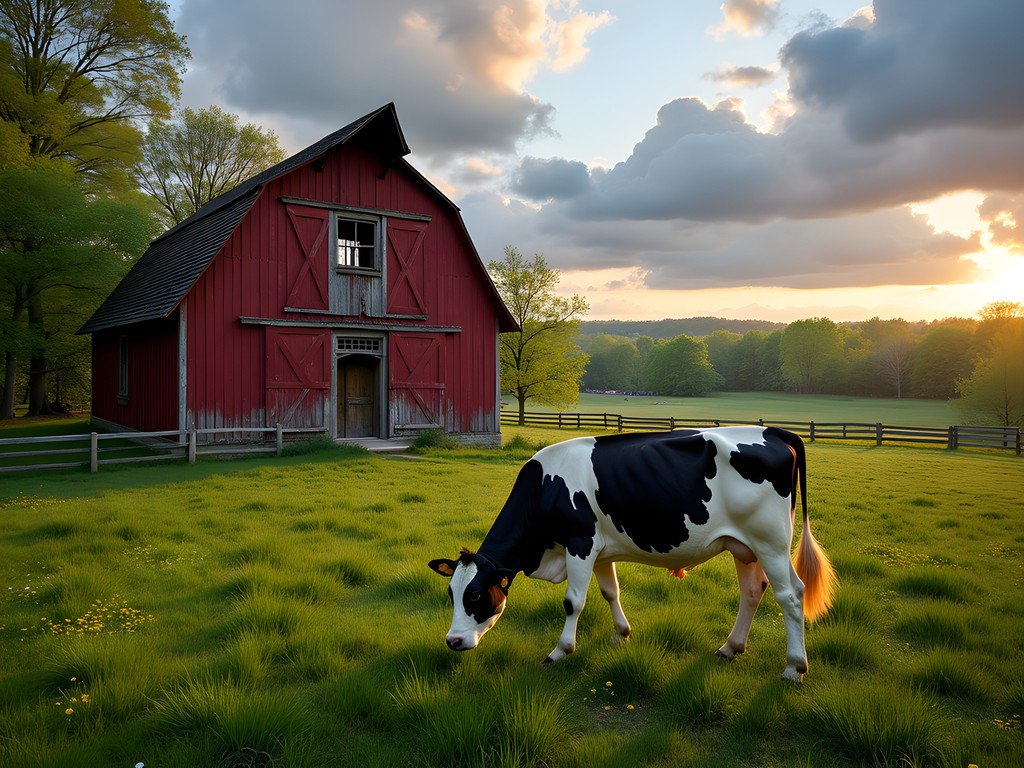
What fascinated me most was the working farm featuring heritage livestock breeds. Having documented traditional agricultural practices across several continents, I immediately recognized the importance of their conservation breeding program for Randall Lineback cattle, one of America's rarest heritage breeds.
The forest trails showcase New England woodland ecology through interpretive signage that balances scientific information with cultural history—a communication approach I strive for in my own conservation work. The maple sugar house particularly captivated me, demonstrating traditional Indigenous knowledge that informed colonial practices.
For documenting the various microclimates throughout the property, my weather meter proved invaluable, allowing me to record temperature, humidity, and wind speed variations between forest, meadow, and wetland areas—data I love comparing across different ecosystems worldwide.
💡 Pro Tips
- Time your visit for maple sugaring demonstrations in early spring
- Bring a sketchbook to capture the heritage architecture and landscapes
- Ask staff about their conservation breeding programs—they're passionate about sharing details

Architectural Time Travel: Stamford's Historic District
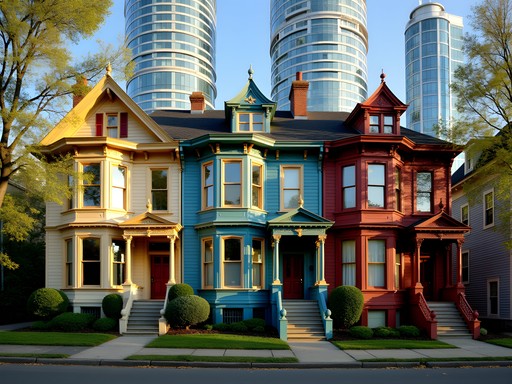
While Stamford's skyline boasts impressive contemporary architecture, it's the Historic District that truly captured my heart. Growing up surrounded by Florence's Renaissance treasures, I've developed a deep appreciation for the stories buildings tell about cultural evolution.
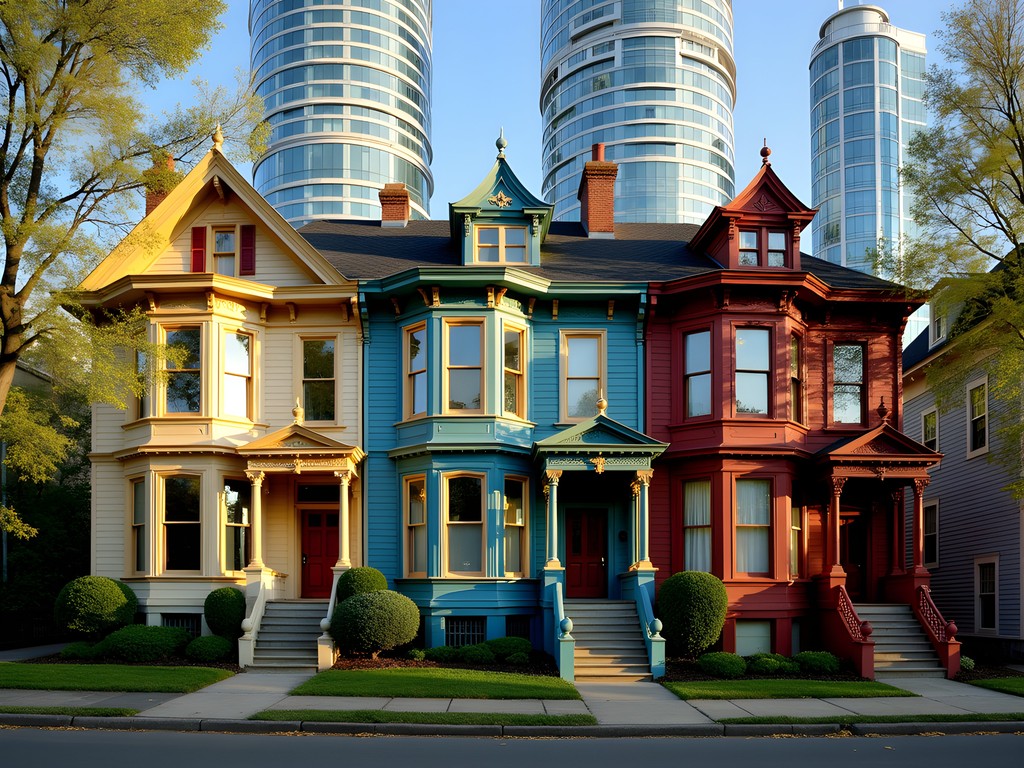
The Bedford Street Historic District offers a fascinating chronology of American architectural styles spanning nearly two centuries. I spent an afternoon with my field notebook sketching architectural details and researching the stories behind various structures. The juxtaposition of the 1699 Hoyt-Barnum House—the oldest building in Stamford—against the modern skyline creates a visual timeline of American development.
The Stamford Historical Society provided an excellent walking tour map that I enhanced with my own architectural field guide to identify specific stylistic elements. When my phone battery threatened to die mid-exploration, my solar charger came to the rescue, allowing me to continue photographing architectural details throughout the afternoon.
I was particularly moved by the adaptive reuse of several historic buildings—a practice I've documented in cities worldwide as a sustainable approach to preservation that maintains cultural continuity while acknowledging changing needs.
💡 Pro Tips
- Visit the Stamford Historical Society first to get context and walking maps
- Look up! The most interesting architectural details are often above street level
- Compare similar building types across different eras to see how architectural styles evolved
Culinary Exploration: From Corporate Lunch to Global Flavors
Stamford's dining scene offers a fascinating study in how corporate culture influences urban development while creating space for authentic cultural expression through food. The downtown area hosts an impressive diversity of cuisines reflecting the city's multicultural workforce.
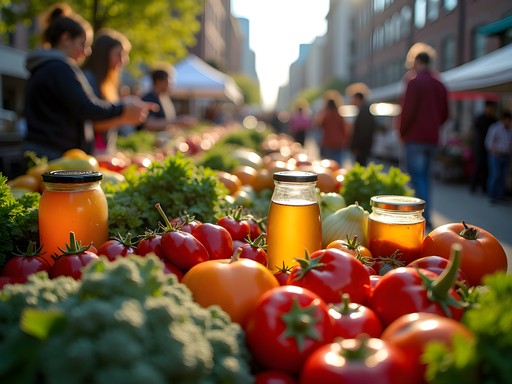
I began my culinary exploration at the Saturday farmers market in the downtown commons, where I chatted with local producers about sustainable farming practices in Connecticut. The honey vendor's detailed explanation of how suburban development affects pollinator patterns reminded me of similar conversations I've had with Indigenous knowledge keepers in Australia's Northern Territory.
For dinner, I ventured beyond the corporate-oriented establishments to discover Bedford Street's global offerings. At Teff, an Ethiopian restaurant tucked between more conventional eateries, I shared injera with two local environmental scientists who offered insights into the region's conservation challenges.
One morning, I packed my travel lunch container with market provisions and created a picnic lunch to enjoy in Mill River Park while watching local families interact with the restored natural space—one of my favorite ways to observe how urban communities connect with nature in their daily lives.

💡 Pro Tips
- Visit the farmers market early Saturday for the best selection and conversations with producers
- Look for restaurants on side streets away from the corporate center for more authentic experiences
- Ask servers about locally-sourced ingredients—many restaurants have relationships with area farms
Final Thoughts
As my weekend in Stamford draws to a close, I find myself reflecting on how this corporate hub defies easy categorization. Beyond the gleaming office towers lies a city actively negotiating relationships between its industrial past, corporate present, and sustainable future. The ongoing ecological restoration projects, preservation of historic architecture, and diverse cultural expressions through food and art reveal a community more complex than its business-center reputation suggests.
What strikes me most—as someone who studies the intersection of human development and natural spaces—is Stamford's commitment to reintroducing nature into urban design. From the liberated Mill River to harbor restoration efforts, these projects demonstrate how even highly developed environments can restore ecological functions while enhancing human experience.
I invite you to explore Stamford with curious eyes, looking beyond the corporate façade to discover the layers of history, culture, and nature that make this Connecticut city a fascinating case study in urban evolution. Whether you're extending a business trip or planning a dedicated weekend exploration, Stamford rewards those willing to venture beyond the expected paths.
✨ Key Takeaways
- Stamford offers surprising natural spaces through thoughtful urban restoration projects
- The historic district provides a visual timeline of American architectural development against a modern backdrop
- Cultural diversity flourishes in the food scene, revealing the city's global connections beyond its corporate identity
- The intersection of business hub and livable community creates unique urban exploration opportunities
📋 Practical Information
Best Time to Visit
Spring (April-June) when parks are blooming and outdoor activities resume
Budget Estimate
$150-250 per day including mid-range accommodations, meals, and activities
Recommended Duration
2-3 days (weekend trip)
Difficulty Level
Easy



Comments
redfan
Love the photos! Never thought of Stamford as a destination
starlover
Been going to Stamford for work for years and never knew about half this stuff lol. The museum & nature center is legit - we took our kids there last summer and they have farm animals and hiking trails. Also if you go, the Columbus Park area down by the water is nice for sunset. Not as polished as Mill River but way less crowded.
redfan
Good to know about Columbus Park!
Jose McDonald
Maya!! This is such a cool angle on Stamford. I drove through once and totally dismissed it as just office buildings. That Mill River Park section has me wanting to go back - the idea of kayaking through a corporate downtown is wild. Did you catch any of the food scene there? I'm always looking for spots that mix nature exploration with good eats in unexpected places. The heron photo is incredible btw!
Maya Coleman
Jose! Yes! There's this amazing Venezuelan place called Pica Pica and a great ramen spot near the park. The food scene surprised me honestly. You'd love it for a weekend adventure.
luckyace
wait stamford has herons?? how do you get there from NYC without a car?
Maya Coleman
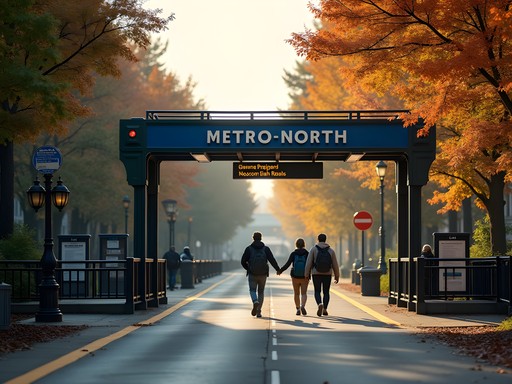
Yes! Metro-North from Grand Central takes about 50 minutes. The station is right downtown and you can walk to most places I mentioned. Mill River Park is like a 10 min walk from the train.
luckyace
awesome thanks!!
Bryce Diaz
Maya, this brings back memories! I spent a weekend in Stamford about five years ago while visiting family in Connecticut, and I was genuinely surprised by how much there was to explore. The Historic District you mentioned is a real gem – I stumbled upon this incredible vintage bookshop on Bedford Street and lost two hours just browsing. One thing I'd add for anyone planning a visit: the farmers market near Columbus Park on Sundays is fantastic. I met this elderly Italian woman selling homemade pasta who told me stories about old Stamford for half an hour. Those unplanned conversations are what travel is really about, you know? The corporate reputation really does hide how much character this place has.
islandmate2712
Adding the farmers market to my list! Going in June
islandmate2712
Love this!! Never thought of Stamford as a destination but those waterfront pics are gorgeous
islandperson
Wait, there's actual hiking in Stamford?? How long are the trails at Mill River Park?
Bryce Diaz
Not OP but I was just there last fall! The main loop is about 3 miles, super easy and flat. Perfect for a morning walk before hitting the Metro-North back to the city. The park connects to some smaller trails too if you want to explore more.
islandperson
awesome thanks!
greenstar
Anyone know if Mill River Park is dog-friendly? Planning to visit next weekend with my golden retriever.
islandace
Yes! I took my lab there last month. There's even a small dog run area near the north entrance. Just bring bags - they're strict about cleanup.
greenstar
Perfect, thanks for the tip!
springblogger8750
Just got back from Stamford and your guide was SPOT ON! We followed your suggestion to rent bikes and ride along the waterfront path - absolutely gorgeous way to see the city! The Stamford Museum was way better than I expected too. My husband is a huge history buff and couldn't stop talking about the planetarium. We stayed at that boutique hotel you mentioned near the park and used our travel binoculars to spot birds in Mill River Park - saw the heron too! Thanks for putting Stamford on our radar!
Douglas Bradley
I visited Stamford last month while doing research for my New England corporate towns series. What struck me most was the architectural contrast between the downtown glass towers and the preserved 19th century buildings in the historic district. The adaptive reuse of old industrial buildings along the harbor is particularly fascinating - a microcosm of how post-industrial American cities are evolving. Maya, your observation about the heron in Mill River Park perfectly captures this juxtaposition of nature reclaiming space within urban development. Did you get a chance to explore the speakeasy-style cocktail bar hidden behind that bookstore downtown? That was my unexpected highlight.
greenstar
Wait, there's a speakeasy behind a bookstore? I live 20 minutes from Stamford and had no idea! What's it called?
Douglas Bradley
It's called The Hidden Chapter! You enter through the back of Ferguson Library's used bookstore section. They don't advertise much - very much a locals' spot with great craft cocktails.
Venture X
Premium card with 2X miles, $300 travel credit, Priority Pass