

Disclosure: This article contains affiliate links. We may earn a commission from purchases at no extra cost to you, which helps our travel content.
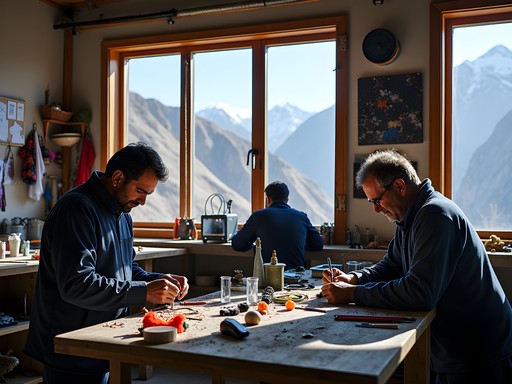
Standing on a quiet ridge overlooking the Indus River, my drone hovering silently above Skardu's dramatic landscape, I'm struck by how this remote Pakistani mountain paradise represents a fascinating intersection of ancient tradition and emerging modernity. After two decades analyzing urban spaces, I've developed an eye for places where innovation meets heritage—and Skardu offers this juxtaposition in the most spectacular setting imaginable. While most travelers come for the famous Baltoro Glacier treks or as a gateway to K2 expeditions, my recent summer exploration revealed hidden corners where technology, sustainability, and centuries-old mountain culture create experiences that defy conventional travel narratives.

Kharpocho Fort: A Digital Preservation Marvel
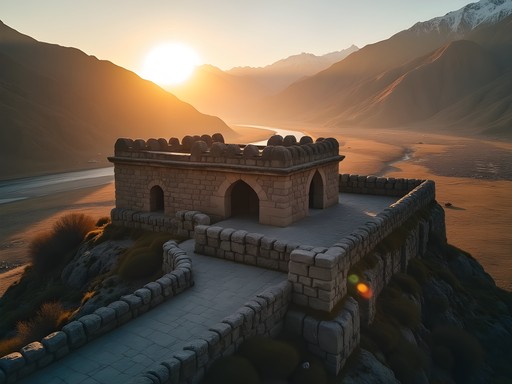
Most visitors photograph Kharpocho Fort from a distance, but few realize it houses one of Pakistan's most innovative digital heritage preservation projects. After my hiking accident five years ago limited my ability to climb steep terrain, I've become particularly appreciative of technologies that make cultural sites more accessible. The fort's new augmented reality experience, developed by local tech entrepreneurs with support from the Aga Khan Trust, allows visitors to witness the structure's evolution across eight centuries.
I spent a mesmerizing afternoon navigating the fort's stone corridors with the iPad Pro I always travel with, watching holographic recreations of historical figures materialize before me. The real magic happened at sunset when I launched my drone from a designated platform to capture the fort bathed in golden light against the backdrop of the Karakoram range. The footage revealed architectural details invisible from ground level, including ancient water management systems that demonstrate remarkable engineering ingenuity.

💡 Pro Tips
- Visit on weekdays before 10am to avoid tour groups and have better access to the AR equipment
- Download the Kharpocho Heritage App before your visit for enhanced experience and historical context
- Bring your drone but register it first with the site management office to get approved flight zones
Organic Apricot Collective: Agricultural Innovation in Khaplu
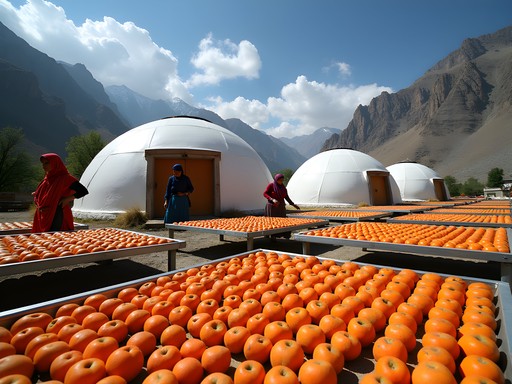
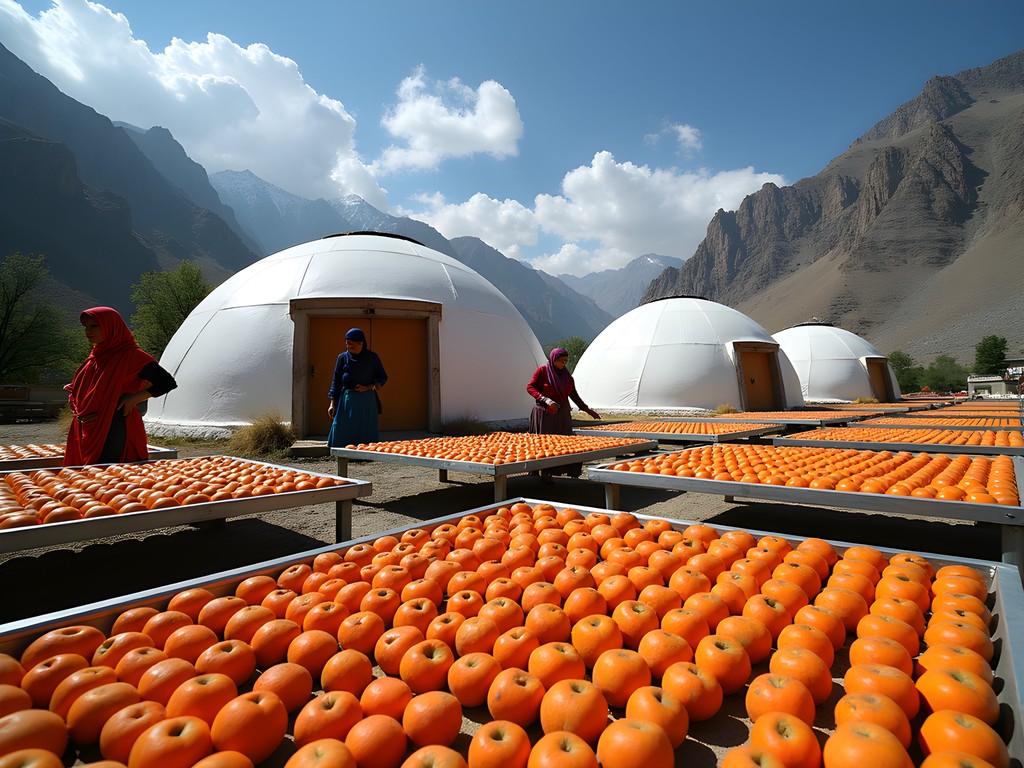
An hour's drive from central Skardu lies the village of Khaplu, where I discovered a remarkable cooperative transforming traditional apricot farming through technological innovation. The Organic Apricot Collective, run primarily by women entrepreneurs, has integrated solar-powered dehydration systems with mobile tracking applications to revolutionize their ancient agricultural practices.
What makes this collective truly special is their transparent supply chain technology—visitors can scan QR codes on any product to trace its journey from specific orchards to packaging. During my visit, I was invited to participate in their harvest using specialized picking tools that protect the delicate fruit. Later, I documented their solar dehydration domes with my mirrorless camera, capturing how traditional knowledge and modern sustainability principles have merged.
The collective's small café serves incredible apricot-based cuisine, including a mountain tea infused with apricot blossoms that I'm still dreaming about weeks later. Their sustainable packaging, made from upcycled agricultural waste, represents the thoughtful innovation I've seen emerging across Asia's remote communities adapting to climate change while preserving cultural practices.
💡 Pro Tips
- Call ahead to arrange a tour of the dehydration facility—it's not always open to the public
- Visit during July-August for harvest activities and the chance to participate in picking
- Purchase their specialty products directly from the collective rather than in Skardu shops to ensure maximum benefit goes to the producers
Sadpara Lake's Floating Research Station
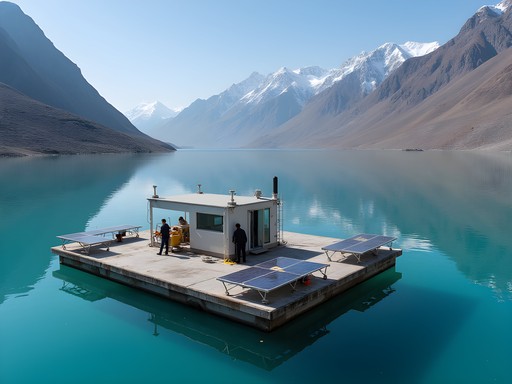
While tourists flock to the shores of Sadpara Lake for its postcard-perfect beauty, few venture to its eastern edge where a remarkable floating research station monitors this critical water resource. After connecting with local environmental scientists through LinkedIn before my trip, I secured a rare invitation to visit this solar-powered platform that collects real-time data on water quality, glacial melt patterns, and ecosystem health.
The station represents a collaboration between Pakistani universities and international climate research organizations, creating an unobtrusive technological presence in this pristine setting. What fascinated me most was how the researchers have integrated indigenous knowledge systems with cutting-edge monitoring technology—local fishermen contribute observations through a specialized mobile app that supplements the station's automated readings.
I spent a full day documenting the station with my drone and participating in water sampling. The researchers provided me with specialized waterproof boots for wading into the shallows—essential gear I wish I'd brought myself. As the sun began to set, we analyzed the day's samples using portable spectrometers that fit in a backpack, demonstrating how science can now reach even the most remote locations without extensive infrastructure.

💡 Pro Tips
- Contact the Gilgit-Baltistan Environmental Protection Agency at least two weeks ahead to request a research station visit
- Bring waterproof gear if you want to participate in sampling activities
- Visit on Thursdays when the research team conducts their weekly comprehensive monitoring

Shigar Valley's Smart Agricultural Terraces
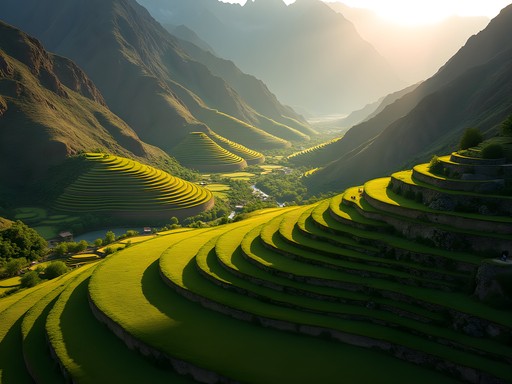
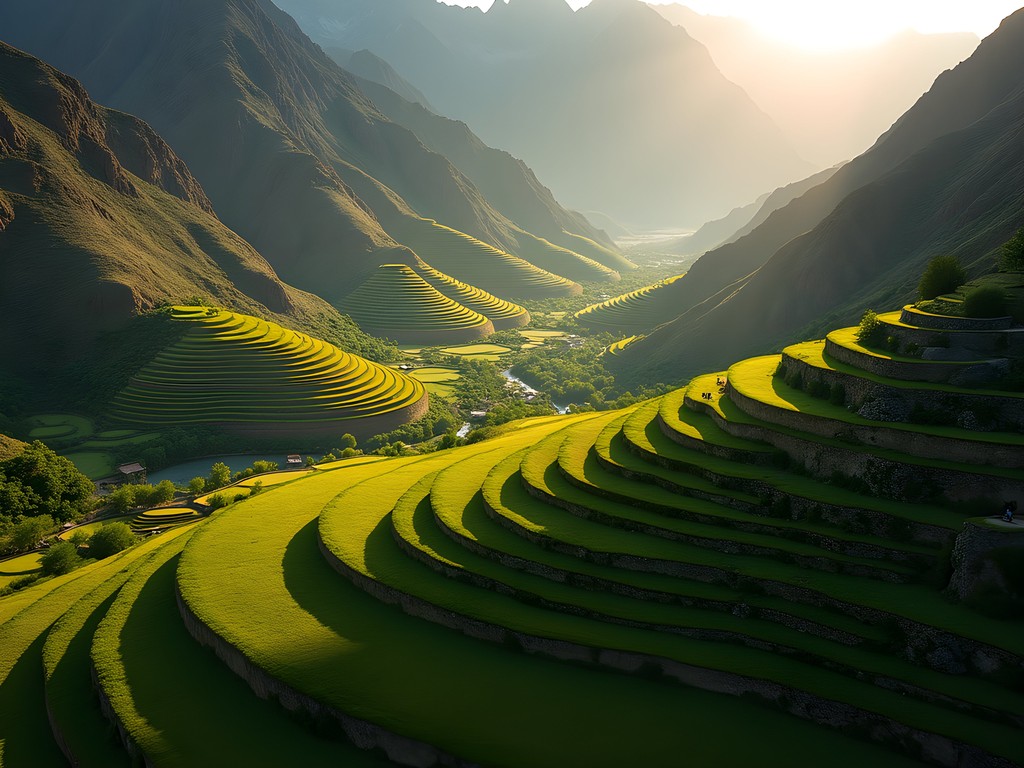
The ancient agricultural terraces of Shigar Valley have sustained communities for centuries, but what drew me there was hearing about their remarkable adaptation of smart farming techniques. Using minimal technology with maximum impact, local farmers have integrated simple soil sensors, micro-irrigation systems, and mobile applications to optimize water usage and crop yields in this water-scarce region.
With my background in urban planning, I was particularly impressed by how these innovations were implemented with complete respect for the historical terracing patterns that define the landscape. Nothing looks out of place or disrupts the breathtaking views, yet agricultural productivity has increased significantly.
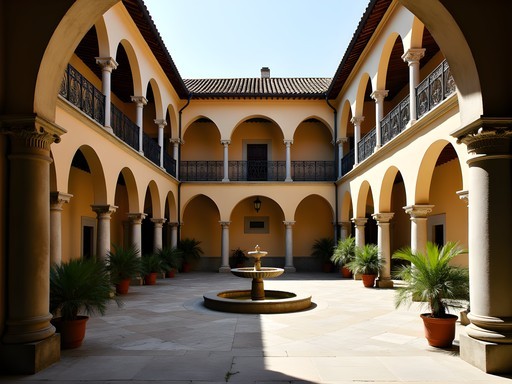
I spent two days hiking through these terraces with a local guide who explained how traditional knowledge of microclimates and soil conditions informed the placement of sensors. My hiking boots proved essential for navigating the sometimes slippery terrace paths. Each evening, I returned to the Shigar Fort Residence, a heritage hotel where I could download and analyze my drone footage of the terracing patterns while enjoying locally-sourced cuisine.
💡 Pro Tips
- Arrange a specialized agricultural tour through the Shigar Development Forum rather than standard tourist offerings
- Visit during early morning or late afternoon for the best light on the terraces
- Respect privacy and always ask permission before photographing farmers working with their technology
Manthoka Waterfall Community Technology Hub
The spectacular Manthoka Waterfall appears in guidebooks, but visitors rarely venture beyond the main viewing platform to discover the remarkable community technology hub established in a renovated heritage building nearby. This former granary now houses a solar-powered digital center providing internet connectivity, technological education, and digital entrepreneurship resources to local youth.
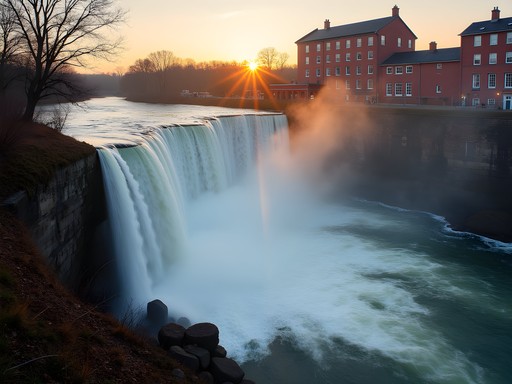
Funded through a unique partnership between international development agencies and Pakistan's tech sector, the hub represents a model for how remote communities can participate in the digital economy without urban migration. During my visit, I observed teenagers creating stunning digital art inspired by local cultural motifs and young entrepreneurs developing e-commerce platforms for traditional handicrafts.
I spent an afternoon conducting an impromptu drone photography workshop for interested students, sharing techniques for capturing their homeland's beauty from new perspectives. The center's portable power station proved invaluable for charging all our devices during the session. What struck me most was how this technology access was strengthening cultural pride rather than diminishing it—these young people were using digital tools to document and share their heritage in ways previous generations couldn't have imagined.

💡 Pro Tips
- Visit on weekends when student projects are showcased to the public
- Bring technological skills to share—the hub welcomes visitors who can conduct informal workshops
- Purchase digital art prints created by local youth—they make unique souvenirs while supporting the program
Hushe Valley's Mountaineering Innovation Workshop
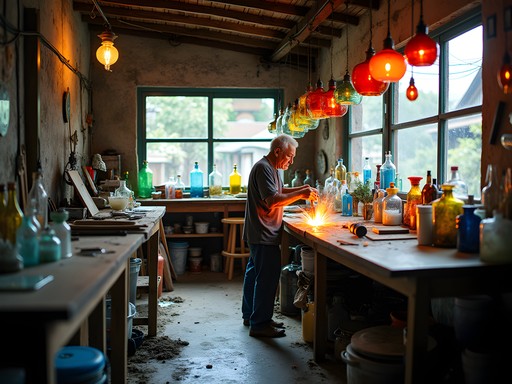
The remote Hushe Valley is known among serious mountaineers as the gateway to some of the world's most challenging peaks, but few travelers discover the remarkable innovation workshop established by former porters and climbers in the main village. Here, traditional knowledge of mountain conditions meets modern materials science to create specialized equipment adapted for the extreme Karakoram environment.
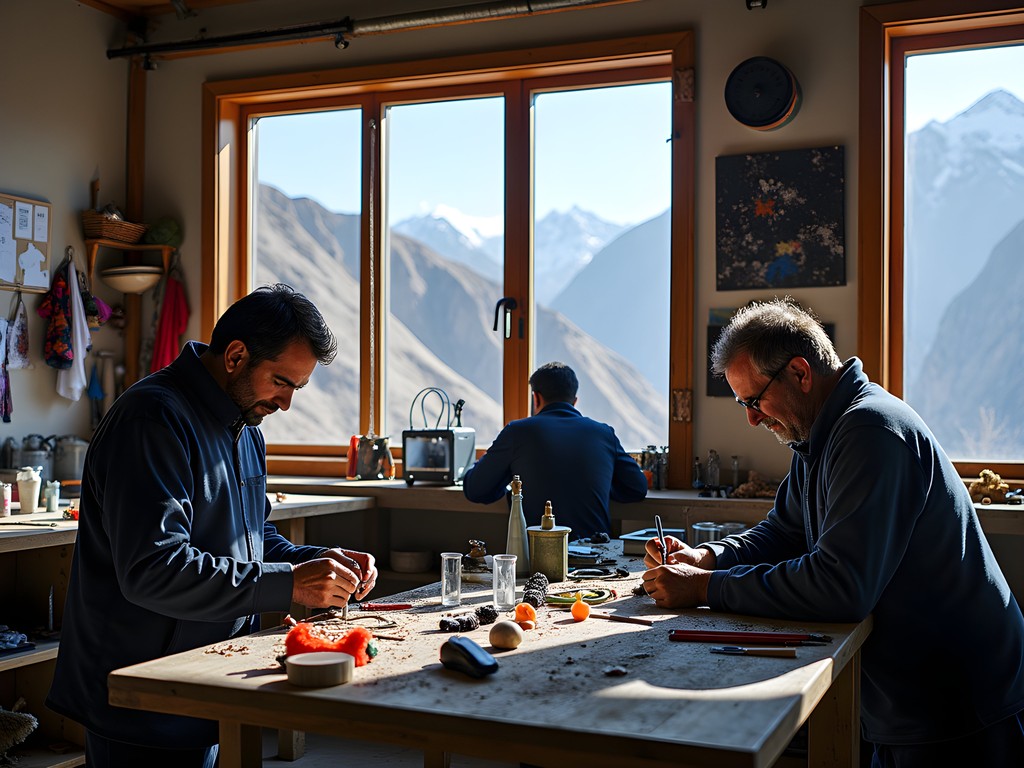
What began as a repair shop for damaged climbing gear has evolved into a laboratory for sustainable mountaineering innovation. The workshop's signature achievement is developing crampons and ice axes using recycled materials that perform exceptionally well in local conditions. I was particularly impressed by their solar-powered 3D printer that produces replacement parts for equipment that would otherwise become waste.
As someone who rediscovered outdoor adventure after my hiking accident, I was moved by their adaptive equipment program that creates customized tools for climbers with disabilities. I documented their work with my action camera, capturing the precision craftsmanship alongside breathtaking mountain views visible through the workshop windows. The day ended with a demonstration of their latest prototype—a biodegradable high-altitude tent stake designed to replace the thousands of metal stakes abandoned on mountainsides each season.
💡 Pro Tips
- Call ahead as the workshop isn't always open to visitors—they prioritize production work
- Bring broken outdoor gear for their recycling program
- Their equipment testing sessions on nearby slopes are open to visitors with proper experience—ask about schedules
Basho Valley's Astronomical Observation Point
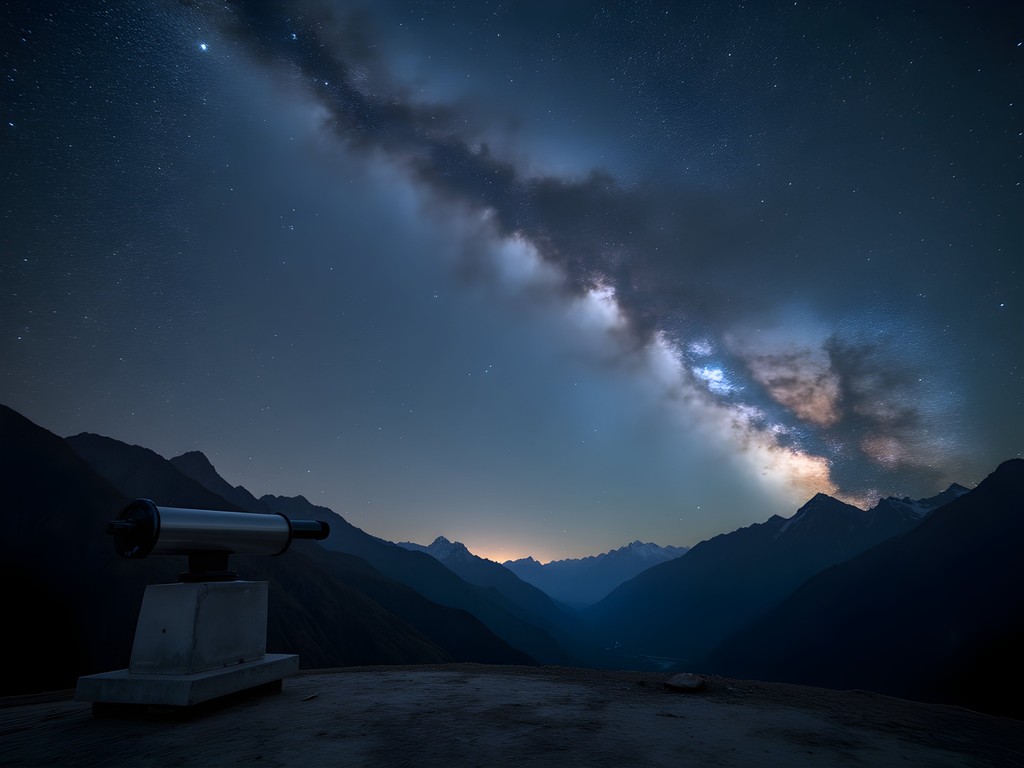
My final discovery came by pure serendipity when a local guide mentioned a little-known astronomical observation point established in the remote Basho Valley. This site combines ancient astronomical knowledge—the region has a rich history of celestial observation dating back centuries—with modern technology that makes the night sky accessible to both researchers and visitors.
The observation point features simple concrete platforms designed for telescope mounting, with power outlets connected to a small solar array. What makes this site special isn't sophisticated equipment but rather its location in one of the few remaining truly dark sky regions on earth, now protected by local light pollution ordinances.
I arrived prepared with my travel telescope and spent an unforgettable night photographing the Milky Way arching over K2 in the distance. A local astronomy enthusiast who maintains the site shared his knowledge of both Western astronomical classifications and traditional Balti star lore, creating a beautiful synthesis of knowledge systems.
The community has wisely kept this location relatively unpromoted, preserving its pristine viewing conditions. As development reaches more remote areas of Pakistan, such dark sky preservation efforts represent a form of environmental conservation that's often overlooked but increasingly precious in our light-polluted world.
💡 Pro Tips
- Bring your own astronomical viewing equipment—nothing is provided on-site
- Visit during new moon periods for optimal viewing conditions
- Arrange transportation back to Skardu in advance as no accommodations exist nearby
Final Thoughts
As my drone made its final descent on my last evening in Skardu, capturing the fading alpine light across this extraordinary landscape, I reflected on how this remote region defies the typical narrative about technology in mountain communities. Rather than eroding tradition, the technological adaptations I witnessed throughout the Baltistan region are preserving cultural heritage, enhancing sustainability, and creating new economic opportunities that allow young people to remain connected to their ancestral homes.
What makes Skardu's hidden gems so compelling isn't just their undiscovered status—though the joy of experiencing these places without crowds certainly adds to their appeal. Rather, it's how each site represents a thoughtful integration of innovation with tradition, creating experiences that feel both timeless and forward-looking. As urban technology specialists increasingly look to remote communities for sustainable development models, Skardu offers valuable lessons in how technological adaptation can enhance rather than diminish cultural identity. Whether you're a technology enthusiast, a sustainability advocate, or simply a traveler seeking meaningful connections beyond the typical tourist circuit, these seven hidden corners of Skardu promise experiences that will transform your understanding of Pakistan's mountain paradise.
✨ Key Takeaways
- Skardu's lesser-known sites showcase innovative integration of technology with traditional mountain culture
- Visiting during summer months provides optimal access to all seven locations while avoiding harsh winter conditions
- Arranging specialized guides who understand both the technological and cultural significance of these sites greatly enhances the experience
- Supporting community-based initiatives like the Organic Apricot Collective and Manthoka Technology Hub creates positive impact beyond tourism
📋 Practical Information
Best Time to Visit
June through September
Budget Estimate
$100-150 per day including accommodations, transportation, and activities
Recommended Duration
7-10 days
Difficulty Level
Moderate



Comments
nomadmood
Really love your photography style Claire! The lighting in that sunset shot over the Indus is perfect.
luckychamp6518
Going there next summer! Can't wait
Douglas Bradley
The digital preservation work at Kharpocho Fort is particularly noteworthy. I've been following similar initiatives across South Asia, and what makes Skardu's approach unique is the community involvement in the documentation process. Local historians and elders are actively participating in creating the digital archive, which adds invaluable context that pure technological scanning would miss. It's a model other heritage sites should study. The intersection of traditional knowledge and modern preservation technology is exactly where cultural tourism needs to head.
coffeehero
How difficult is it to get to Skardu? Do I need a guide or can I explore independently?
nomadmood
Not OP but I went last year! You can fly from Islamabad (weather permitting) or take the Karakoram Highway which is an adventure itself. Independent travel is totally doable once you're there, locals are super helpful.
coffeehero
awesome thanks!
Taylor Moreau
Excellent piece, Claire. I visited Skardu last autumn for a conference on sustainable mountain tourism and was equally impressed by the agricultural innovations happening there. The smart terracing in Shigar Valley is genuinely world-class. One tip for business travelers: mobile connectivity can be spotty, so download offline maps and essential documents beforehand. The hospitality sector is developing rapidly though - several new boutique hotels have opened that cater well to international business visitors.
Douglas Bradley
Taylor, would love to hear more about that conference. I'm researching agricultural heritage sites in Central Asia and the Shigar terraces sound fascinating from a cultural preservation standpoint.
roamway
Those apricot orchards look stunning!
dreamadventurer
This is amazing! I've been wanting to visit Pakistan for ages but never knew where to start. The floating research station at Sadpara Lake sounds incredible - is it open to tourists or just for scientists? Also curious about the drone footage you mentioned - did you need special permits to fly there? I've heard Pakistan has gotten pretty strict about drone regulations in certain areas.
Claire McDonald
Great question! Yes, you definitely need permits for drone flying - I got mine through the local tourism office in Skardu. The research station does occasional public tours, best to inquire at your hotel when you arrive.
dreamadventurer
Thanks so much! Adding this to my bucket list for sure.
exploreking
WOW!!! I've been to Pakistan twice but never made it to Skardu - what a mistake! Those apricots look DIVINE and I'm obsessed with that floating research station concept! Adding this to my 2026 travel plans IMMEDIATELY! Your drone footage is absolutely spectacular, Claire! Do the locals speak any English or should I learn some basic Urdu phrases?
backpacklover
Basic Urdu helps but many in tourism speak English. 'Shukriya' (thank you) goes a long way!
backpacklover
Best time to visit? Winter too harsh?
Claire McDonald
Summer and early fall are ideal. Winter (Dec-Feb) is beautiful but extremely cold with limited access to some areas. Roads can close after heavy snow.
Hunter Thompson
OMG Claire this post is EXACTLY what I needed!!! Heading to Pakistan next month and Skardu wasn't even on my radar until now! Those smart agricultural terraces in Shigar Valley sound INCREDIBLE - sustainability and ancient farming techniques coming together is my JAM! Did you have trouble getting permits for your drone? I've heard mixed things about flying in Pakistan. Also, how long would you recommend staying to properly explore these hidden gems? I've got about 5 days I could spend there. LOVE your photography style btw - those golden hour shots of the valley are STUNNING! 📸✨
Claire McDonald
Thanks Hunter! 5 days is perfect for Skardu. For drone permits, I applied online through the Pakistan Civil Aviation Authority a month before - pretty straightforward. Just avoid flying near military areas. Can't wait to see your photos!
Venture X
Premium card with 2X miles, $300 travel credit, Priority Pass