
Disclosure: This article contains affiliate links. We may earn a commission from purchases at no extra cost to you, which helps our travel content.
There's a certain ma (間) – that untranslatable Japanese concept of negative space – between Seattle's towering landmarks and what lies beneath its rain-washed surface. As someone who straddles cultural worlds professionally, I've found Seattle to be a kindred spirit: a city of duality where innovation and tradition create something entirely new in the spaces between. During a recent spring translation project for a tech firm expanding from San Francisco to the Pacific Northwest, I discovered that the Emerald City's true character isn't found in its skyline but in the creative undercurrents that pulse through its neighborhoods.

Capitol Hill's Artistic Metamorphosis
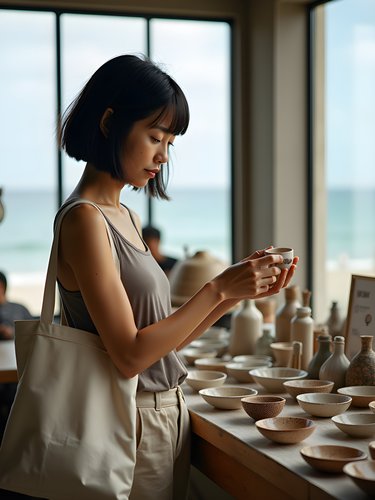
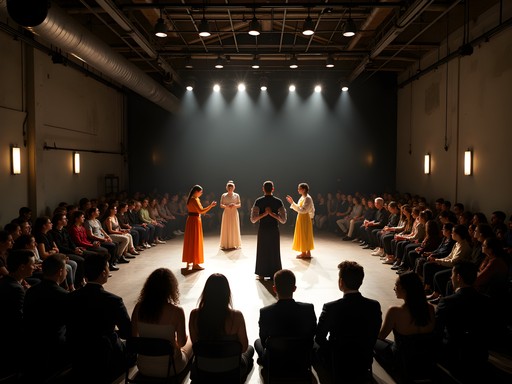
Capitol Hill embodies Seattle's cultural dichotomy – historic theaters alongside avant-garde galleries, century-old bookstores neighboring experimental performance spaces. During my week exploring this neighborhood, I found myself drawn to Velocity Dance Center, where contemporary choreography challenges traditional movement vocabularies in ways that reminded me of the boundary-pushing butoh performances I'd witnessed in Tokyo.
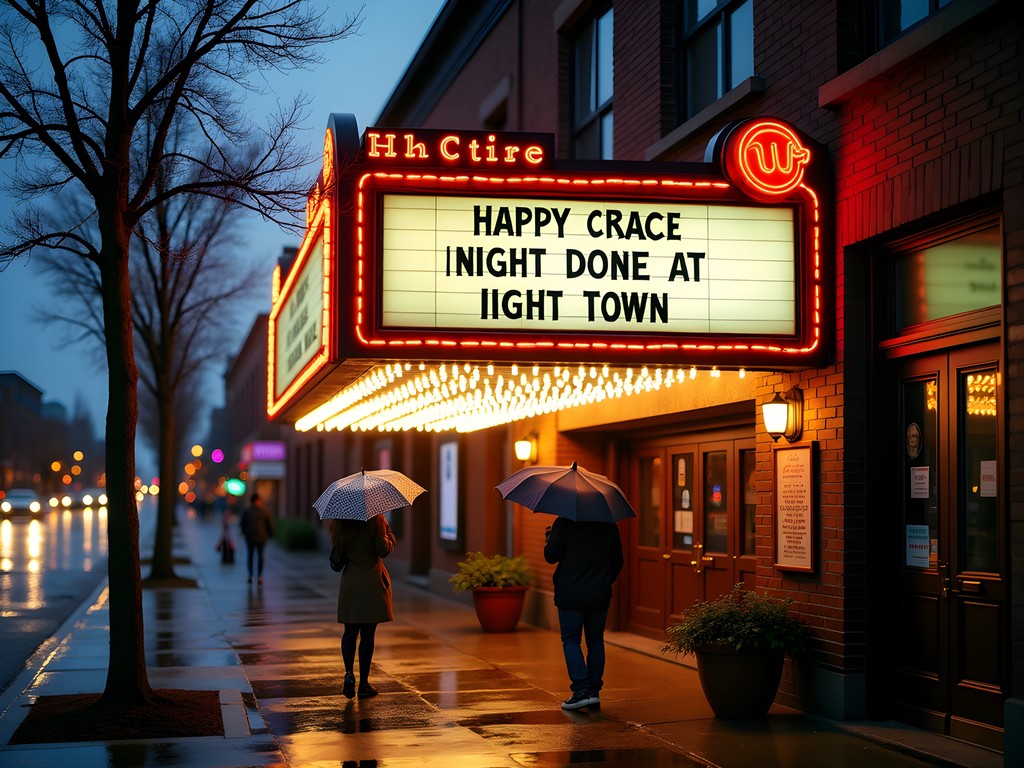
The neighborhood's artistic pulse is perhaps most palpable after dusk. One rainy evening, I ducked into Northwest Film Forum where a Japanese independent film festival was underway. The intimate screening room, filled with cinephiles wrapped in rain jackets and clutching cups of locally-roasted coffee, felt like stumbling upon a secret society of art devotees.
I stayed dry throughout my explorations thanks to my packable rain jacket, which proved indispensable for Seattle's notorious spring showers while being lightweight enough to carry in my day bag when the sun made its occasional appearance.
💡 Pro Tips
- Visit Velocity Dance Center on 'pay-what-you-can' Thursdays to experience cutting-edge choreography
- Check Northwest Film Forum's calendar for international film festivals and director Q&As
- The Elliott Bay Book Company hosts intimate author readings almost daily – arrive early for seating
Georgetown: Industrial Aesthetics Meet Artistic Revolution
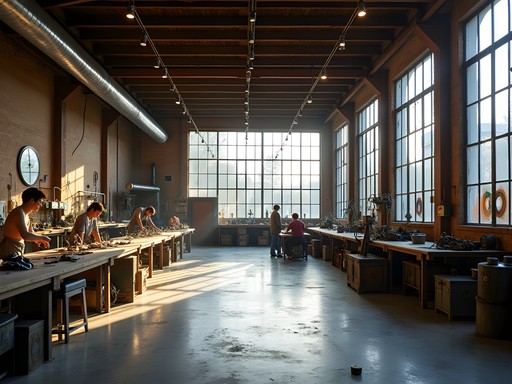
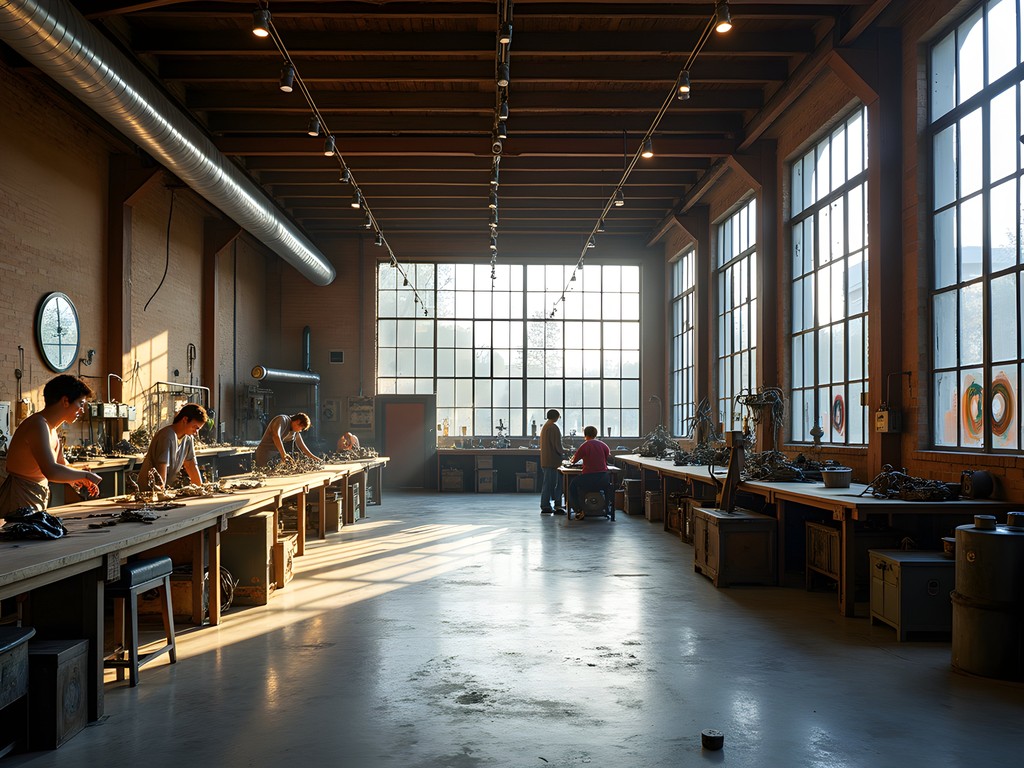
Seattle's Georgetown neighborhood embodies what Japanese aesthetics would call wabi-sabi – the beauty of imperfection and impermanence. Former warehouses and manufacturing plants now house some of the city's most innovative art collectives. The juxtaposition of industrial history with contemporary creativity creates a tension that's almost palpable.
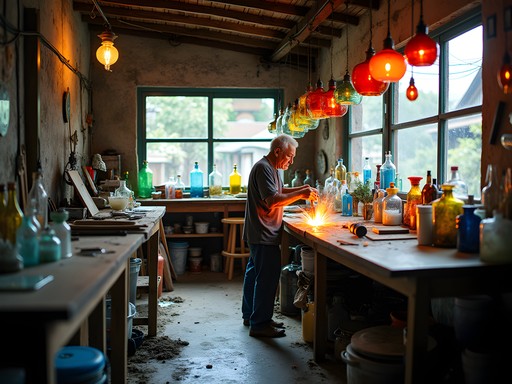
During my exploration, I discovered Equinox Studios, a sprawling complex where blacksmiths, glassblowers, and sculptors work in converted machine shops. The sound of hammers striking metal mingles with experimental music from neighboring studios – a symphony of creation that transcends language barriers.
For capturing the dramatic interplay of light in these industrial spaces, I relied on my portable light meter. The device helped me photograph the stark contrasts between shadow and illumination in these converted warehouses, preserving memories of spaces where Seattle's artistic heritage is being actively forged.
Don't miss the monthly Art Attack, when studios open their doors to the public. I witnessed glassblowing demonstrations and metalworking techniques that reminded me of traditional kogei (工芸) craft practices in Kyoto, yet reinterpreted through a distinctly Pacific Northwest lens.
💡 Pro Tips
- Visit during the Georgetown Art Attack on second Saturdays for open studios and demonstrations
- Many studios welcome visitors by appointment – don't hesitate to email artists directly
- The Georgetown Trailer Park Mall showcases unique handmade goods from local artists in vintage Airstream trailers
Pioneer Square's Literary Underground
Seattle's oldest neighborhood harbors its most vibrant literary scene. Pioneer Square's cobblestone streets and historic architecture house independent bookstores, publishing houses, and reading spaces that honor the written word in all its forms.
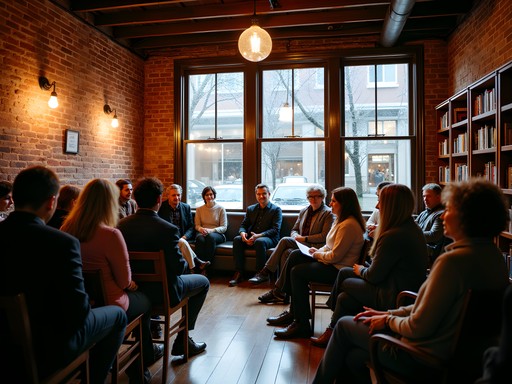
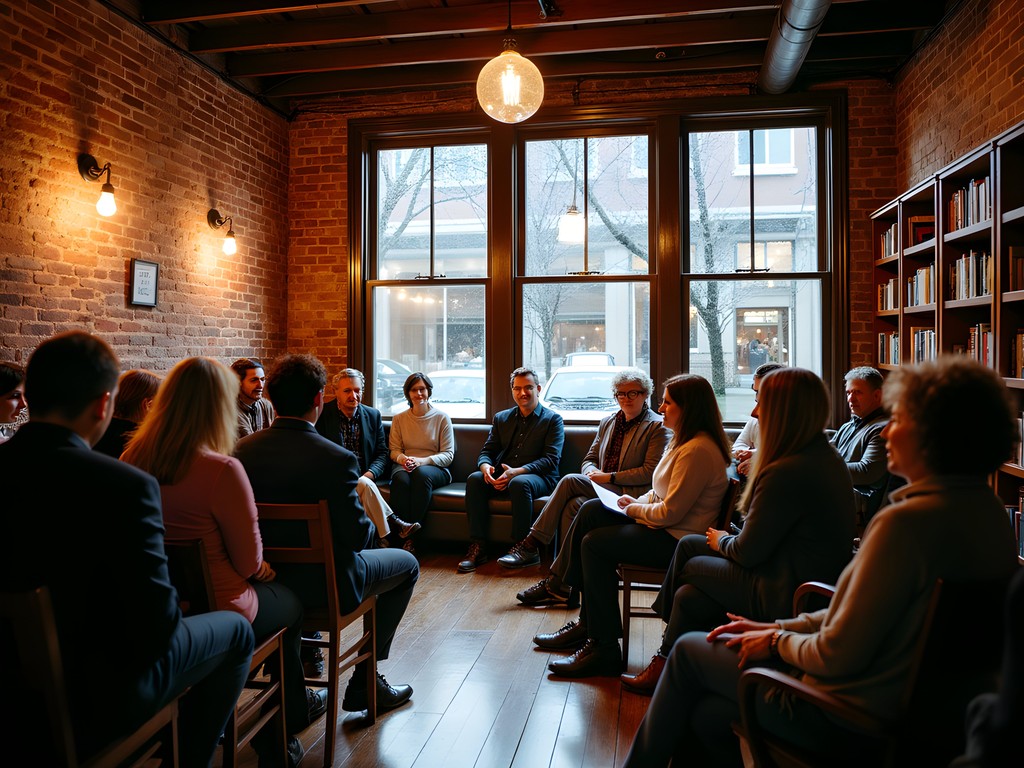
At the heart of this literary ecosystem is the Hugo House, where I attended a multilingual poetry reading that bridged English, Japanese, and indigenous Lushootseed language. As a translator, I was moved by how the poets navigated the spaces between languages – finding meaning not just in words but in the silences between them.
For writers and readers exploring Seattle, I recommend the waterproof notebook. Seattle's frequent spring drizzles won't damage your notes or sketches, allowing you to document inspirations throughout the neighborhood regardless of weather.
The Seattle Poetry Slam at Vermillion Art Gallery and Bar offers another window into the city's literary soul. Here, I witnessed performers weaving narratives that addressed everything from tech-industry gentrification to environmental activism – stories that couldn't be told anywhere else but Seattle.
💡 Pro Tips
- Check Hugo House's calendar for workshops and readings open to the public
- Elliott Bay Book Company's basement café is perfect for reading while sheltered from rain
- The Seattle Poetry Slam at Vermillion happens every Tuesday – arrive by 7:30pm to secure a seat

International District's Cultural Fusion
Seattle's International District offers a multisensory journey through Asian cultural influences that have shaped the city for generations. As someone who navigates Japanese and American identity daily, I found profound resonance in this neighborhood where traditions blend and transform.
Beyond the tourist-frequented restaurants lies the Wing Luke Museum, which chronicles Asian American experiences in the Pacific Northwest. During my visit, an exhibit on Japanese American internment during World War II presented personal narratives that echoed stories my own grandfather shared – histories that demand remembrance.
For appreciating the architectural details of the historic buildings, I found my compact monocular invaluable. This lightweight viewing tool allowed me to examine intricate façade elements and traditional signage that might otherwise go unnoticed.
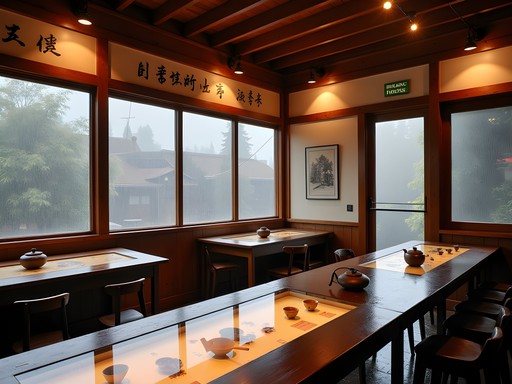
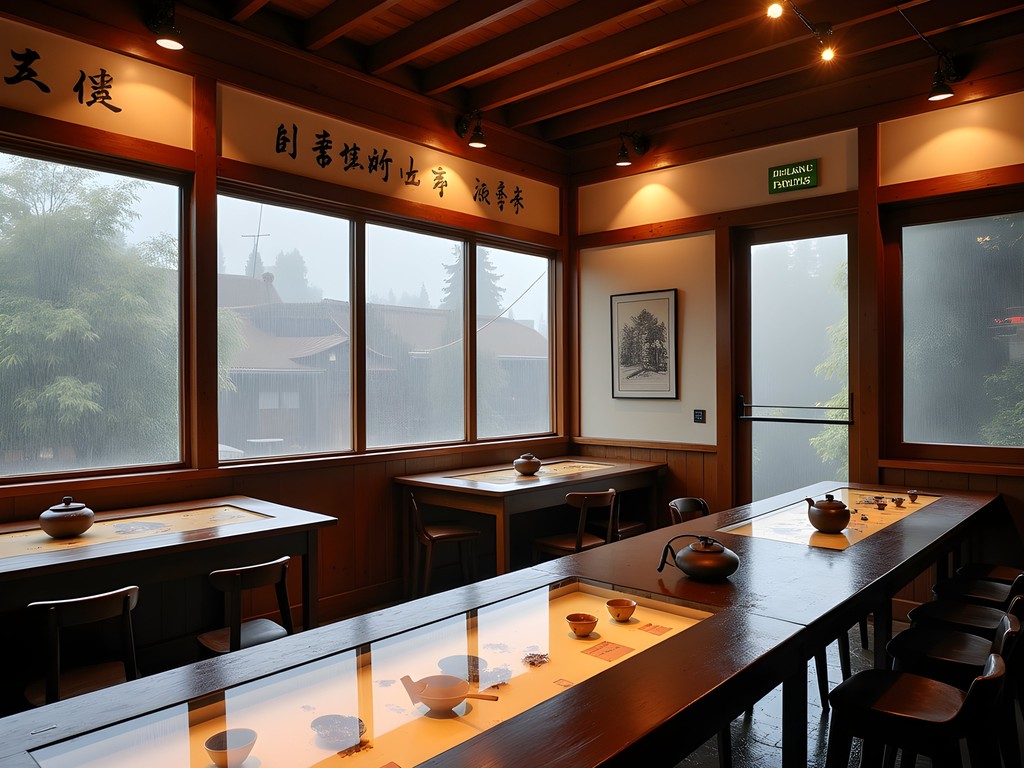
The neighborhood's hidden gem is the Panama Hotel Tea House, where you can sip traditional teas while literally looking through history – a glass panel in the floor reveals belongings stored by Japanese American families before their internment, never reclaimed and preserved as testament to disrupted lives.
💡 Pro Tips
- Visit the Wing Luke Museum on Thursday evenings for reduced admission and special programming
- Take the Panama Hotel's guided tour to learn about its role in Japanese American history
- Explore Uwajimaya's bookstore section for Japanese literature and art books unavailable elsewhere in Seattle
Fremont's Theatrical Experimentation
Seattle's self-proclaimed 'Center of the Universe' lives up to its eccentric reputation. Fremont's theatrical landscape ranges from the polished productions of Fremont Abbey Arts to experimental performances in converted industrial spaces.
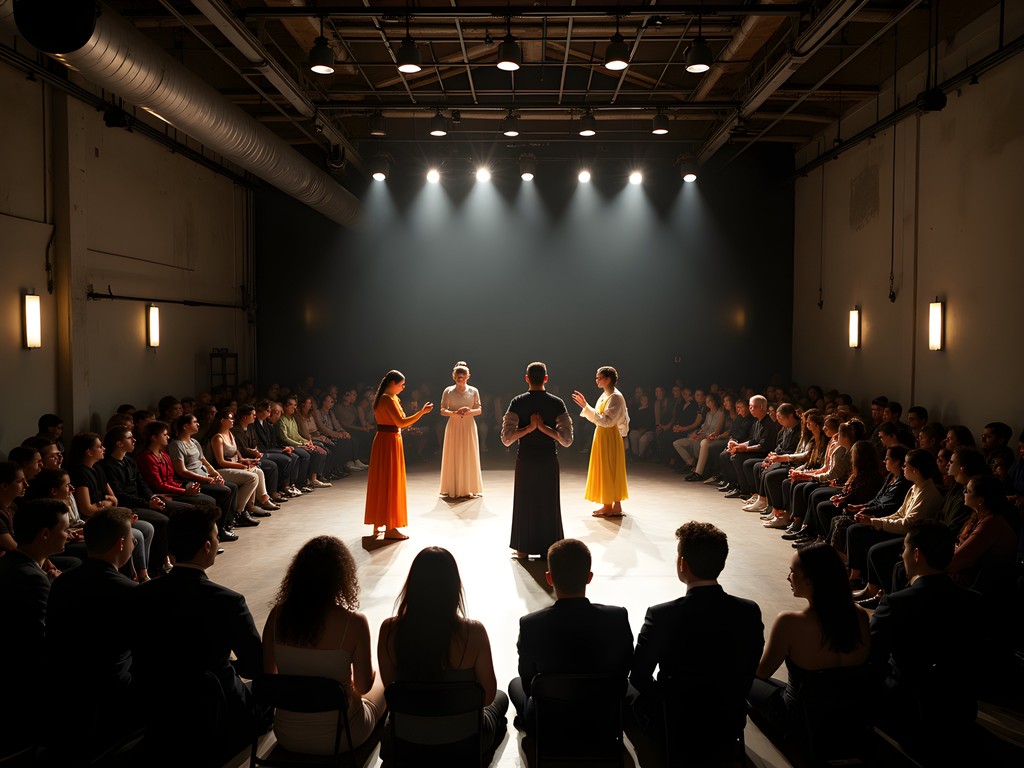
As someone who frequently translates theatrical works, I was drawn to Fremont's West of Lenin, an intimate black box theater hosting boundary-pushing productions. During my visit, I caught a multilingual adaptation of a Greek tragedy that incorporated Japanese Noh theater elements – a fascinating cross-cultural dialogue that reflected my own work translating across linguistic borders.
For navigating between Fremont's scattered performance venues during spring's unpredictable weather, I relied on my folding umbrella. Its durability against sudden gusts made it ideal for Seattle's changeable conditions while being compact enough to slip into my bag during performances.
The neighborhood's annual Solstice Parade embodies its theatrical spirit, with elaborate costumes and performances spilling into the streets. Even outside formal performance spaces, Fremont maintains a theatrical quality – from the famous troll sculpture beneath the bridge to the unexpected art installations that appear and disappear throughout the neighborhood.
💡 Pro Tips
- Check the Fremont Abbey Arts calendar for multidisciplinary performances combining music, dance and poetry
- West of Lenin often hosts pay-what-you-can preview nights before official openings
- The Moisture Festival (comedy/varietè festival) in spring showcases circus arts and burlesque performances
Final Thoughts
As I boarded my flight back to San Francisco, Seattle's cultural layers continued to resonate with me – much like the lingering notes of a complex piece of music. What makes this city extraordinary isn't just the presence of art and culture, but how they exist in conversation with history, industry, and innovation. The Japanese concept of ma – the meaningful space between objects – perfectly captures Seattle's cultural landscape. The city's magic exists in these interstices: between past and future, mainstream and underground, tradition and experimentation.
For travelers willing to venture beyond the Space Needle and Pike Place Market, Seattle offers rare cultural alchemy. As both translator and traveler, I've found few cities that so eloquently speak multiple languages simultaneously – the language of industry, of nature, of innovation, and of artistic tradition. Like the best translations, Seattle doesn't simply convert one experience to another but creates something new in the process – something that could exist nowhere else but in this rain-nourished valley between mountains and sea.
✨ Key Takeaways
- Seattle's most authentic cultural experiences happen in converted industrial spaces and historic buildings repurposed for the arts
- The city's cultural scene thrives on fusion – blending traditional forms with experimental approaches
- Many venues offer pay-what-you-can or discounted admission days, making Seattle's arts accessible regardless of budget
📋 Practical Information
Best Time to Visit
Spring (April-June)
Budget Estimate
$100-150/day including accommodations, meals, and event tickets
Recommended Duration
5-7 days
Difficulty Level
Moderate

Comments
rainydaytraveler
Going to Seattle next month! Is Pioneer Square safe at night? Want to check out those underground poetry readings.
seattlelocalhere
Pioneer Square is fine if you stick to the main areas where events are happening. Just use normal city awareness. The poetry scene is worth it!
rainydaytraveler
Thanks! Can't wait to check it out.
northwestexplorer
If anyone's heading to Pioneer Square for the literary scene, try to time your visit with the first Thursday art walk! All the galleries stay open late, and there's usually readings at Elliott Bay Book Company. I used my pocket guide to plan my route and it worked perfectly.
wanderlustmood
Great tip about First Thursday! We accidentally caught it last time and it was such a vibe.
vacationmaster
Love this!! Capitol Hill looks amazing in your photos!
Taylor Moreau
Excellent piece on Seattle's cultural layers, Audrey. I'm particularly intrigued by your section on the International District's cultural fusion. I've got a business trip to Seattle next month and would like to explore this area properly. Any specific recommendations for venues that showcase that Japanese-Chinese-Vietnamese artistic blend you mentioned? I've only ever experienced the mainstream tourist spots on previous visits.
Audrey Yamamoto
Thanks Taylor! Definitely check out Wing Luke Museum - they often have excellent exhibitions highlighting pan-Asian artists. For something more immersive, try to catch an event at Massive Monkees Studio. They blend hip-hop with various Asian cultural influences. And don't miss Kobo at Higo, a gallery/shop in a historic Japanese-American store. Perfect for finding unique pieces to bring home.
Taylor Moreau
Much appreciated, Audrey. I've made note of all three. Looking forward to experiencing a different side of Seattle this time around.
wanderlustmood
Just got back from Seattle last week and completely agree about Georgetown! That industrial-meets-art vibe is so unique. We stumbled upon an art walk happening in those converted warehouses and it blew me away. The contrast between rusty metal and vibrant installations was something else. Did you check out Equinox Studios while you were there? That place has the coolest metalwork artists.
Audrey Yamamoto
Yes! Equinox Studios was incredible. I love how the artists there embrace the industrial history rather than trying to sanitize it. Did you get to see any of the blacksmithing demonstrations?
wanderlustmood
Missed the blacksmithing but caught a glass blowing demo that was mesmerizing! Next time for sure.
citybuddy
Your photos are gorgeous! Really captured the vibe
wanderlustrider571
Love this perspective!! Been to Seattle 4 times and always felt like I was missing something. The Georgetown industrial aesthetic sounds right up my alley - similar vibe to some neighborhoods I explored in Berlin and Detroit. Definitely adding this to my PNW road trip this summer!
sunsetmaster
Pro tip: if you're doing the Capitol Hill art walk, hit up Oddfellows Cafe first. Great coffee and you can grab a map of the galleries from there. Also Elliott Bay Book Company in Capitol Hill (they moved from Pioneer Square) is incredible if you're into the literary scene mentioned in the article.
Nova Rice
The International District section resonated deeply with me. I stayed at the Four Seasons last spring but spent most of my time wandering through the ID, and there's this beautiful tension between preservation and evolution happening there. The Uwajimaya market alone deserves an entire afternoon. I'm curious, Audrey—did you get a chance to check out any of the newer galleries that have opened in the Chinatown-ID area? I heard there's been quite a renaissance in the past year.
dreamclimber
How easy is it to get between these neighborhoods without a car? Planning a trip and trying to figure out logistics
wanderlustrider571
Super easy! Light rail and buses cover most of it. Capitol Hill to Pioneer Square is walkable if the weather's decent. Georgetown's a bit further but there's a bus. I'd budget for a couple Uber rides though just in case.
dreamclimber
Perfect, thanks!
Venture X
Premium card with 2X miles, $300 travel credit, Priority Pass