


Disclosure: This article contains affiliate links. We may earn a commission from purchases at no extra cost to you, which helps our travel content.
When most visitors think of Trinidad and Tobago, their minds immediately drift to pristine beaches and rum-soaked sunsets. But after fifteen years of exploring the Caribbean from my adopted Brazilian home, I've developed a particular fondness for the stories that unfold away from the shoreline. Scarborough, Tobago's capital, is precisely the kind of place where history, culture, and culinary treasures converge in ways that remind me of my first explorations of Rio's hidden neighborhoods. Last month, I guided a group of Canadian university students through Scarborough's cobblestone backstreets and colonial remnants, watching their perspective transform from 'where's the beach?' to genuine fascination with the layers of history beneath their feet. This small but mighty capital deserves more than a quick stop on the way to those famous beaches – it demands proper exploration, especially for curious young travelers looking to understand the complex tapestry of Caribbean colonial heritage.

Fort King George: Where Colonial History Comes Alive
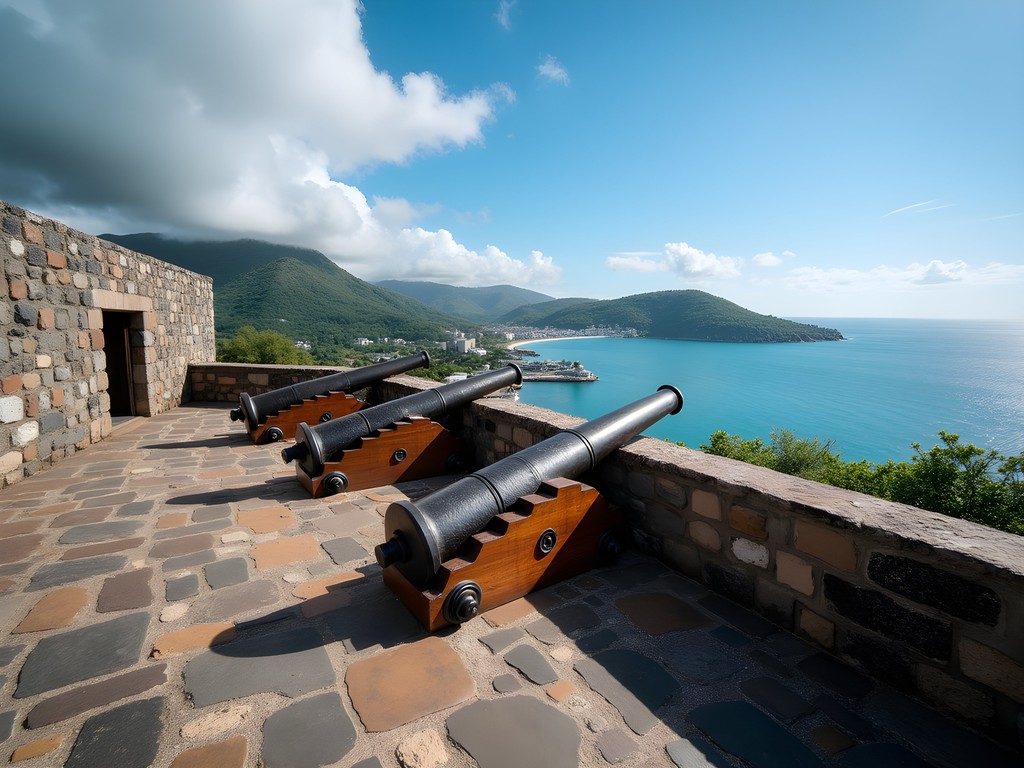
Perched dramatically above Scarborough, Fort King George offers the perfect introduction to Tobago's complex colonial past. Built by the British in the 1780s, this well-preserved fortification has changed hands almost as many times as I've changed my favorite pão de queijo recipe. The British, French, Dutch, and even Latvians (briefly, under the Duke of Courland) all planted flags here, each leaving distinct cultural imprints that still influence the island today.
What struck my student group most wasn't just the imposing cannons or the strategic position overlooking the harbor, but the excellent Tobago Museum housed within the former officers' quarters. Unlike many Caribbean museums that feel dusty and forgotten, this one tells a compelling story through artifacts, maps, and military equipment. The colonial military barracks, powder magazine, and prison cells are remarkably intact, offering a visceral connection to the past.
I found myself drawing parallels to the Portuguese colonial fortifications in Brazil, noting how European powers used remarkably similar architectural principles across their far-flung empires. For history students, the fort provides a perfect case study in colonial military strategy and the economics of sugar and slavery that drove Caribbean conquest.
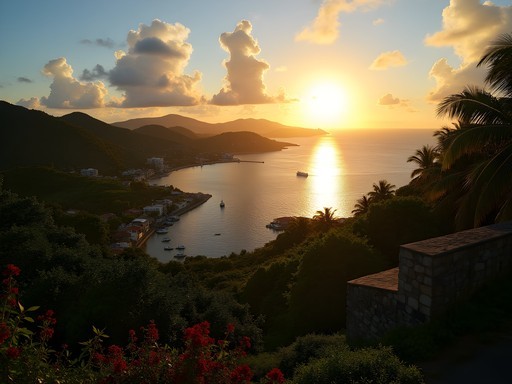
Bring your portable binoculars to fully appreciate the strategic positioning – from the ramparts, you can see why this location was so fiercely contested. The panoramic views of Scarborough and the Caribbean Sea are worth the uphill walk alone.
💡 Pro Tips
- Visit early morning (8-10am) to avoid both crowds and the midday heat
- The small entrance fee (around 30 TTD/$4.50 USD) is well worth it – budget about 2 hours to properly explore
- Hire one of the knowledgeable local guides at the entrance for context you won't find on information panels
Scarborough Market: A Sensory Expedition
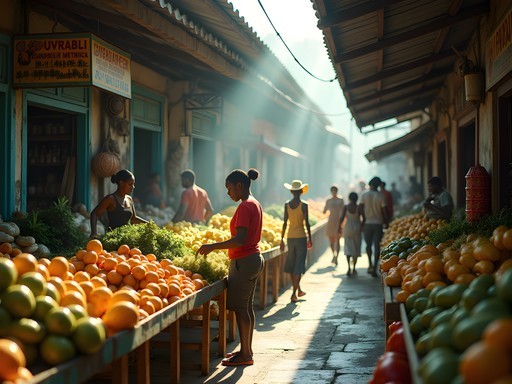
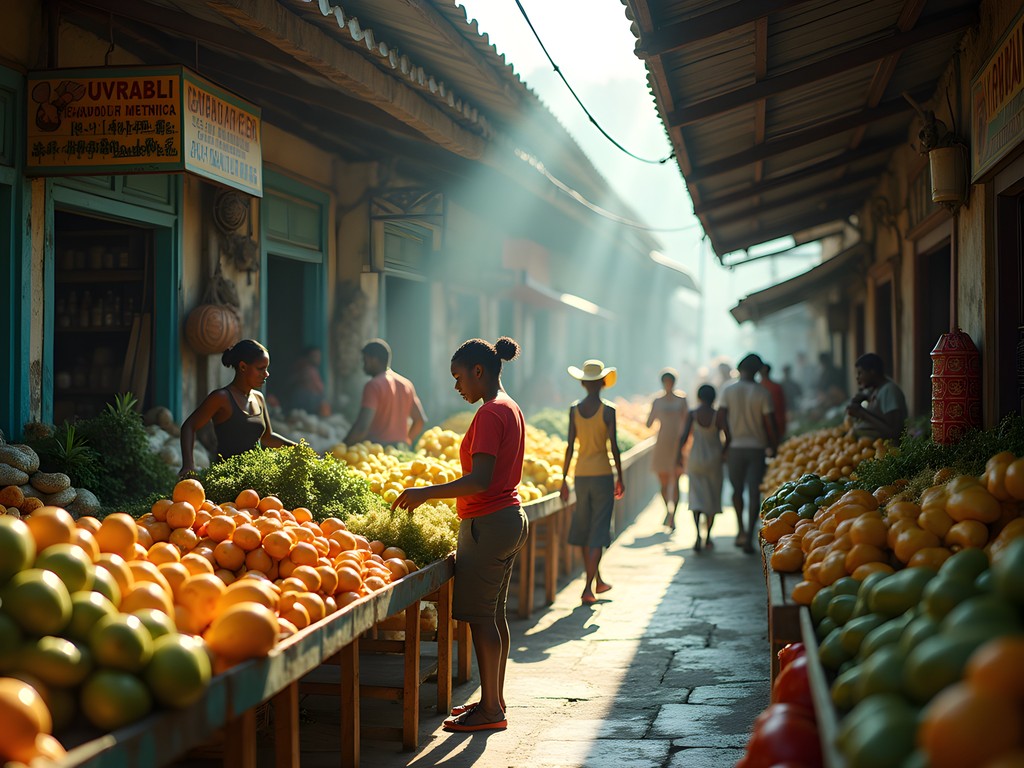
If Fort King George represents Tobago's colonial past, then Scarborough Market embodies its vibrant present. Arriving early on a Saturday morning, I watched my student group's eyes widen at the explosion of colors, sounds, and scents that greeted us. This is where the real pulse of Scarborough beats strongest.
The market follows a rhythm familiar to anyone who's explored Brazilian feiras – the earliest arrivals get the best produce, the loudest vendors often have the most loyal customers, and the real treasures require conversation to discover. What makes Scarborough Market unique is how it showcases the island's remarkable cultural fusion. African, Indian, European, and indigenous influences all converge in the foods, crafts, and rapid-fire patois that fills the air.
For culinary explorers, this is hallowed ground. I spent nearly an hour introducing my students to unusual tropical fruits – from the spiky soursop to the delicate sapodilla – encouraging them to engage with vendors about how to select and prepare each item. Many vendors speak a thick Tobagonian creole that can be challenging for visitors, but I've found that genuine curiosity and respect opens doors (and sometimes earns you free samples).
The spice section deserves special attention. Local women sell hand-ground spice mixtures that put commercial blends to shame. I never leave without stocking up on freshly ground curry powder and green seasoning (a local herb paste that's the foundation of many Tobagonian dishes). I recommend bringing a set of travel containers to safely transport any spices or sauces you'll inevitably want to take home.
💡 Pro Tips
- Arrive before 8am on Saturdays for the fullest experience – by noon, many vendors have sold out
- Bring small bills and change for easier transactions
- Ask before taking photos of vendors or their goods – a small purchase earns you photography privileges
Architectural Walking Tour: Colonial Ghosts & Caribbean Colors
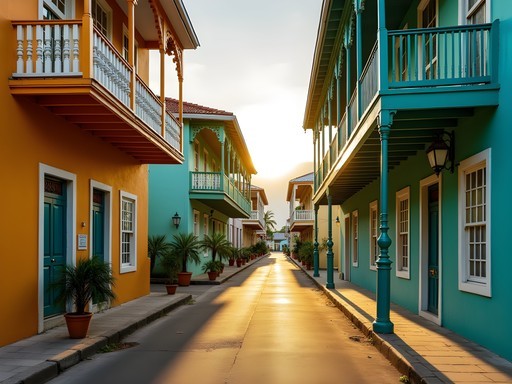
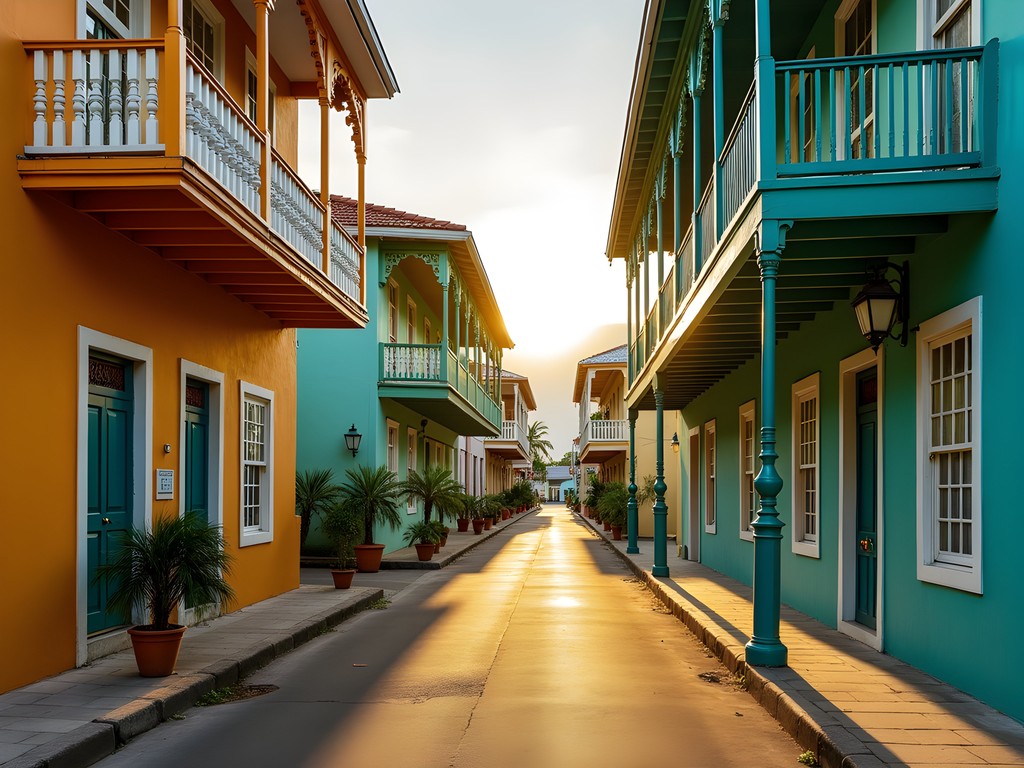
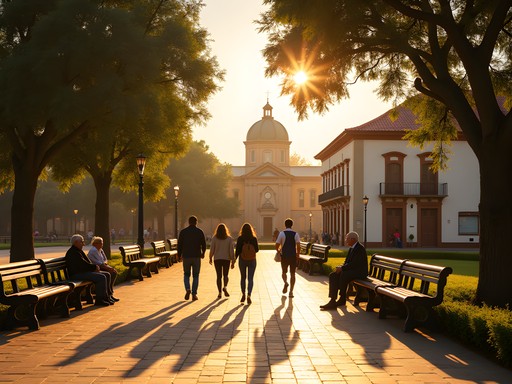
Scarborough's architecture tells the story of its complex history better than any textbook. I designed a self-guided walking tour for my student group that revealed how the town evolved through waves of colonization, emancipation, and independence. Starting from the harborfront, we wound our way through narrow streets where humble wooden chattel houses stand in the shadow of grand colonial administrative buildings.
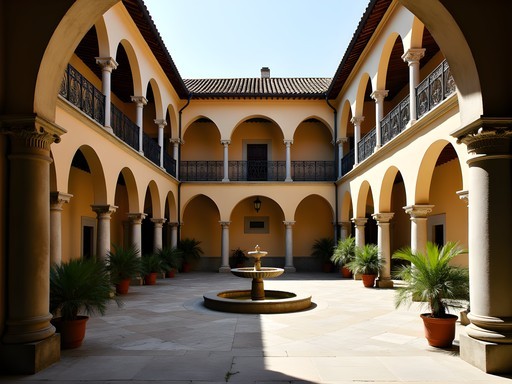
The Tobago House of Assembly building, with its distinctive Georgian proportions and tropical adaptations, exemplifies the British colonial architectural style. Just steps away, the colorfully painted wooden homes with their ornate fretwork and verandas show how freed slaves and their descendants created their own architectural language using available materials and African aesthetic principles.
What fascinated my students most was learning how to "read" the buildings – identifying Dutch gables, British symmetry, and African-influenced decorative elements that together create Scarborough's unique architectural vocabulary. We spent time sketching architectural details and discussing how climate shaped design long before air conditioning existed.
For architecture students, I recommend bringing a portable sketchbook to capture the unique details you'll encounter. Photography doesn't always convey the subtle proportions and textures that make Caribbean colonial architecture so distinctive.
The old Courthouse and Print Shop buildings near Scarborough's center are particularly worth noting – both have been beautifully restored and repurposed, showing how historic preservation can revitalize urban spaces. My Brazilian perspective appreciates how Tobago has maintained more of its colonial architecture than many South American cities, where development often erased historic buildings before their value was recognized.
💡 Pro Tips
- Early morning or late afternoon provide the best light for photography and more comfortable temperatures for walking
- Look up! The most interesting architectural details are often above eye level
- The Tobago Historical Society occasionally offers guided architectural tours – check their schedule at the Fort King George Museum

Culinary Heritage: Beyond Tourist Menus
As someone who's built a career around culinary cultural exchange, I find Scarborough's food scene particularly compelling. Unlike more tourist-oriented Caribbean destinations, Tobago's capital offers authentic local cuisine that reflects its multicultural heritage. I arranged several cooking demonstrations for my student group that revealed how African, Indian, European, and indigenous influences have merged to create a distinctive island cuisine.
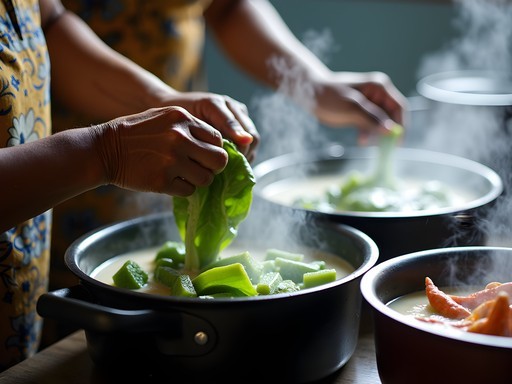
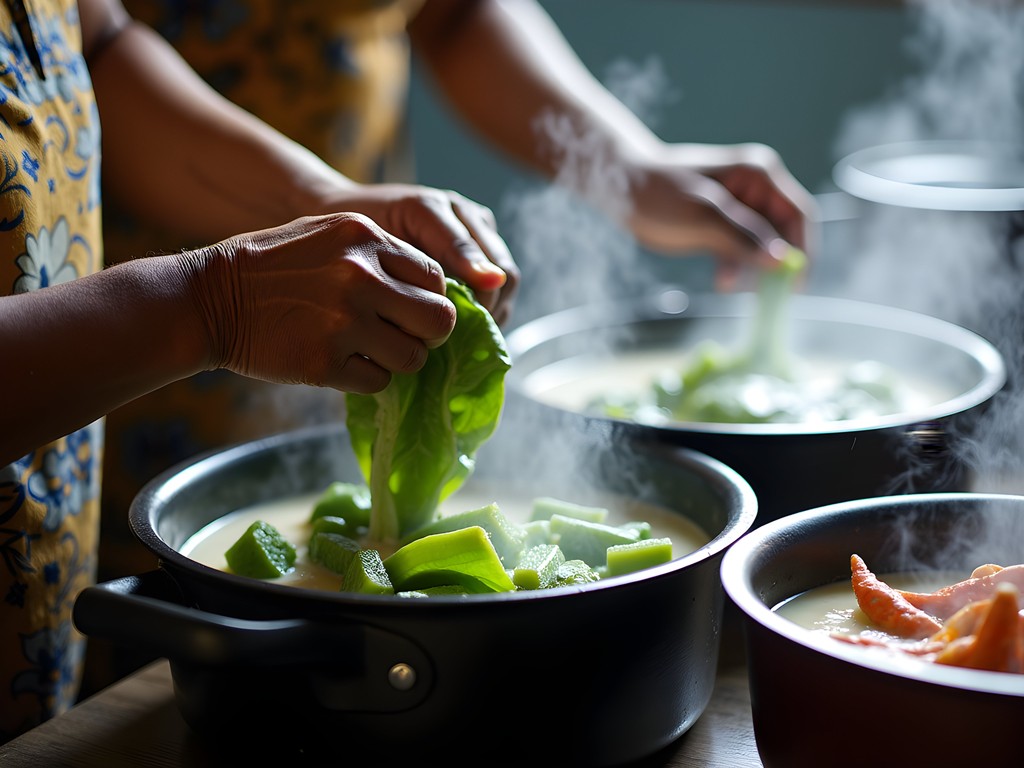
Our culinary exploration began at Miss Trim's, a modest eatery where three generations of women have been preparing traditional Tobagonian dishes. Here, my students learned to make crab and callaloo – a velvety soup of dasheen leaves, okra, coconut milk, and land crabs that's considered Tobago's national dish. The process of cleaning and preparing the crabs became an impromptu lesson in sustainable harvesting and waste-free cooking that reminded me of similar practices in rural Brazil.
For a more formal cooking experience, I arranged a session at Makara Restaurant where Chef Debra showed us how to prepare curry crab and dumplings, demonstrating techniques that blend Indian curry traditions with African and indigenous ingredients. The students were particularly fascinated by the hand-mixing of dough and the precise timing required to cook seafood perfectly.
What makes Tobagonian cuisine special is its reliance on hyperlocal ingredients – many dishes feature components harvested within miles of where they're prepared. I've found that a digital food scale is invaluable for recording recipes during these cooking sessions, as local cooks rarely use written measurements.
My favorite culinary discovery in Scarborough remains the breakfast shed near the port, where fishermen and market vendors gather before dawn for steaming cups of cocoa tea and salt fish buljol. Here, away from any tourist gaze, you'll experience flavors that haven't changed in generations.
💡 Pro Tips
- Ask locals for restaurant recommendations – the best places rarely have websites or TripAdvisor listings
- Try 'provision' – the local term for a variety of starchy vegetables that form the backbone of Tobagonian cuisine
- Sunday lunch is the most important meal in Tobagonian culture – look for local homes serving 'Sunday lunch' to the public
The Botanical Gardens: Colonial Science Meets Island Biodiversity
Tucked away just minutes from Scarborough's busy center lies one of my favorite urban retreats – the Scarborough Botanical Gardens. Established during the colonial era as both a scientific research station and a genteel recreation space, these gardens now offer a fascinating glimpse into how European botanical science adapted to tropical conditions.
What makes these gardens different from others I've visited across the Caribbean is their emphasis on both ornamental and practical plantings. The colonial administrators who established the gardens were interested not just in creating pretty landscapes but in identifying economically valuable species that could be cultivated throughout the British Empire.
I arranged for my student group to meet with one of the garden's longtime caretakers, Mr. Joseph, who provided insights into both the botanical significance and the cultural history of various plantings. He pointed out medicinal plants that enslaved Africans brought with them and maintained in secret gardens, plants that eventually became incorporated into the official collection as their properties were recognized by colonial doctors.
The massive samaan trees that provide welcome shade throughout the gardens have their own stories – some were planted as seedlings brought from other British colonies, part of a systematic effort to transplant useful species around the empire. Under their sprawling canopies, my students sketched leaf structures and discussed how botanical gardens served as living laboratories for colonial economic botany.
For plant enthusiasts, I recommend bringing a plant identification guide that covers Caribbean species. While some specimens are labeled, many of the most interesting plants lack identification tags. The gardens are particularly magical in early morning when birdlife is most active – we spotted hummingbirds, bananaquits, and even a motmot during our visit.

💡 Pro Tips
- Visit between 7-9am for the best bird watching opportunities and cooler temperatures
- Look for the ancient silk cotton tree near the center – it predates European colonization and was considered sacred by indigenous peoples
- Bring mosquito repellent – the lush environment attracts them, especially near water features
Final Thoughts
As our week in Scarborough came to an end, I watched my student group pack their bags with a newfound appreciation for this often-overlooked Caribbean capital. Beyond their spice packages and market treasures, they carried something more valuable – an understanding of how colonial history shaped the Caribbean and continues to influence its present. Scarborough may lack the polished tourism infrastructure of other Caribbean destinations, but what it offers instead is authenticity and living history that can't be manufactured. For students and curious travelers willing to look beyond the beaches, Tobago's capital reveals layers of cultural complexity that challenge simplified narratives about Caribbean history. I find myself thinking of Scarborough often when I'm back in Rio – both places share a certain honest quality, where history isn't sanitized for tourists but lives on in architecture, cuisine, and daily rituals. When you visit, come with open eyes and a willingness to engage with locals – the real treasures of Scarborough aren't found in gift shops but in the stories shared over a steaming plate of crab and callaloo.
✨ Key Takeaways
- Scarborough's colonial architecture tells the story of multiple European powers competing for Caribbean control
- The local market offers both culinary discoveries and authentic cultural exchanges
- Cooking classes provide deeper insight into Tobago's multicultural heritage than restaurant meals
- Urban exploration in Scarborough pairs perfectly with beach time elsewhere on the island
📋 Practical Information
Best Time to Visit
year-round, though December-April offers drier weather
Budget Estimate
$70-100 USD per day including accommodations, meals and activities
Recommended Duration
3-4 days within a week-long Tobago trip
Difficulty Level
Intermediate - Requires Some Comfort With Independent Exploration


Comments
coolninja5290
Just got back from Tobago and followed your advice about exploring beyond the beaches. Fort King George was definitely a highlight - the cannons and the views are incredible. We also stumbled upon a small art gallery in one of those colonial buildings showcasing local artists. The owner told us stories about the building's history as a merchant's home. One tip for anyone going: the architectural walking tour is best done early morning before it gets too hot. The colorful buildings make for amazing photos in that soft morning light.
wavestar
Which gallery was that? Would love to check it out when I go!
coolninja5290
@wavestar It's called Lowlands Gallery - small place on Wilson Road. Easy to miss but worth finding!
travelfan
OMG those food pics from the market have me drooling!!! Can't wait to try everything when I visit! Bookmarking this post RIGHT NOW!
Jacob Elliott
Excellent coverage of Scarborough's overlooked treasures, Tyler. As someone who's been to Trinidad and Tobago multiple times for business, I'd add that timing is everything when visiting the Scarborough Market. Early mornings (5:30-7:00am) on Saturdays offer the most authentic experience when locals do their weekly shopping. The colonial architecture tour is indeed fascinating, but I recommend bringing a good camera with wide-angle capabilities to capture those colorful facades properly. I used my travel camera which was perfect for the narrow streets and architectural details. For business travelers with limited time, Fort King George can be efficiently explored in 2-3 hours if you focus on the main exhibits and viewpoints.
coffeelegend
How safe is it to explore the architectural areas on your own? Worth getting a guide?
coolninja5290
We felt perfectly safe during daytime walks around Scarborough. Just use normal travel precautions. The locals were super friendly and often pointed out buildings we might have missed. That said, a guide definitely adds historical context you won't get otherwise.
Olivia Sanchez
Tyler, this post brought back so many memories! I visited Scarborough last year and completely agree that Fort King George is absolutely underrated. The museum's collection of artifacts really tells the story of colonial struggle in a way that beach resorts never could. Did you get a chance to chat with any of the local historians? There was an older gentleman who gave us an unofficial tour that was way more insightful than anything in the guidebooks. The view from the fort at sunset is also something I'll never forget - you can see why it was such a strategic military position.
travelfan
Olivia, did you try any of the street food near the market? Going there next month and wondering what's must-try!
Olivia Sanchez
@travelfan Absolutely! Don't miss the crab and dumplings from the vendors near the market. There's a lady with a blue awning who makes the best I've ever had. Also try the coconut bake with saltfish for breakfast!
wavestar
Finally a post about the other side of T&T! Everyone just talks about beaches, but there's so much more history there!
mountainking
Love the photos of the colonial buildings!
Jean Wells
Tyler, excellent piece. I've been documenting lesser-known Caribbean destinations for the past decade, and Scarborough remains criminally underrated. Your point about the architectural walking tour resonates - I spent two weeks there in 2024 specifically photographing the deteriorating colonial structures before they're lost to development. The juxtaposition of British military architecture with Caribbean adaptation is fascinating. One building you might have missed: the old courthouse on Milford Road has some remarkable ironwork, though it's not always accessible. For solo travelers, I found Scarborough incredibly safe and walkable, even at dusk when those colonial facades catch the golden hour light beautifully.
Sophia Gomez
Tyler, this resonates so much! I spent a week in Scarborough last year and completely fell in love with the market scene. That roti from the vendor near the entrance - I still dream about it! One thing I'd add for anyone visiting: talk to the locals at the market. I met this elderly woman selling spices who told me stories about her grandmother's cooking techniques that went back generations. Those unplanned conversations became the highlight of my trip. The colonial architecture is stunning too, especially those pastel buildings you mentioned on James Street.
mountainking
This makes me want to go! Never really considered Trinidad before
moonninja
How long did you spend at Fort King George? Heading there in March and trying to plan my day!
Tyler Gutierrez
We spent about 2 hours there - could've stayed longer honestly! The views alone are worth it. Go in the morning before it gets too hot.
moonninja
Perfect, thanks!
Venture X
Premium card with 2X miles, $300 travel credit, Priority Pass