



Disclosure: This article contains affiliate links. We may earn a commission from purchases at no extra cost to you, which helps our travel content.
When I first wandered into Plovdiv last spring, I expected ancient Roman ruins and historic cobblestone streets—and yes, those are magnificent. But what captured my heart was something unexpected: the vibrant pulse of creativity transforming this 8,000-year-old city into Bulgaria's contemporary cultural capital. As someone who's spent decades documenting cultural evolution, watching Plovdiv's renaissance unfold feels like witnessing living history. The city earned its European Capital of Culture designation in 2019, but the real magic happens in the spaces between official landmarks—colorful street art brightening forgotten walls, quirky cafés housed in Ottoman-era buildings, and a creative quarter where young artists reimagine Bulgaria's cultural identity. For students looking to experience authentic Bulgarian culture without breaking the bank, Plovdiv offers the perfect weekend adventure.

Kapana: The Trap That Captures Your Heart
Just a stone's throw from Plovdiv's main pedestrian street lies Kapana (meaning 'The Trap'), a labyrinth of narrow lanes that's evolved from neglected neighborhood to creative epicenter. What fascinates me as an anthropologist is how organically this transformation happened—not through corporate development but through grassroots artistic vision.
On my first morning, I followed the aroma of freshly roasted coffee to Monkey House, a hole-in-the-wall café where university students sketch in notebooks while debating philosophy. The barista, Nikolay, explained how just a decade ago, these buildings stood empty. Now, every facade tells a story—whether through vibrant murals, hand-painted shop signs, or the occasional political statement hidden in plain sight.
Kapana's magic lies in its authenticity. Unlike more polished creative districts I've visited across Europe, there's a beautiful rawness here. Rent remains affordable enough for young entrepreneurs to experiment. In one block alone, I discovered a vinyl record shop doubling as a underground concert venue, a workshop where a young woman crafts jewelry from reclaimed communist-era materials, and a tiny gallery showcasing student photography.
Walking these streets feels like exploring someone's imagination—around each corner awaits another surprise, another expression of Bulgarian creativity finding its contemporary voice while honoring its complex past.

💡 Pro Tips
- Visit on weekday mornings to catch artists working on new pieces and avoid weekend crowds
- Most cafés in Kapana offer free WiFi and don't mind if students camp out to study
- Ask shopkeepers about upcoming events—many host impromptu exhibitions and performances that never make it to official tourism calendars
Street Art Safari: Finding Hidden Masterpieces
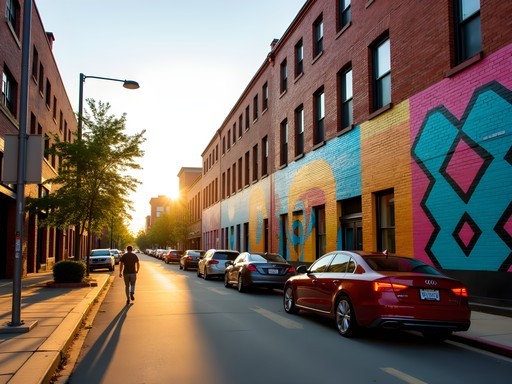
While Kapana boasts the highest concentration of street art, Plovdiv's creative expressions extend throughout the city—if you know where to look. I spent one delightful afternoon following what locals call the 'unofficial street art route,' documenting pieces that tell the story of Bulgaria's evolving identity.
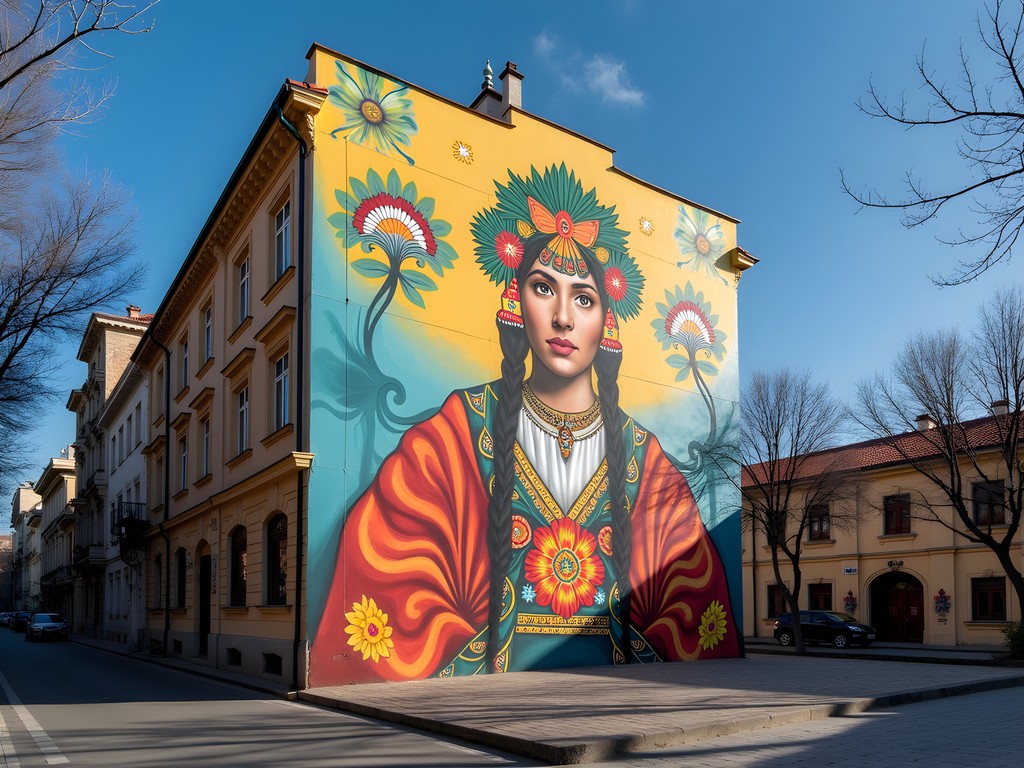
Unlike the commissioned murals common in Western European cities, much of Plovdiv's street art emerges organically, often in dialogue with the city's complex history. Near the central train station, I discovered a stunning series depicting traditional Bulgarian folk characters reimagined in contemporary contexts—the artist's commentary on globalization's impact on cultural heritage.
For students interested in urban exploration, I recommend bringing a reliable portable charger for your phone. You'll be taking countless photos, checking online street art maps, and possibly getting lost in the process (which is half the fun). My battery would have died multiple times without backup power.
The most memorable pieces often hide in transitional spaces—underpasses, abandoned lots being reclaimed by community projects, and the concrete walls lining the Maritsa River. One afternoon, I watched a group of art students working collectively on a massive mural depicting environmental themes specific to the region. When I asked why they chose that location, one young woman explained, 'We paint where the city forgot to look, so people remember to see again.'
What makes Plovdiv's street art scene special is its accessibility. Artists are often nearby, happy to discuss their work, and many speak excellent English. This openness creates natural cultural exchange opportunities you rarely find in more established art scenes.
💡 Pro Tips
- Download the free Plovdiv Street Art Map app before your visit to locate harder-to-find pieces
- The area around Tsar Simeon's Garden transforms frequently with new art—revisit at different times of day
- Bring a small notebook to jot down artist signatures so you can follow their work online later
Café Culture: Where Ideas Percolate
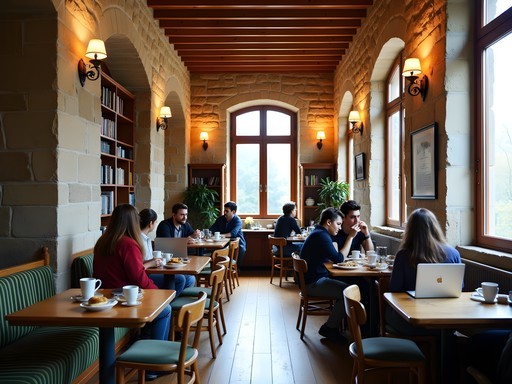
If you want to understand a city's soul, spend time in its cafés. In Plovdiv, these spaces function as informal cultural institutions where ideas percolate alongside excellent Bulgarian coffee. For budget-conscious students, they also offer affordable spaces to relax, study, and connect with locals.
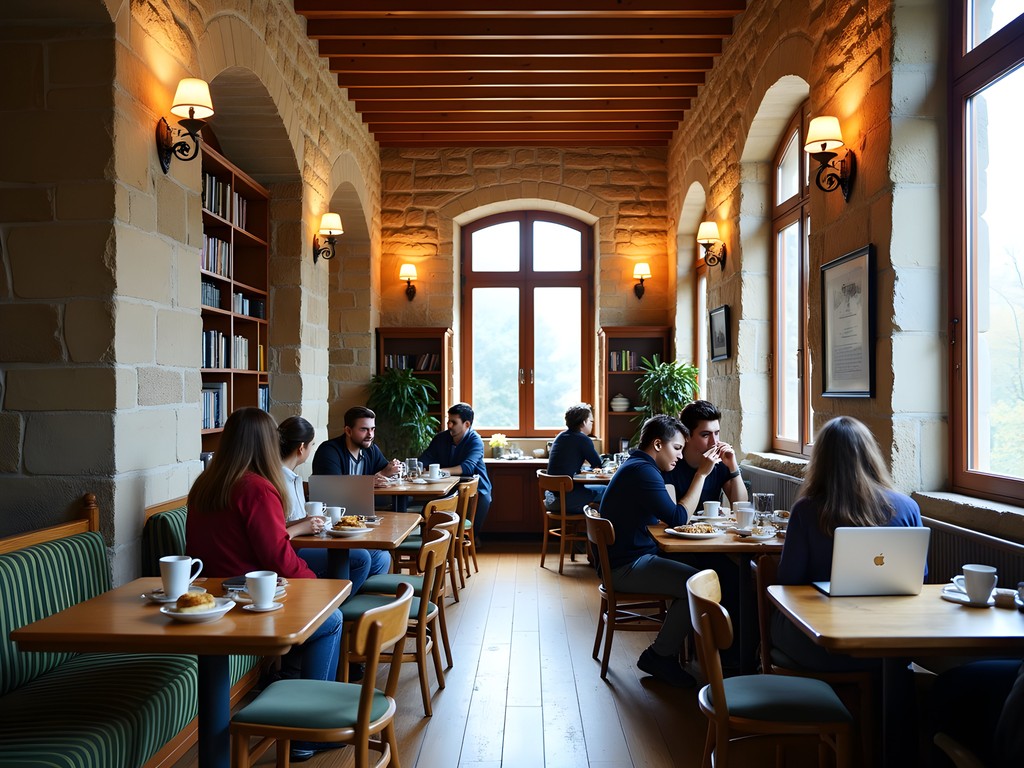
Paya Café quickly became my morning ritual spot. Housed in a restored 19th-century building with exposed stone walls and mismatched vintage furniture, it epitomizes Plovdiv's blend of historical reverence and contemporary function. For less than $2, I enjoyed robust espresso while chatting with university students about everything from Bulgarian politics to their favorite local bands.
For those seeking workspace, I recommend Cat and Mouse Bookstore Café near the university. Their upstairs loft offers comfortable seating, reliable WiFi, and a policy that welcomes students to linger for hours over a single beverage. The walls showcase rotating exhibitions by local photography students, creating an inspiring atmosphere for productivity.
Plovdiv's café scene is remarkably budget-friendly compared to Western European cities. Even the trendiest spots rarely charge more than $3-4 for specialty coffee drinks, and many offer student discounts. I found myself reaching for my travel journal constantly, recording conversations and observations that revealed more about contemporary Bulgarian culture than any guidebook could provide.
What particularly moved me was how these spaces foster intergenerational exchange. In Artnewscafé, I watched elderly locals teaching young artists traditional folk patterns while discussing how to incorporate these elements into contemporary designs. These cafés aren't just serving coffee—they're incubating Plovdiv's cultural future.
💡 Pro Tips
- Most cafés open around 8am and close late (often midnight), making them perfect for both morning study sessions and evening socializing
- Try the local specialty 'café sur lie'—coffee grounds are left in the cup, creating a stronger flavor profile as you drink
- Look for cafés with 'cultural program' signs—these often host free film screenings, poetry readings, and acoustic music nights

Budget-Friendly Creative Workshops
One of Plovdiv's best-kept secrets for budget travelers is the abundance of free and low-cost creative workshops offered throughout the city. These hands-on experiences provide deeper cultural understanding than passive sightseeing ever could.
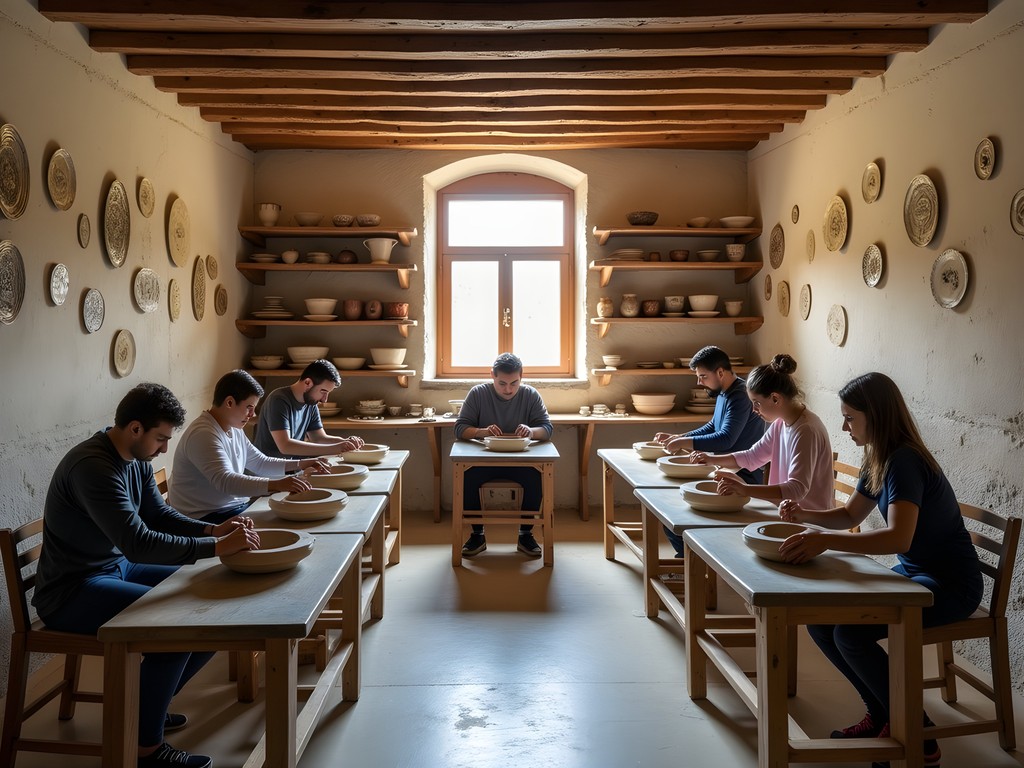
During my weekend visit, I participated in a traditional Bulgarian pottery workshop at Danchova House in the Old Town. For just 10 leva (about $5.50), I spent two hours learning techniques passed down through generations. The instructor, Maria, explained how contemporary Bulgarian ceramicists are reimagining traditional forms for modern contexts—a perfect example of living cultural evolution.
For students interested in photography, I highly recommend the free Saturday morning photo walks organized by the Plovdiv Photography Club. These guided explorations focus on different themes each week—from architectural details to capturing daily life along the Maritsa River. Participants range from complete beginners to professional photographers, creating a supportive environment for learning.
Before joining any photography activities, I suggest investing in a camera strap. Plovdiv's terrain includes many hills and uneven cobblestone streets, and having your camera secure while navigating these areas is essential. This saved my equipment multiple times while scrambling up viewpoints in the Old Town.
Many workshops take place in Tobacco City, a complex of former tobacco warehouses being repurposed as creative spaces. What makes these experiences special is their participatory nature—you're not just observing culture but actively engaging with it alongside locals. As an anthropologist, I've always found this approach creates more meaningful connections and authentic understanding than traditional tourism.
💡 Pro Tips
- Check bulletin boards at Artnewscafé and the Tourist Information Center for updated workshop schedules
- Many workshops offer significant student discounts with valid ID
- Don't worry about language barriers—most creative workshops are designed to accommodate international participants
Tobacco City: Industrial Past Meets Creative Future
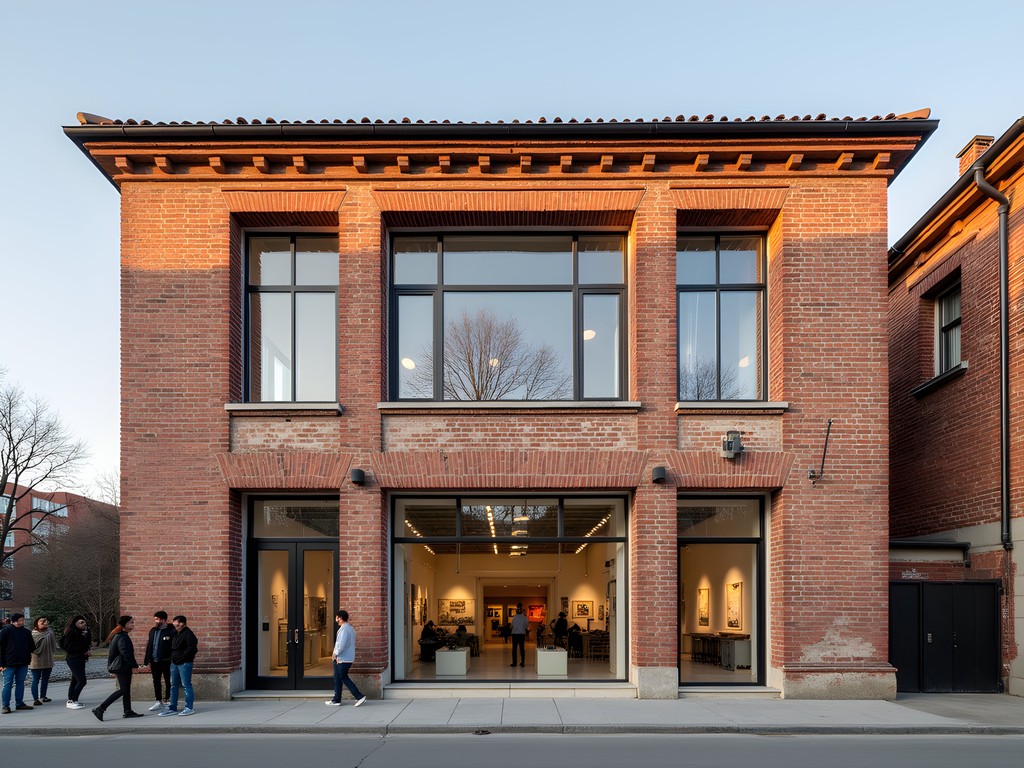
Perhaps the most exciting development in Plovdiv's creative landscape is happening in an unexpected location—the former tobacco warehouses that once fueled the city's economy. Known collectively as Tobacco City (Tyutyunev Grad), these imposing industrial buildings are being reclaimed by artists, entrepreneurs, and cultural organizations.
What makes this area fascinating is its state of transition. Unlike Kapana, which has completed its transformation, Tobacco City exists in creative limbo—some buildings beautifully restored, others still awaiting their rebirth. This raw authenticity creates a unique energy that draws the city's most innovative thinkers.
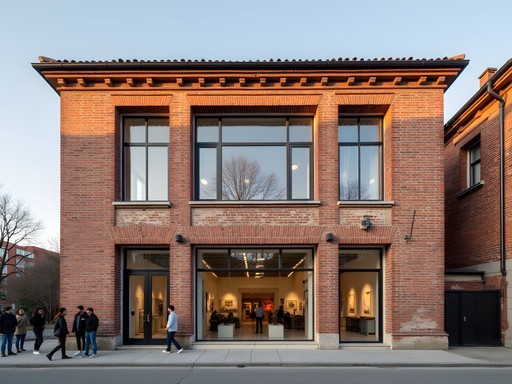
During my exploration, I discovered SKLAD, a cultural hub housed in a former tobacco storage facility. The contrast between the building's utilitarian industrial architecture and the experimental art installations inside creates a powerful dialogue between past and present. The space hosts everything from contemporary dance performances to technology hackathons, often with free entry for students.
Nearby, Cosmos Cinema has revived a Soviet-era movie theater, screening independent Bulgarian films and international selections rarely shown in commercial venues. Their student nights offer tickets for just 5 leva (about $2.75) and include post-film discussions with local filmmakers and critics.
What I found most compelling about Tobacco City was witnessing a community actively shaping its cultural identity. In conversations with young entrepreneurs establishing businesses in these spaces, I heard recurring themes of reclaiming history, sustainability, and creating alternatives to the brain drain that has pulled many talented Bulgarians to Western Europe.
For students of architecture, urban planning, or cultural studies, Tobacco City offers a living laboratory of adaptive reuse and cultural regeneration. It's a place where you can witness the messy, beautiful process of a city reimagining itself in real time.
💡 Pro Tips
- Visit on weekday afternoons when artists and designers are working in their studios and often welcome visitors
- Check social media for pop-up events in Tobacco City—many happen with minimal advance notice
- The area is still developing, so some buildings remain unoccupied—respect fenced-off areas and safety signage
Final Thoughts
As my weekend in Plovdiv came to an end, I found myself already planning a return visit. What makes this city special isn't just its ancient heritage or emerging creative scene, but how these elements converse with each other across time. For students seeking authentic cultural experiences on a budget, Plovdiv offers rare accessibility—to artists, to history, to the very process of cultural evolution itself. While tourist crowds flock to Sofia or Bulgaria's Black Sea coast, this inland treasure provides a more intimate window into a nation rediscovering its voice after decades behind the Iron Curtain. Come with an open mind, comfortable walking shoes, and plenty of space in your camera roll. The hidden corners of Plovdiv are waiting to tell you their stories—if you're willing to listen.
✨ Key Takeaways
- Plovdiv offers authentic creative experiences at a fraction of Western European prices
- The city's creative scene is still emerging, providing opportunities to connect directly with artists and cultural innovators
- The juxtaposition of ancient history and contemporary expression creates unique cultural dialogues not found elsewhere
📋 Practical Information
Best Time to Visit
April-June or September-October
Budget Estimate
$30-50 per day including accommodation, food, and activities
Recommended Duration
2-3 days
Difficulty Level
Easy

Comments
wildblogger
Just got back from Plovdiv last week! Pro tip: go to Kapana on Thursday evenings, lots of the galleries have openings and free wine lol. Also that cafe you mentioned, Raffy Bar, has the best banitsa I've had in Bulgaria. The street art near the underpass by the stadium is insane too, don't miss it.
freeking
Thursday evenings noted!! Thanks for this
Douglas Bradley
Natalie, this is a refreshing take on Plovdiv. Most travel content focuses exclusively on the Roman amphitheater and Old Town, but you're right that Kapana represents something equally compelling—a living, breathing cultural ecosystem rather than a preserved historical site. I'm curious about the workshops you mentioned. Were they drop-in style or do they require advance booking? I'm particularly interested in the intersection of traditional Bulgarian crafts and contemporary design aesthetics. Also, did you notice any tension between the heritage preservation efforts and the newer creative developments, or does the city seem to balance both successfully?
islandmood
Do you need to speak Bulgarian to get around Kapana or is English ok? This would be my first time in Eastern Europe
wildblogger
English is totally fine in the cafes and creative district. Most young people speak it pretty well
freeking
OMG this is EXACTLY what I've been looking for!! Everyone keeps recommending Sofia but Plovdiv sounds so much more interesting. Love the street art vibes!
Jean Wells
I visited Plovdiv in 2019 and completely agree about Kapana being the heart of the creative scene. What struck me most was how the district has evolved—when I first went in 2015, it was much quieter. The street art has become significantly more sophisticated, and I noticed several pieces that seemed to reference both Bulgarian history and contemporary European themes. Did you get a chance to visit any of the artist studios that occasionally open to the public? I found those interactions particularly valuable for understanding the local creative community's perspective on Plovdiv's rapid transformation.
Douglas Bradley
Jean, which studios would you recommend? Planning a trip for September and would love to connect with local artists.
skyexplorer
How many days would you recommend for Plovdiv? Trying to figure out my Bulgaria itinerary
Natalie Lopez
I'd say 3 days minimum if you want to really explore Kapana and the street art scene without rushing. You could do 2 but you'd be moving fast!
skyexplorer
Perfect, thanks!
Frank Garcia
Really solid post, Natalie. I spent a week in Plovdiv last autumn doing research for an Eastern Europe backpacking guide and your observations about the creative quarter are spot on. One thing I'd add for budget travelers: the hostels in Kapana itself tend to be pricier because of the location, but if you stay just outside the district (10 min walk) you can find places for €8-10/night. Also worth mentioning that most of the street art walking tours are free (tip-based), which is brilliant for broke backpackers. The contrast between the ancient Roman amphitheater and the modern street art scene really makes Plovdiv unique compared to other Balkan cities.
luckypro
Good tip about staying outside Kapana, didn't think of that!
hikingchamp
Love the photos! Adding to my list
explorediver
OMG yes!! I was in Plovdiv last year and Kapana totally blew my mind. The street art is insane and we found this tiny café that did the best banitsa I've ever had. Also super cheap compared to Sofia. Did you check out the rooftop bars? Some of them have amazing views of the old town at sunset. Honestly one of my favorite cities in the Balkans now!
hikingchamp
Which rooftop bar would you recommend?
explorediver
There's one called Pavaj that's really cool, right in Kapana. Not touristy at all
luckypro
How many days would you recommend for Plovdiv? Planning a trip in September and trying to figure out if 2 days is enough or should I do 3?
Natalie Lopez
I'd say 3 days if you really want to soak in the creative scene! 2 days works but you'll feel a bit rushed. The Kapana district alone could take a whole day if you're doing the cafés and workshops.
luckypro
Perfect, thanks! Will do 3 then
Venture X
Premium card with 2X miles, $300 travel credit, Priority Pass