
Disclosure: This article contains affiliate links. We may earn a commission from purchases at no extra cost to you, which helps our travel content.
As someone who's explored architectural wonders from Barcelona to Bangkok, I never expected to find myself utterly captivated by a small city nestled along the Ohio River. Yet here I was with Miguel, my husband and photography partner, spending a fall weekend in Parkersburg, West Virginia—a place that epitomizes what I've come to call the 'Rust Belt Renaissance.' This former industrial hub has quietly transformed itself into a treasure trove of historical architecture and small-town charm that deserves far more attention than it receives.

Julia-Ann Square: A Time Capsule of Victorian Elegance
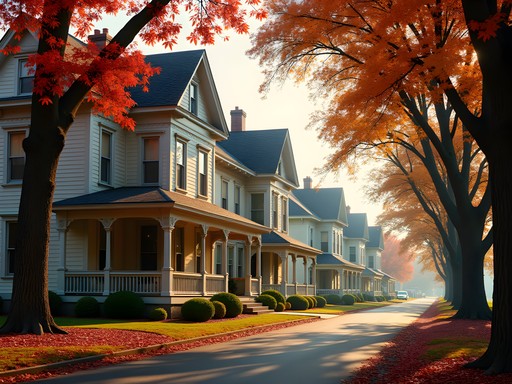
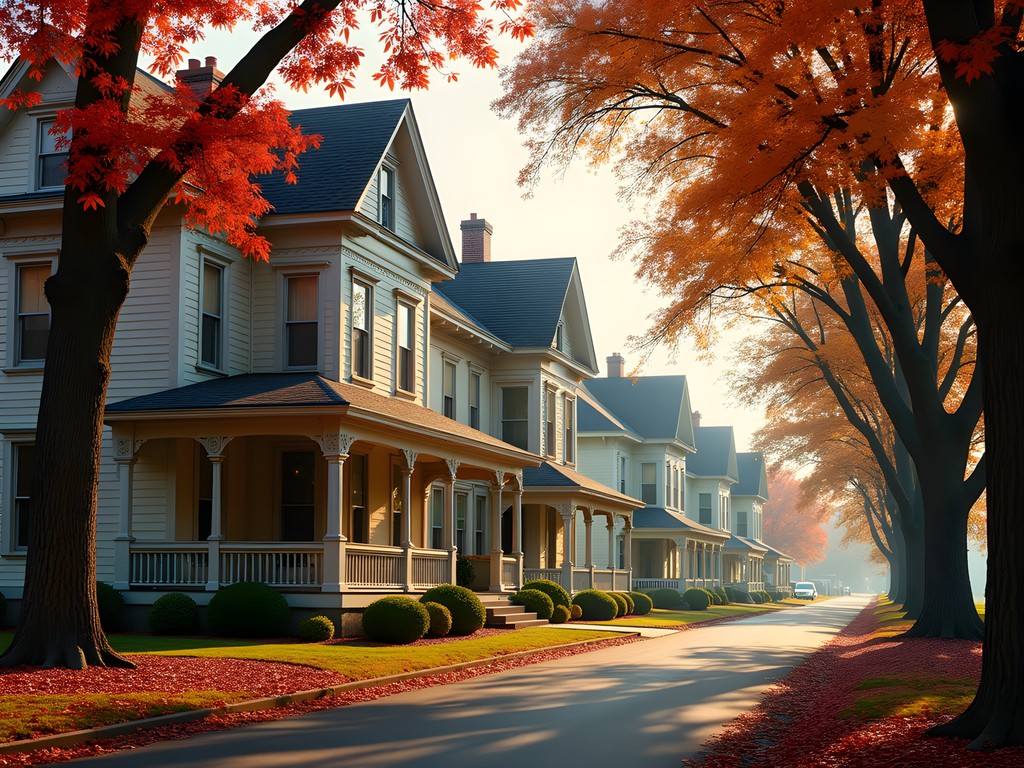
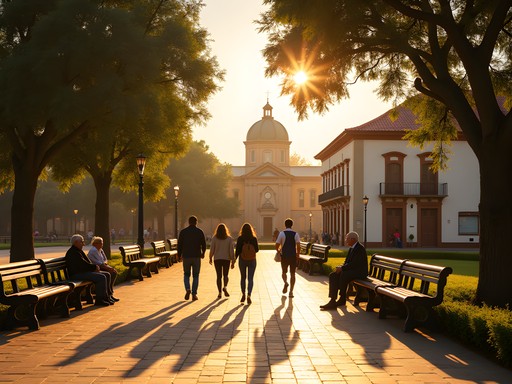
Our exploration began in Julia-Ann Square Historic District, Parkersburg's crown jewel and West Virginia's largest historic district. Walking these tree-lined streets in autumn is nothing short of magical—the vibrant foliage creates a perfect backdrop for the meticulously preserved Victorian mansions. The neighborhood encompasses 126 buildings constructed between 1850 and 1910, each telling its own story of the city's oil and railroad prosperity.
As a medical professional who's seen my share of historic hospitals around the world, I was particularly drawn to the former Camden-Clark Memorial Hospital building. Miguel, meanwhile, couldn't stop photographing the ornate gingerbread trim and elaborate porches that characterize these architectural masterpieces. We spent hours simply wandering, our historic architecture guidebook helping us identify Queen Anne, Italianate, and Second Empire styles along the way.
The district felt like an open-air museum—one where you could actually sit on the park benches and absorb the atmosphere without crowds or entrance fees.
💡 Pro Tips
- Download the free Julia-Ann Square walking tour map from the visitor center before exploring
- Visit on weekends when some homeowners occasionally offer impromptu porch tours
- The light for photography is best in late afternoon when the sun casts a golden glow on the facades
The Blennerhassett: History Meets Modern Comfort
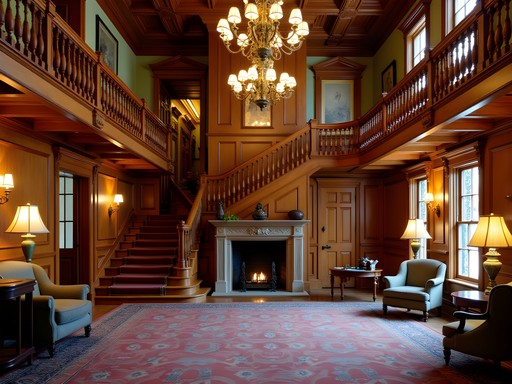
After a day of exploration, we checked into The Blennerhassett Hotel, a landmark that embodies Parkersburg's blend of historical significance and contemporary revival. Built in 1889, this Queen Anne-style hotel has been meticulously restored to maintain its period charm while offering modern amenities.
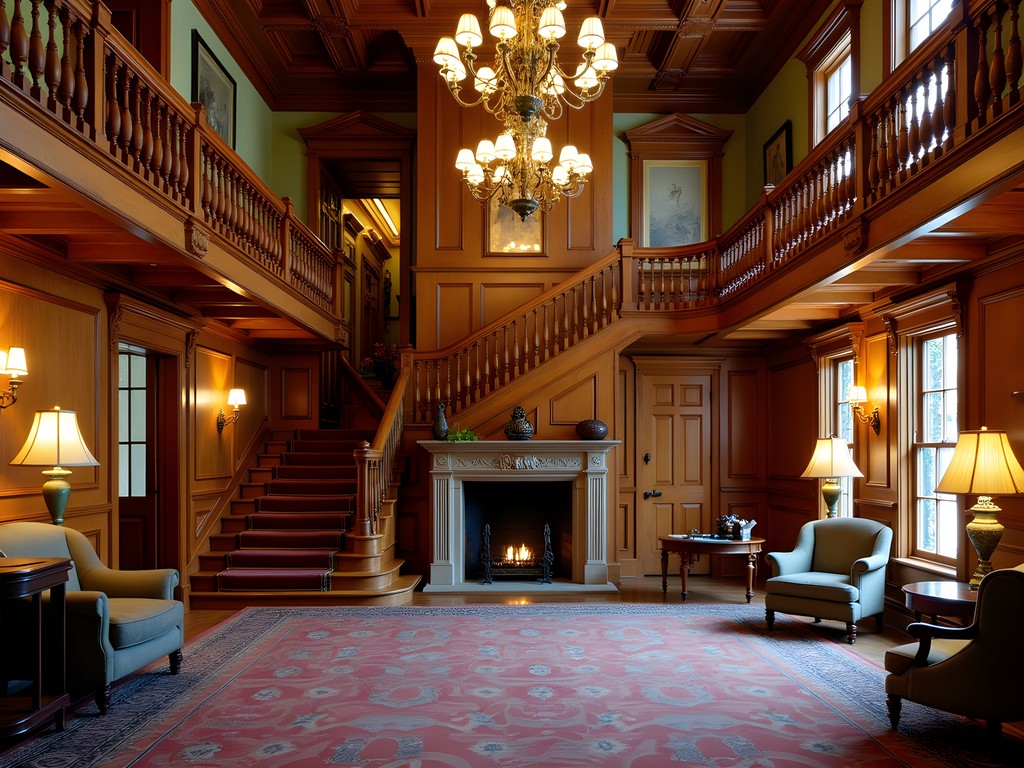
Our corner room featured 12-foot ceilings, original woodwork, and windows that framed views of downtown. Despite being budget-conscious travelers, we found the hotel surprisingly affordable for the experience—especially in the off-season. The lobby's grand staircase and ornate fireplace became Miguel's favorite indoor shooting location.
Before dinner, we enjoyed craft cocktails in the hotel's Spats Restaurant, where the bartender shared fascinating stories about the building's alleged hauntings. I'm typically skeptical about such tales, but I'll admit the hotel's atmospheric corridors did have an enigmatic quality that made ghost stories seem plausible. For those interested in the paranormal, I'd recommend bringing a EMF meter —several guests have reported unusual readings in the historic sections of the building.
💡 Pro Tips
- Request a room on the upper floors for better views and quieter surroundings
- Ask the concierge about the hotel's history book, which details its fascinating architectural evolution
- The hotel offers complimentary coffee and tea service in the lobby that's perfect for early risers
Oil & Gas Museum: Understanding Parkersburg's Industrial Soul
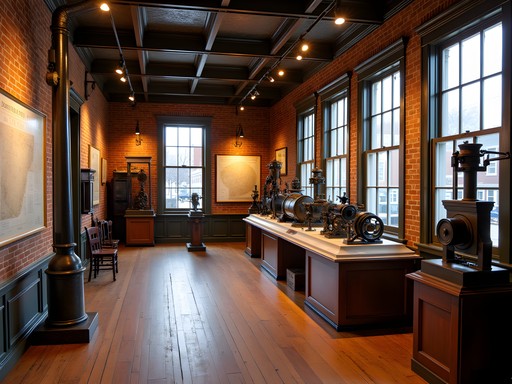
To truly appreciate Parkersburg's architectural heritage, one must understand the economic forces that built it. The Oil and Gas Museum provided exactly this context, housed appropriately in a repurposed 1900s hardware store building.
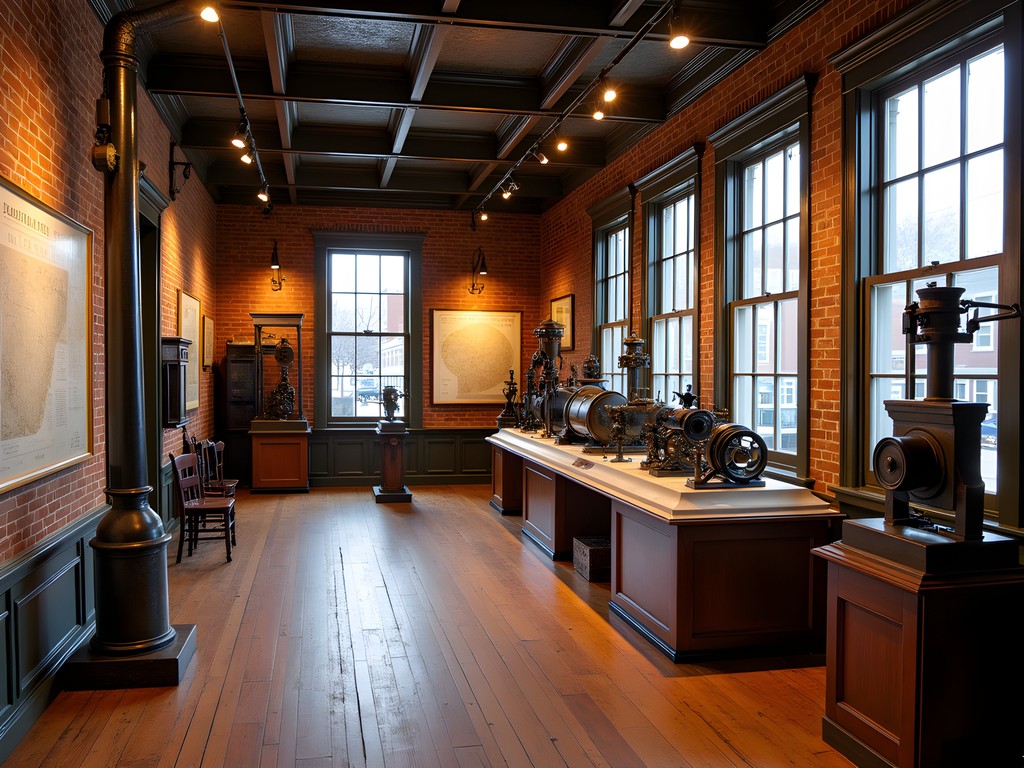
As someone who's lived in São Paulo—a city that constantly battles between preservation and progress—I found Parkersburg's approach to adaptive reuse particularly thoughtful. The museum itself is a testament to this philosophy, with its original tin ceilings and hardwood floors now serving as backdrop to exhibits on the region's petroleum industry.
While exploring the museum's three floors of artifacts, maps, and dioramas, I was struck by how the oil boom paralleled healthcare development in the region—something I often research in my telemedicine work. The docent, a former oil worker named Frank, offered insights no guidebook could provide, including stories about how the industry shaped the city's distinctive architectural landscape.
For those interested in industrial history, I recommend bringing a pocket magnifier to examine the intricate details of the antique tools and machinery on display. Miguel was particularly fascinated by the vintage photographs showing the city's evolution, providing context for the buildings we'd been admiring.
💡 Pro Tips
- Visit on weekday mornings when you might have the entire museum to yourself
- Ask about the special guided tours that include nearby oil-related architectural sites
- Don't rush—the small admission fee allows all-day access, perfect for taking a break and returning later

Point Park: Where Rivers and History Converge
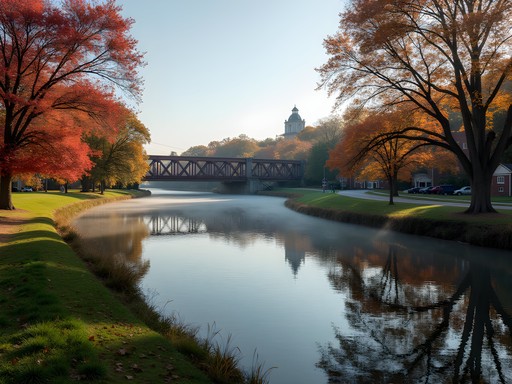
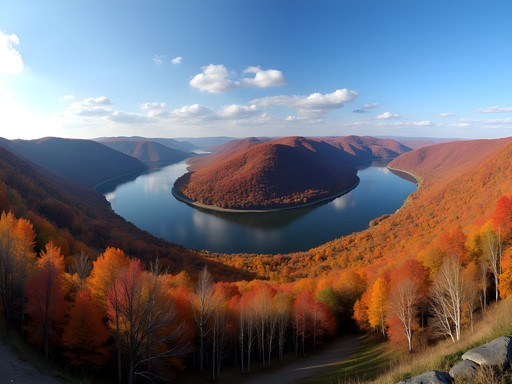
Our final morning in Parkersburg led us to Point Park, where the Little Kanawha meets the mighty Ohio River. This riverside park offers more than just scenic views—it provides a perfect vantage point to understand how geography shaped the city's development and architectural layout.
The park itself features several historical markers and monuments that chronicle Parkersburg's role in transportation history. As we sat on a bench watching the river traffic, I was reminded of similar waterfront revitalization projects I've seen in cities across Latin America—efforts to reconnect urban centers with their waterways.
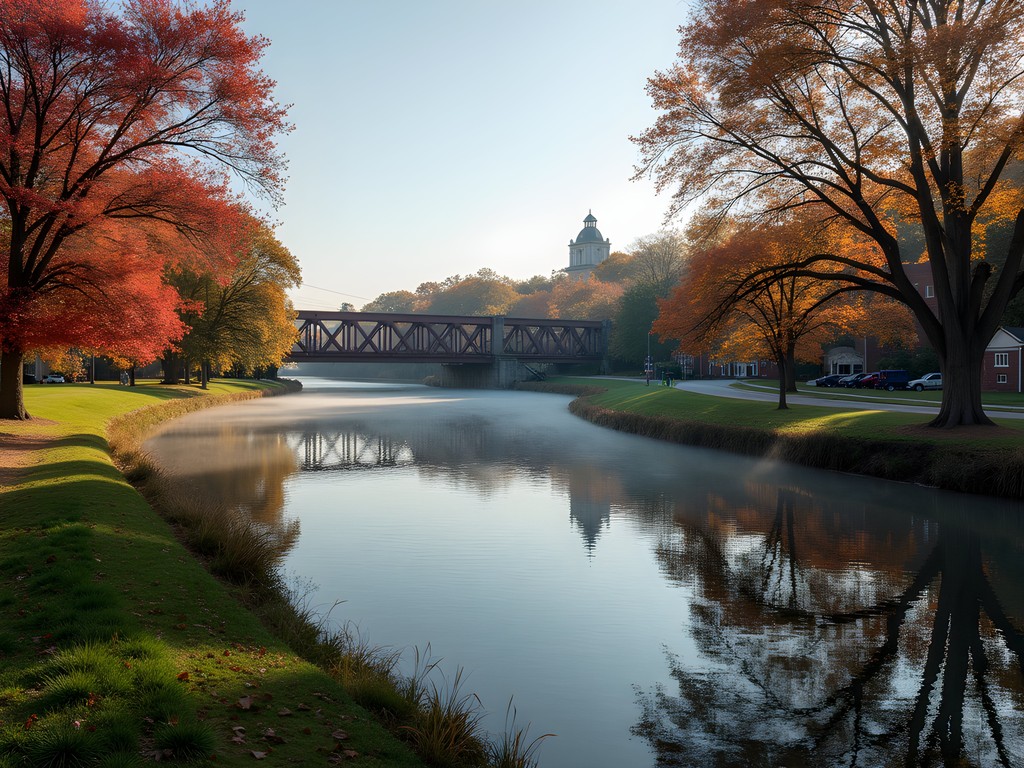
The crisp fall air carried hints of woodsmoke and fallen leaves as we strolled along the riverfront pathway. Miguel captured stunning shots of the historic railroad bridge using his variable ND filter, which helped manage the challenging riverside lighting conditions.
For lunch, we packed a simple picnic and used our insulated picnic blanket to create a comfortable riverside dining spot. The blanket's waterproof backing proved essential on the dewy grass, and its insulated layer kept us comfortable despite the cool autumn temperatures. As healthcare professionals who've spent years in hospitals with questionable cafeteria food, we've become experts at assembling nutritious portable meals—a skill that serves us well in our travels.
💡 Pro Tips
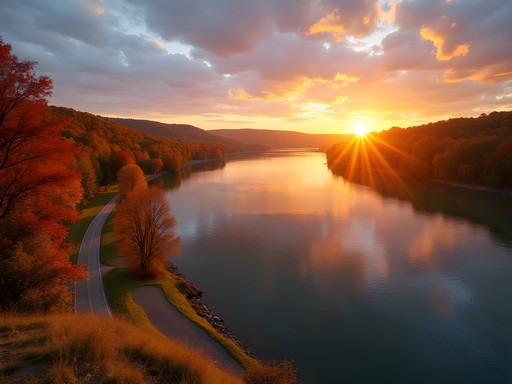
- Visit at sunset when the river reflects golden light and the historic bridges are silhouetted dramatically
- Bring binoculars to spot river wildlife and observe the architectural details of buildings across the water
- Check the schedule for the sternwheeler boats that occasionally dock at the park, offering a different perspective on the city's riverfront architecture
Downtown Revival: Small Businesses in Historic Spaces
What impressed me most about Parkersburg was how its downtown area is experiencing a quiet renaissance through adaptive reuse. Unlike the gentrification I've witnessed in larger cities, the revitalization here feels organic and community-driven.
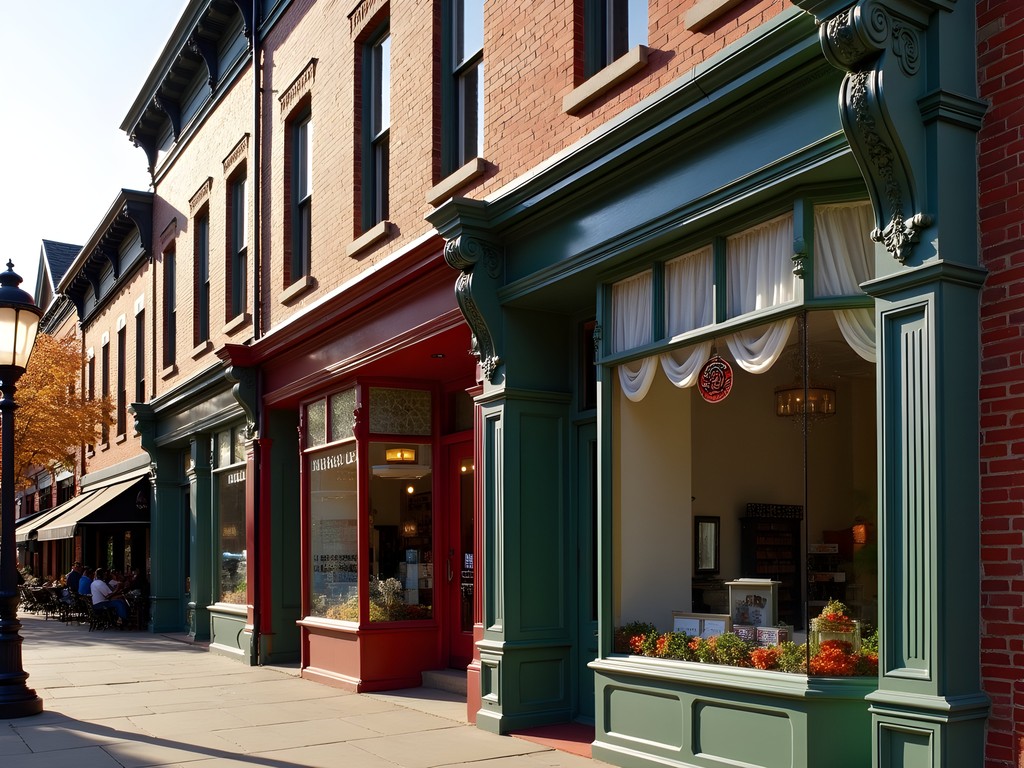
Market Street, once the commercial heart of the city, now hosts a growing collection of independent businesses housed in beautifully restored historic buildings. As someone who's documented digital nomad hubs worldwide, I was pleasantly surprised to discover a coworking space in a converted bank building, complete with original vault doors and marble floors.
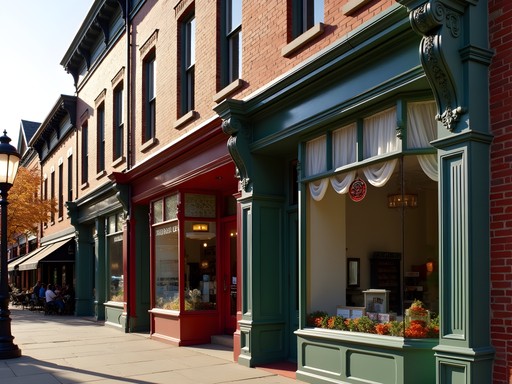
The Parkersburg Art Center occupies another architectural gem—a former department store whose large display windows now showcase local artwork. We spent a delightful hour browsing their exhibition on regional architecture photography, which provided additional context for our explorations.
For coffee enthusiasts, I highly recommend bringing your own travel coffee equipment to enjoy riverside. While Parkersburg has several charming cafés, there's something special about brewing your own coffee while watching the morning river fog lift around historic bridges.
The afternoon found us antiquing in shops housed in buildings that have stood for over a century—where the architecture itself was as interesting as the items for sale. Miguel discovered a collection of vintage postcards showing Parkersburg's evolution, which now sits framed in our São Paulo apartment as a reminder of this unexpected architectural haven.
💡 Pro Tips
- Many downtown businesses are closed Sundays and Mondays—plan accordingly
- Look up! The most interesting architectural details are often above street level on the building facades
- Strike up conversations with shop owners who often have fascinating stories about their historic buildings' previous lives
Final Thoughts
As our weekend in Parkersburg drew to a close, Miguel and I found ourselves reluctant to leave this architectural time capsule. The city offers something increasingly rare in our hyper-connected world—an authentic glimpse into America's industrial heritage that hasn't been over-commercialized or sanitized for mass tourism.
As a healthcare professional who's witnessed the importance of preserving history while embracing progress, Parkersburg's approach to urban renewal resonated deeply with me. The city demonstrates how architectural preservation can serve as both economic engine and community anchor.
For couples seeking a meaningful weekend escape—especially those with an appreciation for history, architecture, and authentic experiences—Parkersburg deserves a prominent place on your travel list. You won't find crowds, tourist traps, or inflated prices here—just genuine American heritage waiting to be discovered at your own pace.
Whether you're architectural enthusiasts, history buffs, or simply looking for an affordable getaway that offers more substance than spectacle, this West Virginia gem delivers far beyond expectations. As we boarded our flight back to São Paulo, we carried with us not just photographs of remarkable buildings, but a deeper appreciation for how small cities like Parkersburg keep America's architectural heritage alive through passionate preservation and thoughtful revitalization.
✨ Key Takeaways
- Parkersburg offers an authentic, uncrowded alternative to more touristy historic destinations
- Fall provides the perfect backdrop for exploring the city's Victorian architecture and riverfront
- The city's ongoing revitalization makes it an evolving destination worth visiting now
- Budget travelers can experience remarkable architectural heritage without breaking the bank
- The combination of industrial history and architectural preservation creates a uniquely educational experience
📋 Practical Information
Best Time to Visit
September-November for fall foliage and comfortable temperatures
Budget Estimate
$200-300 per couple for a weekend (accommodations, food, and activities)
Recommended Duration
2-3 days
Difficulty Level
Easy

Comments
WanderingWheels
Great post! Anyone know if Parkersburg is bike-friendly? Thinking of cycling through on my cross-country trip.
OhioValleyRider
The downtown area is pretty compact and bikeable. There's also a nice trail along the river. Just be careful on some of the steeper streets in the historic district!
beachqueen
Love your photos!
Bryce Diaz
Man, this brings back memories. I did a solo trip through Appalachia last year and Parkersburg was one of my favorite stops. There's something about these forgotten industrial cities that just speaks to me - the layers of history, the resilience, the way nature slowly reclaims the edges. I spent an afternoon just sitting in Julia-Ann Square with my travel journal sketching the ironwork details. The Oil & Gas Museum surprised me too - way more interesting than I expected. Did you guys make it to any of the local diners? There's this place called Drover's Inn that serves the most incredible biscuits and gravy.
Zachary Gordon
Yes! We went to Drover's Inn on our last morning. Those biscuits were incredible. Should have mentioned it in the post!
skylegend8201
WOW! This post just completely changed my perception of West Virginia!! The architecture is STUNNING and I love that you're highlighting these underrated destinations. Adding this to my bucket list immediately! Those Victorian buildings are absolutely gorgeous and I'm obsessed with that sunset photo at Point Park. Thank you for sharing this gem!!!
nomadblogger7168
Is the Blennerhassett hotel expensive? Looking for budget-friendly options but it looks so cool in your photos!
Bryce Diaz
Not OP but I stayed there last spring. It's actually pretty reasonable for a historic hotel - around $120-150/night when I went. Way cheaper than similar historic properties in bigger cities. Totally worth it for the experience.
Frank Garcia
This is brilliant content, Zachary. I've been researching Rust Belt cities for an upcoming US trip and most travel content completely overlooks these places in favor of the usual suspects. The architectural preservation you've documented here is remarkable - that Victorian detail work in Julia-Ann Square rivals what I've seen in some European cities. Question: How accessible is everything without a car? I typically rely on walking and public transit when I travel.
Zachary Gordon
Thanks Frank! Honestly, the downtown core is very walkable - we walked everywhere within the historic district. But public transit is pretty limited. You might want to use rideshare for getting to Point Park or if you want to visit Blennerhassett Island. The downtown concentration makes it easier than most American cities though.
tripexplorer3445
Never heard of this place but looks amazing!
beachlegend
How many days would you recommend for Parkersburg? Thinking of adding it to my Ohio River road trip but not sure if it's worth more than a day stop?
Zachary Gordon
I'd say 2 full days minimum! There's more than you'd expect - the architecture walking tour alone took us half a day, plus the museum, Blennerhassett Island (if you go), and just wandering the historic districts. We did a long weekend and it felt perfect.
beachlegend
Perfect, thanks! Will plan for 2 nights then
exploreseeker
Love this! Adding to my bucket list
Sage Dixon
This post hits home! I did a similar Rust Belt exploration last fall through Pittsburgh, Wheeling, and Youngstown. There's something magical about these forgotten industrial cities - the architecture tells stories that gleaming new developments never could. Parkersburg wasn't on my radar but you've convinced me. The Oil & Gas Museum sounds fascinating - I love when cities embrace their industrial heritage instead of trying to erase it. Did you get a chance to explore any of the smaller towns around Parkersburg? Sometimes those have even more untouched gems.
exploreseeker
ooh what was your favorite? thinking about a road trip through that area
Sage Dixon
Wheeling blew me away! The Capitol Theatre alone is worth the trip. And way less crowded than Pittsburgh
Venture X
Premium card with 2X miles, $300 travel credit, Priority Pass