


Disclosure: This article contains affiliate links. We may earn a commission from purchases at no extra cost to you, which helps our travel content.
I've spent decades exploring post-industrial cities across North America, watching them transform and reinvent themselves. Minneapolis—often overshadowed by its mammoth Mall of America—has quietly become one of America's most compelling urban narratives. Like a carefully edited anthology that few have discovered, this city weaves together industrial heritage, cutting-edge art, and multicultural influences into a story that deserves far wider readership. After my recent summer weekend exploration, I'm convinced Minneapolis offers solo travelers one of the most rewarding urban canvases in the Midwest.

The Mill District: Where Industry Becomes Art
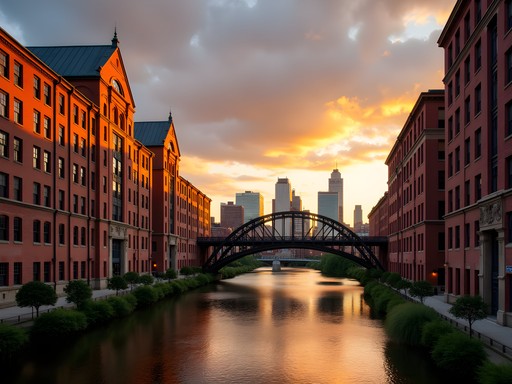
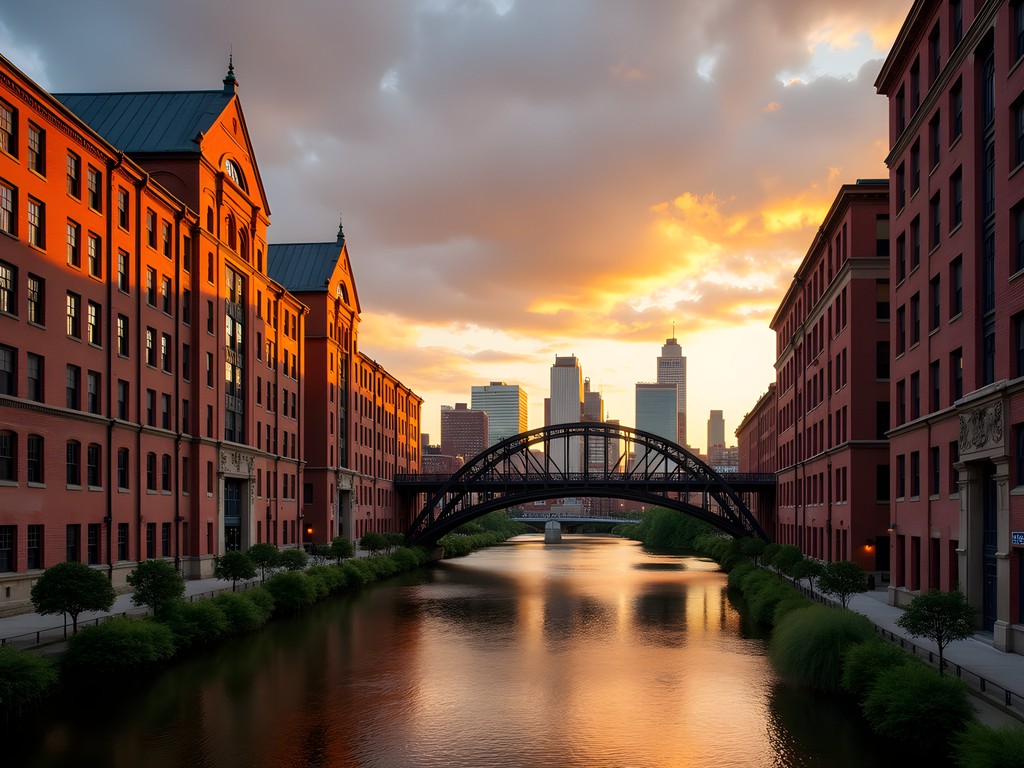
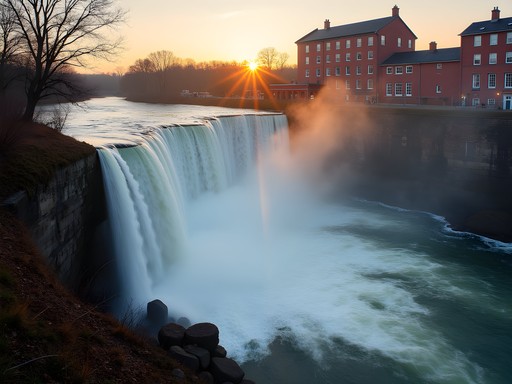
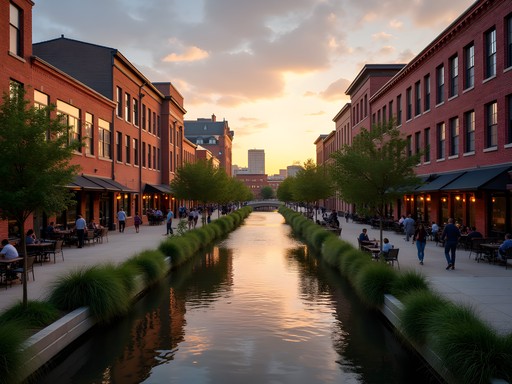
The Mill District stands as Minneapolis' most powerful example of adaptive reuse—where the flour mills that once powered America's breadbasket have been thoughtfully repurposed into cultural spaces. At the Mill City Museum, built within the ruins of the Washburn A Mill, I traced the city's evolution from industrial powerhouse to creative hub. The museum's glass façade juxtaposed against the original stone walls creates a visual metaphor for Minneapolis itself: historical foundations supporting contemporary vision.
Walking along the Stone Arch Bridge at sunset, I watched kayakers navigate the Mississippi below while cyclists and pedestrians shared this former railroad bridge. The golden hour light transformed the limestone and brick buildings into a warm tableau that reminded me of similar post-industrial revivals I've documented in Glasgow and Pittsburgh—though Minneapolis has achieved something uniquely cohesive here.
For dinner, I discovered Owamni by The Sioux Chef, a James Beard Award-winning restaurant celebrating Indigenous cuisine. Sitting on the outdoor patio overlooking the falls that powered those historic mills, I savored dishes made without colonial ingredients—a thoughtful reclamation of Native foodways in a space once dominated by European-American industry.
💡 Pro Tips
- Visit the Guthrie Theater's 'Endless Bridge' for spectacular river views—it's free to enter the building and access this architectural feature
- Download the Mill District Walking Tour app for self-guided exploration
- The Stone Arch Bridge is busiest on weekend afternoons—go early morning or evening for a more contemplative experience
Walker Art Center & Sculpture Garden: Contemporary Culture in Context
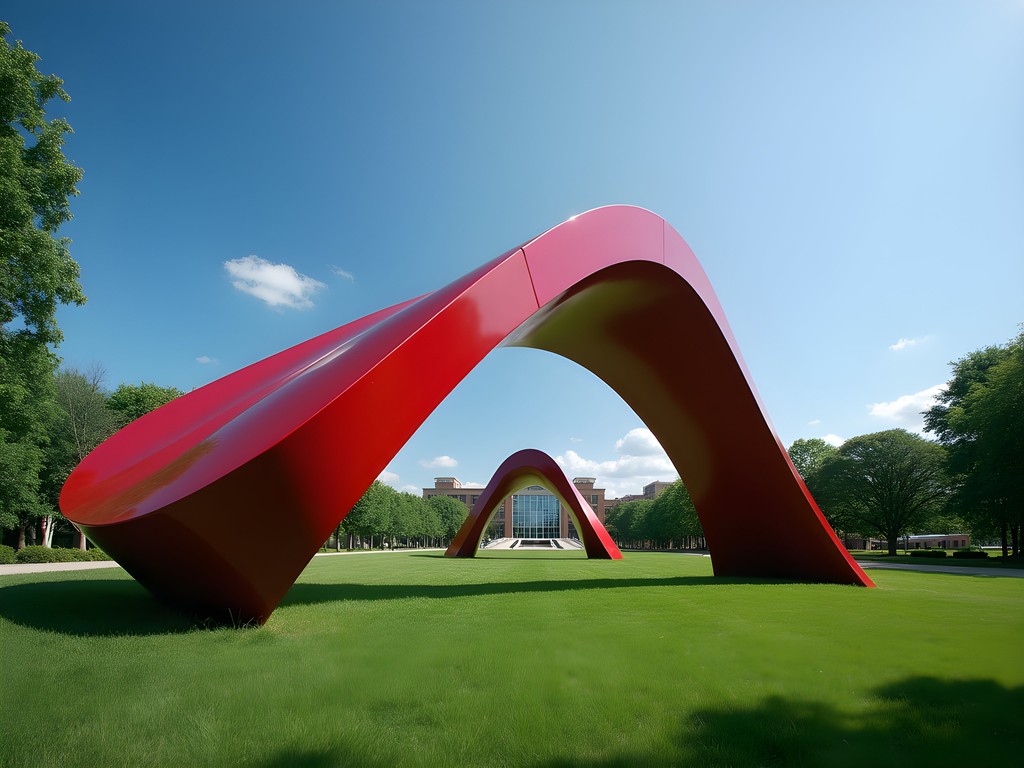
No cultural exploration of Minneapolis would be complete without dedicating ample time to the Walker Art Center and its adjacent Sculpture Garden. While many cities boast contemporary art museums, the Walker stands apart through its commitment to boundary-pushing exhibitions and its seamless integration with outdoor space. I spent a full morning wandering its galleries, particularly drawn to their collection of minimalist works that reminded me of pieces I'd first encountered during my National Geographic editing days.
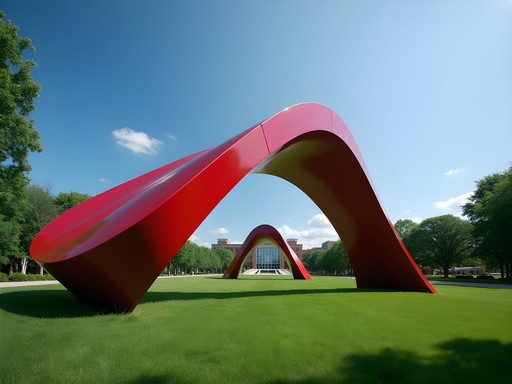
The Sculpture Garden, with its iconic Spoonbridge and Cherry fountain, offers a democratic art experience—accessible to everyone regardless of background or budget. I watched families, art students, and curious tourists all engaging with monumental works in their own ways. My favorite discovery was the garden's less-photographed corners, where smaller sculptures create intimate moments of reflection.
After several hours of art immersion, I needed sustenance and found it at Cardamom, the Walker's excellent Middle Eastern-inspired restaurant. I paired their za'atar flatbread with a refreshing insulated water bottle that kept my water cold throughout the afternoon—a worthwhile investment for any urban explorer navigating summer heat.
💡 Pro Tips
- Thursday evenings offer pay-what-you-wish admission to the Walker Art Center
- The Minneapolis Sculpture Garden is free and open from 6am to midnight daily
- Download the Walker Art Center app for audio guides and exhibition information
Northeast Minneapolis: The Creative Frontier
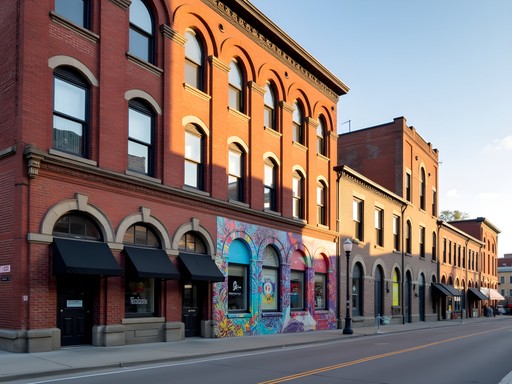
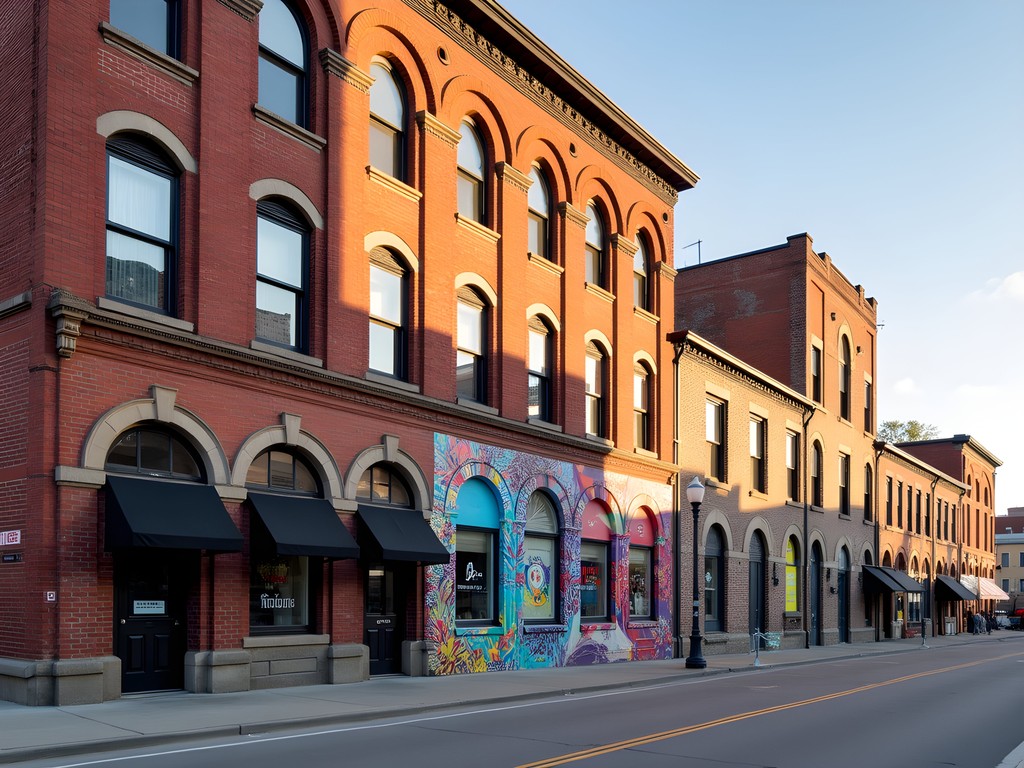
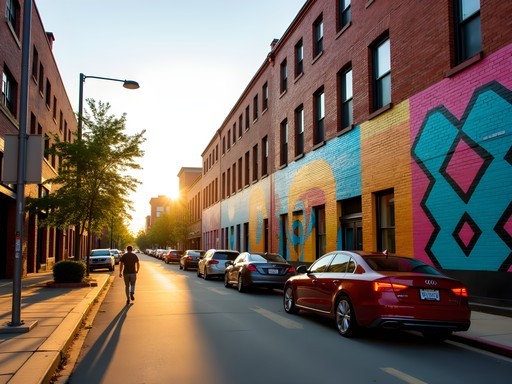
Across the river from downtown, Northeast Minneapolis (affectionately called 'Nordeast' by locals) reveals the city's grittier, more experimental side. This former working-class neighborhood has transformed into Minneapolis' premier arts district without sacrificing its authentic character—a balance rarely achieved in gentrifying areas I've documented elsewhere.
The Northrup King Building anchors the district, housing over 350 artists and makers in a massive former seed company warehouse. I timed my visit to coincide with their First Thursday open studio night, when artists welcome visitors into their creative spaces. The industrial elevators and wide hallways still bear the marks of the building's utilitarian past, while studios showcase everything from traditional painting to experimental multimedia installations.
For dinner, I wandered to Young Joni, where James Beard Award-winning chef Ann Kim blends Korean influences with wood-fired cooking. The restaurant's back bar, accessed through an unmarked door in the alley, offers craft cocktails in a space that feels like a well-curated living room.
Between studio visits, I discovered I Am Mpls, a boutique featuring locally designed clothing and accessories. I couldn't resist purchasing a pair of wireless earbuds after realizing I'd forgotten mine—they proved perfect for listening to my audio guides while navigating the city's extensive public transportation system.
💡 Pro Tips
- Check the Northeast Minneapolis Arts Association calendar for open studio events throughout the year
- The 331 Club offers free live music nightly and serves as a neighborhood gathering spot
- Bicycle is the ideal way to explore Northeast—rent a bike share from numerous stations around the city

Minneapolis' Indigenous Narratives
Minneapolis sits on Dakota homeland, and the city is increasingly acknowledging and celebrating its Indigenous foundations. As someone who's documented endangered cultural practices worldwide, I was particularly drawn to the Native American Cultural Corridor along Franklin Avenue.
At All My Relations Arts gallery, I explored contemporary Indigenous artwork that challenges stereotypes and celebrates living traditions. The nearby Minnesota Indian Women's Resource Center provides important services while also educating visitors about Indigenous perspectives. Throughout the corridor, murals and public art installations tell stories of resistance and resilience.
For a deeper understanding of the area's Native history, I took a guided tour with Dakota land tour, which offers Indigenous-led experiences focused on the significance of the Mississippi River and surrounding lands. Our guide shared both historical context and personal stories, creating connections that no guidebook could provide.
Perhaps most moving was my visit to Bdote, the confluence of the Mississippi and Minnesota rivers, considered the origin place in Dakota creation stories. Standing at this junction of waters, I gained a perspective on Minneapolis that transcends its relatively brief existence as an American city, understanding it instead as a place of gathering and significance dating back millennia.

💡 Pro Tips
- Visit the Minneapolis American Indian Center's Gatherings Cafe for Indigenous cuisine
- Check the schedule for Native American community events at powwowgrounds.com
- Read works by Native Minnesota authors like Louise Erdrich and David Treuer before your visit
Bookish Minneapolis: A Literary Explorer's Paradise
As a former book editor, I'm drawn to cities with vibrant literary scenes, and Minneapolis delivers magnificently on this front. The city that nurtured literary voices from F. Scott Fitzgerald to Louise Erdrich continues to support a remarkable ecosystem of independent bookstores, publishers, and literary centers.
The Loft Literary Center in the Open Book building serves as the heart of Minneapolis' writing community. I attended a Saturday morning writing workshop there, surrounded by aspiring and established authors in a space purpose-built for literary creation. The building also houses Milkweed Editions, one of America's finest independent publishers, and their beautiful bookstore.
For serious book browsing, I spent hours in Magers & Quinn, Minneapolis' largest independent bookstore, where I found everything from new releases to rare Minnesota histories. Their staff recommendations never disappoint—I left with a tote bag full of discoveries and a much lighter wallet.
To fuel my literary wanderings, I relied on my portable espresso maker, which let me brew my own coffee while reading in the city's numerous parks. For evening reading in my hotel room, my book light provided perfect illumination without disturbing neighbors.

💡 Pro Tips
- Check Rain Taxi's event calendar for readings and literary events happening during your visit
- Birchbark Books, owned by novelist Louise Erdrich, specializes in Native American literature and offers a uniquely curated selection
- The Minneapolis Central Library downtown is an architectural marvel worth visiting even if you're not borrowing books
Final Thoughts
Minneapolis reveals itself slowly, like a complex narrative that rewards careful readers. Beyond the Mall of America's commercial sprawl lies a city that has thoughtfully edited its industrial past into a compelling present while acknowledging the deeper Indigenous stories of this river-bound land. What strikes me most is how Minneapolis balances preservation with innovation—maintaining the structural bones of its mill district while filling those spaces with forward-thinking art and cuisine.
For solo travelers seeking cultural immersion, Minneapolis offers an ideal blend of accessibility and discovery. The city's excellent public transportation, pedestrian-friendly neighborhoods, and general Midwestern openness make it navigable even for first-time visitors, while its layered arts scene provides endless opportunities for deeper exploration.
As I boarded my flight home, my notebook filled with observations and my camera heavy with images, I found myself already planning a return visit. Minneapolis has earned its place among North America's essential urban destinations—not because it shouts for attention, but because it confidently tells its multifaceted story to those willing to listen.
✨ Key Takeaways
- Minneapolis offers far more cultural depth than its Mall of America reputation suggests
- The city excels at adaptive reuse, transforming industrial spaces into vibrant cultural centers
- Indigenous perspectives are increasingly centered in Minneapolis' cultural offerings
- The literary and visual arts scenes provide rich experiences for solo cultural travelers
📋 Practical Information
Best Time to Visit
Summer (June-August)
Budget Estimate
$150-250 per day
Recommended Duration
3-4 days
Difficulty Level
Easy

Comments
citymaster4493
If you like this vibe check out St Paul too. The Cathedral Hill area and Grand Ave have great galleries and way fewer tourists.
tripperson
Yes! St Paul is super underrated. The twin cities really are twins lol
adventurevibes
This is SO helpful!! I've been planning a Midwest road trip and was literally just going to stop at MOA for a day. Now I'm adding two more days to explore all of this. The sculpture garden looks incredible! Can't wait to see it in person!!
Douglas Bradley
Excellent piece, Leah. As someone who focuses on cultural travel, I appreciate how you've highlighted the layers beneath Minneapolis' commercial surface. The Walker Art Center's commitment to accessibility and community engagement sets it apart from many contemporary art institutions. When I visited last summer, I was particularly impressed by their public programming - they really work to break down barriers between 'high art' and everyday experience. One tip for readers: if you're there during winter (which, let's be honest, is most of the year), the skyway system connects much of downtown, so you can explore galleries and museums without freezing. Also worth checking out the Weisman Art Museum on the University of Minnesota campus - that Frank Gehry building alone is worth the trip.
beachlife
Never thought of Minneapolis as an arts destination but this changed my mind
hikingphotographer
Going there in March! How walkable is it between these neighborhoods?
citymaster4493
Pretty walkable downtown but grab a Nice Ride bike for longer distances. The bike share system is solid.
hikingphotographer
Perfect, thanks!
Hunter Thompson
Absolutely loved this post! Minneapolis was such a pleasant surprise when I visited. Totally agree about it being overshadowed by the Mall. The Sculpture Garden at the Walker was incredible - that Spoonbridge and Cherry is even more impressive in person. Did you get a chance to check out any of the indigenous art exhibitions? I caught one at the Minneapolis Institute of Art and it completely changed how I thought about the city's history. The light rail system made getting around so easy too.
Jean Wells
Leah, this resonates deeply with my own observations of post-industrial transformation in North American cities. I visited Minneapolis last October and was struck by how thoughtfully the Mill District has been preserved and repurposed. The juxtaposition of industrial heritage with contemporary art spaces creates a fascinating dialogue about labor, history, and creativity. I'm curious about your perspective on the Indigenous narratives section - did you connect with the Native American Community Development Institute or visit the Minneapolis American Indian Center? I found those experiences essential to understanding the city's fuller story beyond the surface-level arts scene.
citymaster4493
The MAIAC is definitely worth visiting
summerclimber
Great photos! Really like the Mill District shots
tripperson
YES!! Finally someone gets it! I lived in Minneapolis for 3 years and everyone who visited me just wanted to go to MOA. Don't get me wrong, the mall is fun for like an hour, but Northeast Minneapolis is where it's at! The art crawl there is absolutely amazing - happens first Friday and third Saturday of every month. So many studios and galleries open their doors. Also the food scene in Northeast is incredible. Definitely hit up some of the breweries too while you're exploring that area!
adventurevibes
omg the art crawl sounds awesome!! adding that to my list
tripperson
You'll love it! Bring cash for the small galleries, some don't take cards
nomadace
This is great! Heading there in July. How much time would you say we need for the Mill District area?
Hunter Thompson
Not Leah but I was there last autumn! I'd say give yourself at least half a day for the Mill District. The Mill City Museum is brilliant and you'll want time to walk along the river. Northeast Minneapolis is ace too - loads of breweries and art galleries. Spent a whole afternoon just wandering around there!
nomadace
Perfect, thanks! Adding the breweries to my list
Venture X
Premium card with 2X miles, $300 travel credit, Priority Pass