Disclosure: This article contains affiliate links. We may earn a commission from purchases at no extra cost to you, which helps our travel content.
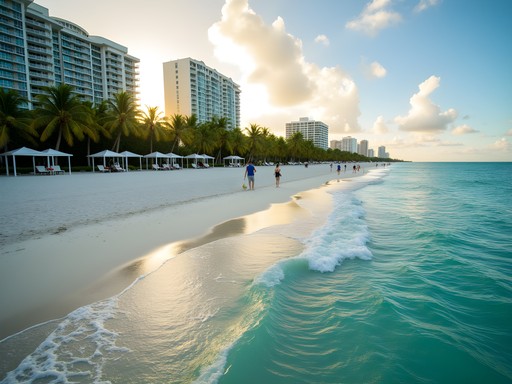
Miami often conjures images of neon-lit Ocean Drive, bronzed bodies on South Beach, and the pulsating nightlife that has defined its global reputation. But as someone who has spent decades exploring cities through the lens of cultural craftsmanship, I've discovered that Miami's true soul lies beyond its famous shoreline. During a winter weekend escape from Aurora's bitter cold, I traded my mechanic's tools for my camera and wandering feet, determined to uncover the authentic Miami that exists in the shadows of its postcard perfection. What I found was a tapestry of neighborhoods as diverse as my own French-Senegalese heritage—places where art spills from gallery walls onto building facades, where immigrant stories are told through cuisine and craftsmanship, and where the city reveals itself as so much more than a beach destination. Allons-y, my friends—let's discover the real Miami together.

Wynwood: Where Walls Tell Stories
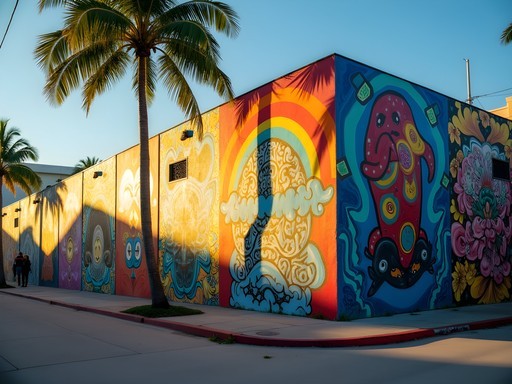
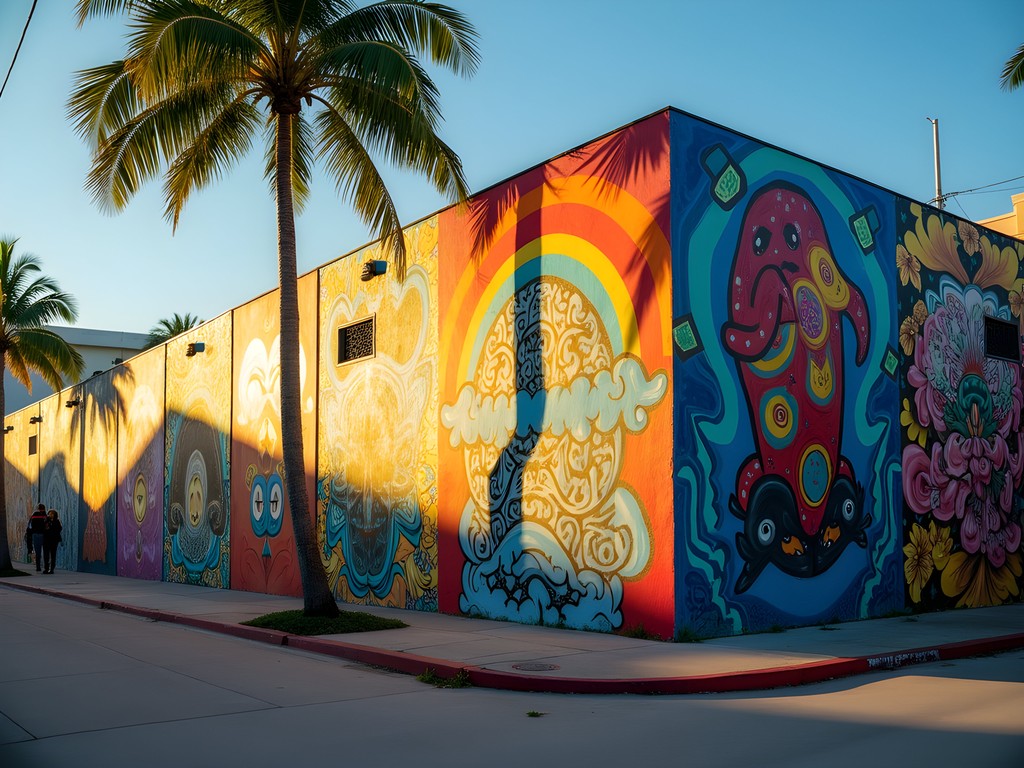
The transformation of Wynwood from neglected warehouse district to global street art mecca reminds me of the Belleville neighborhood in Paris, where I spent my youth watching similar urban evolution unfold. Arriving mid-morning on a Saturday—the perfect time before crowds swell—I was immediately struck by the technical precision of the murals. As someone who appreciates the mechanical precision required in both auto repair and art, I found myself analyzing brushstrokes and spray techniques with professional admiration.
The Wynwood Walls serve as the district's anchor, a curated outdoor museum featuring rotating works by international artists. But venture beyond this sanctioned space and you'll discover the area's true character. I spent hours wandering the grid of streets between NW 2nd Avenue and NW 5th Avenue, where every surface becomes a canvas. The juxtaposition of a Jorge Rodríguez-Gerada portrait against the raw industrial backdrop reminded me that beauty often emerges from unlikely foundations.
What fascinates me most about Wynwood is the ephemeral nature of the art—much like the vintage cars I restore, these works require maintenance, respect, and sometimes complete reinvention. Some murals remain for years, becoming neighborhood landmarks, while others might disappear overnight, replaced by fresh visions.
For photography enthusiasts, I recommend bringing a wide-angle lens to capture the scale of these massive works. The morning light casts the most flattering glow on the eastern-facing walls, while late afternoon sun illuminates the western sides beautifully.
💡 Pro Tips
- Visit on weekday mornings to avoid crowds and capture photos without people in frame
- Join a guided tour with local artists for insider stories behind specific murals
- Stop by Panther Coffee for excellent fuel before your art walk
Little Havana: Cuba's Heart in American Soil
Strolling down Calle Ocho (SW 8th Street) feels remarkably similar to wandering through the immigrant neighborhoods of Paris where I was raised—places where people carried their homeland in their hearts while building new lives. Little Havana pulses with this same energy, a cultural preservation that resonates deeply with me.
My exploration began at Cuban Memorial Boulevard, where monuments tell stories of struggle and resilience. The roosters of Little Havana—both the painted statues scattered throughout the neighborhood and the occasional live ones—reminded me of my grandmother's village in Senegal, where roosters similarly announced the day's beginning.
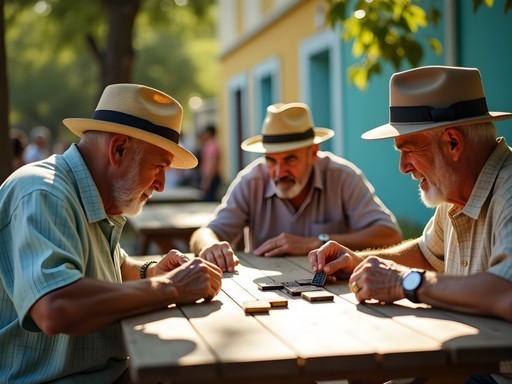
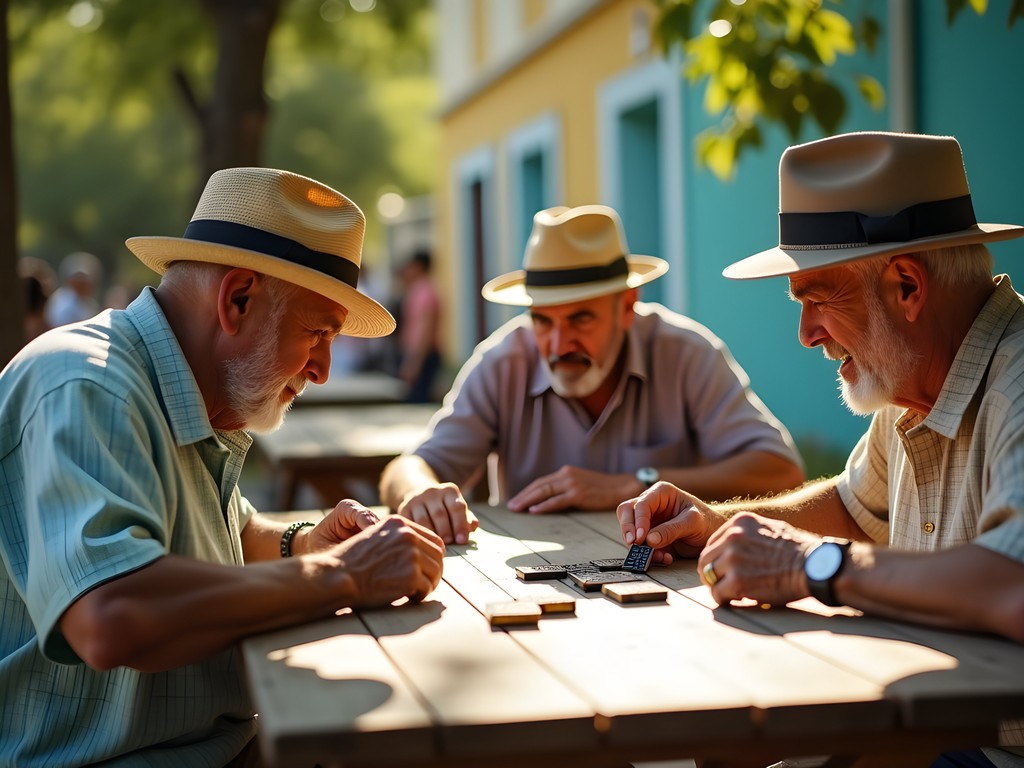
Domino Park (officially Máximo Gómez Park) offers a glimpse into authentic Cuban-American social life. I spent an hour watching elderly gentlemen hunched over domino tables, their hands moving with the practiced precision that comes only from decades of experience—the same fluid efficiency I recognize in master mechanics who've spent lifetimes perfecting their craft.
The rhythm of Little Havana is punctuated by the scent of cafecito (Cuban coffee) and the sounds of live music spilling from venues like Ball & Chain. For those interested in Cuban culture beyond the surface level, I recommend visiting on the last Friday of the month for Viernes Culturales (Cultural Fridays), when the neighborhood transforms into a vibrant street festival.
After walking several miles, I found myself craving authentic Cuban cuisine. Versailles Restaurant serves as the neighborhood's unofficial gathering place, but I preferred the less touristed El Exquisito, where the ropa vieja transported me directly to Havana without the need for a passport.
💡 Pro Tips
- Visit Domino Park around 3-4pm to see the most animated games
- Try a proper Cuban coffee at ventanita (coffee window) for authentic experience
- Look for cigar rollers demonstrating their craft in shop windows along Calle Ocho
Design District & Midtown: Where Art Meets Architecture
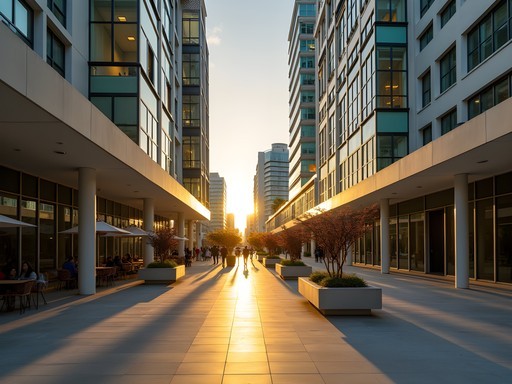
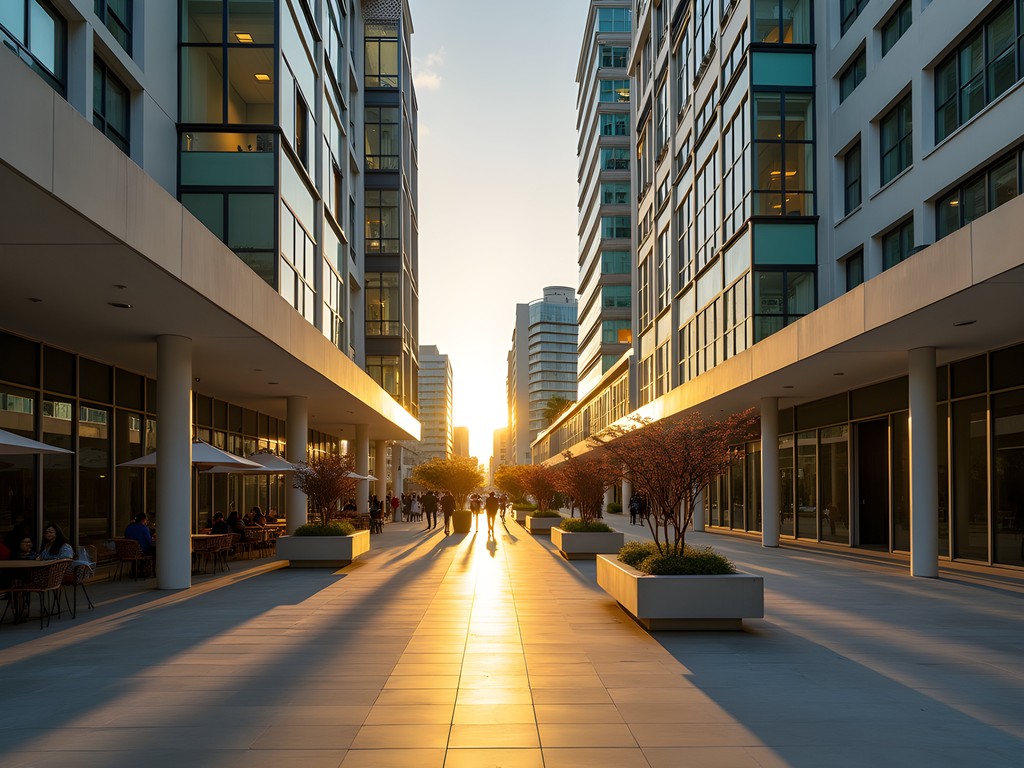
The Miami Design District represents the fascinating intersection of high design, architectural innovation, and public art that makes this city unique. As someone who appreciates the technical precision of both mechanics and design, I found myself analyzing the structural elements of buildings as much as their aesthetic appeal.
The Institute of Contemporary Art (ICA Miami) offers free admission—a rarity in the art world—and houses an impressive collection in a building that's itself an architectural statement. What struck me most was how the Design District balances commercial luxury with genuine artistic expression, creating public spaces that invite interaction rather than mere observation.
The nearby Palm Court features a geodesic dome that reminds me of the engineering principles I apply daily in my shop—the distribution of weight and tension to create something both beautiful and functional. I spent an hour sketching its structure in my travel journal, appreciating the mathematical precision behind its seemingly effortless design.
For photography enthusiasts, I recommend bringing a compact tripod for capturing the architectural details in varying light conditions. The reflective surfaces and geometric patterns throughout the district create fascinating compositions, particularly during golden hour.
Midtown Miami, just south of the Design District, offers a more accessible version of this design-forward approach. The Shops at Midtown provide a pleasant urban strolling experience with cafes and boutiques that feel more approachable than their Design District counterparts. For those seeking creative inspiration without the luxury price tags, this area strikes a perfect balance.
💡 Pro Tips
- Visit the Design District's public art installations with the free map available at the Paradise Plaza information desk
- Check the schedule for free weekend art talks at ICA Miami
- Explore side streets for unexpected architectural gems away from the main plazas

Little Haiti: Cultural Authenticity Beyond the Tourist Trail
Little Haiti offered me perhaps the most authentic connection to my own African heritage during my Miami exploration. This neighborhood, often overlooked by conventional travel guides, pulses with Caribbean influences and preserves Haitian culture with remarkable dedication.
The Caribbean Marketplace, with its distinctive gingerbread architecture inspired by Haiti's Iron Market in Port-au-Prince, serves as the neighborhood's cultural anchor. Inside, vendors sell everything from handcrafted jewelry to medicinal herbs, creating a sensory experience reminiscent of markets I've visited across West Africa.
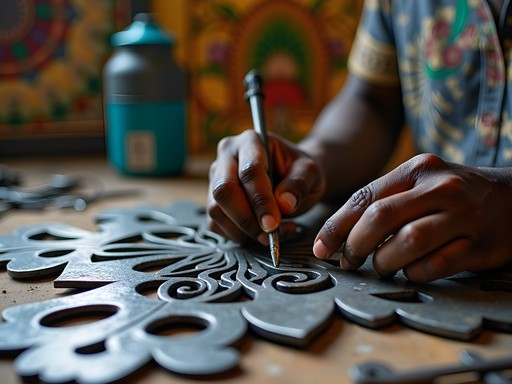
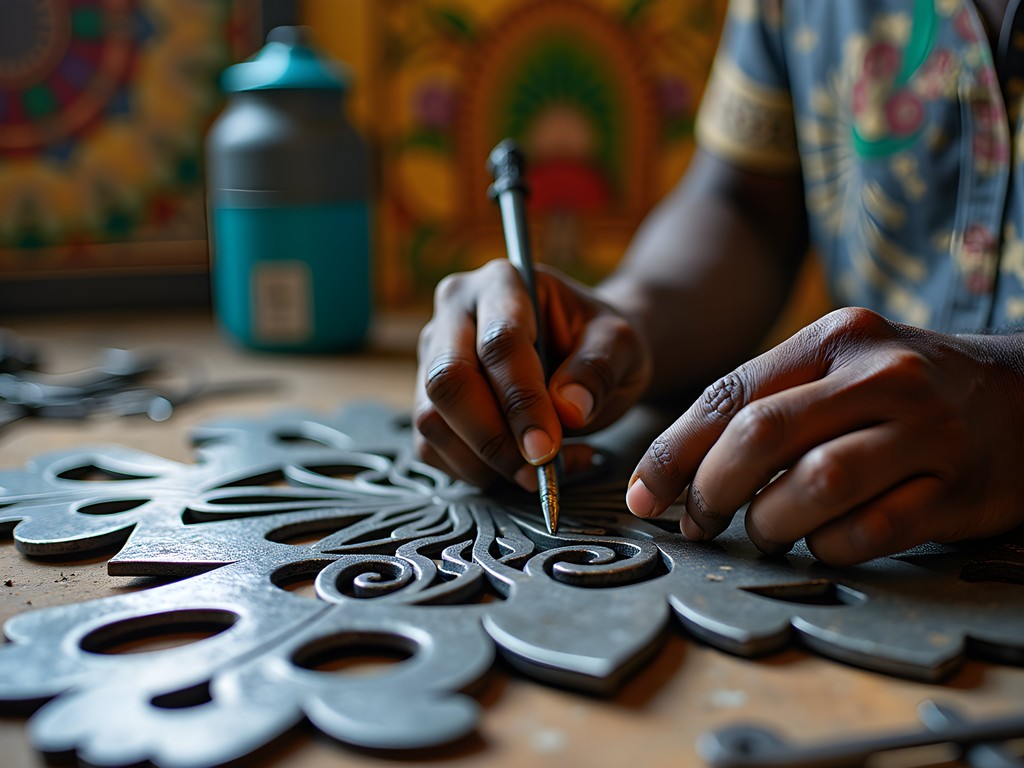
What drew me most deeply to Little Haiti was the community's commitment to cultural preservation through craftsmanship. At the Little Haiti Cultural Complex, I witnessed artisans creating traditional Haitian metalwork—transforming discarded oil drums into intricate art pieces through techniques passed down through generations. As someone who values the mechanical precision of handcraft, I spent hours discussing techniques with a metal artist named Jean-Baptiste, comparing his methods to the mechanical work I do back in Aurora.
The neighborhood's vibrant murals tell stories of Haitian history, spirituality, and resilience. Unlike Wynwood's sometimes commercial approach, Little Haiti's street art feels more organic and community-driven. The colors here—vivid blues, yellows, and reds—reminded me of my father's descriptions of Dakar's painted buildings.
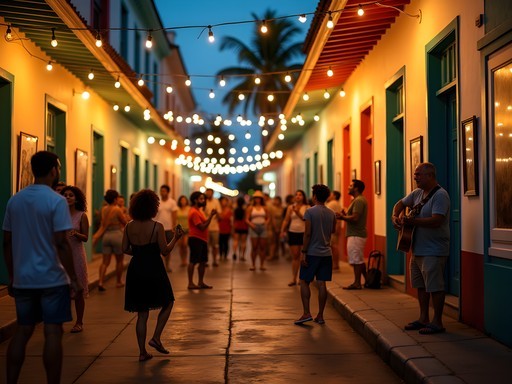
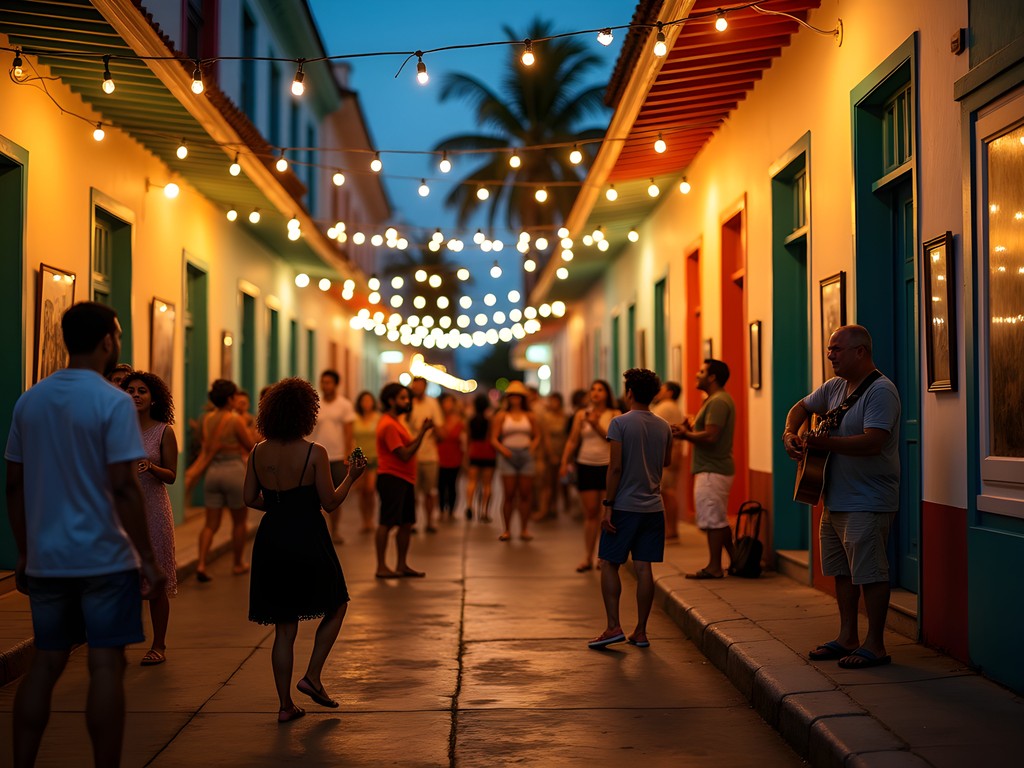
For those interested in authentic musical experiences, I recommend visiting on a Friday evening when impromptu kompa music sessions often spill onto the streets. I found myself dancing alongside locals outside a small venue on NE 2nd Avenue, the rhythm feeling surprisingly familiar despite being far from both my French and Senegalese roots.
To document this vibrant neighborhood, my mirrorless camera proved invaluable for capturing both detailed shots of craftwork and wider street scenes without being obtrusive.
💡 Pro Tips
- Visit the Little Haiti Cultural Center on Saturdays when most community programs are active
- Support local businesses by purchasing directly from artisans rather than souvenir shops
- Try Haitian cuisine at Chef Creole or Tap Tap for authentic flavors
Calle Ocho Art Walk: Where Community Creates Culture
While Wynwood attracts international attention, the Calle Ocho Art Walk in Little Havana offers a more intimate glimpse into how art functions as community expression rather than tourist attraction. Held on the last Friday of each month, this event transforms SW 8th Street into a vibrant celebration of Cuban-American culture through visual arts, music, and cuisine.
Unlike the sometimes commercial feel of other art districts, Calle Ocho's galleries maintain an authenticity that comes from deep community roots. At Futurama 1637 Art Building, I discovered studios where artists work in real-time, happy to discuss their techniques and inspirations. This open-door approach reminded me of my father's auto shop in Paris, where neighborhood children would gather to watch him work, learning through observation.
What makes this art walk special is the seamless integration of multiple art forms—visual art blends with live music, dance performances erupt spontaneously on street corners, and the line between audience and performer blurs beautifully. At Cubaocho Museum & Performing Arts Center, I witnessed an impromptu jam session between formally trained musicians and elderly community members who joined with percussion instruments they pulled from seemingly nowhere.
The technical skill displayed in both traditional and contemporary Cuban art forms impressed me deeply. A painter named Carlos demonstrated a restoration technique for aged canvases that paralleled methods I use for restoring vintage car components—both requiring patience, specialized knowledge, and respect for original craftsmanship.
For those planning to photograph the event, the lighting conditions can be challenging as day transitions to evening. I recommend a low-light lens to capture the vibrant scenes without flash, allowing for more natural documentation of these authentic cultural moments.
💡 Pro Tips
- Arrive early (around 6pm) to speak with artists before crowds form
- Bring cash for small purchases from artists and street vendors
- Don't rush—the best experiences happen when you linger in one spot long enough to engage with locals
Final Thoughts
Miami reveals itself differently to those willing to venture beyond its famous beaches. Like a well-crafted engine with many working parts, this city functions as an intricate system where each neighborhood contributes its unique cultural energy to the whole. What struck me most was how Miami's immigrant communities—Cuban, Haitian, Venezuelan, and many others—have maintained their cultural authenticity while simultaneously transforming American urban spaces. As someone who has always existed between cultures, I found profound resonance in these neighborhoods where heritage is both preserved and reinvented daily. If you're planning your own Miami exploration, I encourage you to allocate at least one full day away from the shoreline. The true craftsmanship of this city—its art, architecture, cuisine, and community spirit—awaits in these vibrant inland neighborhoods where Miami's heart truly beats. À la prochaine, until next time, when we'll discover another city's hidden cultural mechanics together.
✨ Key Takeaways
- Miami's neighborhood art scenes offer more authentic cultural experiences than beach areas
- Morning and evening hours provide the best light and atmosphere for urban exploration
- Supporting local businesses and engaging with community members creates more meaningful travel experiences
- Cultural preservation through craftsmanship connects communities across different heritages
📋 Practical Information
Best Time to Visit
November through April, with January-February offering ideal temperatures
Budget Estimate
$150-250 per day including mid-range accommodations, meals, and transportation
Recommended Duration
Minimum 3 days, ideally a long weekend (4-5 days)
Difficulty Level
Intermediate - Requires Some Planning And Navigation Between Non-Adjacent Neighborhoods





Comments
sunsetclimber6207
Great photos! Really like your photo
Jean Wells
As a solo traveler who spent three weeks in Miami last fall, I found the neighborhood diversity to be one of the city's greatest strengths. Little Haiti particularly resonated with me - the Chef Creole restaurant near 54th Street serves some of the most authentic Caribbean food I've had outside the islands themselves. I'd add that the public art in the Design District rivals Wynwood but with less tourist congestion. The neighborhood walking tours are also excellent for understanding the historical context of these communities. Nathan, have you explored the Upper East Side neighborhoods like Shorecrest? Curious about your thoughts on those areas.
tripclimber
Been to Miami probably 6 or 7 times over the years and this article nails it. Little Havana is my favorite - grab a Cuban coffee at Versailles and just walk around. The domino park is great for people watching. Also the Calle Ocho festival if you can time it right is absolutely worth it. One tip - parking in Wynwood can be a nightmare on weekends, I usually uber there and walk around instead.
skywalker
the wynwood walls are insane in person. way better than photos. go early morning before it gets too hot and crowded
sunsetclimber6207
seconding this. mornings are the best
coolone5776
This is SO helpful!! Been to Miami twice but only did the beach scene. Definitely hitting up Little Havana next time!
Douglas Bradley
Excellent breakdown, Nathan. I visited Miami last year and completely agree about Little Haiti being underrated. The cultural authenticity there is remarkable - especially the Caribbean Marketplace and the Haitian art galleries along 2nd Avenue. What struck me most was how each neighborhood maintains its distinct identity while still feeling connected to the broader Miami ecosystem. The contrast between the Design District's luxury retail and Little Haiti's grassroots culture within just a few miles really exemplifies what makes this city fascinating from an urban planning perspective.
coolguide
how long should we spend in wynwood? heading there in march
tripclimber
give yourself at least half a day. the murals are spread out and theres tons of galleries to check out
coolguide
perfect thanks!
escapestar
If you're in the Design District, don't miss Mandolin Aegean Bistro for lunch. Hidden gem with gorgeous garden seating and the best Greek food in Miami. Perfect break between gallery visits!
tripway
Seconding this! Their grilled octopus is incredible. We also loved the cold mezze platter for sharing.
adventureseeker
Those Wynwood walls are AMAZING! Your photos don't even do them justice!
Nathan Mitchell
Right? They're constantly changing too - every visit offers something new!
tripway
Just got back from Miami and followed your neighborhood guide - it completely changed our trip! We stayed in South Beach for two nights then moved to an Airbnb in Wynwood for the rest. The Wynwood Walls were incredible but we also loved just wandering the side streets where artists were actively working on new murals. Little Havana's food scene blew us away - we did a food tour with a local guide and tried everything from proper Cuban coffee to amazing empanadas. One thing that helped us was using the Metromover and trolley system instead of constantly using Ubers - saved money and got to see more of the city! I used my pocket guide to mark up all your recommendations before going.
Venture X
Premium card with 2X miles, $300 travel credit, Priority Pass