Disclosure: This article contains affiliate links. We may earn a commission from purchases at no extra cost to you, which helps our travel content.
There's something magical about port cities—these gateways between land and sea have always been crucibles of culture, commerce, and cuisine. After 15 years of calling Rio de Janeiro home (another spectacular port city), I've developed a fascination with these maritime crossroads. Last spring, I embarked on what might seem like an unusual pairing: two weeks split between Massawa, Eritrea and Osaka, Japan. Two port cities with histories as divergent as their culinary traditions, yet both offering extraordinary windows into how maritime heritage shapes urban identity.

Massawa: The Sleeping Beauty of the Red Sea
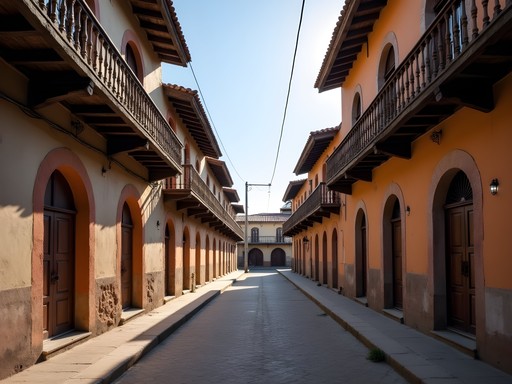
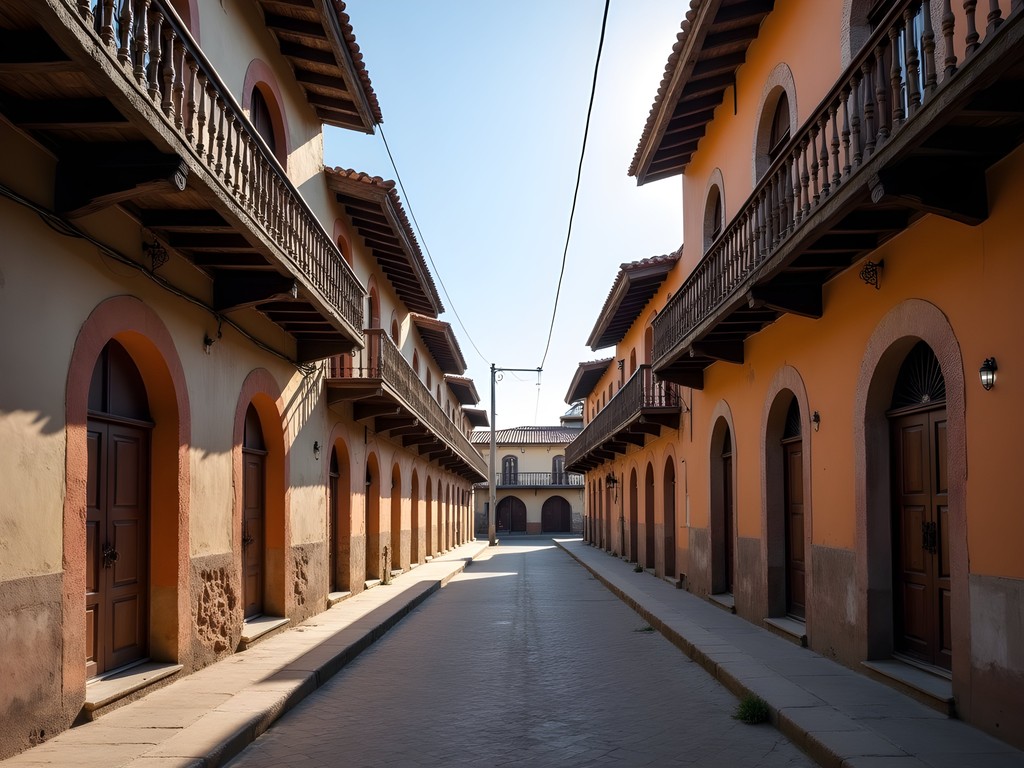
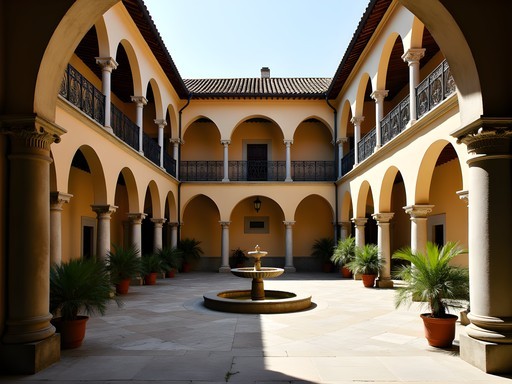
Massawa feels like a city caught between centuries. Walking through the narrow streets of the old town, Ottoman and Egyptian architectural influences create an atmosphere that's both haunting and mesmerizing. Buildings with ornate wooden balconies stand alongside Italian colonial structures, many still bearing the scars of Eritrea's long struggle for independence.
Unlike the carefully preserved historic districts you might find in Europe, Massawa's old quarter feels authentically worn. Families live in centuries-old buildings, laundry fluttering from windows that once might have framed the faces of Ottoman merchants.
One morning, I joined a local fisherman named Haile who offered to show me how they make traditional injera bread using a portable clay stove. We sat in the shadow of a crumbling Portuguese-era building as he expertly poured the fermented batter onto the hot surface. 'My family has fished these waters for seven generations,' he told me, 'but we've always been bakers too.'
That evening, I ventured into the local market armed with my pocket translator which proved invaluable for deciphering the names of unfamiliar spices. The device quickly became a conversation starter, with curious vendors asking to try it themselves.
💡 Pro Tips
- Visit Massawa's old town early morning before the heat becomes unbearable
- Bring cash as ATMs are scarce and often unreliable
- Respect local customs by dressing modestly even in the heat
Culinary Connections in the Horn of Africa
If you're like me and believe food is the most direct route to understanding a culture, Massawa won't disappoint. The city's cuisine reflects its position at the crossroads of African, Middle Eastern, and Mediterranean influences.
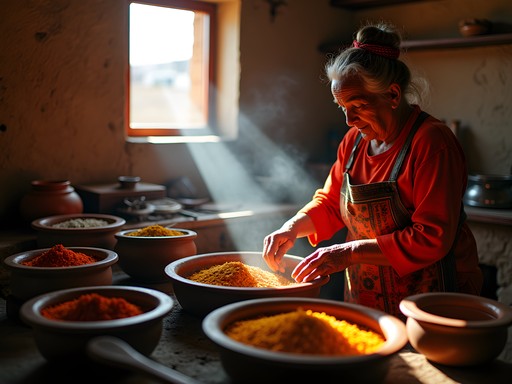
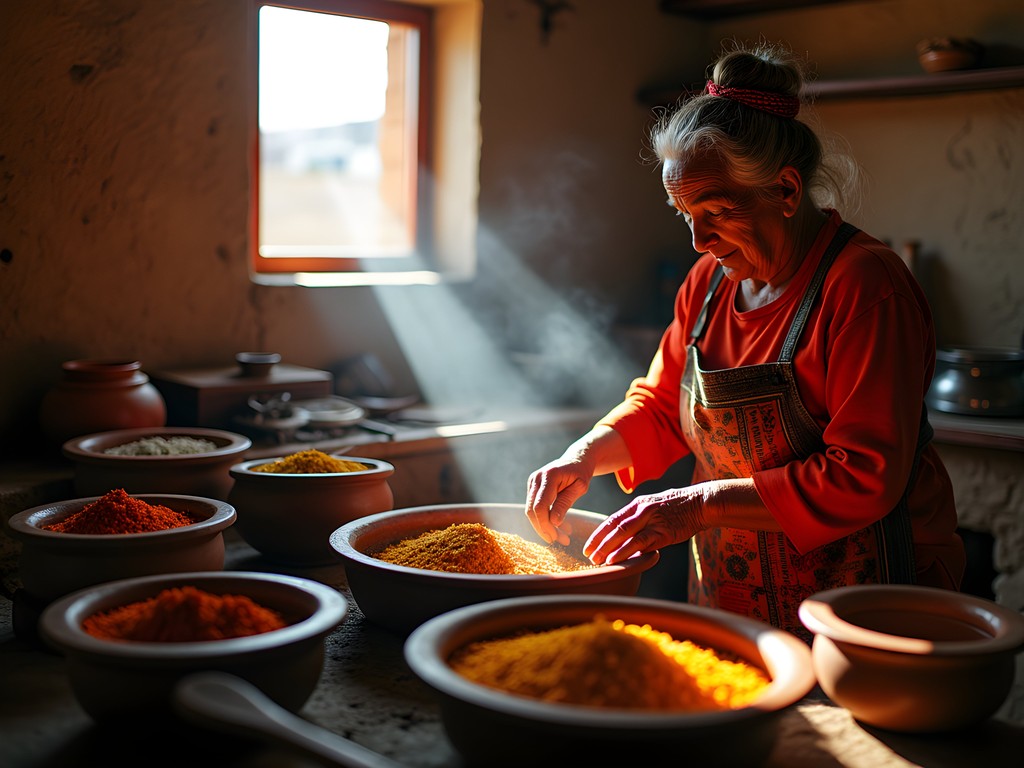
I'd arranged to meet with a local family who agreed to teach me how to prepare zigni, a rich Eritrean stew. Stepping into their modest kitchen with my spice grinder as a gift (always bring something useful when invited into homes), I was immediately enveloped in the warm aroma of berbere spice being toasted.
Mama Senait, the family matriarch, laughed at my clumsy attempts to tear pieces of injera with one hand as is customary. 'You eat like a Canadian,' she teased, 'but you'll leave cooking like an Eritrean.'
What struck me was how similar the communal eating style was to Brazilian feijoada gatherings—food as the centerpiece of family connection. By the end of our cooking session, I'd not only learned to make a respectable zigni, but I'd also been invited to a wedding the following day (which turned out to be one of the most memorable experiences of my trip).
💡 Pro Tips
- Always accept food offerings as refusal can be considered rude
- Learn a few basic Tigrinya phrases - locals appreciate the effort
- If invited into a home, bringing coffee beans is always appreciated
Osaka: Neon Lights and Ancient Rites
Arriving in Osaka after Massawa creates the sort of culture shock that makes travel so addictive. The sensory contrast couldn't be more dramatic—from Massawa's quiet, sun-baked streets to Osaka's neon-drenched, 24-hour urban energy.
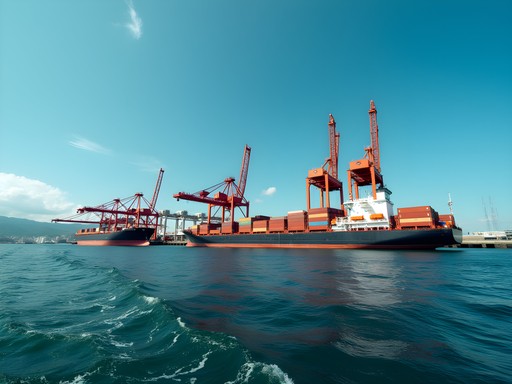
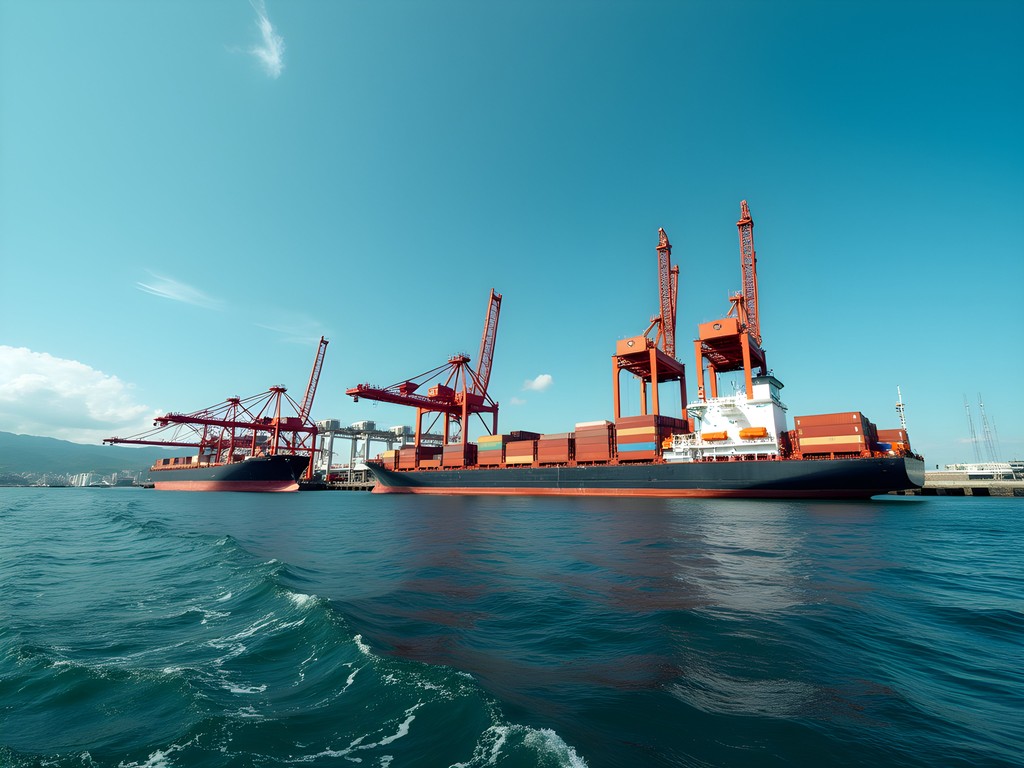
While Massawa whispers its history, Osaka broadcasts its present at maximum volume. Yet both are fundamentally shaped by their relationship with the sea. Osaka Bay's massive port facilities have been the city's economic engine for centuries, though most visitors never venture to see them.
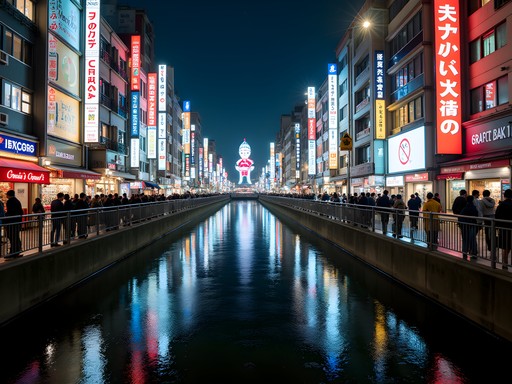
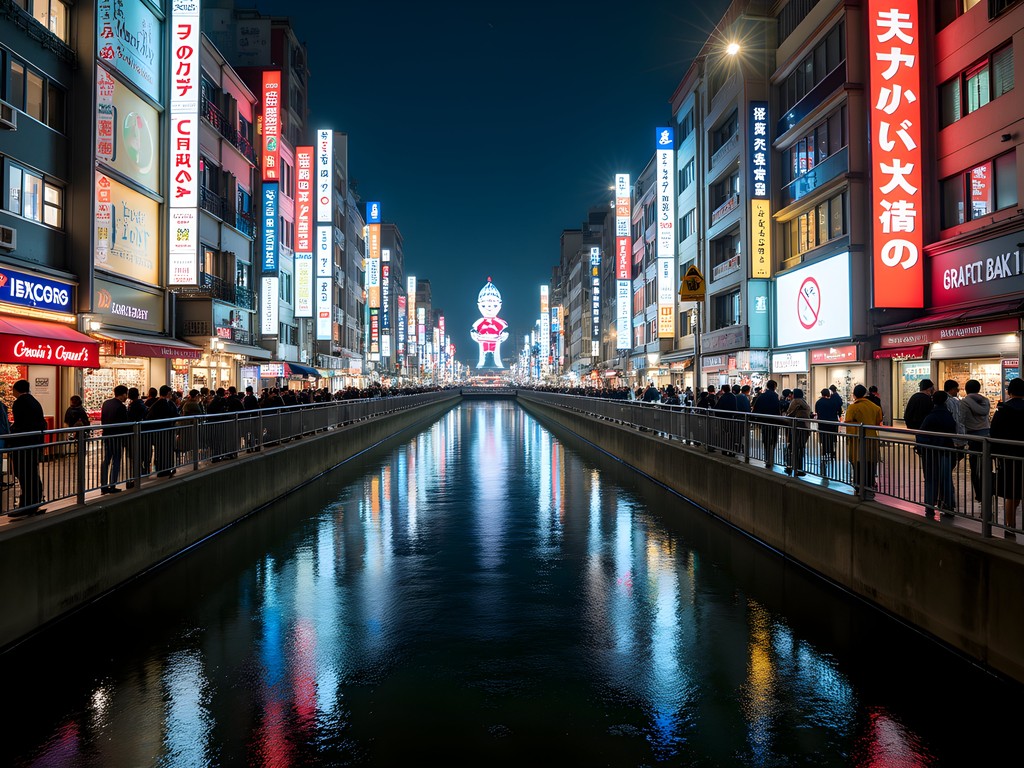
I spent my first evening in Dotonbori, where the famous Glico Running Man sign has been welcoming visitors since 1935. Armed with my travel umbrella (spring showers are common), I joined the crowds sampling street food beneath the kaleidoscopic advertisements.
Unlike Massawa's preservation-by-neglect approach, Osaka deliberately maintains pockets of its past while enthusiastically embracing the future. In Shinsekai district, I found myself eating kushikatsu (fried skewers) in a shop unchanged since the 1950s, while just outside, robot-themed cafés and virtual reality arcades competed for attention.
💡 Pro Tips
- Purchase an ICOCA card immediately for convenient public transportation
- Don't miss Kuromon Market for the freshest seafood
- Osaka is more casual than Tokyo - people are direct and food-focused

Maritime Heritage in Modern Japan
While Osaka dazzles with modernity, its maritime soul remains if you know where to look. I spent a fascinating morning at the Osaka Maritime Museum, housed in a striking dome structure in the bay. The exhibits tracing Japan's evolution as a sea power provided context that made the rest of my explorations more meaningful.
Later, I joined a small boat tour of the working port—something few tourists do—which offered incredible perspectives on the scale of international shipping. Our guide pointed out how the artificial islands of Osaka Bay have transformed the coastline over centuries.
One evening, I attended a cooking class focused on Osaka's traditional kappo cuisine. The chef demonstrated how proximity to fresh seafood has shaped local cooking techniques. I was grateful I'd packed my chef's knife (always in checked luggage!) as we practiced knife skills essential to Japanese cuisine.
'In Osaka,' the chef explained while showing us how to properly fillet a mackerel, 'we say kuidaore—eat until you drop. Food is not just sustenance but our cultural identity.' I couldn't help but think how similar this sentiment was to Brazilian attitudes toward food, despite the vast differences in preparation and presentation.
💡 Pro Tips
- Book the port tour in advance as spaces fill quickly
- Try takoyaki from several vendors to find your favorite style
- Visit Osaka Castle early morning to avoid crowds
Bridging Worlds Through Urban Exploration
The true joy of comparing these two port cities came in discovering unexpected parallels. Both Massawa and Osaka have been shaped by foreign influences while maintaining distinct identities. Both have faced destruction—Massawa through war, Osaka through WWII bombing—and rebuilt with different philosophies.
In both cities, I found myself relying on my water filter bottle which proved essential in Massawa's limited infrastructure and convenient during long days exploring Osaka's endless streets.
One evening in Osaka, I found myself in a tiny bar where the owner had traveled extensively in Africa. When I mentioned my recent time in Massawa, he pulled out a photo album showing his visit there decades earlier. We spent hours comparing notes on how both places had changed, the conversation flowing easily despite language barriers.
This kind of serendipitous connection is what urban exploration is truly about—finding the human threads that connect seemingly disparate places. Whether it's fishermen in Massawa or sushi chefs in Osaka, those who make their living from the sea share a certain understanding that transcends culture.
💡 Pro Tips
- Schedule downtime between intense urban exploration days
- Journal your observations while they're fresh
- Seek out local maritime workers for authentic perspectives
Final Thoughts
As my two-week journey between these contrasting port cities came to an end, I found myself sitting in Kansai International Airport (itself built on an artificial island in Osaka Bay) reflecting on what makes urban exploration so addictive. It's not just about photographing pretty streets or sampling exotic foods—it's about understanding how cities evolve as living organisms, shaped by their geography, history, and the sea that connects them to the wider world.
Massawa and Osaka could hardly be more different on the surface—one a quiet, crumbling testament to colonial ambitions, the other a hyperactive showcase of technological innovation. Yet both reveal how maritime heritage creates a distinct urban character that persists through centuries of change.
Whether you're drawn to the weathered charm of Massawa or the sensory overload of Osaka, I encourage you to look beyond the obvious attractions. Speak with fishmongers and dock workers. Ask about how the sea has shaped local life. And most importantly, come hungry—not just for food, but for the stories that reveal a city's true character.
✨ Key Takeaways
- Port cities offer unique perspectives on how maritime trade shapes urban culture
- Contrasting different cities can reveal unexpected similarities in human experience
- The most authentic experiences often come through culinary exploration with locals
📋 Practical Information
Best Time to Visit
March-May for Massawa (before summer heat); March-April for Osaka (cherry blossom season)
Budget Estimate
$2,500-3,500 USD for two weeks excluding flights
Recommended Duration
3-4 days in Massawa, 7-10 days in Osaka
Difficulty Level
Moderate (Due To Language Barriers And Massawa's Limited Infrastructure)

Comments
tokyo_dreamer
Going to Osaka next month! Your nightlife recommendations are gold. Thanks!
culinary_nomad
Your comparison of the food scenes in both cities is spot on! I was in Massawa last year and that seafood stew with berbere spice was a revelation. The Italian colonial influence on their cuisine creates such an interesting fusion. And Osaka truly is Japan's kitchen - those takoyaki stands near Dotonbori were my daily ritual. Did you try the fugu? I was too scared but my husband did!
Tyler Gutierrez
I did try fugu! At a small place in Shinsekai. Definitely more about the experience than the flavor, but worth doing once. And yes, that berbere-spiced seafood in Massawa was incredible - I actually brought some berbere spice home to experiment with.
Casey Andersson
The berbere spice blend is amazing! I bought some in Ethiopia and use it on practically everything now. Works surprisingly well in pasta sauces too!
backpack_adventures
How difficult was it to get a visa for Eritrea? I've heard it can be complicated.
Tyler Gutierrez
It's definitely not straightforward. I applied through their embassy in London and it took about 3 weeks. You need an official letter of invitation from a local tour company. Worth the effort though!
wanderlust_emma
Those sunset photos of Massawa harbor are absolutely stunning! Added to my bucket list!
Hunter Thompson
Brilliant post Tyler! Your comparison really captures what makes port cities special. I hit Massawa last year during my Horn of Africa trip and was blown away by how it feels frozen in time - like walking through a living museum! The Dahlak Hotel still had bullet holes from the war! But I totally missed that seafood spot you mentioned near the old railway station. For anyone heading to Eritrea, be prepared for spotty internet and power cuts in Massawa. Osaka is next on my list - your night photography of the harbor is insane! Did you use a tripod for those shots?
sunnyguide
Hunter - did you need a guide in Eritrea or were you able to explore independently?
Hunter Thompson
You technically need a guide outside Asmara, but in practice, once in Massawa I had plenty of free time to wander. The locals were incredibly friendly despite the language barrier!
Casey Andersson
Tyler, this comparison between Massawa and Osaka is absolutely brilliant! I visited both cities about 3 years apart and the contrast is exactly as you described - Massawa's crumbling colonial architecture against Osaka's neon futurism. The way you captured the sensory experience of both places took me right back. One thing I'd add about Massawa - the snorkeling at the nearby Dahlak Archipelago was mind-blowing. The coral formations were pristine compared to many more touristy destinations. Did you get a chance to explore underwater at all? For Osaka, I found my pocket translator absolutely essential for navigating the smaller izakayas where English menus were rare. The food discoveries were worth the communication challenges though!
Tyler Gutierrez
Thanks Casey! I didn't make it to Dahlak unfortunately - time constraints. It's definitely on my list for next time. And you're right about those small izakayas - the best food always seems to be where the language barrier is highest!
starphotographer
Those photos of Massawa look incredible! Did you need any special permits to photograph the old Ottoman buildings there? Planning a trip to East Africa next year and wondering about camera restrictions.
Tyler Gutierrez
Thanks! No special permits needed in Massawa, but I did need to register my camera when entering Eritrea. The locals were incredibly welcoming about photography, especially in the old quarter. Just be respectful around military installations.
starphotographer
That's super helpful, thanks! Any issues with bringing in drone equipment?
Tyler Gutierrez
Definitely don't bring a drone to Eritrea - they're strictly prohibited and will be confiscated at customs. Not worth the risk!
cityguide
This comparison is so unique! Most travel blogs stick to similar destinations. How difficult was it to get the travel permits for Eritrea? I've heard it can be a bureaucratic nightmare. Worth the hassle?
Hunter Thompson
Not Tyler, but I can tell you the permits are definitely a pain! Took me 3 weeks through an Asmara-based tour company. But seeing those Italian art deco buildings against the Red Sea backdrop? Absolutely worth it mate!
wavevibes
OMG this post is EXACTLY what I needed! Heading to Osaka in January and I'm obsessed with port history. Your tip about visiting the Kaiyukan Aquarium and then taking that harbor cruise at sunset is genius! Did you try takoyaki from the street vendors near Dotonbori? I've heard it's the best street food in the city! Also packing my travel journal to document the contrasts like you did. Your writing style is so engaging - followed!
sunnyclimber
Those sunset pics from the Red Sea are incredible! Adding Massawa to my bucket list!
Venture X
Premium card with 2X miles, $300 travel credit, Priority Pass