
Disclosure: This article contains affiliate links. We may earn a commission from purchases at no extra cost to you, which helps our travel content.
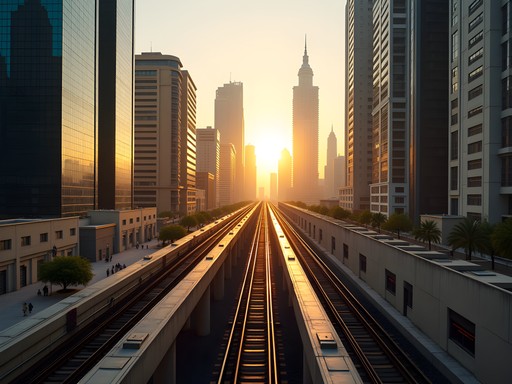
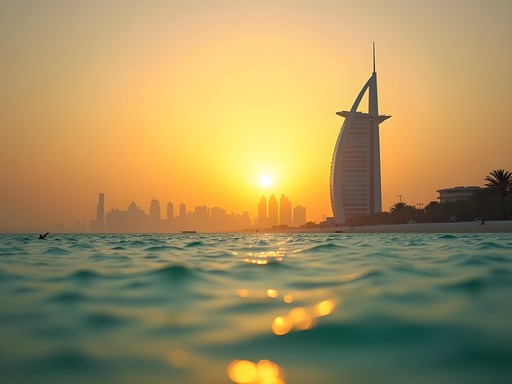
Standing atop a weathered rooftop in Al Fahidi, with the imposing silhouette of Burj Khalifa piercing the horizon, I felt the beautiful contradiction that is Dubai wash over me. The city that built its reputation on superlatives and extravagance harbors secret pockets of authenticity that few travelers ever discover. Having explored both the refined corridors of Milan and the vibrant streets of Florida, I've developed a particular affinity for urban spaces that tell genuine stories—and Dubai's hidden neighborhoods narrate tales that no glossy brochure could capture.

Al Fahidi: Dubai's Historical Soul
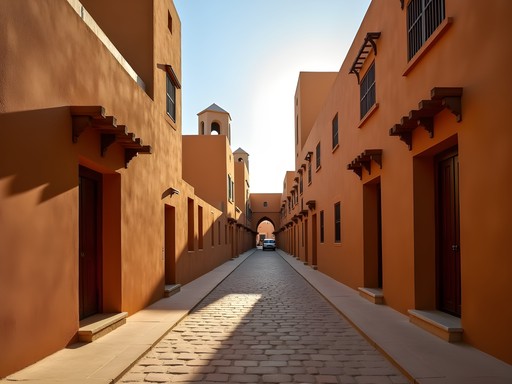
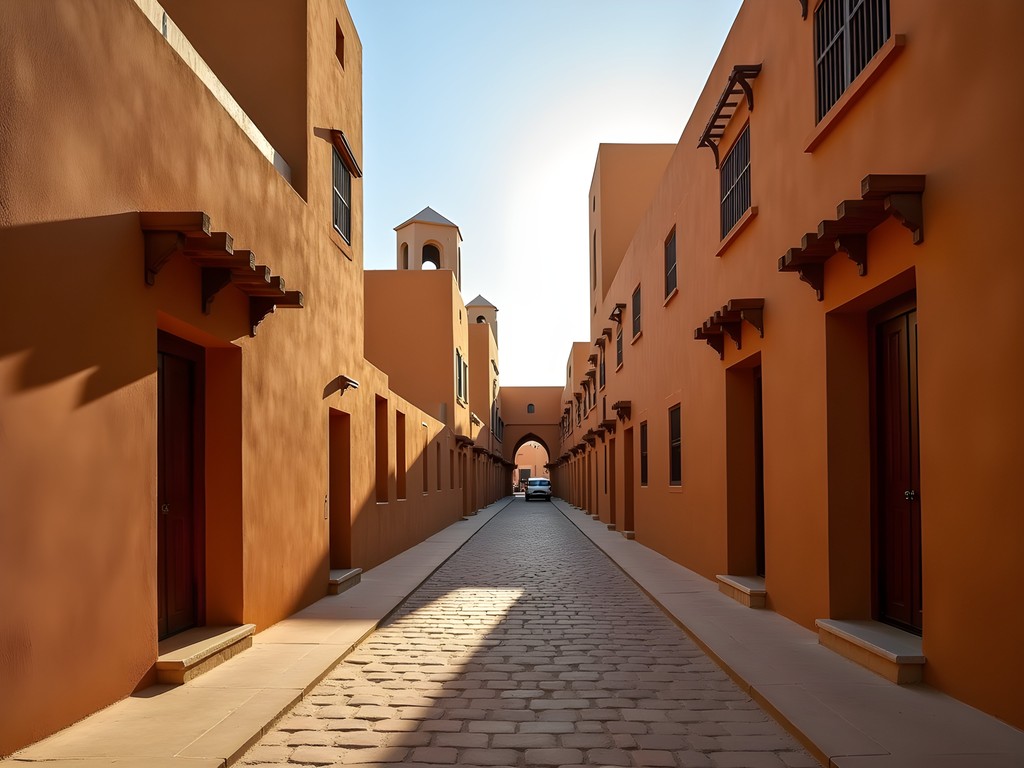
My fascination with Al Fahidi began three years ago during my first Dubai visit, but it wasn't until this autumn that I truly immersed myself in its labyrinthine alleys. This preserved heritage district stands in defiant contrast to Dubai's futuristic image, with its wind towers (barajeel) and ochre-colored buildings dating back to the 1890s.
The district transforms beautifully in the fall, when the scorching summer heat gives way to pleasant temperatures perfect for exploration. I spent hours wandering through narrow sikkas (alleyways), discovering artisan workshops and boutique galleries housed in restored merchant homes. The Arabian Tea House became my morning ritual—their cardamom-infused coffee and date pancakes fueled my daily explorations.
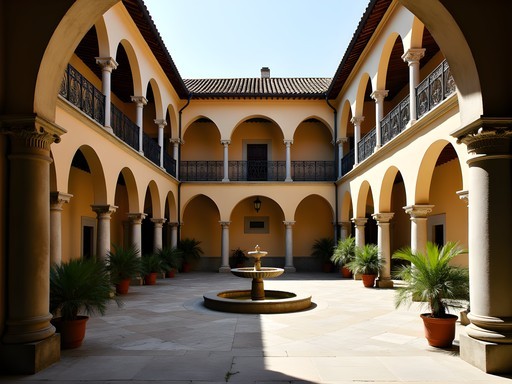
For a truly immersive experience, I stayed at the boutique guesthouse, a heritage hotel with an art gallery and inner courtyards that transport you to another era. The property's architectural authenticity and artistic atmosphere provided the perfect contrast to Dubai's typical high-rise accommodations.
💡 Pro Tips
- Visit the Coffee Museum to understand the region's rich coffee traditions
- Book a guided walking tour with the Sheikh Mohammed Centre for Cultural Understanding
- Explore Al Fahidi after 4 pm when the harsh sun softens and the buildings take on a golden hue
Satwa: The Multicultural Melting Pot
If Al Fahidi offers a glimpse into Dubai's past, Satwa showcases its multicultural present. This vibrant working-class district pulses with energy that feels refreshingly authentic in a city often criticized for its artificiality. My Italian upbringing taught me to appreciate craftsmanship, and Satwa delivers this in abundance.
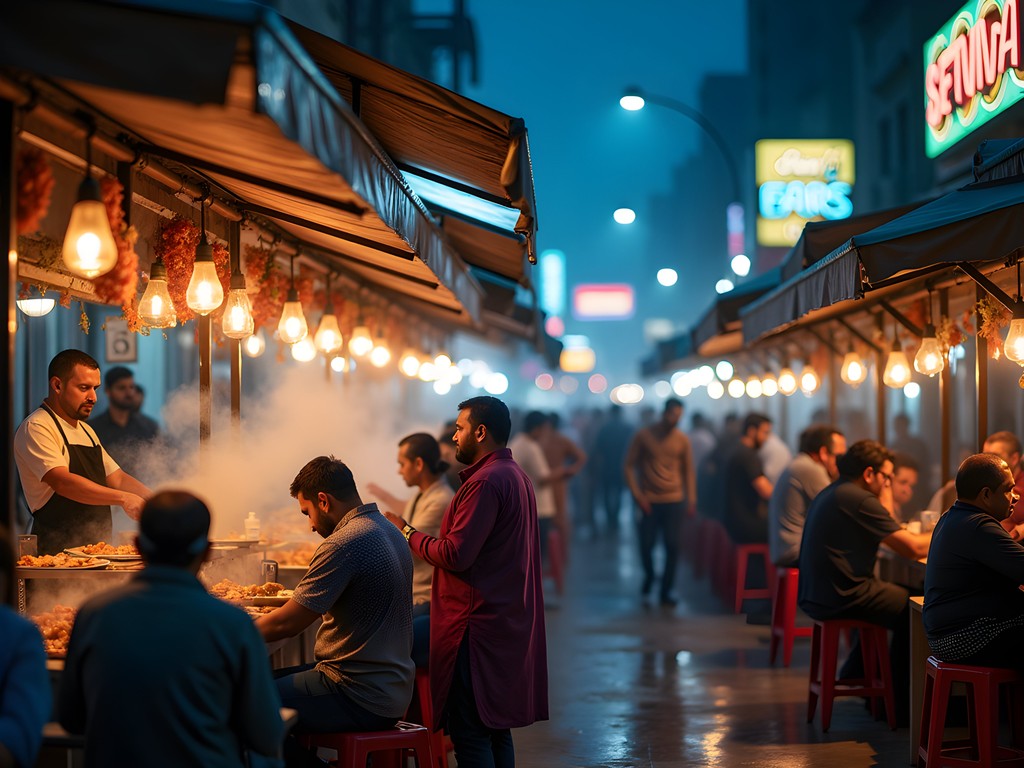
The district's main artery, 2nd December Street (formerly Al Dhiyafa Road), houses an eclectic mix of tailoring shops, streetside eateries, and specialty stores. I commissioned a bespoke linen shirt from Satwa's renowned Regal Tailors—a fraction of Milan prices but with craftsmanship that would make my father nod in appreciation.
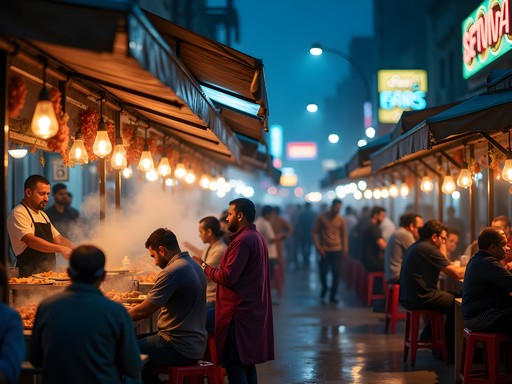
Food exploration reaches its peak in Satwa. From Pakistani kebab joints to Filipino bakeries, the neighborhood offers a global culinary tour without pretension. My personal favorite discovery was Ravi Restaurant, where I feasted on butter chicken and garlic naan that rivaled any high-end establishment, all for under 30 AED (about $8).
Navigating Satwa's busy streets became more pleasant with my compact daypack, which proved perfect for urban exploration—lightweight enough for all-day wear but spacious enough for my essentials, including a water bottle crucial for Dubai's climate.
💡 Pro Tips
- Visit Satwa's textile souk for fabrics at incredible prices
- Use the Careem app rather than hailing taxis on busy 2nd December Street
- Bring cash as many small establishments don't accept cards
Alserkal Avenue: Dubai's Creative Enclave
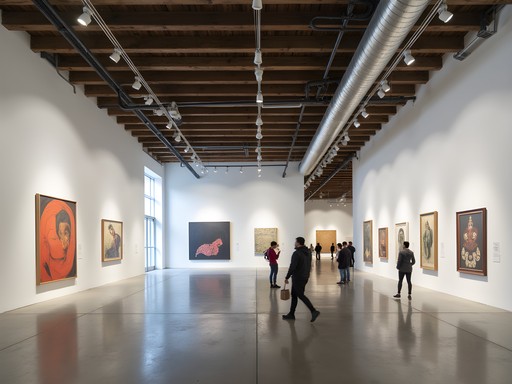
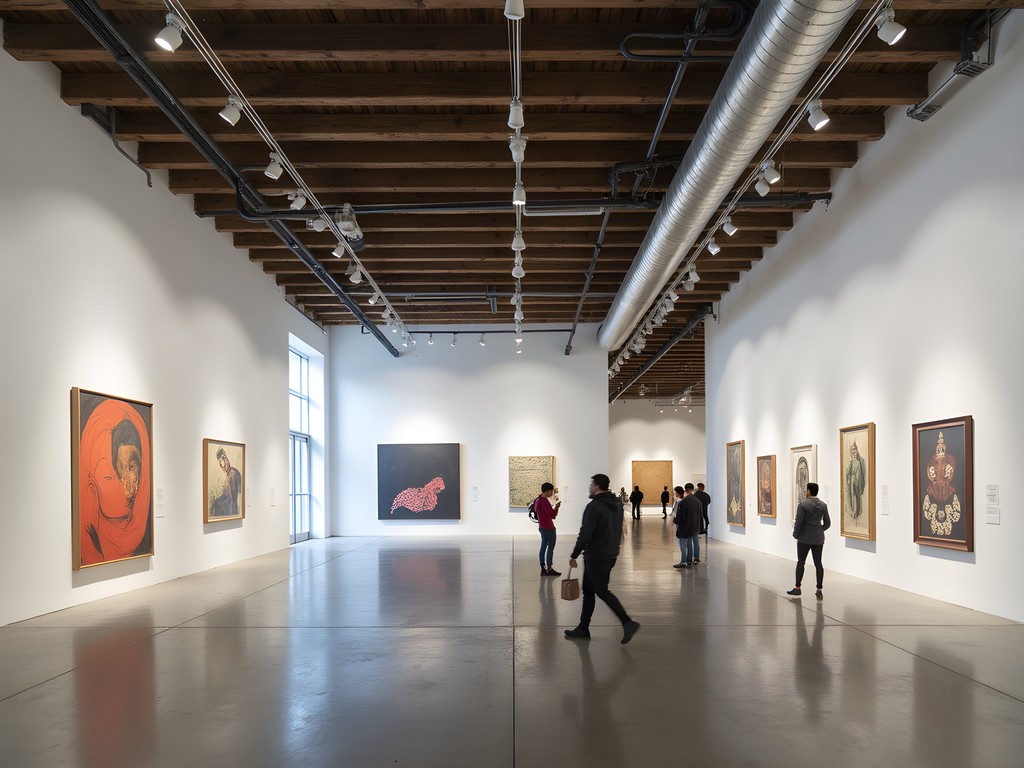
In Dubai's industrial Al Quoz district lies Alserkal Avenue, a complex of converted warehouses that has evolved into the city's most dynamic arts hub. As someone with a design background, this neighborhood felt like discovering a kindred spirit in an unexpected place.
What began as a small cluster of art galleries has expanded into a sprawling creative district housing contemporary art spaces, performance venues, specialty coffee roasters, and concept stores. The fall season coincides with the start of Dubai's arts calendar, making it an ideal time to visit.
I spent an entire day moving between exhibitions at Carbon 12 and Green Art Gallery, before attending an experimental sound performance at The Junction theater. Between cultural immersions, I refueled at Wild & The Moon, an organic plant-based café whose cold-pressed juices provided welcome refreshment.
The industrial aesthetic of Alserkal inspired me to document my visit differently. My smartphone gimbal proved invaluable for capturing smooth video content as I moved through the various warehouse spaces, allowing me to create professional-looking footage despite the challenging lighting conditions.
💡 Pro Tips
- Check Alserkal Avenue's website for events and exhibitions before visiting
- Visit on weekday afternoons when the spaces are less crowded
- Don't miss Concrete, the first Rem Koolhaas-designed space in the UAE

Karama: Authentic Urban Dubai
No exploration of Dubai's hidden neighborhoods would be complete without diving into Karama—a densely packed district that offers a glimpse into everyday life for many of Dubai's residents. Here, the city's famous polish gives way to a refreshing authenticity that reminded me of my teenage explorations in Milan's less touristy quarters.
Karama is infamous for its replica market, but beyond the counterfeit goods lies a neighborhood rich with cultural experiences. The district houses some of Dubai's most authentic (and affordable) Indian, Filipino, and Chinese restaurants. I developed a particular fondness for Calicut Paragon, where the Keralan seafood dishes transported me straight to India's southwest coast.
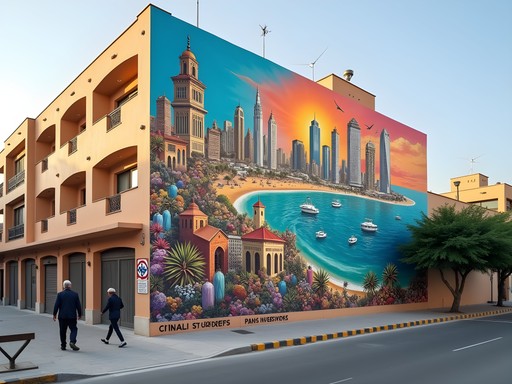
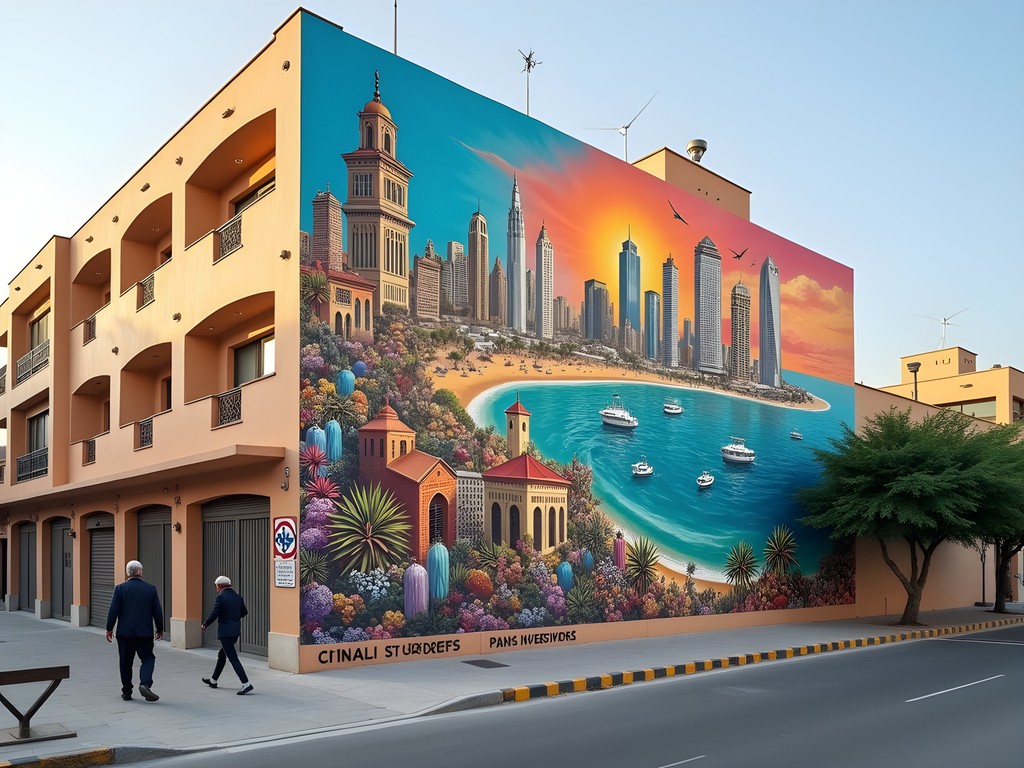
What surprised me most about Karama was its emerging street art scene. The Karama Mural Project has transformed plain walls into vibrant canvases, creating unexpected moments of beauty amid the urban density. As someone who values authenticity, I found these expressions of creativity particularly moving in a city often criticized for its commercialism.
Exploring Karama's dense streets during fall means navigating occasional rain showers. My packable rain jacket proved essential during an unexpected downpour, packing down small enough to fit in my daypack when the sun reappeared.
💡 Pro Tips
- Visit Karama Centre for affordable electronics and unique souvenirs
- Try the Pakistani street food at Ravi's Restaurant
- Look for street art in unexpected places—many murals are tucked away in side streets
Navigating Between Worlds
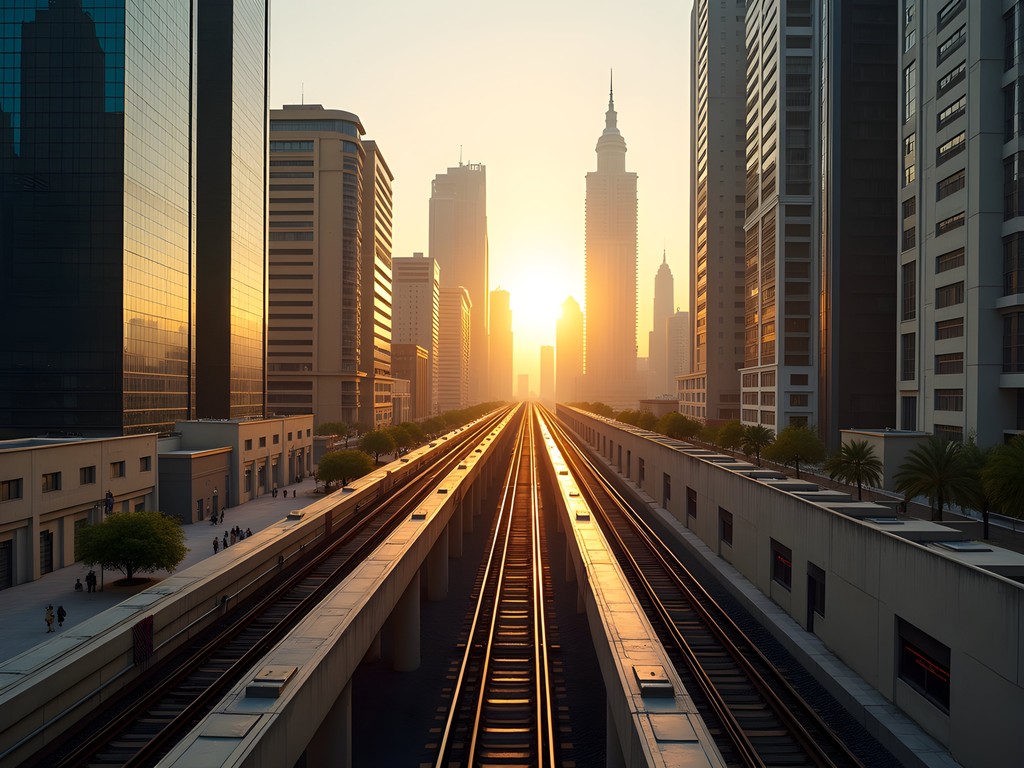
What makes Dubai's hidden neighborhoods particularly fascinating is how quickly you can transition between different worlds. The city's efficient metro system connects many of these areas, though some require additional transportation via bus or taxi.
I found myself developing a rhythm: mornings in historical districts, afternoons exploring creative spaces, and evenings immersed in the sensory experiences of Karama or Satwa. This approach allowed me to appreciate Dubai's complexity without becoming overwhelmed.
For efficiently navigating between neighborhoods, I relied heavily on the offline navigation app which proved invaluable in areas where internet connectivity was spotty. The ability to download detailed neighborhood maps beforehand saved me countless times in Karama's maze-like streets.
While Dubai's famous attractions deserve their reputation, it was in these less-heralded neighborhoods that I found the city's beating heart. The contrast between gleaming skyscrapers and historic wind towers, between luxury malls and bustling souks, creates a tension that makes Dubai uniquely compelling for urban explorers willing to venture beyond the guidebook.
💡 Pro Tips
- Purchase a Nol Card for seamless public transportation across Dubai
- Schedule high-energy exploration for mornings and evenings to avoid midday heat
- Use the Dubai Metro to connect between neighborhoods efficiently
Final Thoughts
As my week exploring Dubai's hidden neighborhoods came to a close, I found myself sitting at a small café in Al Fahidi, watching the sunset paint the wind towers in hues of amber and gold. The Dubai I discovered beyond the skyscrapers was a city of contradictions and surprises—where tradition and innovation coexist in fascinating tension.
My dual cultural background has always made me appreciate places that defy simple categorization, and Dubai embodies this complexity perfectly. The city rewards curious travelers willing to venture beyond its glossy facade with authentic experiences and genuine connections.
Whether you're drawn to the historical whispers of Al Fahidi, the creative energy of Alserkal Avenue, or the multicultural vibrancy of Satwa and Karama, Dubai's hidden neighborhoods offer a counternarrative to the city's reputation for excess and artifice. In these less-heralded districts, I found the soul of a city still negotiating its identity—a process that makes urban exploration here particularly compelling.
So when you visit Dubai, by all means, marvel at the Burj Khalifa and indulge in the malls—but save time to wander the narrow sikkas, sample street food, and discover the city that exists beyond the superlatives. It's in these hidden neighborhoods that Dubai's most interesting stories are waiting to be discovered.
✨ Key Takeaways
- Dubai's hidden neighborhoods offer authentic experiences that contrast with the city's futuristic image
- Fall provides ideal weather conditions for urban exploration with temperatures perfect for walking
- Local transportation makes it easy to experience multiple neighborhoods in a single day
- Budget-friendly food and accommodation options exist throughout these less touristy districts
📋 Practical Information
Best Time to Visit
October to November, or March to April
Budget Estimate
$100-150 per day including mid-range accommodation
Recommended Duration
5-7 days
Difficulty Level
Moderate
Comments
moonseeker
Finally someone writing about the REAL Dubai! Those neighborhoods have so much more character than the malls and skyscrapers everyone posts about.
Savannah Walker
Right?! I'm so tired of the same Dubai content everywhere. This is refreshing!
moonseeker
Exactly. Al Fahidi was my favorite spot when I visited last year. So much history!
travelace
Really cool post. I stayed in Deira last time which was also pretty local feeling but Satwa sounds even better. The photos really show a different side of the city
backpackguide
deira is great too! loved the gold souk area
Jean Wells
The Al Fahidi neighborhood has become one of my favorite places to photograph in the Middle East. What struck me most was the wind tower architecture - such elegant passive cooling technology that's been lost in modern construction. I spent an afternoon at the Coffee Museum there (quirky but fascinating) and the Sheikh Mohammed Centre for Cultural Understanding does excellent walking tours where you can actually ask questions about Emirati culture without feeling intrusive. The juxtaposition you captured between old and new Dubai is what makes the city so photographically compelling.
smartexplorer
THIS IS AMAZING!! Going to Dubai in March and totally changing my plans now. Everyone told me it's just malls and skyscrapers but this looks so much better!
wavezone
Is Alserkal Avenue worth a full day or just a few hours? Planning my itinerary now
Jean Wells
Half day is plenty unless there's a specific exhibition you want to see. I'd combine it with Satwa - they're close enough to do both in one day.
Sarah Powell
Gregory, this is exactly the Dubai narrative we need more of. I spent three days in Karama last year and the contrast between that authentic neighborhood life and the Marina area was striking. The textile souk there is incredible if you're willing to haggle. I found the best part was just walking the residential streets early morning when families were heading to work and school - it felt like real Dubai, not the manufactured tourist experience. Did you get a chance to try any of the small Pakistani restaurants on the side streets?
Gregory Wallace
Yes! There was this tiny place near the Karama Centre that served the best biryani I had in the entire city. Those early morning walks are special - completely different energy.
nomadguide4650
How easy is it to get to Al Fahidi from downtown? Can you just take the metro?
Gregory Wallace
Yes! Take the metro to Al Fahidi station, it's literally a 5-minute walk from there. Super convenient.
nomadguide4650
perfect thanks!
backpackguide
satwa looks awesome! didnt know this side of dubai existed
wanderlust_jen
That rooftop shot of Burj Khalifa from Al Fahidi is incredible! Perfect contrast of old and new Dubai.
AhmedDXB
As a Dubai resident, I'm so happy to see someone highlighting our local neighborhoods! Satwa is indeed a gem - I recommend visiting the Iranian Hospital area for some amazing Persian restaurants that even most expats don't know about. The textile souk there is also much better (and cheaper) than the tourist ones. One thing missing from your Karama section though - the street art! There are some incredible murals hidden around the apartment blocks.
Gregory Wallace
Ahmed, thank you for the insider tips! I completely missed the street art in Karama - sounds like I need to plan another visit. Any specific blocks or streets you'd recommend for finding the best murals?
AhmedDXB
Check out the area near the post office - there's a whole series of murals celebrating UAE heritage but with a modern twist. They're part of the Dubai Street Museum initiative!
Venture X
Premium card with 2X miles, $300 travel credit, Priority Pass