

Disclosure: This article contains affiliate links. We may earn a commission from purchases at no extra cost to you, which helps our travel content.
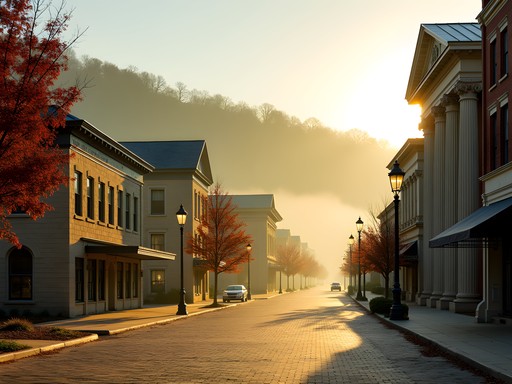
There's something magical about cities that whisper their stories through brick and mortar—places where time seems to fold in on itself, allowing you to walk simultaneously in the present and past. Clarksburg, West Virginia is precisely this kind of temporal canvas. As I stepped off the bus into the crisp autumn air, sketchbook tucked under my arm, I could already feel the creative energy of this unassuming Appalachian gem pulsing beneath my feet. The golden light of fall illuminated the Victorian facades and historic storefronts, creating the perfect conditions for both photography and the watercolor sketches that would fill my journal over the next three days.

The Glen Elk District: A Living Museum of Architecture
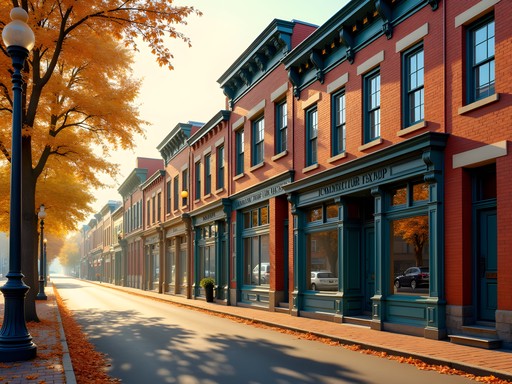
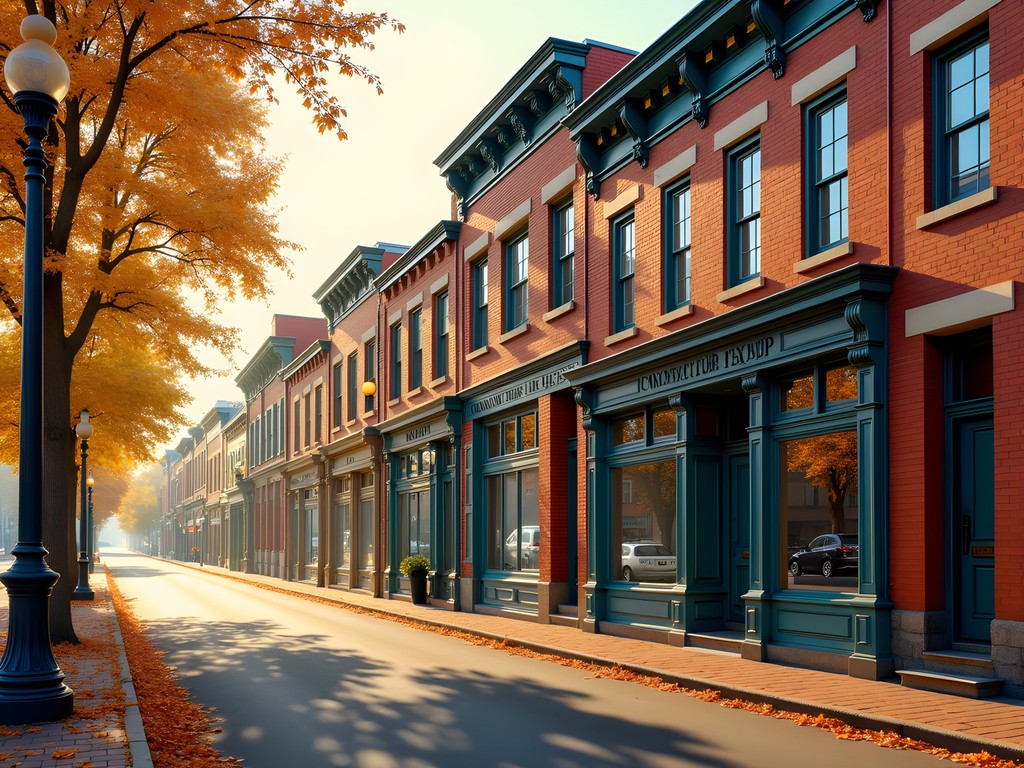
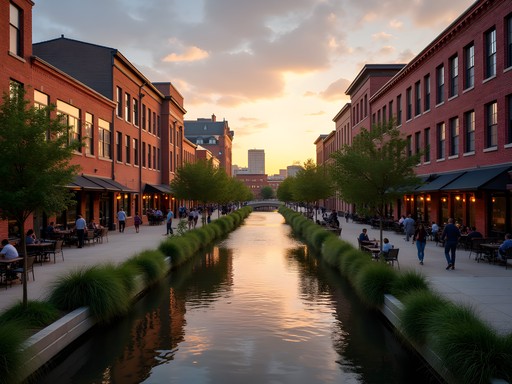
My urban exploration began in Glen Elk, Clarksburg's historic commercial heart, where late 19th and early 20th-century buildings stand as testaments to the city's industrial boom years. The district feels like an open-air architectural museum—one where you can touch the exhibits and breathe in their stories.
I spent my first morning sketching the ornate cornices and detailed brickwork of the storefronts along Main Street, my travel watercolor set proving perfect for capturing the warm terracotta and sandstone hues. What struck me most was how the buildings tell a story of economic evolution: from the opulent details of the coal and glass industry heyday to more modest mid-century adaptations.
A local historian I met (while sketching outside what was once the Empire National Bank) explained how the district narrowly escaped the urban renewal demolitions that claimed so many historic American downtowns in the 1960s and 70s. The preservation feels almost accidental, yet all the more precious for it—these buildings weren't saved as museum pieces but simply continued to serve their community across generations.
💡 Pro Tips
- Visit on weekday mornings when the light is perfect for photography and the streets are quieter for sketching
- Stop by the Harrison County Historical Society for free maps of architectural landmarks
- Look up! The most interesting architectural details are often above the first floor
Goff Building: The Architectural Crown Jewel
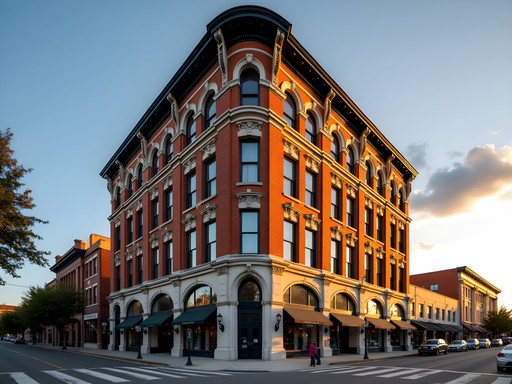
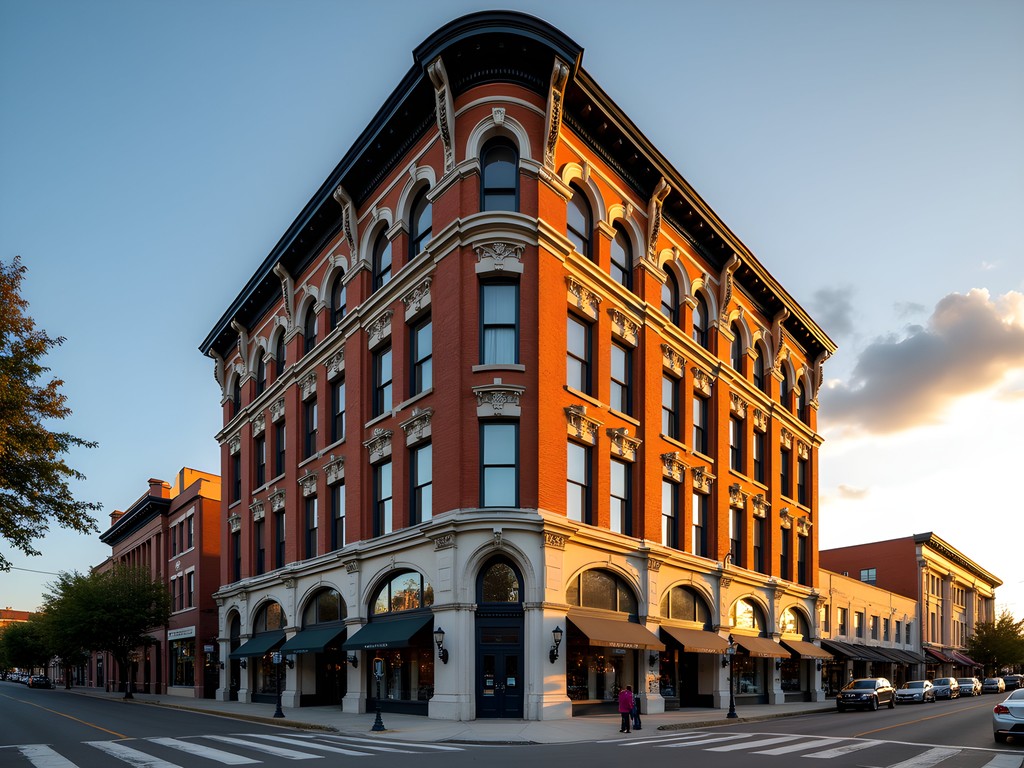
The seven-story Goff Building dominates Clarksburg's skyline and stands as perhaps the city's most impressive architectural achievement. Completed in 1911, this Beaux-Arts masterpiece was designed by the same architectural firm responsible for New York's Flatiron Building, and the resemblance is unmistakable.
I spent an entire afternoon circling the structure, my pocket sketchbook filling with studies of its elegant proportions and ornamental details. The building has a gravitational pull that's hard to explain—I found myself returning to it repeatedly throughout my stay, observing how it transformed in different lights and weather.
What makes the Goff Building particularly special is its continued use. Unlike many historic structures that become museums or sit vacant, this centenarian still houses businesses, government offices, and even some residential spaces. I struck up a conversation with a lawyer whose office occupies part of the fifth floor, and she spoke about the building with the kind of affection usually reserved for living things. "Working here connects you to something larger than yourself," she told me. "You feel the weight of all the lives and stories that have passed through these halls."
💡 Pro Tips
- Visit at sunset when the terracotta facade takes on an almost luminous quality
- The lobby is open to the public during business hours—don't miss the original mosaic floor
- Walk at least one full circle around the building to appreciate its unique triangular design
The Lost Art of Stained Glass: Robinson Grand Theater
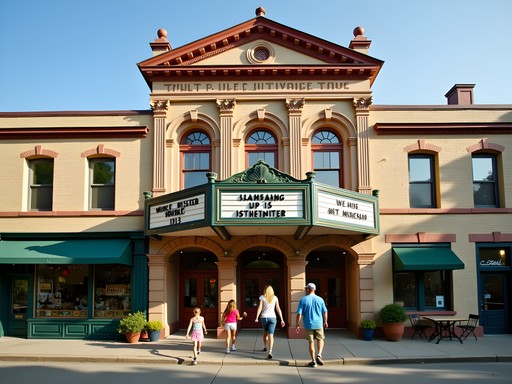
My most transcendent moment in Clarksburg came inside the meticulously restored Robinson Grand Theater. Originally opened in 1913 and recently brought back to its former glory through a $15 million restoration, the theater represents the pinnacle of early 20th-century entertainment architecture.
I timed my visit to coincide with their afternoon tour (only $5 for solo travelers—a budget-friendly highlight!). The moment I stepped into the main auditorium, I gasped audibly. The stained glass dome ceiling filtering the afternoon light created a cathedral-like atmosphere that immediately transported me back to my time studying in Barcelona. I sat alone in the balcony for nearly an hour, my travel journal open on my lap, trying to capture in words what my sketches couldn't quite convey—that peculiar feeling when a space seems to breathe with its own consciousness.
The guide explained how local artisans had painstakingly recreated damaged glass panels using traditional techniques, a detail that resonated deeply with my appreciation for preserving traditional knowledge systems. In our age of digital entertainment and cookie-cutter multiplexes, spaces like the Robinson Grand feel increasingly precious—not just as architectural specimens but as reminders of how public spaces can nourish our collective soul.

💡 Pro Tips
- Check their website for the afternoon tour schedule (usually 2pm on weekdays, 11am and 2pm on weekends)
- Bring binoculars to study the ceiling details if you're an architecture enthusiast
- Ask about upcoming performances—experiencing the space as it was intended (filled with audience and performers) adds another dimension

Sketching the Sacred: Historic Churches as Architectural Time Capsules
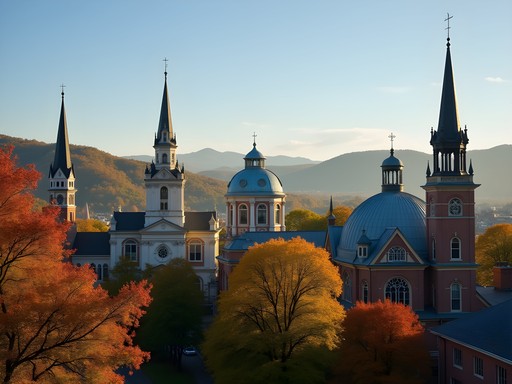
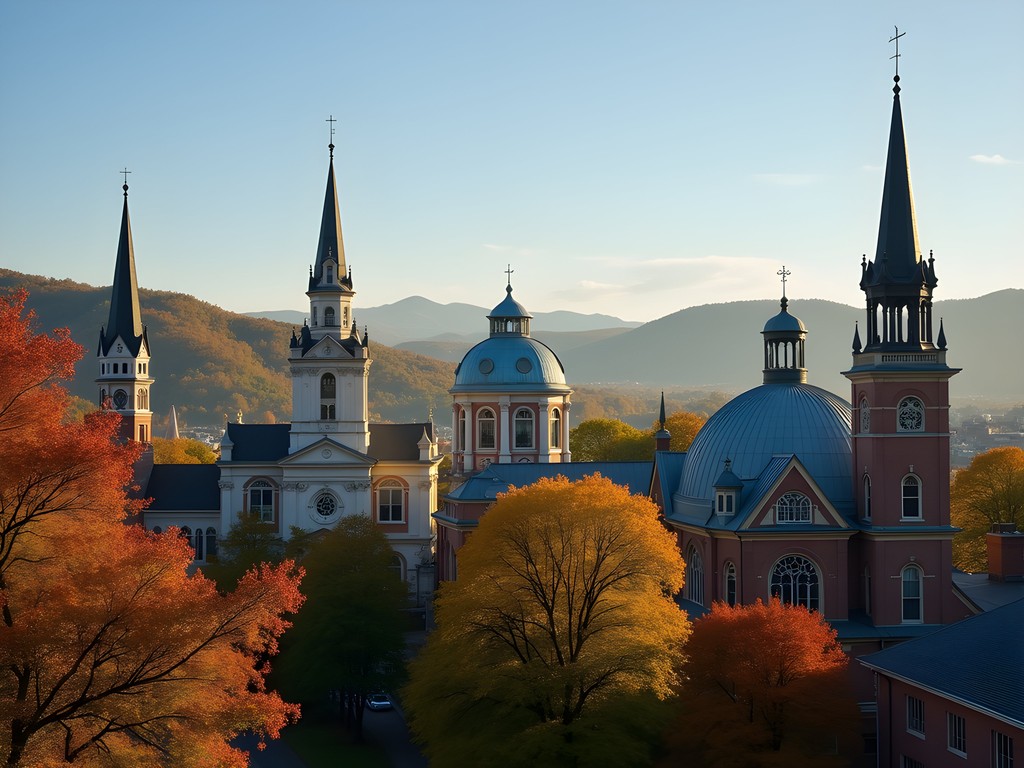
Clarksburg's skyline is punctuated by church spires that represent diverse architectural traditions brought by various immigrant communities. I dedicated my final day to a self-guided walking tour of these sacred spaces, where I found some of the city's most spectacular and emotionally resonant architecture.
The Gothic Revival Christ Episcopal Church (circa 1874) provided shelter when an unexpected autumn shower caught me mid-sketch. Sitting in a back pew as rain drummed against the stained glass windows, I found myself in conversation with the caretaker—a retired architect who shared fascinating details about the building's construction and the European craftsmen who created its intricate woodwork.
Just blocks away, the Byzantine domes of St. Mary's Orthodox Church offered a striking contrast. I spent the afternoon sketching its distinctive silhouette, my drawing pencil set allowing me to capture the subtle gradations of light across its metallic surfaces.
What struck me most was how these buildings continue to serve their original purpose. Unlike many historic structures that have been repurposed or museumified, these sacred spaces remain living centers of community life—places where architecture continues to fulfill its intended function across centuries. As an artist interested in how spaces affect our mental wellbeing, I found something profoundly moving about this continuity.
💡 Pro Tips
- Most churches are open to respectful visitors outside of service times—just check signage or call ahead
- Bring a light jacket or sweater as these historic buildings can be cool inside even on warm days
- The Immaculate Conception Catholic Church offers the best examples of stained glass craftsmanship in the city
The Mindful Explorer's Guide to Urban Sketching in Clarksburg
As someone who processes new environments through art, I found Clarksburg to be an unexpectedly rich destination for urban sketching. The city offers a perfect balance: interesting enough to provide endless subject matter, yet quiet enough that you can set up your portable easel without battling crowds.
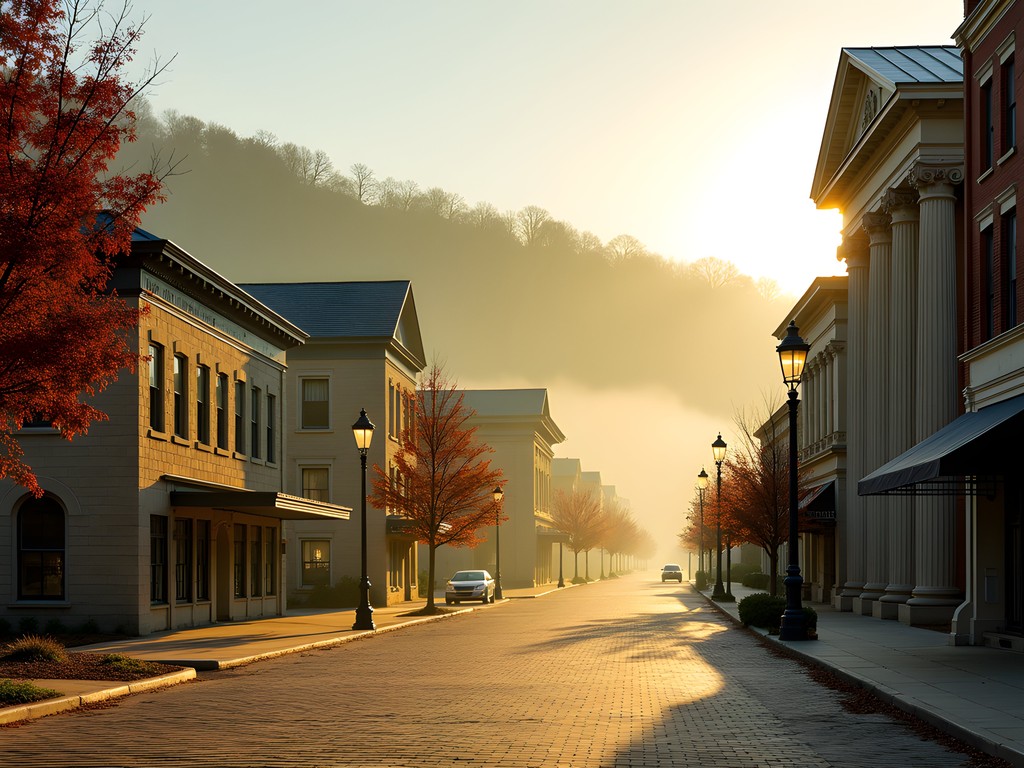
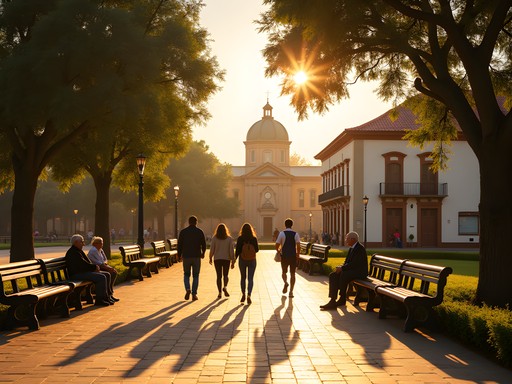
My favorite sketching spot became the courthouse plaza, where a centrally located bench provided views of multiple architectural periods in a single scene. I'd arrive early with my travel coffee press and spend the first hour of daylight capturing the way morning light played across the varied textures of stone, brick, and glass.
For those who find sketching meditative (as I certainly do), Clarksburg offers something increasingly rare: uninterrupted time with historic architecture. Unlike more touristed cities where you might feel pressured to move along, here I could sit for hours developing detailed studies without disruption.
The locals' reaction to seeing someone sketch their city was universally positive—several times I found myself in lengthy conversations with residents who seemed genuinely touched that an outsider found their hometown worthy of artistic attention. One elderly gentleman even brought me a faded photograph of the building I was drawing as it appeared in the 1940s, allowing me to see the subtle changes time had wrought on the facade I was studying.
💡 Pro Tips
- The courthouse plaza offers morning shade and afternoon sun—plan your sketching schedule accordingly
- Local cafes welcome sketchers who purchase a drink—Jackson Square Coffee is particularly artist-friendly
- Consider bringing a small folding stool as good sketching spots don't always coincide with available seating
Final Thoughts
As my weekend in Clarksburg drew to a close, my sketchbook bulging with new work and my mind full of architectural details, I found myself reflecting on why these overlooked small American cities matter so deeply. In our rush to experience the world's famous destinations, we often bypass places like Clarksburg—yet these quieter corners offer something increasingly precious: authentic connection with both place and people.
The architectural heritage here isn't preserved behind velvet ropes or carefully curated for tourists; it simply exists, continuing to serve its community while bearing witness to the passage of time. For the mindful traveler—especially one who processes experiences through art—this creates a uniquely intimate experience of place.
As I packed my sketching supplies and prepared for my journey back to Edinburgh, I realized that Clarksburg had given me exactly what I seek in travel: not just visual inspiration for my work, but a deeper understanding of how our built environments shape our collective and individual wellbeing. The city's architectural treasures aren't just beautiful relics—they're living spaces that continue to nurture community and connection across generations. And isn't that, after all, what great architecture is meant to do?
✨ Key Takeaways
- Clarksburg offers an accessible, budget-friendly opportunity to explore significant American architectural history without crowds
- The fall season provides ideal conditions for urban sketching and photography with dramatic lighting and comfortable temperatures
- Engaging with locals enhances the experience, as many residents have personal connections to historic buildings and their stories
- The city's walkable scale makes it perfect for a mindful weekend of urban exploration, even without a car
- Architecture enthusiasts will find surprisingly diverse styles representing different waves of immigration and economic development
📋 Practical Information
Best Time to Visit
September-October for fall foliage and comfortable temperatures
Budget Estimate
$200-300 for a weekend (including accommodation, food, and activities)
Recommended Duration
2-3 days
Difficulty Level
Moderate (Some Hills For Walking)
Comments
Sarah Powell
I visited Clarksburg last spring and was similarly struck by the architectural diversity. The Goff Building is indeed a masterpiece of Beaux-Arts design, but I think what's most remarkable about Clarksburg is how the various architectural styles tell the story of the city's economic evolution. The preservation efforts in the Glen Elk District are particularly noteworthy given the challenges many Appalachian towns face with maintaining historic structures amid economic transitions. Did you get a chance to visit any of the historic homes in the residential districts? Some of the Victorian-era residences have fascinating stories attached to them as well.
Avery Gonzalez
Sarah, I did explore some of the residential areas but ran out of time for a deep dive. You're right about the Victorian homes - they deserve their own post! Next time I'm focusing exclusively on those neighborhoods.
redqueen
Beautiful photos! Love the Glen Elk District.
tripqueen
OMG I had no idea Clarksburg had so much architectural history! Adding this to my weekend getaway list ASAP! Those sketches of the church details are gorgeous too!
wanderlustrider
What camera did you use for those stained glass shots in the Robinson Grand? The colors are incredible!
Avery Gonzalez
Thanks for asking! I actually used my mirrorless camera with a wide aperture lens to capture the light coming through the glass. The theater lighting was challenging but so worth it!
wanderlustrider
Wow, the results are stunning! Makes me want to visit just for those windows.
roamdiver
This is SO COOL!! Never even heard of Clarksburg before but now I'm obsessed. Your sketches are beautiful! Adding this to my road trip list for sure.
Hannah Woods
Fascinating post, Avery. I'm particularly drawn to your analysis of the architectural layering in Glen Elk. What strikes me about smaller American cities like Clarksburg is how they preserve these distinct periods without the homogenization you see in larger metros. The Romanesque Revival elements you mentioned in the churches—were you able to identify specific Italian or German influences? I found similar patterns in Appalachian towns tend to reflect specific immigrant craftsman communities. Also curious about your sketching approach for the stained glass. Do you work from photographs later or capture the light qualities in real time?
Avery Gonzalez
Great questions! The German influence is definitely stronger—lots of craftsmen from Bavaria settled in this region. For the stained glass, I do quick color studies on site to capture the light, then work from photos later for detail. The light changes so fast that you really need both approaches.
sunnyguide
Can you sketch inside the Robinson Grand or is that not allowed?
Avery Gonzalez
I asked first and they were totally cool with it! Just be respectful if there's an event happening. The staff was really friendly and even told me about some of the stained glass restoration work.
winterguide
Been to Clarksburg twice now and totally agree about the Glen Elk District. The Goff Building is stunning but honestly the small details on the older row houses blew me away. Did you get to check out the old Harrison County Courthouse? The interior dome is incredible if they're doing tours when you visit.
Avery Gonzalez
I didn't make it inside the courthouse this trip but now I'm kicking myself! Adding it to my list for next time. Those row house details are exactly what I mean about the city whispering its stories.
winterguide
Yeah definitely worth it! Call ahead though, tours are kinda random.
nomadstar
how much time would you recommend for exploring the historic district? planning a road trip through WV in june
Avery Gonzalez
I'd say a full day minimum if you want to really appreciate the architecture and maybe catch a show at Robinson Grand. Two days if you're into photography or sketching!
nomadstar
perfect thanks!
Sage Dixon
Avery, this is stunning work! I drove through West Virginia last spring but completely missed Clarksburg. The way you captured the Goff Building's details in your sketches is incredible. I'm always drawn to these overlooked mid-sized cities that have so much architectural character. The stained glass at Robinson Grand looks like it deserves its own photo essay. Did you find the locals receptive to you sketching around town? I've had mixed experiences with that – sometimes people are curious and friendly, other times security guards get nervous. Also curious if you stayed in the historic district or nearby?
Avery Gonzalez
Thanks Sage! Everyone was super welcoming actually. A few shop owners even invited me inside to sketch from their windows when it started raining. I stayed at a little B&B just outside Glen Elk – walkable to everything.
Sage Dixon
That's the kind of small-town hospitality I love! Adding it to my list for fall.
Venture X
Premium card with 2X miles, $300 travel credit, Priority Pass