

Disclosure: This article contains affiliate links. We may earn a commission from purchases at no extra cost to you, which helps our travel content.
Standing at the corner of 22nd Street in Cicero, Illinois, I feel the weight of history pressing against the modern landscape. This unassuming Chicago suburb once served as Al Capone's criminal headquarters during Prohibition – a fortress of corruption where bootlegged whiskey flowed freely and tommy gun fire occasionally pierced the night. Today's Cicero bears little resemblance to its notorious past, yet whispers of the gangster era linger if you know where to look. Join me as I peel back the layers of this fascinating suburb, where America's most infamous mobster once ruled with an iron fist.

The Rise of Capone's Cicero
In 1924, when Chicago became too hot for Al Capone's operations, he shifted his criminal empire to neighboring Cicero. It wasn't just a tactical retreat—it was a full-scale invasion. Capone's men terrorized voters, kidnapped election officials, and essentially staged a coup of the entire town government.
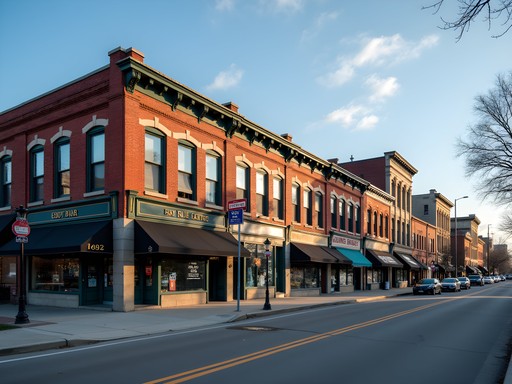
Walking Cicero's streets today, it's hard to imagine the level of corruption that once permeated every aspect of local life. The former Hawthorne Inn (now demolished) at 4833 W. 22nd Street (now Cermak Road) served as Capone's fortress. From my research before arriving, I knew to bring along my digital voice recorder to capture my thoughts and observations—particularly useful when you're trying to overlay historical context onto modern landscapes.
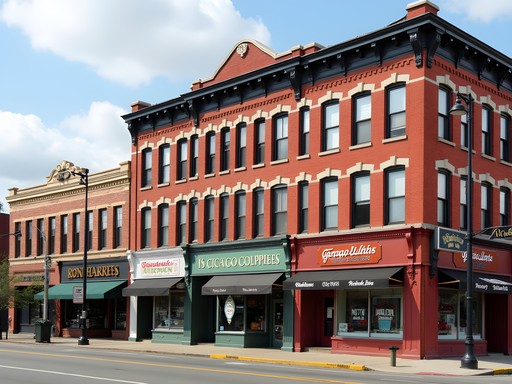
The Anton Hotel building still stands at 4835 W. Cermak Road, though it's been repurposed many times. During Prohibition, it housed Capone's gambling operations on the second floor. Today, you'd never guess its notorious past if not for the occasional historical marker.

💡 Pro Tips
- Visit the Cicero Public Library for historical photographs and documents about the Prohibition era
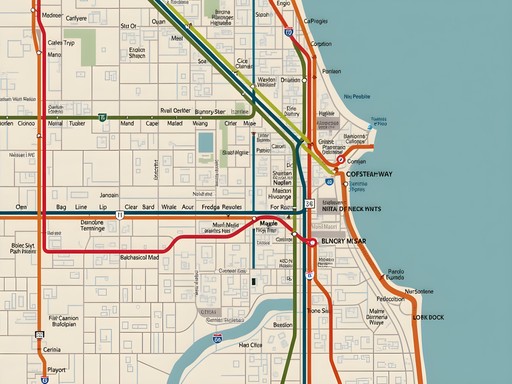
- Take the Pink Line train from downtown Chicago for an easy commute to Cicero
- Download the Chicago Crime Tours app for self-guided exploration of gangster sites
Following the Bootleg Trail
Cicero was strategic for Capone not just as a political haven but as a bootlegging distribution hub. The suburb's proximity to Chicago combined with its compliant local government made it ideal for moving illegal alcohol throughout the region.
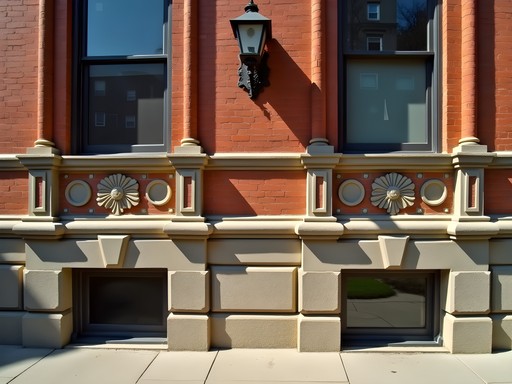
My exploration took me to the western edge of Cicero where several former brewery sites once operated as illegal distilleries. While researching these locations, I found my thermal imaging monocular surprisingly useful for examining old brick buildings—it helps reveal architectural features and structural changes not visible to the naked eye. This might seem like overkill for urban exploration, but for history buffs trying to identify century-old modifications to buildings, it's fascinating.
The Western Electric Company's Hawthorne Works site (now mostly gone) was another significant location. While not directly tied to Capone, this massive industrial complex employed thousands of Cicero residents during the Prohibition era, creating the backdrop against which the gangster saga played out. Today, a small museum at Morton College preserves some of this industrial heritage.

💡 Pro Tips
- Visit the Hawthorne Works Museum at Morton College to understand Cicero's industrial past
- Look for buildings with bricked-up basement windows—potential signs of former speakeasy locations
- The Cicero Bottling Company building still stands, though it's now private property
Modern Cicero: Cultural Renaissance
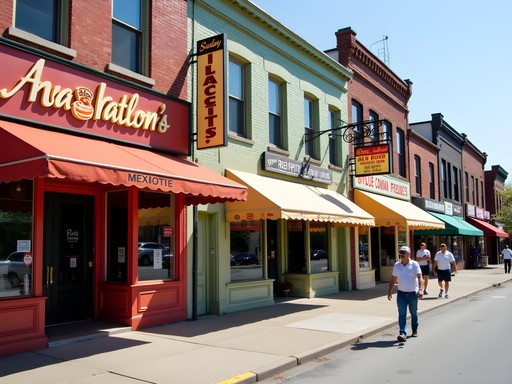
Today's Cicero bears little resemblance to the gangster haven of the 1920s. The town has transformed into a vibrant Latino community, with over 80% of residents identifying as Hispanic or Latino. This cultural shift has brought incredible food, colorful murals, and a renewed sense of community to the area.
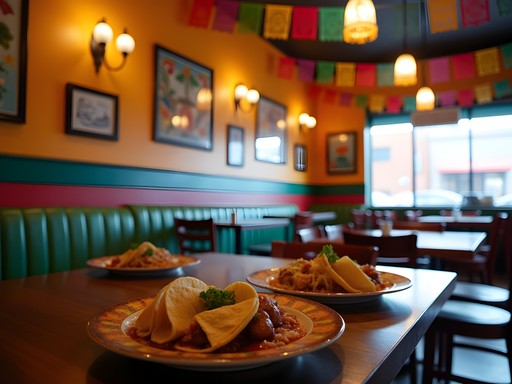
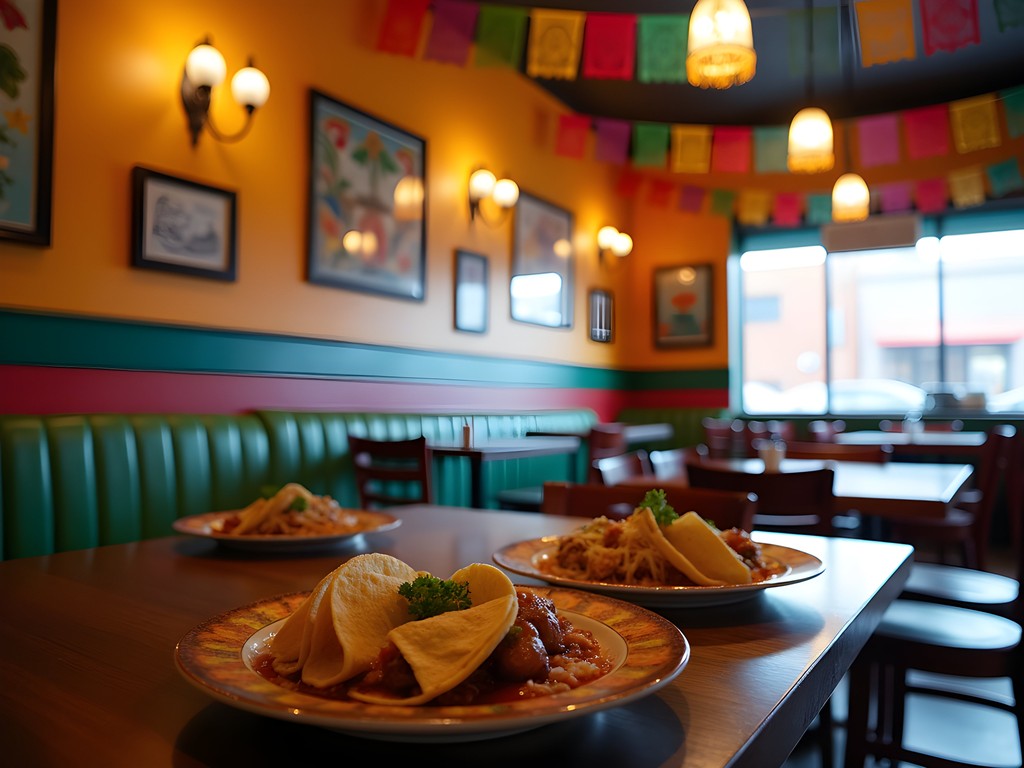
Exploring Cicero's culinary scene became a highlight of my visit. The 26th Street corridor offers some of the most authentic Mexican cuisine I've found outside of Mexico. I spent an afternoon sampling tacos, sopes, and horchata at various family-owned establishments, using my pocket translator to chat with shop owners about their family recipes and the neighborhood's history.
The town also hosts vibrant cultural celebrations throughout the year, including Cinco de Mayo festivities and summer street festivals that would be unrecognizable to visitors from Capone's era. I was fortunate enough to catch a local art exhibition featuring works that cleverly juxtaposed Cicero's notorious past with its multicultural present.
💡 Pro Tips
- Try the authentic Mexican pastries at Panadería Nuevo Leon on Cermak Road
- Visit Cicero's community murals along 25th Street that tell stories of immigration and cultural identity
- Check the town's event calendar for cultural festivals, especially in summer months

Preservation vs. Progress: Cicero's Balancing Act
What fascinates me about places like Cicero is the tension between preserving history and embracing progress. Unlike Las Vegas, which commercializes its mob connections, or Chicago, which runs gangster tours, Cicero has largely moved on from its Capone associations. There's wisdom in this approach—why should a diverse, forward-looking community be defined by its darkest chapter?
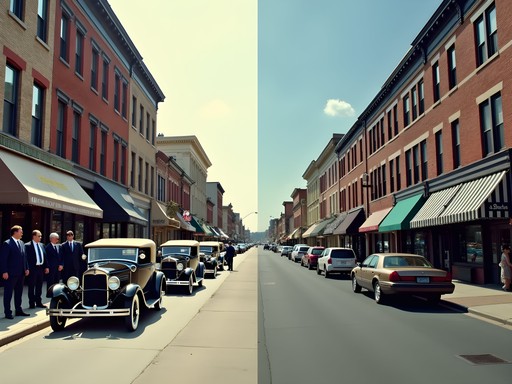
Yet for urban explorers and history enthusiasts, this creates a compelling treasure hunt. Armed with my leather travel journal and historical maps, I spent hours comparing old photographs with current streetscapes, identifying buildings that have survived from the 1920s.
The Olympic Theater building on Cermak Road, though repurposed, remains an architectural gem from the era. The Hawthorne Race Course, while not directly connected to Capone, operated during his time and continues as Chicagoland's oldest sporting venue. These structures provide tangible connections to the past while serving contemporary needs.

💡 Pro Tips
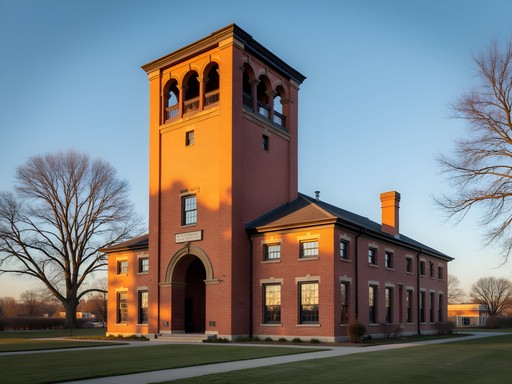
- Visit the Cicero Town Hall, built in 1927 during the height of Capone's influence
- Look for the few remaining original 1920s lampposts along portions of Cermak Road
- The Hawthorne Race Course offers a glimpse into an entertainment venue that operated during Capone's era
Final Thoughts
As I board the Pink Line train back to downtown Chicago, I find myself reflecting on Cicero's remarkable journey. This suburb has transformed from Al Capone's notorious stronghold into a vibrant, multicultural community that largely defines itself by its present rather than its infamous past. The physical landmarks of the gangster era may be fading, but they've left an indelible mark on American cultural memory.
For the urban explorer and history buff, Cicero offers something increasingly rare: an authentic connection to a pivotal historical moment that hasn't been over-commercialized or sanitized for tourism. You won't find costumed gangsters posing for photos or gift shops selling tommy gun replicas. Instead, you'll discover a real community that acknowledges its complex past while focusing firmly on its future.
If you visit, bring your curiosity, respect the current community, and prepare to do some historical detective work. The rewards—finding that hidden architectural detail, standing where history unfolded, or discovering a family-owned taqueria serving recipes passed down through generations—make Cicero a uniquely satisfying destination for those willing to look beyond the obvious.
✨ Key Takeaways
- Cicero offers authentic gangster-era history without the commercial tourism angle of downtown Chicago
- The transformation from Capone's stronghold to vibrant Latino community tells a compelling American story
- Urban explorers should focus on architectural details and repurposed buildings from the 1920s
- The culinary scene, particularly Mexican cuisine, makes Cicero worth visiting even without the historical interest
📋 Practical Information
Best Time to Visit
Year-round, though summer offers cultural festivals and better weather for walking tours
Budget Estimate
$100-200 per day including accommodation in Chicago, transportation, food and activities
Recommended Duration
1-2 days
Difficulty Level
Intermediate - Requires Some Research And Willingness To Explore Independently


Comments
oceanchamp9225
Going to Chicago in June, definitely checking this out!
journeywanderer
How long did you spend in Cicero? Trying to figure out if this is a half-day trip or full day thing. Also is the Pink Line pretty straightforward from downtown?
adventurerider
Pink Line is super easy! Takes like 30 min from the Loop
Bryce Diaz
Jerry, this really resonates with me. I did a similar exploration of mob history sites in Kansas City last year, and there's something haunting about these places where notorious history intersects with everyday modern life. The way you captured that tension between preservation and progress is spot-on. I'm curious - did you connect with any local historians or just explore on your own? I found that talking to longtime residents added so much depth to my understanding of how these communities reconcile with their past. The cultural renaissance angle is fascinating too. It's like these neighborhoods are reclaiming their identity beyond the gangster narrative.
journeywanderer
Would love to hear more about the Kansas City mob sites! Any recommendations?
islandhero
Love the photos! That old building is incredible
adventurerider
This is awesome! I grew up in the Chicago area and never really explored Cicero properly. My grandpa used to tell stories about the old days there but I always thought it was too sketchy to visit. Sounds like things have really changed. Definitely adding this to my list for next time I'm back home visiting family!
oceanchamp9225
Is it actually safe now? I've heard mixed things
adventurerider
From what I hear yeah, during the day at least. Stick to the main areas like Jerry mentioned
Amit Sullivan
Jerry, this resonates deeply with my own experiences exploring places trying to reconcile difficult histories. I spent time in Berlin years ago grappling with similar questions about dark tourism and community identity. What I appreciate about your piece is acknowledging that Cicero isn't frozen in 1925 - it's a living, evolving community. The cultural renaissance you mention with the Latino community is the real story now. The Capone connection is a footnote, however much tourists like us want to romanticize it. I picked up this book before my Chicago trip last year and it really helped contextualize what I was seeing. Thanks for the thoughtful exploration.
Jerry Kelley
Exactly right, Amit. That's what I was trying to capture. The history matters but it's not the whole story. Appreciate you getting that.
starlegend
Great photos!
globelegend
Really enjoyed this post. I've driven through Cicero a bunch of times but never stopped. Might actually get off the highway next time I'm passing through.
nomadone
Love this! The Pink Line makes it super easy to get there from downtown. Did the trip last October and grabbed lunch at one of the Mexican restaurants on Cermak - incredible food scene there now. The gangster stuff is cool but honestly the tacos were the highlight lol
sunsetperson
Can you do a self-guided walking tour or do you need a guide?
globelegend
Self-guided is totally doable. Most sites are on the same few blocks. Just map it out beforehand.
Venture X
Premium card with 2X miles, $300 travel credit, Priority Pass