
Disclosure: This article contains affiliate links. We may earn a commission from purchases at no extra cost to you, which helps our travel content.
The moment our taxi crossed from the gleaming towers of Bocagrande into the sunbaked streets of Getsemaní, I knew this trip would be different. Cartagena isn't just about its famous walled city—it's a geological and cultural palimpsest where Caribbean, African, and Spanish influences have created something entirely unique. My husband Rafael and I spent a week navigating beyond the postcard views to discover the soul of this Colombian coastal gem, finding ourselves captivated by neighborhoods that pulse with authentic rhythms far from the cruise ship crowds.

Getsemaní: Where Street Art Tells Colombia's Story
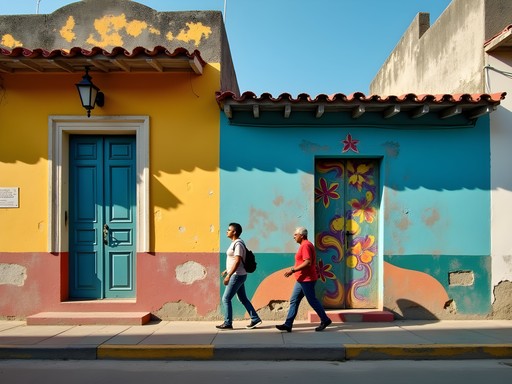
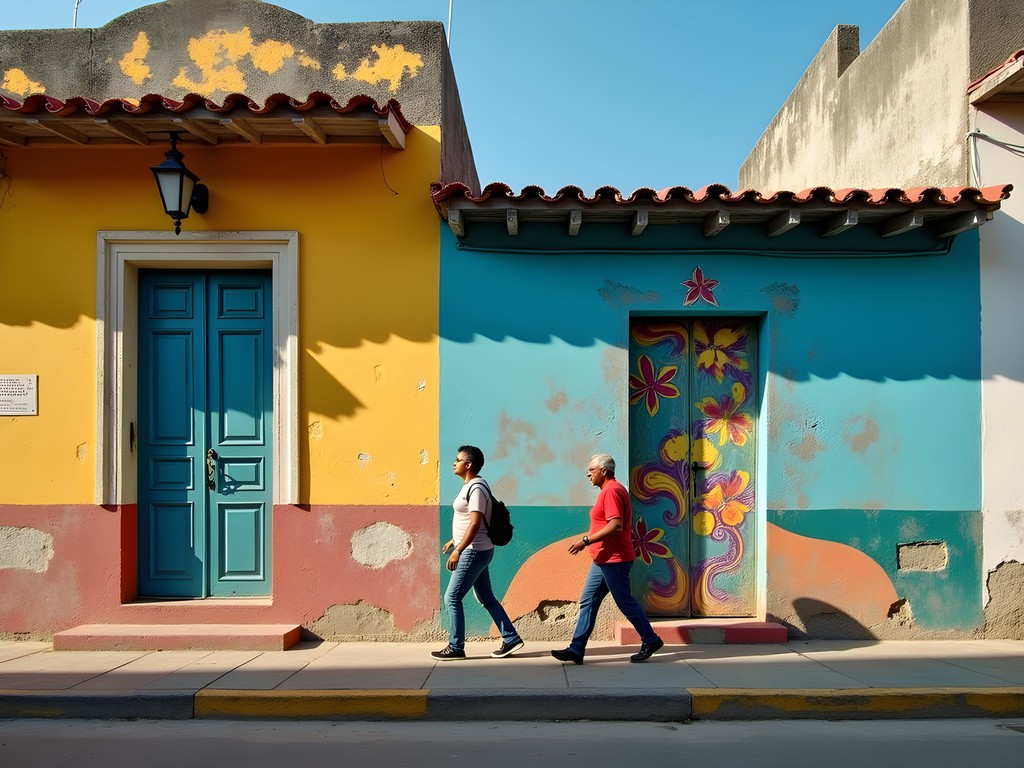
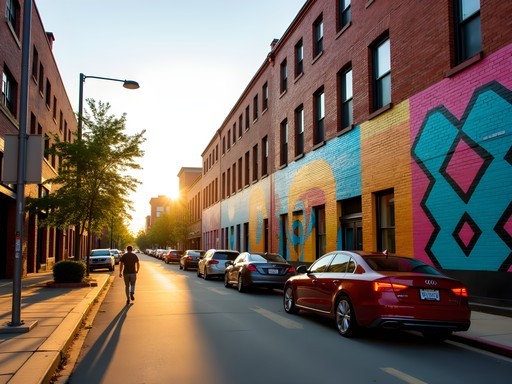
Just a 10-minute walk from the walled city lies Getsemaní, once considered too dangerous for tourists but now the beating cultural heart of Cartagena. Unlike the manicured perfection of Centro Histórico, Getsemaní retains its gritty authenticity while showcasing some of the most powerful street art I've seen since São Paulo's Vila Madalena.
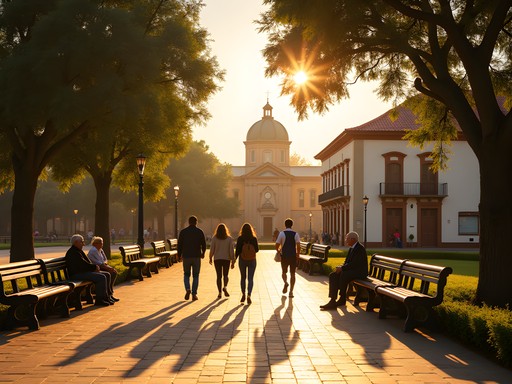
The neighborhood's transformation mirrors geological processes I've studied—layers of history compressed and transformed over time, with new cultural expressions emerging from pressure. Each mural tells stories of resistance, identity, and celebration. Plaza Trinidad becomes the neighborhood's epicenter each evening, where locals and visitors gather as equals under the warm glow of the church façade.
Rafael and I spent three evenings here, watching impromptu dance performances while sipping on craft cocktails from Demente, a speakeasy-style bar with industrial-chic design and a rooftop perfect for people-watching. For capturing these vibrant nighttime scenes, my smartphone tripod proved invaluable for long-exposure shots without the bulk of professional equipment.
💡 Pro Tips
- Visit Plaza Trinidad after 7pm when local performers often showcase traditional Colombian dance
- Book accommodations in Getsemaní for a more authentic experience—Casa Lola offers beautiful rooms with local character
- Join Free Tour Cartagena's Getsemaní street art tour to understand the political and cultural context behind the murals
Manga: The Peninsula of Hidden Treasures
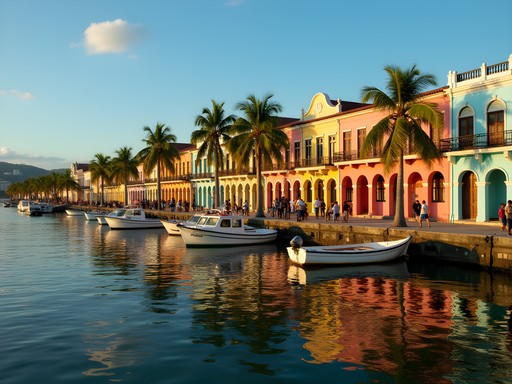
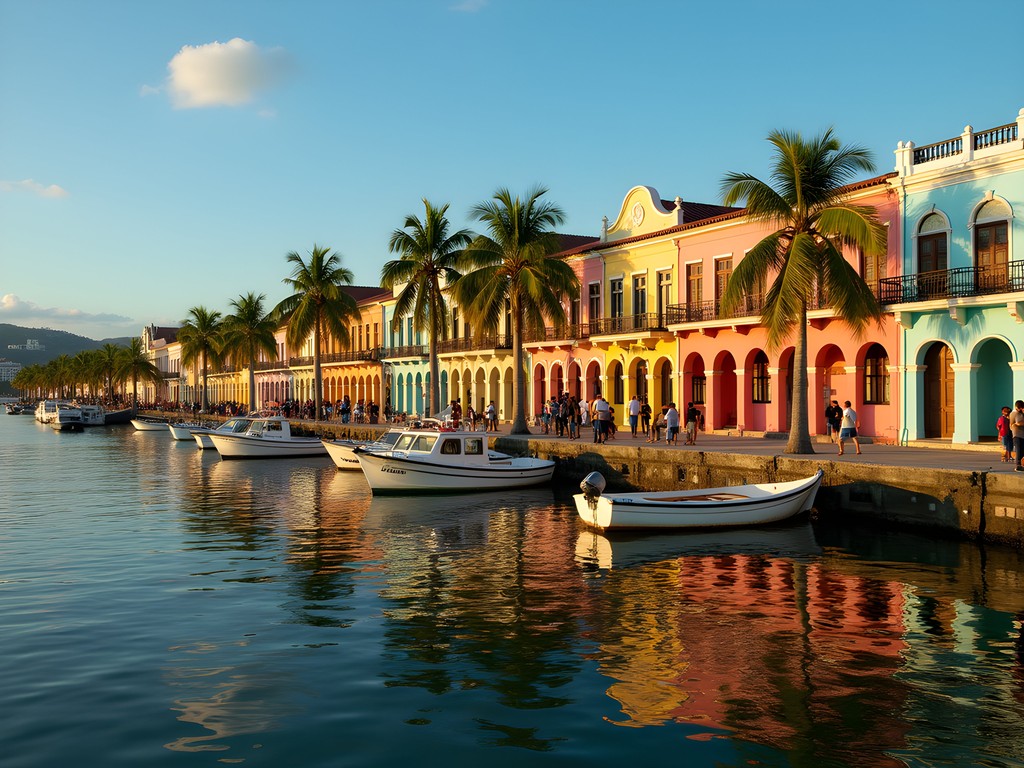
While most tourists stick to the historic center, Rafael and I discovered Manga—a residential peninsula connected by a causeway—offers a glimpse into how cartageneros actually live. The neighborhood's quieter pace feels like stepping back in time, with republican-era mansions lining waterfront streets and locals fishing from concrete piers.
The geological formation of this peninsula creates natural protection from the Caribbean's sometimes turbulent waters, making it historically valuable for both defense and commerce. Today, it houses some of the city's most interesting architectural contrasts—crumbling colonial gems alongside meticulously restored mansions.
Our most memorable Manga experience came from simply wandering without agenda, eventually discovering Restaurante Club de Pesca, housed in an 18th-century fort. We enjoyed freshly caught red snapper while watching fishermen bring in their daily catch just meters away. The restaurant's location inside the historic fortifications offers both culinary and historical satisfaction.
For exploring these less touristy neighborhoods where English isn't widely spoken, my pocket translator device helped bridge communication gaps when my conversational Portuguese couldn't quite manage the Spanish transitions. The device handles Colombian Spanish dialects surprisingly well and helped us discover local recommendations we would have otherwise missed.
💡 Pro Tips
- Visit the Naval Museum in Manga to understand Cartagena's strategic importance throughout history
- Walk the entire peninsula loop (approximately 3km) for beautiful bay views and architecture spotting
- Try the seafood cazuela at Club de Pesca—it's pricey by local standards but worth the splurge
La Boquilla: Where Mangroves Meet Tradition
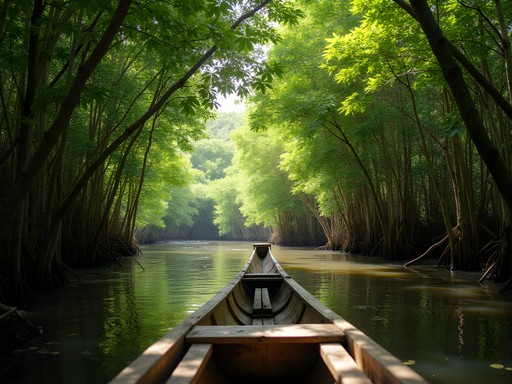
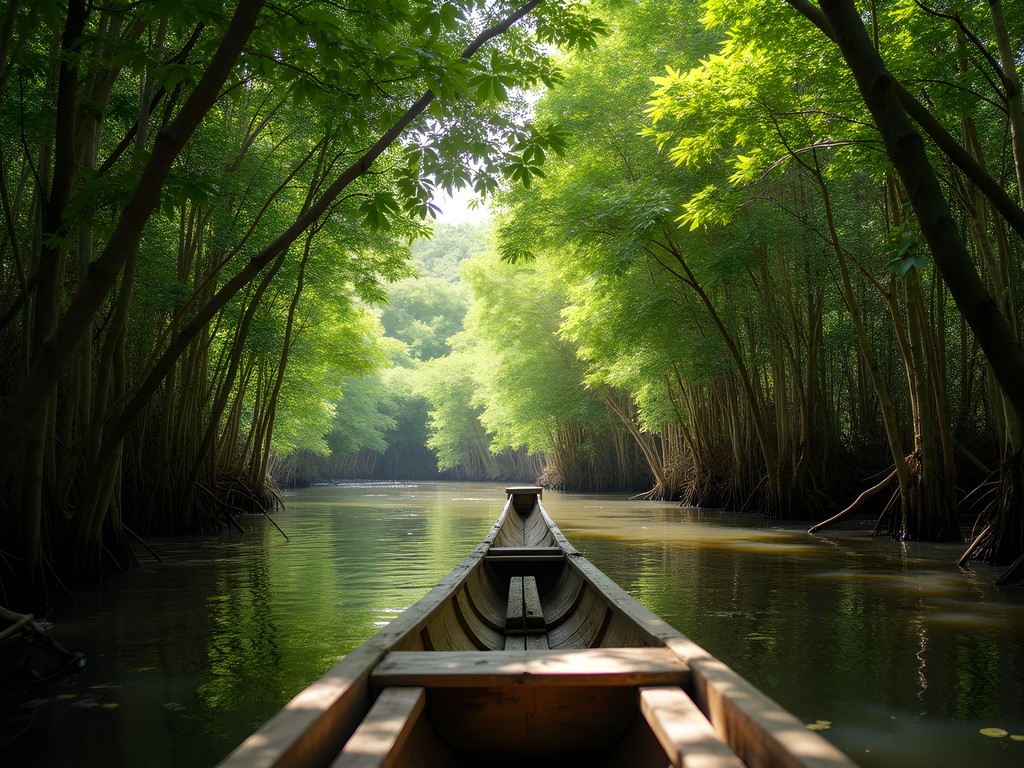
For couples seeking both natural beauty and cultural authenticity, La Boquilla offers a perfect day trip just 7km northeast of Cartagena's center. This fishing village sits between the Caribbean Sea and the Ciénaga de la Virgen lagoon, creating a fascinating ecological transition zone reminiscent of Louisiana's bayou landscapes from my childhood.
The mangrove tunnels here form natural geological corridors that local fishermen have navigated for centuries. Rafael and I booked a canoe tour with a local guide who demonstrated traditional fishing techniques passed down through generations while explaining the delicate ecosystem's importance to coastal protection—something increasingly relevant as climate change threatens Caribbean coastlines.
After our mangrove exploration, we enjoyed fresh seafood at one of the simple beachfront restaurants where the catch arrives literally minutes before hitting your plate. The coconut rice with local herbs complemented perfectly grilled fish caught that morning.
For the mangrove tour, waterproof protection is essential. My waterproof phone case kept my smartphone safe while allowing me to capture stunning photos of birds and plant life. For those planning to spend significant time on the water, I'd also recommend a dry bag to protect cameras and other valuables from unexpected splashes.
💡 Pro Tips
- Book mangrove tours directly through local guides in La Boquilla rather than through hotels to ensure money benefits the community
- Visit early morning (8-10am) for the best bird watching opportunities in the mangroves
- Bring cash as most establishments don't accept cards, and small bills are appreciated

Bazurto Market: The Authentic Culinary Laboratory
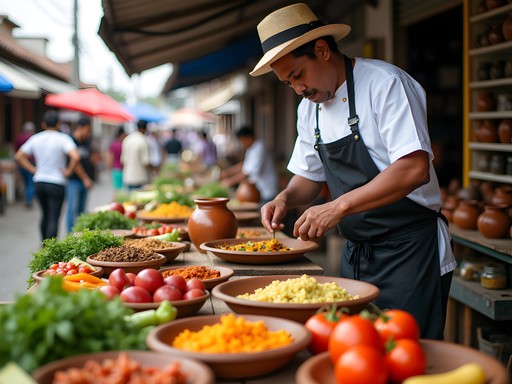
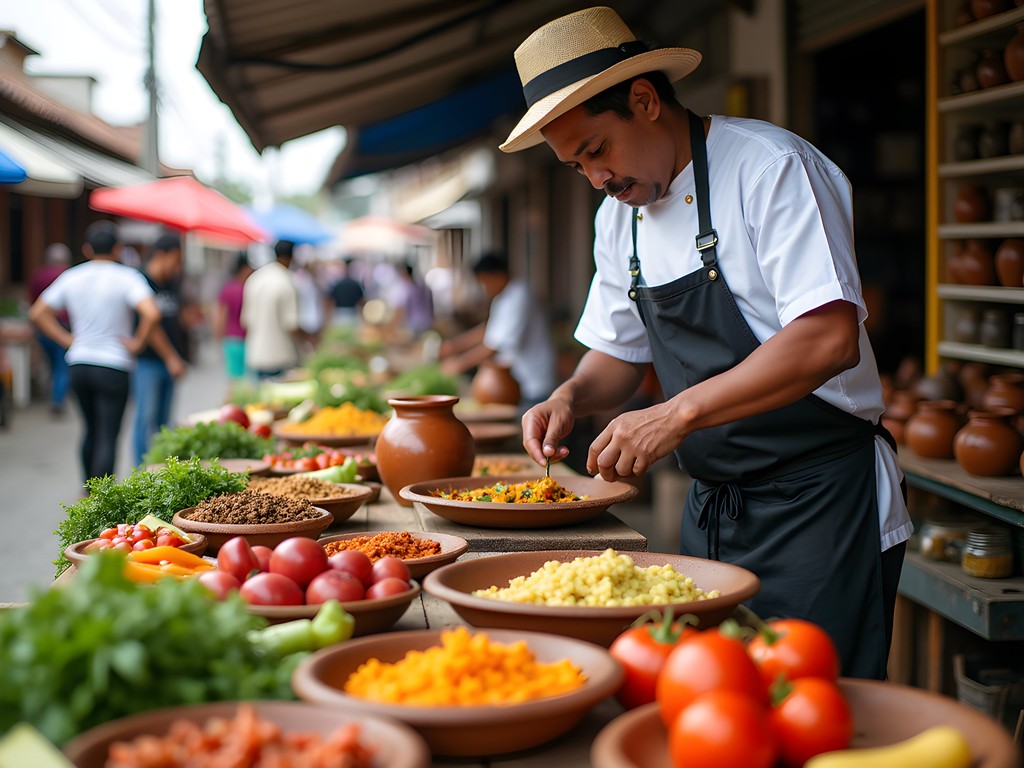
If you want to understand Cartagena's soul, you need to visit Bazurto Market—the chaotic, vibrant, sensory-overloading central market where most cartageneros actually shop. This is not the sanitized tourist experience of the walled city; it's raw, sometimes overwhelming, and absolutely authentic.
As someone who regularly explores São Paulo's markets, I still found Bazurto a thrilling challenge to navigate. The market sprawls across multiple blocks with sections dedicated to everything from fresh produce to household goods, but the real treasure lies in the food stalls tucked between vendors.
Rafael and I joined a Bazurto cooking tour that transformed our understanding of Colombian Caribbean cuisine. Our guide Doña Gloria led us through stalls selecting ingredients before teaching us to prepare traditional dishes like carimañolas (yuca fritters stuffed with seasoned beef) and arroz con coco (coconut rice). The geological connection wasn't lost on me—many traditional cooking techniques here involve clay pots made from local earth, connecting cuisine directly to the land.
For navigating busy markets comfortably, my anti-theft crossbody bag provides peace of mind while keeping essentials secure and hands free for photography or sampling street food. The slash-proof construction and locking compartments are particularly valuable in crowded market settings.
💡 Pro Tips
- Visit Bazurto with a local guide for the best experience—Cartagena Connections offers excellent market tours
- Go early (before 10am) when the market is less crowded and produce is freshest
- Look for food stalls where locals are eating—these typically offer the most authentic and safe dining options
Teatro Adolfo Mejía: Cartagena's Cultural Stage
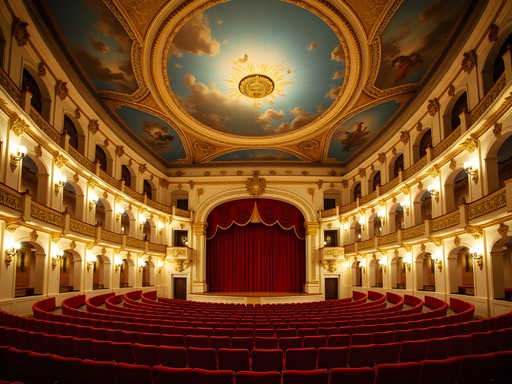
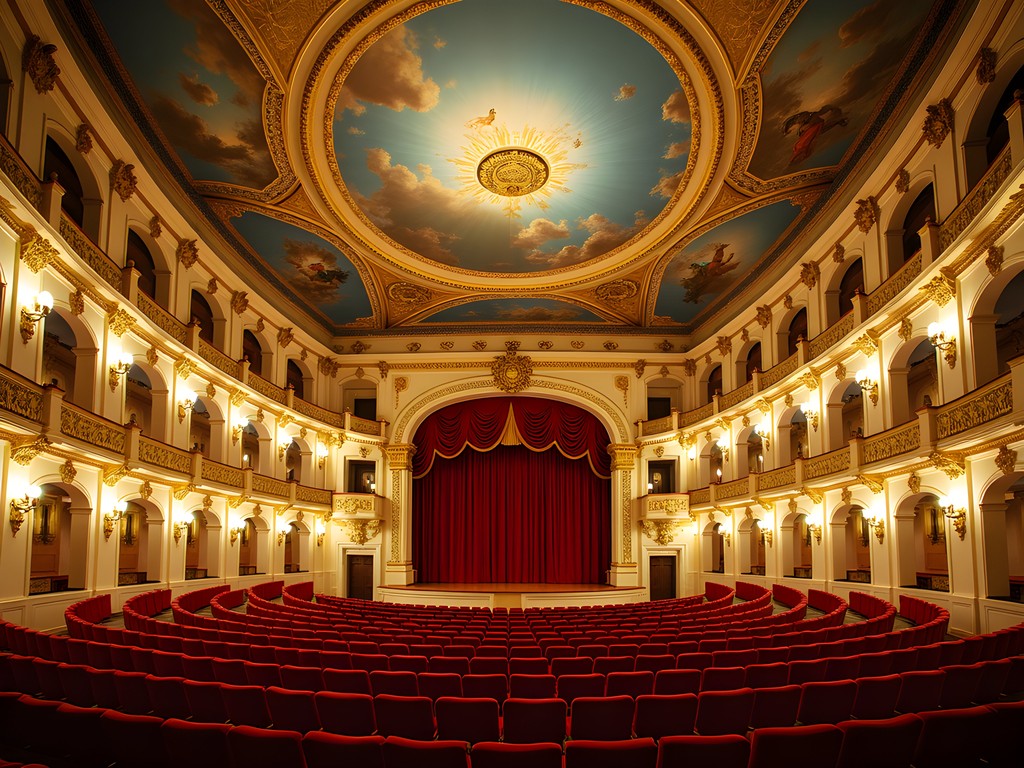
My theater background drew me to Teatro Adolfo Mejía, a neoclassical gem tucked within the walled city that most visitors walk past without entering. Originally built in 1911 and modeled after Italian opera houses, this theater represents Cartagena's golden age when wealthy merchants brought European cultural influences to the Caribbean.
The theater's history fascinates me—originally constructed atop the ruins of the Church of La Merced, it physically embodies the layering of cultures that defines Cartagena. The acoustics create a natural amplification effect similar to what I've studied in ancient amphitheaters carved from geological formations.
Rafael and I timed our visit to coincide with the Cartagena International Music Festival (January), where we enjoyed a stunning chamber music performance beneath the theater's celestial ceiling fresco. Even without attending a performance, guided tours (available Tuesday-Sunday) provide access to this architectural masterpiece.
For evening performances in Cartagena's humid climate, my compact hand fan proved invaluable. Many historic venues like Teatro Adolfo Mejía have limited air conditioning to preserve their structure, making personal cooling options essential for comfort during longer performances.
💡 Pro Tips
- Check the theater's schedule before your trip—many performances sell out weeks in advance during peak season
- Take the guided tour even if you can't attend a performance to see the stunning interior architecture
- Dress smartly for evening performances; while not strictly formal, Cartageneros take theater attendance as an opportunity to showcase style
Final Thoughts
As our week in Cartagena drew to a close, Rafael and I found ourselves sitting on the seawall of the Manga neighborhood, watching the sunset paint the sky in shades of amber and coral. The true Cartagena isn't found in the perfectly restored buildings of the walled city—though they are undeniably beautiful. It lives in the stories etched into Getsemaní's walls, the traditions preserved in La Boquilla's fishing techniques, and the daily rhythms of neighborhoods where tourists rarely venture.
Like the geological formations that have fascinated me since childhood, Cartagena reveals its most interesting features when you examine its layers—colonial and modern, tourist and local, European and Caribbean. For couples willing to venture beyond the obvious attractions, this Colombian coastal city offers connections not just to each other but to a cultural landscape as rich and complex as the land itself. Até a próxima aventura, meus amigos!
✨ Key Takeaways
- Cartagena's most authentic experiences lie in neighborhoods beyond the walled city like Getsemaní, Manga, and La Boquilla
- Connecting with local guides provides access to cultural contexts and hidden spots that most tourists miss
- Winter visits (December-February) offer ideal weather and cultural events like the International Music Festival
📋 Practical Information
Best Time to Visit
December through March (dry season)
Budget Estimate
$100-150 per couple per day excluding accommodations
Recommended Duration
5-7 days
Difficulty Level
Moderate

Comments
Haley Hamilton
Naomi, this brought back so many memories! I stayed in Getsemaní back in 2023 and completely fell in love with it. The transformation of that neighborhood is remarkable - I remember talking to a local artist who told me that just ten years ago, tourists wouldn't venture there at all. Now it's become the creative heart of the city. One thing I'd add about Bazurto Market - go EARLY, like before 8am. It gets incredibly hot and crowded later, plus the fish vendors have the best selection in the morning. I hired a local guide through my hostel and she helped me navigate and translate, which made the whole experience so much richer. Did you get to try any of the traditional breakfasts there?
Naomi Gutierrez
Yes! We had arepa de huevo and some fresh fruit juices. You're so right about going early - we made the mistake of arriving around 10am the first time and it was overwhelming. The guide tip is gold, definitely recommending that.
happystar
This is so helpful!! Going in March and didn't even know about these neighborhoods
Naomi Gutierrez
You're going to love it! March weather is perfect. Definitely spend at least a full day in Getsemaní - so much to see beyond just the street art.
happystar
awesome thanks!!
nomadphotographer
Your sunset photo from Manga is stunning! What time of year did you visit? I'm trying to plan for the best lighting conditions.
Naomi Gutierrez
Thank you! We were there in early December, which was perfect - just before high season crowds but with beautiful clear skies. Golden hour starts around 5:30pm that time of year. The seawall near Club de Pesca in Manga has the best unobstructed views!
smartguide
If you're heading to La Boquilla, try to time your visit with sunset for a mangrove tour. The light is magical and there are fewer tourists. The fishermen-turned-guides share amazing stories about the ecosystem and their traditions. Don't miss the coconut rice there - best I had in Colombia!
wanderingfeet
Going there next month! How did you get to Bazurto Market? Is it walkable or should I take a taxi?
luckyseeker
Definitely take a taxi! It's not in a walkable area from the tourist zones. And go early morning for the best experience - it gets HOT later in the day.
Naomi Gutierrez
Agree with luckyseeker - taxi is best. We used the Cabify app which was reliable. Early morning is perfect, and consider hiring a local guide for your first visit as it's quite overwhelming but absolutely worth it!
summernomad
Just got back from Cartagena and followed your recommendations - Manga was such a hidden gem! We found this tiny seafood restaurant right by the water that wasn't in any guidebooks. The owner showed us photos of his fishing trips that morning for what became our dinner. Also loved the street art tour in Getsemaní. Our guide explained how many murals represent Colombia's path to peace after decades of conflict. Really added depth to our experience. Thanks for inspiring us to explore beyond the obvious spots!
Naomi Gutierrez
This makes me so happy to hear! That seafood experience sounds incredible. Did you happen to catch the name of the restaurant? I'd love to add it to my list for next time.
summernomad
It was called Pescadería Don Carlos, right along the eastern shore of Manga. No website, just a blue building with fishing nets decorating the walls!
travelseeker1399
Great article! How safe did you find these neighborhoods, especially for solo travelers? I've heard mixed things about venturing outside the walled city and Bocagrande area. Also curious about transportation between these areas - did you use taxis or is public transport reliable?
nomadmaster
Not the author but I felt pretty safe in Getsemaní even at night. Manga was quiet but fine during the day. For La Boquilla, I'd recommend going with someone. The local buses are cheap and fun if you're adventurous!
smartguide
Agree with @nomadmaster. Taxis are affordable and convenient if you don't want to deal with buses. Just make sure they use the meter!
nomadbuddy
Bazurto market looks insane! Definitely going
Sophia Gomez
YES to all of this! I spent three weeks in Cartagena last year and Getsemaní completely stole my heart. The street art scene there rivals anything I saw in Bogotá or Medellín. I actually met an artist named Ledania who was painting a mural near Plaza de la Trinidad, and she spent an hour telling me the stories behind the neighborhood's transformation. The gentrification conversation is real though—rent prices have tripled in some areas since 2020. But the community is fighting to preserve its identity. Did you make it to Demente for their evening cocktails? That rooftop view at sunset is unbeatable.
Naomi Gutierrez
Sophia! We missed Demente somehow but heard amazing things. The gentrification issue is so complex—I tried to touch on it but could've gone deeper. Adding it to my list for next time!
skymate
How do you get to La Boquilla? Is it safe?
Naomi Gutierrez
We took a taxi from Getsemaní for about 15,000 pesos. It's totally safe during the day! Go with one of the local guides who'll take you through the mangroves. Just arrange your return taxi in advance since they're harder to find out there.
skymate
Thanks! Super helpful
Venture X
Premium card with 2X miles, $300 travel credit, Priority Pass