


Disclosure: This article contains affiliate links. We may earn a commission from purchases at no extra cost to you, which helps our travel content.
Standing at the intersection of urban design and natural beauty, Carmel, Indiana caught me completely off-guard. As someone who spends her days in Australia's wilderness and her holidays in ancient ruins or dense rainforests, I never expected an American Midwest suburb to stop me in my tracks. Yet here I was, mesmerized by a city where roundabouts bloom with seasonal plantings, public art punctuates every corner, and the boundary between urban infrastructure and natural space blurs into something truly remarkable.

A Forest Ranger's Take on America's Roundabout City
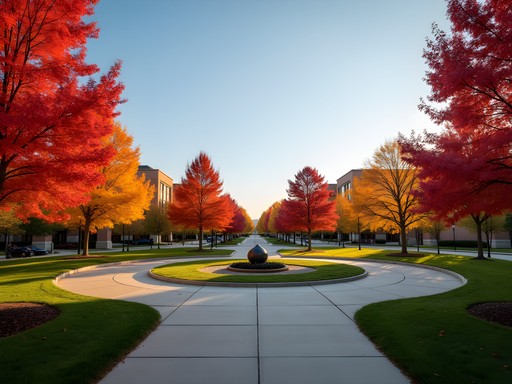
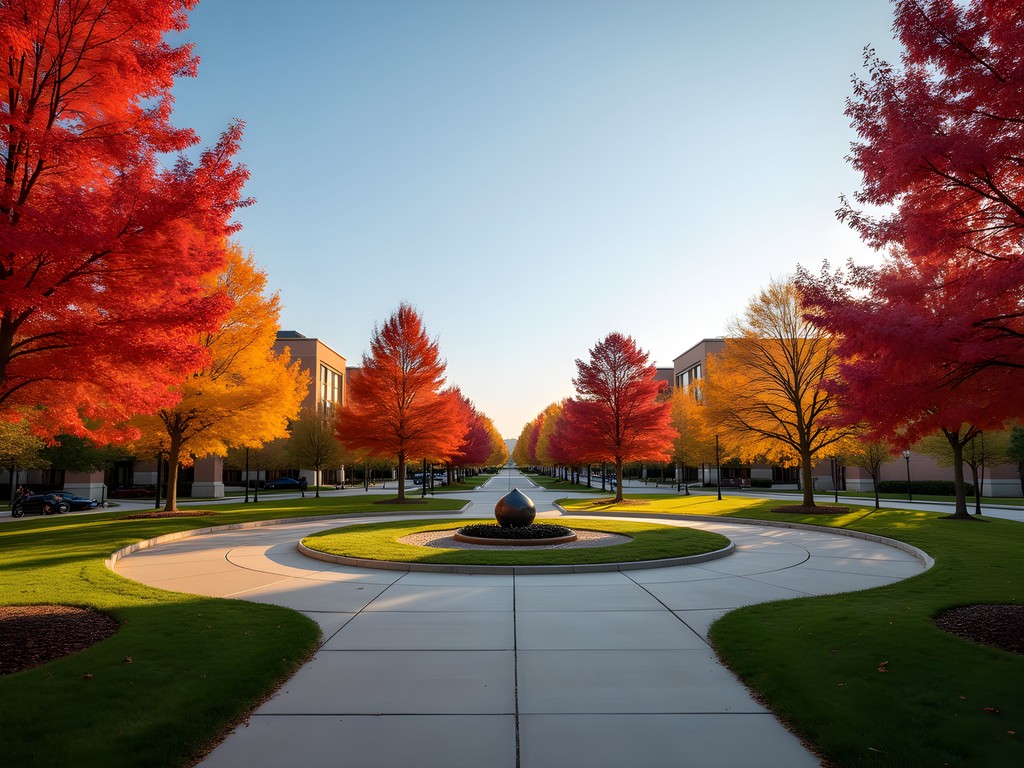
Coming from Darwin's rugged landscapes to Carmel's manicured streets might seem like cultural whiplash, but as a conservationist who studies the intersection of human design and natural spaces, I found myself utterly fascinated. Carmel boasts over 140 roundabouts—more than any other American city—and in autumn, each transforms into a canvas of amber, crimson and gold as thoughtfully selected native plants catch the fall light.
What struck me most wasn't just the aesthetic appeal, but the ecological mindfulness. Many roundabouts incorporate native Indiana plant species, creating micro-habitats for pollinators while simultaneously reducing carbon emissions (cars idle less at roundabouts than at traditional intersections). I spent an entire morning photographing these circular gardens, my plant identification app working overtime to help me catalog the surprising biodiversity woven into the city's infrastructure.
The city's commitment to greenspace goes beyond roundabouts—Carmel maintains that no resident should live more than five minutes from a park or greenway. This philosophy resonates deeply with my belief that urban spaces should never disconnect us from nature.
💡 Pro Tips
- Download the Carmel roundabout map from the visitor center—they actually offer a self-guided tour route of the most impressive ones
- Visit in mid-October for peak fall foliage in the roundabouts and along the Monon Trail
- The roundabouts along Illinois Street showcase some of the best seasonal plantings
The Monon Trail: Urban Wilderness Corridor
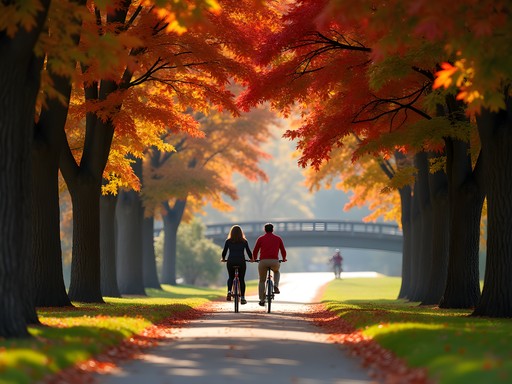
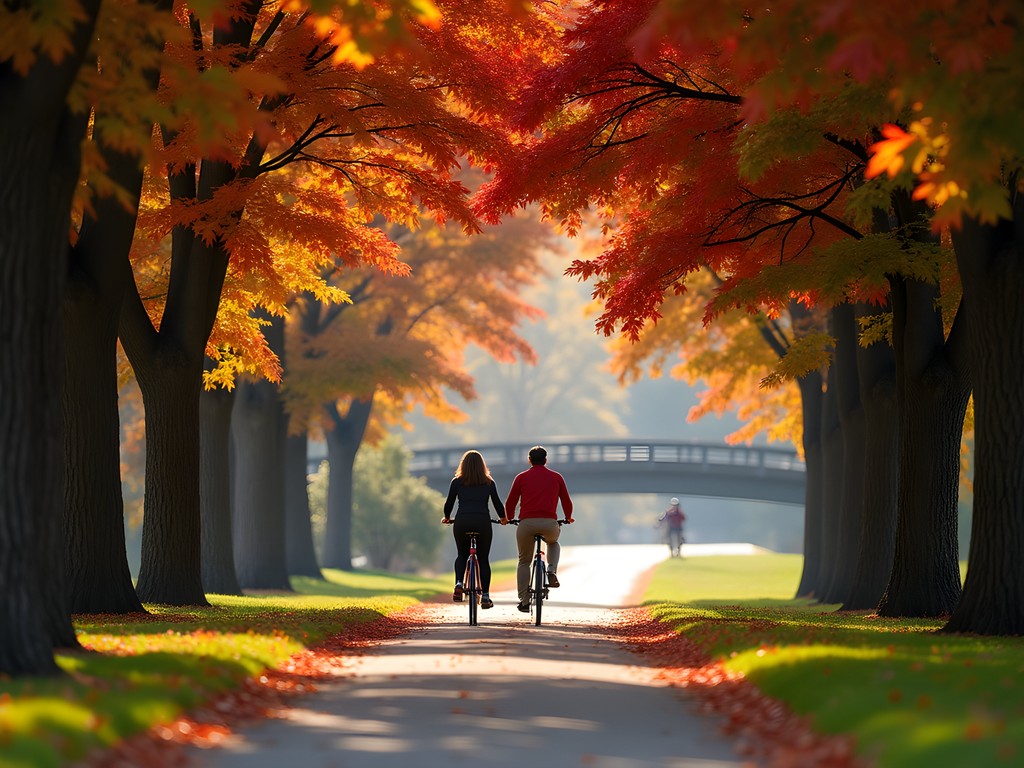
If Carmel's roundabouts represent the marriage of infrastructure and nature, the Monon Trail embodies the city's commitment to preserving movement corridors—something I study extensively in my conservation work. This former railway line has been transformed into a 27-mile multi-use trail that serves as both commuter pathway and recreational space.
I spent a crisp fall morning cycling the trail, having rented a comfortable cruiser from Carmel Cyclery near the Monon Center. The trail cuts through the heart of Carmel like a green artery, connecting neighborhoods, business districts, and parks without ever forcing you to cross major roads (most intersections feature underpasses or bridges).
For couples looking to explore together, I'd recommend packing a picnic in a good insulated backpack and stopping at one of the many pocket parks along the way. My personal favorite was the contemplative Japanese garden near Carmel City Center—a perfect spot to share some local cheese and fruit purchased from the weekend farmers market.
What impressed me most was how the trail serves as a genuine wildlife corridor despite its urban setting. I spotted several species of birds, evidence of small mammals, and a remarkable diversity of insects utilizing the native plantings along the edges. It's a masterclass in how thoughtful urban planning can preserve ecological connectivity.
💡 Pro Tips
- Rent bikes near the Monon Community Center for the best access point
- The trail is busiest on weekend afternoons; go early morning for a more peaceful experience
- Look for the small botanical identification plaques along the northern section of the trail
Carmel Arts & Design District: Cultural Immersion
Growing up with an Italian art historian mother, I developed a deep appreciation for the way art shapes public spaces. Carmel's Arts & Design District feels like it was created precisely for people like me—those who believe cultural artifacts should be integrated into daily life rather than isolated in museums.
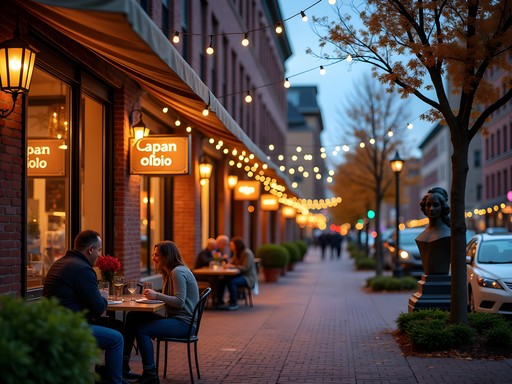
The district spans several walkable blocks where art galleries, studios, restaurants and boutiques coexist in a carefully preserved architectural landscape. What sets it apart from similar districts I've visited globally is how the boundaries between indoor and outdoor art blur seamlessly. Life-sized bronze sculptures of people engaged in everyday activities populate the sidewalks, creating whimsical moments of discovery as you explore.
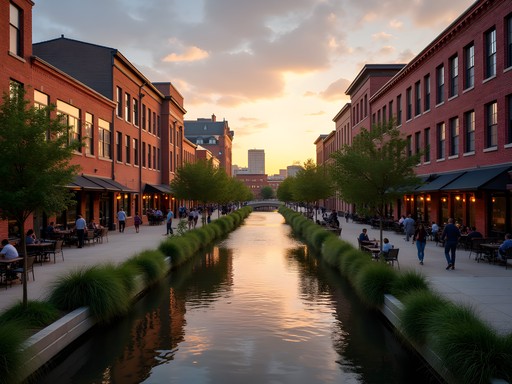
I spent an entire evening here with my travel sketchbook and a set of watercolors, attempting to capture the unique architectural details and public sculptures. The district comes alive at sunset when the golden hour light warms the brick facades and outdoor dining spaces fill with couples enjoying the surprisingly sophisticated food scene.
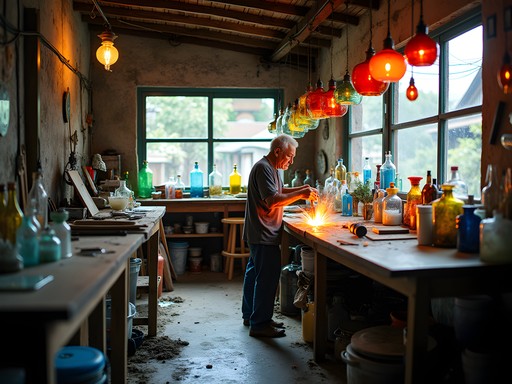
Don't miss the monthly gallery walks if your visit coincides with one—the energy is infectious as artists and collectors mingle over local wines and the galleries stay open late. I was particularly impressed by the glass-blowing demonstrations at the Indiana Design Center, where you can watch artisans transform molten material into delicate forms.

💡 Pro Tips
- Visit on the second Saturday evening of the month for the gallery walk events
- Many galleries offer complimentary wine during evening hours
- The bronze sculptures throughout the district make for perfect photo opportunities—grab a map to find them all

Unexpected Wilderness: Ritchey Woods Nature Preserve
Just when I thought I had Carmel figured out as an exemplary urban space, I discovered Ritchey Woods Nature Preserve—115 acres of protected forest and wetland habitat tucked away at the edge of the city. As a forest ranger, I'm naturally drawn to these pockets of wilderness, and Ritchey Woods offered a perfect contrast to the manicured city center.
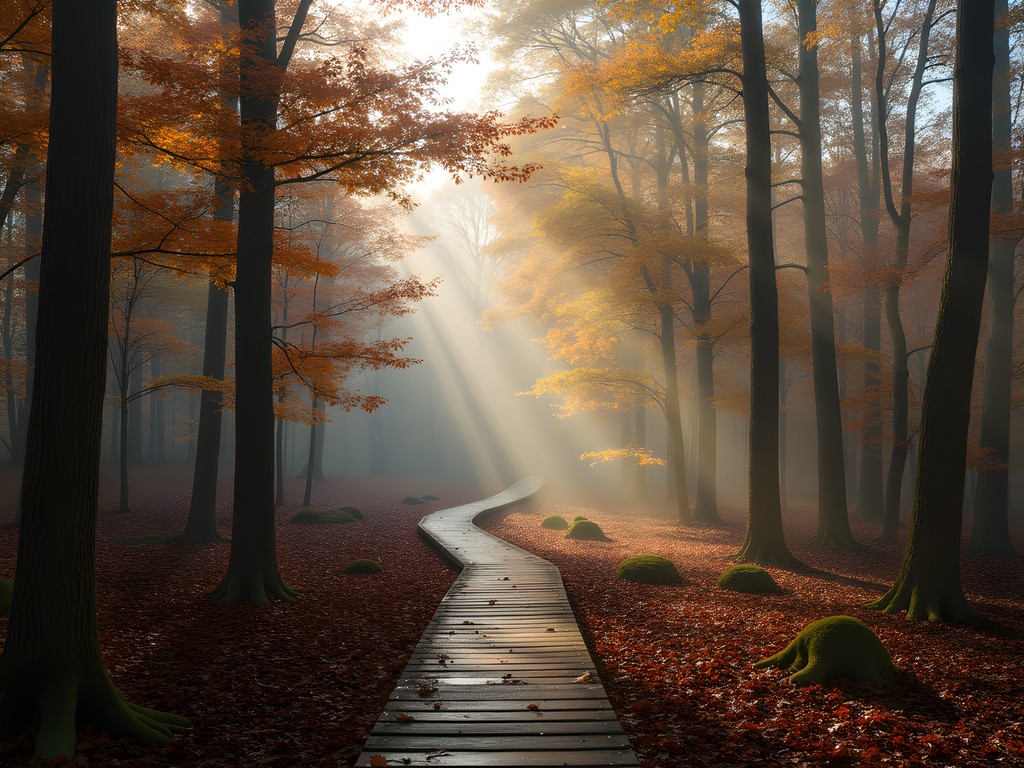
The preserve features over 2 miles of well-maintained trails winding through second-growth forest, prairie restoration areas, and wetland boardwalks. What makes it special is the clear commitment to education—interpretive signs explain the ecological restoration work underway and identify key species. I was impressed to see evidence of controlled burns in the prairie sections, a management technique we use extensively in Australia.
Autumn transforms this preserve into a sensory wonderland. I recommend bringing a good pair of trail runners as parts of the trail can be muddy after rain. The morning I visited, mist hung between the trees as chickadees and nuthatches called overhead. I encountered several couples enjoying quiet moments on benches placed strategically along the trails.
For those interested in conservation, ask at the small nature center about their volunteer days—they regularly host invasive species removal events that provide insight into the challenges of maintaining ecological integrity in urban-adjacent natural areas.
💡 Pro Tips
- The White Oak Trail offers the best fall colors and most mature trees
- Early mornings increase your chances of wildlife sightings, especially deer and foxes
- Bring insect repellent as mosquitoes can be present near the wetland sections even in fall
Culinary Discoveries: Farm-to-Table in America's Heartland
My travels have taught me that a city's food scene often reveals its true values. In Carmel, I discovered a surprising emphasis on local, seasonal ingredients that reminded me of the small Mediterranean coastal towns I frequent in Europe. Despite being in America's agricultural heartland, Carmel has elevated its cuisine beyond what you might expect.
Divvy stands out as a must-visit for couples. This small plates restaurant in the heart of the Arts District specializes in shareable dishes sourced primarily from Indiana farms. The intimate space features a wall of living herbs they snip directly into cocktails and dishes. We enjoyed their autumn harvest board featuring local cheeses, honey, and preserves served on a beautiful wooden serving platter that inspired me to purchase one as a souvenir.
For breakfast, don't miss Eggshell Bistro in Carmel City Center. The globally-inspired morning dishes incorporate unexpected flavors while using eggs and produce from nearby farms. Their shakshuka with local goat cheese became my morning ritual, enjoyed while people-watching from their patio.
What impressed me most was how even casual establishments maintained strong connections to local producers. The Carmel Farmers Market (Saturday mornings) offers a perfect opportunity to meet the people growing the food you'll enjoy in local restaurants. I spent an hour chatting with a third-generation apple farmer whose heirloom varieties supply several Carmel eateries.

💡 Pro Tips
- Make reservations for Divvy on weekend evenings—the small space fills quickly
- Ask servers about local sourcing—many can tell you exactly which farm supplied specific ingredients
- The Carmel Farmers Market runs Saturday mornings through fall—arrive early for the best selection
Final Thoughts
As my weekend in Carmel drew to a close, I found myself reconsidering my definition of 'livability.' So often in my conservation work, I witness the tension between human development and natural systems. Yet Carmel demonstrates how thoughtful urban planning can create spaces that honor both human needs and ecological principles.
Perhaps what struck me most was the sense of intention evident throughout the city—from the carefully curated public art to the preservation of movement corridors like the Monon Trail. In many ways, Carmel represents a distinctly American interpretation of principles I've observed in the ancient cities of Southeast Asia and the Alpine villages of Europe: human-scale development that respects its natural context.
For couples seeking a weekend escape that balances cultural exploration with natural beauty, Carmel offers a surprisingly perfect backdrop. As I boarded my flight back to Australia, I carried with me not just memories of golden autumn light on brick facades and misty morning trails, but also hope that the principles of livability I witnessed in this Midwestern city might find their way into urban planning worldwide. After all, the most sustainable cities are those we fall in love with—and Carmel, Indiana is undeniably lovable.
✨ Key Takeaways
- Carmel balances sophisticated urban design with meaningful natural spaces
- Fall brings spectacular colors to both the city's roundabouts and natural areas
- The walkable layout makes it perfect for couples who enjoy exploring on foot
- The culinary scene emphasizes local sourcing and seasonal ingredients
- Despite being in the Midwest, Carmel offers cultural experiences on par with much larger cities
📋 Practical Information
Best Time to Visit
September-November for fall colors and comfortable temperatures
Budget Estimate
$150-250 per day for accommodations, meals and activities
Recommended Duration
2-3 days (weekend trip ideal)
Difficulty Level
Easy


Comments
springlegend
Pro tip - if you go in October the fall colors on the Monon Trail are incredible. Way less crowded than the typical fall foliage spots on the east coast too.
Nicole Russell
Maya, I absolutely love this perspective! As someone who usually gravitates toward big coastal cities, I've been sleeping on the Midwest. The way you described the balance between urban planning and nature really resonates. The Monon Trail sounds like exactly my kind of thing - I'm always looking for places where I can explore solo without needing a car the whole time. Adding this to my summer road trip list! Did you find the Arts District walkable from most hotels?
springlegend
Not the author but yes! Everything in downtown Carmel is super walkable. I stayed near the Arts District last fall and walked everywhere.
redlegend
How many days would you recommend for visiting? Is it worth a long weekend or just a day trip?
Nicole Russell
I'd say a solid weekend! Gives you time to really explore the Monon Trail, check out the Arts District, and hit Ritchey Woods without rushing. Plus the downtown area has some surprisingly good restaurants!
redlegend
Thanks! That helps a lot
hikingexplorer
Never thought about Indiana as a travel destination but this looks cool!
springlegend
Right?? I drove through there once and had no idea. The roundabouts are actually kinda nice once you get used to them.
sunsetlife
Going to be in Indianapolis next month for work. Worth taking a day trip to Carmel?
coffeeninja
Absolutely! It's only like 30 minutes from downtown Indy. The Arts District has amazing coffee shops too!
wanderlustdiver
Those roundabouts look insane! Never seen anything like that in the US before!
starseeker
Those nature shots are gorgeous! How long would you recommend staying in Carmel to see everything?
Maya Coleman
I'd say 2-3 days is perfect! One day for the Arts District, one for outdoor activities like the Monon Trail and Ritchey Woods, and maybe an extra day to explore nearby areas or just relax.
coffeeninja
Just got back from Carmel last weekend and your blog was my guide! The Monon Trail was absolutely perfect for morning walks - grabbed coffee at Carmel Coffee Traders and strolled for hours. Ritchey Woods was surprisingly peaceful considering how close it is to the city. Also discovered they have an amazing farmers market on Saturdays! Definitely lived up to the 'most livable city' title. Who knew Indiana could be so charming?
Maya Coleman
So happy to hear the blog helped with your trip! Isn't that farmers market incredible? I should have mentioned it - those local honey vendors alone are worth the visit!
Hayden Butler
Maya, you've captured the essence of what makes Carmel special. I visited last summer while researching America's most livable mid-sized cities, and it truly stands apart. The thoughtful urban planning is evident everywhere - from those famous roundabouts (which actually make driving pleasant!) to the walkable downtown. For anyone visiting, I highly recommend timing your trip around the Carmel International Arts Festival in September. The entire Arts District transforms with installations and performances. I was particularly impressed with the Palladium concert hall - world-class acoustics in the middle of Indiana! One tip: I found having my pocket binoculars essential for spotting wildlife along the Ritchey Woods trails. The bird watching there rivals many dedicated nature preserves I've visited.
Jose McDonald
Maya, this is exactly why I love following your blog! You uncover these hidden gems that most travel writers overlook. I actually passed through Carmel last year on a cross-country road trip and was BLOWN AWAY by those roundabouts (counted like 50 of them?). The Monon Trail was perfect for my morning runs. Did you get a chance to check out any of the local breweries? Honestly thinking about making a dedicated trip back there now!
Maya Coleman
Thanks Jose! I didn't hit the breweries this time around, but I heard Sun King Spirits is worth checking out. Next visit for sure!
Jose McDonald
Adding Sun King to my list! Appreciate the tip!
Venture X
Premium card with 2X miles, $300 travel credit, Priority Pass