


Disclosure: This article contains affiliate links. We may earn a commission from purchases at no extra cost to you, which helps our travel content.
Standing at the edge of Bridgeport's harbor, watching the morning light catch on the repurposed factory windows, I'm struck by that familiar feeling—the electric charge of a city in transition. Connecticut's largest city isn't on most travelers' radar, but that's precisely why it deserves your attention. Bridgeport represents something I've witnessed across continents: the beautiful tension between industrial heritage and creative rebirth. As someone who's made a career of tracking urban transformations, I can tell you—Bridgeport's renaissance is happening right now, and there's something magical about witnessing a city rediscover itself.

Industrial Bones, Creative Soul
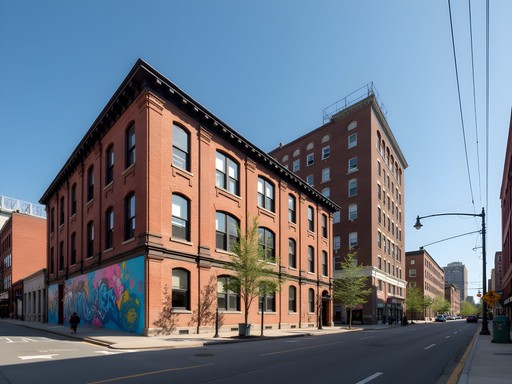
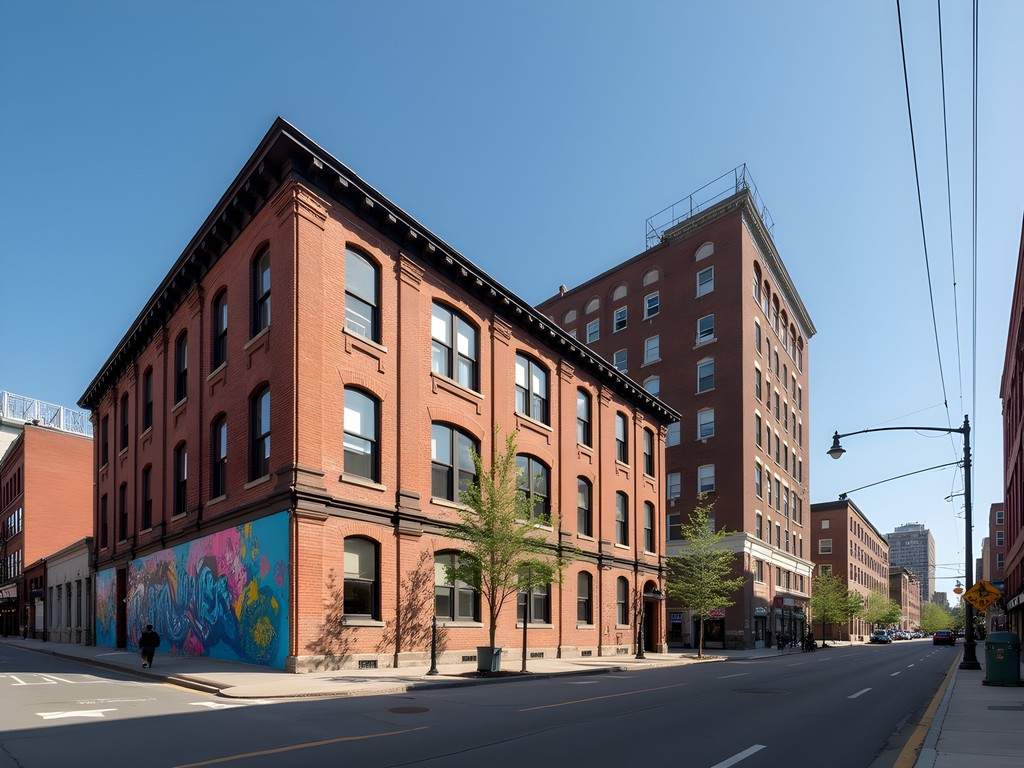
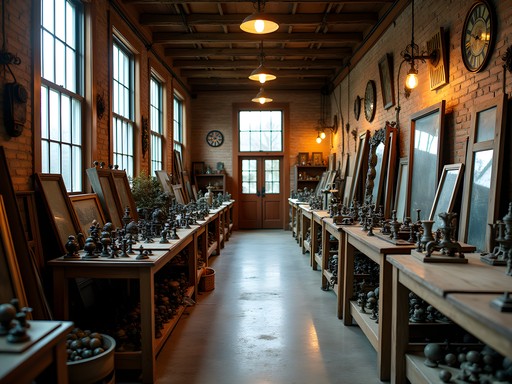
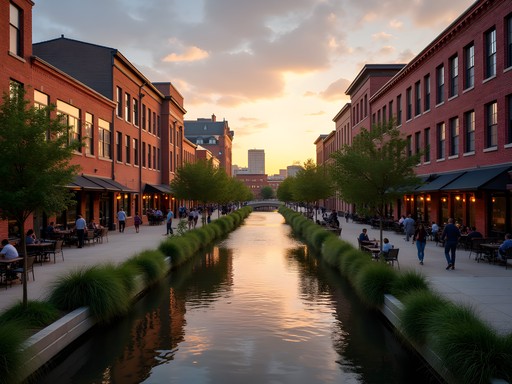
Bridgeport wears its industrial heritage proudly—not as a relic but as the skeleton upon which its new identity is being built. My exploration began in the heart of the Downtown Historic District, where 19th-century architecture stands as testament to the city's former manufacturing might. The contrast between ornate Victorian facades and contemporary street art creates a visual dialogue between eras that I find utterly compelling.
The most striking example is the former Remington Arms factory, a sprawling complex that once produced firearms and now houses artist studios and small businesses. Walking through these spaces reminded me of Sheffield's cultural quarter—both cities understanding that creative economies can breathe new life into industrial spaces without erasing their character.
To properly document these architectural contrasts, I relied on my portable light meter to handle the tricky lighting conditions between bright exteriors and shadowy interiors of these repurposed buildings. When urban exploring in transitional neighborhoods, having reliable tools makes all the difference.
💡 Pro Tips
- Visit the Bridgeport History Center in the public library for context on the city's industrial evolution
- The Downtown Historic District is compact and walkable—wear comfortable shoes and plan a self-guided architecture tour
- Many former industrial buildings are private property—always respect signage and boundaries
The Art Park Revolution
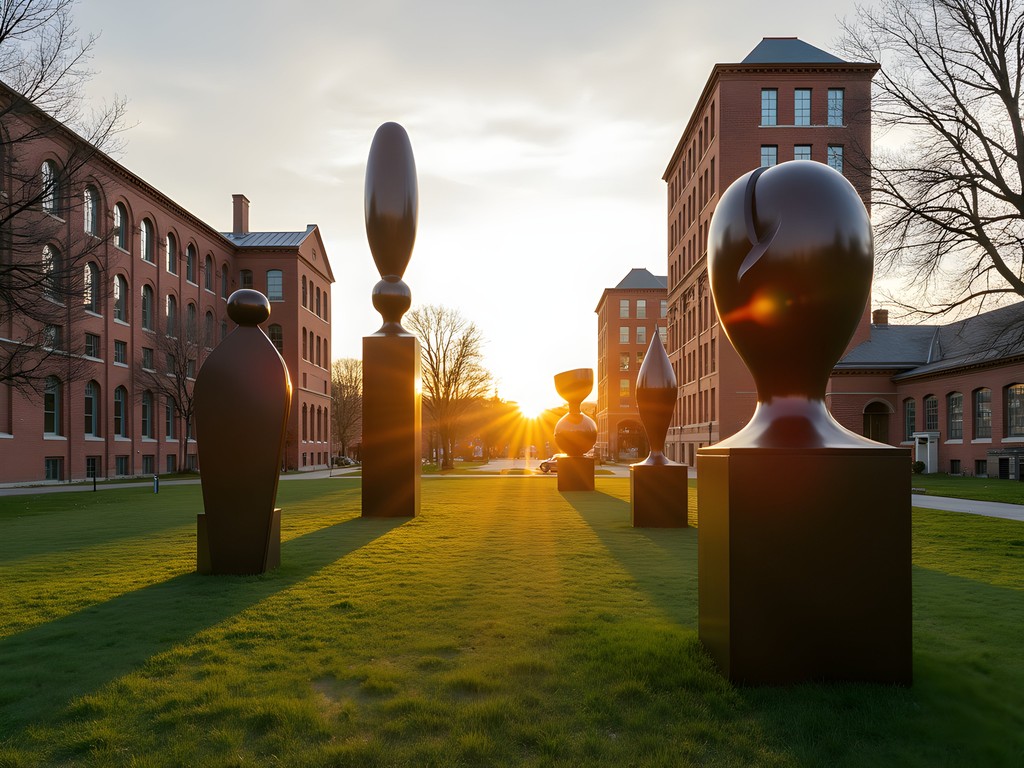
Nothing encapsulates Bridgeport's transformation better than Knowlton Art Park, built on the grounds of a former corset factory. This outdoor gallery space showcases large-scale sculptures against industrial backdrops, creating a dialogue between manufacturing past and creative present.
On my second morning, I arrived at the park just after sunrise with my insulated travel mug filled with coffee from a local roaster. The early light on the sculptures was worth the early wake-up, and having hot coffee while exploring made the chilly spring morning more pleasant.
What struck me most was how the park has become a genuine community gathering space. Unlike some arts districts I've visited that feel imposed upon neighborhoods, Knowlton has integrated into the community's fabric. Local families picnicked near avant-garde installations, and teenagers practiced skateboard tricks in the shadow of towering metal sculptures.
The park connects to a growing network of pedestrian paths that link Bridgeport's emerging cultural hubs. I spent hours following these routes, documenting how public art installations serve as waypoints between neighborhoods that were once disconnected.
💡 Pro Tips
- Check the Knowlton Art Park website for outdoor performances and events during your visit
- Early morning or golden hour provides the best light for photographing the sculptures
- The park has limited shade—bring sun protection even in spring
Culinary Rebirth in Repurposed Spaces
If you truly want to understand a city's evolution, follow its food scene. Bridgeport's culinary renaissance is happening in beautifully repurposed spaces that honor the city's working-class roots while elevating its offerings.
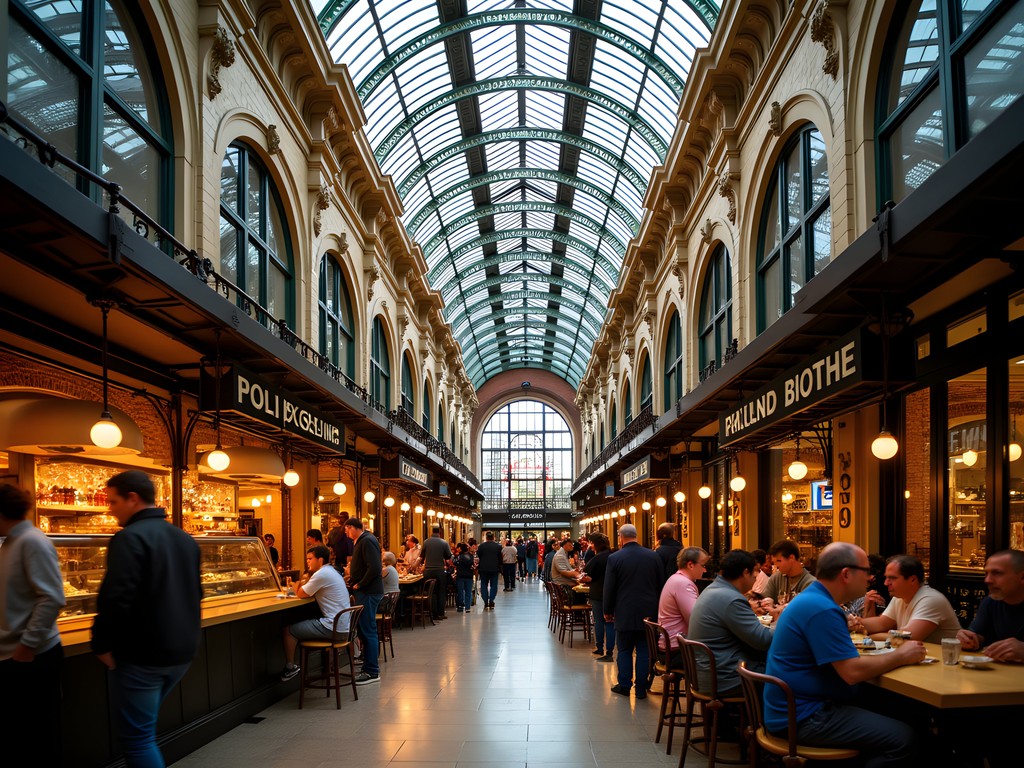
The Arcade Mall, one of America's oldest indoor shopping centers, has transformed into a food hall showcasing Connecticut's diverse culinary traditions. The 1889 structure with its stunning skylights now houses everything from Portuguese pastries to Puerto Rican mofongo, reflecting the city's multicultural identity.
My most memorable meal came at a former hardware store converted into a farm-to-table restaurant. The owners maintained the original shelving units and now use them to display local produce and Connecticut-made products. I savored a perfectly prepared striped bass while seated at a communal table made from reclaimed factory flooring.
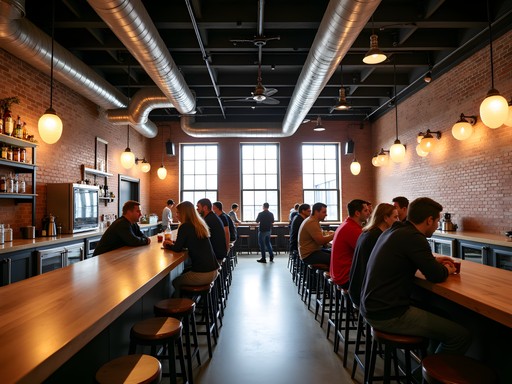
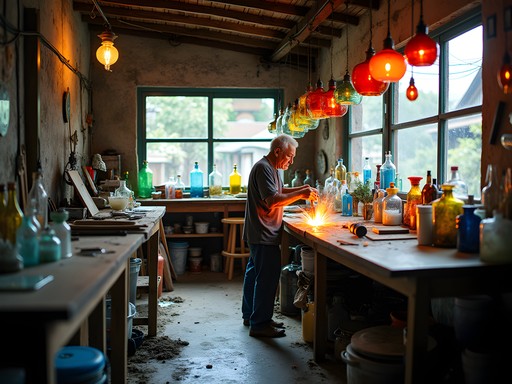
For coffee enthusiasts, Bridgeport offers several roasters operating in former manufacturing spaces. I particularly enjoyed tracking down micro-roasters in unexpected locations—one operates from a converted loading dock, serving exceptional espresso while discussing the parallels between precision manufacturing and precision coffee brewing.
To keep track of all these culinary discoveries, I used my food journal which has dedicated sections for recording memorable meals and flavor notes—essential for a food-focused traveler like myself.
💡 Pro Tips
- Bridgeport's food scene is surprisingly affordable compared to nearby coastal Connecticut towns
- Many restaurants are closed on Mondays—plan accordingly
- Ask locals for recommendations—some of the best spots aren't well-represented online yet

Seaside Park: Urban Planning Triumph
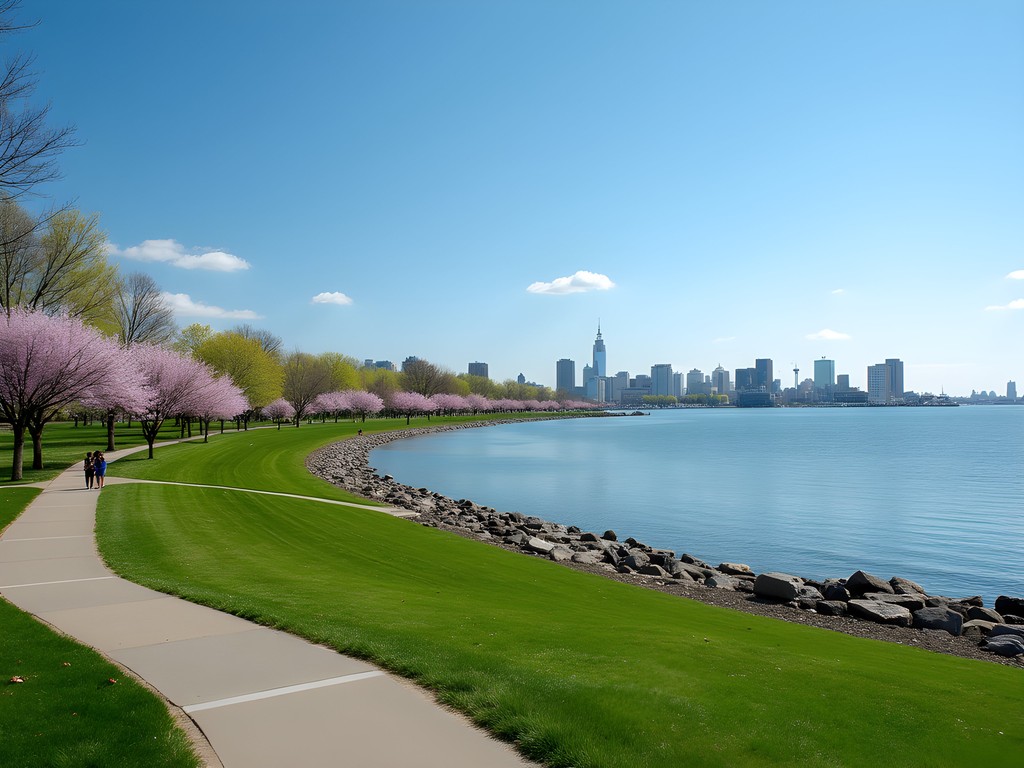
While Bridgeport's industrial identity dominates conversations, its waterfront reveals another layer of the city's character. Seaside Park, designed by the legendary Frederick Law Olmsted (of Central Park fame), offers over 300 acres of shoreline, lawns, and maritime forests. The park represents one of America's earliest examples of democratic urban planning—created explicitly to give industrial workers access to nature and recreation.
I spent a full afternoon cycling along the park's waterfront paths using a bike from the city's bike share program. While Bridgeport's system isn't as extensive as larger cities, it's perfectly adequate for exploring the compact downtown and waterfront areas.
The contrast between the industrial port to the east and the designed landscape of Seaside Park creates a fascinating juxtaposition. From certain vantage points, you can capture both smokestacks and sailing boats in the same frame—a visual representation of the city's dual identity.
The park's beaches were surprisingly pristine, and watching local families picnicking alongside the water reminded me that revitalizing cities isn't just about attracting tourists or new businesses—it's about improving quality of life for residents. This balance between visitor appeal and community needs is something Bridgeport seems to understand intuitively.
💡 Pro Tips
- The Seaside Park beaches are less crowded than nearby coastal towns, even in peak season
- Bring your own picnic supplies as food options within the park are limited
- The Perry Memorial Arch at the park entrance makes for a stunning photograph, especially in late afternoon light
Where to Stay: Historic Meets Contemporary
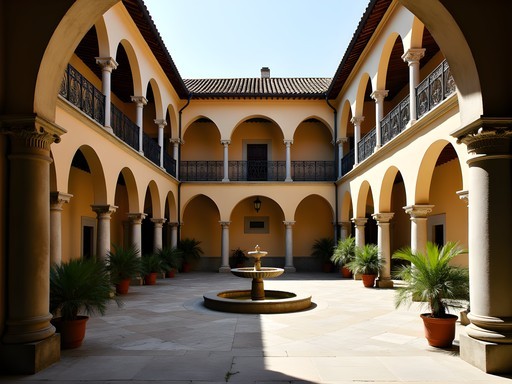
Bridgeport's accommodation options are evolving alongside the city itself. Rather than staying in conventional hotels, I opted for a boutique guesthouse in a renovated Victorian home in the Black Rock neighborhood. The property retained its period details while offering modern amenities—a perfect metaphor for Bridgeport itself.
For those preferring traditional accommodations, the recently renovated Holiday Inn Bridgeport offers surprisingly stylish rooms with harbor views. Its central location makes it ideal for car-free exploration of downtown.
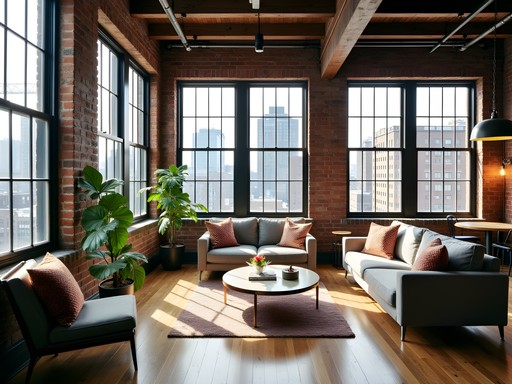
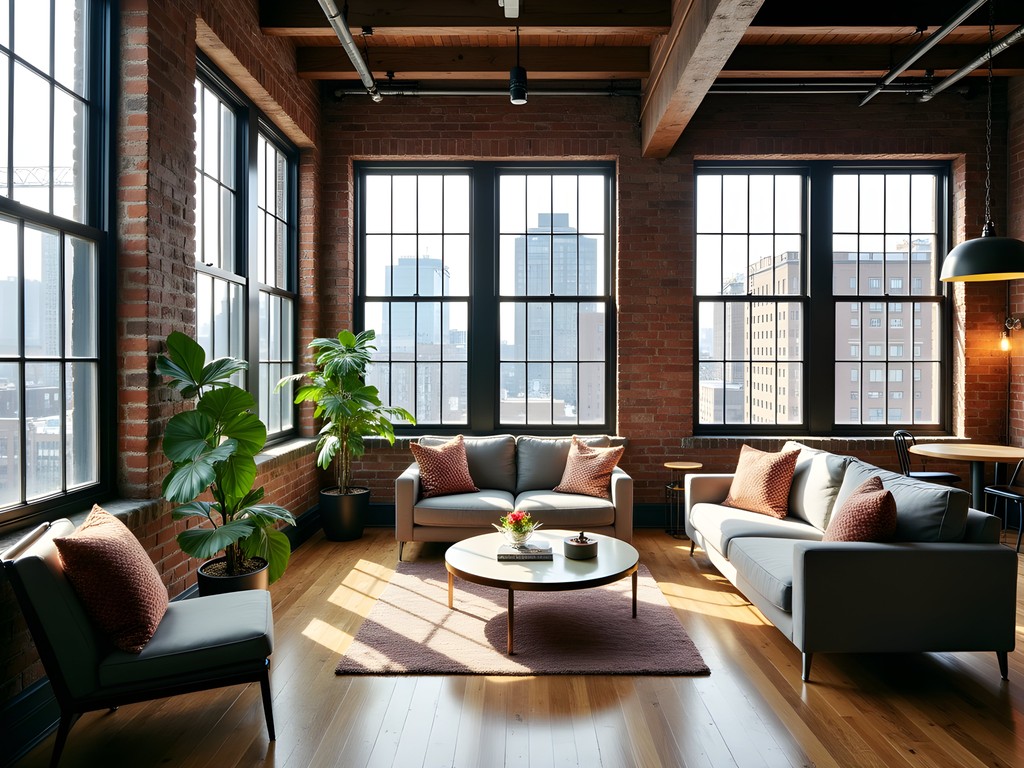
My personal recommendation, however, is to explore the growing number of artist lofts and apartments available through short-term rental platforms. Many are in repurposed industrial buildings and offer unique perspectives on the city's architecture. I stayed in a converted factory loft with 15-foot ceilings and massive windows overlooking the harbor—an experience no conventional hotel could match.
While traveling, I always bring my own white noise machine as unfamiliar urban environments can be noisy at night. This simple device has saved countless nights of sleep, especially when staying in repurposed buildings that might not have perfect soundproofing.
💡 Pro Tips
- Book accommodations well in advance if visiting during Bridgeport's growing calendar of festivals and events
- Consider staying in the Black Rock neighborhood for a more residential experience with easy access to restaurants and waterfront
- Ask hosts or hotel staff about parking—some areas of Bridgeport have complicated parking regulations
Final Thoughts
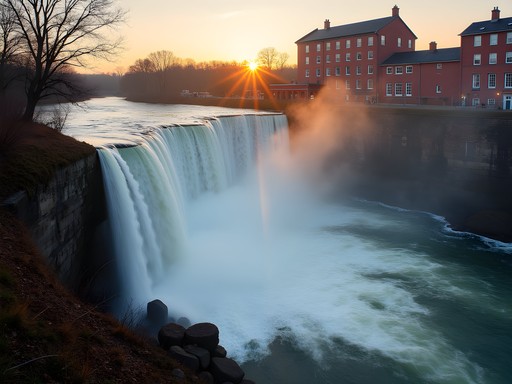
As my weekend in Bridgeport drew to a close, I found myself at the harborfront again, watching fishing boats return as the sun dipped behind repurposed factories now housing artists and entrepreneurs. This city embodies something I've witnessed repeatedly in my travels—the powerful resilience of post-industrial places and their capacity for reinvention without erasure of identity.
Bridgeport isn't trying to be New York or Boston. It's charting its own course, one that honors its working-class roots while embracing creative possibilities. For travelers seeking authentic urban experiences beyond the obvious destinations, this Connecticut city offers a compelling narrative of transformation.
The renaissance happening here isn't complete—and that's precisely what makes it worth witnessing now. You'll find rough edges alongside remarkable beauty, abandoned spaces alongside vibrant community hubs. This in-between moment, when a city is actively redefining itself, offers the most fascinating travel experiences for those willing to look beyond guidebook recommendations.
So before Bridgeport appears on every 'next big destination' list, give yourself the gift of experiencing its renaissance firsthand. You'll not only discover a city in transformation but perhaps gain new perspective on how all urban spaces evolve, adapt, and reinvent themselves across time.
✨ Key Takeaways
- Bridgeport balances industrial heritage preservation with creative revitalization in a way few American cities have achieved
- The city's diversity is reflected in its culinary scene, with repurposed spaces hosting everything from Portuguese bakeries to farm-to-table restaurants
- Olmsted-designed Seaside Park offers a surprising coastal complement to the city's industrial character
- For urban explorers, Bridgeport offers the rare opportunity to witness a city actively in transition
📋 Practical Information
Best Time to Visit
Spring (April-June) or Fall (September-October)
Budget Estimate
$150-250 per day including accommodation, meals, and activities
Recommended Duration
2-3 days
Difficulty Level
Easy

Comments
traveldiver281
Love the photos!
oceanhero8016
Seaside Park is LEGIT! Been going there for years and it's one of the best urban parks in New England honestly. The Olmsted design is gorgeous and the beach is way less crowded than anywhere in Fairfield County. Glad you highlighted it!!
waveninja
Wait there's a beach?? Ok now I'm definitely interested lol
Hannah Woods
Really interesting piece, Jerry. I've been tracking post-industrial transformations across smaller US cities and Bridgeport wasn't on my radar. The comparison to places like Providence and Buffalo is apt - similar trajectory but less documented. Curious about the gentrification dynamics though. Are longtime residents benefiting from this renaissance or being pushed out? That's been the pattern in most cities I've covered. The Art Park concept sounds promising if it's genuinely community-integrated.
Jerry Kelley
Great question Hannah. From conversations I had, it's definitely a tension point. Some of the new businesses are intentionally hiring locally and keeping prices accessible, but the usual pressures are there. Worth a deeper dive for sure.
waveninja
This is SO cool!! I had no idea Connecticut had places like this. The factory photos are amazing 😍
happychamp
Wait, Bridgeport?? I've driven through there a bunch of times but never stopped. Which neighborhood did you stay in? Trying to figure out if this is worth a weekend trip from Boston.
Jerry Kelley
I stayed near the harbor district - that's where most of the action is happening. Definitely walkable to the art spaces and new restaurants. From Boston it's an easy drive, I'd say worth it if you're into urban renewal stories!
happychamp
Cool thanks! Might check it out in spring
dreamhero
ok im sold. any specific restaurant recommendations from the culinary section?
smartlife
hows parking there? trying to decide if i should take the train from NYC or drive
islandperson
train is super easy from NYC! like 90 min
Claire Hawkins
Jerry, this really resonates with me! I took my kids to Connecticut last fall and we completely skipped Bridgeport thinking there was nothing there for families. Now I'm kicking myself! The repurposed factory spaces you describe sound incredible, and my 8-year-old would have loved Seaside Park. We ended up spending all our time in Mystic which was lovely but so crowded. I'm always drawn to these comeback cities - there's something special about watching a place reinvent itself. The culinary scene especially caught my attention. Are those restaurants in the old industrial district family-friendly? We're thinking of doing another New England trip next summer.
Jerry Kelley
Definitely family-friendly! The brewery spaces have outdoor areas and several have food trucks. Seaside Park is perfect for kids too - huge green spaces and a carousel.
photobuddy
Love your photos! Where exactly is that art park you mentioned? trying to plan a photography day trip
islandperson
wait bridgeport is actually worth visiting now?? i always just drove through it on 95
dreamhero
same lol! never thought to actually stop there
Jerry Kelley
That's exactly why I wanted to write this! So many people just zoom past on the highway. The harborfront area has really changed in the past few years.
Venture X
Premium card with 2X miles, $300 travel credit, Priority Pass