


Disclosure: This article contains affiliate links. We may earn a commission from purchases at no extra cost to you, which helps our travel content.
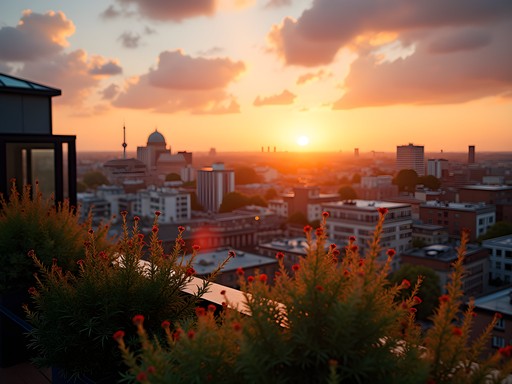
Standing atop an abandoned radar station in Neukölln, watching the sunset paint Berlin's skyline in hues of amber and rose, I realized why this city had captured my heart so completely. It wasn't the Brandenburg Gate or Museum Island that stirred my soul—it was these forgotten corners, these neighborhoods where history and counterculture collide in beautiful chaos. After five visits to Berlin, I've abandoned the well-trodden tourist paths to seek out the city's true beating heart in its diverse neighborhoods, each with its own distinct rhythm and story.

Neukölln: From Working-Class to Creative Melting Pot
My love affair with Neukölln began three years ago when a local forest guide I'd befriended insisted I experience 'the real Berlin.' What was once a working-class immigrant neighborhood has transformed into Berlin's most dynamic cultural laboratory without losing its authentic soul.
Weaving through the streets around Weserstraße, I discovered third-wave coffee shops nestled between traditional Turkish bakeries, where the scent of freshly baked simit mingles with artisanal espresso. The neighborhood's crown jewel is Tempelhofer Feld—a former airport transformed into one of Europe's largest urban parks. I spent an entire afternoon cycling its massive runways on a vintage bicycle I'd rented from a quirky shop run by a former pilot.
As evening descended, I found myself at Klunkerkranich, a rooftop garden bar atop a shopping center parking garage. Watching the sunset with my travel journal in hand, I sketched the panoramic views while chatting with locals about the neighborhood's rapid evolution.

💡 Pro Tips
- Visit Körnerpark for a slice of unexpected baroque beauty amidst the urban landscape
- Sunday afternoons at Maybachufer's Turkish Market offer the neighborhood's best cultural immersion
- Explore the 48 Stunden Neukölln art festival if visiting in summer for access to normally closed artist spaces
Wedding: Berlin's Authentic Multicultural Frontier
Named not for matrimony but pronounced 'VED-ding,' this neighborhood north of the city center reminds me of Darwin's cultural tapestry—authentic, unpretentious, and gloriously diverse. Wedding offers what increasingly rare in European capitals: a genuinely affordable area that hasn't been polished for tourism.
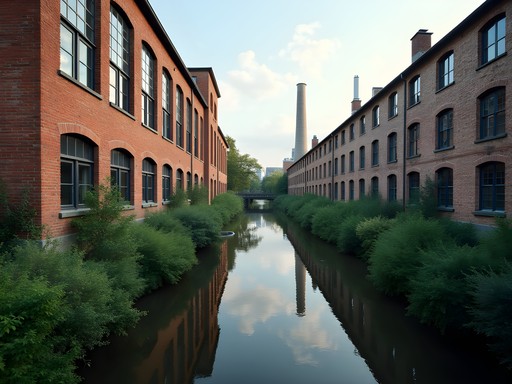
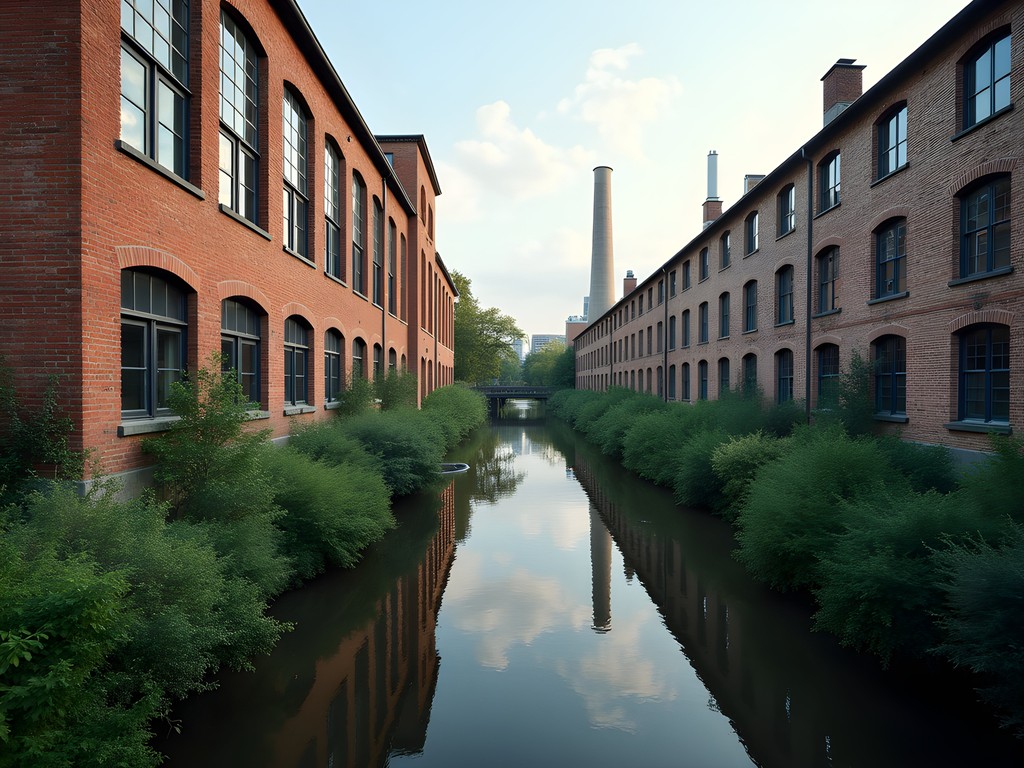
My exploration began at Leopoldplatz, where elderly Turkish men play backgammon alongside young families and art students. The industrial heritage is everywhere—I spent hours photographing the repurposed factories along the Panke River with my mirrorless camera, which handled the challenging light between buildings beautifully.
The neighborhood's standout feature is Volkspark Rehberge, a sprawling park where I joined locals grilling on Sunday afternoon—an essential Berlin cultural experience. A forest ranger colleague who'd relocated to Berlin showed me hidden bunkers from WWII now overtaken by vegetation, a powerful reminder of how nature reclaims spaces of human conflict.
💡 Pro Tips
- Visit Uferstudios—former bus depots transformed into dance and performance spaces—for cutting-edge performances
- Explore Silent Green, a former crematorium converted to cultural center with an excellent café
- Shop at Markthalle Wedding for local produce and authentic street food without tourist prices
Lichtenberg: Soviet History Meets Urban Regeneration
If you'd told me five years ago that Lichtenberg would become one of my favorite Berlin neighborhoods, I might have raised an eyebrow. This former East German district, dominated by Soviet-era Plattenbauten (prefabricated apartment blocks), was long overlooked by travelers and even Berliners themselves.
Yet beneath the concrete facade lies a fascinating story of transformation. The massive former Stasi headquarters now houses the sobering Stasi Museum, where I spent hours tracing the surveillance state's inner workings. The experience left me reaching for my pocket notebook repeatedly to capture quotes and observations—something about this place demanded documentation.
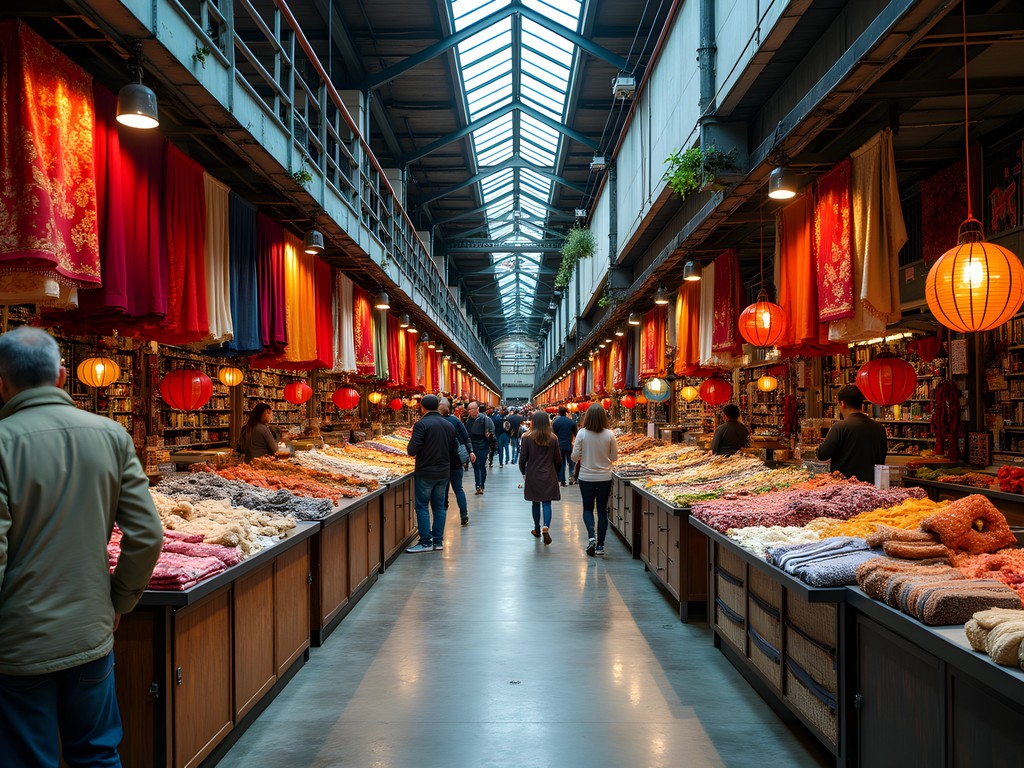
What truly captivated me was Dong Xuan Center, Berlin's largest Vietnamese market complex housed in former industrial halls. Walking through its corridors transported me straight back to Hanoi's sensory overload—the fragrance of phở and the colorful fabric stalls reminded me of my conservation work visits to Southeast Asia. Here, Berlin's Vietnamese community (a legacy of GDR-Vietnam relations) has created an authentic cultural space far from tourist itineraries.
💡 Pro Tips
- Visit the Stasi Museum on a weekday morning to have the haunting exhibits nearly to yourself
- Come hungry to Dong Xuan Center and follow locals to the best food stalls in the back corners
- Explore Herzberge Landscape Park to see how former sewage fields have been transformed into thriving ecosystems

Moabit: The Island Neighborhood Finding Its Voice
Technically an island encircled by waterways, Moabit carries a fascinating geographic isolation that has preserved its character despite being minutes from Berlin's central station. As someone who studies how landscapes shape cultural development, I found Moabit's island psychology fascinating—residents often say 'we're going to Berlin' when leaving their neighborhood.
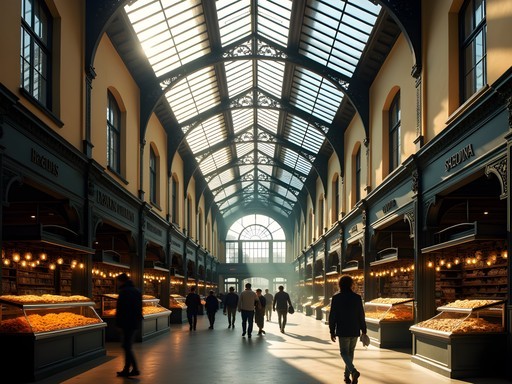
My exploration centered around the beautiful Arminius Markthalle, a 19th-century market hall where I discovered small-batch Berlin gin distillers and artisanal food producers. The vendor who sold me a bottle explained how the neighborhood's isolation helped preserve family businesses that disappeared elsewhere.
For history buffs, Moabit contains Geschichtspark Ehemaliges Zellengefängnis—a former prison transformed into a memorial park where many resistance fighters were held during Nazi times. I spent a rainy afternoon there with my waterproof jacket, which kept me comfortable while exploring the haunting grounds and reading the stories of those imprisoned.
The neighborhood's unexpected delight was finding Fritz-Schloß-Park at sunset, where I joined an impromptu community picnic with my hostel roommates. A local urban gardener shared cuttings from her balcony herbs, which now grow in my Darwin apartment—a living souvenir of Moabit's community spirit.

💡 Pro Tips
- Have breakfast at Arminius Markthalle on Saturday mornings when locals gather and food stalls offer samples
- Look for the small yellow plaques (Stolpersteine) embedded in sidewalks commemorating Holocaust victims who once lived there
- Visit the Kulturfabrik's hidden courtyard for community events and outdoor cinema in summer
Schöneweide: Industrial Heritage Reborn
My conservation background draws me to places where nature and industrial history create unique ecosystems, which is precisely what led me to Schöneweide in Berlin's southeast. Once the 'Elektropolis' of Germany, this riverside district housed massive industrial complexes that powered Berlin's growth.
The heart of my exploration was Industriesalon Schöneweide, where a passionate volunteer guide (a former electrical engineer) showed me through the history of German industrialization. What struck me was how similar the adaptive reuse here was to projects I'd documented in Australia—the universal language of industrial conservation transcends continents.
The crown jewel is the massive former power station complex Kraftwerk Rummelsburg, where I spent hours photographing the interplay of rusting machinery and pioneering vegetation. My hiking boots proved essential for navigating the sometimes rough terrain around these industrial sites safely.
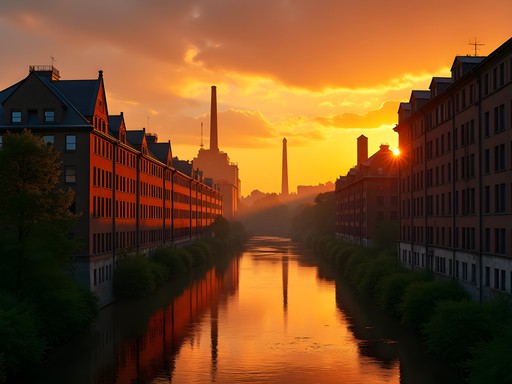
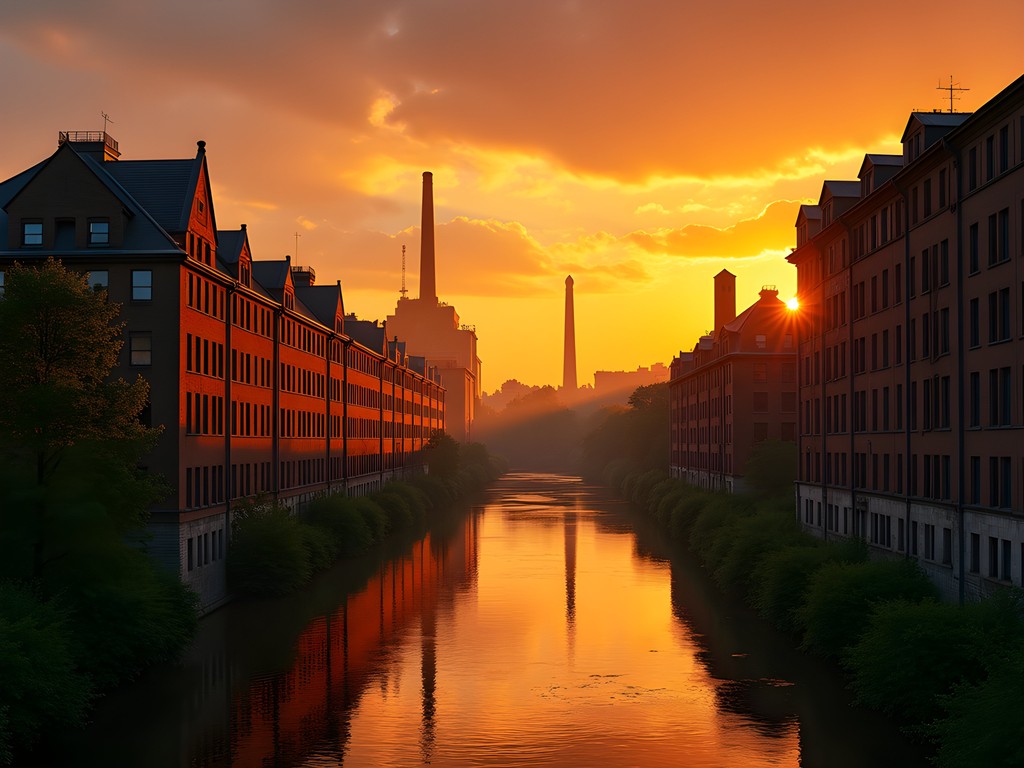
As evening approached, I discovered Funkhaus Berlin—a massive former GDR broadcasting center now hosting recording studios and performance spaces. Sitting by the Spree River afterward, watching the sunset reflect off industrial facades while musicians practiced in open windows above, I experienced the perfect harmony of decay and renewal that makes Berlin so magnetic.
💡 Pro Tips
- Join the Sunday tours at Industriesalon Schöneweide led by former workers for insider stories
- Check Funkhaus Berlin's schedule for concerts in the former broadcasting hall with world-class acoustics
- Walk the riverside path at sunset for spectacular photos of industrial silhouettes
Five More Neighborhoods Worth Exploring
While the above neighborhoods deserve deep exploration, these five additional areas offer equally rewarding experiences for the curious traveler:
Gesundbrunnen: Beyond its famous underground bunker tours, explore Humboldthain Park's flak tower ruins where nature has created a unique ecosystem atop WWII defensive structures.
Oberschöneweide: Sister to Schöneweide across the river, this area hosts the spectacular Reinbeckhallen foundation in former industrial halls and HTW Berlin's campus in AEG factory buildings.
Marienfelde: Visit the often-overlooked Refugee Center Museum documenting East Germans' escape stories, then explore the contrast of rural village structures against massive post-war housing developments.
Siemensstadt: A UNESCO World Heritage modernist housing estate built for Siemens workers in the 1920s, offering architectural tours that explain how design was used to improve worker welfare.
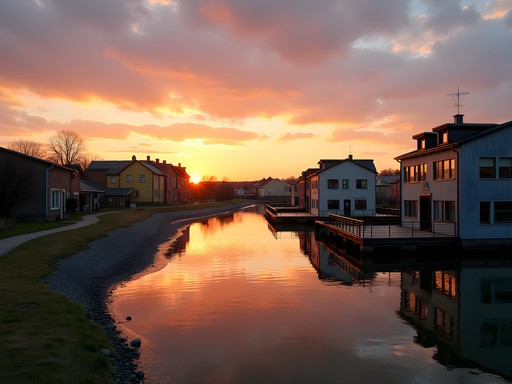
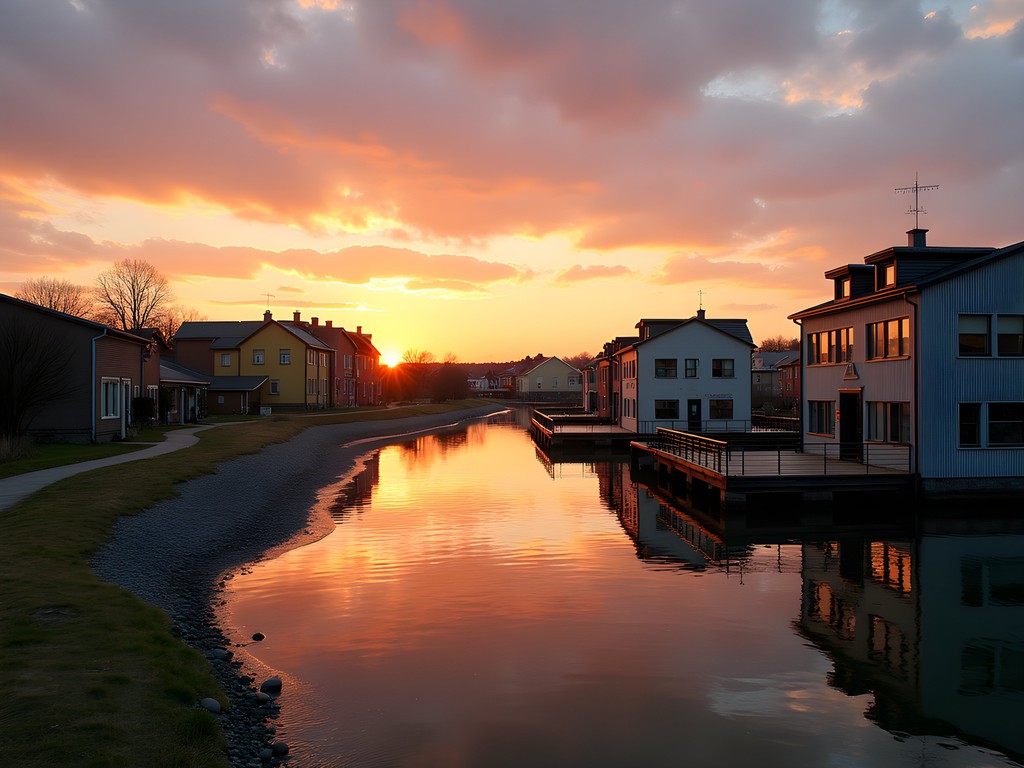
Rummelsburg Bay: This lakeside microneighborhood features repurposed industrial buildings, floating homes, and a beach bar scene that locals prefer to the more famous club beaches. I spent my last Berlin evening here, using my travel binoculars to watch birds return to the former industrial waterway—a powerful symbol of Berlin's regeneration.
💡 Pro Tips
- Purchase a weekly transport pass to explore these far-flung neighborhoods economically
- Join free walking tours offered by architecture students in Siemensstadt and Hufeisensiedlung
- Visit neighborhood festivals (Kiezfeste) in summer to experience local culture at its most authentic
Final Thoughts
As I packed my travel backpack on my final morning in Berlin, I realized that these neighborhoods had given me something the tourist centers never could—a genuine connection to the city's soul. Berlin doesn't reveal itself easily; it demands curiosity and rewards those willing to venture beyond the obvious. Each neighborhood tells a different story of resilience, reinvention, and community—themes that resonate deeply with my work in environmental and cultural conservation.
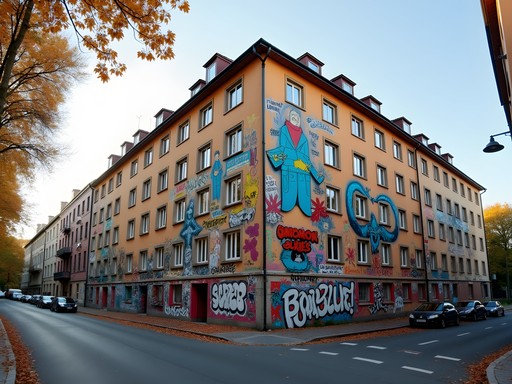
The beauty of Berlin lies not in perfection but in its contradictions: the Soviet housing blocks now covered in expressive murals, the power stations transformed into art galleries, the Turkish markets nestled against hipster coffee roasters. It's a city that teaches us that adaptation isn't just survival—it's transformation.
So next time you consider Berlin, I challenge you to set aside the Brandenburg Gate and Holocaust Memorial for at least half your visit. Instead, choose two or three of these neighborhoods and explore them deeply. Shop where locals shop, eat where they eat, and don't be afraid to start conversations—Berliners are far friendlier than stereotypes suggest, especially when you show genuine interest in their kiez (neighborhood). The real Berlin awaits beyond the tourist trail, in all its imperfect, evolving glory.
✨ Key Takeaways
- Berlin's most authentic experiences lie in neighborhoods rarely featured in guidebooks
- Each area represents a different layer of Berlin's complex history and ongoing transformation
- Connections with locals provide the richest understanding of Berlin's neighborhood cultures
📋 Practical Information
Best Time to Visit
Late April through June for ideal weather and neighborhood festivals
Budget Estimate
€70-120 per day including mid-range accommodation, public transport, and meals
Recommended Duration
7-10 days to properly explore multiple neighborhoods
Difficulty Level
Intermediate - Requires Comfort With Public Transportation And Basic Navigation Skills

Comments
wildlover
Love the sunset photo! Really cool perspective
Marco Flores
The Lichtenberg section really resonated with me. I did a whole urban exploration project there last autumn, documenting the Soviet-era architecture. There's something haunting about walking through those massive housing blocks at golden hour - the light hits the concrete in this incredible way. If you're into history and photography, definitely don't skip this area. Fair warning though: it's pretty far out and not much English signage, so having offline maps saved was clutch. I had my portable charger with me constantly because I was using my phone for navigation and photos all day.
Hunter Thompson
Brilliant guide! I'd throw in Spandau as well if you're doing a deep dive into alternative Berlin - the old town there feels like a completely different city. For anyone heading to Neukölln, check out the monthly flea market at Maybachufer, it's massive and way less picked over than Mauerpark. Also pro tip: rent a bike! These neighborhoods are spread out and cycling is the best way to really feel the local vibe. The bike lanes are excellent.
escapehero
Been to Berlin 4 times and somehow never made it to these neighborhoods - always got stuck in Kreuzberg and Friedrichshain! Your post inspired me to book another trip for May. The Soviet history angle in Lichtenberg sounds right up my alley. Quick question - are most places in these areas English-friendly or should I brush up on my German? My language skills are pretty basic but I can usually get by.
Hunter Thompson
You'll be fine with English in the cafes and bars, but knowing basic German phrases helps a lot in the markets and smaller shops. People really appreciate the effort!
greenwanderer6372
I actually live in Wedding and it's hilarious to see it in a travel blog now! Ten years ago nobody would've recommended tourists come here. But yeah, it's changed a lot and still keeps that authentic vibe. Pro tip: skip the trendy spots and just grab a döner from any random place on Müllerstraße - they're all amazing. Also the flea market at Leopoldplatz on Saturdays is worth checking out. Just don't expect it to be pretty or Instagram-perfect like Mitte, that's the whole point lol
wildlover
this is so helpful! do you need to speak german to get around these areas?
greenwanderer6372
nah you'll be fine with english, most people speak at least some. younger folks especially
skynomad
Love your photos! What camera do you use?
Michael Cook
Excellent write-up, Maya. I'd add that Lichtenberg is particularly fascinating for anyone interested in Cold War history - the Stasi Museum there is far more authentic and less crowded than the touristy checkpoint areas. Wedding has also seen significant gentrification since 2023, so the character is shifting rapidly. The Plötzensee area you mentioned is still relatively untouched though. One tip: get a monthly transit pass if staying longer than a week. The AB zone covers all these neighborhoods and pays for itself quickly.
escapehero
Second the Stasi Museum recommendation! Went there in 2024 and it was haunting but incredibly well done.
journeymate3189
This is exactly what I needed!! So tired of the same old Brandenburg Gate recommendations. Can't wait to explore the real Berlin!
sunsetlife
how long would you recommend staying to explore these areas properly? planning a trip for may
Marco Flores
I'd say at least 5-7 days if you really want to soak it in. These aren't quick checkbox neighborhoods - you need time to wander and discover.
bluewanderer
I stayed in Moabit last year and loved it! Super quiet compared to Mitte but still easy to get around. The Turkish market on Tuesdays is amazing - got some incredible fresh produce and baklava. Also there's this little cafe called Schwarzes Cafe that's open 24/7, perfect for late night snacks after exploring. Wish I'd known about that radar station in Neukölln though, looks incredible in your photos!
journeymate3189
24/7 cafe?? That's going on my list for sure
Venture X
Premium card with 2X miles, $300 travel credit, Priority Pass