
Disclosure: This article contains affiliate links. We may earn a commission from purchases at no extra cost to you, which helps our travel content.
After decades of plotting shipping routes across California, I've developed quite the knack for navigating transportation systems worldwide. Last month, my wanderlust led me to Porto Alegre, the vibrant capital of Brazil's southernmost state, Rio Grande do Sul. What I discovered was a city where European influence meets Brazilian flair, all accessible through a surprisingly manageable public transport network. Whether you're a solo traveler watching your reais or simply prefer the authenticity of moving about like a local, this guide will help you navigate Porto Alegre's transport options without breaking the bank.

Understanding Porto Alegre's Transport System
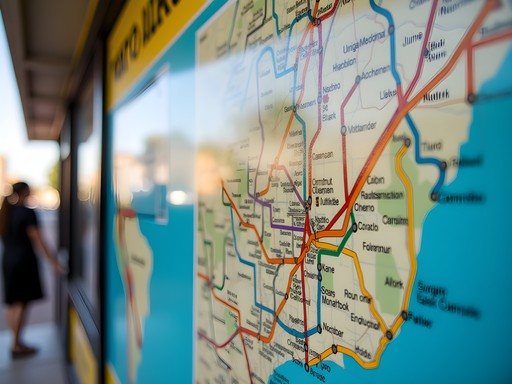
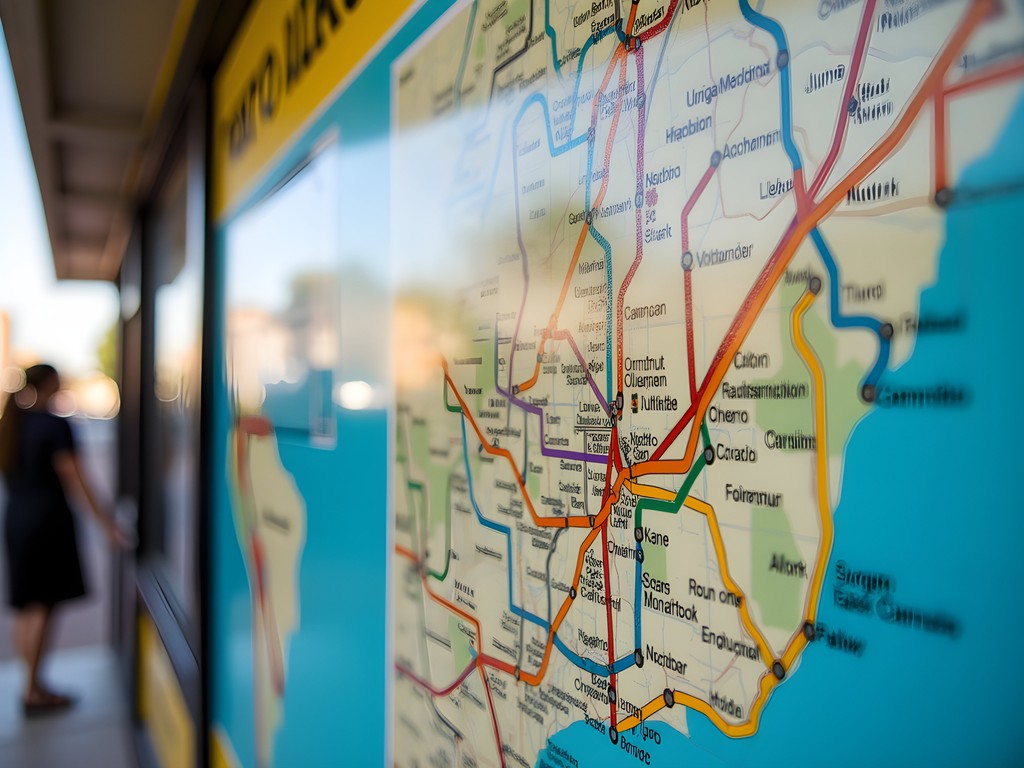
Porto Alegre's public transportation isn't as intimidating as other Brazilian metropolises once you understand the basics. The city operates primarily on a bus network called EPTC (Empresa Pública de Transporte e Circulação), supplemented by the Trensurb train line running north to south.
The buses are color-coded based on their routes: yellow buses operate within neighborhoods, blue ones connect different zones, and orange ones run circular routes. It's a bit like how my Irish grandfather would explain Dublin's routes—straightforward once you know the pattern.
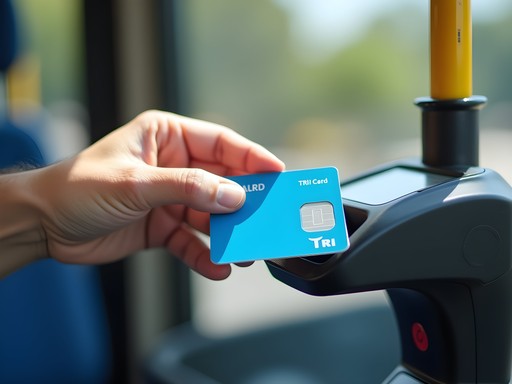
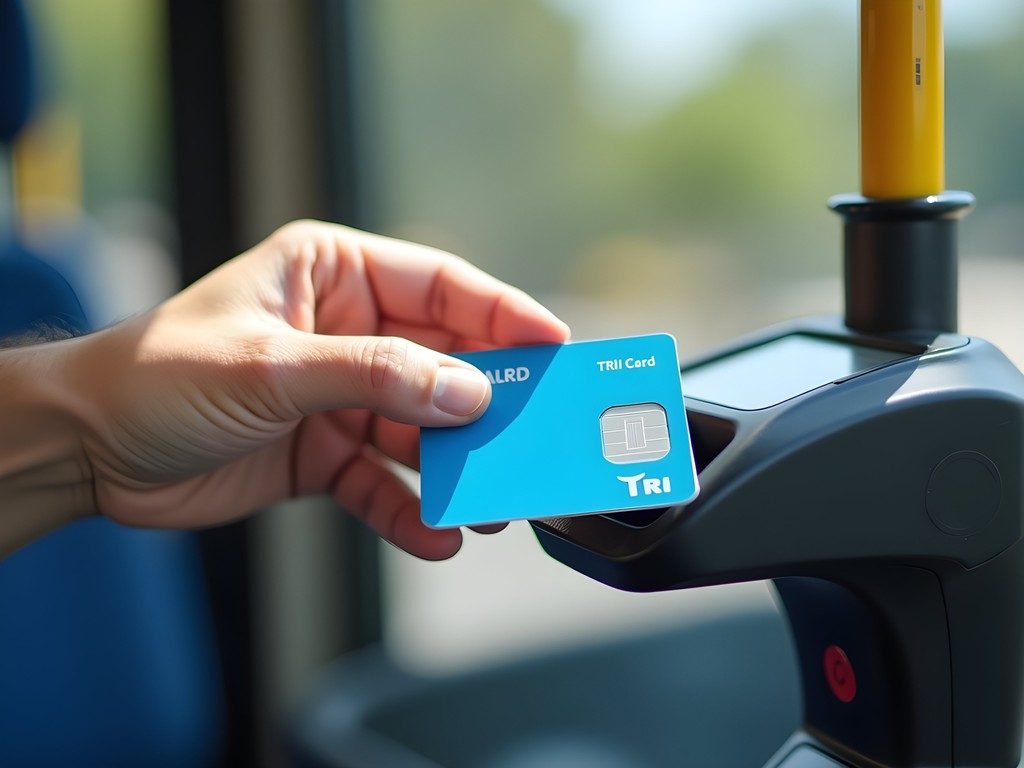
For my week-long stay, I purchased a Cartão TRI, the city's rechargeable transport card. While you can pay with cash on most buses, the card saves you about 10% per journey and eliminates fumbling with unfamiliar coins. You can get one at any TRI service center (look for the blue and white signs) with just your passport and about R$10 for the card itself.
A handy tool I found indispensable was the mobile hotspot I brought along. Having constant internet access meant I could use real-time bus tracking apps without destroying my international data plan.
💡 Pro Tips
- Download the Cittamobi app for real-time bus tracking
- Buses typically run from 5:30 AM until midnight
- Keep your TRI card topped up as many drivers don't make change
Mastering the Bus System
The heart of Porto Alegre's transport network is undoubtedly its extensive bus system. With over 400 routes crisscrossing the city, it's your most versatile option for getting around.
During my stay, I noticed buses typically arrive every 15-30 minutes on weekdays, though weekend service can be less frequent. The busiest routes connecting major areas like Cidade Baixa, Moinhos de Vento, and the historic center run more frequently.
A peculiar charm of Porto Alegre's buses is the presence of cobradores—fare collectors who sit in little booths inside the bus. It's reminiscent of the old Dublin buses from my childhood, where human interaction was part of the journey. Simply tell them your destination, and they'll help ensure you're on the right route.
One morning, while heading to the Mercado Público, I found myself completely turned around after a sudden downpour. The cobrador not only explained where I should disembark but also lent me his pocket umbrella until the rain subsided. That small kindness exemplifies the warm spirit I encountered throughout the city.
💡 Pro Tips
- Board at the front, exit from the rear doors
- Signal your stop by pressing the red buttons on handrails
- Keep small bills handy if not using a TRI card
The Trensurb Train Line
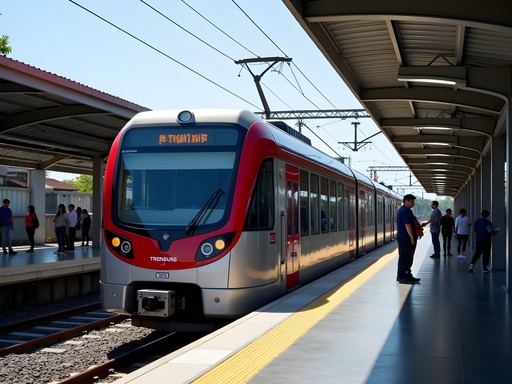
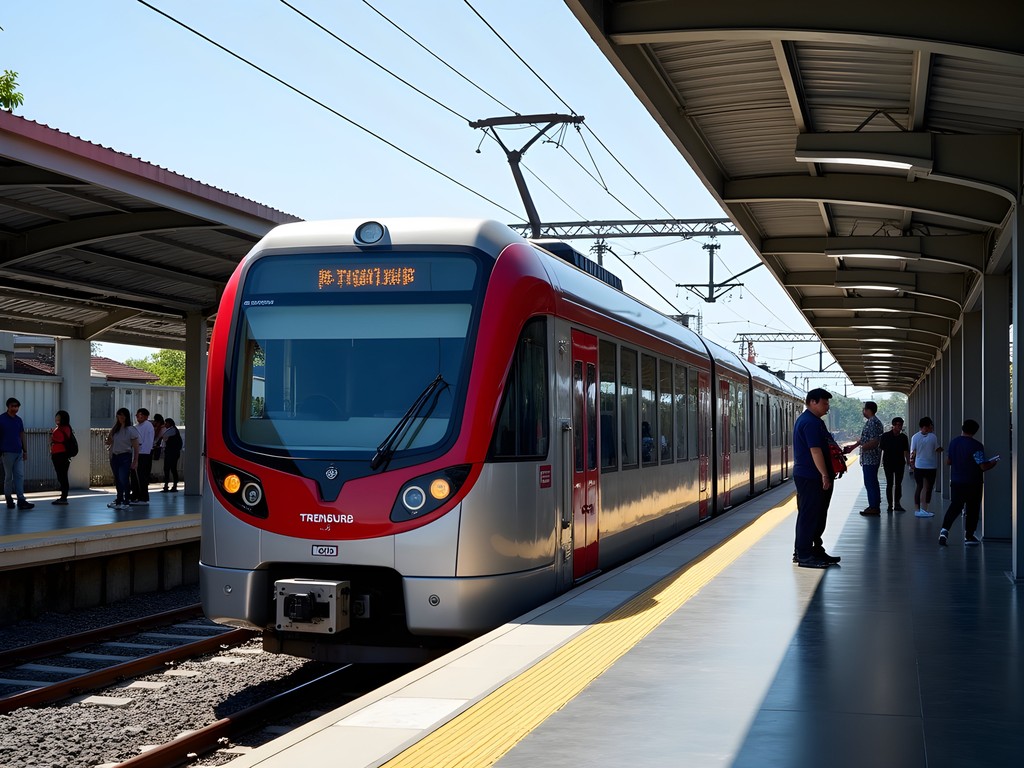
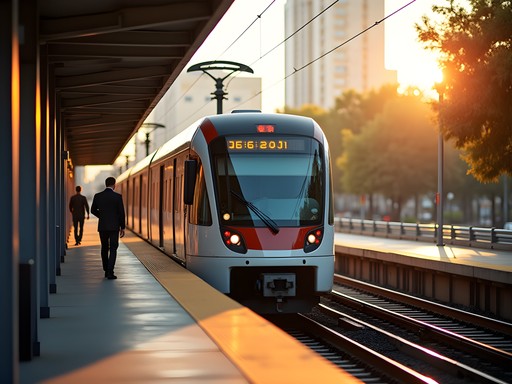
While buses dominate Porto Alegre's transport landscape, the city's single train line—Trensurb—shouldn't be overlooked. Running 43km from Mercado (downtown) northward to Novo Hamburger, it's an efficient option if your destinations align with its route.
The trains are clean, air-conditioned, and significantly faster than buses when traveling longer distances. During rush hours (7-9 AM and 5-7 PM), trains arrive every 7-8 minutes, making them remarkably reliable compared to road transport that gets caught in Porto Alegre's notorious traffic.
I used the Trensurb to visit the Museu de Ciências e Tecnologia da PUCRS, which sits near the Aeroporto station. The journey from downtown took just 15 minutes, compared to nearly an hour by bus during peak times. At roughly R$4.50 per journey, it's also excellent value.
One afternoon, while waiting for the train, I struck up a conversation with a local university student who recommended I invest in a RFID blocking wallet. While Porto Alegre isn't particularly dangerous, electronic pickpocketing can happen in crowded trains. I was grateful for the tip as I carried my TRI card and credit cards together.
💡 Pro Tips
- Trains run from 5 AM to 11:30 PM daily
- Your TRI card works on both buses and trains
- Keep valuables secure during rush hour when trains get crowded

Rideshare and Taxi Options
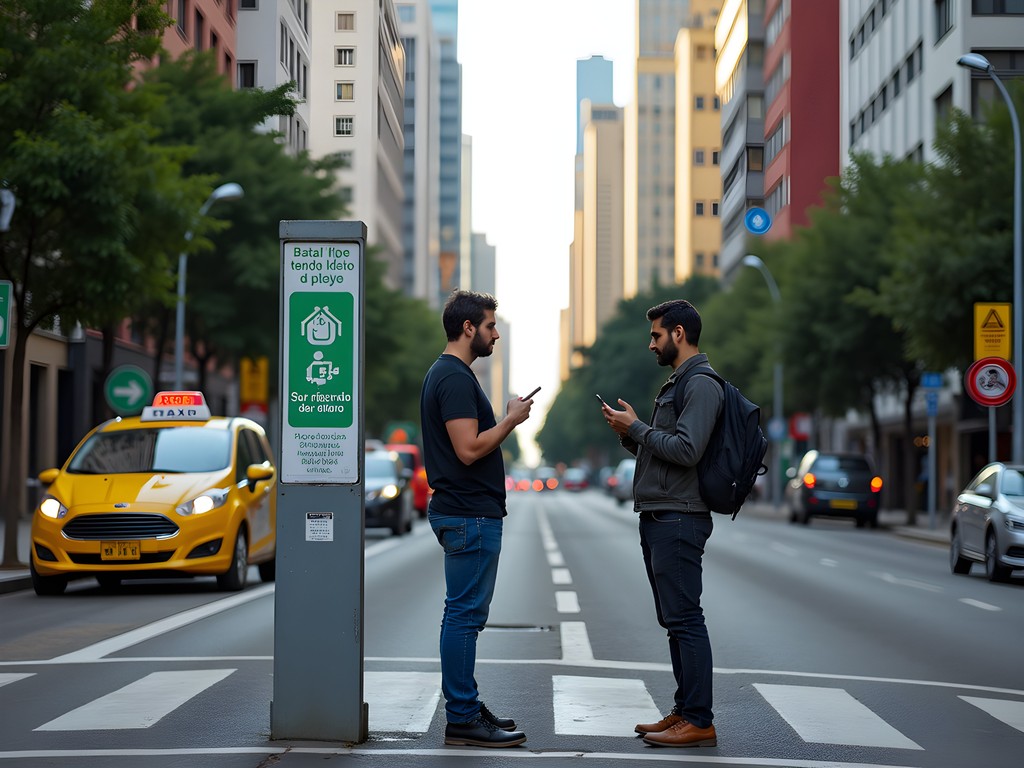
While public transport in Porto Alegre is comprehensive, there are times when the convenience of a direct ride justifies the extra expense. Uber operates extensively throughout the city and offers significantly lower rates than you'd find in North America or Europe. A 15-minute ride across central neighborhoods typically costs between R$10-20 (roughly $2-4 USD).
Local alternatives like 99 and InDriver sometimes offer even better rates, though the interfaces may not automatically translate to English. I found having Google Translate ready on my phone invaluable for these situations.
Traditional taxis remain plentiful and are distinguished by their red or red-and-white paint schemes. While slightly more expensive than rideshares, they're still affordable by international standards. Many taxi drivers I encountered were fountains of local knowledge—one gentleman named Eduardo gave me a virtual botanical tour of the city as we drove, pointing out species that reminded me of my garden back home where Irish shamrocks grow alongside Mexican marigolds.
For late nights or when carrying luggage, I relied on my personal safety alarm. Though Porto Alegre felt quite safe during my visit, this simple precaution provided peace of mind when returning to my accommodation after dark.
💡 Pro Tips
- Save your accommodation address in Portuguese to show drivers
- Confirm your driver's identity before entering rideshare vehicles
- Ask taxi drivers for recommendations—they often know hidden gems
Getting To and From the Airport
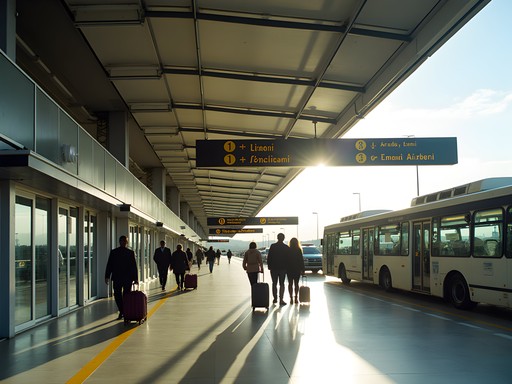
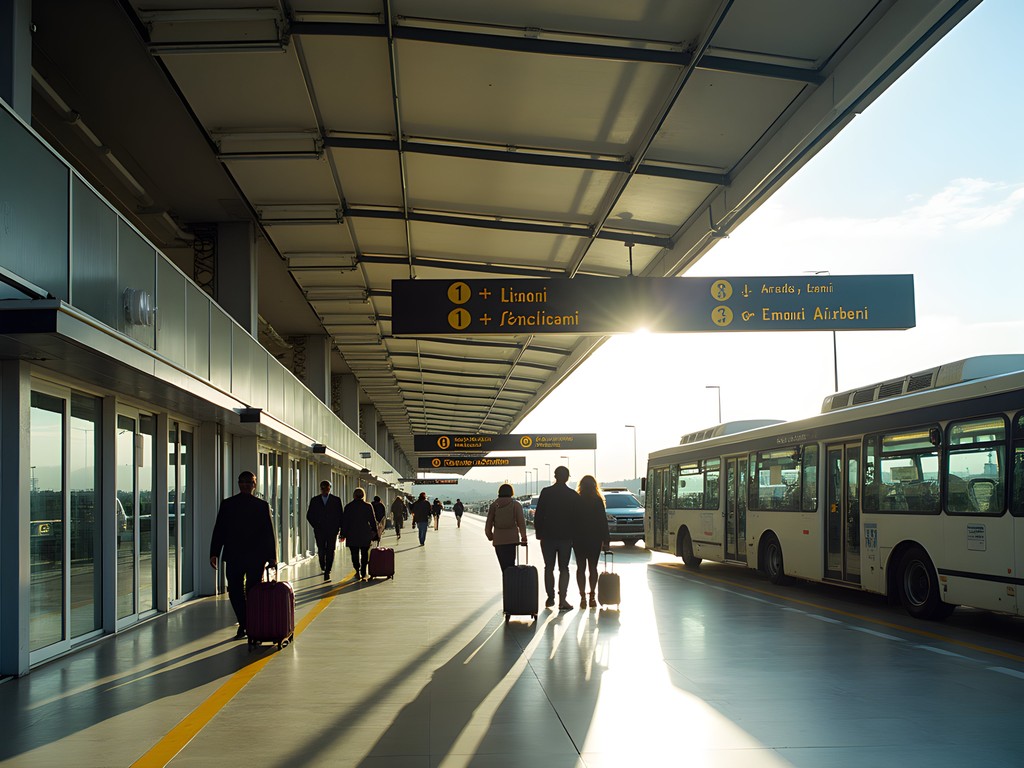
Salgado Filho International Airport sits conveniently close to central Porto Alegre—just 10km from downtown. This proximity gives travelers multiple affordable options for airport transfers.
The most economical choice is the Trensurb train, which has a station directly connected to the airport terminal via an enclosed walkway. For just R$4.50, you can reach downtown in about 20 minutes, avoiding road traffic entirely. I found this particularly valuable when departing, as Porto Alegre's rush hour can be unpredictable.
For those with luggage or arriving late at night when the train isn't running, Line 803 (Airport-Downtown) operates 24 hours. The journey takes 30-40 minutes depending on traffic and costs around R$5.
Rideshares provide door-to-door convenience for approximately R$25-35 from the airport to central neighborhoods. After a long flight from California with a connection in São Paulo, I treated myself to this option. The luggage scale I packed proved invaluable before my return flight—Brazilian domestic flights often have stricter weight limits than what we're accustomed to in the States.
💡 Pro Tips
- Allow extra time during morning rush hour if taking road transport to the airport
- The airport has free WiFi if you need to call a rideshare upon arrival
- Currency exchange rates at the airport are poor—use ATMs instead
Final Thoughts
As I boarded my departure flight from Porto Alegre, I found myself reflecting on how the city's transport network had become a character in my week-long Brazilian adventure. From the chatty bus cobradores who reminded me of Dublin's old conductors to the efficiency of the Trensurb cutting through rush hour traffic, getting around became part of the experience rather than merely a means to an end.
For solo travelers on a budget, Porto Alegre offers that rare combination of affordability, safety, and comprehensive coverage that makes exploring without a car not just possible but preferable. The money saved on transportation can instead be invested in sampling churrasco at a traditional gaucho steakhouse or picking up handcrafted souvenirs at the Brique da Redenção Sunday market.
Whether you're planning a dedicated visit to this southern Brazilian gem or including it as part of a broader South American journey, rest assured that with a TRI card in hand and this guide in your pocket, you'll navigate Porto Alegre like a seasoned gaúcho. As they say in the south of Brazil, 'Bah tchê!'—an expression of surprise and delight that you'll likely find yourself uttering as you discover this underrated city's many charms.
✨ Key Takeaways
- The TRI card is your best friend for affordable and convenient travel around Porto Alegre
- Buses are comprehensive but the Trensurb train is faster for north-south journeys
- Rideshares offer excellent value compared to North American and European prices
- Airport connections are straightforward with multiple budget-friendly options
📋 Practical Information
Best Time to Visit
year-round, with October-March offering warmer temperatures
Budget Estimate
$30-50 USD per day including accommodation and transport
Recommended Duration
3-5 days
Difficulty Level
Easy





Comments
Gregory Boyd
Solid breakdown, Alexander. I spent three weeks in Porto Alegre back in 2024 and the bus system really is the backbone of getting around. One thing I'd add - download the Citymapper app if it's available there now, or at minimum screenshot the bus routes you'll need most. Cell service can be patchy in some areas and having offline access to route info saved me more than once. The buses can get absolutely packed during rush hour (7-9am and 5-7pm), so if you're hauling luggage or trying to get to the airport, factor in extra time or consider the airport bus that runs from the city center. The drivers aren't always the most patient with tourists fumbling for change!
wavemate
how much does the trensurb cost? heading there in march and trying to budget
Gregory Boyd
When I was there last year it was around 4-5 reais per trip, but prices may have changed. The integrated bus/train passes are worth looking into if you're staying more than a few days - they work out much cheaper than individual tickets. The system is pretty straightforward once you get the hang of it.
wavemate
awesome thanks! that's way cheaper than i thought
Megan Martin
Alexander, this is an excellent breakdown of Porto Alegre's transportation system! I was there for a business conference in early 2025 and found your observations spot-on. The color-coded bus system initially confused me until a local explained that the colors indicate different fare zones. For business travelers with tight schedules, I'd emphasize your point about the Trensurb's reliability - it runs like clockwork compared to the buses which can get caught in traffic. One thing I'd add: most hotels near Moinhos de Vento are within walking distance to excellent restaurants and shops, which can save transportation hassle altogether. Did you notice any plans for transportation improvements ahead of the tourism season next year?
summerbackpacker4434
been to porto alegre twice now. def download the cittamobi app like alexander mentioned - total game changer for real-time bus tracking. also google maps works pretty well there for route planning. most drivers don't speak english but just show them your destination on your phone and you'll be fine
mountainway
Thanks!! Downloading it now
mountainway
This is EXACTLY what I needed!!! My first solo trip and I was so nervous about getting around. Your photos of the bus stops are really helpful - I can actually see what to look for. Quick question - do most drivers speak English or should I learn some Portuguese phrases?
journeystar
Does the Trensurb run late? Planning some evening trips
summerbackpacker4434
last train is around 11pm on weekdays, bit later on weekends. check the schedule tho cause it varies
wildlover
Great guide! One thing I discovered - there's a special tourist pass for the buses that saved me a ton. You can get it at the central terminal. Also, I used my offline map app to navigate the bus routes when I didn't have data. The bus drivers don't speak much English but were super helpful when I showed them where I needed to go.
Taylor Moreau
Excellent breakdown, Alexander. I was in Porto Alegre for a conference last year and wish I'd had this guide beforehand. The Trensurb saved me considerable time getting to meetings in the metropolitan area. One tip I'd add: purchase a rechargeable transport card at any lottery shop (Casa Lotérica) rather than paying cash on each bus - it's significantly more economical for stays longer than 2-3 days. The integration between bus and train systems works remarkably well once you understand the zones.
mountainone
oh nice! where do you buy the card exactly?
Taylor Moreau
Any Casa Lotérica (they're everywhere - look for the yellow and green signs). You'll need to show ID and there's a small deposit fee.
mountainone
Super helpful! Going there in March
summerbackpacker4434
you'll love it, the weather should be perfect then!
wanderlustblogger
Great post! Is it worth getting the TEU card if I'm only there for 3 days? Also, do the buses announce stops in English or just Portuguese?
Alexander Jackson
For 3 days, it's borderline whether the TEU is worth it - depends how much you'll use transport. The buses only announce in Portuguese, but I found using Google Maps with downloaded offline maps worked well for tracking stops. Just keep your phone hidden when checking!
Venture X
Premium card with 2X miles, $300 travel credit, Priority Pass