




Disclosure: This article contains affiliate links. We may earn a commission from purchases at no extra cost to you, which helps our travel content.
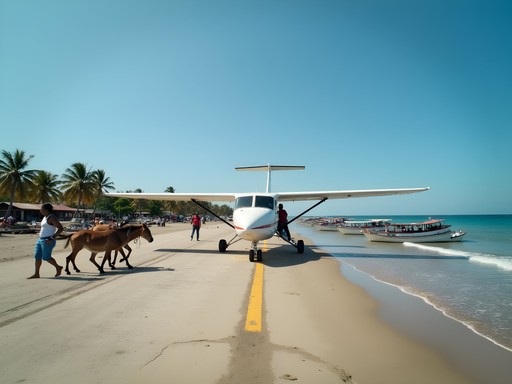
As I stepped off the small aircraft onto Lamu's airstrip, the absence of motor vehicles announced itself not through silence, but through different rhythms—wooden dhows cutting through turquoise waters, the gentle clip-clop of donkey hooves on ancient pathways, and the unhurried cadence of island life. After decades of precision in operating theaters, I've found equal joy in navigating the deliberate pace of this UNESCO World Heritage site, where transportation isn't merely functional but a cultural experience unto itself.

Arriving in Lamu: Your Gateway Options
Most journeys to Lamu begin with a flight into Manda Island's modest airstrip. Several carriers operate daily flights from Nairobi, including Safarilink, Fly540, and Jambojet, with the 90-minute journey offering spectacular aerial views of Kenya's coastline. I recommend booking flights well in advance during peak seasons (December-January and July-August), as seats fill quickly.
Upon landing at Manda, you'll immediately transition to your first water transport experience—crossing the channel to Lamu Town or Shela village via motorized boat. The airport boats are organized with a ticketing system (approximately 500 KSH per person), though I found having Kenyan shillings ready expedites the process considerably. For families traveling with young children, I suggest packing life jackets, as these aren't consistently provided. My compact life vests have accompanied me on several boat journeys worldwide and provide peace of mind without consuming significant luggage space.

💡 Pro Tips
- Book flights 2-3 months in advance during peak season
- Have Kenyan shillings ready for the boat transfer (approximately 500 KSH per person)
- Consider a private boat transfer if arriving with substantial luggage
Dhow Sailboats: The Soul of Lamu Transport
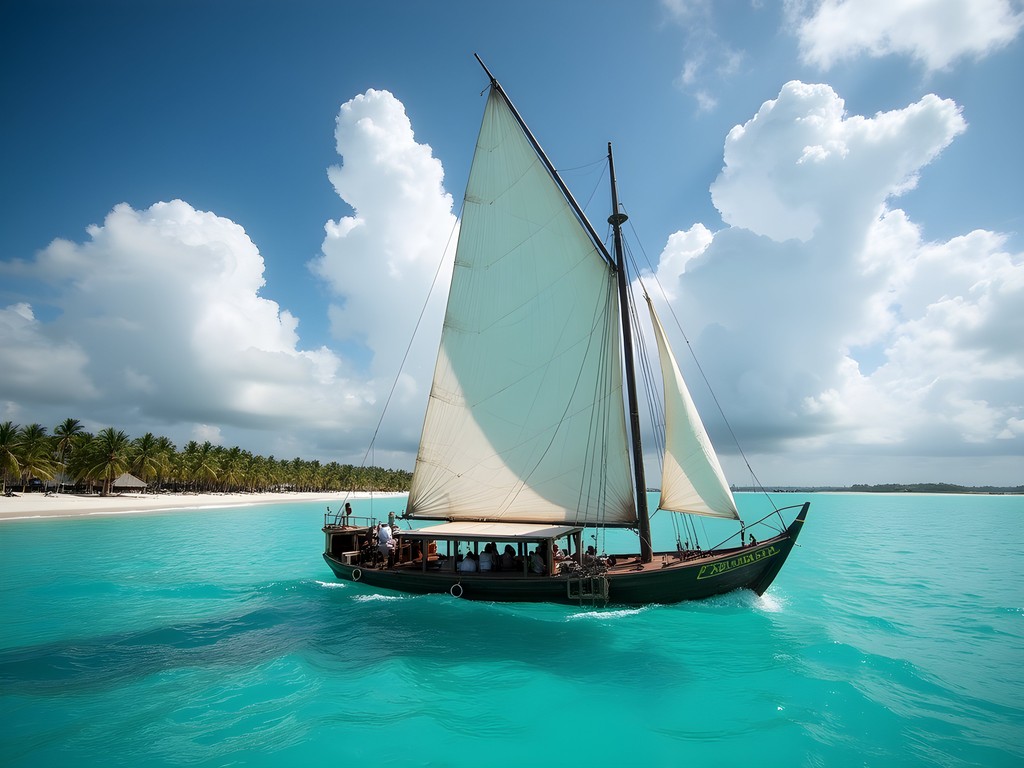
Nothing epitomizes Lamu's timeless character quite like its wooden dhows—sailboats that have plied these waters for centuries. These magnificent vessels with their triangular sails and hand-carved wooden hulls serve both practical and recreational purposes.
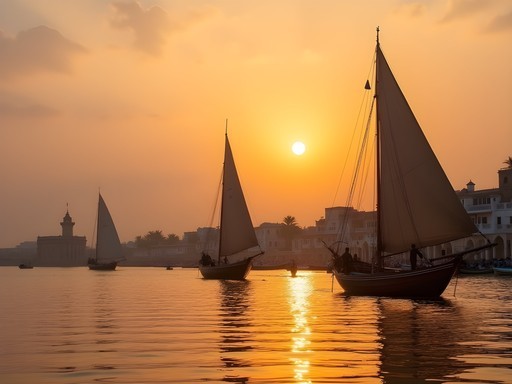
For families, I highly recommend scheduling a sunset dhow cruise (2000-3000 KSH for a private boat, depending on duration). The experience offers children an interactive history lesson as captains often demonstrate traditional sailing techniques and share stories of maritime trade that shaped East African coastal culture. My most treasured Lamu memory remains an afternoon when Captain Hassan allowed my friend's children to help hoist the sail, their faces illuminated with wonder as the wind caught the canvas.
For everyday transport between Lamu Town, Shela, and Manda Beach, public dhows operate regularly from main jetties (approximately 100 KSH per person). These communal journeys provide authentic cultural immersion as you'll travel alongside locals transporting everything from fresh fish to building materials. I recommend carrying a dry bag for electronics and valuables, as water occasionally splashes into the boats.

💡 Pro Tips
- Negotiate dhow prices before boarding, especially for private trips
- Public dhows run frequently during daylight hours but become scarce after sunset
- Wear easily removable footwear as you'll often wade through shallow water when boarding
The Donkey Network: Lamu's Living Taxis
With no cars permitted on the island, Lamu's 3,000+ donkeys serve as the primary terrestrial transport system. These gentle creatures are fundamental to daily life, carrying everything from construction materials to groceries through the narrow, winding streets.
For families with younger children, donkey rides offer novelty and excitement. Arranged through your accommodation or local guides (typically 500-1000 KSH), these short journeys delight children while providing respite from walking in the tropical heat. During my last visit, I observed how the donkey handlers took special care with young riders, walking alongside to ensure safety while explaining their animal husbandry practices.
For luggage transport from jetties to accommodations, donkey carts are invaluable. Most hotels arrange this service in advance, but independent travelers can hire them on arrival. I recommend the luggage scale to ensure your bags meet the weight limitations for both flights and donkey transport—an unusual but practical consideration when visiting Lamu.
A visit to the Donkey Sanctuary (free, donations welcomed) provides context about these animals' welfare and importance to island infrastructure—an educational stop that resonates with children and supports animal welfare initiatives.

💡 Pro Tips
- Always walk to the right side of streets to avoid donkey traffic
- Tip donkey handlers separately from the ride fee
- Visit the Donkey Sanctuary to understand animal welfare efforts and support their work

Walking Lamu: Navigating the Labyrinth
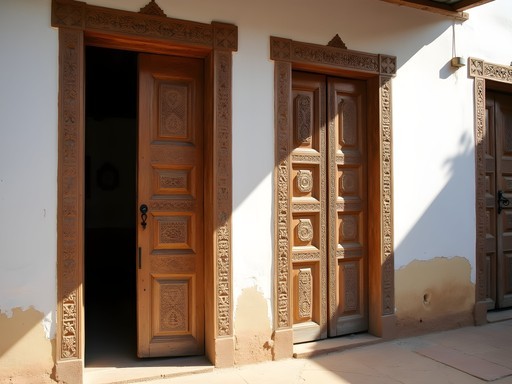
Perhaps the most rewarding way to experience Lamu is simply on foot. The island's compact nature makes walking feasible for most journeys, particularly within Lamu Town and Shela village. The meandering alleyways reveal architectural treasures, hidden cafes, and glimpses of daily life impossible to appreciate from any other mode of transport.
For families, walking offers opportunities for spontaneous discovery—children delight in finding hidden courtyards, watching artisans at work, or encountering friendly locals. During my explorations, I've found that walking creates natural opportunities for cultural exchange, as shopkeepers and residents often initiate conversations when you pass by repeatedly.
Comfortable footwear is essential, as pathways alternate between sand, cobblestones, and uneven surfaces. My walking sandals have proven indispensable for Lamu's varied terrain and climate. For evening walks, I recommend carrying a compact flashlight as street lighting is minimal in some areas.
Walking also reveals Lamu's natural rhythm—early mornings bring fishermen returning with their catch, midday sees locals seeking shade, while evenings transform into social gatherings along the seafront. These observations become treasured memories that connect families to the authentic pulse of island life.

💡 Pro Tips
- Walk early morning or late afternoon to avoid the strongest sun
- Carry water bottles for everyone in your family—hydration is essential in the tropical climate
- Download an offline map application as signage is limited in the winding streets
Island Hopping: Exploring Beyond Lamu
While Lamu Island offers abundant attractions, the archipelago includes several other islands worth exploring. Manda Island features beautiful beaches and archaeological sites, while Pate Island preserves even more traditional lifestyles and historical ruins. For families seeking nature experiences, Kiwayu Island offers pristine beaches and wildlife viewing opportunities.
Organizing island-hopping excursions requires advance planning. Most hotels and guesthouses connect visitors with reliable boat captains for day trips or overnight excursions. Prices vary considerably based on distance, duration, and boat type, but expect to pay 5,000-10,000 KSH for a full-day excursion.
For families with children, I recommend the shorter journey to Manda Beach as an initial island-hopping experience. The crossing takes approximately 20 minutes, and the beach offers safe swimming conditions. During my visit with colleagues and their children, we arranged a picnic lunch through our accommodation, which they delivered to the beach via dhow—a delightful surprise for the children and a welcome convenience for parents.
For longer excursions, sun protection becomes critical. Beyond standard sunscreen, I've found a portable beach shelter invaluable for creating shaded rest areas for children during island explorations. The lightweight design adds minimal burden to your luggage while providing essential protection during midday heat.
💡 Pro Tips
- Book island excursions at least one day in advance through your accommodation
- Pack sufficient water, snacks, and sun protection for longer journeys
- Confirm return times clearly with your boat captain, especially during Ramadan when schedules may adjust
Final Thoughts
As our dhow sailed back to Lamu Town on my final evening, the setting sun casting long shadows across ancient stone buildings, I reflected on how the island's transportation systems are not merely practical but profound cultural experiences. In a world increasingly defined by speed and convenience, Lamu offers families something far more valuable—the opportunity to travel mindfully, to connect with centuries of maritime tradition, and to appreciate the rhythm of a place where the journey truly matters as much as the destination.
Navigating Lamu requires adjustments—patience when waiting for public dhows, flexibility when donkeys block narrow passages, and mindfulness when walking through unmarked alleyways. Yet these very challenges yield the richest rewards, transforming transportation from mere logistics into meaningful memories. Like the precise movements required in surgery, Lamu teaches us that deliberate, intentional motion—whether by boat, donkey, or foot—creates its own form of healing connection to place and people. I invite your family to experience this remarkable island where transportation isn't just about moving from point A to B, but about traveling through time itself.
✨ Key Takeaways
- Lamu's car-free environment offers unique, family-friendly transportation experiences via boats, donkeys, and walking
- Advance planning for flights and accommodation transfers ensures smoother arrivals and departures
- Building flexibility into your itinerary accommodates the island's relaxed pace and variable transport schedules
📋 Practical Information
Best Time to Visit
Year-round, with July-October and January-March offering optimal weather conditions
Budget Estimate
$100-200 per day for a family of four, including accommodation, meals, and transportation
Recommended Duration
3-4 days minimum to appreciate the island's pace
Difficulty Level
Easy





Comments
safarilover
That sunset dhow photo is absolutely stunning! Adding Lamu to my bucket list immediately.
travelwithkids
How's the wifi situation in Lamu? Considering working remotely from there for a week.
Claire Torres
It's spotty! Higher-end hotels have decent wifi, but I wouldn't count on it for video calls. Mobile data worked surprisingly well though - I bought a Safaricom SIM at the airport in Nairobi.
island_hopper22
Those donkeys are the real MVPs of Lamu! 🐴
vacationwalker
Right?! My daughter wanted to bring one home as a pet 😂
George Hayes
Claire, this guide is exactly what I wish I had before visiting Lamu last year! One tip I'd add for first-timers: if you're staying in Shela (which I recommend for the quieter vibe and beautiful beach), factor in the dhow timing between Shela and Lamu Town. The last boats are earlier than you might expect, around 6-7pm depending on season. We got caught out once and had to pay extra for a special trip back! Also, I'd recommend visitors pack a good dry bag for their electronics during dhow rides. Those water splashes are refreshing but not great for cameras! Our family of four managed fine with just backpacks for the entire week - definitely the way to go with the narrow streets.
vacationwalker
This brings back such amazing memories! We spent a week in Lamu last summer and the transportation was half the fun. My kids still talk about the donkey rides through town! Those narrow streets are something else. Claire, your descriptions are spot on - especially that part about the dhow captains timing the tides. We learned that lesson the hard way when we got stuck waiting for hours! 😂
Claire Torres
Haha, the tide wait is a Lamu rite of passage! Glad your family enjoyed it - kids usually love the donkey transport system!
beachchamp
How safe is it for a solo female traveler to navigate Lamu? Especially with the dhow boats at night? Planning a trip for January!
George Hayes
I was in Lamu last year with my wife and teenage daughter, and we felt very safe. The locals are friendly and respectful. Just use common sense like anywhere - arrange dhow trips with reputable operators (your hotel can help) and don't wander the narrowest alleys alone late at night. My daughter even did some solo exploring during the day and had no issues!
beachchamp
Thanks George, that's really reassuring! Any specific dhow operators you'd recommend?
Claire Torres
Hi beachchamp! I traveled solo in Lamu and felt quite safe. The community is small and tourism-dependent, so they're protective of visitors. For dhows, I recommend arranging through your accommodation rather than random offers at the waterfront. And definitely bring a headlamp for walking at night - some pathways are unlit!
Frank Garcia
Really comprehensive guide, Claire! I backpacked through Kenya last summer and spent a week in Lamu. One thing I'd add is that the public dhows between Lamu Town and Shela are incredibly cheap (about 100 KSH) but they only leave when full, so factor in waiting time. For solo travelers, I found it's worth paying a bit more for a private dhow if you're on a schedule. Also, the donkeys are cute but watch your step - the narrow streets can be a minefield! I tracked all my walks with my offline GPS which was a lifesaver in those maze-like alleys.
wanderbuddy
How safe did you feel in Lamu as a solo traveler? Planning my first trip to Kenya!
Frank Garcia
I felt very safe! The locals are friendly and tourism is their livelihood. Just use common sense like anywhere - don't flash valuables and be aware of your surroundings. Lamu Town and Shela are both quite safe during day and evening.
wanderbuddy
Going to Lamu in November! How's the weather then? Any tips for a first-timer?
Claire Torres
November is a great time! It's hot but not peak season so fewer tourists. First-timer tips: pack light (you'll be carrying your bag through narrow streets), bring a hat and sunscreen, and definitely try the Swahili seafood. Also, respect the local Muslim culture by dressing modestly away from the beach areas.
wanderbuddy
Thanks so much! Can't wait to experience those dhow rides!
sunnyzone
OMG this brought back so many memories! We visited Lamu last year and those dhow rides were absolutely magical. The sunset sail was probably the highlight of our entire Kenya trip. One tip for anyone going - bring cash because a lot of the dhow captains don't take cards. And definitely negotiate the price before you board!
Claire Torres
So glad it brought back good memories! Great tip about bringing cash - I should have mentioned that. The sunset dhow rides are truly special, aren't they?
sunnyzone
Absolutely magical! We even had dolphins swimming alongside our boat on one trip!
summermate
Great post! I'm planning a trip to Kenya in December and thinking about adding Lamu to my itinerary. How many days would you recommend staying there? And is it easy to find the flights to Lamu from Nairobi? I'm a bit nervous about the small planes!
backpackrider
Not the author but I'd say minimum 3 days, ideally 5 to really soak it in. The flights from Nairobi are super easy to book online through Jambojet or Safarilink. Small planes but very routine route!
summermate
Thanks so much! That helps a lot with my planning.
Venture X
Premium card with 2X miles, $300 travel credit, Priority Pass