
Disclosure: This article contains affiliate links. We may earn a commission from purchases at no extra cost to you, which helps our travel content.
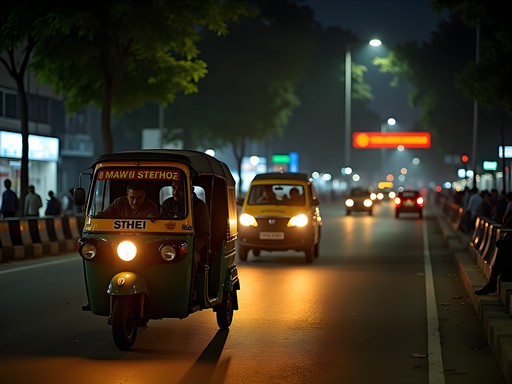
The chaotic symphony of Delhi's streets might seem overwhelming at first glance – a sensory overload that can intimidate even seasoned travelers. But beneath the apparent disorder lies a surprisingly functional transportation network that, once understood, transforms this sprawling metropolis into an accessible playground of cultural discovery. As someone who first encountered Delhi during a personal healing journey and has returned multiple times since, I've developed a deep appreciation for how this city moves. Let me show you how to navigate it without breaking the bank.
The Delhi Metro: Your Underground Lifeline
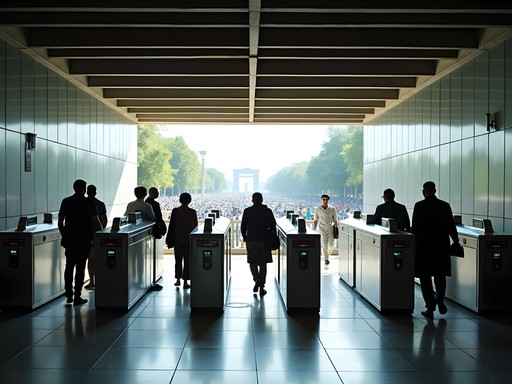
The Delhi Metro isn't just a transportation system—it's a modern marvel that puts many Western subway systems to shame. Clean, punctual, and remarkably efficient, this network serves as the backbone of Delhi's public transport.
During my first visit while seeking ayurvedic treatment for stress-induced health issues, I was skeptical about relying on public transportation. That hesitation evaporated after my first Metro ride. The air-conditioned carriages provided not just relief from Delhi's notorious heat but a moment of structured calm amid the city's beautiful chaos.
The Metro connects most major tourist destinations, from Old Delhi's historic lanes to the modern shopping districts of Connaught Place. For solo travelers, I particularly recommend the women-only carriages if applicable—they offer an extra layer of comfort, especially during rush hours.
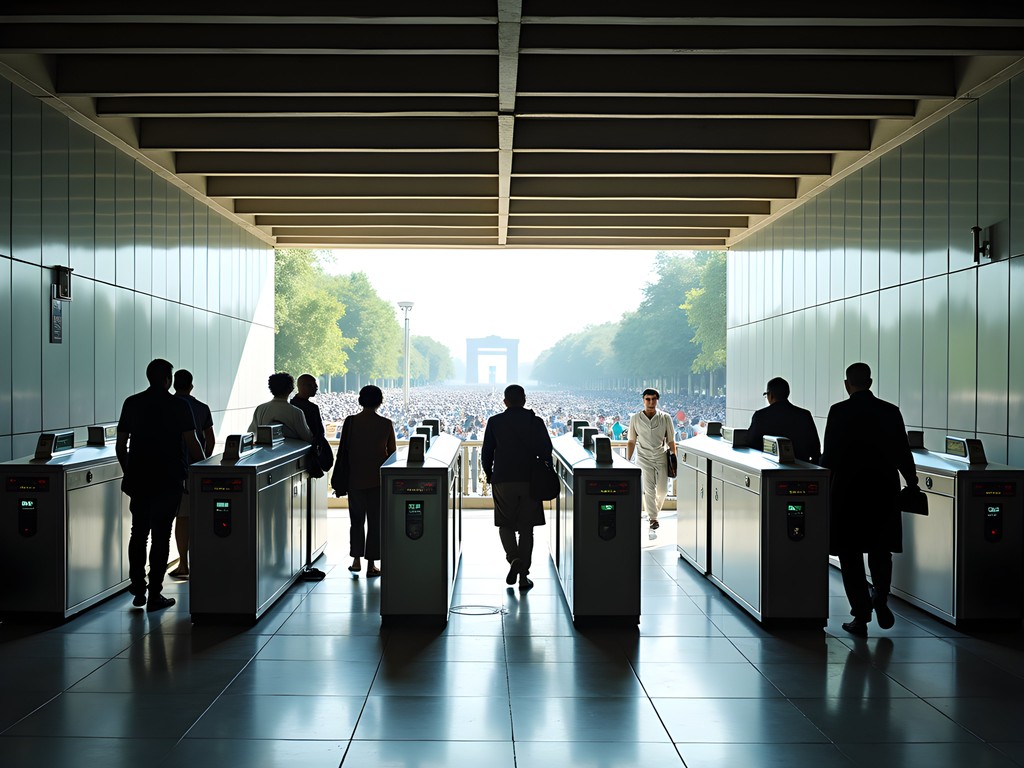
Your first order of business should be purchasing a Delhi Metro Smart Card. At ₹200 (₹100 refundable deposit + ₹100 travel value), it's the savviest investment you'll make. The card provides a 10% discount on fares and saves you from queuing for tokens before each journey. Keep your travel wallet accessible but secure—you'll need to tap in and out at the automated gates.
💡 Pro Tips
- Purchase a Delhi Metro Smart Card on day one to save time and money
- Download the Delhi Metro Rail app for real-time updates and route planning
- Travel outside rush hours (8-10am and 5-7pm) whenever possible
Auto-Rickshaws: Mastering the Art of Negotiation
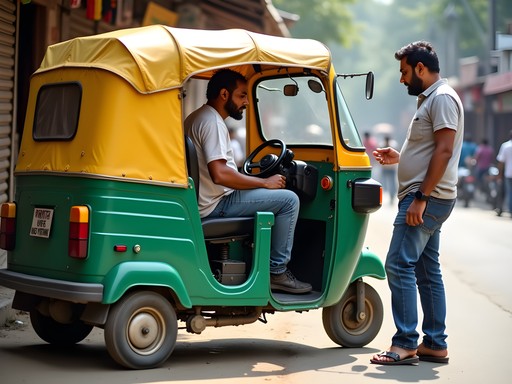
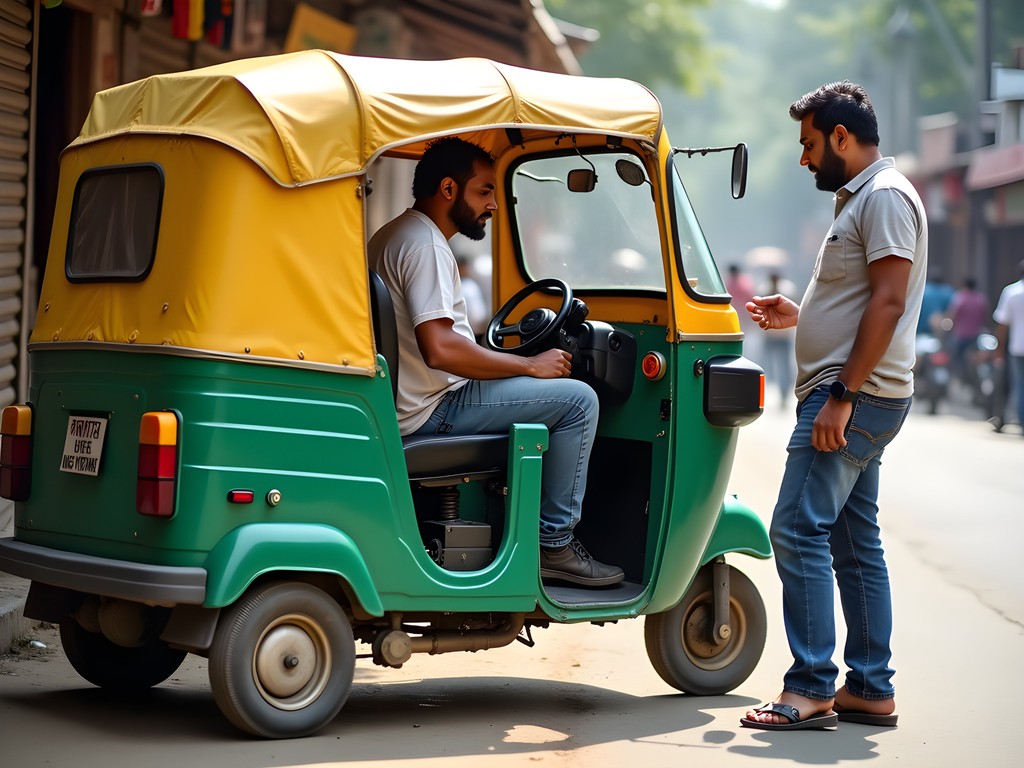
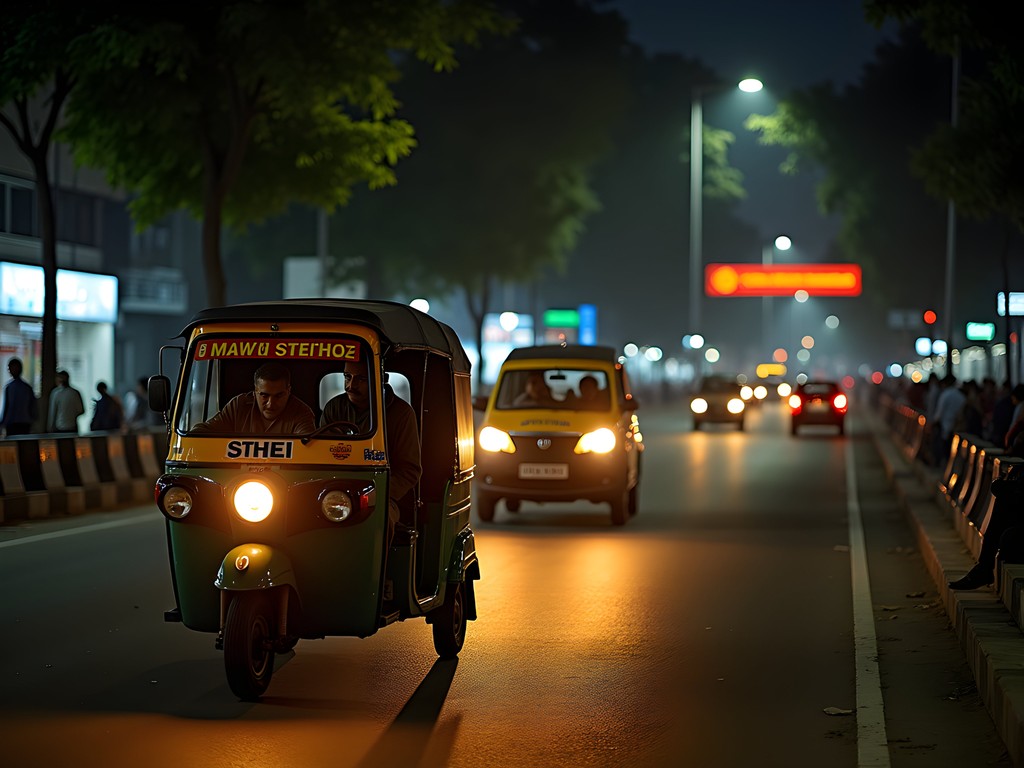
The ubiquitous green and yellow three-wheeled auto-rickshaws are as quintessentially Delhi as the Red Fort itself. These nimble vehicles can navigate narrow lanes that larger vehicles (and sometimes, it seems, physical laws) cannot access. They're perfect for shorter distances, especially when you're not near a Metro station.
As a detective, I've developed a knack for reading people, which comes in handy when negotiating fares. Here's the unvarnished truth: as a foreigner, your starting price will almost always be inflated. The meter system exists but is rarely used with tourists.
My strategy? I always research the approximate distance beforehand using Google Maps and have a general idea of the appropriate fare (roughly ₹10-15 per kilometer). I then offer about 60-70% of their initial asking price and settle somewhere in the middle. The negotiation is practically a cultural ritual—embrace it rather than resist it.
For evening rides, I always carry a compact flashlight to check my map and belongings, especially in areas with unreliable street lighting. And while my detective instincts are useful, I've found the Ola app even more valuable—it's India's equivalent to Uber and often eliminates the negotiation entirely with pre-set fares.
💡 Pro Tips
- Always negotiate and agree on the fare before entering an auto-rickshaw
- Keep Google Maps open on your phone to ensure the driver takes the correct route
- Have small bills ready for payment—drivers rarely have change for large denominations
Delhi's Bus Network: The Local Experience
Delhi's bus system is where you'll find the most authentic local experience—and admittedly, the steepest learning curve. With over 5,000 buses covering nearly 1,000 routes, this network reaches corners of Delhi that even the Metro doesn't touch.
During my third visit to Delhi, I challenged myself to master the bus system. My Japanese mother always emphasized the importance of truly understanding a place's systems, not just skimming the surface as a tourist. This maternal wisdom proved invaluable as I navigated Delhi's extensive bus network.
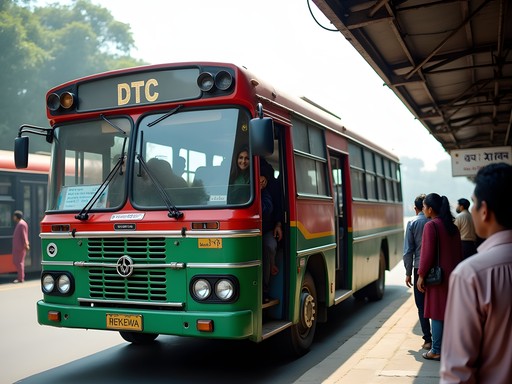
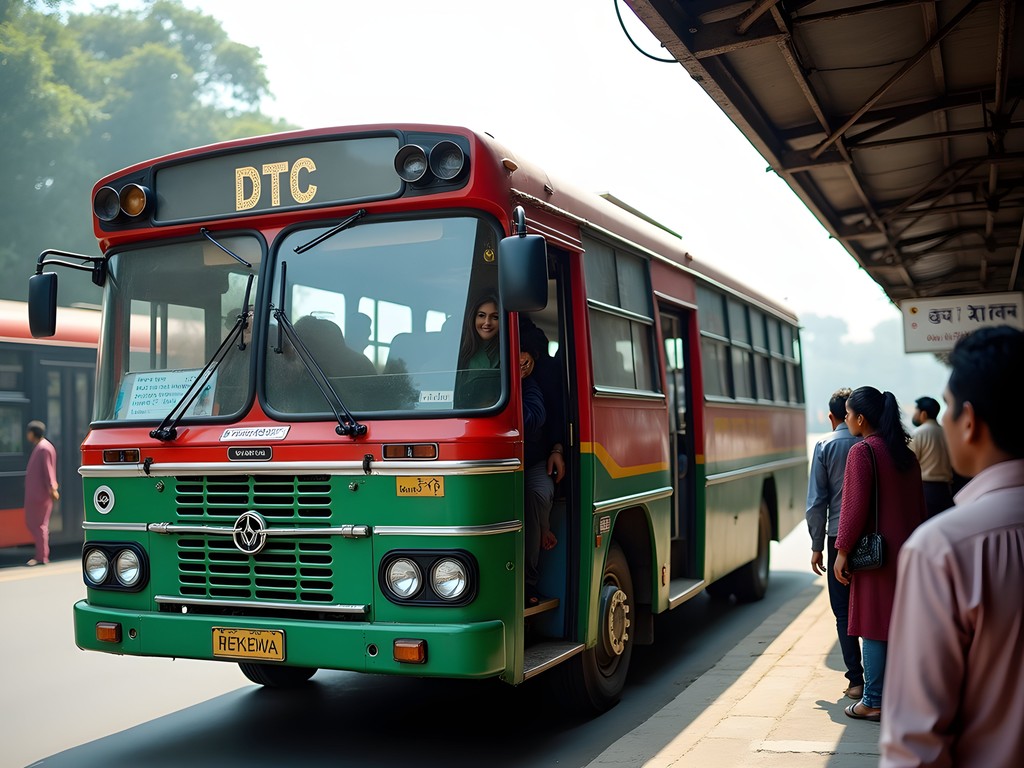
Buses come in several varieties: the standard DTC (Delhi Transport Corporation) buses in green and red, air-conditioned buses in green, and the newer orange cluster buses operated by private companies. The air-conditioned ones cost more but provide welcome relief during Delhi's warmer months.
For the uninitiated, I recommend starting with the routes that connect major landmarks. Bus numbers are displayed on the front and sides, but knowing your route in advance is essential. I use the One Delhi app which consolidates information about buses, metros, and other public transport options.
A word of caution from my detective instincts: keep your valuables secure in a anti-theft backpack, especially during crowded periods. Buses can get extremely packed during rush hours, making them fertile ground for pickpockets.
💡 Pro Tips
- Stand at designated bus stops and clearly signal the approaching bus you want to board
- Purchase tickets from the conductor once aboard—have exact change ready
- Move toward the exit well before your stop, as buses rarely wait long

Bicycle Sharing: Delhi's Emerging Eco-Option
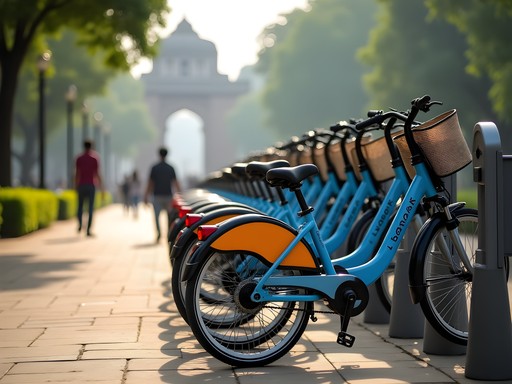
As someone passionate about sustainable urban mobility, I've been thrilled to witness Delhi's emerging bicycle sharing systems. While not yet as comprehensive as those in European cities, services like Yulu and SmartBike are gaining traction, particularly around university areas and select Metro stations.
During my last visit in fall 2022, I spent a morning exploring the tree-lined avenues of Lodhi Gardens and nearby neighborhoods using a rented bicycle. The experience offered a perspective of Delhi I'd never accessed before—the ability to pause at will, change direction on a whim, and interact with the environment without the barrier of vehicle windows.
The practicalities are straightforward: download the respective app, locate a docking station, scan the QR code to unlock, and you're on your way. Costs are reasonable at approximately ₹10-20 for 30 minutes. For longer explorations, I prefer carrying my collapsible water bottle and a cooling towel during warmer days.
Biking in Delhi requires vigilance—traffic rules often seem more like suggestions than laws—but dedicated lanes are slowly appearing in certain areas. The early morning hours (6-8am) offer the most pleasant riding conditions, with less traffic and pollution. For those staying longer, consider the pollution mask which I've found effective against Delhi's occasionally challenging air quality.

💡 Pro Tips
- Always check the bicycle thoroughly before renting (brakes, tires, chain)
- Start with shorter rides in less congested areas like parks or university campuses
- Use hand signals clearly and ride defensively, assuming vehicles may not see you
Navigating the Night: Evening Transportation Options
Delhi transforms after dark, and so do your transportation options. The Metro typically runs until about 11pm (midnight on weekends), making it reliable for evening excursions to dinner or cultural performances.
When the Metro closes, ride-hailing apps become your safest bet. Both Uber and Ola operate extensively in Delhi, offering transparent pricing and the security of tracked journeys. As a detective, I'm naturally cautious about safety, particularly when traveling solo. These apps provide peace of mind through their tracking features and driver information.
For budget travelers, night service buses operate on select routes, identified by the 'N' prefix before their route number. However, these run less frequently and can be challenging to navigate without local assistance.
One evening during my last trip, I attended a classical music performance at the India Habitat Centre that ran later than expected. Rather than scrambling for transportation after the show, I had pre-booked my return ride on Ola, allowing me to fully immerse in the experience without worrying about getting back.
For evening safety, I always carry a portable power bank to ensure my phone stays charged for ride-hailing and navigation. Additionally, keeping a doorstop alarm in my accommodation gives me extra security when returning late.
💡 Pro Tips
- Pre-book evening rides through apps whenever possible
- Note the closing time of the nearest Metro station if that's your preferred option
- Share your ride details with someone you trust when traveling alone at night
Final Thoughts
Navigating Delhi's transportation landscape is much like working a complex case – initially overwhelming with countless moving parts, but deeply satisfying once you begin connecting the dots. The city rewards those willing to step beyond tourist bubbles and embrace its public transport system with authentic experiences and substantial savings. During my week in Delhi last fall, I spent less than ₹1,000 (approximately $12) on transportation while exploring every corner of this magnificent city.
Remember that patience is essential – delays happen, routes change, and the occasional communication barrier arises. But within these challenges lie the most memorable stories and genuine connections. My detective background has taught me that understanding how people move through a city reveals its true character. In Delhi, that character is resilient, adaptable, and surprisingly efficient beneath the apparent chaos.
Whether you're seeking ayurvedic healing as I once did, or simply exploring one of the world's most fascinating capitals, mastering Delhi's transportation options will transform your experience from that of an observer to a participant in the city's daily rhythm. So grab your Metro card, download the necessary apps, and step confidently into Delhi's magnificent urban flow.
✨ Key Takeaways
- The Delhi Metro is the most efficient and comfortable way to cover long distances
- Auto-rickshaws require negotiation but offer flexibility for shorter trips
- Apps like Ola and Uber provide security and transparency, especially for evening travel
- Bicycle sharing systems offer an emerging eco-friendly option for exploring certain areas
- A mix of transportation methods provides the most comprehensive Delhi experience
📋 Practical Information
Best Time to Visit
October to March
Budget Estimate
₹200-300 ($2.50-$4) per day for transportation
Recommended Duration
7 days
Difficulty Level
Moderate




Comments
Jean Wells
An excellent analysis of Delhi's transportation ecosystem. I'd add that the Delhi Metro's efficiency stands in stark contrast to public transport in many other South Asian cities I've visited. The color-coding system is particularly well-implemented, though signage in stations can be inconsistent. One observation: the article doesn't mention the significant air quality concerns that might affect transportation choices seasonally. During my November visit, pollution levels made open-air rickshaws less appealing than enclosed metro cars with filtration systems. The bicycle sharing program seems promising but remains impractical in many congested areas where infrastructure hasn't caught up with intentions.
citybackpacker
Going to Delhi next month. Is it safe for solo female travelers to use public transport at night?
Jean Wells
I traveled solo in Delhi last year (59F) and found the metro quite safe even in evening hours, especially the women-only cars. For late nights, I'd recommend using the official airport taxis or pre-arranged hotel pickups rather than hailing transportation on the street. I always carried my personal alarm but thankfully never needed it. The metro stops running around 11pm, so plan accordingly.
citybackpacker
Thanks for the advice! I'll definitely use the women's cars and avoid late night travel.
happywalker
OMG the Delhi Metro saved my life! So much easier than I expected!
sunnyfan
Just got back from Delhi last month and this guide would've been so helpful! The metro is definitely the way to go - clean, efficient, and SO cheap compared to western prices. One tip I'd add: download the Delhi Metro app before your trip. It saved me countless times when trying to figure out route changes. The women-only cars on the metro are also a godsend during rush hour. Auto-rickshaw negotiations were my least favorite part though - felt like I was getting ripped off even after haggling.
Savannah Torres
The auto-rickshaw negotiation game is tough! I found showing that you're willing to walk away usually gets you the best price. Also helps to ask your hotel what the typical fare should be before heading out.
sunnyfan
That's great advice! I wish I'd known to ask my hotel about typical fares. Next time I'll be better prepared!
blueguide
is there wifi on the metro? need to stay connected for work stuff
vacationway2798
some stations have it but its spotty. just get a local sim card at the airport, way easier
blueguide
good call, thanks
waveway
really helpful post, thanks for sharing!
vacationway2798
good info but what about safety at night? is the metro safe after 10pm or should i stick to uber? traveling solo
Kimberly Murphy
Metro's generally fine but can be less frequent late. I'd say Uber/Ola after 10pm just for convenience and peace of mind, especially solo.
Kimberly Murphy
Brilliant guide Jordan! The auto-rickshaw negotiation tips are spot on. I spent 2 weeks in Delhi last year and those first few days of haggling were exhausting until I got the hang of it. One thing I'd add - download the Ola or Uber app as backup for when you're too tired to negotiate. The prices are metered and honestly sometimes worth the extra few rupees for peace of mind. Also the women-only metro carriages during rush hour were an absolute lifesaver! Delhi's transport system really is incredible once you crack the code.
waveway
totally agree on the apps. saved me so many times
freebuddy
heading to delhi in march!! how much should i load on the metro card? is 500 rupees enough for like 3 days?
Kimberly Murphy
500 should be plenty! I found the metro super cheap - most rides were like 20-40 rupees. You can always top up at any station too!
freebuddy
awesome thanks!
smartperson9441
Wish I'd read this before my trip lol
Venture X
Premium card with 2X miles, $300 travel credit, Priority Pass