
Disclosure: This article contains affiliate links. We may earn a commission from purchases at no extra cost to you, which helps our travel content.
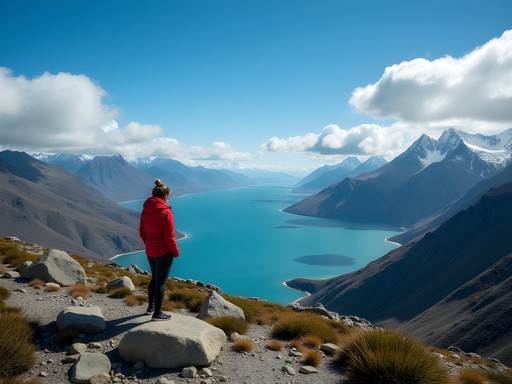
I've always been drawn to edges—the places where land meets sea, where one culture blends into another, where history's footprints fade into wilderness. But there's something uniquely magnetic about standing at the literal end of a continent, where the next stop is Antarctica and the weight of an entire hemisphere sits behind you. That's Ushuaia, Argentina's southernmost city, proudly proclaiming itself the fin del mundo—the end of the world. When I arrived here last summer with nothing but my backpack and a notebook full of historical curiosities, I wasn't prepared for how this remote outpost would capture my imagination. Two weeks later, I left with pages filled with stories of prisoners who built a city, ships that navigated treacherous waters, and indigenous peoples who thrived in one of Earth's most unforgiving landscapes long before Europeans arrived. This is my guide to embracing solitude where the Andes meet the sea, and finding connection in the most unexpected corners of Patagonia.

Getting to the End of the Earth (Without Losing Your Mind)
Let me start with brutal honesty: getting to Ushuaia is not for the faint of heart. After three connecting flights from Houston—the last one a white-knuckle descent between mountain peaks that had me questioning all my life choices—I finally touched down at the world's southernmost international airport. The tiny Malvinas Argentinas International Airport sits just outside town, and despite its modest size, it handles a surprising amount of traffic from adventure seekers and Antarctica-bound travelers.
I've learned that preparation is key when traveling to remote destinations, so I'd downloaded offline maps, translation apps, and key travel documents to my phone before departure. My portable power bank proved invaluable during long transit days when outlets were scarce. If you're planning this journey, I'd recommend breaking up the trip with at least one overnight stay in Buenos Aires or El Calafate—I didn't, and regretted the marathon travel day.
From the airport, you have several options to reach the city center. While taxis are readily available, I opted for the more budget-friendly airport shuttle, which drops passengers at major hotels. As a solo female traveler, I've found ride-sharing apps to be reliable safety nets in unfamiliar cities, but Ushuaia is one of those places where traditional transportation still reigns. Uber hasn't made inroads here yet, though local taxi apps like Remis Ya are starting to emerge.
One unexpected challenge: the seasonal nature of Ushuaia means transportation options can change dramatically depending on when you visit. Summer brings more frequent buses and shuttles, while winter sees reduced schedules as the city transforms into a ski destination. This shifting infrastructure is a reminder that you're visiting a place that exists on nature's terms, not yours—a humbling realization that sets the tone for the entire Ushuaia experience.
💡 Pro Tips
- Download offline maps and translation apps before arrival
- Break up the journey with an overnight stay in Buenos Aires
- Have your accommodation address written down in Spanish for taxi drivers
Finding Comfort at the Edge of Civilization
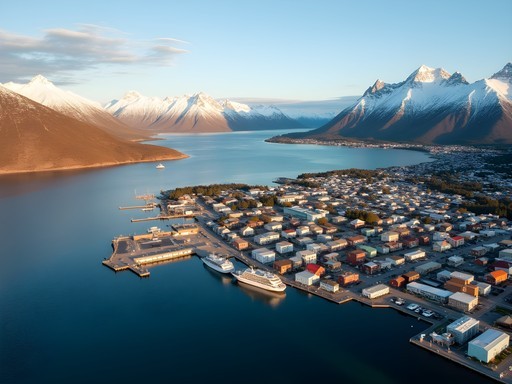
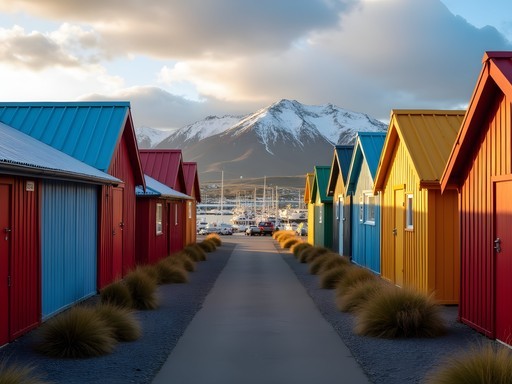
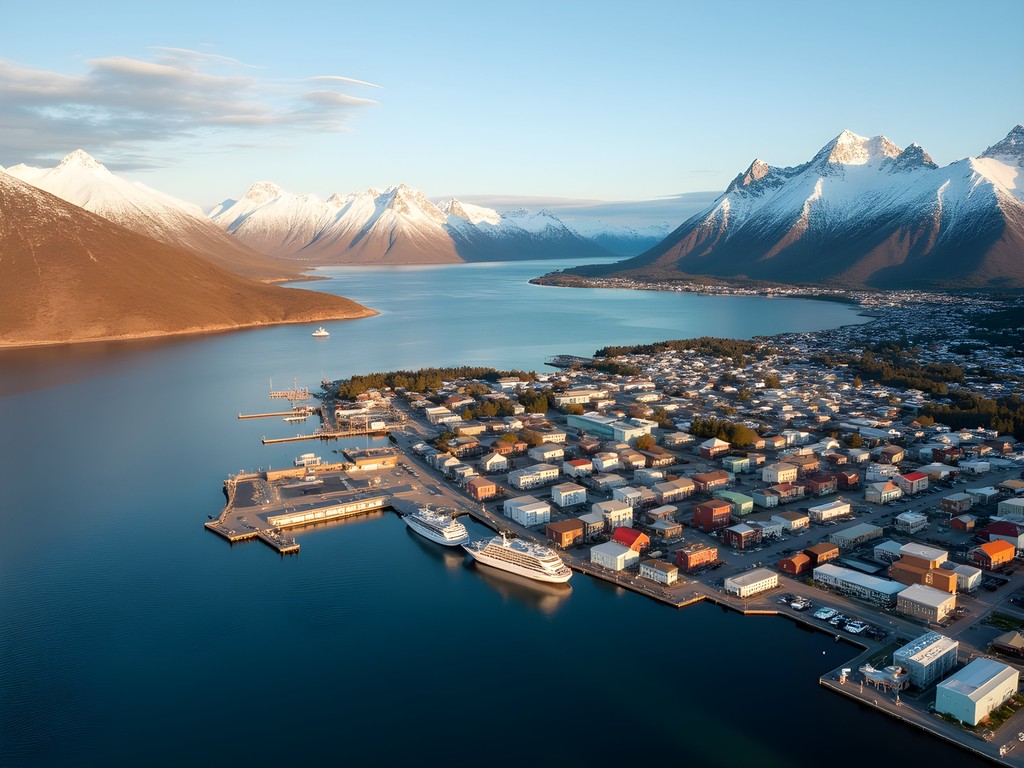
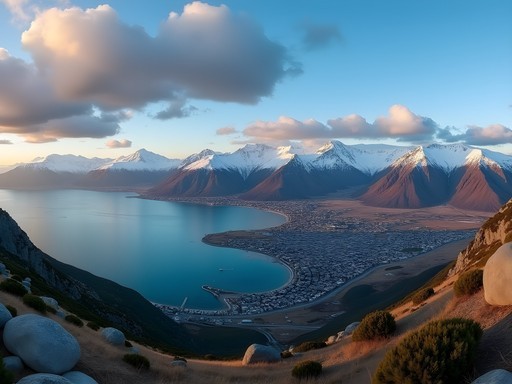
After that initial travel exhaustion wore off, I spent my first morning in Ushuaia simply wandering the sloping streets, getting my bearings in this city that cascades down from the mountains to the sea. The colorful tin-roofed buildings—in shades of red, blue, and yellow that pop against the often-gray sky—create a patchwork reminiscent of fishing villages I've visited in Norway and Iceland. Yet there's something distinctly South American in the rhythm of daily life here.
For accommodations, I split my two weeks between contrasting experiences. The first week, I stayed at Hostel Antarctica, a mid-range option with both private rooms and dormitories. What sold me was their cozy common area with floor-to-ceiling windows overlooking the Beagle Channel—the perfect spot to journal while watching ships navigate the same waters Darwin once explored on the HMS Beagle. The communal kitchen became my evening hangout, where I'd cook alongside backpackers from Germany, Chile, and Australia, trading travel tips over mate tea.
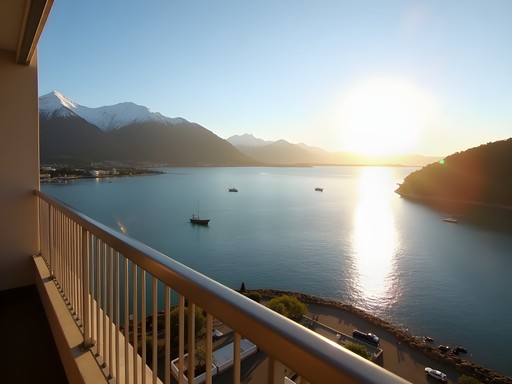
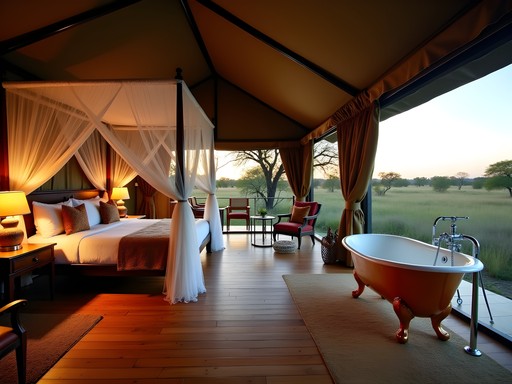
For my second week, I treated myself to Hotel Los Cauquenes, splurging on a waterfront room with mountain views. After days of hiking and exploration, returning to a deep soaking tub and heated floors felt like absolute luxury. The hotel's location outside the main downtown area meant peaceful mornings watching the changing light on the channel. I'd packed my travel binoculars which proved perfect for spotting cormorants and the occasional dolphin from my balcony.
Whether you choose budget or luxury accommodations, book well in advance. Ushuaia's remote location and growing popularity mean options can be limited, especially during peak summer months (December-February) when Antarctic cruises depart and during winter (June-August) when the ski season brings a different crowd to town.
A note for solo travelers: I found Ushuaia surprisingly welcoming for those traveling alone. The city's compact size means you're never far from your accommodation, even after an evening sampling local craft beers at the excellent Bar Ideal. The tourism-focused economy means many locals speak at least some English, though my rudimentary Spanish improved dramatically during my stay.

💡 Pro Tips
- Book accommodation well in advance, especially during peak seasons
- Consider splitting your stay between downtown and waterfront locations for different perspectives
- Look for accommodations with heating—even summer evenings can be quite cold
The Prison at the End of the World: Ushuaia's Dark History
If there's one thing that sets my traveler's heart racing, it's a good historical paradox—and Ushuaia offers one of the best. This city, now synonymous with freedom and adventure, was originally built by those who had none: prisoners. The infamous Presidio (prison) operated from 1902 to 1947, housing Argentina's most dangerous criminals alongside political prisoners in what was essentially an Argentine Alcatraz.
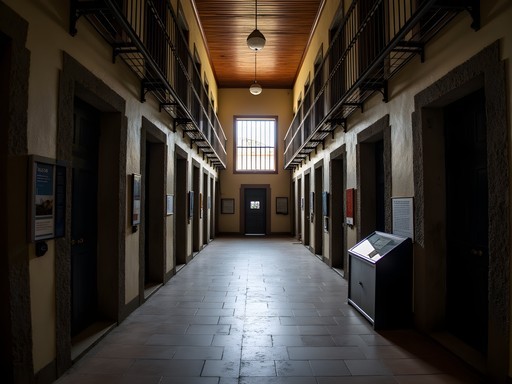
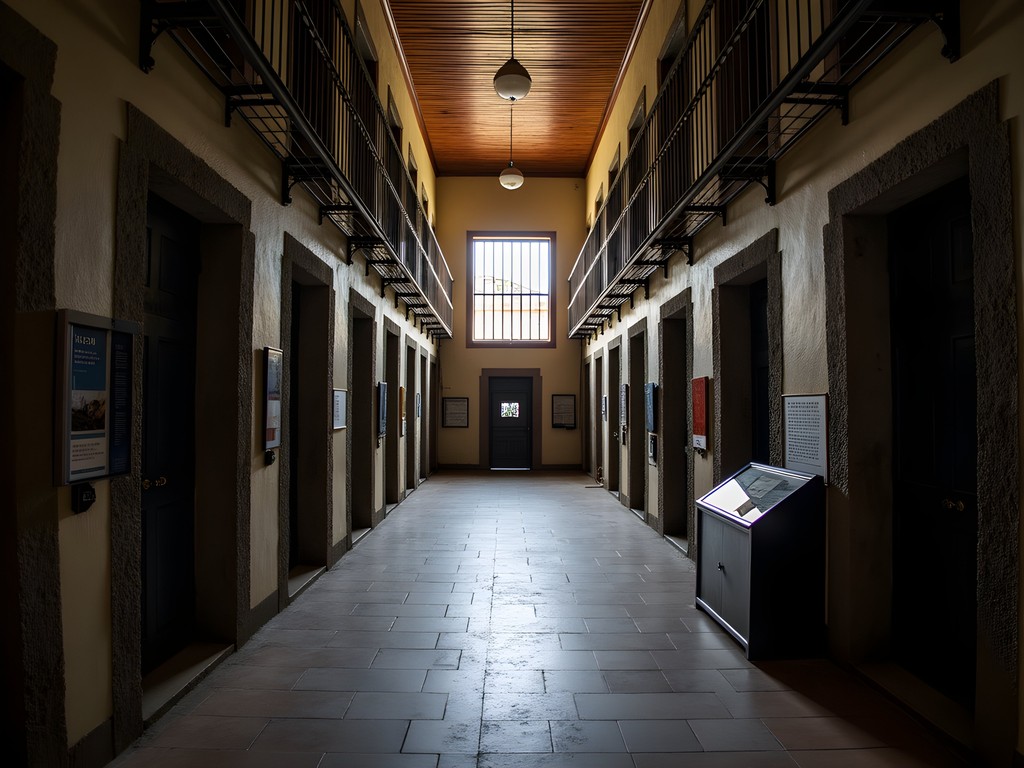
The Museo Marítimo y del Presidio de Ushuaia now occupies the former prison buildings, and I spent an entire rainy afternoon walking its haunting corridors. The preserved cells, with their original bunk beds and minimal furnishings, offer a stark contrast to the museum's excellent maritime exhibits celebrating exploration and adventure. This juxtaposition—confinement and freedom, punishment and discovery—feels emblematic of Ushuaia itself.
What fascinated me most was learning how these prisoners literally built the city around them. They constructed public buildings, laid roads, and operated the first electricity plant—all while serving sentences in what was considered an inescapable natural prison. The harsh climate and isolated location meant escape was virtually impossible, creating a prison without walls beyond the facility itself.
I joined a guided tour (available in English several times daily) and was captivated by stories of the prison's most famous inmates, including anarchist Simón Radowitzky and repeat escapee Cayetano Santos Godino. Our guide, Martín, whose grandfather had been a prison guard, shared personal anecdotes that brought this complex history to life.
After the museum, I followed the historic prison railway route, now a hiking trail that winds through the forest where prisoners once harvested timber. I'd packed my waterproof hiking boots which proved essential on this often muddy trail. The four-hour hike offers interpretive signs explaining how prisoners worked in these forests, often in temperatures well below freezing.
What struck me most about Ushuaia's prison history was how it's been transformed from a source of shame into a point of fascination and even pride. The city doesn't hide its carceral origins but instead preserves them as a reminder of human resilience in the face of extreme circumstances—a theme that resonates throughout Patagonia's history.
💡 Pro Tips
- Visit the prison museum early in your trip for context about the city's origins
- Book the English language guided tour in advance during high season
- Allocate at least 3 hours to fully explore all five pavilions of the museum complex

Sailing the Beagle Channel: Darwin's Route Through Southern Waters
"You haven't really seen Ushuaia until you've seen it from the water," a local shopkeeper told me on my third day in town. Taking his advice to heart, I booked a half-day sailing excursion on the Beagle Channel, the same strait navigated by Charles Darwin aboard HMS Beagle in 1833. While Darwin's expedition took months, modern visitors can experience these historic waters in a matter of hours—though I recommend the longer excursions for a more immersive experience.
I opted for a small catamaran tour rather than the larger tourist boats, paying a bit more for a more intimate experience with only eight other passengers. Our captain, Eduardo, was a third-generation sailor whose knowledge of local marine life and navigation history added rich context to the journey. As we pulled away from port, the view of Ushuaia nestled between mountains and sea offered a perspective I couldn't capture from land—the true isolation of this outpost became starkly apparent.
The channel's waters were surprisingly calm that day, though Eduardo warned this is not always the case. The microclimate here can change in minutes, from glassy waters to choppy whitecaps under suddenly darkened skies. I'd come prepared with my anti-seasickness bands which I swear by for boat journeys, though thankfully didn't need them this time.
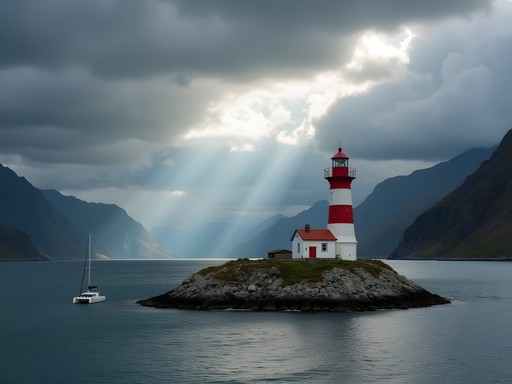
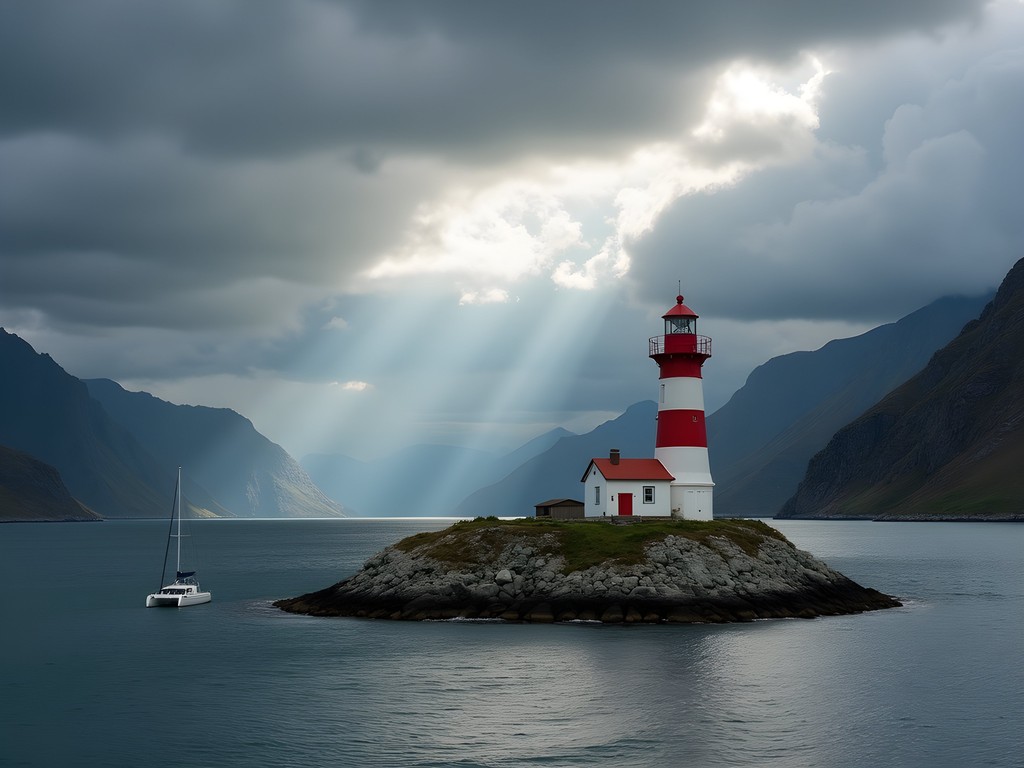
The highlight of the sailing was undoubtedly Les Eclaireurs Lighthouse, often mistakenly called the "Lighthouse at the End of the World" (the actual lighthouse from Jules Verne's novel is on Isla de los Estados, much further east). The red and white structure stands in stark contrast to the rocky islets surrounding it, a perfect photo opportunity even on a cloudy day. Our boat circled the lighthouse slowly, allowing everyone to capture that iconic shot.
The wildlife viewing exceeded my expectations. We spotted colonies of imperial cormorants, their black and white bodies covering rocky outcrops, and several South American sea lions lounging near Isla de los Lobos. The captain cut the engine near a small island where Magellanic penguins waddled awkwardly on shore—these same birds that seem so ungainly on land transform into elegant swimmers once they enter the water.
Perhaps most moving was our passage by the historic estancias (ranches) that dot the Chilean side of the channel, now mostly abandoned but once home to hardy European settlers who attempted to tame this wilderness in the early 20th century. These weathered structures stand as monuments to human determination in one of Earth's most challenging environments.
💡 Pro Tips
- Book smaller boat tours for a more personalized experience and better wildlife viewing
- Dress in layers—the temperature on water is significantly colder than in town
- Bring a waterproof camera case or bag for protection from sea spray
Tierra del Fuego National Park: Hiking at the World's End
If Ushuaia is the end of the world, then Tierra del Fuego National Park is where you step beyond it. Just 12 kilometers west of the city lies this 63,000-hectare wilderness preserve—a landscape so pristine it feels like stepping into a world before humans existed. After five days in Ushuaia, I was ready to trade the (relative) hustle and bustle of town for the profound silence of these ancient forests.
I caught the early morning shuttle from the tourist office to the park entrance, arriving just as the visitor center opened. This timing strategy allowed me to hit the trails before the larger tour groups arrived—something I'd highly recommend for solo hikers seeking solitude. The park ranger provided a detailed map and suggested routes based on my hiking experience and the day's weather forecast.
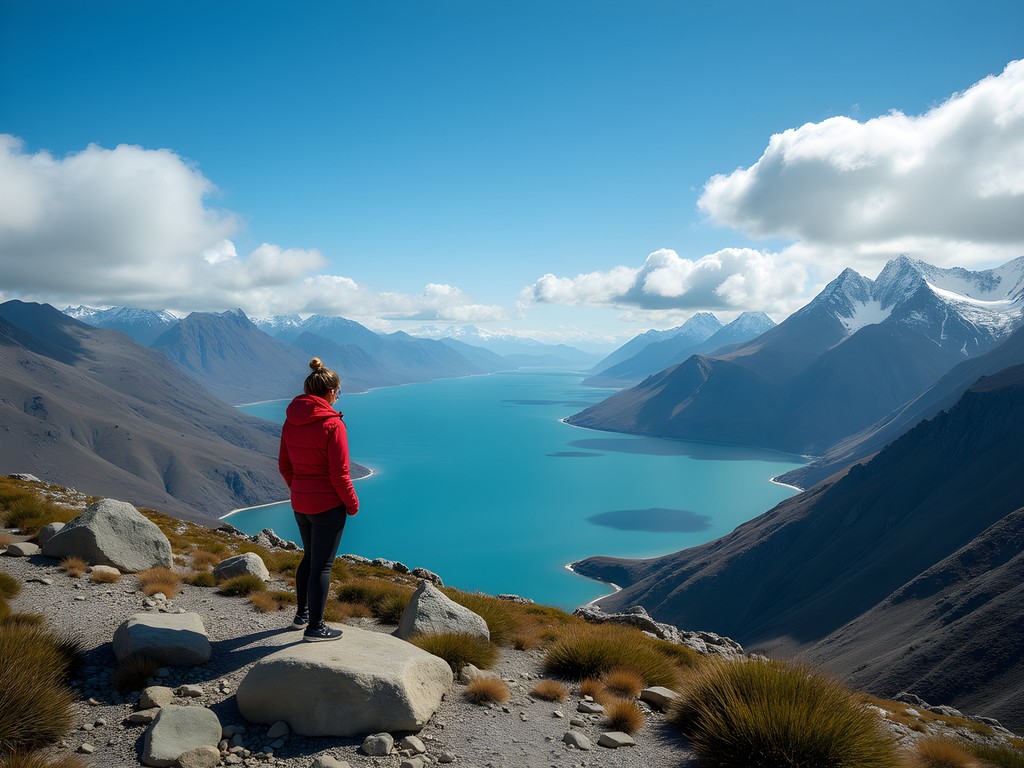
The park offers trails for every ability level, but I challenged myself with the full-day Cerro Guanaco trek. This 8-kilometer (round trip) hike climbs from sea level to over 900 meters, through distinct ecological zones that showcase the region's incredible biodiversity. The trail begins in lenga beech forests, where I spotted Magellanic woodpeckers with their distinctive red heads hammering at tree trunks. As I gained elevation, the forest gave way to alpine meadows dotted with resilient wildflowers that somehow thrive in this harsh climate.
The final ascent is steep and exposed—I was grateful for my trekking poles which provided crucial stability on loose scree. But the panorama from the summit justified every labored breath: the entirety of the Beagle Channel stretched before me, with Chile's mountainous Isla Navarino beyond, and on that clear day, I could make out the distant peaks of Cape Horn where the Atlantic and Pacific Oceans meet.
What struck me most about hiking here was the quality of light—a crystalline clarity I've only experienced in very remote places, where no pollution dulls the sun's rays. Colors appear more saturated, distances seem both vast and immediate, and the air itself feels like a tangible presence, cool and sharp in your lungs.
After descending, I followed the coastal path to Lapataia Bay, where a sign marks the official end of the Pan-American Highway—the symbolic terminus of a road system that begins in Alaska, over 17,000 kilometers away. Standing there, looking south toward Antarctica with the entire American continent at my back, I experienced one of those rare perfect travel moments: the physical sensation of being exactly where I was meant to be, at the precise edge of human reach.
💡 Pro Tips
- Start hikes early to avoid afternoon weather changes that frequently bring wind and rain
- The park entrance fee can be paid by credit card, but bring cash for shuttle services
- Pack a substantial lunch and extra snacks—there are no food services inside the park
Finding Connection in Isolation: The People of Ushuaia
There's a special camaraderie that exists in remote places—a shared understanding among those who choose to live at the edges. In Ushuaia, this manifests as a warmth that belies the chilly climate. As a solo traveler, I found connections here that transcended the typical tourist-local dynamic, perhaps because reaching this far-flung destination requires a certain intentionality from visitors and residents alike.
My most meaningful encounters happened at La Cantina Fueguina de Freddy, a local institution where I first stopped in seeking shelter from a sudden downpour. The restaurant's wood-paneled walls are covered with photographs chronicling Ushuaia's evolution from penal colony to adventure hub, and owner Freddy himself often circulates among tables, sharing stories with anyone interested enough to ask.
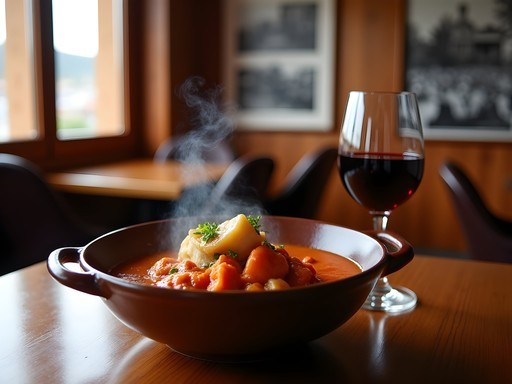
Over steaming bowls of centolla (king crab) stew—a local specialty I quickly became addicted to—I met Silvia, a third-generation Fueguina whose grandparents had come from Croatia in the 1930s. She explained how Ushuaia's population represents a unique melting pot of indigenous Yámana people, European immigrants (particularly from Croatia, Italy and Wales), and more recent arrivals from northern Argentina and neighboring Chile.
"We're all immigrants here in some way," she told me, "except the indigenous people, who were nearly wiped out by diseases and displacement." This somber acknowledgment of the region's colonial history led to a fascinating discussion about ongoing efforts to preserve Yámana cultural heritage and language, now spoken fluently by only one remaining elder.
Another meaningful connection came through Jorge, who runs a small bookshop specializing in Patagonian history and literature. When I mentioned my interest in the prison's history, he closed his shop early to walk me to a nearby building that had served as the prison director's home—a site not mentioned in any guidebook. His generosity with his time and knowledge transformed my understanding of the city's layered past.
For solo travelers seeking community, I highly recommend the weekly asado (barbecue) hosted by Cruz del Sur Hostel every Wednesday evening. Though I wasn't staying there, the event was open to all travelers for a reasonable fee. Under a star-filled sky, I shared wine and perfectly grilled lamb with an international group of solo travelers, many of whom were either coming from or heading to Antarctica. The conversations that night—spanning climate science, photography tips, and the philosophy of extreme travel—reminded me why I love solo journeys: they rarely leave you truly alone for long.

💡 Pro Tips
- Learn basic Spanish greetings and phrases—locals appreciate the effort even if your vocabulary is limited
- Ask about community events at the tourist office—many are open to visitors but not widely advertised
- Respect the local custom of mate sharing if invited—it's a significant cultural gesture
Final Thoughts
As my plane lifted off from Ushuaia, banking sharply over the Beagle Channel before turning north, I pressed my face against the window to catch one final glimpse of this city at the end of the world. Two weeks had transformed it from a pin on my map to a place that now occupies a permanent corner of my heart. Ushuaia defies easy categorization—it's at once a frontier town and a cosmopolitan outpost, a historical curiosity and a gateway to wilderness, the end of one journey and the beginning of countless others.
For the solo traveler, Ushuaia offers a rare gift: the space to feel truly small against the grandeur of nature while simultaneously finding unexpected connection with fellow wanderers and locals alike. Perhaps that's the paradox of traveling alone to the end of the earth—you discover you're never really alone after all. The world may end in Ushuaia, but something else begins there too: a deeper understanding of our place in this vast, beautiful planet we call home. Until we meet again, fin del mundo. The edge will be waiting.
✨ Key Takeaways
- Solo travel in Ushuaia offers unique opportunities for both profound solitude and meaningful connections
- The shoulder seasons (October-November or March-April) provide a perfect balance of accessibility and smaller crowds
- Understanding the region's complex history—from indigenous peoples to prison colony to adventure tourism hub—enriches the experience beyond scenic views
📋 Practical Information
Best Time to Visit
December through March (summer)
Budget Estimate
$100-150 USD per day for mid-range travel
Recommended Duration
At least 7 days, ideally 10-14
Difficulty Level
Moderate To Challenging

Comments
mountaingal
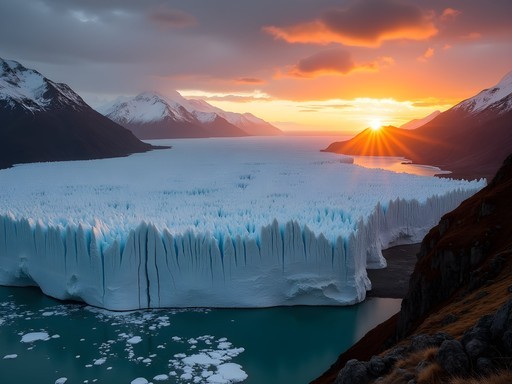
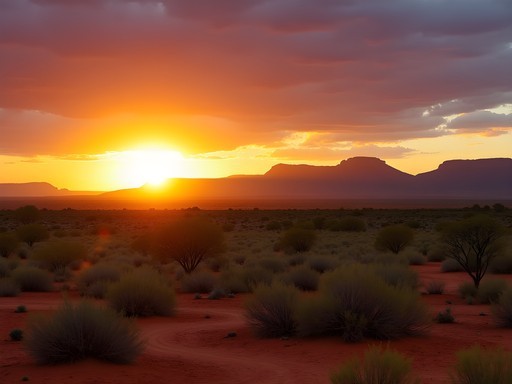
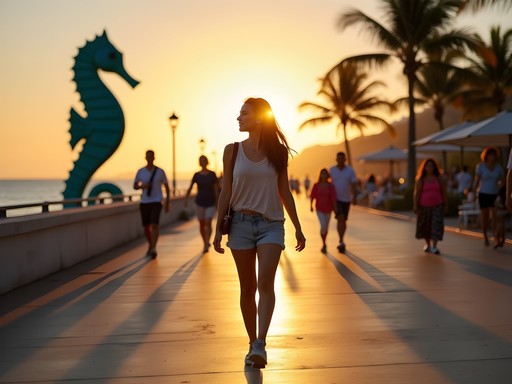
Love your photos!! That sunset shot is amazing
summerstar6296
Did you feel safe traveling solo there as a woman?
Chloe Butler
Absolutely! Ushuaia felt very safe. It's a small city with lots of tourists and the locals were super friendly. I walked around at night without any issues. Standard travel precautions apply but I never felt uncomfortable.
Ana Robinson
What a wonderful post! We took our kids to Ushuaia two years ago and it was such a special experience for them - though very different from solo travel obviously! The maritime museum section of the prison was their favorite part. They loved hearing about the old ships and explorers. One tip for families reading this: the Tierra del Fuego National Park has some easier trails that work great with younger children. The coastal walk is stunning and very manageable. Your photos captured that end-of-the-world feeling perfectly, Chloe!
mountainmate
How much did you budget per day? trying to figure out if I can afford this trip
Chloe Butler
Ushuaia is definitely pricey! I was spending around $60-80 USD per day staying in hostels and cooking some meals. Tours add up fast though - the Beagle Channel was about $70. Worth every penny!
Sage Dixon
Chloe, this brought back so many memories! I did that same Beagle Channel tour three years ago and it was absolutely mind-blowing. The sea lions alone were worth it. One thing I'd add for solo travelers - I met some of the best travel buddies at the hostel bar in Ushuaia. There's such a great community of people passing through on their way to/from Antarctica or finishing the Patagonia circuit. The prison museum is genuinely fascinating too - way more interesting than I expected. Did you make it out to Laguna Esmeralda for the hike?
Chloe Butler
Yes! Laguna Esmeralda was incredible. I actually cut that section shorter to keep the post focused, but that hike deserves its own article. The turquoise water against the snow was unreal.
wildclimber
What time of year did you go? I'm worried about the weather being too crazy down there
Chloe Butler
I went in late February (summer there) and it was perfect! Still chilly but totally manageable. Layers are your friend - the weather changes fast!
mountaingal
yeah the weather is wild! went last year and had sun, rain, and wind all in one afternoon lol
backpackmaster
This is SO cool!! Ushuaia is def on my bucket list now
oceanadventurer
Great post! One tip for solo travelers - the hostel scene in Ushuaia is really social. I stayed at Antarctica Hostel and met tons of people doing the same routes. Also the local bus to Tierra del Fuego National Park is super cheap (like $3 USD) compared to the tours. You can easily spend a full day hiking there on your own.
freegal
good to know about the bus!
Marco Flores
Antarctica Hostel is solid! The common area was always buzzing when I was there. Perfect for meeting other travelers heading to Torres del Paine or doing Antarctica cruises.
Marco Flores
The Beagle Channel tour was absolutely the highlight of my time in Ushuaia too! I went in July (middle of winter) and we got lucky with clear skies - saw sea lions, cormorants, and even spotted a few penguins near Isla Martillo. The prison museum is fascinating but definitely heavy. What struck me most was how the prisoners built the entire city basically. There's something haunting about standing in those cells knowing they were at the literal end of the earth with no escape. Did you do the Martial Glacier hike? I ran out of time but heard it's incredible for solo travelers.
Chloe Butler
Yes! The Martial Glacier hike was stunning. I actually cut it from the final post because it was getting too long but definitely recommend it. The trail is well-marked and I felt totally safe going alone. Winter must have been amazing for the stark landscapes!
freegal
how cold was it when you went?? thinking about going solo but worried about winter temps
Chloe Butler
I was there in early March (their fall) and it was around 8-12°C during the day. Definitely bring layers! Winter (June-August) gets down to 0-5°C but honestly the wind is more brutal than the actual temp. If you're used to cold weather you'll be fine!
freegal
ok cool thanks! not too bad then
Venture X
Premium card with 2X miles, $300 travel credit, Priority Pass