
Disclosure: This article contains affiliate links. We may earn a commission from purchases at no extra cost to you, which helps our travel content.
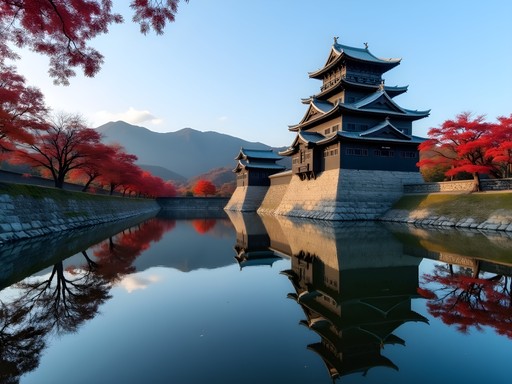
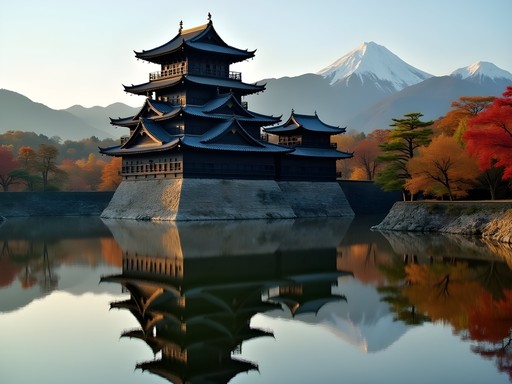
As I stood in the shadow of Matsumoto Castle's imposing black walls, a gentle autumn breeze carried the scent of roasting chestnuts from a nearby vendor. The crowds that typically flood Japan's popular destinations were noticeably absent here, replaced by a handful of local schoolchildren sketching the castle's reflection in the moat. This wasn't my first visit to my father's homeland, but it was perhaps the most meaningful—a week in Matsumoto offered the perfect balance of cultural immersion, natural beauty, and the quiet contemplation that solo travel affords.

Finding Serenity at Matsumoto Castle
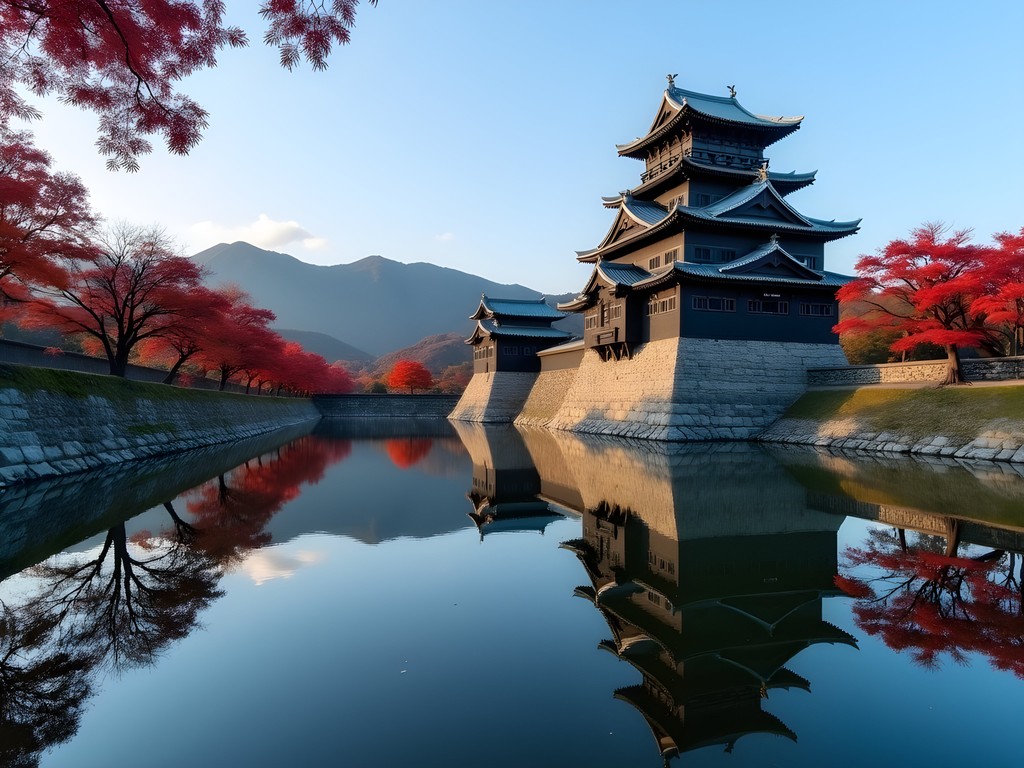
Matsumoto Castle (松本城), one of Japan's few remaining original castles, stands as a testament to feudal architecture with its distinctive black exterior earning it the nickname 'Crow Castle.' Unlike the reconstructed concrete fortresses found elsewhere in Japan, this National Treasure dates back to the 16th century, with wooden interiors that creak with authentic history.
Arriving early on my second morning—equipped with my trusty travel tripod—I captured the castle in morning light before tour buses arrived. The interior reveals surprisingly steep wooden stairs (a defensive feature) and impressive views of the Northern Alps from the top floor.
What struck me most was how the castle grounds became a community space as the day progressed. Elderly men played shogi under maple trees, their concentration mirroring my own as I sketched in my journal. This wasn't just a tourist attraction but a living part of Matsumoto's identity—something I've noticed is increasingly rare in Japan's more frequented destinations.
💡 Pro Tips
- Visit within the first hour of opening (8:30 AM) to enjoy the castle grounds with minimal crowds
- Wear comfortable slip-on shoes as you'll remove them frequently when entering the castle and other historic buildings
- The castle is illuminated beautifully at night—worth returning for evening photography
The Art of Slow Travel in Nakamachi Street
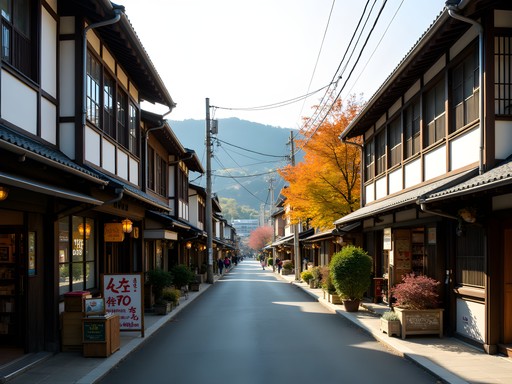
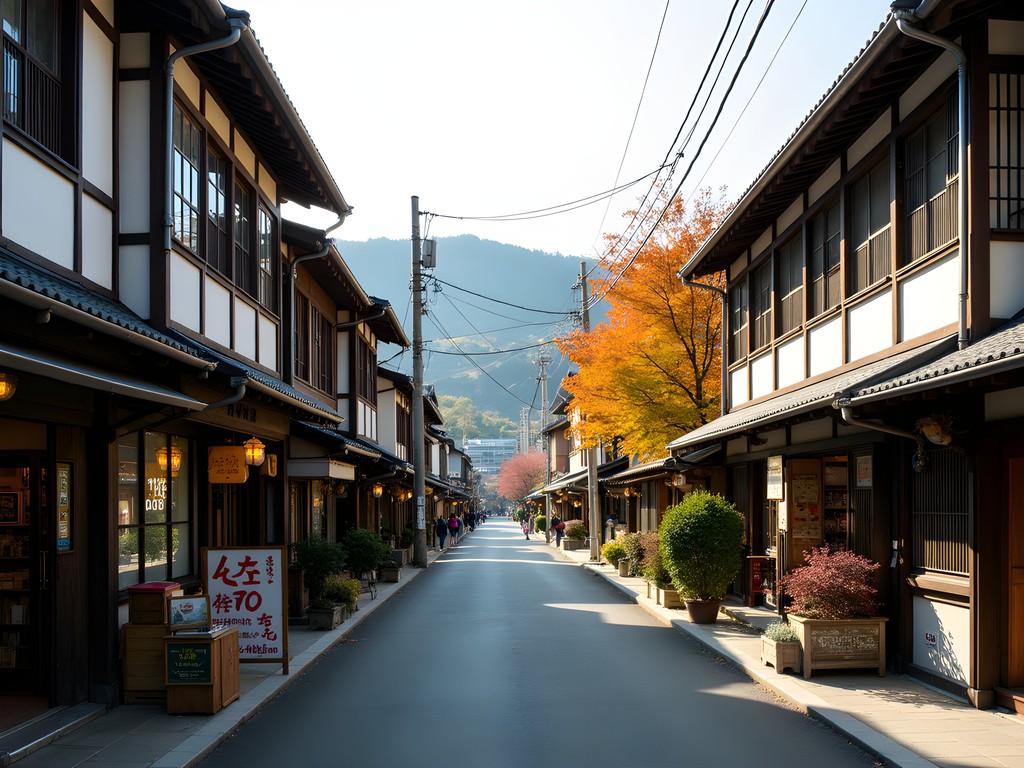
Nakamachi Street, with its preserved kura (storehouse) buildings featuring distinctive white latticed walls, became my daily ritual. This historic merchant district exemplifies what Germans call Entschleunigung—the art of slowing down—something I've learned to value deeply in my travels.
I spent hours in FUKUROsha, a converted kura now housing a café and gallery where the owner, Tanaka-san, shared stories of the building's 150-year history while preparing perfect pour-over coffee. When he learned of my Japanese heritage, he insisted on showing me family photographs from the Meiji era stored in the building's original vault.
For those collecting meaningful souvenirs rather than trinkets, Nakamachi offers artisanal shops where tradition and craftsmanship prevail. I found myself drawn to Miyasaka Brewery's tasting room, where sixth-generation sake brewers explained the nuances of their craft. The travel journal I carried became filled with tasting notes and sketches of the traditional sugidama (cedar balls) hanging outside the brewery, signaling fresh sake within.
💡 Pro Tips
- Most shops close by 5 PM, but the street is beautifully lit in the evening for atmospheric walks
- Many shop owners speak limited English but are incredibly welcoming if you attempt basic Japanese phrases
- The Kurassic-kan museum offers free tours of a restored kura building—an excellent introduction to traditional architecture
Alpine Serenity: Day Trips to Kamikōchi
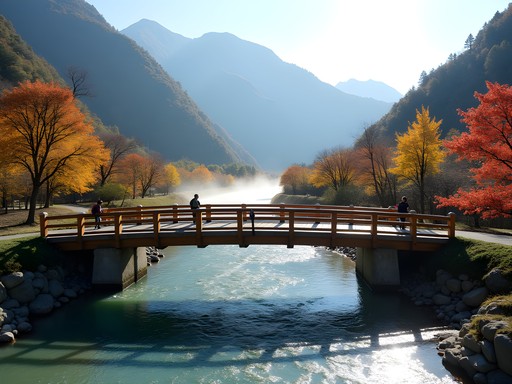
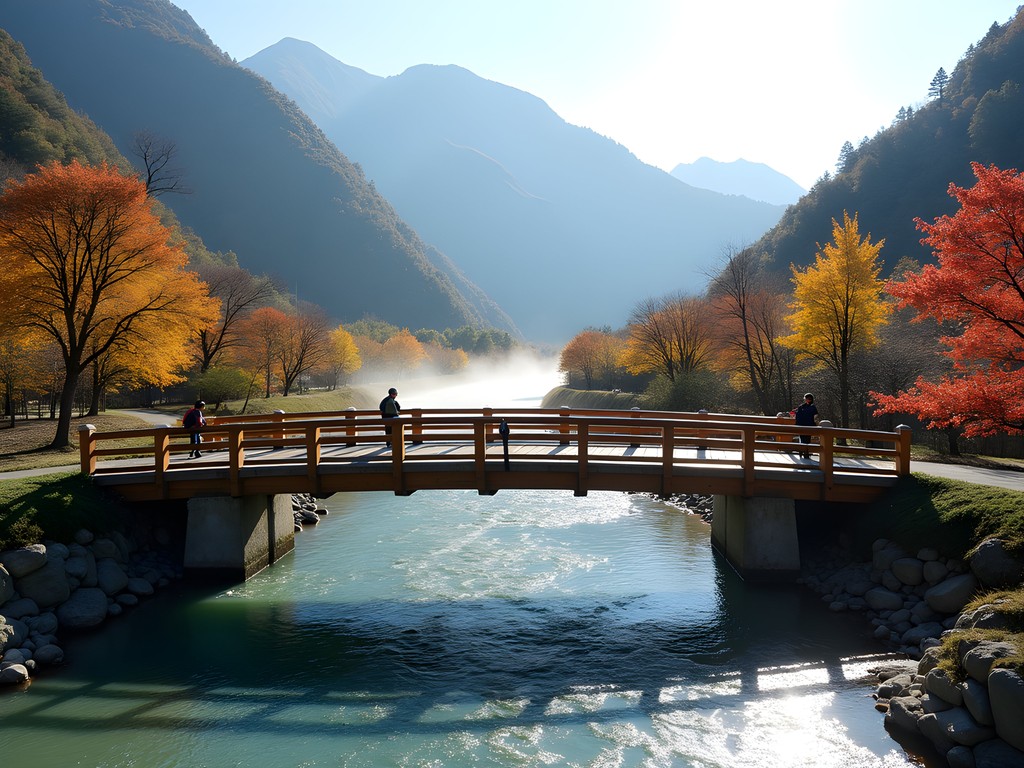
While Matsumoto itself offers plenty to explore, its proximity to the Japanese Alps provides opportunities for nature immersion. Kamikōchi, a protected highland valley about 90 minutes from Matsumoto by bus, became my sanctuary for two days of this journey.
The valley, situated at 1,500 meters elevation, offers gentle hiking trails alongside the crystal-clear Azusa River. As an educator who spends days surrounded by the energetic chaos of young children, I found profound restoration in this landscape. The Japanese concept of shinrin-yoku (forest bathing) came alive as I walked beneath larch trees turning golden in the autumn light.
I stayed overnight at the modest but comfortable Kamikōchi Nishi-itoya Mountain Lodge, allowing me to experience the valley after day-trippers departed. This decision proved invaluable—watching the alpenglow illuminate the peaks of Hotaka and Yakedake from the wooden deck of the lodge, completely alone except for curious macaque monkeys, was worth the additional expense.
My hiking daypack proved perfect for carrying essentials while keeping my hands free for photography and occasional note-taking. The trails here are well-maintained and suitable for intermediate hikers, though proper footwear is essential as some sections can be slippery after rain.
💡 Pro Tips
- Private vehicles aren't permitted in Kamikōchi—use the direct buses from Matsumoto Bus Terminal
- Book accommodation well in advance if staying overnight, especially during autumn foliage season
- Pack layers as mountain temperatures can change rapidly, even in autumn

Culinary Discoveries: Beyond the Guidebooks
Matsumoto's culinary scene balances traditional flavors with surprising innovation—something I might have missed had I not ventured beyond typical tourist recommendations. My background in early childhood education has taught me that the most meaningful learning happens through curiosity and conversation, an approach that served me equally well in discovering Matsumoto's food culture.
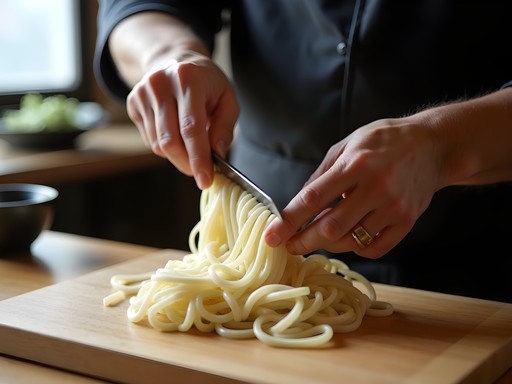
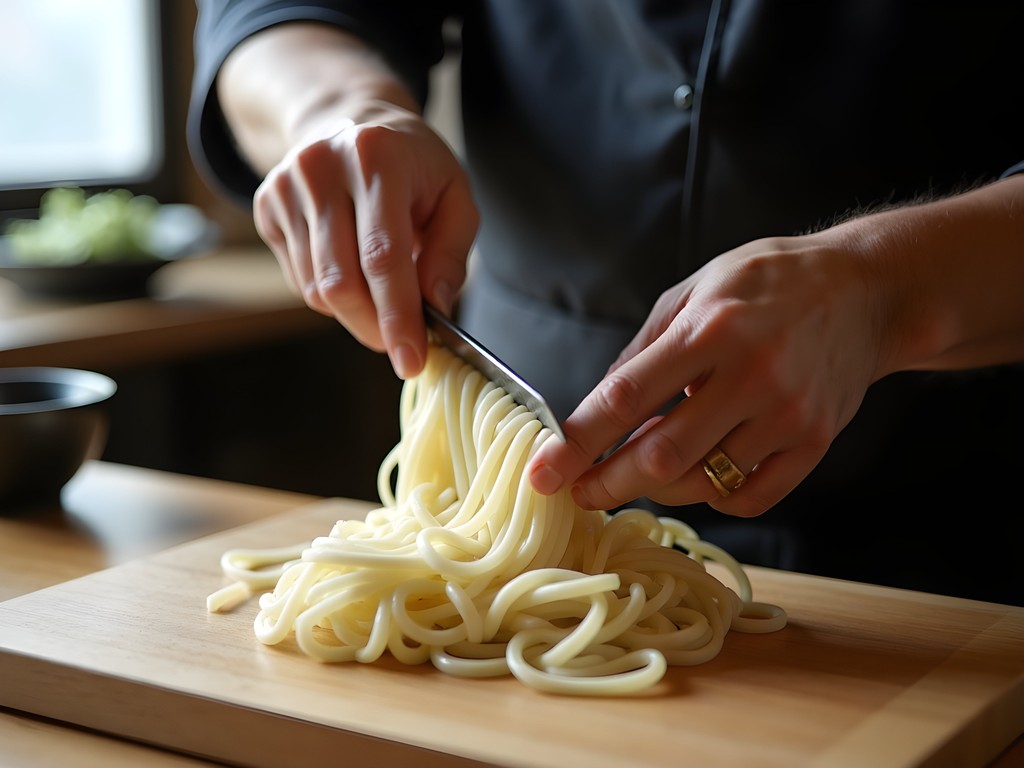
Soba noodles reign supreme here, with the region's pure mountain water and climate creating ideal conditions for buckwheat cultivation. At Takagi, a third-generation soba shop, I watched masters hand-cut noodles with rhythmic precision before enjoying them with nothing more than a simple tsuyu dipping sauce that allowed their nutty flavor to shine.
One evening, following a recommendation from my ryokan host, I found myself at Hikariya Nishi, an izakaya housed in a 130-year-old former kimono shop. The chef, noticing my interest in the preparation techniques, invited me to sit at the counter where we conversed in my limited Japanese supplemented by his occasional English. What followed was a procession of small plates highlighting local ingredients: horse sashimi (a regional specialty), tempura mountain vegetables, and sake-steamed river fish.
I captured these culinary experiences with my mirrorless camera, whose discreet size and excellent low-light performance proved ideal for documenting meals without disturbing the intimate atmosphere of these establishments.
💡 Pro Tips
- Most restaurants close earlier than in Tokyo—plan for dinner around 6-7 PM
- Look for restaurants displaying the 'Shinshu Food' logo, indicating they use local ingredients from Nagano Prefecture
- Many smaller establishments don't accept credit cards—carry sufficient cash
Finding Connection in a Traditional Ryokan
For accommodations, I chose a modest ryokan (traditional inn) rather than a modern hotel—a decision that transformed my experience of Matsumoto. Ryokan Seifuso, located in a quiet residential area about 15 minutes' walk from the castle, has been operated by the same family for four generations.
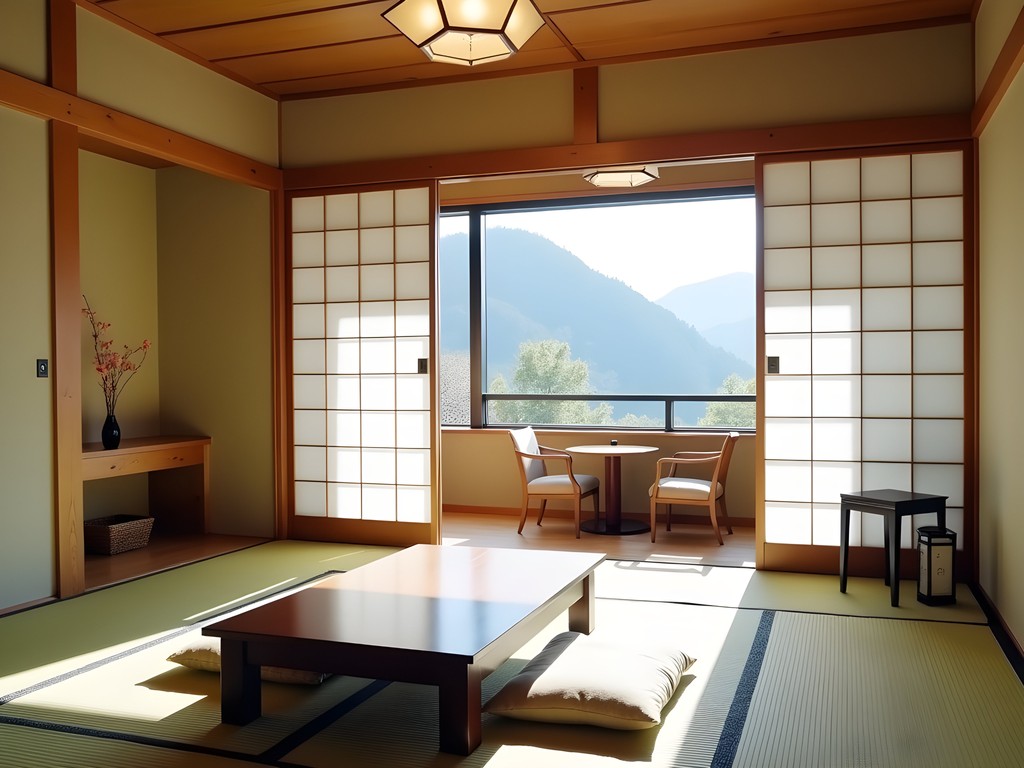
My room featured tatami floors, sliding fusuma doors, and a small alcove with seasonal ikebana arrangements that changed daily. Each morning began with a traditional Japanese breakfast served in my room—grilled fish, tamago, miso soup, and small seasonal side dishes arranged with the thoughtful precision that characterizes Japanese cuisine.
What distinguished this stay was the genuine connection formed with the okami-san (proprietress), Yamada-san. Upon learning of my Japanese heritage and interest in education, she introduced me to her daughter who teaches at a local elementary school. This led to an impromptu invitation to visit the school, where I observed striking differences and similarities between Japanese and American early childhood education approaches—an unexpected professional development opportunity within my vacation.
While ryokan stays typically cost more than business hotels, the cultural immersion they provide is invaluable. I recommend bringing a small travel slippers for comfort, as you'll remove shoes upon entering and house slippers aren't always available in larger sizes for Western guests.
💡 Pro Tips
- Communicate your dinner time and dietary restrictions in advance if booking meals with your stay
- Bathing at specific times is customary in ryokans with shared facilities—ask about schedules upon check-in
- Small gifts for your hosts are appreciated—I brought specialty chocolates from California
Final Thoughts
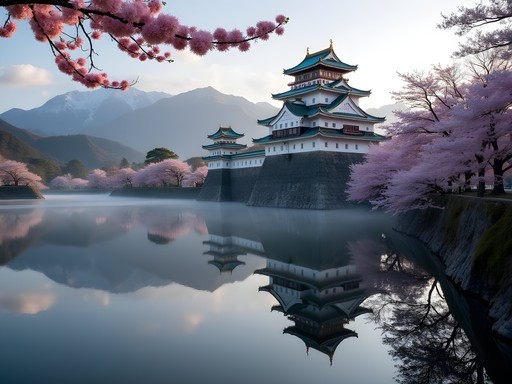
As my train pulled away from Matsumoto Station, I found myself already planning a return visit—perhaps in spring when the castle is framed by cherry blossoms, or winter when the mountains wear their snow mantles. What makes Matsumoto exceptional isn't just its physical beauty or historical significance, but the pace it affords the thoughtful traveler. In our increasingly connected world, finding spaces that encourage disconnection becomes ever more valuable.
For the solo traveler seeking to understand Japan beyond its metropolitan centers, Matsumoto offers an accessible entry point to a more contemplative experience. The city balances preservation with progress, maintaining cultural authenticity while providing sufficient infrastructure for international visitors.
As an educator and perpetual student of cultural heritage, I've found that the most meaningful travel experiences often happen in these intermediate spaces—neither completely off the beaten path nor overwhelmed by tourism. Matsumoto occupies this sweet spot perfectly, inviting visitors to slow down, look closer, and perhaps, as I did, find unexpected connections to both personal heritage and universal human experience.
✨ Key Takeaways
- Matsumoto offers an authentic Japanese experience with significantly fewer crowds than popular destinations like Kyoto or Tokyo
- Staying in a traditional ryokan creates opportunities for meaningful cultural exchange beyond typical tourist experiences
- The city serves as an excellent base for exploring the Japanese Alps, particularly Kamikōchi
- Autumn provides ideal conditions with comfortable temperatures, minimal rainfall, and spectacular foliage
📋 Practical Information
Best Time to Visit
Mid-October to early November for autumn colors; April for cherry blossoms
Budget Estimate
$100-150 per day including mid-range accommodation, meals, and activities
Recommended Duration
5-7 days including day trips
Difficulty Level
Moderate (Some Walking Required, Basic Japanese Helpful But Not Essential)
Comments
wanderingfoodie
Just got back from Matsumoto last week and can confirm everything in this post! Would add that the Matsumoto City Museum of Art has an amazing Yayoi Kusama collection for art lovers. And don't miss the local specialty - soba noodles! The buckwheat grown in Nagano Prefecture makes them extra special.
Jonathan Takahashi
Great additions! I did try the soba but completely missed the museum - sounds like I need to go back!
sakuralover77
That shot of Matsumoto Castle is absolutely stunning! What time of day did you take it?
islandchamp
Love the castle pics! Worth staying overnight?
Jonathan Takahashi
Absolutely! I'd recommend at least 2 nights. The castle is lit up in the evening which is magical, and you'll want a full day for Kamikōchi if you decide to go.
islandchamp
Perfect! Just booked a ryokan for 3 nights. Can't wait!
Frank Garcia
Really enjoyed this write-up, Jonathan! I backpacked through Japan last year and completely missed Matsumoto - what a mistake. The way you described Kamikōchi has me convinced to make it a priority on my return trip. How difficult was the transportation from Matsumoto to Kamikōchi? I've heard the bus system can be tricky in the off-season. Also, did you find that English was widely spoken or did you rely on translation apps? I've been using Japanese phrasebook but always curious how others manage the language barrier in less-touristy spots.
Jonathan Takahashi
Thanks Frank! The bus to Kamikōchi was actually pretty straightforward even in autumn - they run less frequently outside peak season but are reliable. From Matsumoto Station, there's a direct bus that takes about 1.5 hours. As for language, basic English was understood at hotels and main attractions, but I definitely relied on Google Translate in smaller shops and restaurants. Having some basic phrases helped tremendously!
Frank Garcia
That's super helpful, cheers! I'll make sure to download offline translation before heading to the more rural areas.
moonace
This is exactly what I've been looking for! So tired of the Tokyo-Kyoto-Osaka circuit that everyone does. Matsumoto looks incredible!
Jonathan Takahashi
Thanks moonace! It really is a breath of fresh air compared to the standard tourist route. Let me know if you end up going!
moonace
Will do! Definitely adding it to my itinerary for next spring.
Nicole Russell
YES to all of this! Matsumoto was such a highlight of my solo Japan trip last year. The vibe is completely different from Tokyo—so much more relaxed and manageable. I actually felt comfortable exploring as a solo female traveler in a way that Tokyo sometimes felt overwhelming. The castle at sunset is MAGICAL. Pro tip: get there right when it opens to avoid even the small crowds. And definitely walk along the river in the evening—so peaceful!
globemood
This looks amazing! How many days would you recommend staying? Planning Japan trip for next fall and trying to figure out the itinerary.
Jonathan Takahashi
I'd say 2-3 days is ideal. One day for the castle and town, one day for Kamikōchi if you're into nature, and maybe an extra day to just relax and explore at your own pace. It's worth not rushing!
nomadseeker
Agree with Jonathan. 3 days is the sweet spot.
nomadseeker
Spent 4 days in Matsumoto last year and it was one of my favorite stops in Japan. The castle is obviously the main draw but wandering around the old merchant district was just as memorable. Found this tiny soba shop down a side street that had the best noodles I've ever had. No English menu, just pointed at what the locals were eating lol. Also if you're into hiking, the Northern Alps are RIGHT there. Did a day hike from Kamikōchi and the views were insane.
Megan Martin
Jonathan, excellent post! I visited Matsumoto last fall during a work trip to Tokyo and it was the perfect escape. I'd add that the Daio Wasabi Farm is also worth a visit if you have time—about 30 minutes by train. The wasabi soft-serve ice cream sounds odd but it's surprisingly delicious. Also stayed at a small ryokan near Nakamachi Street and the hosts were incredibly welcoming. Matsumoto really does offer that authentic Japanese experience without the overwhelming crowds.
Jonathan Takahashi
Thanks Megan! I actually missed the wasabi farm—adding it to my list for next time. Which ryokan did you stay at?
Megan Martin
It was called Marumo Ryokan. Small, family-run place. Nothing fancy but very authentic and affordable.
roampro
How easy is it to get to Kamikōchi from Matsumoto? Thinking about doing this trip in spring but not sure about the logistics.
Jonathan Takahashi
Super easy! There's a direct bus from Matsumoto Station that takes about 90 minutes. Just note that the road is closed in winter (mid-November to late April usually). Spring is perfect timing!
roampro
Perfect, thanks!
Venture X
Premium card with 2X miles, $300 travel credit, Priority Pass