
Disclosure: This article contains affiliate links. We may earn a commission from purchases at no extra cost to you, which helps our travel content.
Farmington surprised me. As someone who spends my days measuring spaces and documenting urban patterns, I expected a simple stopover town. Instead, I found a living workshop where high desert landscapes meet centuries-old craft traditions. This junction city where the Animas, La Plata, and San Juan rivers converge serves as more than just a gateway to Navajo Nation—it's a place where indigenous artisans, fossil hunters, and modern makers create their own distinctive urban fabric. Here's my week-long solo journey mapping this underrated corner of the Four Corners.

Navigating Farmington Solo: Orientation and First Impressions
Farmington's layout initially confused my surveyor's brain—it sprawls across river valleys without the typical grid pattern I'm used to in Louisville or Miami. The city stretches along US-64 and US-550, with neighborhoods tucked into mesas and river bends. I based myself at a modest motel near downtown on Main Street, which gave me walkable access to local eateries and the Farmington Museum.
As a solo traveler, I appreciated Farmington's small-town accessibility. Unlike more tourist-heavy destinations, locals here make genuine eye contact and offer unsolicited directions. The woman at the coffee shop on Main Street drew me a hand-sketched map to the Salmon Ruins, complete with notes about where to spot roadrunners. That human touch matters when you're traveling alone.
One essential I'm glad I packed: my portable water filter. The high desert climate (elevation 5,400 feet) dehydrates you faster than you realize, and having safe drinking water access during long drives to remote sites was crucial.
💡 Pro Tips
- Download offline maps before arriving—cell service gets spotty outside town limits
- Acclimate to the elevation for at least 24 hours before strenuous hiking
- Fill your gas tank whenever it drops below half; distances between services are deceptive
- Respect photography restrictions at cultural sites—always ask permission first
Mapping Indigenous Craft Traditions: Navajo Weavers and Silversmiths
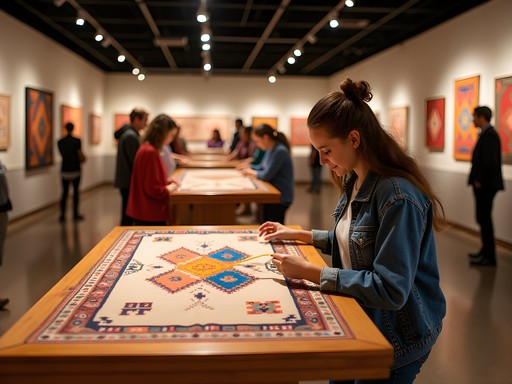
This is where Farmington revealed its true character. The city sits adjacent to the Navajo Nation, and indigenous artisans maintain studios and workshops throughout the area. I spent two full days visiting weaving cooperatives and silversmith studios, documenting the spatial organization of these maker spaces with the same attention I'd give to a bourbon distillery back home.
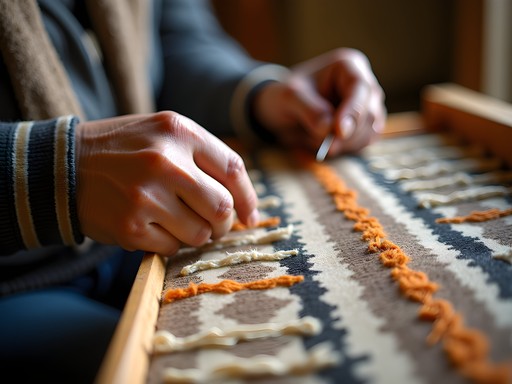
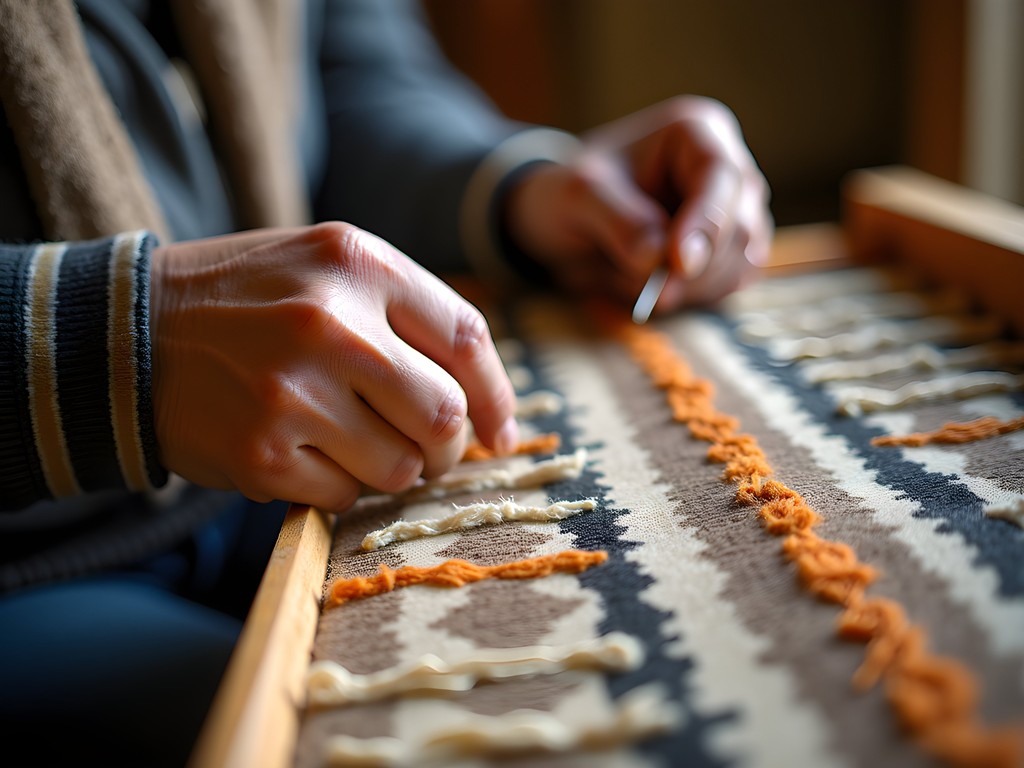
At the Fifth Generation Trading Company, I watched master weaver Eleanor Yazzie work a traditional vertical loom. The precision required—counting threads, maintaining tension, visualizing complex geometric patterns—reminded me of survey work. Eleanor explained how each pattern tells a story, mapping family histories and clan relationships through wool and dye.
The silversmithing process fascinated me equally. At Hogback Trading Company (about 20 minutes west of Farmington), I observed artists transforming raw silver into intricate squash blossom necklaces using techniques passed through generations. The workshop's layout—torch stations, anvils, polishing wheels—created an efficient production flow that any modern factory would envy.
I purchased a simple silver ring with a turquoise stone directly from the artist. Having that one-on-one transaction, hearing the story behind the stone's origin, made the piece meaningful beyond its beauty. For solo travelers, these intimate workshop visits offer genuine connection without the pressure of group tour dynamics.
💡 Pro Tips
- Bring cash—many artists and trading posts prefer it over cards
- Learn basic Navajo greetings (Yá'át'ééh means hello); the effort is appreciated
- Visit multiple trading posts to understand price ranges before purchasing
- Ask about the artist's name and story—reputable sellers provide this information freely
- Photography inside trading posts and workshops usually requires permission
Fossil Hunting and Geological Mapping: Bisti Badlands Adventure
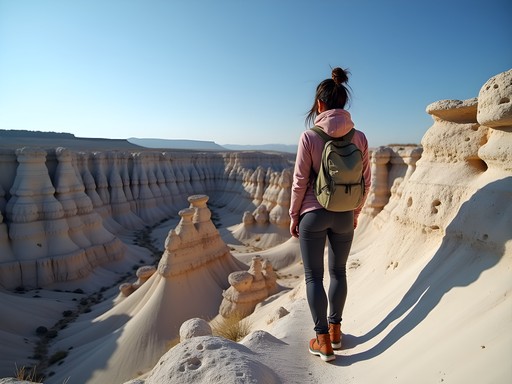
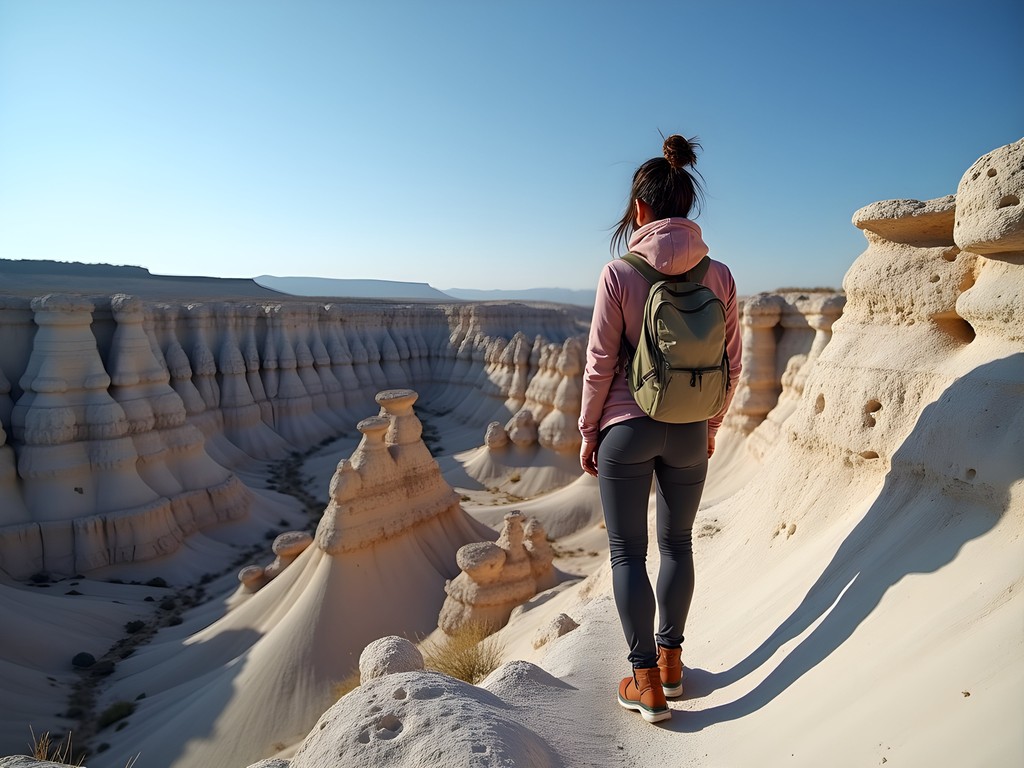
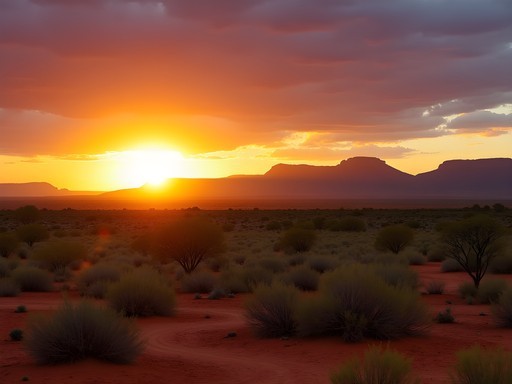
My surveyor background prepared me perfectly for the Bisti/De-Na-Zin Wilderness—a 45,000-acre otherworldly landscape of eroded mudstone formations about 35 miles south of Farmington. This requires intermediate hiking skills and serious navigation preparation. There are no marked trails, no facilities, and cell service is nonexistent.
I hired a local guide for my first day (highly recommended for solo travelers), then returned alone the following day with confidence. The landscape reads like a geological survey map brought to three-dimensional life: 70-million-year-old rock layers exposed by erosion, each stratum telling stories of ancient seas and swamps.
The formations—hoodoos, balanced rocks, petrified wood logs—create natural sculpture gardens. I spent hours photographing and sketching the spatial relationships between formations, using my handheld GPS to mark locations and ensure I could navigate back. The device proved essential; the landscape's sameness can disorient even experienced hikers.
I found several small fossils (leave them undisturbed—it's federal land) and countless petrified wood fragments glittering with quartz crystals. The silence out there is profound. As a solo traveler, I found the solitude meditative rather than lonely—a rare opportunity to completely disconnect.
Practical note: I wore my gaiters which kept the fine desert sand out of my boots during the six-mile hike. That sand infiltrates everything otherwise.
💡 Pro Tips
- Start hiking at dawn—afternoon heat can be dangerous even in fall
- Carry twice as much water as you think you need (I brought 4 liters)
- Wear long pants and sleeves for sun protection and against sharp rock edges
- Download GPS coordinates for parking area and key formations before losing signal
- Tell someone your hiking plan and expected return time

Urban Exploration: Farmington's Maker Spaces and Breweries
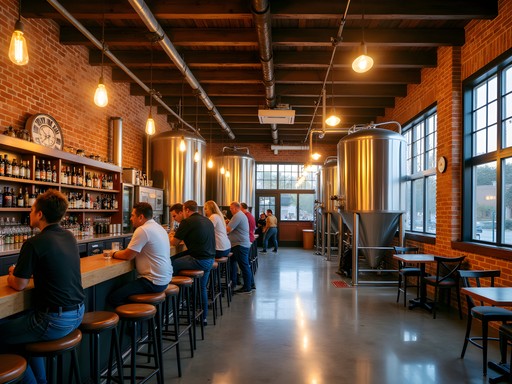
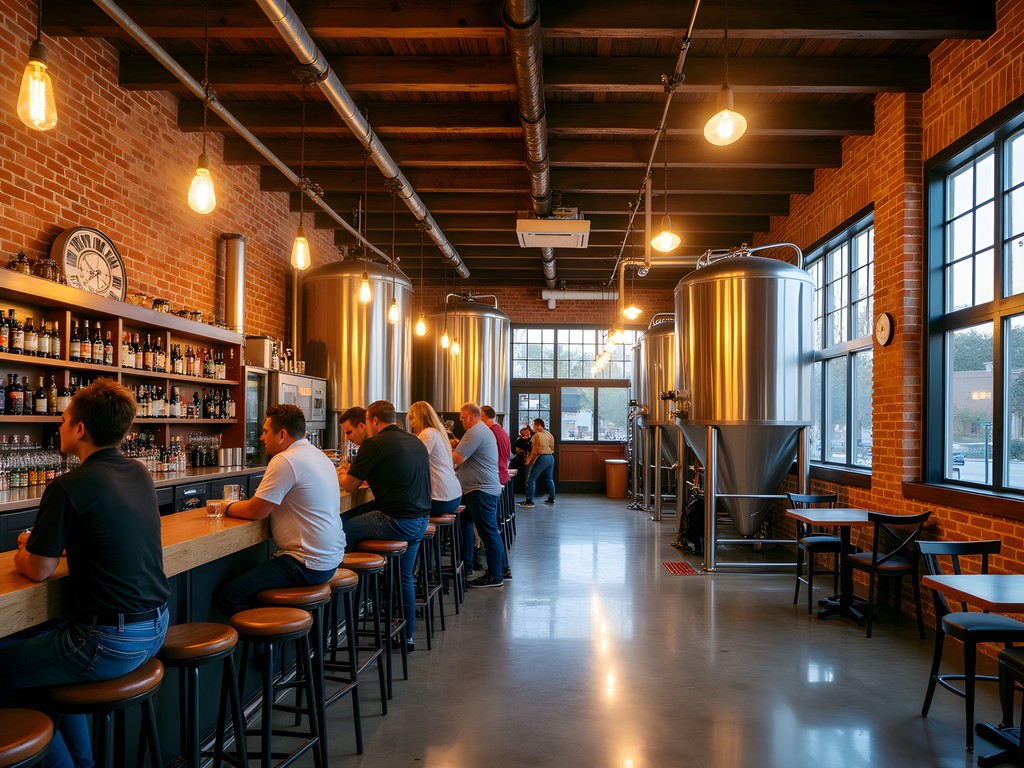
After days in the wilderness, I craved urban spaces again. Farmington's small craft scene surprised me with its quality and authenticity. Three Rivers Brewery occupies a converted industrial building near the Animas River—exactly the kind of adaptive reuse project I love documenting.
The brewery's layout maximizes the building's original character: exposed brick walls, steel I-beams, concrete floors polished to a sheen. The brewing equipment sits behind glass, letting customers watch the process. I chatted with the head brewer about fermentation temperatures and water chemistry—conversations that paralleled my discussions with bourbon distillers on the Kentucky trail.
I also discovered the E3 Children's Museum & Science Center, which houses an impressive maker space program. While designed for kids, the facility showcases how Farmington invests in hands-on learning and craft skills. The woodworking and robotics labs reminded me why I'm passionate about documenting these spaces—they're where traditional craftsmanship meets modern innovation.
For solo travelers seeking evening activities, the Farmington Civic Center hosts regular events. I caught a Native American dance performance that provided cultural context for everything I'd experienced at the trading posts. The $15 ticket included post-performance discussions with the dancers—invaluable for understanding the living traditions behind the crafts.
💡 Pro Tips
- Breweries and restaurants close earlier than in major cities—plan dinner by 8 PM
- The Farmington Museum offers free admission and excellent regional history exhibits
- Ask locals about current events—the community calendar is active but not well-advertised online
- Solo diners are common and welcomed at restaurant bars; great for conversation
Day Trips and Extended Mapping: Chaco Canyon and Aztec Ruins
Farmington's strategic location makes it perfect for day trips to major archaeological sites. I dedicated one day to Chaco Culture National Historical Park (about 90 minutes south on rough roads) and another to Aztec Ruins National Monument (just 15 minutes northeast).
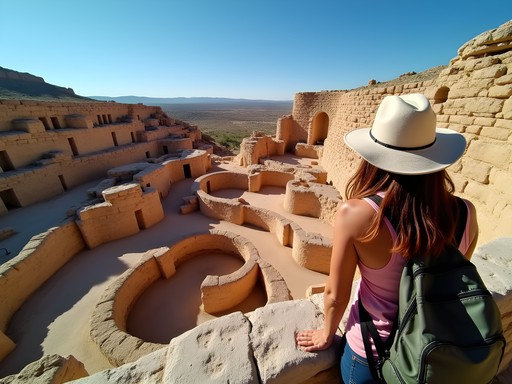
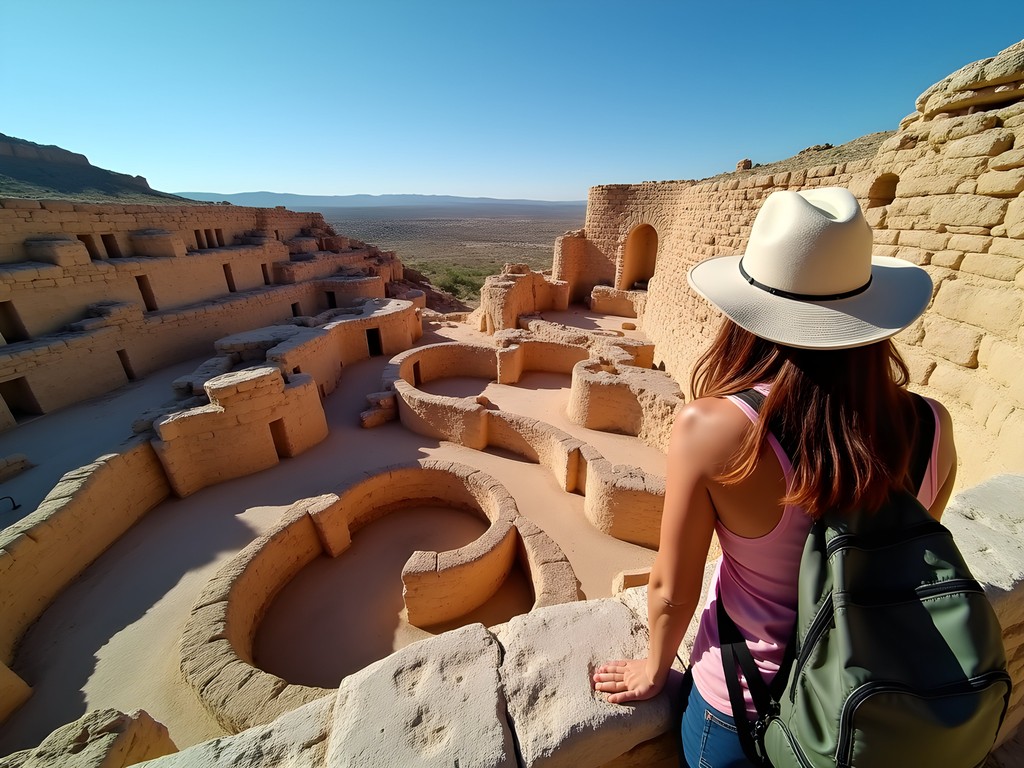
Chaco Canyon represents perhaps the most sophisticated pre-Columbian architecture north of Mexico. As someone who measures buildings professionally, I was awestruck by the precision of these 1,000-year-old structures. The great houses align with solar and lunar cycles, demonstrating astronomical knowledge that rivals any surveying work. The site requires a full day—I spent six hours exploring the major structures and hiking to the petroglyphs.
The drive to Chaco tests your vehicle and patience (21 miles of washboard dirt road), but my rental sedan managed fine in dry fall conditions. I packed my portable jumper cables just in case—the isolation out there means self-sufficiency matters.
Aztec Ruins, despite the misleading name (it's actually Ancestral Puebloan), offers a more accessible experience. The reconstructed Great Kiva—a massive circular ceremonial chamber—lets you physically enter the space and understand its acoustic properties and spatial design. For solo travelers, the site's compact size and proximity to Farmington make it perfect for a morning visit.
Both sites deepened my appreciation for indigenous engineering and spatial planning. The sophisticated water management systems, solar alignments, and community organization rival anything I've documented in modern urban planning.
💡 Pro Tips
- Chaco Canyon requires high-clearance vehicles after rain—check conditions before driving
- Bring all food and water for Chaco; there are no services for 50+ miles
- Aztec Ruins offers ranger-led tours at 11 AM and 2 PM—worth timing your visit
- Purchase the Four Corners regional pass if visiting multiple sites
- Wear sturdy shoes; both sites involve climbing ancient stone stairs and uneven surfaces
Solo Travel Reflections: Finding Community in Unexpected Places
Traveling solo through Farmington taught me that connection doesn't require tourist infrastructure. The best conversations happened in unexpected places: with a Navajo silversmith explaining clan systems, with a paleontology enthusiast at the brewery discussing fossil formation, with the motel owner who drew me a map to her favorite sunrise viewpoint.
As someone who spends workdays measuring physical spaces, this trip reminded me that a place's true dimensions include its people and traditions. Farmington doesn't market itself aggressively to tourists, which means the experiences feel authentic rather than performed. You're not a customer here—you're a guest.
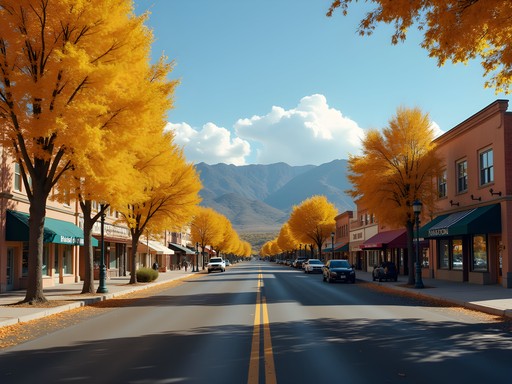
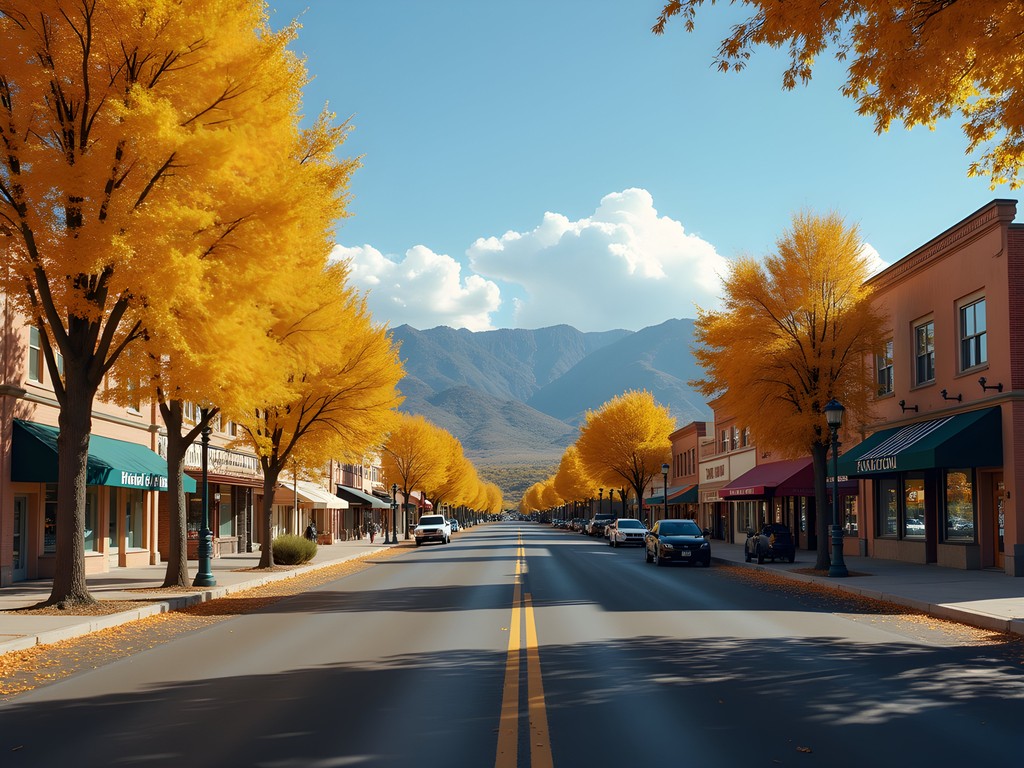
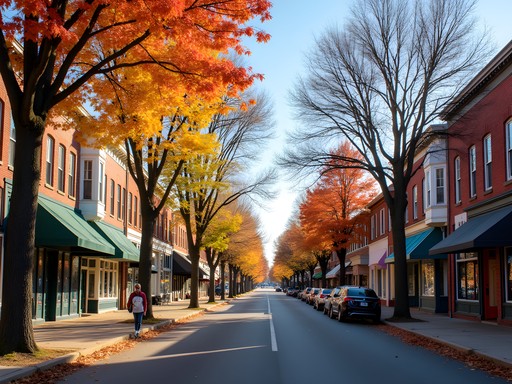
The fall timing proved ideal. Daytime temperatures in the 60s-70s°F made hiking comfortable, while cool evenings (dropping to the 40s) were perfect for brewery visits. The cottonwoods along the rivers blazed gold, and I had trails and sites largely to myself—a solo traveler's dream.
My week-long budget came to approximately $850, including a modest motel ($65/night), rental car ($45/day), gas, meals at local spots ($25-35/day), site entrance fees, and one guided tour. This is remarkably affordable compared to more popular Southwest destinations.
💡 Pro Tips
- Embrace the slower pace—Farmington rewards patient observation over rushed sightseeing
- Support indigenous artists by purchasing directly rather than from resale shops
- Keep a detailed journal; the cultural and geological information accumulates quickly
- Solo travelers should prioritize safety in remote areas but not let fear prevent exploration
- Consider visiting during the Totah Festival (September) for concentrated cultural programming
Final Thoughts
Farmington won't appear on most Southwest itineraries, and that's precisely its appeal. This working town at the convergence of rivers and cultures offers solo travelers something increasingly rare: authentic experiences without tourist infrastructure's mediating layer. Whether you're documenting indigenous craft traditions, hiking through geological wonderlands, or simply mapping the patterns of a place that refuses to be just a gateway, Farmington rewards those who look beyond the surface.
My surveyor's training taught me that the most interesting features often hide in plain sight, waiting for someone to measure them properly. Farmington is exactly that kind of place—a destination that reveals its coordinates slowly, to travelers willing to navigate without a predetermined route.
If you're a solo traveler seeking adventure beyond the typical Southwest circuit, add Farmington to your map. Bring your curiosity, respect for indigenous cultures, and willingness to explore both wilderness and workshop spaces. The discoveries you make here will recalibrate your understanding of what makes a place worth visiting.
✨ Key Takeaways
- Farmington offers authentic cultural experiences and outdoor adventures without tourist crowds
- Solo travelers will find genuine local connections and safe, accessible exploration opportunities
- The city's location enables day trips to world-class archaeological sites and wilderness areas
- Fall provides ideal weather conditions and golden cottonwood landscapes
- Budget-conscious travelers can experience a week of adventure for under $1,000
📋 Practical Information
Best Time to Visit
Fall (September-November) for ideal temperatures and autumn colors; spring (April-May) is also excellent
Budget Estimate
$800-1,000 for one week including lodging, car rental, food, and activities
Recommended Duration
5-7 days to explore Farmington and surrounding sites without rushing
Difficulty Level
Intermediate—requires Comfortable Driving Long Distances And Hiking In Remote Areas With Basic Navigation Skills


Comments
backpacktime
YES!! Finally someone writing about places that aren't Sedona or Santa Fe! Been saying this for years - the real Southwest is in these working towns. Your photos of the badlands are incredible btw 🔥
Douglas Bradley
Really appreciate this perspective on Farmington. I passed through in 2024 on my way to Mesa Verde and completely underestimated it as just a fuel stop. Your section on the Indigenous craft traditions is particularly valuable - the relationship between place, material, and making is something we don't talk about enough in travel writing. Did you have any specific recommendations for connecting with weavers or silversmiths? I'm planning a return trip focused on traditional arts across the Four Corners region and would love to approach it more thoughtfully than just visiting trading posts.
Akiko Thomas
Thanks Douglas! I connected with artists through the Farmington Museum's visitor services - they maintain relationships with local artisans who are open to studio visits. Just be respectful about photography and understand that some techniques aren't shared publicly. The Navajo Nation Tourism Office also has a cultural etiquette guide that's really helpful.
wanderlustseeker
How did you get to Bisti Badlands without a car?
Akiko Thomas
I actually rented a car for that day trip - it's pretty much impossible without one. The badlands are about 40 miles south of Farmington with no public transit access. Totally worth it though!
wanderlustseeker
ok thanks! was hoping to avoid renting but makes sense
Venture X
Premium card with 2X miles, $300 travel credit, Priority Pass