Disclosure: This article contains affiliate links. We may earn a commission from purchases at no extra cost to you, which helps our travel content.
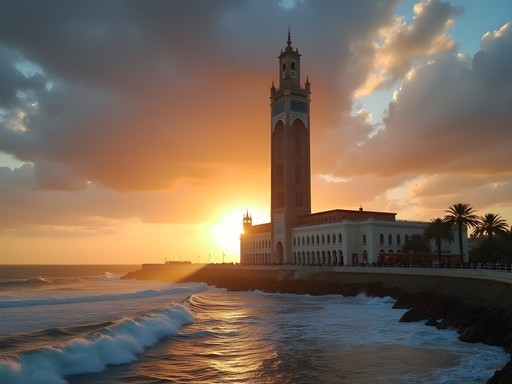
As I stood watching the Atlantic waves crash against the seawall near Hassan II Mosque, I couldn't help but think of my mother's restoration work on historic buildings back in Auckland. She would have marveled at this architectural masterpiece where Moroccan craftsmanship meets modern engineering. Having traversed Casablanca multiple times over the years—most recently last spring while researching traditional Moroccan equestrian practices—I've observed the city's evolution through a unique lens. While my experiences as a male traveler differ from those of solo female adventurers, I've gathered insights from the many women travelers I've befriended during my stays, including fellow teachers, journalists, and photographers who have navigated this multifaceted city alone. This guide distills their collective wisdom alongside my own observations, offering practical advice for women seeking to experience Casablanca's distinctive blend of tradition and modernity safely and authentically.

Safety Foundations: Navigating Casablanca with Confidence
Safety in Casablanca, like many global cities, begins with awareness rather than fear. The city presents a fascinating juxtaposition of French colonial architecture alongside traditional Moroccan design, creating an urban landscape that's both familiar and foreign to Western travelers.
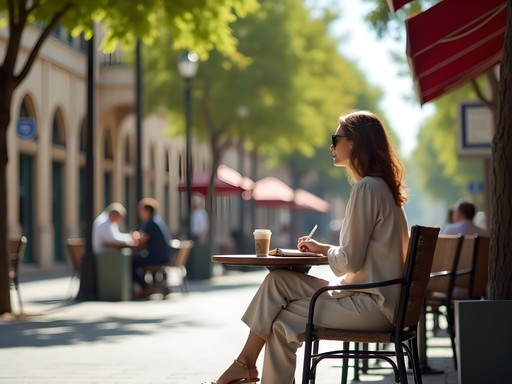
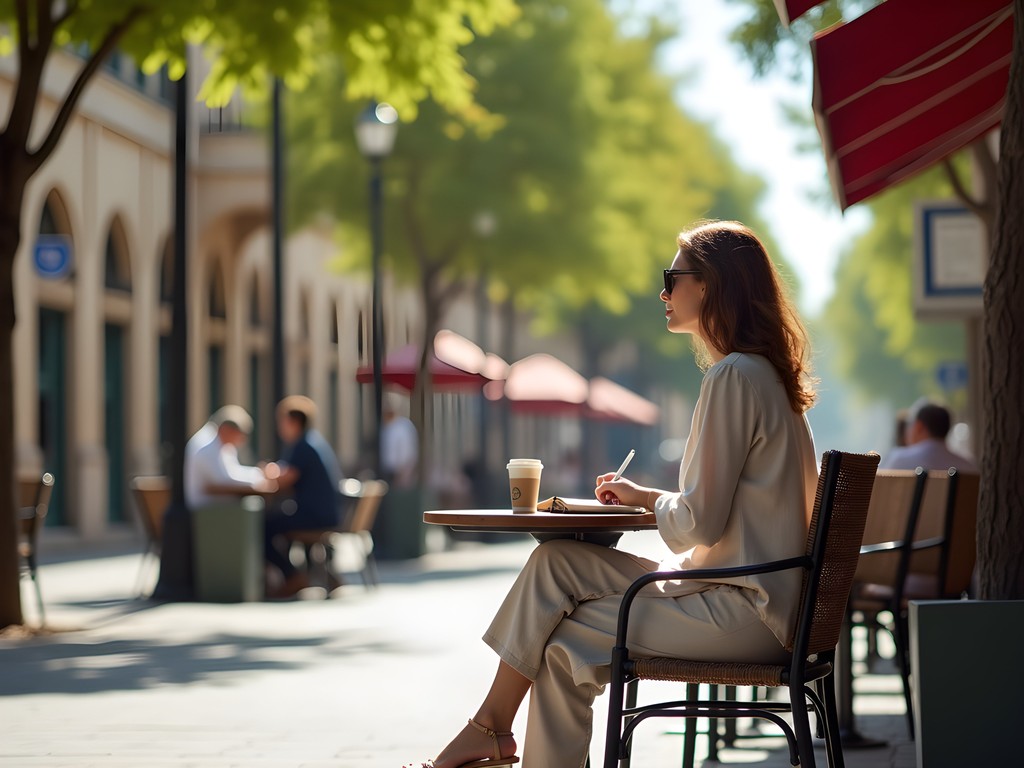
During my recent spring visit to research traditional tbourida horse performances, I stayed in the Gauthier district and found it particularly welcoming for solo travelers. This upscale neighborhood offers a comfortable base with its tree-lined streets and abundance of cafés where women can comfortably sit alone—something not always guaranteed in more traditional areas.
Most female travelers I've connected with emphasize that street harassment exists but is generally limited to persistent vendors and occasional catcalling rather than threatening behavior. One American teacher I met during my stay described it as 'annoying but manageable' when using basic precautions.
For navigations, I've found that Google Maps works reasonably well in central areas, but having an offline map is crucial for when service becomes spotty. The pocket wifi device that several of my female colleagues use provides reliable connectivity throughout the city, eliminating the stress of getting lost in unfamiliar neighborhoods.
Transportation deserves special attention. While petit taxis (small red cars) are generally safe, always insist on the meter (compteur) or agree on a price before departing. For evening outings, I recommend using the trusted Careem app (similar to Uber) rather than hailing taxis from the street—a practice endorsed by virtually every female expat I know in the city.
💡 Pro Tips
- Stay in Gauthier or Maarif neighborhoods for the most comfortable experience as a solo woman
- Dress modestly but not necessarily in local attire—knee-length skirts/dresses and tops covering shoulders strike the right balance
- Carry a crossbody bag with anti-theft features, especially in crowded areas like the medina
Cultural Immersion: Beyond the Tourist Trail
The essence of Casablanca isn't found in glossy brochures but in its everyday rhythms and lesser-known corners. While the magnificent Hassan II Mosque (rightfully) tops most itineraries, the city reveals its true character through experiences that connect visitors with local life.
During my stays, I've developed a morning ritual of visiting the small bakeries that dot residential neighborhoods. The pain au chocolat at these humble establishments often rivals anything I've tasted in Paris, and at a fraction of the price. One particular bakery near Parc de la Ligue Arabe—whose name I've promised the owner I wouldn't publicize—has become my sanctuary for quiet reflection before the city fully awakens.
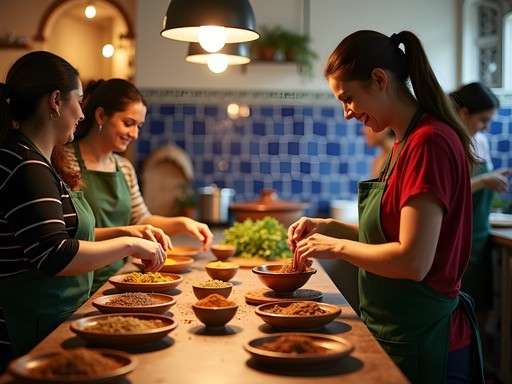
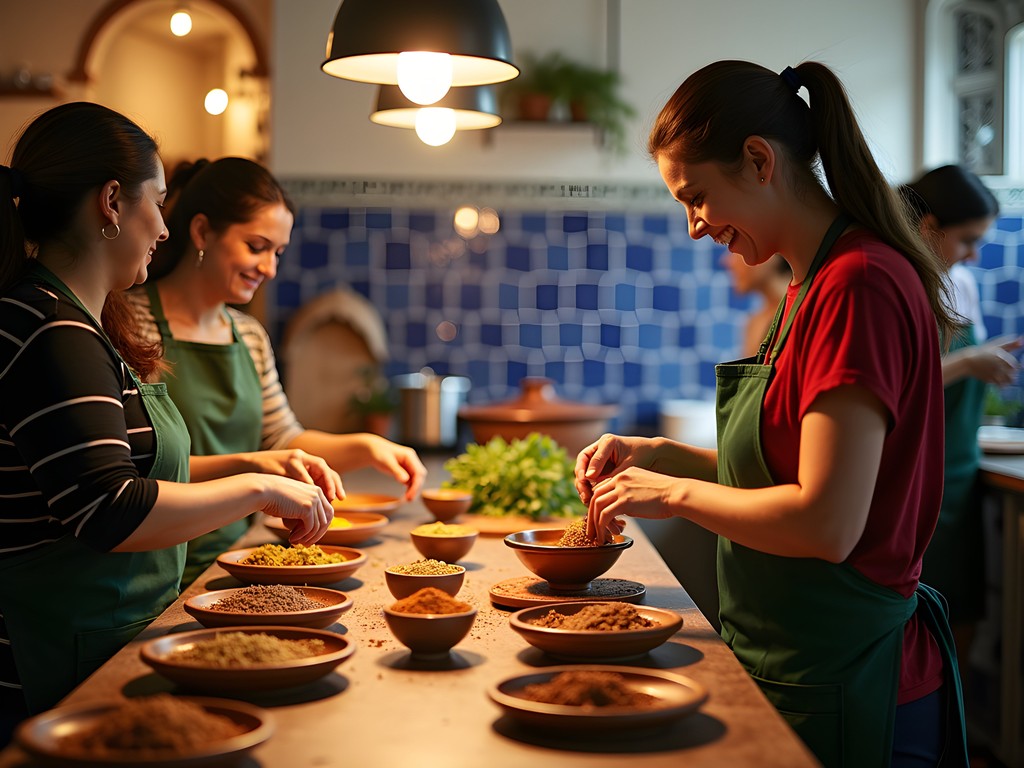
For female travelers seeking authentic cultural experiences with built-in safety, I recommend the cooking class at La Sqala, housed in an 18th-century fortress. Here, you'll learn to prepare traditional Moroccan dishes while connecting with other travelers and locals in a structured environment. The tagine techniques I learned here have become staples in my Wichita kitchen, much to my colleagues' delight.
The hammam experience represents another cultural cornerstone, though navigating this as a foreign woman can be intimidating. Rather than visiting neighborhood hammams where language barriers might create discomfort, consider Hammam de la Rose or Le Bain Bleu, which offer women-only hours and staff who speak English. My Japanese aunt, who visited me during my last stay, described her hammam experience as 'transformative—like being reborn' despite her initial hesitation.
For literary minds, I suggest browsing the Librairie des Colonnes in the Art Deco district. This bookshop stocks titles in multiple languages and often hosts readings where you might strike up conversations with Casablanca's intellectual set. I found my favorite Moroccan novel, The Happy Marriage by Tahar Ben Jelloun, during one such serendipitous visit.
💡 Pro Tips
- Book hammam experiences in advance and bring your own toiletries or purchase a hammam kit before your trip
- Visit the Museum of Moroccan Judaism—the only one of its kind in the Arab world—for insights into the country's diverse heritage
- Join a street food tour early in your trip to gain confidence navigating food options for the remainder of your stay
Accommodation Strategies: Safe Havens in the White City
Selecting the right accommodation forms the foundation of a successful solo journey in Casablanca. Beyond mere comfort, your choice determines neighborhood safety, accessibility to attractions, and opportunities for meaningful connections.
During my research visits tracking the influence of European racing traditions on Moroccan equestrian culture, I've experimented with various lodging styles across the city. For solo female travelers, I consistently recommend properties in three categories, each offering distinct advantages.
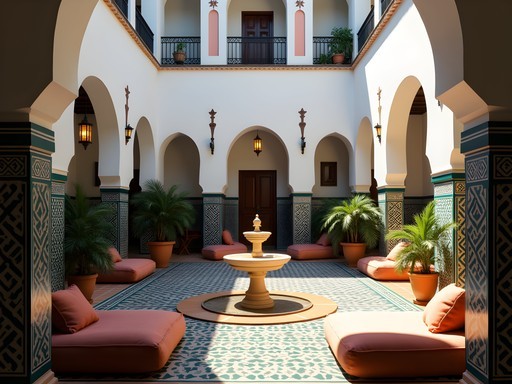
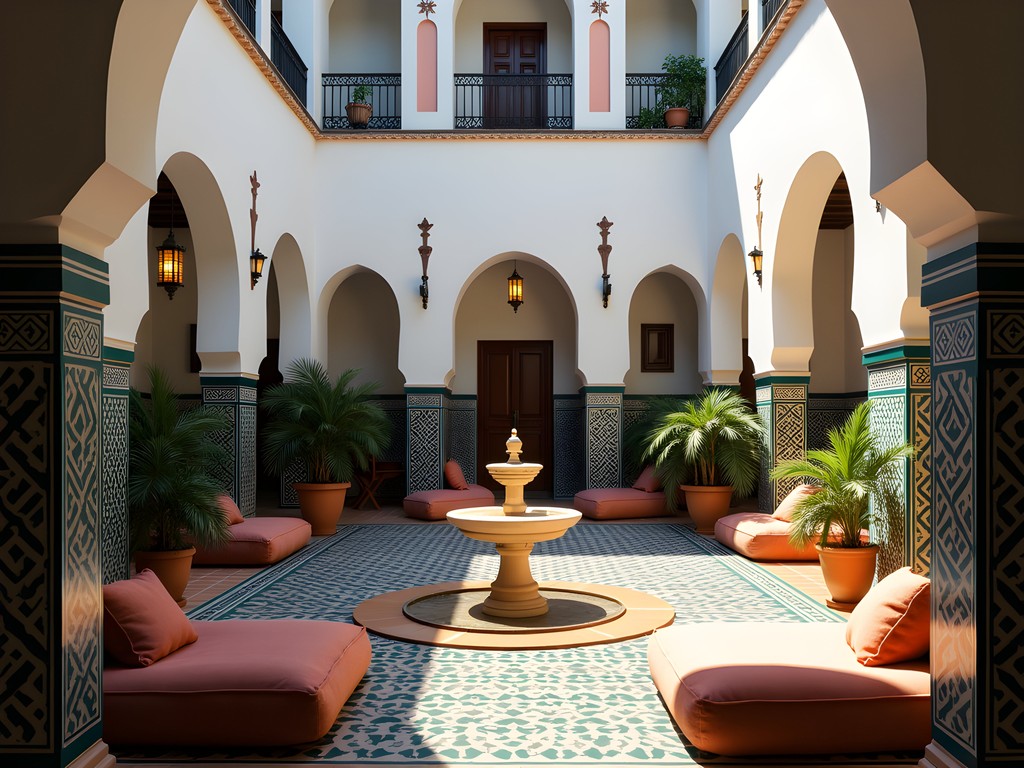
Boutique riads provide the most authentic experience, though quality varies dramatically. Riad Jnan Elfen in the Habous quarter offers the ideal balance of traditional architecture and modern amenities, with a particularly attentive female manager who looks after solo guests with maternal care. When my colleague Sophia from the English department visited last year, she mentioned feeling 'adopted' by the staff, who provided neighborhood orientation and arranged trusted transportation.
For those prioritizing Western comforts and security, the Sofitel Casablanca Tour Blanche delivers with its central location and comprehensive services. The property's ground-floor restaurant, L'Atelier Oriental, serves as an excellent base for solo dining without unwanted attention—a concern several female travelers have shared with me. The travel door alarm that my friend Emma always packs provides additional peace of mind, though major hotels maintain good security standards.
Perhaps most interesting for the socially-minded traveler is the emergence of female-focused co-living spaces. The concept, pioneered in Marrakech, has recently arrived in Casablanca with Roam Coliving offering monthly stays that include community events and networking opportunities. While primarily designed for digital nomads, they accept shorter bookings when space allows.
Regardless of accommodation type, I suggest requesting rooms away from ground level and street noise. My years teaching English in various countries have taught me that quality sleep forms the foundation of positive travel experiences—a truth that applies doubly when navigating unfamiliar cultural terrain alone.
💡 Pro Tips
- Email your accommodation in advance to arrange airport pickup—this eliminates the stress of negotiating with taxi drivers when you first arrive
- Choose properties with 24-hour reception desks if arriving on late flights
- Consider booking your first two nights in advance, then deciding whether to extend or change locations based on your comfort level

Connecting with Locals: Building Bridges Beyond Barriers
The most enriching dimension of solo travel often emerges through genuine connections with locals—something particularly valuable in a city like Casablanca, where Western perceptions frequently diverge from reality.
During my recent spring visit coinciding with the Festival of Andalusian Music, I witnessed how shared appreciation for cultural expressions can transcend language barriers. The festival, held annually at various venues including Teatro Cervantes, attracts a diverse audience united by appreciation for this unique musical tradition that bridges Moroccan and Spanish heritage. Several solo female travelers I met had formed impromptu friendships with local attendees simply by expressing genuine interest in the performances.
For more structured interactions, I recommend the language exchange gatherings organized through Tandem Casablanca, which meets weekly at Café Rihab near Place Mohammed V. These sessions pair English speakers with locals eager to practice language skills, creating natural opportunities for cultural exchange in a public setting. My former student Aisha, who now teaches in Rabat, credits these meetups with providing her most meaningful connections during her time in Morocco.
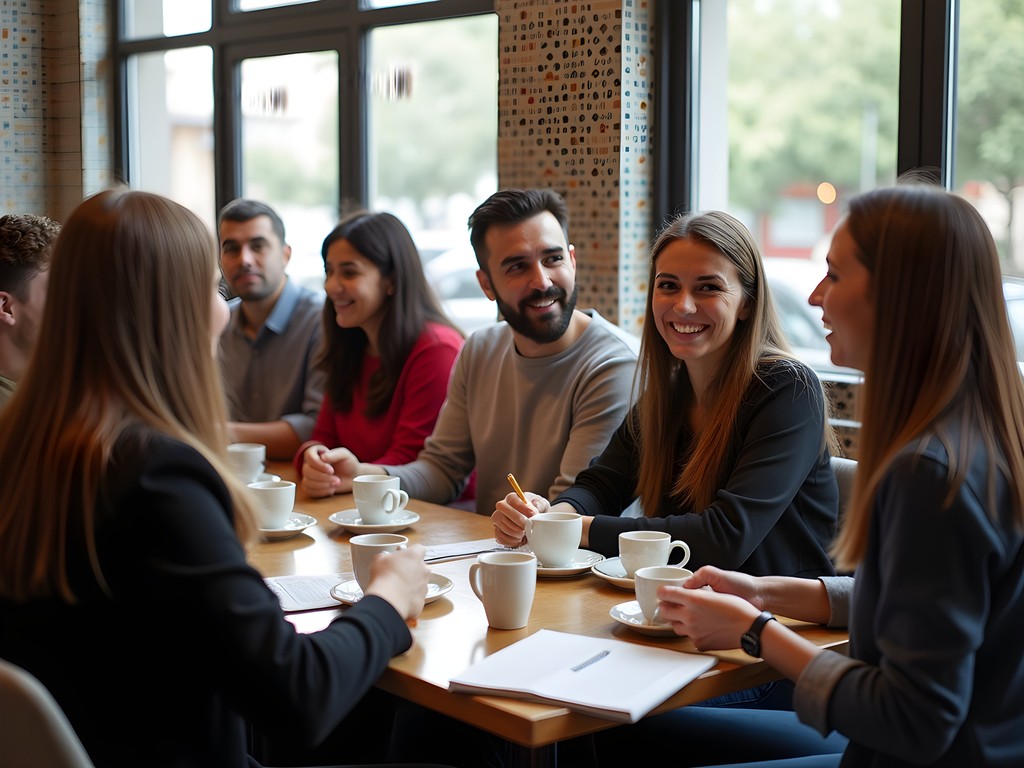
The burgeoning specialty coffee scene also offers fertile ground for organic interactions. At Crowd Café in the Gauthier district, the communal tables and creative atmosphere attract a progressive mix of locals and expatriates. I've spent many afternoons there working on my travel notes, inevitably drawn into conversations with neighboring tables. The pocket translator that I carry helps bridge communication gaps when my limited Darija (Moroccan Arabic) proves insufficient.
For women interested in Morocco's evolving gender dynamics, the Villa des Arts hosts regular exhibitions and talks by female Moroccan artists addressing contemporary social issues. These events attract forward-thinking locals open to engaging with international visitors on substantive topics beyond tourist pleasantries.
Perhaps most importantly, I've observed that approaching interactions with curiosity rather than assumptions creates space for authentic exchange. When I expressed interest in learning about Moroccan equestrian traditions, doors opened to experiences far removed from typical tourist itineraries—including an invitation to a private stable where women are increasingly participating in the traditionally male-dominated tbourida performances.
💡 Pro Tips
- Learn basic greetings in Darija (Moroccan Arabic) and French—even simple efforts are appreciated and often lead to warmer interactions
- Consider bringing small gifts from your home country to share with new friends—I've found that distinctive candy or handicrafts from Kansas make thoughtful tokens of appreciation
- Follow social media accounts like @casablancaevents before your trip to identify gatherings aligned with your interests
Fashion & Cultural Navigation: Dressing for Respect
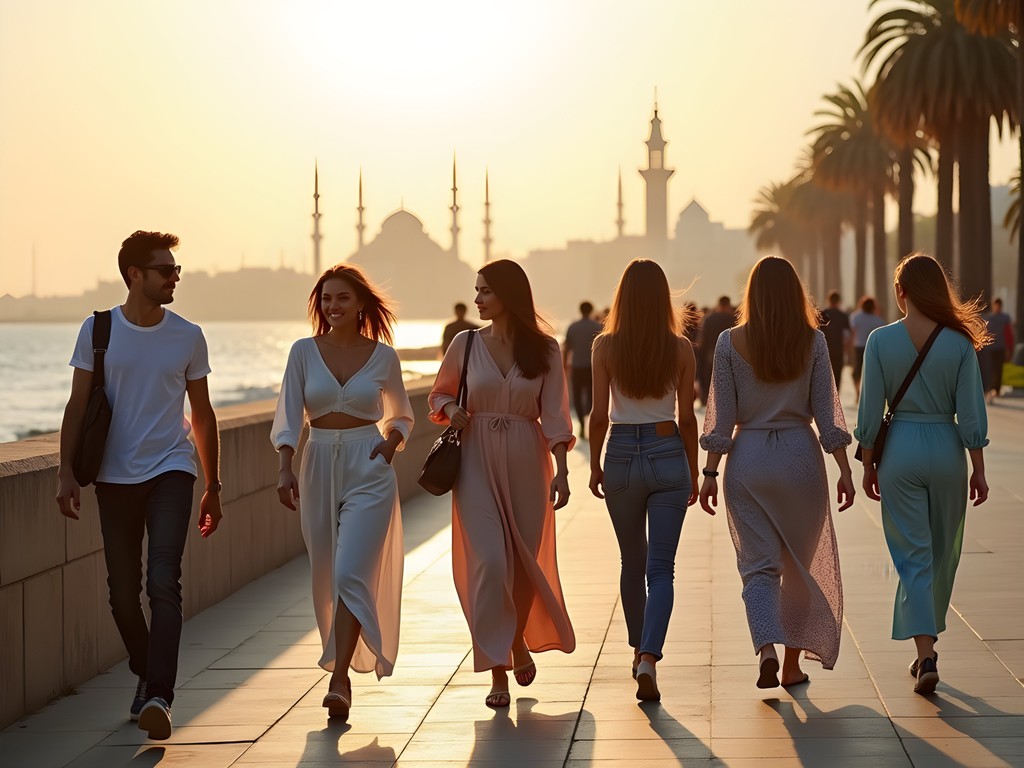
Navigating the sartorial landscape of Casablanca requires nuance that many travel guides oversimplify. Unlike more conservative Moroccan cities or rural areas, Casablanca embraces a cosmopolitan aesthetic that reflects its position as the country's commercial hub and gateway to Europe. However, thoughtful wardrobe choices still facilitate more comfortable experiences for solo female travelers.
During my spring visits, I've observed the city's fascinating fashion spectrum—from women in full traditional dress to others in contemporary Western attire. The key insight shared by my female friends and colleagues who've lived or traveled extensively in Casablanca is that context matters enormously.
In upscale districts like Anfa and Maarif, particularly around international hotels and upscale shopping centers like Morocco Mall, Western-style clothing rarely draws unwanted attention. However, when visiting residential neighborhoods or traditional markets, more modest choices demonstrate cultural respect and reduce unwelcome stares.
My friend Naomi, a British journalist who spent six months documenting women's entrepreneurship in Morocco, developed what she called her 'Casablanca capsule wardrobe'—versatile pieces that could be layered or adjusted throughout the day. Her essentials included several lightweight scarves that could be draped over shoulders when entering more traditional spaces and removed in contemporary settings.
For footwear, I've witnessed countless tourists regret their choice of flimsy sandals after encountering Casablanca's uneven sidewalks. The walking sandals that several of my female colleagues swear by offer the perfect balance of comfort, support, and style for long days exploring the city.
My Japanese heritage has made me particularly attuned to the concept of TPO (Time, Place, Occasion)—the understanding that appropriate attire shifts with context. This principle serves travelers well in Casablanca, where a morning visit to Hassan II Mosque might be followed by lunch at a cosmopolitan restaurant in Maarif and an afternoon exploring the old medina. Adaptable clothing that allows you to adjust modesty levels throughout the day proves invaluable.
Perhaps most importantly, confidence in your appearance transcends specific wardrobe choices. As my mother often reminded me during our travels, 'Wear your clothing with intention, and others will respect your choices'—wisdom that applies particularly well to navigating Casablanca's diverse social landscapes.
💡 Pro Tips
- Pack a lightweight scarf or pashmina that can cover shoulders or hair when visiting religious sites or traditional neighborhoods
- Consider loose linen or cotton pants rather than shorts—they're cooler in the heat while providing appropriate coverage
- Bring one dressier outfit for upscale restaurants or cultural performances where Casablancans tend to dress elegantly
Final Thoughts
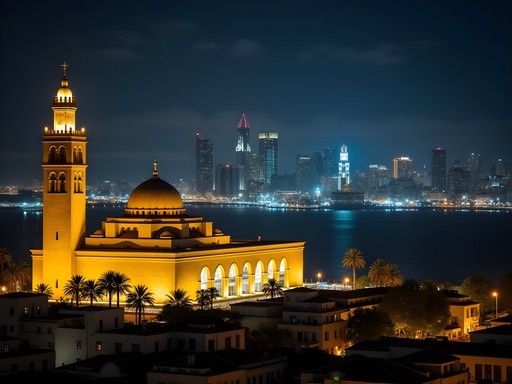
As the muezzin's call to prayer echoes across Casablanca while the Atlantic sunset paints the white buildings in golden hues, I'm reminded that this city—like all great destinations—reveals itself differently to each traveler. For solo female adventurers, Casablanca offers a fascinating introduction to Morocco, balancing cosmopolitan accessibility with authentic cultural experiences. The city's evolving identity mirrors the journey of many women who visit—navigating tradition and modernity, finding strength in adaptability, and discovering unexpected connections across cultural divides. Whether you're sipping mint tea in a hidden courtyard or discussing contemporary art with new friends at Villa des Arts, Casablanca rewards those who approach it with respectful curiosity and informed confidence. As we say in New Zealand, kia kaha—stay strong—and embrace the journey with both wisdom and wonder. I'd love to hear about your experiences navigating this multifaceted city as a solo female traveler. Until our paths cross, ma'a salama—travel safely.
✨ Key Takeaways
- Casablanca offers a more progressive environment than many Moroccan destinations, though cultural awareness remains essential
- Building connections through shared interests—from cuisine to arts—creates meaningful experiences beyond typical tourist interactions
- Thoughtful accommodation choices establish a secure foundation for solo exploration
- Adaptable clothing choices demonstrate respect while allowing you to navigate diverse social contexts comfortably
📋 Practical Information
Best Time to Visit
Spring (March-May) and Fall (September-November)
Budget Estimate
$60-100 USD per day excluding flights
Recommended Duration
4-5 days
Difficulty Level
Intermediate
Comments
Jean Wells
Excellent analysis of the safety considerations. I've traveled solo through Morocco five times now, and Casablanca often gets overlooked compared to Marrakech or Fes, but it offers a more authentic urban Moroccan experience. Your accommodation strategies are spot-on - I always recommend riads in the medina for cultural immersion, but hotels in Maarif or Gauthier for those wanting more familiar amenities. One practical tip: the Casa Tramway is efficient, safe, and incredibly cheap for getting around the main tourist sites. The T1 line connects most places visitors want to see.
nomadone
Really cool post! Going in March, can't wait!!
greenvibes4727
Good guide. I'd also recommend downloading the Careem app for rides - works just like Uber but better coverage in Morocco. Way easier than negotiating taxi prices and you know you're getting a fair rate. Made getting around Casa so much easier for me as a solo traveler.
summertime3108
Quick question - what's the best neighborhood to stay in for a first timer? Looking at hotels but not sure which area is safest and most convenient?
Jean Wells
The Maarif district offers good value with proximity to restaurants and cafes. Centre Ville (downtown) puts you near the main attractions. Both are safe options with good transport links. I'd avoid staying too far from the center on a first visit.
summertime3108
Thanks! That's super helpful
beachphotographer7045
Love the photos! The lighting on that mosque shot is perfect
Bryce Diaz
Hiroshi, your point about the cultural immersion really resonates. I spent three weeks in Casa back in 2019 and the best experiences came from just wandering the Habous Quarter and stopping for mint tea wherever locals were gathering. Met this elderly gentleman who invited me to his daughter's wedding celebration - completely unexpected and one of those travel moments you never forget. The key is exactly what you said: showing genuine interest and respect. Side note: I stayed in an apartment near Boulevard de la Corniche and felt completely safe walking around even late evening.
greenvibes4727
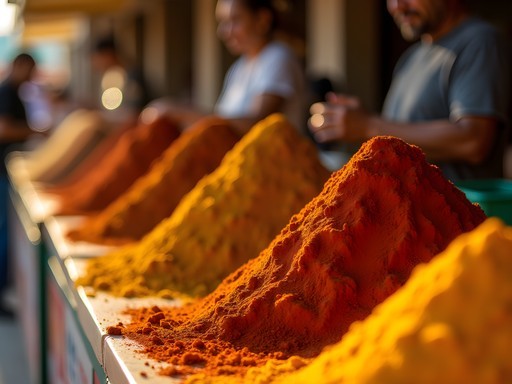
The Habous Quarter is amazing! Those little spice shops are incredible
nomadmaster
This is SO helpful!! Casablanca just moved way up on my list!
wanderlustadventurer871
Great post! I visited Casa last year and totally agree about the Hassan II Mosque area - stunning at sunset. One thing I'd add is the Morocco Mall is actually a cool place to hang out if you need a break from the hustle. Has familiar stores and a good food court. Also found people were super friendly when I tried speaking even basic French phrases.
summertime3108
How much French do you really need? I only know English and a tiny bit of Spanish
wanderlustadventurer871
Honestly just basics helped! Most people in tourist areas speak English anyway. Just learn hello, thank you, and how much - made a big difference in how people responded to me
MoroccanMagic
That sunset photo near Hassan II Mosque is stunning! The light in Casablanca is truly magical.
GlobalNomad
Great post! I visited Casablanca solo last month and would add that the petit taxis (red ones) are super convenient for getting around within the city. Just make sure they use the meter!
winterbuddy
Did you find it easy to get taxis that would use the meter? I've heard sometimes they refuse for tourists.
GlobalNomad
About 50/50 honestly. I just walked away if they refused, and another would usually stop who'd use it. Learning to say 'turn on the meter please' in French or Arabic helped a lot!
Venture X
Premium card with 2X miles, $300 travel credit, Priority Pass