


Disclosure: This article contains affiliate links. We may earn a commission from purchases at no extra cost to you, which helps our travel content.
Standing in the heart of Tulsa's Arts District, watching morning light filter through historic brick buildings, I'm struck by how this city embodies the concept of whakamana – the Māori principle of empowerment through honoring the past while embracing the future. What began as a quick weekend stopover during an Oklahoma climate resilience conference has blossomed into a three-day treasure hunt through a city where Indigenous heritage, oil boom history, and contemporary creativity converge in the most fascinating shopping landscape I've encountered in Middle America.

Indigenous Artistry: Shopping with Cultural Context
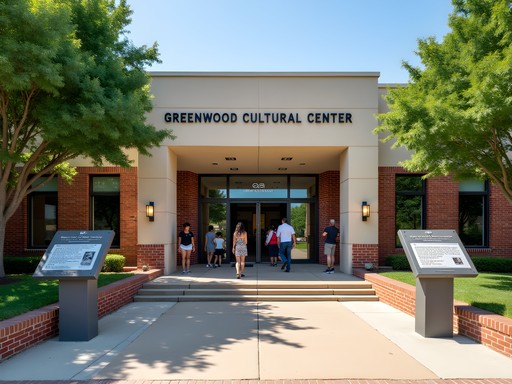
My exploration began at the Greenwood Cultural Center, where I discovered the monthly Indigenous Makers Market. Here, Cherokee, Muscogee (Creek), and Osage artisans display contemporary interpretations of traditional crafts, reminding me of similar markets I'd visited in my Māori homeland.
A Muscogee beadwork artist named Janice explained how her geometric patterns represented water conservation stories – a perfect intersection of my personal and professional interests. I couldn't resist purchasing a pair of beaded earrings that reminded me of the pounamu patterns my grandmother once wore.
The Tulsa Native American Art Market at the Guthrie Green (check their calendar for dates) offered another dimension of Indigenous creativity. Here I found a stunning hand-carved wooden serving bowl that now travels with me to potluck gatherings in Mumbai, carrying both food and stories across continents. The artisan recommended I treat it with wood conditioner to preserve its integrity through climate changes – advice that has proven invaluable.

💡 Pro Tips
- Visit Indigenous markets early for best selection and opportunity to speak with artists
- Ask about the cultural significance behind designs – most artists appreciate genuine interest
- Many artisans accept credit cards, but bringing cash is always appreciated
Vintage Treasures: Sustainable Shopping in Historic Districts
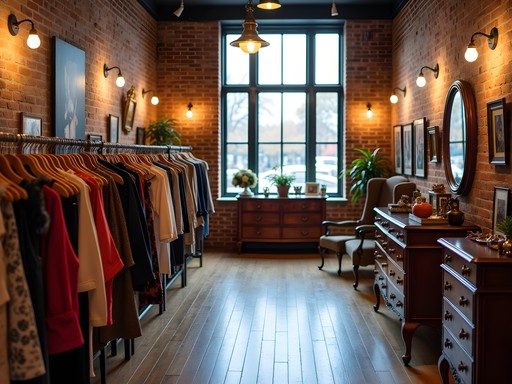
Tulsa's vintage scene is unexpectedly sophisticated, reflecting layers of the city's boom-and-bust history. In the Kendall Whittier District, I spent hours in Findings Vintage, where the owner curates pieces from Tulsa's oil wealth era through its mid-century revival. My climate scientist's heart delighted in this circular economy approach to fashion.
The vintage shops along Brookside district offer more contemporary selections. At Abersons Exhibits, I found a 1970s turquoise-inlaid belt buckle that perfectly complemented my favorite sustainable denim. For serious vintage hunters, I recommend bringing a portable garment steamer – I travel with one for quick refreshes of second-hand finds before wearing.
Perhaps my most meaningful discovery was Tulsa Vintage Market, a monthly event at the fairgrounds where I found a weathered copy of an environmental impact study from Oklahoma's first wind farm – a fascinating historical document that now sits on my Mumbai bookshelf as both decoration and professional inspiration.

💡 Pro Tips
- Ask vintage shop owners about the historical context of their collections – many are walking encyclopedias of local history
- Look for Native American jewelry from the 1960s-70s, which often features exceptional craftsmanship at reasonable prices
- Visit on weekdays for more attentive service and better negotiating possibilities
Artisanal Markets: Where Creativity Meets Sustainability
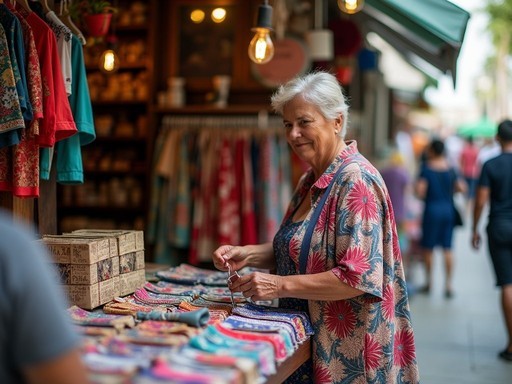
The Tulsa Farmers' Market (year-round on Saturdays) extends far beyond produce. Here, local artisans demonstrate how Oklahoma's agricultural heritage influences contemporary craft. I was particularly drawn to a soap maker who uses regeneratively-farmed local herbs and a woodworker crafting cutting boards from reclaimed tornado-damaged trees – a beautiful example of resilience thinking.
For indoor shopping, Ida Red in the Arts District stocks locally-made gifts with a quirky Oklahoma sensibility. I purchased a letterpress card set made from recycled paper that features native prairie plants – perfect for sending notes to colleagues from my travels.
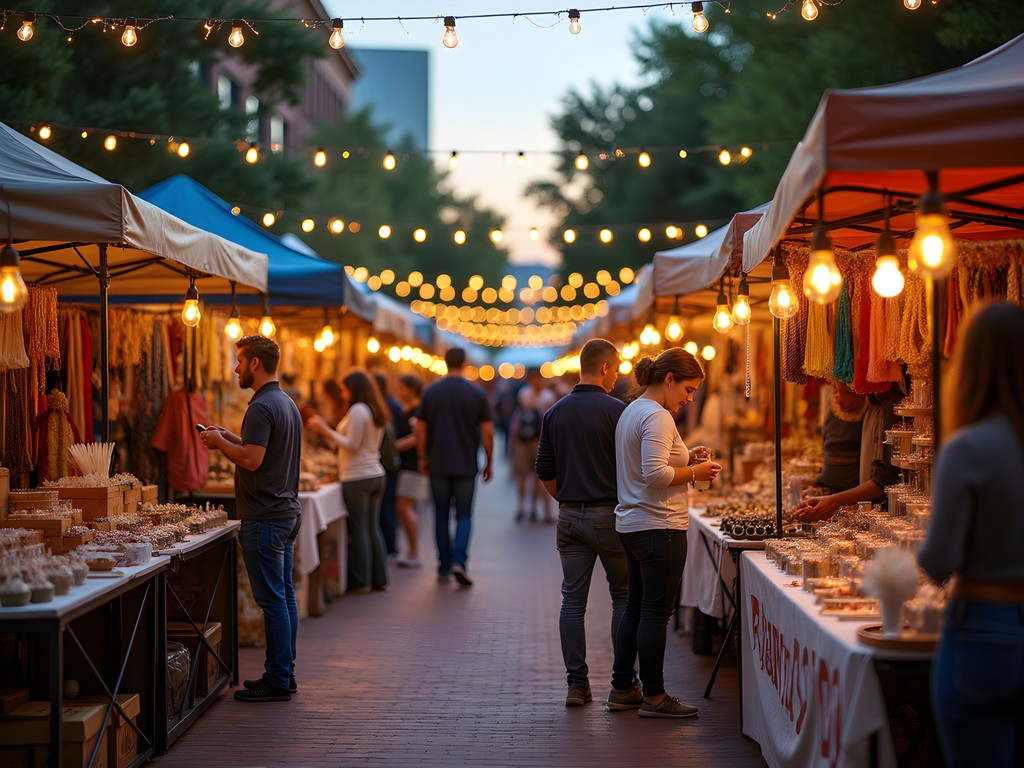
The monthly Tulsa Night Market combines food, music, and shopping in a festival atmosphere. Here I discovered a local leather worker creating stunning journals bound in reclaimed leather. As someone who documents climate patterns and community stories, I couldn't resist purchasing a leather journal that now accompanies me to field sites across India.
Don't miss the Mother Road Market, Tulsa's first food hall, which also features rotating retail pods where emerging artisans test concepts. I found a woman making jewelry from reclaimed electronic components – a creative approach to e-waste that sparked a fascinating conversation about circular economy principles.
💡 Pro Tips
- The Tulsa Night Market is best experienced in spring and fall when the weather is mild
- Many artisans at the farmers' market take custom orders – perfect if you have specific gift needs
- Follow @tulsacreativemarkets on Instagram to track pop-up events during your visit

Specialty Shops: Hidden Gems for the Discerning Shopper
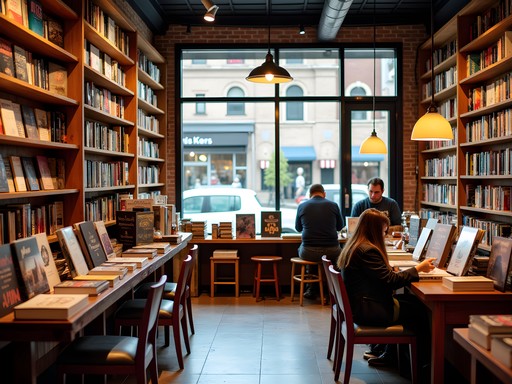
Tulsa surprised me with specialty shops that would feel at home in much larger cities. Magic City Books, an independent bookstore in the Arts District, houses an exceptional collection of works on Indigenous environmental knowledge and regional history. I spent a rainy afternoon here with a perfect cup of tea, discovering Oklahoma authors.
For those interested in energy healing and spiritual practices (an interest I've developed while connecting traditional knowledge with climate resilience), Peace of Mind Books offers Tulsa's best selection of crystals, aromatherapy, and books on various spiritual traditions. The owner helped me select a meditation cushion that packs flat in my suitcase and has transformed my travel meditation practice.
Buck Atom's Cosmic Curios on historic Route 66 defies categorization – part gift shop, part Route 66 museum, part art installation. The owner's commitment to preserving Route 66 heritage while creating sustainable tourism reminds me of similar efforts I've documented in threatened cultural landscapes worldwide.
Finally, Glacier Confection in the Tulsa Arts District satisfies both chocolate cravings and gift needs with their artisanal chocolates featuring unexpected flavor combinations like lavender-honey and chili-mango. Their drinking chocolate has become my evening ritual when writing field notes.

💡 Pro Tips
- Ask Magic City Books staff for recommendations on Oklahoma authors – they're incredibly knowledgeable
- Many specialty shops in the Arts District close on Mondays – plan accordingly
- Bring a reusable shopping bag – most specialty shops in Tulsa have eliminated plastic bags
Final Thoughts
As I packed my treasures for the journey back to Mumbai – the beaded earrings, the wooden bowl, the leather journal filled with notes on Tulsa's unique blend of sustainability and tradition – I reflected on how shopping here transcended mere consumption. Each purchase connected me to Oklahoma's complex history and resilient present. In Māori tradition, we speak of mauri – the life force that flows through all things. In Tulsa's shops and markets, I felt that mauri flowing through handcrafted objects and the stories they carry.
Whether you're seeking Indigenous art that speaks to centuries of tradition, vintage pieces that give new life to history, or contemporary crafts that reimagine Oklahoma's identity, Tulsa offers a shopping experience that connects visitors to place in meaningful ways. As climate change challenges us to reconsider our relationship with material goods, Tulsa's shopping landscape offers a model of mindful consumption – where each purchase honors both the hands that created it and the land that inspired it. Kia ora, Tulsa – until we meet again.
✨ Key Takeaways
- Tulsa's shopping scene brilliantly connects Indigenous heritage with contemporary creativity
- The vintage markets offer sustainable fashion options with fascinating historical context
- Local artisans frequently incorporate environmental themes and sustainable practices
- The best shopping experiences come with stories and cultural context
- Allow time for conversations with shop owners and artisans to fully appreciate your purchases
📋 Practical Information
Best Time to Visit
year-round, though spring and fall offer the most pleasant weather for outdoor markets
Budget Estimate
$300-500 for a weekend of moderate shopping
Recommended Duration
2-3 days
Difficulty Level
Beginner
Comments
luckyblogger
Love the photos! Really captures the vibe
freemaster
if you go on first friday the galleries are all open late and there's usually food trucks. way better vibe than weekend mornings
Taylor Moreau
Excellent guide, Leah. I've been through Tulsa several times for conferences and typically stick to the usual chain stores, but your post has inspired me to carve out time during my next visit. The emphasis on sustainable and artisanal shopping aligns well with changing consumer values. I appreciate the specific shop names and neighborhoods – makes planning much more efficient. The leather journal you mentioned sounds particularly appealing for business travel. Any specific shop you'd recommend for quality leather goods?
smartlife
yeah would love to know this too!
coolguide
Is parking easy in the Arts District? Thinking of driving there from OKC
hikingone
OMG this is EXACTLY what I needed!!! Going to Tulsa in March for work and was dreading it but now I'm actually excited!! The vintage shops look amazing!! Do they have good records too??
freemaster
dwight's records on cherry street. thank me later
Douglas Bradley
Leah, your integration of whakamana into the shopping narrative is thoughtful. I visited Tulsa's Arts District last spring and was similarly impressed by how Indigenous artisans are given proper platform and context rather than just being commodified. The Philbrook Museum shop had some exceptional pieces with detailed provenance. Did you get a chance to explore any of the Cherokee Nation artisans working in the area? Their beadwork tradition is remarkable and I found the storytelling behind each piece added so much depth to the purchase.
luckyblogger
Where exactly is the Philbrook Museum shop? Downtown?
Douglas Bradley
It's actually in the Philbrook Museum itself, south of downtown in a beautiful historic mansion. Worth the visit just for the grounds alone!
smartlife
Never thought of Tulsa as a shopping destination! Cool post
moonrider
Adding Tulsa to my list! Thanks for sharing
Fatima Sims
I love how you wove the concept of whakamana into this piece - it's such an important lens for travel shopping. When I was documenting indigenous artisan communities in New Mexico last year, I saw firsthand how meaningful it is when travelers take time to understand the cultural context behind what they're buying. That wooden bowl you mentioned sounds incredible. Did you get a chance to meet the artist? Those conversations are always my favorite part of shopping while traveling. It transforms the whole experience from transaction to connection.
journeyway
This is exactly why I want to go! Shopping with purpose instead of just buying tourist stuff
bluephotographer3136
Your photos are gorgeous! That morning light shot is perfection 📸
Venture X
Premium card with 2X miles, $300 travel credit, Priority Pass