

Disclosure: This article contains affiliate links. We may earn a commission from purchases at no extra cost to you, which helps our travel content.
The mist-shrouded shores of Sun Moon Lake harbor more than just breathtaking natural beauty—they cradle centuries of Thao indigenous craftsmanship waiting to be discovered. During my recent fieldwork studying cross-cultural wellness traditions in Taiwan, I found myself equally captivated by the remarkable artisanal economy that thrives in this lakeside community. What began as an academic interest evolved into a passionate appreciation for how traditional craft practices serve as living cultural archives, each item encoding generations of knowledge and identity.

Understanding Thao Indigenous Crafts: Cultural Context
The Thao people, one of Taiwan's officially recognized indigenous groups and the traditional stewards of the Sun Moon Lake region, represent one of the smallest tribal populations with approximately 800 members. Despite their modest numbers, their cultural footprint remains significant, particularly through their distinctive craft traditions.
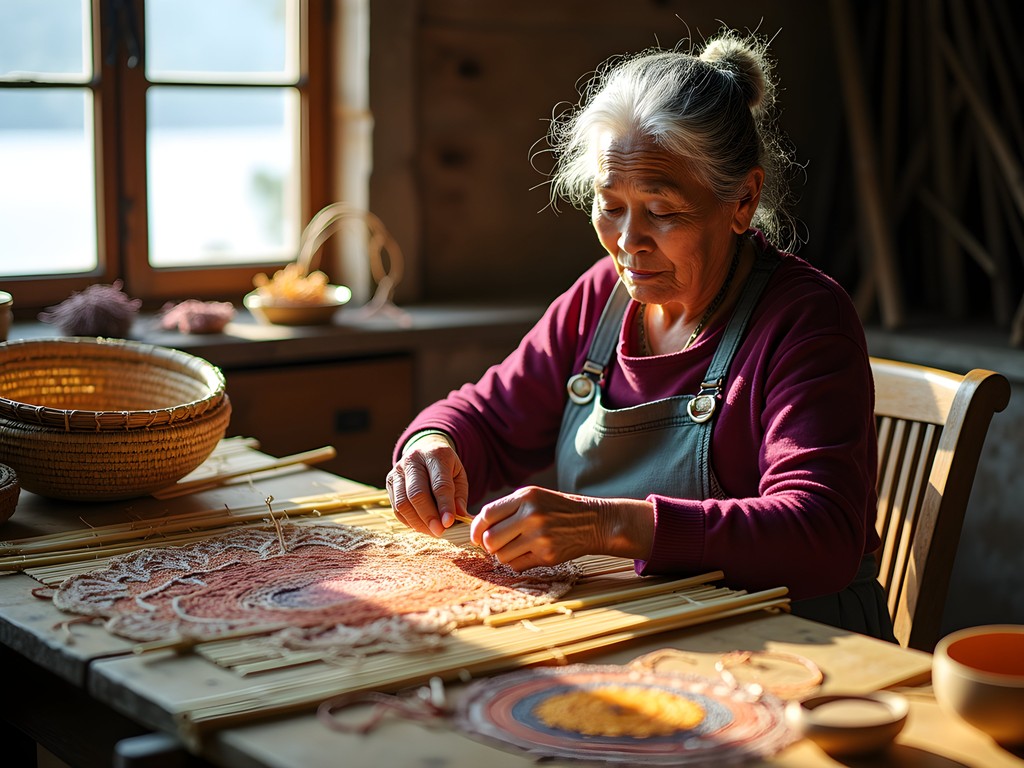
Traditionally, Thao crafts served practical purposes—bamboo fish traps (vulan) for lake fishing, woven baskets for harvesting, and textile arts for ceremonial attire. Today, these functional items have evolved into cultural expressions that simultaneously honor tradition while adapting to contemporary aesthetics.
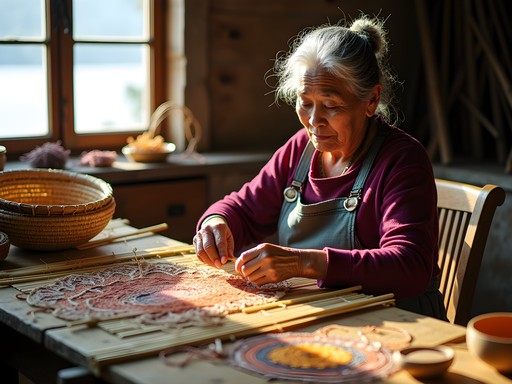
During my research interviews with several Thao artisans, a recurring theme emerged: craft-making represents an act of cultural preservation rather than mere commercial production. Elder craftspeople often spoke of feeling a profound responsibility to transmit techniques to younger generations. When you purchase authentic Thao crafts, you're not simply acquiring a souvenir but participating in what anthropologists term 'cultural sustainability'—supporting the economic conditions necessary for traditional knowledge transmission.
💡 Pro Tips
- Learn a few basic Thao phrases to show respect when interacting with indigenous vendors
- Ask permission before photographing artisans or their workshops
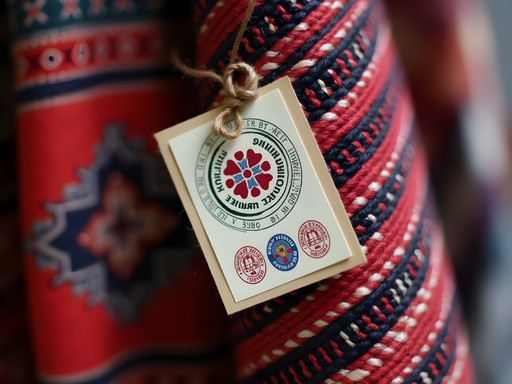
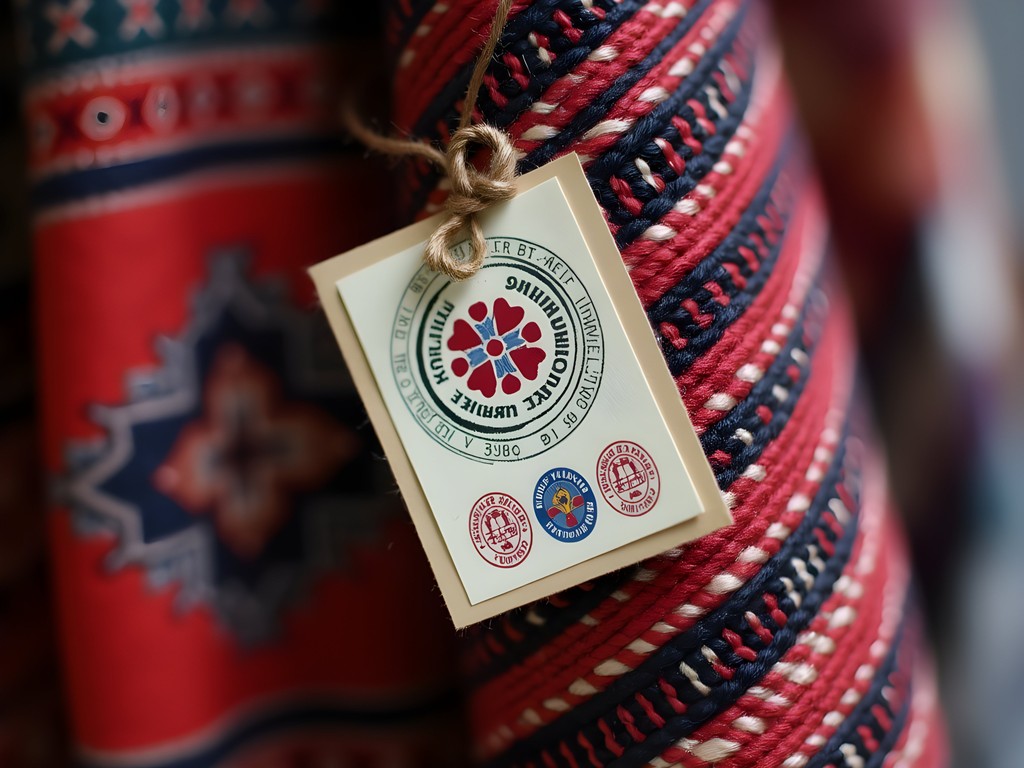
- Look for the official indigenous certification mark that guarantees authenticity
The Ita Thao Indigenous Market: A Cultural Hub
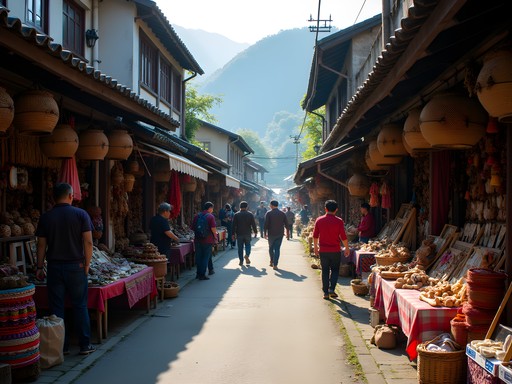
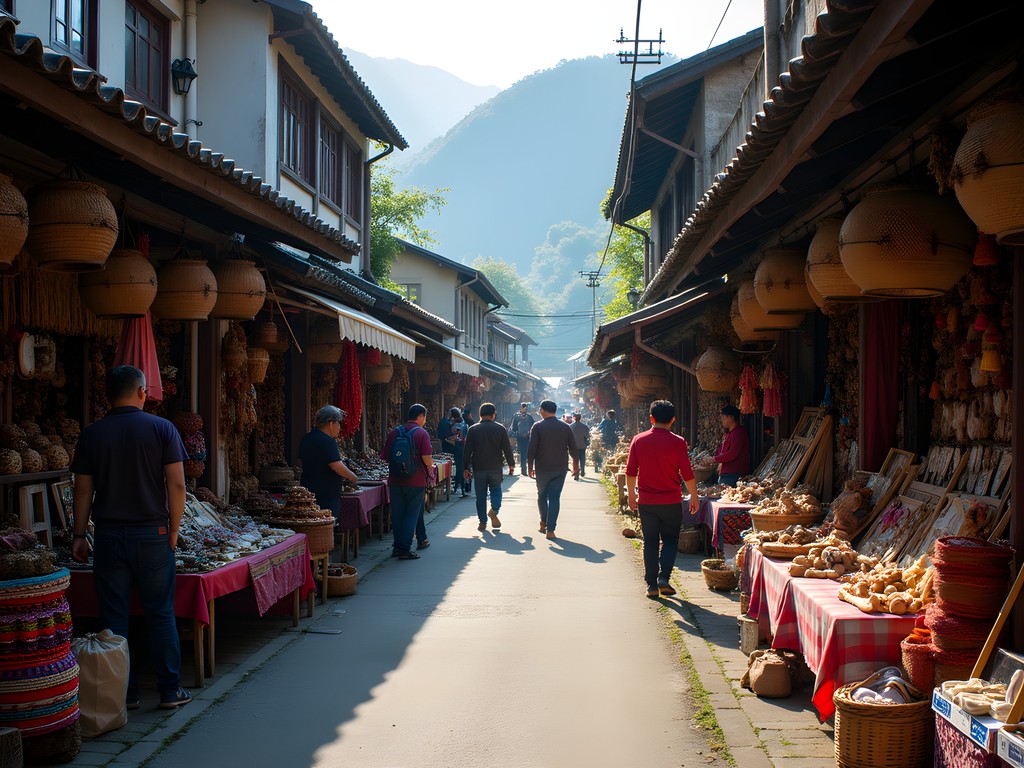
The epicenter of indigenous commerce at Sun Moon Lake is undoubtedly the Ita Thao Indigenous Market, located in the village of the same name on the eastern shore. Unlike the more commercialized areas near the Shuishe Visitor Center, Ita Thao maintains a distinctly authentic atmosphere that rewards the culturally curious traveler.
The market consists of approximately 60 stalls arranged along a gently sloping street leading from the lakeside pier up into the village proper. My research partner and I dedicated an entire afternoon to methodically exploring this cultural corridor, stopping frequently to document distinctive craft techniques and interview willing vendors.
The market operates daily, though weekends bring the fullest expression of activity with cultural performances often spontaneously occurring. I recommend arriving before 10 AM to observe many artisans actively working on their crafts—a fascinating window into production processes that afternoon visitors might miss.
After several hours of exploration, you'll likely need refreshment. I found the insulated water bottle indispensable during Taiwan's humid summer months, keeping water cool throughout extended market wanderings. The bottle's durability has proven essential through countless field expeditions.
💡 Pro Tips
- Visit on weekends for the fullest market experience including occasional cultural performances
- The best photography light occurs between 8-10am when morning sun illuminates the market street
- Many vendors accept credit cards, but smaller stalls prefer cash
Must-Have Indigenous Craft Souvenirs
Through systematic observation and interviews with both artisans and cultural preservation specialists, I've identified several indigenous craft categories that represent particularly meaningful acquisitions for the discerning traveler:
1. Bamboo Crafts: The Thao people have developed sophisticated bamboo-working techniques, creating everything from musical instruments to practical household items. Look for miniature vulan (fish traps) that demonstrate incredible technical precision while serving as elegant decorative pieces.
2. Textile Arts: Traditional Thao textiles feature distinctive geometric patterns in predominantly red, black, and white. While authentic hand-woven pieces command premium prices, they represent extraordinary cultural documents. For those seeking more accessible options, look for contemporary adaptations like table runners or scarves that incorporate traditional motifs.
3. Millet Wine: This traditional fermented beverage holds ceremonial significance for the Thao people. Several families produce small-batch varieties following ancestral methods. When purchasing, I recommend using a padded wine protector to safely transport bottles in your luggage—a lesson I learned after an unfortunate incident involving a broken bottle and ruined field notes.
4. Red Coral Jewelry: Historically significant in Thao culture, contemporary artisans create stunning jewelry incorporating red coral elements. These pieces often blend traditional symbolism with modern design sensibilities.

💡 Pro Tips
- Higher quality crafts are typically found deeper into the market, away from the main tourist thoroughfare
- Most artisans are happy to explain their techniques if approached respectfully
- Consider the cultural significance of patterns—some designs have specific ceremonial meanings

Ethical Shopping Considerations
As both an academic researcher and conscientious traveler, I approach indigenous markets with particular ethical considerations that I believe enhance both the shopping experience and its cultural impact:
Authentication Matters: Taiwan's Council of Indigenous Peoples has established certification programs that help identify authentic indigenous-made products. Look for official certification marks that guarantee both authenticity and that appropriate compensation reaches indigenous creators. During my fieldwork, I documented numerous instances of mass-produced imitations being sold alongside authentic crafts, making this verification particularly important.
Fair Pricing Perspectives: Quality indigenous crafts reflect hours of skilled labor, cultural knowledge, and often increasingly scarce natural materials. While bargaining is common in many Taiwanese markets, I approach indigenous craft purchases differently, recognizing that fair compensation supports cultural sustainability. When an elder Thao weaver explained that a single basket represents three days of labor, the price suddenly seemed remarkably reasonable.
Documentation & Context: To truly appreciate your purchases, consider investing in a travel journal to record the stories behind your acquisitions. Throughout my research, I've found that documenting the creator's name, the item's cultural significance, and the circumstances of purchase transforms souvenirs into meaningful cultural artifacts with rich personal associations.
💡 Pro Tips
- Ask vendors about proper care instructions for textiles and organic materials
- Request business cards from artisans—many accept custom orders that can be shipped internationally
- Consider purchasing directly from workshop studios in the village for more personalized experiences
Beyond Shopping: Participatory Craft Experiences
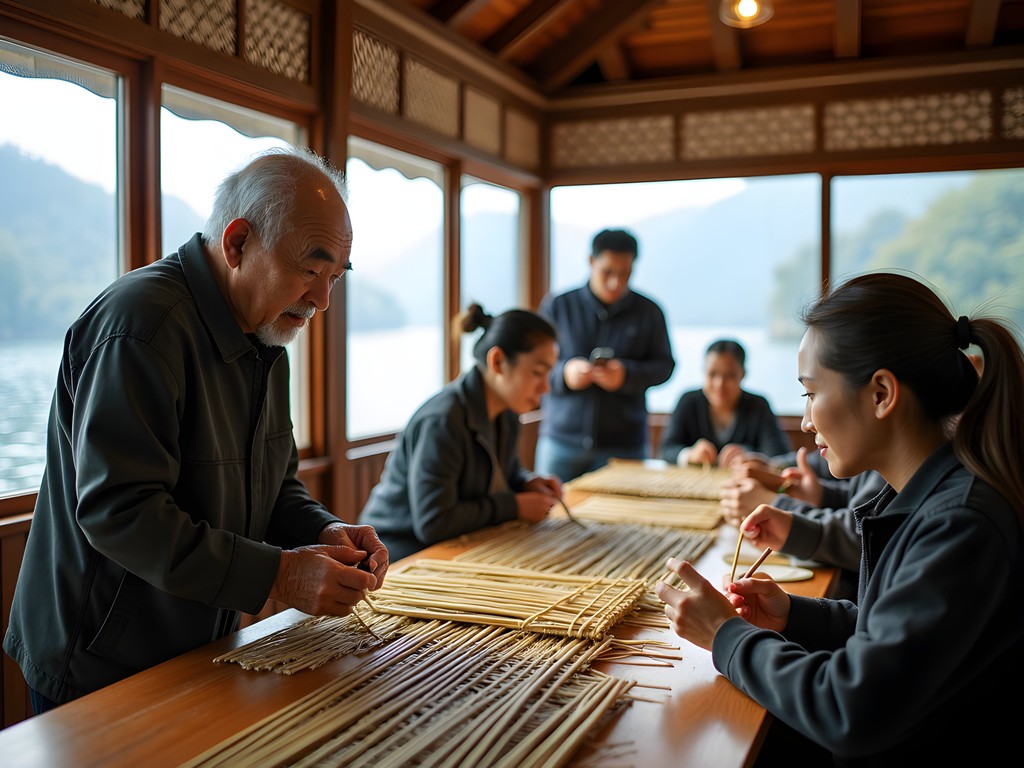
For travelers seeking deeper engagement with indigenous craft traditions, several workshops around Sun Moon Lake offer hands-on experiences that transform shopping into participatory cultural exchange:
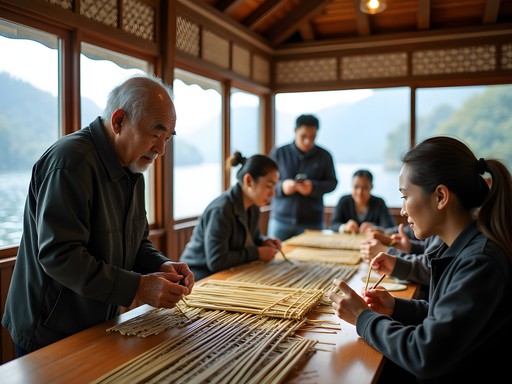
Bamboo Craft Workshops: The Thao Cultural Center offers 90-minute workshops where participants create simple bamboo items under elder guidance. Having participated in this workshop with my 10-year-old daughter during a family research trip, I can attest to its multigenerational appeal. The patient instruction and cultural context provided makes this an enriching experience beyond mere souvenir acquisition.
Natural Dye Demonstrations: Several textile studios demonstrate traditional plant-based dyeing techniques using locally harvested materials. The Yuchih Township Indigenous Cultural Hall offers scheduled demonstrations where visitors can dip pre-woven cotton squares into dye baths, creating personalized souvenirs while learning about ethnobotanical knowledge.
Photography Considerations: If you're documenting these experiences, I recommend using a compact camera with good low-light performance, as many workshop spaces have limited natural lighting. This camera has been invaluable during my fieldwork for capturing detailed craft processes without being obtrusive.
These participatory experiences typically require advance reservation, especially during peak tourist seasons. The Sun Moon Lake National Scenic Area Administration Office can facilitate bookings and provide current scheduling information.
💡 Pro Tips
- Book workshops at least 3 days in advance during high season (summer and national holidays)
- Wear clothes you don't mind getting stained during dyeing workshops
- Bring a translator app if you don't speak Mandarin, as some elder instructors have limited English proficiency
Final Thoughts
The indigenous markets and craft studios of Sun Moon Lake offer far more than tourist trinkets—they provide windows into living cultural traditions that have adapted to modern circumstances while maintaining core identities. As both an academic researcher and appreciative traveler, I've found that approaching these spaces with informed curiosity transforms shopping from mere acquisition into meaningful cultural dialogue.
The items you bring home—whether a precisely woven bamboo fish trap or a textile incorporating traditional motifs—represent more than decorative souvenirs. They embody complex knowledge systems, cultural resilience, and economic lifelines for communities working to maintain traditional practices in a rapidly changing world.
I encourage you to allocate sufficient time for these market explorations, ideally spreading your shopping across multiple days to allow for reflection and return visits. The relationships between people, place, and craft at Sun Moon Lake reveal themselves gradually, rewarding the unhurried visitor with insights that transcend conventional tourism. As you depart with carefully selected treasures, you carry not just objects but threads of connection to one of Taiwan's most distinctive cultural landscapes.
✨ Key Takeaways
- Look for official indigenous certification marks to ensure authenticity and ethical purchasing
- Allocate time for workshop participation to deepen your understanding of craft traditions
- Document the stories and creators behind your purchases to transform souvenirs into meaningful cultural artifacts
📋 Practical Information
Best Time to Visit
year-round, with spring (March-May) and fall (September-November) offering pleasant temperatures
Budget Estimate
$50-150 USD for quality indigenous crafts; $20-40 for workshop experiences
Recommended Duration
2-3 days to fully explore markets and participate in workshops
Difficulty Level
Beginner








Comments
wanderlustperson8454
I went here last year and bought the most beautiful woven basket from an elderly Thao woman who explained the whole process to me through a translator. It's still one of my favorite souvenirs ever! The prices were really fair too, especially compared to tourist shops in Taipei. Definitely take time to talk to the artisans if you can, they have such incredible stories about their craft traditions.
roamguy
That sounds so cool! How much did you spend roughly?
wanderlustperson8454
The basket was around 1500 NT which felt like a steal for something handmade. Smaller items like keychains were like 200-300 NT
luckydiver
Are the markets open year round? Planning to visit in March and want to make sure I can actually shop there
sunsetchamp
Yeah they're open year round! Just avoid Mondays when some stalls are closed. March is actually a great time to go, less crowded than summer.
luckydiver
Perfect, thanks!
roamguy
This looks amazing! Adding to my list
smartmood
Love this so much!! I've been to Sun Moon Lake twice but somehow missed the indigenous markets. Definitely going back now - the photos of those woven textiles are gorgeous 😍
roamnomad
Great post! Question about the pricing - are vendors generally open to bargaining or is that considered disrespectful? I know it varies by culture and want to be respectful of Thao customs.
Hunter Thompson
Good question! From my experience, gentle negotiation is okay for larger purchases but don't lowball - these are handmade pieces that take days or weeks to create. The prices are already quite fair for the craftsmanship involved.
Hunter Thompson
Absolutely brilliant guide, Landon! I visited Sun Moon Lake last year and completely fell in love with the Thao weaving traditions. Spent ages chatting with an elderly woman who was demonstrating the traditional backstrap loom technique - she didn't speak much English but her granddaughter translated and we had such a meaningful conversation about how they're working to keep these skills alive. The handwoven bags are absolutely worth the investment. I brought one home and it's held up beautifully through all my travels. Really appreciate you highlighting the ethical shopping aspect too - it's so important to support these communities directly rather than buying knockoffs in the tourist shops down in the main town.
smartmood
This is exactly what I want to experience! How much time should I budget for the market?
Hunter Thompson
I'd say give yourself at least 2-3 hours if you really want to browse and chat with the artisans. Longer if you're as easily distracted as me!
summergal
Quick question - what days is the Ita Thao market open? Planning my trip for April and don't want to miss it!
Hunter Thompson
It's open daily but weekends are definitely busier with more vendors! I'd recommend going on a Saturday morning if you can - the atmosphere is brilliant.
summergal
Perfect, thanks so much!
luckyzone
This looks amazing! Adding to my Taiwan bucket list 🙌
backpack_dreamer
Did you find the prices negotiable or are they fixed?
Landon Ortiz
Most prices are fixed for the handcrafted items - and honestly fair given the workmanship. The mass-produced souvenirs have some wiggle room, but I'd recommend focusing on the authentic pieces anyway!
cultural_explorer
Just got back from Sun Moon Lake and wanted to add that if you visit on weekends, try to arrive at the Ita Thao market before 10am. It gets incredibly crowded with tour groups by midday!
Landon Ortiz
Great tip! The morning light on the lake is beautiful then too.
Venture X
Premium card with 2X miles, $300 travel credit, Priority Pass