

Disclosure: This article contains affiliate links. We may earn a commission from purchases at no extra cost to you, which helps our travel content.
Sofia surprised me. I arrived expecting Soviet-era architecture and left with a suitcase full of hand-embroidered textiles, ceramics that rival Japanese craftsmanship, and a newfound appreciation for Bulgarian design innovation. This city offers something rare: authentic shopping experiences where tradition meets contemporary sustainability, and where your purchases directly support local artisans. After three visits to Bulgaria's capital, I've mapped out the perfect weekend shopping itinerary that balances cultural exploration with genuine finds—no tourist traps included.

Zhenski Pazar: Sofia's Historic Market Heart
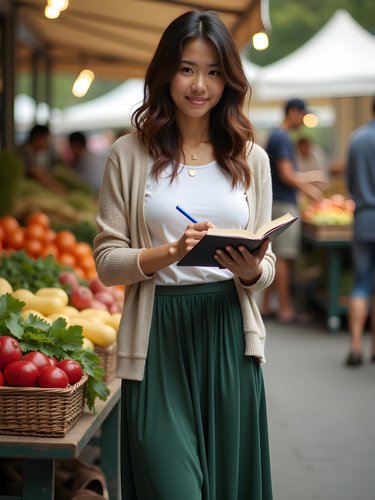
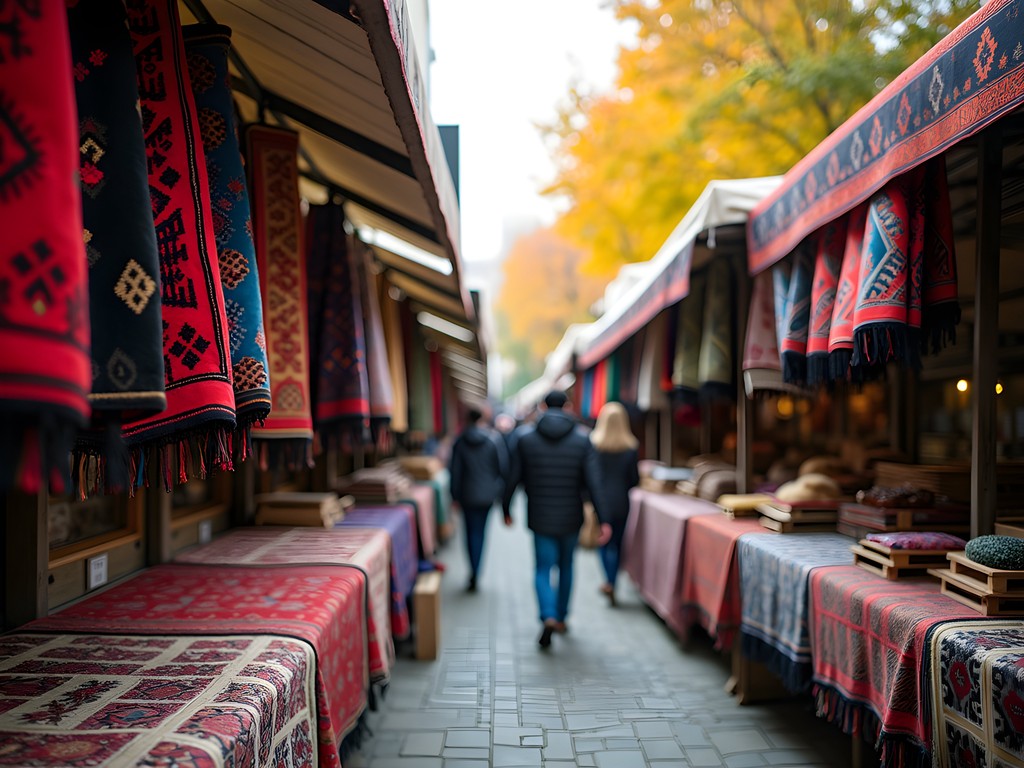
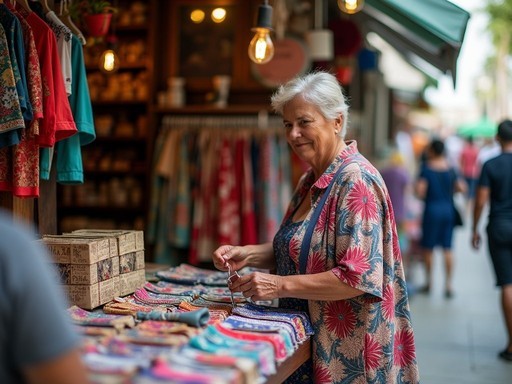
Zhenski Pazar (Women's Market) has operated since the 1870s, and walking through its covered stalls feels like stepping into a living museum of Bulgarian daily life. I visit every Saturday morning when vendors arrange mountains of seasonal produce, handmade cheeses, and traditional rose oil products. The market's sustainability practices impressed my inspector's eye—minimal packaging, direct farm-to-consumer sales, and a zero-waste ethos that predates modern environmental movements.
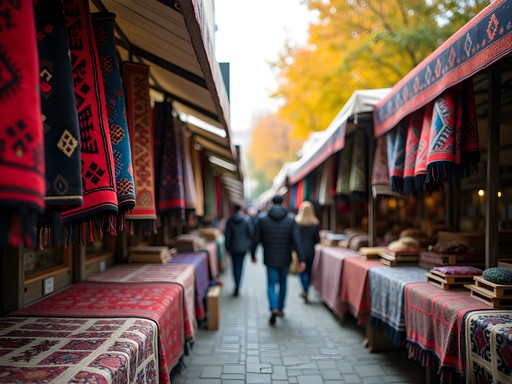
The real treasures hide in the textile section. I found hand-embroidered tablecloths using traditional Shevitsa patterns, each stitch telling stories of Bulgarian folklore. Vendors here are artisans or their direct family members, so you're supporting the actual creators. Prices are remarkably fair—I paid 40 leva (about $22) for a beautifully crafted linen runner that would cost five times more in Western Europe. Bring a reusable shopping bag with reinforced handles; you'll need the extra capacity and durability for your finds.
💡 Pro Tips
- Arrive between 8-10 AM for the best selection and coolest temperatures
- Bring small bills (10 and 20 leva notes) as vendors rarely have change for 50s or 100s
- Learn basic Bulgarian numbers—vendors appreciate the effort and it helps with negotiating
- The cheese section offers free samples; try the sirene (white brine cheese) before buying
Antique Alley: Treasures Along Pirotska Street
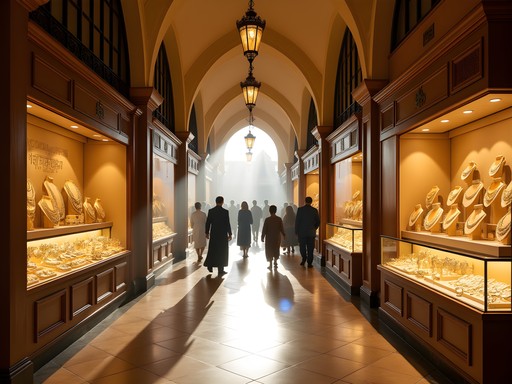
Pirotska Street and the surrounding blocks form Sofia's unofficial antique district, where I've spent entire afternoons examining Soviet-era cameras, Art Nouveau jewelry, and mid-century Bulgarian ceramics. Unlike the organized chaos of Zhenski Pazar, these shops require patience and a discerning eye. My background in safety inspections translates surprisingly well to antique authentication—I look for consistent wear patterns, appropriate materials for the claimed era, and construction techniques that match historical periods.
My favorite discovery was at Antique Shop Slaveykov, where the owner, Dimitar, curates pieces with museum-quality standards. I purchased a 1960s ceramic vase by Ivan Ivanov, a renowned Bulgarian potter whose work bridges traditional folk art with modernist design principles. The piece now sits in my Raleigh living room, a daily reminder of Bulgaria's underappreciated design heritage. For serious collectors, bring a portable scale to verify weights of silver items—it's helped me authenticate several pieces and avoid reproduction traps.

💡 Pro Tips
- Request certificates of authenticity for items over 100 years old; you'll need them for customs
- Bulgarian ceramics from the 1960s-70s represent exceptional value compared to Scandinavian counterparts
- Shops close for lunch between 1-3 PM—plan accordingly
- Ask about shipping services for larger items; many shops have reliable international partners
Contemporary Bulgarian Design: The New Wave
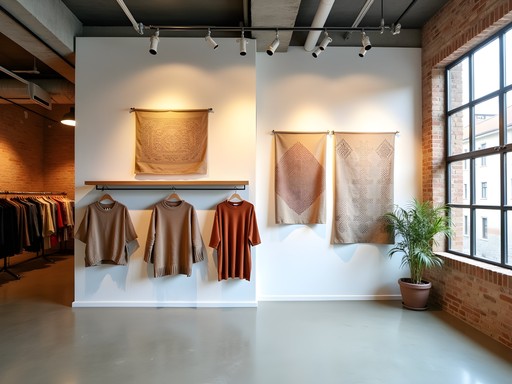
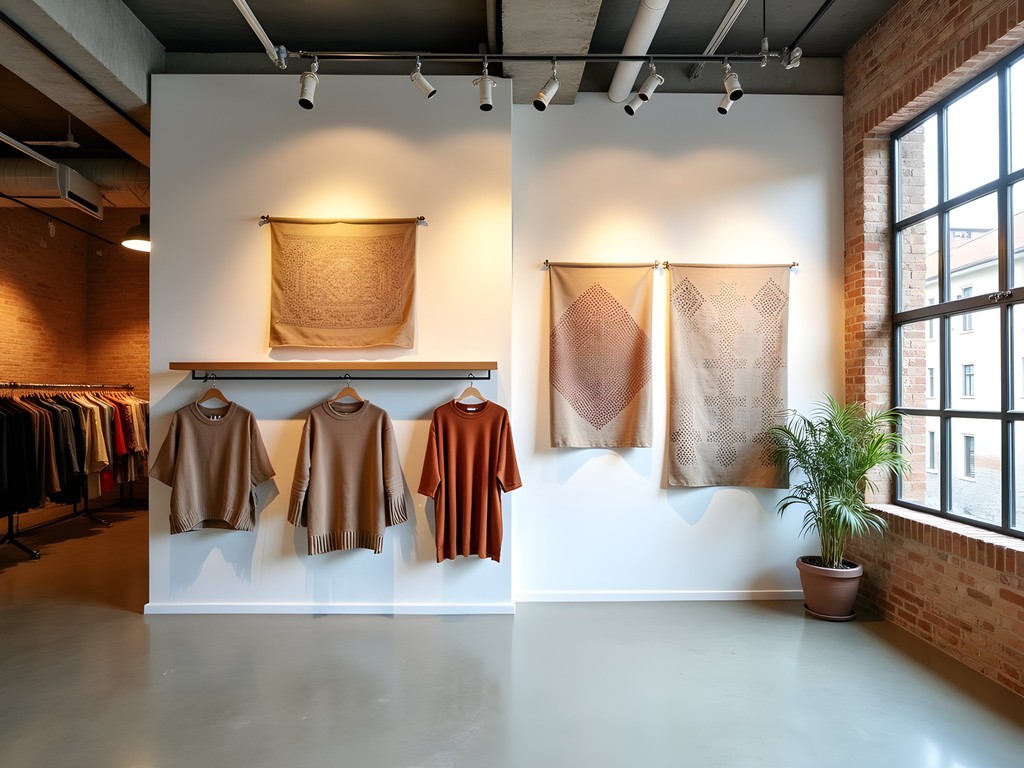
Bulgaria's contemporary design scene rivals anything I've experienced in Scandinavia, with a distinctly Bulgarian sensibility that honors traditional craftsmanship while embracing sustainable innovation. The Serdika Creative Hub, located in a renovated communist-era building, houses studios and boutiques showcasing this new generation of makers.
At Ethnique by Jeni, designer Evgenia Jivkova transforms traditional Bulgarian textiles into contemporary fashion. Her work demonstrates the same attention to cultural preservation I admire in Japanese designers who reinterpret kimono techniques. I purchased a wool jacket incorporating Rhodope mountain weaving patterns—it's become my most-complimented travel piece. The shop's commitment to sustainability extends beyond materials; they use solar power and maintain a repair service for all garments.
Nearby, Made in BG specializes in products from Bulgarian makers, from minimalist leather goods to innovative tech accessories. I found phone cases made from recycled communist-era banknotes—a brilliant example of upcycling with historical significance. The store operates as a cooperative, ensuring fair compensation for all featured artisans. For documenting your finds, I recommend bringing a portable LED light for capturing the intricate details of textiles and crafts in these often dimly-lit boutiques.
💡 Pro Tips
- Many designers offer custom sizing at no additional cost—take advantage of this personalized service
- Ask about the specific regional traditions behind each piece; designers love sharing these stories
- Serdika Hub hosts open studio events the first Friday of each month
- Credit cards are widely accepted, but some smaller studios prefer cash for amounts under 50 leva

Rose Valley Products: Bulgaria's Liquid Gold
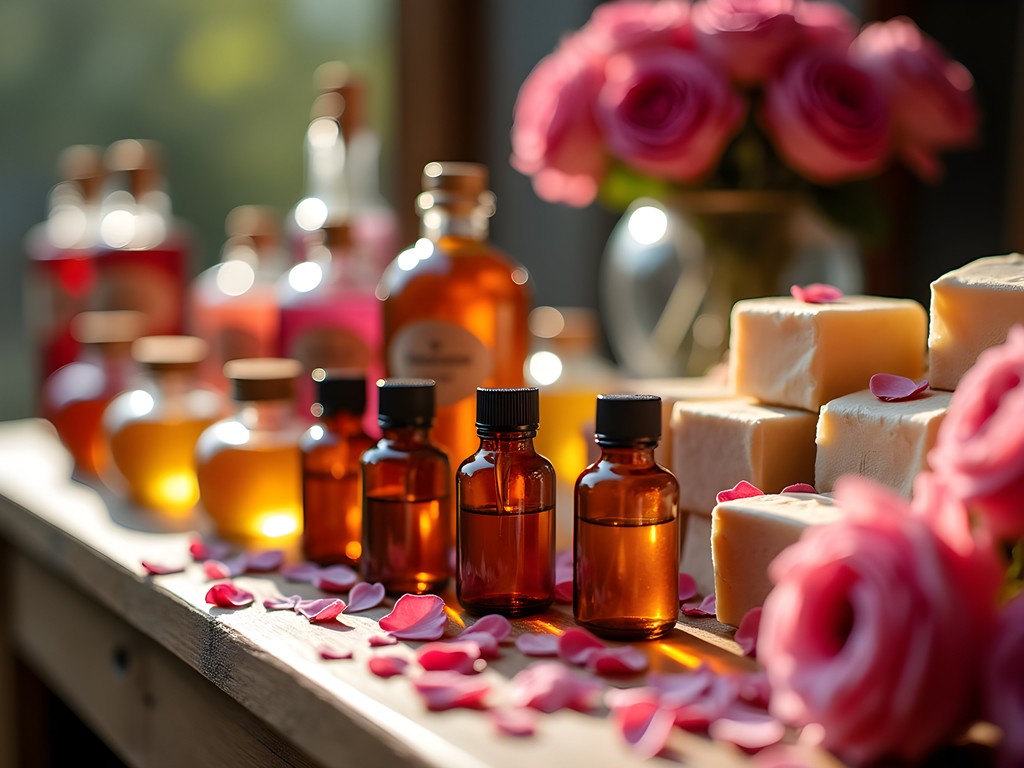
Bulgaria produces 70% of the world's rose oil, and Sofia offers the best selection of rose-based products outside the Valley of Roses itself. This isn't tourist kitsch—Bulgarian rose oil represents centuries of cultivation expertise and sustainable agricultural practices that align with my environmental values.
The Bulgarian Rose shop near Alexander Nevsky Cathedral sources directly from family farms in Kazanlak. I spent an hour learning about their distillation process from the owner, who explained how traditional copper stills preserve the oil's complex aromatic profile. Their rose water (100ml for 12 leva) has replaced every toner in my skincare routine. The pure rose oil comes in tiny bottles—a single drop suffices, making the 30 leva price point (about $16) for 1ml remarkably economical.
For couples, the rose-infused honey makes an exceptional gift that actually travels well. I pack bottles in a toiletry bag designed for liquids; it's saved multiple bottles from the pressure changes that plague traditional packaging. The shop also stocks rose soaps made using traditional cold-process methods, wrapped in biodegradable paper rather than plastic.
💡 Pro Tips
- Pure rose oil should be golden-amber, not pink—color indicates added synthetics
- Request certificates of origin for customs purposes with purchases over 50 euros
- The shop offers shipping, but hand-carrying in checked luggage is more reliable
- Visit in October during harvest season for fresh distillation demonstrations
Practical Shopping Navigation
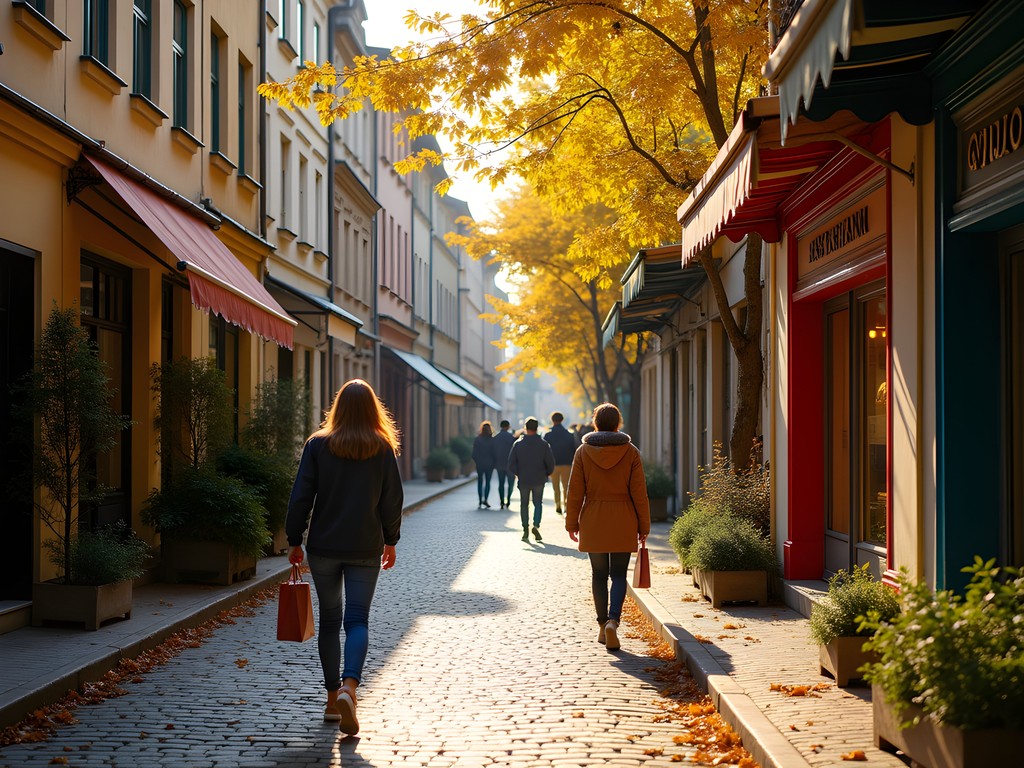
Sofia's compact city center makes shopping on foot entirely feasible, though understanding the layout saves considerable time. I base myself near Serdika Metro Station, which provides access to all major shopping areas within a 15-minute walk. The metro system itself deserves mention—at 1.60 leva per ride (less than $1), it's Europe's best transit value.
Most shops open at 10 AM, making mornings ideal for market visits before boutiques open. I structure my days with markets in the morning, lunch at a traditional mehana (tavern), then afternoon boutique browsing. This rhythm respects both the city's pace and your energy levels—Sofia's cobblestone streets demand comfortable footwear. I wear my trusty walking shoes which provide arch support for full-day exploring while looking appropriate for boutique shopping.
Currency exchange deserves attention. Avoid airport kiosks and hotel exchanges—their rates include 10-15% markups. I use ATMs from major banks (UniCredit, DSK Bank) which offer fair rates and English interfaces. Carry a mix of cash and cards; while Sofia's modern shops accept cards, market vendors and smaller studios operate cash-only.
💡 Pro Tips
- Download the Sofia Transport app for real-time metro and tram schedules
- Shops often close Sundays—plan your weekend itinerary accordingly
- Keep receipts for all purchases; customs occasionally requests documentation for valuable items
- Learn the phrase 'Kolko struva?' (How much does it cost?)—vendors appreciate the effort
Final Thoughts
Sofia's shopping landscape offers something increasingly rare in European travel: authenticity without the tourist markup. The city's combination of traditional markets, antique treasures, and contemporary sustainable design creates a shopping experience that satisfies both the practical traveler and the conscious consumer. My three visits have barely scratched the surface—each trip reveals new studios, hidden workshops, and artisans whose work deserves international recognition.
For couples seeking a weekend that balances cultural exploration with tangible discoveries, Sofia delivers exceptional value. You'll return home with unique pieces that spark conversations, support traditional craftsmanship, and represent genuine Bulgarian culture rather than mass-produced souvenirs. The city's compact size, affordable prices, and welcoming atmosphere make it ideal even for travelers with limited international shopping experience.
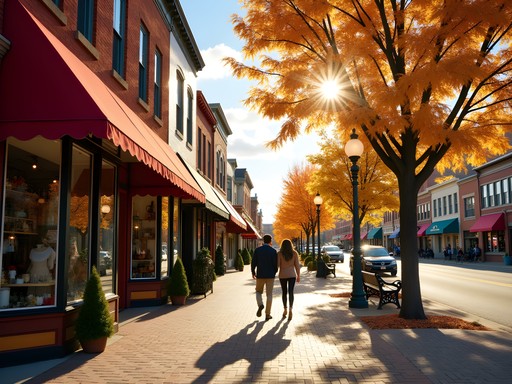
Start planning your Sofia shopping weekend for October when fall colors frame the city beautifully, temperatures remain comfortable for walking, and the rose harvest brings fresh products to market. Your suitcase—and your home—will thank you for discovering this underrated European shopping destination.
✨ Key Takeaways
- Sofia offers authentic shopping experiences with direct artisan access at prices 40-60% below Western Europe
- Focus your weekend on three distinct shopping experiences: traditional markets, antique districts, and contemporary design hubs
- Bulgarian rose products and traditional textiles represent the best value and most authentic souvenirs
- The city's walkable layout and excellent public transit make car-free shopping entirely practical
📋 Practical Information
Best Time to Visit
September-October for comfortable temperatures, fresh rose harvest products, and beautiful fall colors
Budget Estimate
$300-500 for shopping plus $150-200 for accommodation and meals per couple for a weekend
Recommended Duration
2-3 days (one full weekend)
Difficulty Level
Easy
Comments
luckytime5116
OMG this is SO helpful!! I've been looking at Sofia for ages but couldn't find much about shopping there. The rose valley products sound amazing - are they actually good quality or tourist traps? And how's the pricing compared to like, other European cities? I'm planning a Balkans trip for June and this just moved Sofia way up my list!
luckytime5116
Perfect!! Thanks so much 😊
Ellie Watanabe
The rose products are legit! Just buy from established shops in the center, not street vendors. Pricing is SO much better than Western Europe - like 30-40% less for similar quality. You'll love it!
wanderlustwanderer
Just got back from Sofia and used this guide - thank you!! The hand-embroidered textiles at Zhenski Pazar were incredible. I bought a table runner and two cushion covers for maybe 40 euros total? Would've cost 10x that in London. One tip: go early to the market (like 8am) before it gets crowded. The ceramics section is in the back left corner if anyone's looking. Also grabbed some of that rose water toner and my skin has never been better lol.
backpackblogger
8am noted! thanks for the tip
backpackblogger
Wow didn't know Sofia had this kind of shopping scene!
mountainmaster
Going there next month!! So excited now 😍
Jean Wells
Excellent overview, Ellie. I visited Sofia last autumn and was similarly impressed by the ceramics - the craftsmanship really does compare favorably to Japanese pottery traditions. One tip for readers: Zhenski Pazar is best visited early morning (before 9am) when vendors are setting up. You'll find better selection and locals doing their daily shopping, which adds authenticity. The contemporary design scene you mentioned is still quite underground - I'd recommend asking at the boutiques for recommendations to other designers' studios. Many aren't listed online but welcome visitors by appointment.
Ellie Watanabe
Jean! So glad you had a similar experience. The early morning tip is spot on - I should have mentioned that. And yes, the studio visits were some of my favorite discoveries!
Hunter Thompson
Brilliant post Ellie! I was in Sofia last autumn and totally agree about Pirotska Street - found an incredible vintage Bulgarian camera there for like 15 leva. The antique dealers are so chill too, happy to just chat about the history of stuff even if you're not buying. Also that whole area around the Serdika metro station has some ace little boutiques that opened recently. Did you check out the Sunday flea market near the stadium? Absolute madness but in the best way possible.
mountainmaster
Sunday flea market?? Adding that to my list!
smartqueen
Been to Sofia twice and totally agree about the authenticity!
hikingrider
How easy is it to navigate Pirotska Street if you don't speak Bulgarian? Going there in April and a bit worried about the language barrier
smartqueen
You'll be fine. Most shop owners speak some English, especially in the antique area. Just smile and point lol
freewanderer
The rose valley products sound amazing! Can you actually buy rose oil at the markets or do you need to go to specific shops? Heading to Sofia in May and would love to bring some back.
Ellie Watanabe
You'll find rose oil at Zhenski Pazar market but make sure you're getting the real deal - look for darker glass bottles and check it's actually from Kazanlak region. There's also a great shop on Vitosha Boulevard called Rose of Bulgaria that has certified products!
freewanderer
Perfect, thanks so much!
moonmaster
Love this! The photos are gorgeous too
Venture X
Premium card with 2X miles, $300 travel credit, Priority Pass