Disclosure: This article contains affiliate links. We may earn a commission from purchases at no extra cost to you, which helps our travel content.
When I first arrived in Shanghai fifteen years ago on assignment for Condé Nast Traveler, the city was already in the throes of a commercial renaissance. Today, returning as a more seasoned traveler with the privilege of time rather than editorial deadlines, I find Shanghai's retail landscape has evolved into something truly extraordinary. This metropolis now expertly balances ancient commercial traditions with ultra-modern luxury in a way no other city quite manages. The contrast between gleaming skyscraper malls housing the world's most coveted brands and atmospheric lane markets where artisans practice centuries-old crafts creates a shopping experience that feels both cinematic and deeply authentic. Whether you're seeking bespoke tailoring, antique treasures, cutting-edge fashion from emerging Chinese designers, or simply the theater of commerce itself, Shanghai delivers with characteristic panache and unexpected intimacy.

Nanjing Road: The Magnificent Mile of the East
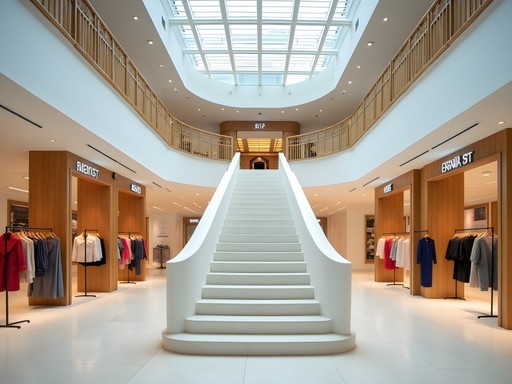
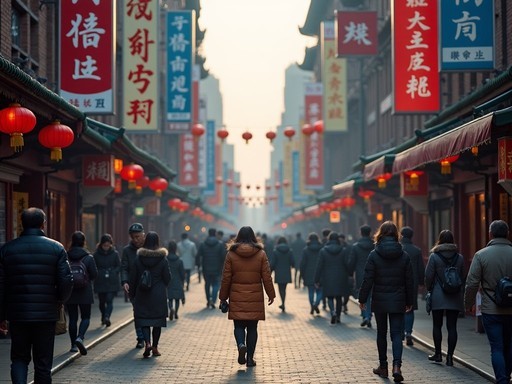
No Shanghai shopping expedition begins without paying homage to Nanjing Road, the commercial artery that has defined the city's retail identity for over a century. While the eastern pedestrianized section teems with tourists and mainstream brands, I recommend focusing on Nanjing West Road, where the shopping experience ascends to more refined heights.
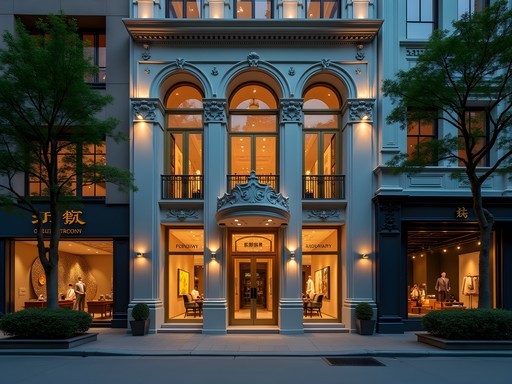
The crown jewel here is undoubtedly Plaza 66 (known locally as Henglong Plaza), housing a meticulously curated collection of luxury flagships including Hermès, Louis Vuitton, and Bottega Veneta. Unlike similar luxury malls globally, the atmosphere here strikes a perfect balance between opulence and restraint—perhaps the most authentic expression of Shanghai's contemporary aesthetic.
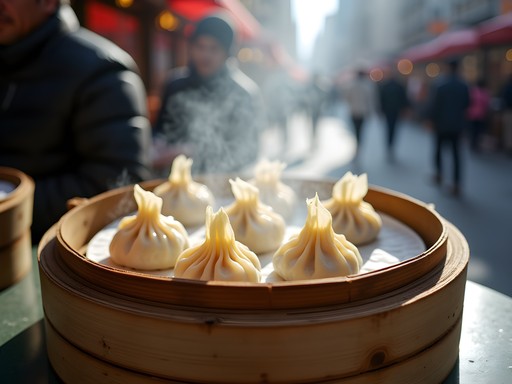
Nearby, the recently renovated CITIC Square offers a more accessible yet still elevated shopping experience. The basement level houses an exceptional food hall where you can refuel with everything from delicate Shanghainese dumplings to perfectly executed French pastries.
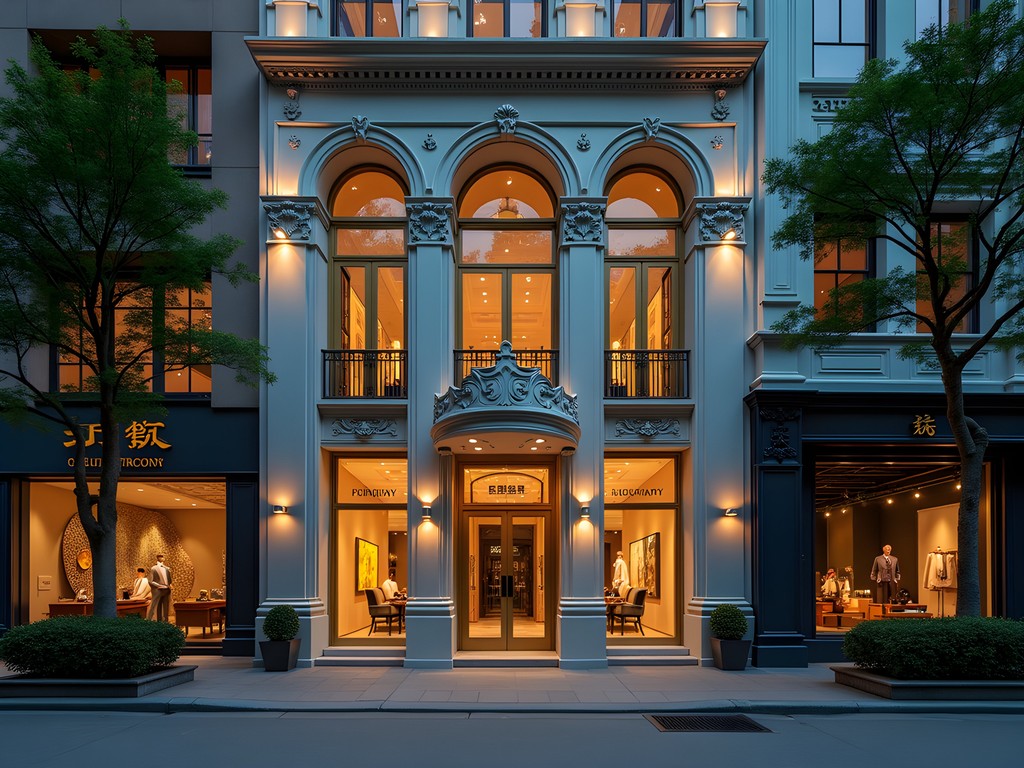
For those seeking a deeper understanding of Chinese luxury, a visit to Shanghai Tang's flagship store is essential. Though now owned by an Italian consortium, the brand remains a fascinating window into how Chinese aesthetic traditions are being reinterpreted for the global luxury market.
💡 Pro Tips
- Visit Plaza 66 on weekday mornings to avoid crowds and receive more attentive service
- The concierge services at major malls can arrange for purchases to be delivered to your hotel
- Most luxury stores offer tax refund services for foreign visitors—bring your passport
The Bund Finance Center: Where Heritage Meets Haute Couture
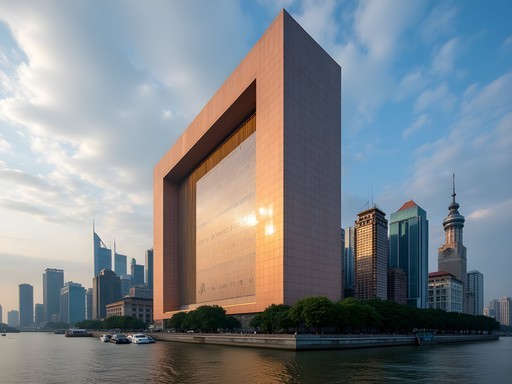
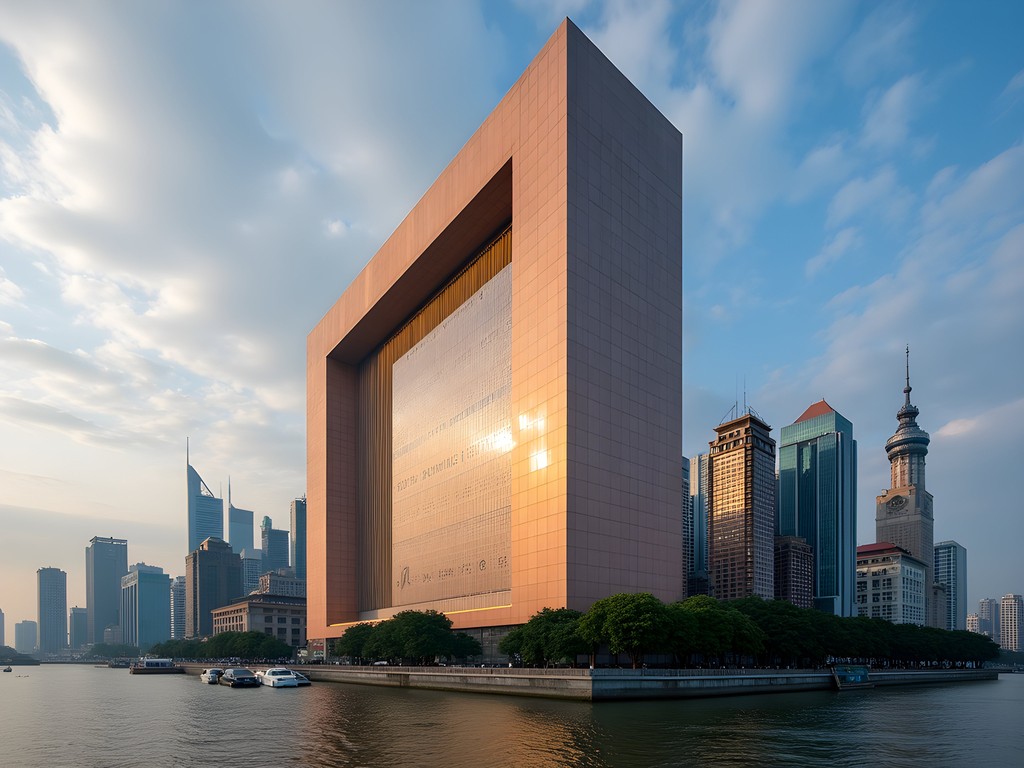
The relatively new Bund Finance Center (BFC) has quickly established itself as my preferred luxury shopping destination in Shanghai. Situated where the historic Bund meets the modern Lujiazui financial district, this Foster + Partners-designed complex embodies Shanghai's dual identity better than perhaps any other commercial space in the city.
What distinguishes BFC is its thoughtful integration with the surrounding architectural heritage and its emphasis on creating a cultural destination rather than merely a shopping center. The complex houses an exceptional art museum, performance spaces, and restaurants alongside luxury boutiques.
The retail selection favors brands with artistic sensibilities and craftsmanship traditions. Particularly noteworthy is the Shanghai flagship of Bottega Veneta, where the brand's signature intrecciato leather goods are displayed like museum pieces in a gallery-like setting. For those seeking the perfect memento of Shanghai style, I recommend exploring the Shanghai Tang cashmere scarf collection, which beautifully merges traditional Chinese motifs with contemporary design sensibilities.
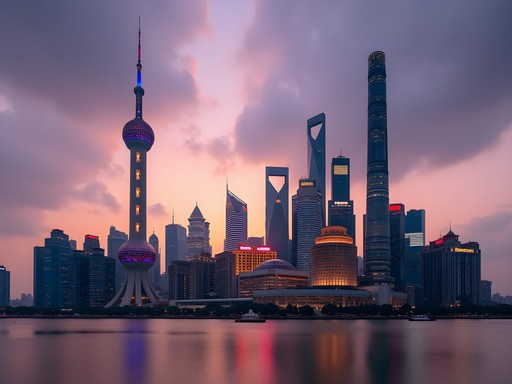
After shopping, ascend to the rooftop terrace where the views across the Huangpu River provide a dramatic tableau of Shanghai's evolution—19th century European colonial architecture on one bank facing the futuristic skyline of Pudong on the other. This juxtaposition perfectly encapsulates the shopping experience itself: a city where heritage and innovation exist in dynamic equilibrium.
💡 Pro Tips
- Reserve a table at Canton Table restaurant inside BFC for exceptional Cantonese cuisine with Bund views
- Visit on clear days for spectacular photographs from the observation deck
- The BFC complex often hosts cultural events and exhibitions worth checking
Tianzifang: The Labyrinth of Artisanal Treasures
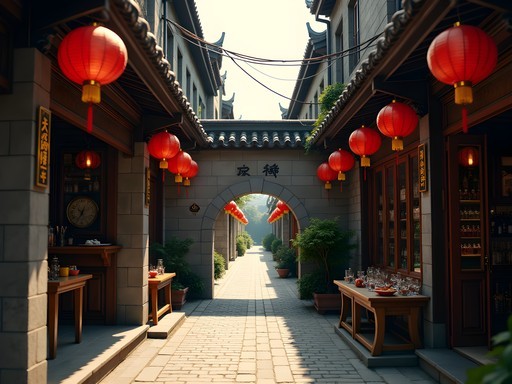
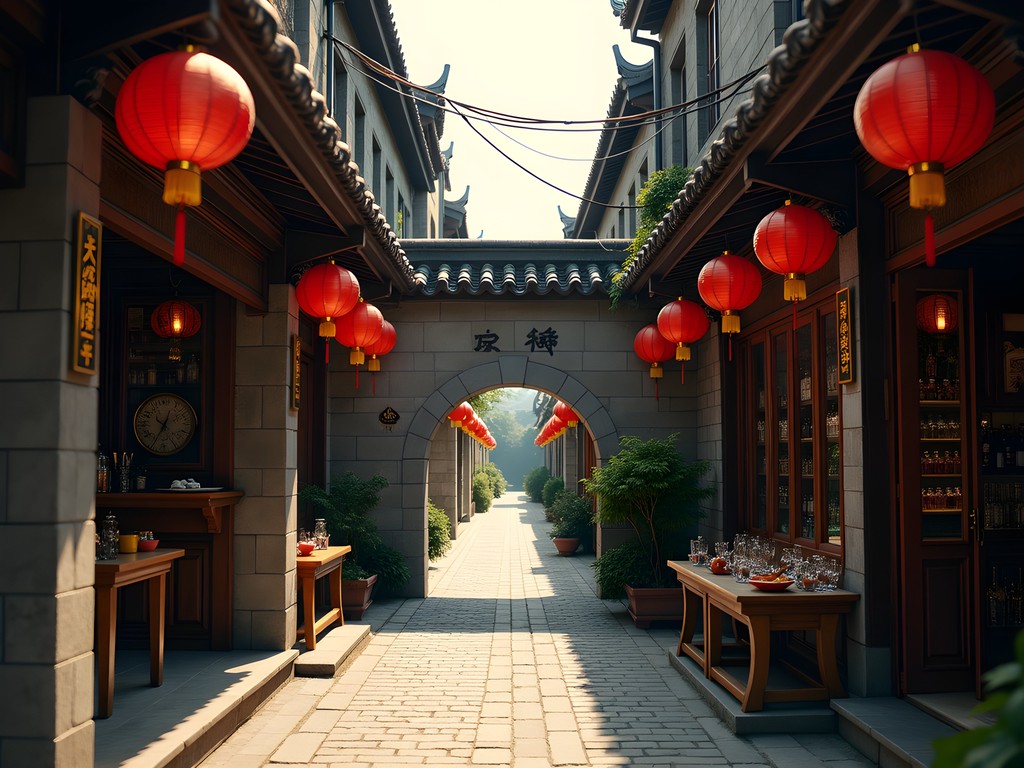
For those seeking respite from corporate luxury and mass production, Tianzifang offers a refreshing counterpoint. Nestled in the former French Concession, this network of interconnected shikumen lane houses has been transformed into a vibrant maze of independent boutiques, studios, and cafés without sacrificing its architectural integrity or neighborhood character.
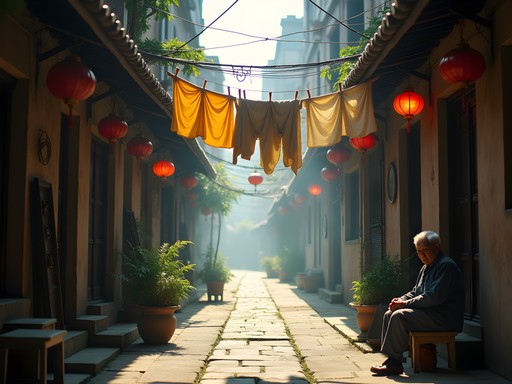
Unlike Xintiandi, which underwent a more aggressive redevelopment, Tianzifang retains an authentic lived-in quality—residents still hang laundry above the narrow alleys while visitors browse the shops below. This preservation of everyday life alongside commercial activity creates an atmosphere that feels genuinely organic rather than curated for tourists.
The shopping here rewards the unhurried explorer. My recent discoveries include Woo Scarves, where hand-embroidered silk accessories showcase techniques dating back to the Ming Dynasty, and Sheme, offering exquisitely crafted footwear that blends Chinese aesthetic traditions with contemporary design. For those interested in Chinese tea culture, I recommend Tea Drunk, where owner Shunan sources rare single-origin teas directly from small family farms across China's historic tea regions.
Photography enthusiasts should not miss Photographie, a gallery-shop run by a collective of local documentary photographers whose work captures Shanghai's rapid transformation. I've furnished my Christchurch home with several of their limited edition prints, which prompt more conversation from guests than any other souvenirs from my travels.
To navigate Tianzifang properly, I recommend bringing a crossbody travel bag that keeps your essentials secure while leaving your hands free to examine artisanal wares—the narrow passages can become quite congested, particularly on weekends.
💡 Pro Tips
- Visit on weekday mornings to avoid crowds and have more meaningful interactions with shopkeepers
- Many artisans in Tianzifang can customize items—don't hesitate to ask
- The deeper you venture into the complex, the more interesting and less touristy the shops become

Xintiandi Style: Contemporary Chinese Design
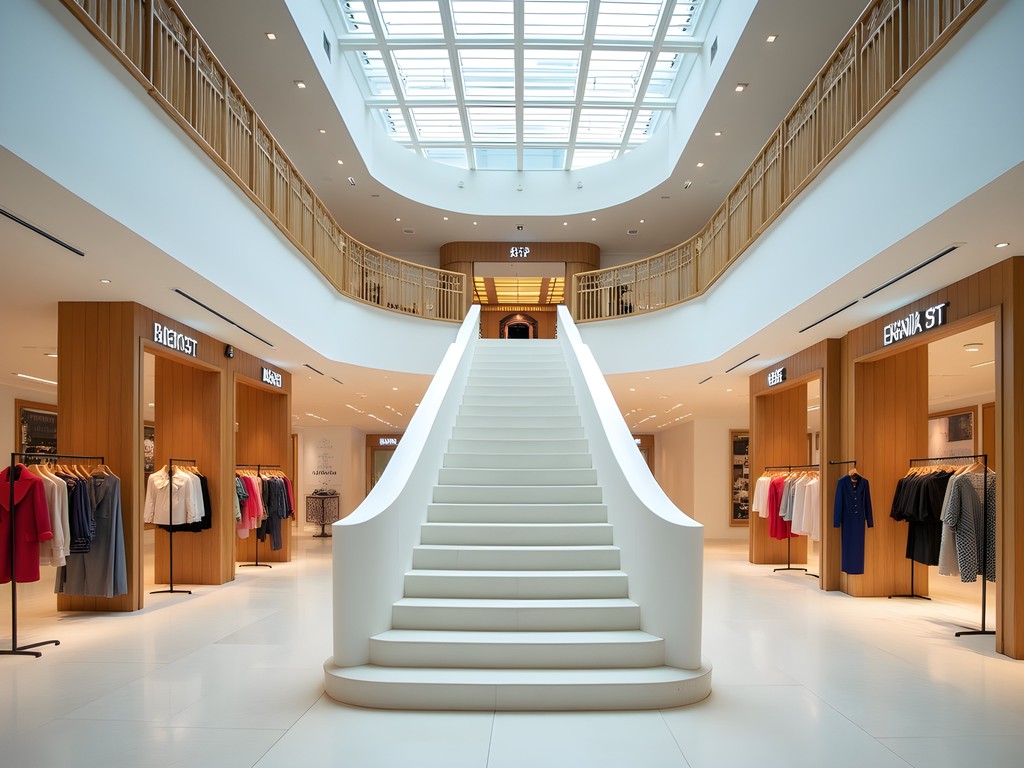
While Xintiandi's main plaza has become somewhat commercial, the adjacent Xintiandi Style mall represents one of Shanghai's most compelling showcases of contemporary Chinese design talent. This boutique shopping center has positioned itself as an incubator for emerging local designers who are redefining what 'Made in China' means in the 21st century.
On my most recent visit, I spent an afternoon exploring the four floors of carefully selected boutiques. Particularly impressive was Dong Liang, a multi-brand boutique that functions as a curatorial platform for independent Chinese designers who might otherwise struggle to find retail representation. The aesthetic here defies easy categorization—neither traditionally Chinese nor derivative of Western trends, but rather something distinctly contemporary and confidently local.
Nearby, Nuoqi specializes in modern interpretations of qipao dresses and mandarin-collar jackets using innovative fabrics and techniques. For those interested in Chinese craftsmanship with a modern sensibility, I recommend investigating their made-to-measure service, which delivers within a remarkably quick 48-hour timeframe—perfect for visitors with limited time in the city.
The third floor houses several jewelry designers working with traditional materials like jade, silver, and porcelain but in thoroughly contemporary forms. Shang Xia (backed by Hermès) deserves special attention for its mission to revitalize Chinese crafts through modern design applications—their tea services make exceptional gifts for discerning friends back home.
After shopping, I often find myself lingering at the Moleskine Café on the ground floor, where I can document my discoveries and observations while watching the fascinating cross-section of locals and visitors passing through this dynamic space.
💡 Pro Tips
- Ask for the Xintiandi Style Design Map, which offers background on featured designers
- Many boutiques offer shipping services for larger purchases
- Visit during Shanghai Fashion Week (typically April and October) when many spaces host special exhibitions
AP Plaza: The Underground Market for Discerning Bargain Hunters
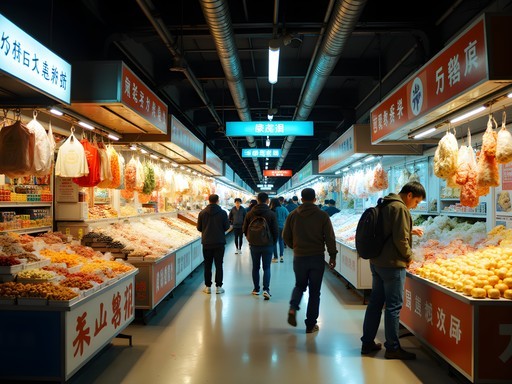
While luxury shopping in Shanghai offers relatively few surprises for the seasoned traveler, the city's markets still maintain the capacity to astonish. Chief among these is AP Plaza, an underground labyrinth beneath the Science and Technology Museum metro station that defies easy categorization.
Let me be clear—this is not your typical counterfeit market (though those certainly exist in Shanghai). Instead, AP Plaza has evolved into something far more interesting: a complex ecosystem where small-scale manufacturers, many supplying components or finished products to major global brands, sell direct to consumers. The result is a fascinating glimpse into global supply chains and an opportunity to find remarkable value for the discerning shopper.
The key to shopping here successfully is understanding what you're looking at. In many cases, you'll find items produced in the same factories as luxury goods but without the branding—what industry insiders call 'gray market' goods. In other instances, you'll discover small workshops creating legitimate products of surprising quality at direct-from-manufacturer prices.
I've developed relationships with several vendors over my multiple visits to Shanghai. Mr. Wu on the eastern side of the second floor produces exquisite leather goods using materials sourced from the same tanneries that supply Italian luxury houses. Ms. Chen near the northern entrance offers cashmere scarves and sweaters of exceptional quality at a fraction of department store prices.
For the technology enthusiast, the western section contains a remarkable selection of photography accessories and audio equipment. On my last visit, I purchased a camera backpack that has since accompanied me across five continents—indistinguishable from those sold in premium camera stores but at considerable savings.
Navigation can be challenging, so I recommend photographing shop fronts you wish to revisit and exchanging WeChat contacts with vendors whose products interest you.

💡 Pro Tips
- Bring cash for better negotiating leverage, though most vendors now accept WeChat Pay
- Quality varies dramatically—inspect items carefully and don't rush purchases
- Prices typically start at 30-40% of the final expected price, so polite negotiation is essential
M50 Creative Park: Art and Design Incubator
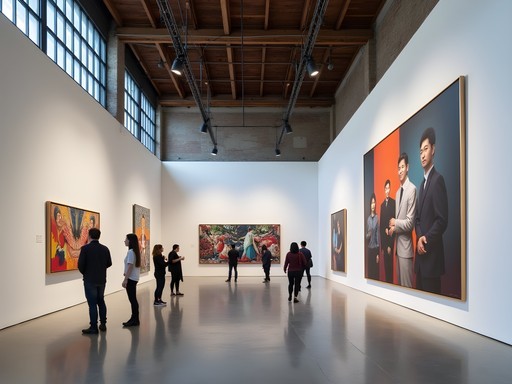
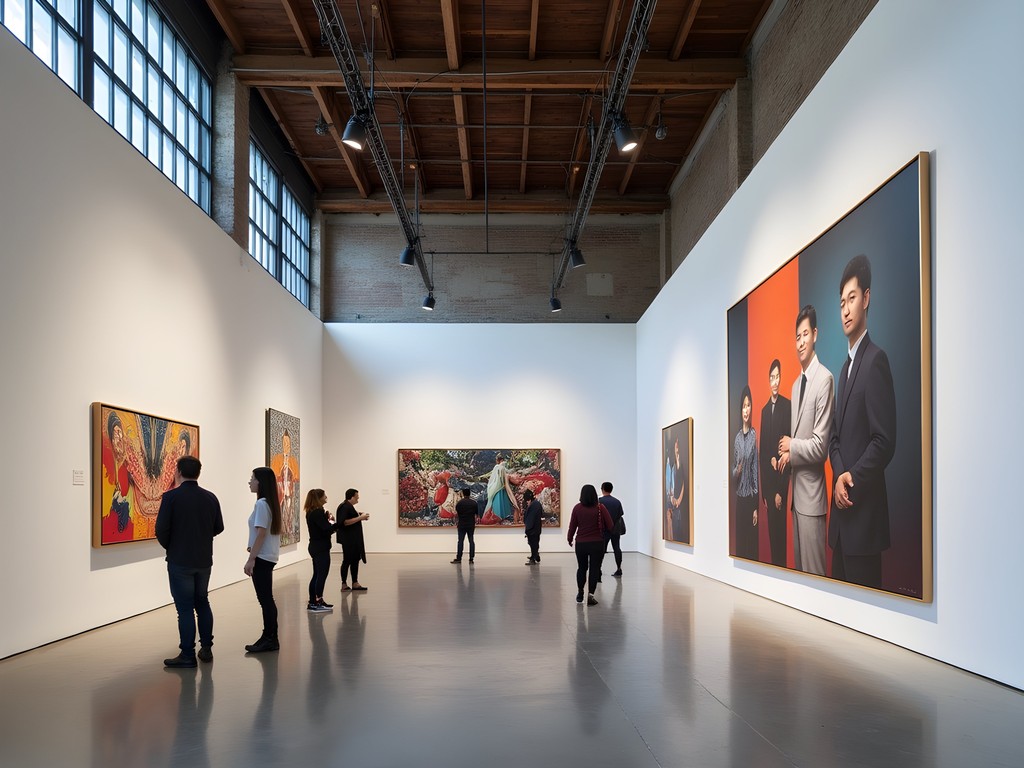
For those whose shopping interests skew toward the artistic and conceptual, M50 Creative Park offers Shanghai's most compelling concentration of contemporary galleries, design studios, and artist workshops. Housed in a former textile mill along Suzhou Creek, this industrial complex has been organically transformed into the epicenter of Shanghai's thriving art scene.
Unlike Beijing's more established 798 Art District, M50 maintains a working studio atmosphere where the line between creation and commerce remains productively blurred. Visitors can often observe artists at work, engage in conversations about their process, and purchase pieces directly from creators.
Island6 Arts Center consistently presents some of the most innovative multimedia work in the city, merging traditional Chinese techniques with cutting-edge technology. ShanghART, one of China's first contemporary galleries, maintains a significant space showcasing established and emerging Chinese artists with international reputations.
Beyond the galleries, numerous design studios offer limited-edition objects, fashion, and accessories that function as accessible entry points to collecting. I'm particularly fond of By Josephine, where designer Josephine Ye creates architectural jewelry inspired by Shanghai's distinctive urban forms. Her statement necklace designs have become my signature accessory for speaking engagements and literary events.
The complex also houses several excellent specialty bookshops focusing on art, design, and photography. These offer thoughtfully curated selections of publications otherwise difficult to find outside China, making them perfect sources for unique gifts and personal souvenirs.
After exploring the galleries, refuel at UNDEF/NE, a concept café combining specialty coffee with rotating design exhibitions—their cold brew provides necessary fortification for continued art appreciation on warm Shanghai afternoons.
💡 Pro Tips
- Many artists and designers speak English, so don't hesitate to ask questions about their work
- Galleries are typically closed on Mondays; Saturday afternoons often feature opening receptions
- Prices for artwork are often negotiable, particularly for multiple purchases
Final Thoughts
Shanghai's retail landscape serves as a perfect metaphor for modern China itself—a place where ancient traditions and hypermodernity coexist in productive tension. From the rarefied atmosphere of Plaza 66 to the creative ferment of M50, from the artisanal lanes of Tianzifang to the commercial labyrinth of AP Plaza, this city offers shopping experiences that transcend mere acquisition to become cultural exploration. What distinguishes Shanghai from other global shopping destinations is this remarkable diversity compressed into a navigable urban footprint, allowing visitors to traverse centuries of commercial evolution within a single day. As you plan your own Shanghai shopping expedition, I encourage you to move fluidly between these different retail ecosystems, embracing both the refined luxury of international brands and the authentic creativity of local artisans. The most meaningful souvenirs are often those that tell stories—of encounters with creators, of unexpected discoveries in hidden corners, of the complex and fascinating city that Shanghai continues to become.
✨ Key Takeaways
- Balance your shopping between luxury malls and local markets for a complete Shanghai experience
- Build relationships with vendors and artisans for more authentic interactions and better value
- Look beyond obvious souvenirs to find items that represent Shanghai's unique position between tradition and innovation
- Allow time for serendipitous discoveries—the most memorable finds often occur when you venture off the main shopping arteries
📋 Practical Information
Best Time to Visit
year-round, though spring (April-May) and fall (September-October) offer the most pleasant shopping weather
Budget Estimate
$$$-$$$$
Recommended Duration
3-4 days for comprehensive exploration
Difficulty Level
Easy



Comments
coolfan
Are the fake markets still a thing? Asking for a friend lol
islandone1355
They're around but way more underground than before. Quality varies a lot
wanderlustperson
What's the best area to stay if you want to be close to all these shopping spots?
Nicole Russell
Love this post, David! I visited Shanghai solo last spring and spent WAY too much money at Xintiandi haha. One thing I wish I'd known - download Alipay or WeChat Pay before you go because a lot of the smaller vendors don't take foreign cards. Also the AP Plaza mall near People's Square is incredible for streetwear and local designers if you want something beyond the luxury brands. The subway makes getting everywhere super easy. I kept all my essentials in my crossbody bag which was perfect for crowded markets. Can't wait to go back!
wanderlustperson
Did you have trouble setting up WeChat Pay as a foreigner?
Nicole Russell
It was a bit tricky but I linked my Visa card through the app. Took about 20 minutes to figure out!
tripbuddy
Really cool photos!
wanderhero
OMG this is EXACTLY what I needed!! Shanghai is my first solo international trip and I was so overwhelmed about where to shop. Definitely hitting up Tianzifang now, the photos look amazing!
smartlife
Is bargaining expected at Tianzifang or are prices fixed?
tripbuddy
You can definitely bargain at most stalls there. Start at like 40% of asking price
Timothy Jenkins
David, excellent guide as always. I spent three weeks in Shanghai last year and completely agree about Tianzifang - it's become a bit touristy but still retains that authentic charm if you venture deeper into the lanes. One tip I'd add: visit the fabric markets in the French Concession if you're interested in custom tailoring. I had two suits made for a fraction of what I'd pay in London, and the quality was exceptional. The South Bund Fabric Market is particularly good for this. Also, don't sleep on the tea markets near Yu Garden - fantastic place to learn about Chinese tea culture.
wanderhero
How much did the suits cost if you don't mind me asking?
Timothy Jenkins
Around £200 each including fabric, which was Italian wool. Takes about a week with fittings.
islandone1355
Great timing! Going in March, thanks for this
Sophia Gomez
David, this brought back so many memories! I was in Shanghai for a conference last fall and stumbled into Xintiandi completely by accident. What struck me most was how they've preserved those shikumen buildings while creating this incredibly modern retail experience. I ended up buying this gorgeous silk scarf from a local designer there - probably overpaid but zero regrets. The blend of old and new architecture is just stunning. One thing I'd add for business travelers: the IFC Mall near Century Avenue has everything you need if you're short on time between meetings. Got a last-minute gift for a client there and the English-speaking staff made it so easy.
hikingking
Xintiandi is beautiful but SO expensive compared to Tianzifang
smartninja
Quick question - are the luxury malls on Nanjing Road selling authentic stuff or is it all fake? First time in China and heard mixed things
Sophia Gomez
The big malls like Plaza 66 and CITIC Square are 100% legit - same as shopping in NYC or Paris. It's the street vendors and some smaller markets where you need to be careful. If the price seems too good to be true, it definitely is!
Venture X
Premium card with 2X miles, $300 travel credit, Priority Pass