
Disclosure: This article contains affiliate links. We may earn a commission from purchases at no extra cost to you, which helps our travel content.
There's something quite magical about bringing home a piece of your travels that was crafted by local hands. As someone who has spent years navigating both international educational trips and personal adventures, I've developed quite the knack for sniffing out authentic artisanal experiences. Last summer, I embarked on what I now fondly refer to as my 'Tale of Two Crafts' journey—spending a week each in the medieval Tuscan hill town of San Gimignano and the charming peninsula of Door County, Wisconsin. While separated by an ocean and centuries of different cultural influences, these two destinations share a surprising devotion to handcrafted excellence. From the moment I stepped onto San Gimignano's ancient cobblestones and later, Door County's lakeside paths, I knew I was in for a shopping expedition that would challenge my luggage allowance and delight my senses. Join me as I compare these two artisan havens and share how you can navigate them like a local—not a tourist with an empty wallet and a suitcase full of regrettable purchases.

San Gimignano: Craft Shopping in the Shadow of Medieval Towers
San Gimignano rises from the Tuscan landscape like a medieval Manhattan, its stone towers creating a skyline that has remained largely unchanged since the 13th century. But it's not just the architecture that's preserved time here—it's the dedication to traditional craftsmanship.
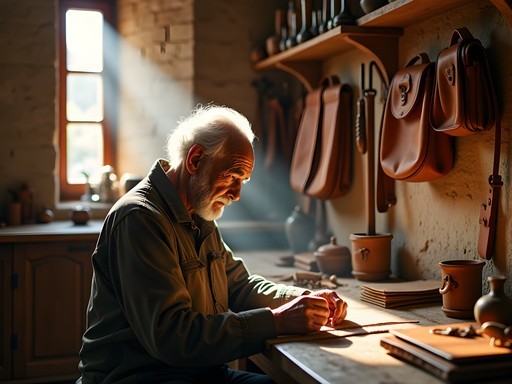
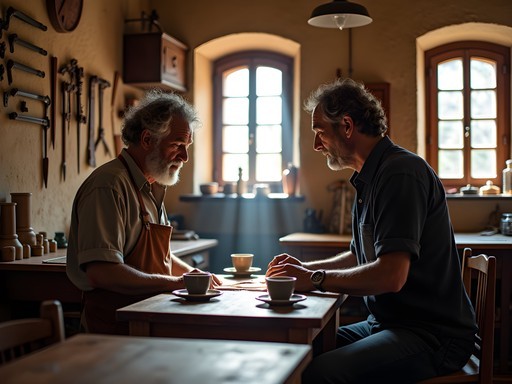
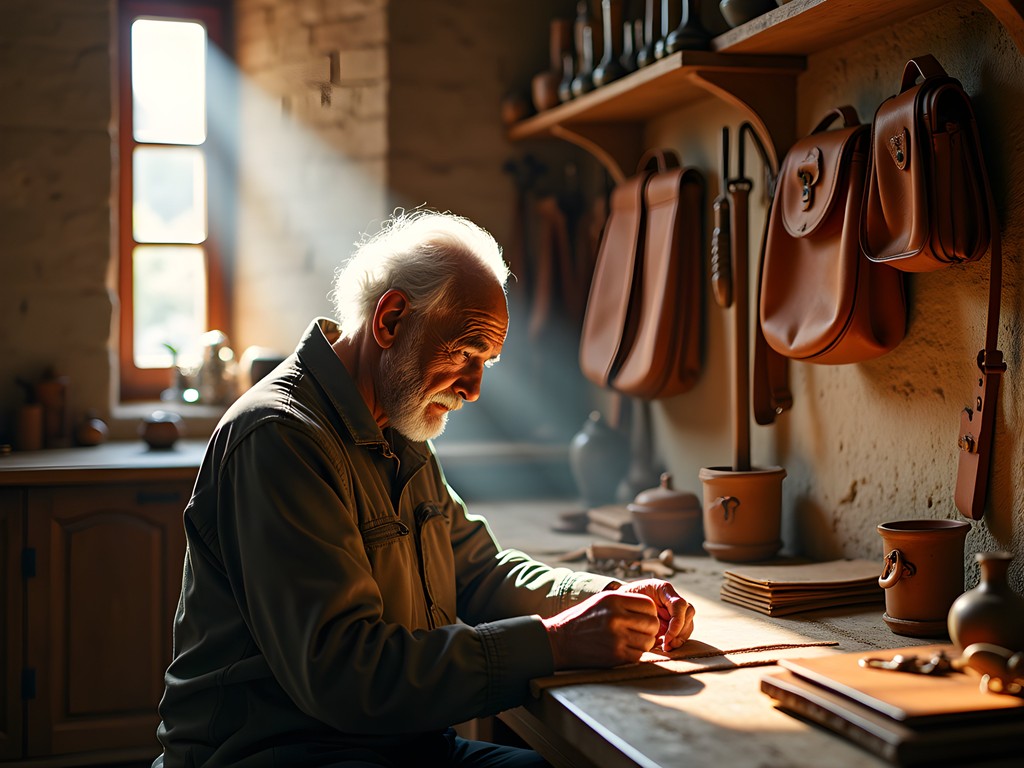
My first morning in town, I woke early to beat the tour buses (a principal's habit of early rising dies hard, even on holiday). The morning light cast a golden glow on the stone as I wandered into Bottega Artigiana on Via San Matteo. Here, Sergio, a third-generation leather craftsman, was already at work on a hand-stitched bag. 'You are early like a true Italian,' he laughed, inviting me to watch his process.
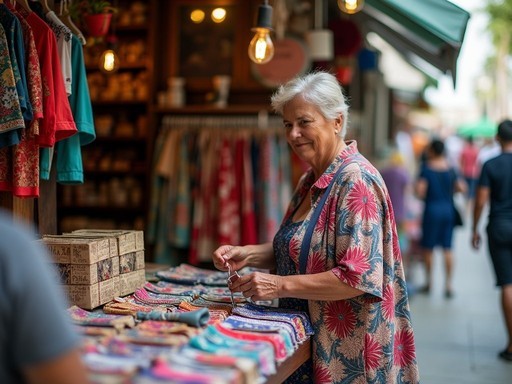
What distinguishes San Gimignano's shopping experience is the opportunity to witness creation happening before your eyes. Unlike the mass-produced 'Italian leather' found in tourist traps across the country, here you can often meet the very person who will craft your purchase. I spent nearly an hour watching Sergio work while he explained how he selects different leathers for different purposes.
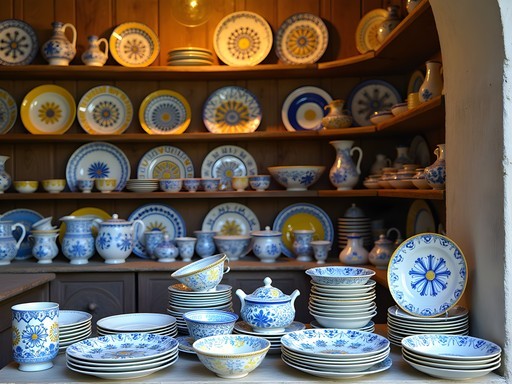
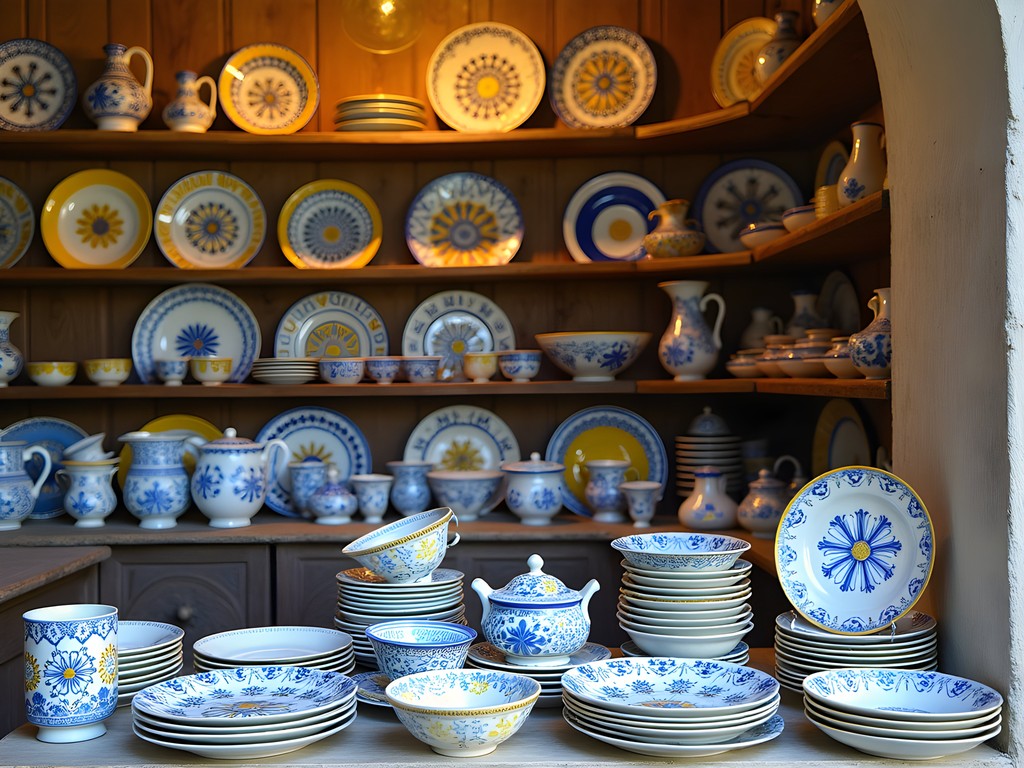
Ceramics are another highlight, with distinctive blue and yellow majolica pottery that reflects the town's medieval heritage. At La Bottega di Genoveffa, I found myself mesmerized by the hand-painted designs that haven't changed in centuries. When I mentioned I was a school principal, the owner pulled out designs created by local students who are learning the craft—a heartwarming educational connection across cultures.
The town's famous Vernaccia wine also makes for excellent shopping, though with considerably more weight consequences for your luggage. I recommend purchasing directly from smaller producers like Tenuta Torciano, where the family has been producing wine since 1720. Their tasting room offers shipping options that saved my suitcase from becoming a mobile wine cellar.
💡 Pro Tips
- Shop early morning (8-10am) or late afternoon (after 4pm) to avoid cruise ship and bus tour crowds
- Ask artisans about shipping options—many have reasonable rates for international delivery
- Look for the 'Artigianato Artistico Toscano' label which certifies authentic Tuscan craftsmanship
Navigating Prices and Authenticity in Tuscany
Let's address the elephant in the Tuscan room: prices in San Gimignano can induce mild cardiac events if you're unprepared. As a mid-range traveler who appreciates quality but isn't looking to remortgage my home for souvenirs, I quickly developed a strategy for distinguishing value from tourist markup.
First rule: if a shop displays 'Made in Italy' signs prominently in English, proceed with caution. The truly authentic workshops rarely need to advertise their Italian credentials—they're evident in the craftsmanship. Second rule: venture beyond Via San Giovanni (the main thoroughfare). Just two streets over, I found nearly identical ceramics for 30% less at La Terracotta di Toscana, where fourth-generation potter Marco creates pieces using clay from the surrounding hills.
For those seeking genuine value, I recommend bringing along a portable luggage scale to weigh potential purchases. Nothing dampens the joy of finding the perfect ceramic platter like discovering it will cost more in excess baggage fees than the item itself. This compact device saved me from an expensive surprise at check-in after I perhaps became too enthusiastic about Tuscan olive oils and wines.
Authenticity in San Gimignano often correlates with workshop visibility. The shops where you can actually see artisans working—cutting leather, painting ceramics, or carving alabaster—generally offer more authentic pieces. At Bottega dell'Alabastro, I watched as craftsmen transformed raw stone into delicate figurines, explaining that this tradition dates back to Etruscan times. The pieces weren't cheap, but understanding the skill involved made the investment feel worthwhile.
My most treasured purchase came from an unassuming workshop where I found Angela creating hand-marbled paper using techniques from the Renaissance. For €25, I acquired a journal bound in this paper that has become my travel diary for subsequent adventures—far more meaningful than mass-produced souvenirs costing twice as much.
💡 Pro Tips
- Ask where materials are sourced—authentic crafts typically use local materials
- Visit during the shoulder season (May or September) when artisans have more time to chat about their work
- Learn a few Italian phrases related to crafts—artisans appreciate the effort and may offer better prices
Door County: America's Craft Peninsula
Six thousand miles and one continent away from San Gimignano lies Door County—a peninsula jutting into Lake Michigan that feels worlds apart from Tuscany yet shares a surprising devotion to artisanal crafts. Where San Gimignano's traditions stretch back millennia, Door County represents a more recent American interpretation of craft culture, one that blends traditional techniques with contemporary innovation.
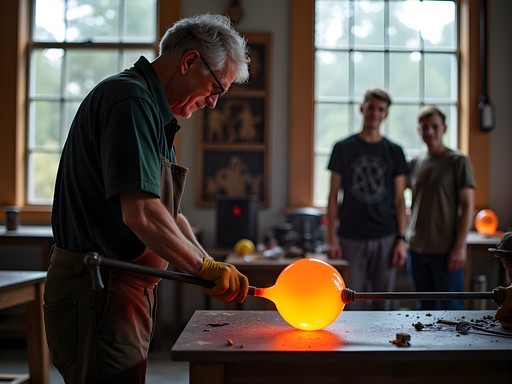
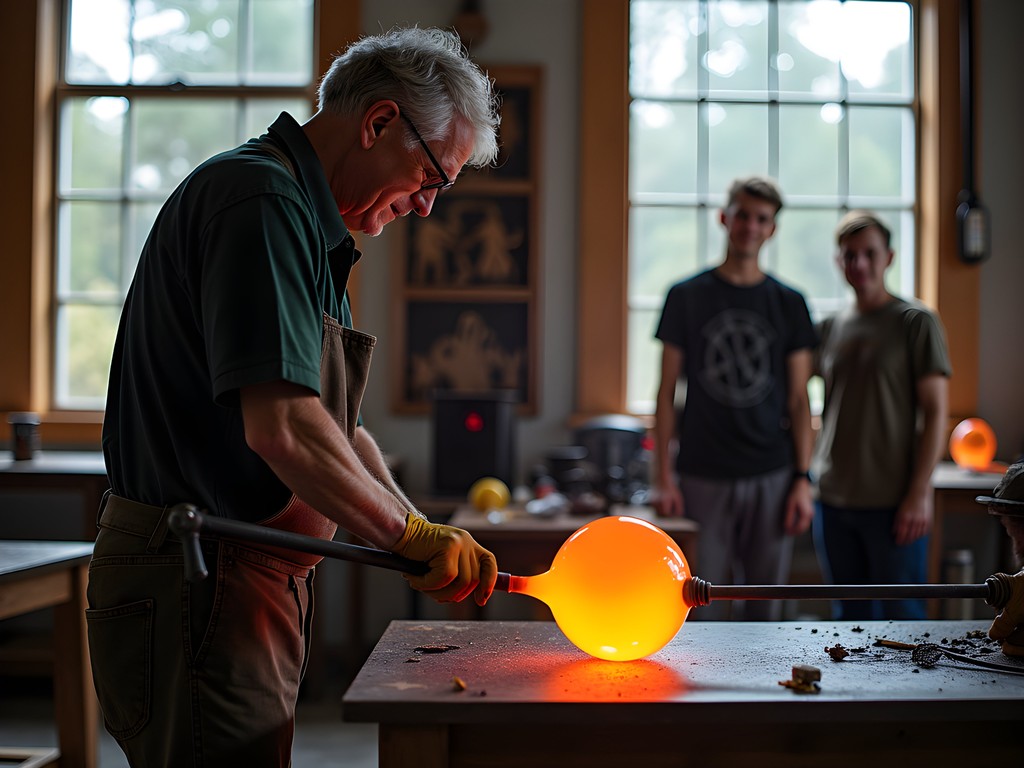
My exploration began in Fish Creek at Hands On Art Studio, a concept that would be almost heretical in tradition-bound Tuscany. Here, visitors become artisans themselves, creating pottery, glass art, and jewelry under expert guidance. As an educator, I was immediately drawn to this participatory approach. I spent a delightful afternoon crafting a fused glass plate that now serves as my key dish back home—a functional souvenir with a story.
Door County's craft scene reflects its natural environment in ways that parallel how Tuscan crafts reflect their medieval heritage. At Plum Bottom Gallery near Egg Harbor, I discovered pottery glazed in blues and greens that perfectly capture Lake Michigan's shifting hues. The artist, Chad, explained how he collects local minerals to incorporate into his glazes—a connection to place as profound as anything I found in Italy.
Textile arts flourish here too. At Textile Trail Studio in Baileys Harbor, I found handwoven scarves created on traditional looms but featuring distinctly modern designs. The owner, Karyn, showed me how she uses wool from Wisconsin sheep, hand-dyeing it using plants grown in her garden. I couldn't resist purchasing a merino wool scarf in stunning indigo tones that pairs beautifully with my travel blazer—a versatile piece that transitions effortlessly from planes to meetings to casual dinners, making it my go-to travel companion.
What struck me most was how Door County's artisans have embraced sustainability as part of their craft identity. At Kingfisher Farm & Studio, furniture maker Peter creates stunning pieces from trees felled by storms or disease on the peninsula. 'Nothing goes to waste here,' he told me while showing a cherry wood bowl whose rich color came from a tree struck by lightning just a mile away.
💡 Pro Tips
- Visit studios during weekdays when artists have more time for demonstrations and conversations
- Look for the 'Door County Made' label which identifies locally-crafted items
- Many studios offer shipping for larger items—take their card even if you're not ready to purchase immediately

The Culinary Crafts: Edible Souvenirs
No discussion of artisanal shopping would be complete without addressing the edible crafts that define both regions. In San Gimignano, food and drink aren't just sustenance—they're souvenirs with centuries of tradition behind them.
The town's specialty, Vernaccia di San Gimignano wine, holds DOCG status (the highest quality designation in Italy) and has been produced here since at least the 1200s. At Tenuta Le Calcinaie, winemaker Simone explained how the mineral-rich soil gives the wine its distinctive character while pouring generous tastings. I left with two carefully wrapped bottles and shipping information for future orders.
Saffron has been cultivated around San Gimignano since medieval times, when it was so valuable it served as currency. At Spezieria Toscana, I discovered small packages of locally-grown saffron along with saffron-infused honey that makes an extraordinary addition to cheese plates back home.
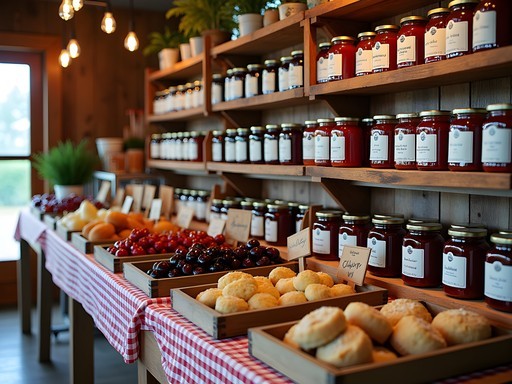
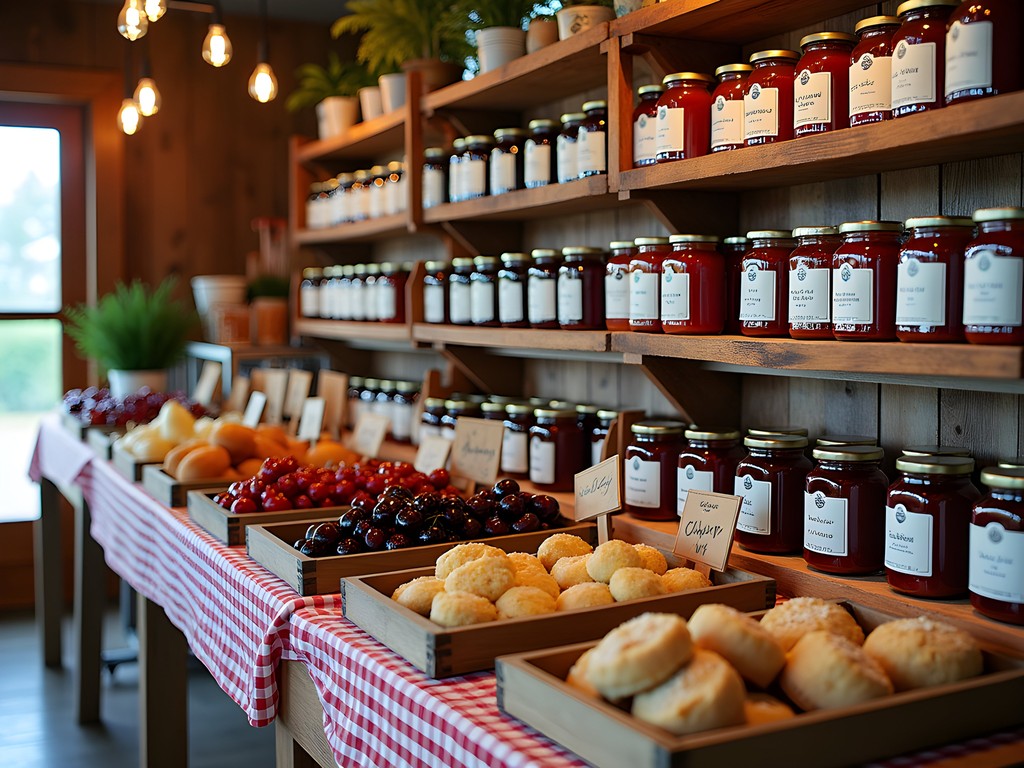
Crossing to Door County, the culinary crafts take on a distinctly American character while maintaining a similar dedication to place. The peninsula's famous cherries appear in everything from jams to wines to the iconic cherry pie. At Seaquist Orchards Farm Market, I watched as cherries were transformed into preserves using recipes passed down through generations, the process not entirely unlike watching olive oil being pressed in Tuscany.
Door County's craft beverage scene rivals Italy's in passion if not in age. At Island Orchard Cider in Ellison Bay, I discovered apple ciders made in the French style that could hold their own against any European competitor. The cidery uses heritage apple varieties grown on Washington Island, creating a terroir as distinctive as any wine region.
For travelers concerned about fitting edible souvenirs into their luggage, I've found a packing cube set invaluable for organizing and protecting bottles and jars. The water-resistant material provides peace of mind against potential leaks, and the compression feature helps maximize limited suitcase space. After an unfortunate incident involving a broken bottle of olive oil in Tuscany some years ago, these have become essential to my shopping adventures.
💡 Pro Tips
- Check customs regulations before purchasing food items—some products may be restricted when returning home
- Many producers offer vacuum-sealed packaging specifically designed for travel
- Consider shipping heavier items directly home rather than carrying them
The Art of Craft Conversation: Cultural Exchange Through Shopping
Perhaps the most valuable souvenir from both destinations wasn't something I could wrap in tissue paper, but rather the conversations that accompanied each purchase. As an educator, I've always believed that meaningful learning happens through cultural exchange, and shopping for crafts provides a natural context for these interactions.
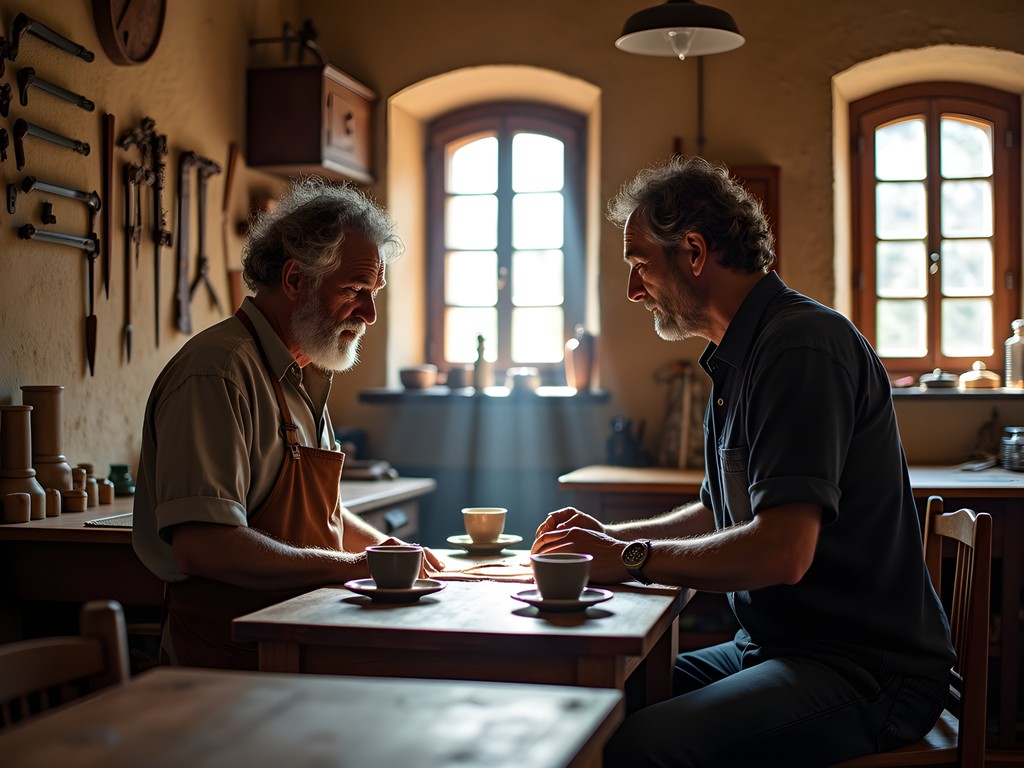
In San Gimignano, I quickly learned that rushing through a purchase is considered almost offensive. When I expressed interest in a hand-tooled leather journal at Bottega del Cuoio, the artisan, Francesco, insisted I sit down for an espresso while he explained the medieval binding technique he uses. What could have been a five-minute transaction became a 40-minute masterclass in Renaissance bookbinding. The journal cost more than I'd initially planned to spend, but the education that came with it was priceless.
I've found that asking specific questions about technique opens doors to deeper connections. Rather than the generic 'Did you make this?' try 'How long does it take to complete this type of piece?' or 'Where did you learn this technique?' In San Gimignano's ceramic shops, these questions led to stories about apprenticeships beginning in childhood and designs passed through generations.
Door County artisans share this appreciation for genuine interest but with an American openness that feels distinctly different. At Cappaert Contemporary Gallery, clay artist Ginnie immediately invited me to touch her textured ceramic pieces—something that would cause mild panic in most Italian galleries. 'Art should engage all the senses,' she explained, demonstrating how she creates texture using natural objects from Door County beaches.
Many Door County craftspeople are transplants who chose the peninsula specifically for its supportive arts community. Their stories often include previous careers abandoned in favor of creative fulfillment—a narrative I found particularly resonant as someone who balances educational leadership with creative pursuits.
To document these meaningful encounters, I use a travel journal dedicated specifically to craft shopping notes. I record artisan names, studio locations, and the stories behind pieces I purchase or admire. This practice has transformed shopping from a transactional experience to a documentary of cultural connections, creating a reference for future trips and a way to accurately share information about artisans with friends back home.
💡 Pro Tips
- Learn a few phrases in Italian before visiting San Gimignano—even basic greetings open doors to more authentic interactions
- Ask permission before photographing artisans or their workshops—some techniques are proprietary
- Collect business cards from favorite artisans to maintain connections and enable future purchases
Final Thoughts
After two weeks divided between these craft havens—one ancient, one relatively new; one European, one American—I've come to appreciate how artisanal traditions both preserve cultural heritage and evolve to reflect changing times. San Gimignano offers a window into centuries of unbroken craft lineage, while Door County demonstrates how traditional techniques can be reimagined through contemporary American perspectives. Both destinations remind us that in an age of mass production and digital detachment, there remains profound value in objects made slowly, with intention and human connection. Whether you're watching a third-generation ceramicist in Tuscany or a former accountant turned glass artist in Wisconsin, these craft encounters offer something increasingly rare: a direct connection to the maker and their story. So when planning your next holiday, consider making room in your itinerary—and your luggage—for these artisanal treasures. They may weigh down your suitcase, but they'll enrich your travels immeasurably.
✨ Key Takeaways
- Both destinations offer authentic craft experiences but with distinctly different cultural contexts
- The most valuable part of craft shopping is the connection with artisans and their stories
- Sustainable, handmade souvenirs create lasting connections to the places we visit
📋 Practical Information
Best Time to Visit
May-June or September for San Gimignano; July-September for Door County
Budget Estimate
$100-300 for quality artisanal purchases in each destination
Recommended Duration
3-4 days in each location to fully explore craft offerings
Difficulty Level
Beginner



Comments
starninja
Great photos! Really captures the vibe of both places
Frank Garcia
Really interesting comparative analysis here. What strikes me is the pricing transparency issue you mentioned in Tuscany versus the fixed pricing in Door County. I've noticed this pattern across Europe—the negotiation culture can be intimidating for travelers not used to it. Did you find significant price differences when you haggled versus accepting initial quotes? Also curious about the sustainability angle. Were artisans in either location discussing their material sourcing or environmental practices? That's becoming increasingly important to conscious travelers.
Jackson Wallace
Good points! I got about 15-20% off in San Gimignano when buying multiple items, but you have to be respectful about it. On sustainability—Door County artisans were much more vocal about it, lots of talk about local/reclaimed materials. In Tuscany it seemed more implicit in the traditional methods themselves.
backpackwanderer
planning san gimignano for june - how many days do you need there for shopping?
starninja
one full day is enough for the town itself but stay overnight! day trippers leave around 5pm and it gets magical
redlegend
been to both places and this is spot on. san gimignano prices were actually reasonable if you avoid the main square tourist traps. walked down some side streets and found incredible pottery for like half the price. door county was pricier than i expected honestly but the quality was there. the glass blowing studios are insane to watch. also those cherry preserves make great gifts, brought home like 6 jars last time
springlegend
which studios in door county would you recommend??
springlegend
Love this! Door County is way more accessible for us Americans
Sophia Gomez
Jackson, this comparison is brilliant! I visited San Gimignano three years ago and fell completely in love with the leather workshops near Piazza della Cisterna. There was this elderly craftsman who'd been making bags for 40+ years—watching him work was mesmerizing. I still use the messenger bag I bought from him on every trip. Door County has been on my radar but I didn't realize the artisan scene was so developed there. The cherry products sound amazing! Do you think it's comparable in terms of authenticity, or does it feel more commercialized being in the US?
Jackson Wallace
Great question! Door County definitely has a different vibe—more polished and tourism-focused—but I was surprised by how many genuinely skilled artisans work there. It's less about centuries-old family traditions and more about people who chose the craft lifestyle. Both authentic, just different stories.
vacationrider
how easy is it to ship ceramics back from san gimignano? worried about stuff breaking in my luggage
Jackson Wallace
Most shops will ship for you! It's not cheap but totally worth it for fragile items. I paid about €35 to ship a medium ceramic piece. Just make sure to get full insurance.
starninja
i wrapped mine in all my clothes and it made it home fine lol. but yeah shipping is prob smarter
globeexplorer
Love this post!! Adding both places to my bucket list. Those medieval towers look amazing in your photos.
Mason Ferrari
Door County has been on my radar for years but I keep prioritizing international destinations. Your comparison makes a compelling case for domestic craft tourism. The cherry products angle is intriguing - I've found that edible souvenirs often provide the best value proposition since you're getting both craft and consumable experience. Did you find the cherry orchards themselves worth visiting, or is it mainly about the finished products in shops?
coolhero
What were the price ranges like in Door County? Comparable to San Gimignano or cheaper?
Jackson Wallace
Door County was generally 20-30% less expensive for comparable quality items. A handmade ceramic bowl that would run €45-60 in San Gimignano was typically $40-50 in Door County. But the styles are quite different - Tuscan pieces have that centuries-old design tradition while Door County feels more contemporary American craft aesthetic.
Venture X
Premium card with 2X miles, $300 travel credit, Priority Pass