
Disclosure: This article contains affiliate links. We may earn a commission from purchases at no extra cost to you, which helps our travel content.
The moment you step into Malacca's labyrinthine markets, time seems to fold in on itself. Colonial Portuguese influences mingle with Chinese heritage, Malay traditions, and Dutch architectural remnants—all creating a sensory tapestry unlike anywhere else in Southeast Asia. As an anthropologist who has spent decades studying material culture in valley communities worldwide, I find Malacca's markets to be living museums where history, craftsmanship, and commerce converge in the most delightful ways.

Jonker Street: Beyond the Tourist Facade
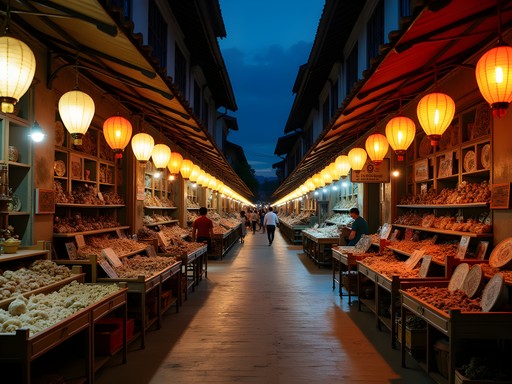
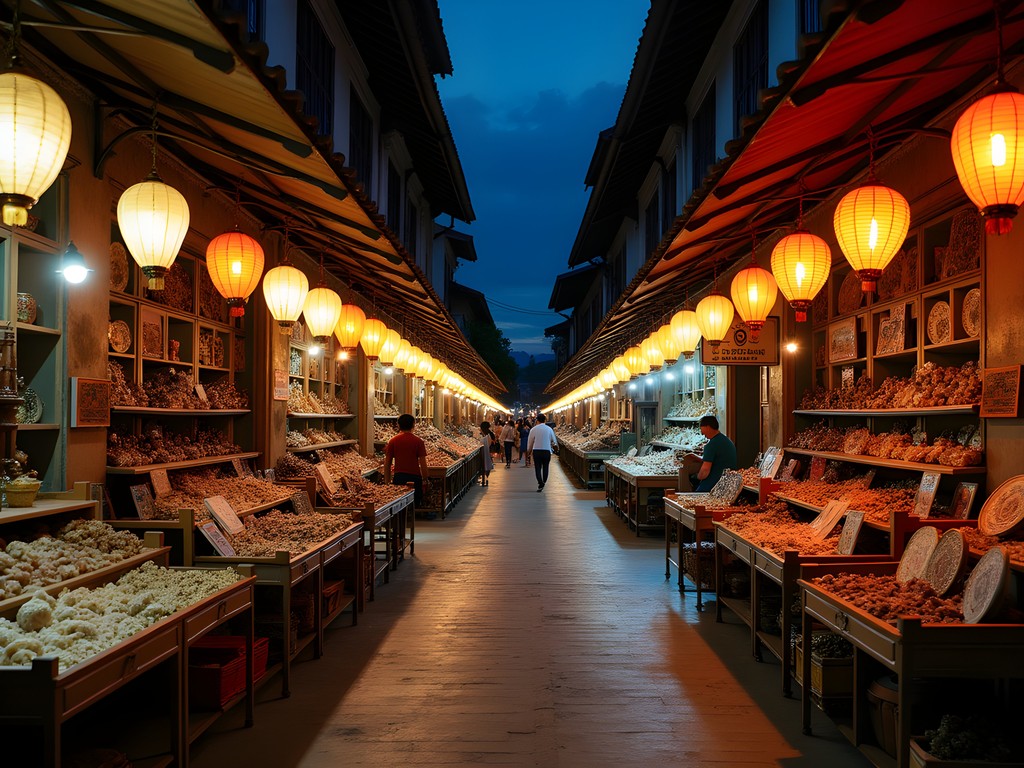
While Jonker Street (Jalan Hang Jebat) appears on every tourist itinerary, there's a profound difference between casually browsing and understanding the cultural significance behind what you're seeing. During my recent research visit, I spent three consecutive evenings at the Jonker Walk Night Market, arriving progressively earlier each time (5:30 PM is ideal) to observe how the market transforms from local commerce to tourist spectacle.
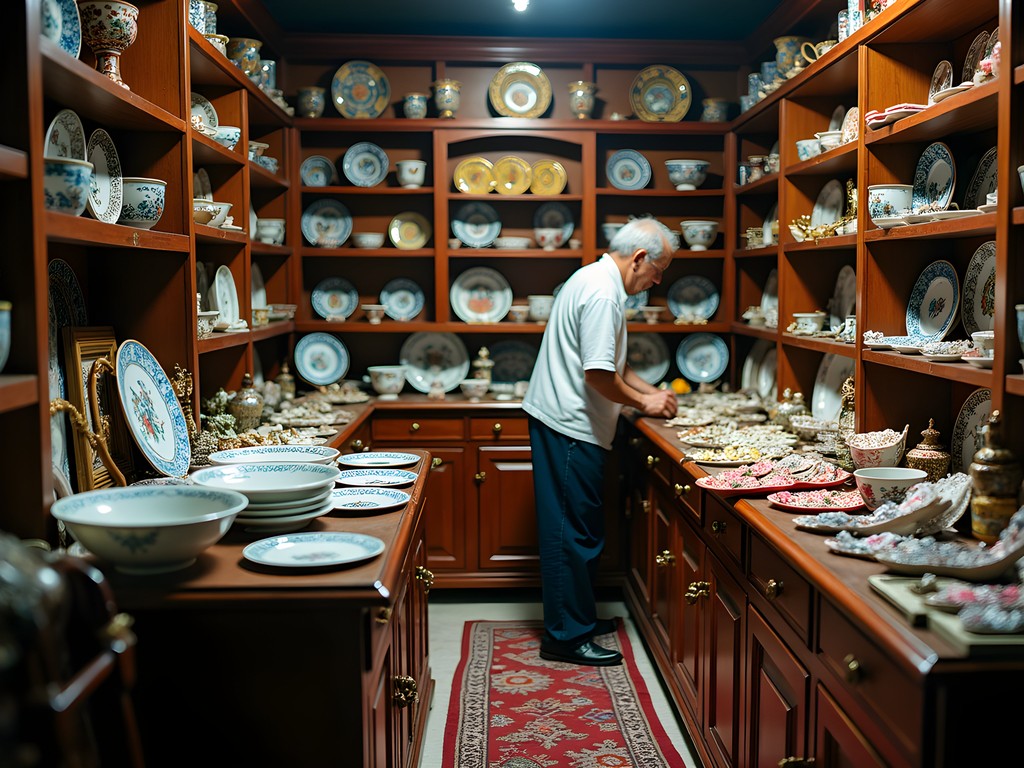
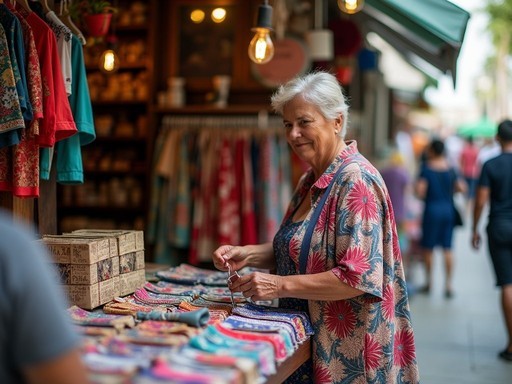
Beneath the surface of seemingly ordinary trinkets lies a fascinating narrative of cultural exchange. The antique shops tucked between cafes hold Peranakan artifacts that speak to the Straits Chinese heritage—delicate porcelain with motifs that blend Chinese symbolism with Malay aesthetic sensibilities. I was particularly drawn to the handcrafted beaded slippers (kasut manek) that require weeks of meticulous work, with patterns reflecting both Chinese prosperity symbols and European floral designs.
During my exploration, I found myself constantly documenting textile patterns and craftsmanship techniques in my waterproof notebook. Its durability proved essential in Malacca's unpredictable tropical climate, especially when afternoon showers caught me mid-documentation.
💡 Pro Tips
- Visit Jonker Street Night Market on Friday, Saturday, and Sunday evenings, but arrive by 5:30 PM before crowds peak
- Look for shops with elderly craftspeople actively working—they often create the most authentic pieces
- Bargaining is expected but approach it as a respectful conversation rather than aggressive haggling
Textile Treasures: Batik, Songket, and Contemporary Adaptations
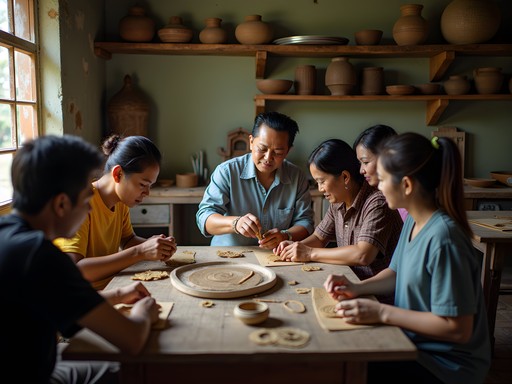
My anthropological research has long focused on textile traditions, and Malacca offers a fascinating window into how these crafts evolve while maintaining cultural integrity. Rather than limiting your textile exploration to tourist shops, I recommend visiting the smaller workshops where artisans still practice traditional methods.
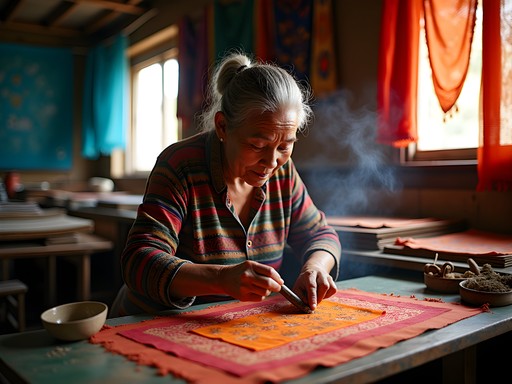
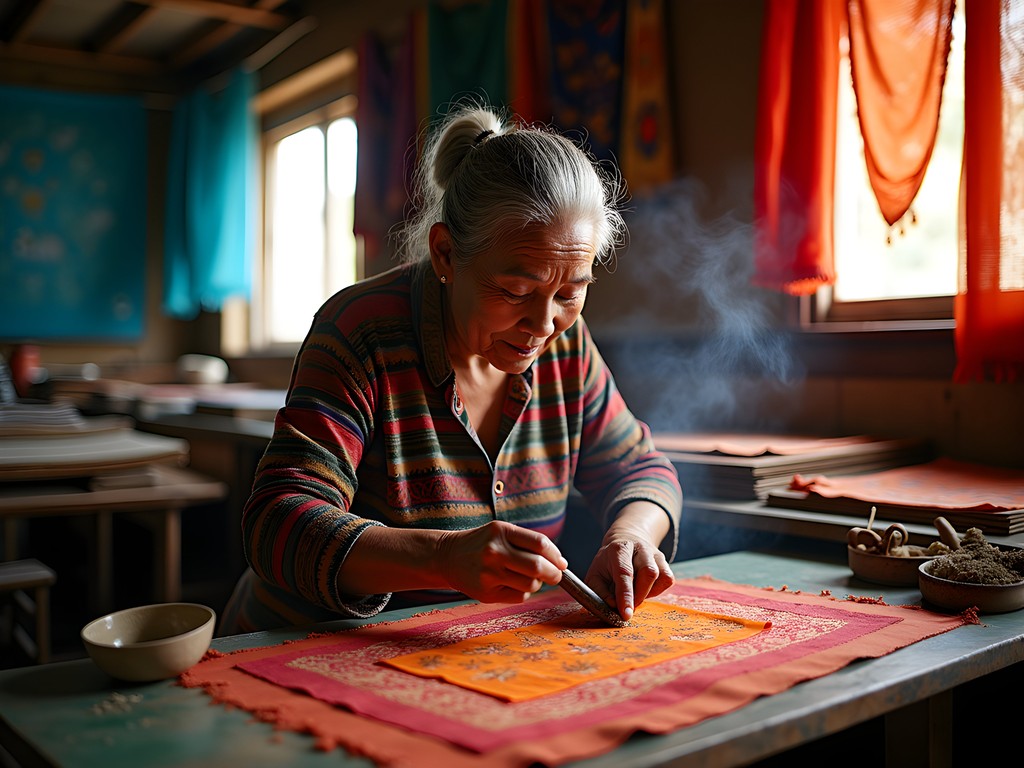
On Heeren Street (Jalan Tun Tan Cheng Lock), I discovered a small family-run batik studio where three generations work together—the grandmother hand-drawing the most intricate wax patterns, the mother managing the dyeing process, and the daughter incorporating contemporary designs that appeal to younger customers. The cultural transmission happening in these spaces is precisely what keeps traditional crafts relevant.
For those interested in Malaysian textile traditions, I suggest visiting the Malacca Textile Museum first to understand the historical context before shopping. The knowledge gained there will transform your purchasing experience from mere souvenir-hunting to meaningful cultural appreciation.
During my visits to textile workshops, I've found my compact light meter invaluable for properly documenting the subtle color variations and intricate patterns of these textiles. The ability to measure both ambient and reflected light ensures I capture the true brilliance of these fabrics in my research photography.
💡 Pro Tips
- Ask permission before photographing artisans at work—offering to purchase something or make a small donation is a respectful gesture
- Look for natural dyes in batik pieces—they create more subtle, complex colors than synthetic alternatives
- Quality songket (gold-threaded) textiles should have consistent thread tension throughout the piece
Peranakan Treasures: Cultural Fusion in Material Form
The Peranakan culture—born from the intermarriage of Chinese merchants and local Malay women—produced one of Southeast Asia's most distinctive material cultures. In Malacca, this heritage manifests in exquisite beadwork, intricate embroidery, and the iconic nyonya porcelain that blends Chinese techniques with local motifs.
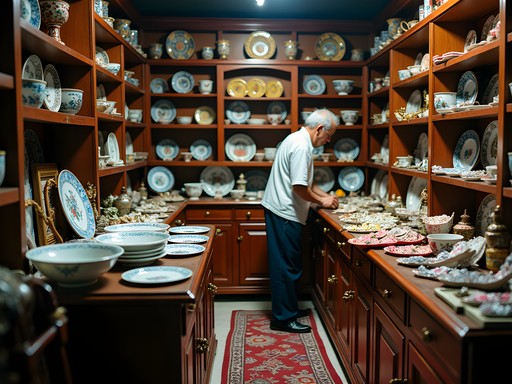
Rather than purchasing from larger antique dealers, I seek out the smaller family shops along Jalan Tokong and Jalan Tukang Emas where knowledge is passed through generations. During my recent visit, I spent a fascinating afternoon with Madam Lim, a third-generation Peranakan antique dealer whose tiny shop contains treasures she can trace to specific families and historical events.
The most authentic Peranakan pieces often show signs of actual use—slight wear on porcelain where hands have held it for decades, or the subtle fading of beadwork that indicates natural dyes rather than modern synthetic ones. These 'imperfections' actually authenticate the piece's cultural significance.
When examining intricate Peranakan beadwork and embroidery, my illuminated magnifier has proven invaluable. The LED illumination reveals subtle details in craftsmanship that might otherwise go unnoticed, particularly in the dimly lit traditional shops where these treasures are often found.
💡 Pro Tips
- Authentic Peranakan antiques will have provenance stories—ask the seller about the piece's history
- Beaded slippers (kasut manek) should have even stitching and secure beading throughout
- Look for Peranakan porcelain with hand-painted rather than stamped designs—the slight irregularities indicate authentic craftsmanship

Beyond Jonker: Malacca's Hidden Market Gems
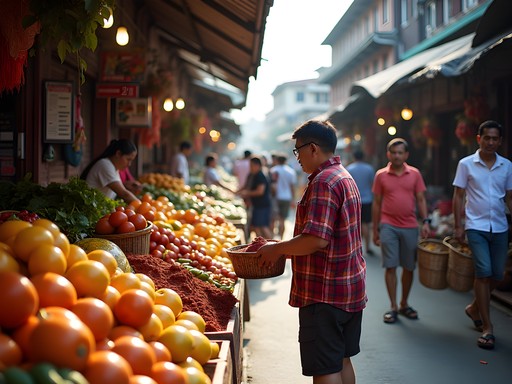
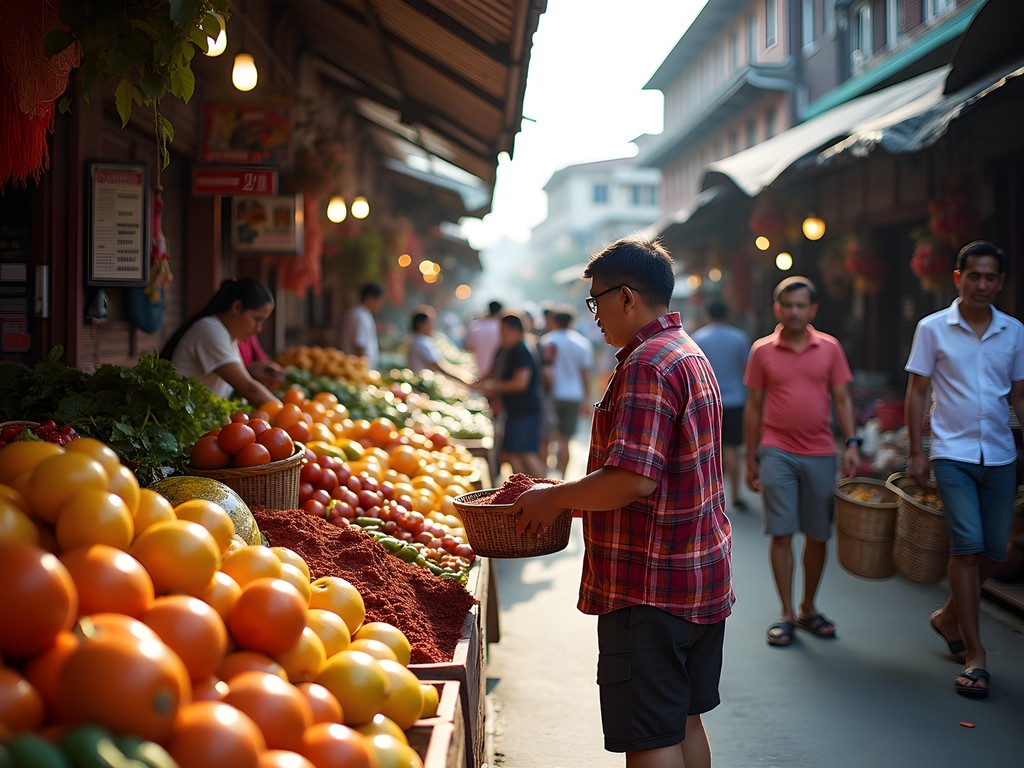
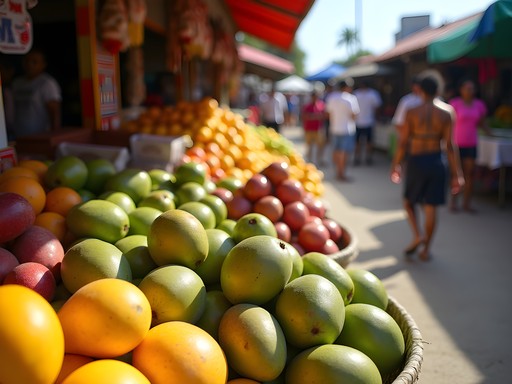
While most tourists confine their shopping to Jonker Street, my anthropological curiosity has led me to Malacca's peripheral markets where authentic local commerce thrives. The Pasar Besar Melaka (Central Market) on Jalan Pasar offers a genuine glimpse into everyday Malaccan life, with vendors selling everything from local produce to handcrafted kitchen implements that reflect traditional cooking practices.
For those interested in contemporary Malaysian craftsmanship, the small collective workshops around Jalan Bunga Raya showcase how younger artisans are reinterpreting traditional techniques. I was particularly impressed by a cooperative of women artisans creating modern accessories using traditional batik and songket techniques—their tote bags and laptop cases represent cultural adaptation rather than simple commercialization.
During my market explorations, I rely on my crossbody anti-theft bag which allows me to navigate crowded spaces while keeping my research materials, camera, and purchases secure. The lockable compartments and slash-resistant construction provide peace of mind without sacrificing the casual, approachable appearance that helps me blend in with local shoppers.
Perhaps my favorite discovery was a small spice market near Kampung Morten where I found a vendor selling hand-ground spice mixtures based on family recipes. The complex aroma profiles of these spices tell the story of Malacca's position at the crossroads of ancient trade routes more eloquently than any museum exhibit.
💡 Pro Tips
- Visit local markets early (6-8 AM) to observe authentic community interactions before tourist hours
- Bring small denominations of Malaysian Ringgit for easier transactions in local markets
- Learn a few basic Malay phrases—even simple greetings will transform your shopping experience
Ethical Shopping: Supporting Sustainable Craft Traditions
As both an anthropologist and a conscious consumer, I'm acutely aware of how tourism impacts traditional craft communities. In Malacca, the pressure to produce quick, cheap souvenirs threatens the integrity of craft traditions that have survived centuries. Yet there are numerous opportunities to shop ethically while supporting cultural preservation.
One exemplary initiative is the Craft Heritage Center near Stadthuys, where a collective of artisans works with fair trade principles. Here, the slightly higher prices directly support sustainable production methods and fair compensation for skilled craftspeople. Each item comes with documentation about the artisan and the cultural significance of the techniques used—precisely the kind of transparency that ethical shopping requires.
During my visits to craft workshops, I've found my portable luggage scale indispensable. It allows me to confidently purchase handcrafted textiles, ceramics, and wooden artifacts without worrying about exceeding airline weight restrictions on my return journey. The compact design takes minimal space in my daypack but saves considerable stress when packing my treasured finds.
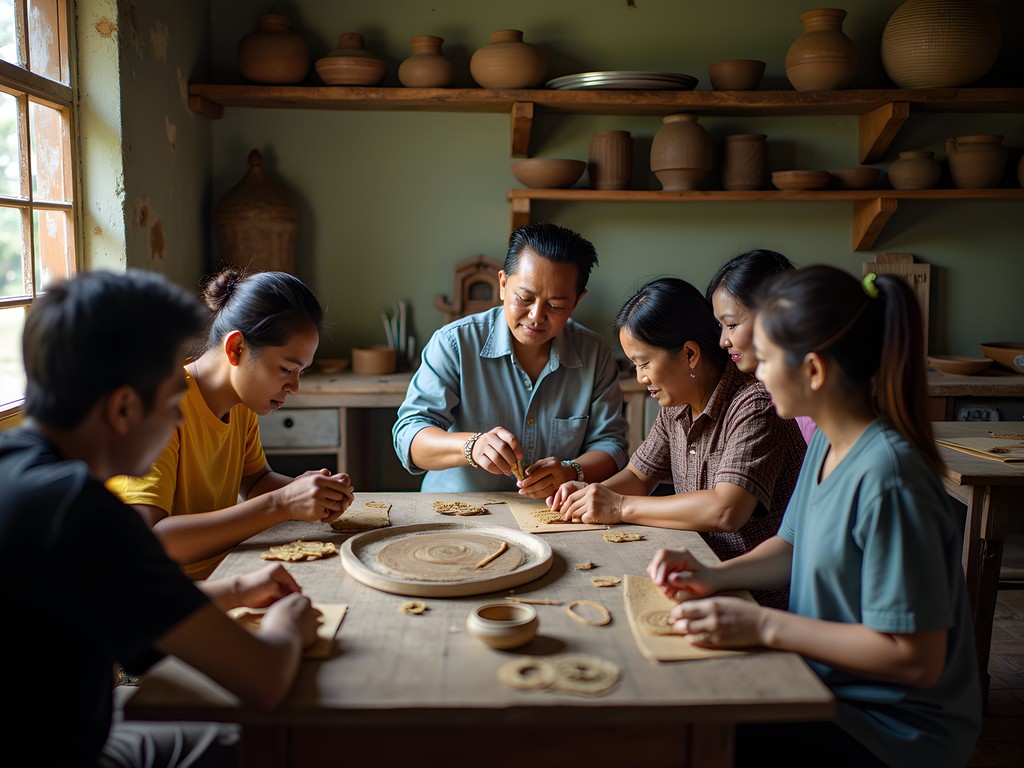
I also recommend seeking out workshops that offer hands-on experiences. During my recent visit, I participated in a traditional batik-making session at the Orang Asli Craft Center, where indigenous artisans teach visitors basic techniques. This direct engagement creates meaningful cultural exchange while providing artisans with income that doesn't require mass production of their cultural heritage.
💡 Pro Tips
- Look for items with artisan signatures or workshop marks—these indicate authentic, non-mass-produced crafts
- Ask about materials—sustainable crafts will use locally-sourced, natural materials rather than imported synthetics
- Be willing to pay appropriately for quality—extremely low prices often indicate exploitative labor practices
Final Thoughts
Malacca's markets offer far more than shopping opportunities—they provide windows into a complex cultural tapestry woven over centuries of trade, colonization, and cultural exchange. As you explore these vibrant spaces, remember that each purchase can either support or undermine the authentic craft traditions that make this UNESCO World Heritage city so distinctive.
I encourage you to shop not just with your eyes, but with cultural curiosity and ethical awareness. Ask questions about techniques and materials. Learn the stories behind the objects. Create connections with the artisans whose hands keep cultural knowledge alive.
My anthropological research has consistently shown that traditional crafts survive not when they're frozen in time as museum pieces, but when they find relevance in contemporary life while maintaining their cultural integrity. As visitors to Malacca, we can participate in this delicate balance—supporting authentic craft traditions while respecting their evolution in response to changing circumstances.
The treasures you bring home from Malacca's markets can be more than souvenirs; they can be tangible connections to centuries of human creativity and cultural exchange. Shop mindfully, and these objects will continue to tell their stories long after your journey ends.
✨ Key Takeaways
- Look beyond Jonker Street to discover authentic local markets and craft workshops
- Learn about traditional techniques before shopping to make more informed purchases
- Support sustainable craft initiatives that provide fair compensation to skilled artisans
- Engage directly with craftspeople through workshops and demonstrations when possible
- Consider the cultural significance and provenance of items rather than focusing solely on price
📋 Practical Information
Best Time to Visit
year-round, though January-February (Chinese New Year) offers special cultural markets
Budget Estimate
$50-150 USD per day for mid-range shopping and experiences
Recommended Duration
2-3 days minimum to explore markets thoroughly
Difficulty Level
Beginner


Comments
vacationstar
Just booked tickets to Malacca because of this post! Can't wait to explore these markets!
Marco Flores
Samantha, this post captures the essence of Malacca's markets perfectly! I was there during the Lunar New Year celebrations and the contrast between the tourist-packed main streets and the quiet cultural corners was striking. Your tip about the textile section led me to an incredible batik artist who taught me the traditional canting technique. Three burned fingers later, I have a newfound respect for these artisans! Also discovered a small family workshop making traditional wooden clogs (kasut manek) - the grandmother there has been hand-carving them for 60+ years. Her stories about how the designs evolved with different colonial influences were fascinating. For anyone visiting, bring small Malaysian ringgit notes - many small vendors struggle with change for large bills.
backpackguide
Your section on "Beyond Jonker" is spot on! We stumbled upon that local market near Bukit China last month completely by accident. Zero tourists and amazing food! That elderly couple selling handmade nyonya kuih were so sweet - they couldn't speak English but kept giving us free samples. We ended up buying way too many sweets but no regrets! Also found beautiful hand-carved wooden stamps that I'm now obsessed with. Malacca really rewards those who wander off the main streets.
wanderlustguide
Love this comprehensive guide! I'm heading there next month specifically for antique shopping. Are there any particular days when the markets for Peranakan antiques are better? I heard weekends are too crowded to find the good stuff.
Marco Flores
Not the author, but I can help with this! Tuesday and Wednesday mornings are gold for antique hunting in Malacca. The weekend crowds are gone and many vendors restock early week. There's also a small antique market that pops up near Heeren Street on Wednesday mornings - not in any guidebook I've seen but full of authentic pieces. Bring a good magnifying glass to check for authentic marks on porcelain!
wanderlustchamp
Those market photos are making me hungry! 😍 Can't wait to visit in December!
Fatima Sims
Samantha, your section on textile treasures brought back so many memories! I spent three days hunting down batik fabrics in Malacca last year. That tiny shop you mentioned near Harmony Street had the most incredible hand-drawn batik I've ever seen. The owner showed me how to distinguish machine-printed from authentic hand-drawn pieces - the wax penetrates completely through genuine batik, so you can see the pattern clearly on both sides. I ended up buying meters of it and had a local tailor make a stunning dress that I now wear to every special occasion. It always starts conversations! For anyone going, don't miss the morning market at Tengkera - fewer tourists and some real textile gems if you're patient.
smartway
Great post! Planning a trip in November. How are the prices at these markets compared to KL? And do most vendors accept credit cards or is it cash only?
vacationstar
Bring cash! Most small vendors don't take cards. Prices are better than KL for handcrafts.
smartway
Thanks for the tip! Will hit the ATM before market day.
starchamp
Just got back from Malacca last week and Jonker Street was exactly as you described - touristy up front but amazing finds if you venture deeper! Found this tiny shop selling handmade Peranakan beaded slippers tucked away in one of those side alleys you mentioned. The craftsmanship was incredible. Wish I'd read this before going though - totally missed those textile markets beyond the main strip!
Fatima Sims
Those beaded slippers are such treasures! Did you happen to visit the little workshop where they make them? There's an elderly artisan who's been crafting them for over 40 years - she let me try the beading technique and I was terrible at it! 😂
starchamp
No way! Didn't know about the workshop. Definitely going back now!
Ahmed Palmer
Excellent piece, Samantha. Your point about moving beyond Jonker Street resonates strongly with my own experience. I discovered the Pasar Besar Melaka (the main market) offers a more authentic glimpse into daily life—less curated for tourists. The wet market section operates early morning, and while it's not for everyone, the energy is fascinating. Also found that many vendors near Kampung Kling Mosque stock beautiful textiles at better prices than the central tourist areas. The key is patience and genuine curiosity rather than treating it as a transactional experience.
dreamone
Oh wow didn't even know about that market! Adding it to my list for next time
backpackguy4834
Anyone know if the night market is still running on weekends? Heard it was suspended during covid but not sure if it's back. Really want to check out those Peranakan pieces you mentioned.
Ahmed Palmer
Yes, the night market is back in full swing. Friday to Sunday evenings, roughly 6pm onwards. The Peranakan antiques can be quite expensive but there are reproduction pieces that capture the aesthetic at more reasonable prices. I'd recommend visiting the Baba Nyonya Heritage Museum first to understand the cultural context—makes the shopping experience much richer.
Venture X
Premium card with 2X miles, $300 travel credit, Priority Pass