
Disclosure: This article contains affiliate links. We may earn a commission from purchases at no extra cost to you, which helps our travel content.
The azure waters of Grand Bahama may first capture your attention, but it's the vibrant marketplaces of Lucaya that truly reveal the island's cultural soul. As someone who has spent decades seeking authentic cultural experiences across five continents, I've developed a particular fondness for the artisanal treasures of this Bahamian gem. During my recent weekend sojourn with my longtime friend and fellow art enthusiast, Eleanor, we discovered that beneath the veneer of tourist trinkets lies a world of genuine Bahamian craftsmanship waiting to be appreciated by the discerning traveler.

Port Lucaya Marketplace: Beyond the Surface
Most visitors to Lucaya will inevitably find themselves at Port Lucaya Marketplace, the island's most prominent shopping destination. While at first glance it might appear to cater exclusively to cruise ship passengers, a more thoughtful exploration reveals authentic treasures amid the expected tourist fare.
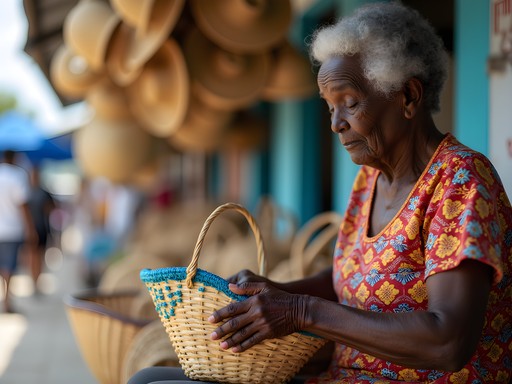
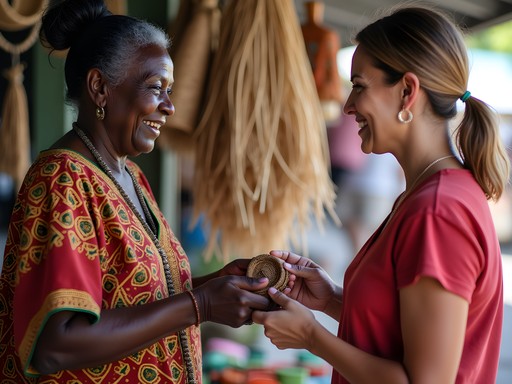
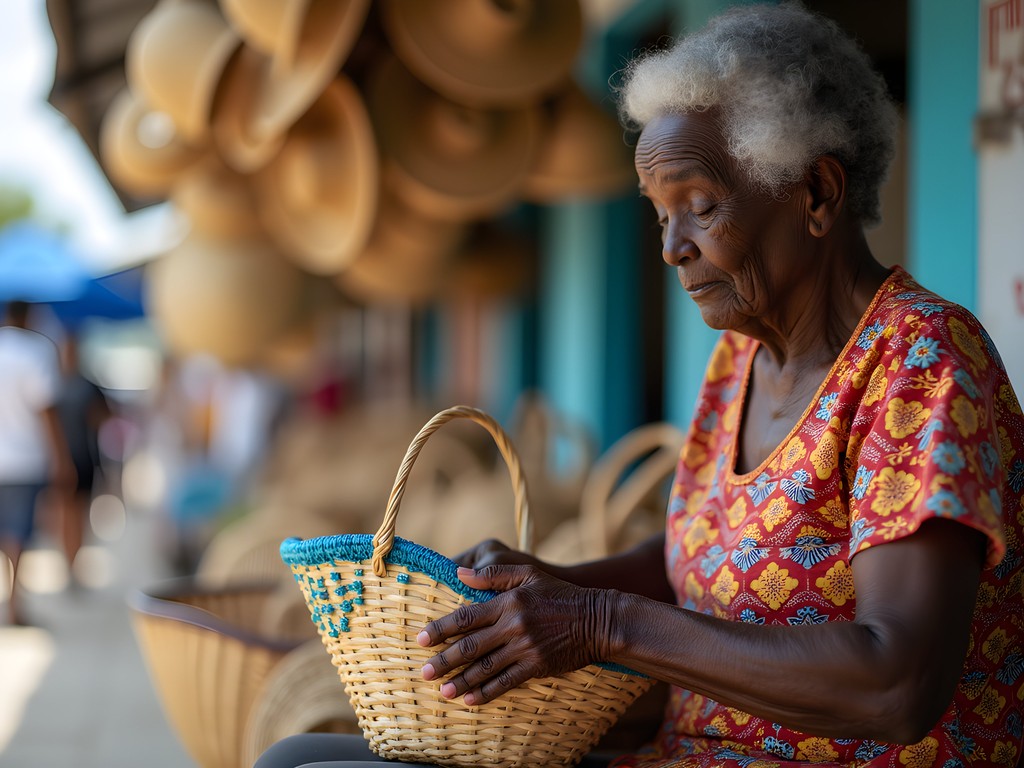
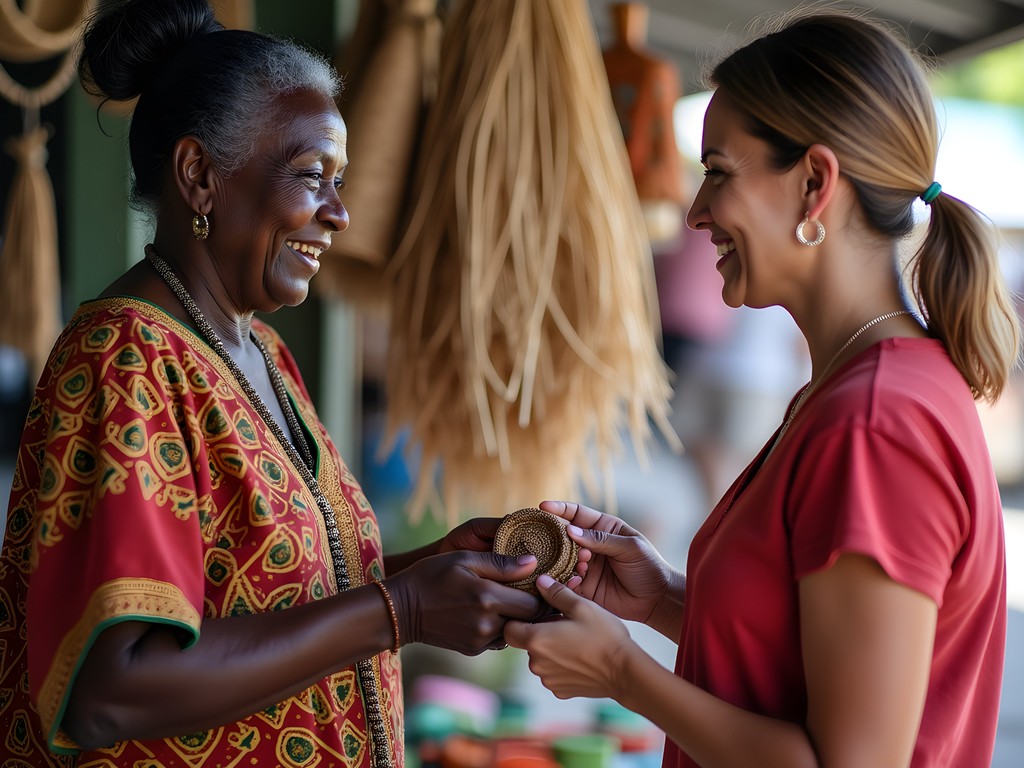
On my third visit to the marketplace—this time armed with recommendations from a local environmental colleague—I discovered several stalls where genuine Bahamian craftsmanship shines. In particular, seek out the back corner shops where artisans like Ms. Eloise have been weaving intricate straw baskets for over four decades. Her signature pattern incorporating subtle blue accents represents the meeting of sky and sea, a motif I found deeply moving given the environmental challenges facing these islands.
For those interested in documenting their discoveries, I recommend bringing a compact camera. The marketplace's vibrant colors and intricate crafts deserve better than smartphone photography, and this camera's exceptional low-light performance serves admirably in the covered market stalls without disturbing the authentic atmosphere with intrusive flash photography.
💡 Pro Tips
- Visit on weekday mornings to avoid cruise ship crowds and have meaningful conversations with vendors
- Look for the government's authentic Bahamas stamp on straw goods to ensure you're purchasing genuine local craftsmanship
- Negotiate respectfully - prices are typically flexible, but remember that quality artisanal work deserves fair compensation
The Hidden Gems of Count Basie Square
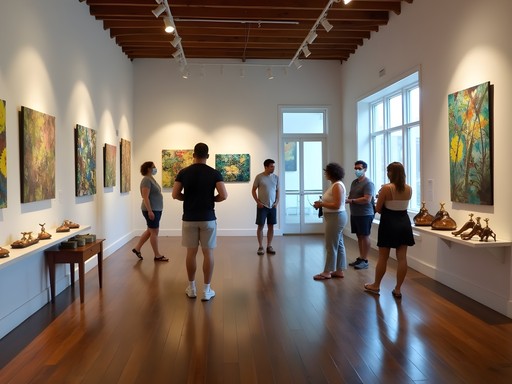
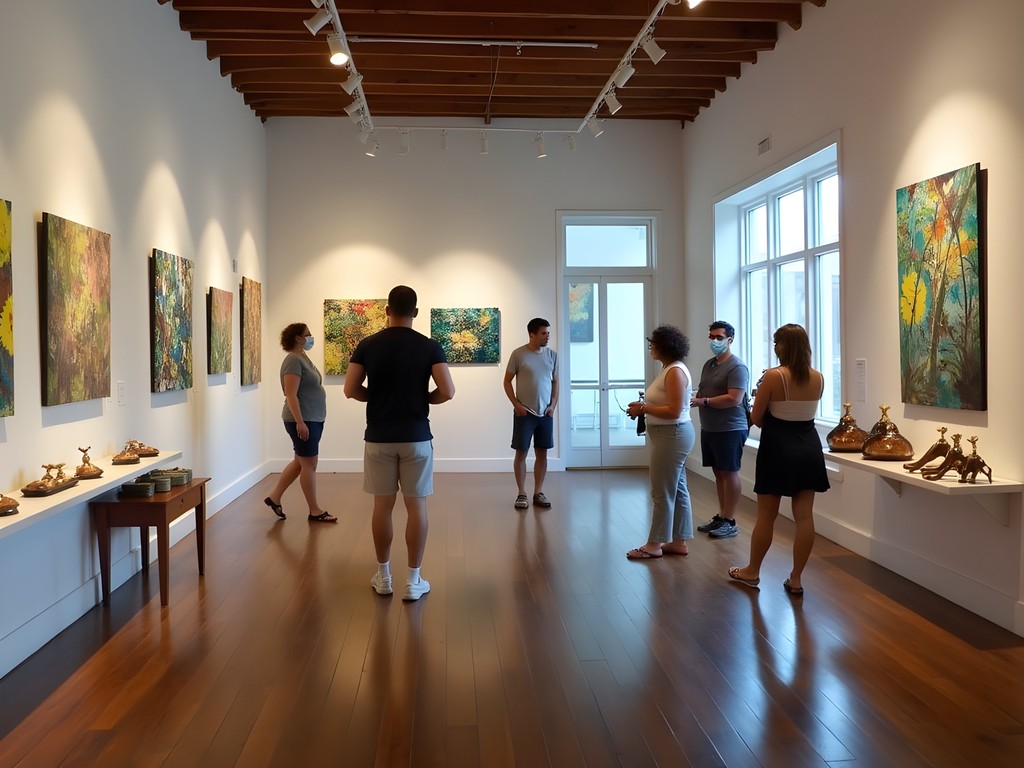
Adjacent to the marketplace, Count Basie Square offers a more refined shopping experience that many tourists overlook in their haste. Here, several galleries showcase Bahamian fine art that goes well beyond predictable seascapes. My particular recommendation is Jahan Gallery, where owner Timothy presents a carefully curated collection of contemporary Bahamian artists grappling with issues of identity, environmental change, and cultural preservation.
During our visit, Eleanor and I were particularly moved by artist Dion Lewis's mixed-media works incorporating salvaged materials from hurricane-damaged structures—a poignant commentary on climate resilience that resonated with my environmental background. For serious art collectors, these pieces represent not just beautiful acquisitions but important cultural documentation of an island nation on the frontlines of climate change.
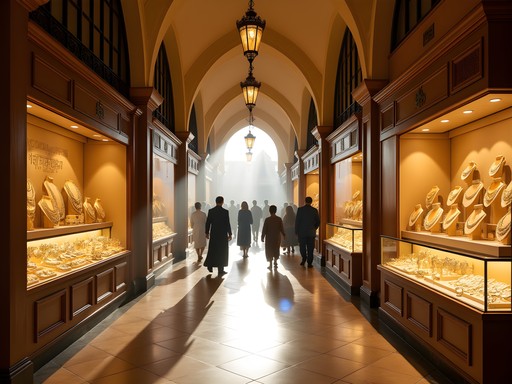
The square also houses several jewelers working with indigenous materials. I was particularly impressed by Isabelle's studio, where she creates elegant jewelry incorporating pink conch shells harvested through sustainable practices. Her signature pendant became the perfect gift for my daughter's upcoming birthday—both beautiful and ethically sourced.
Before setting out for a day of gallery exploration, I recommend applying a quality reef-safe sunscreen. The walk between venues can expose you to significant Caribbean sun, and as an environmental consultant, I'm particularly conscious of choosing products that won't harm the delicate coral ecosystems surrounding these beautiful islands.
💡 Pro Tips
- Visit galleries during the afternoon when artists are more likely to be present for conversation
- Ask about the stories behind pieces - Bahamian art often contains rich historical and cultural narratives not immediately apparent
- Consider shipping larger art purchases home rather than risking damage in your luggage
Authentic Treasures at the Straw Market
For a more immersive cultural experience, venture beyond the confines of Port Lucaya to the Straw Market on Midshipman Road. Here, the commercial veneer falls away, revealing a tradition of craftsmanship dating back generations. Unlike the more polished marketplace, this is where many local residents shop, and the authenticity is palpable.
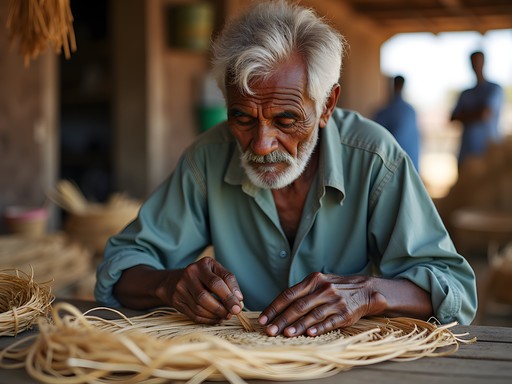
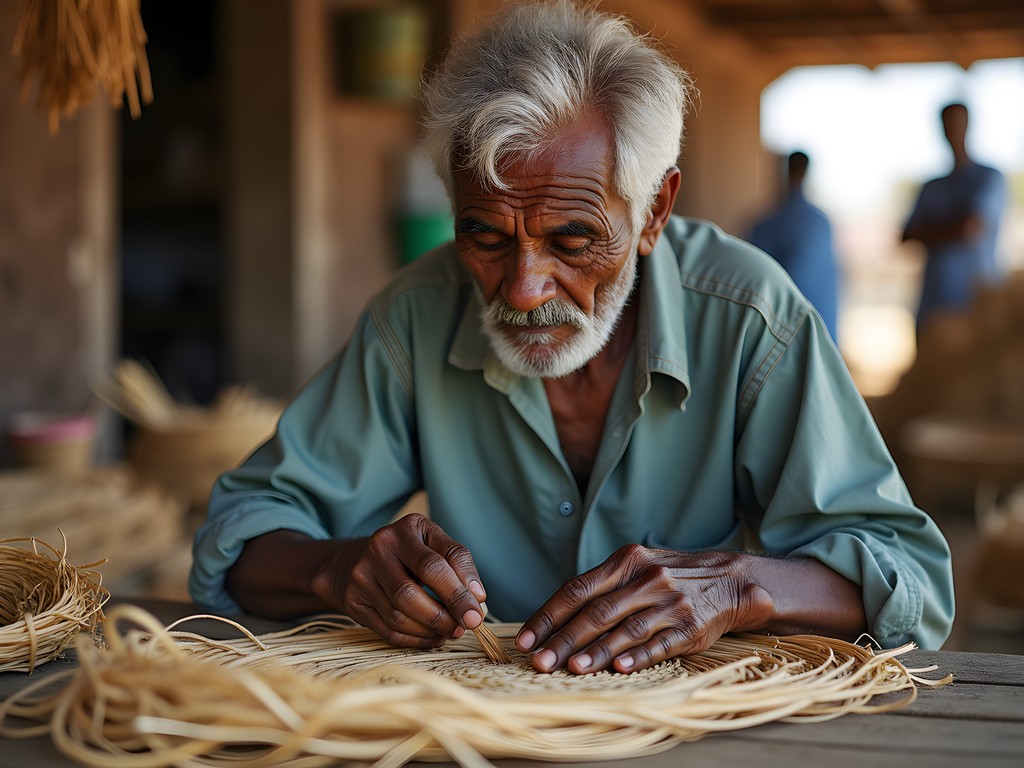
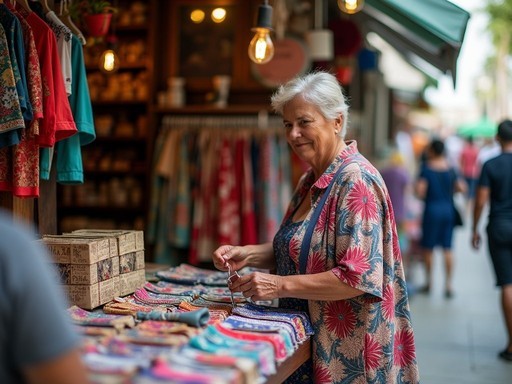
On our second morning, Eleanor and I arrived early and were treated to the sight of artisans setting up their stalls, many working on pieces as they prepared for the day. The market specializes in plaited straw goods—a traditional Bahamian craft with African roots that dates back to the island's earliest settlements. Beyond the expected hats and bags, look for intricately designed placemats, decorative wall hangings, and even jewelry incorporating straw elements.
I was particularly drawn to the work of a gentleman named Samuel, whose family has been crafting junkanoo costumes for generations. His miniature versions of these elaborate festival outfits make for stunning wall displays while supporting an essential cultural tradition. After speaking with him about the environmental sustainability of his materials—he uses only naturally shed palm fronds—I couldn't resist purchasing several pieces for my home office.
Navigating the market requires comfortable footwear, and I've found my walking sandals indispensable for these explorations. The cushioned footbed provides necessary support while the open design keeps feet cool in the Bahamian heat—practical considerations that enhance the shopping experience.
💡 Pro Tips
- Bring small denominations of cash as credit cards aren't widely accepted at the smaller stalls
- Learn a few Bahamian phrases—even simple greetings will warm interactions with vendors
- Ask permission before photographing artisans or their work process—most are happy to oblige if approached respectfully

Sustainable Souvenirs and Eco-Conscious Shopping
As an environmental consultant, I'm particularly attuned to the sustainability aspects of tourism, including the souvenirs we bring home. Lucaya offers several opportunities for eco-conscious shopping that supports both local artisans and environmental conservation.
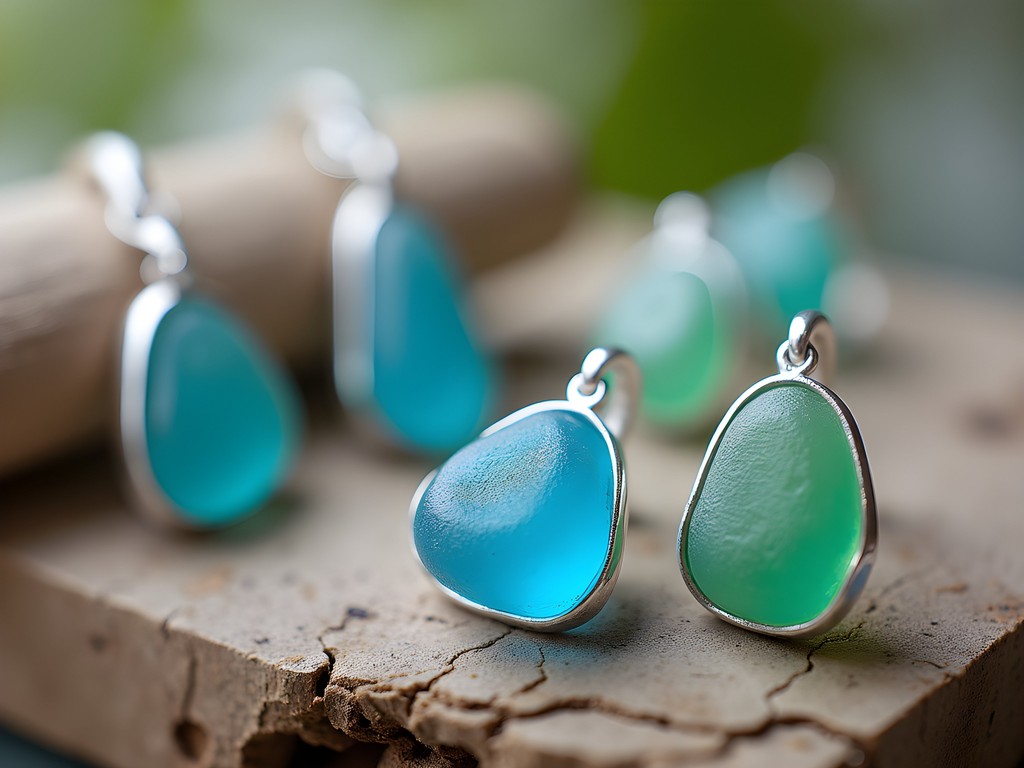
The Garden of the Groves gift shop, though somewhat hidden from the typical tourist path, showcases an excellent selection of products made from sustainable or upcycled materials. Their collection of sea glass jewelry—crafted from glass polished by the ocean and collected from beaches—represents the perfect intersection of beauty and environmental responsibility. Each piece comes with information about the artist and the beach where the materials were ethically collected.
For culinary souvenirs, bypass the commercial rum cakes and seek out locally produced hot sauces and spice blends at the Farmer's Market (open Wednesdays and Saturdays). I particularly recommend Mama Seton's goat pepper sauce—a family recipe that perfectly balances heat with the distinctive flavors of Bahamian cuisine. The market also offers locally harvested sea salt infused with island herbs, packaged in reusable glass containers rather than plastic.
For keeping track of your discoveries and purchases, I've found a travel journal invaluable. Documenting where you found special items, the stories behind them, and the artisans you met enhances the meaning of your souvenirs long after returning home. I still cherish the notes from my first Bahamian shopping expedition nearly a decade ago, complete with pressed hibiscus flowers marking the pages.
💡 Pro Tips
- Look for products using locally abundant and renewable materials like coconut, bamboo, or sustainably harvested woods
- Ask vendors about the origin of their materials and production methods—most authentic artisans are proud to share their sustainable practices
- Consider the environmental impact of packaging when making purchases
Navigating Cultural Etiquette While Shopping
Shopping in Lucaya offers more than just acquisition of goods—it provides meaningful cultural exchange when approached with the right mindset. Throughout my travels, I've found that understanding local customs enhances both the experience and the likelihood of discovering authentic treasures.
In Bahamian marketplaces, greeting vendors before beginning to browse is considered essential courtesy. A simple 'good morning' or 'good afternoon' establishes respect and opens the door to more meaningful interactions. During one visit, this simple courtesy led to a fascinating conversation with a vendor about the historical significance of certain shell patterns in traditional jewelry—information I would never have discovered otherwise.
Price negotiation is expected in markets (less so in established galleries), but should be conducted with cultural sensitivity. I recommend the 'sandwich approach': begin with a genuine compliment about the craftsmanship, make a reasonable counteroffer, and regardless of outcome, express appreciation for the artisan's work. This approach has consistently led to fair prices and, more importantly, meaningful cultural connections.
For capturing these cultural interactions while being respectful, I rely on my compact binoculars for observing marketplaces from a distance before engaging. This allows me to appreciate the environment and identify authentic workshops without immediately marking myself as a tourist. When I do approach, I've already observed the customs and can engage more appropriately.
Remember that many Bahamian artisans welcome questions about their craft and its cultural significance. These conversations not only enrich your understanding but often reveal the difference between mass-produced items and authentic treasures worth bringing home.
💡 Pro Tips
- Learn basic Bahamian greetings like 'good day' or 'how are you?' to establish rapport with vendors
- Dress modestly when shopping in local markets as a sign of respect for more conservative Bahamian culture
- Take time to observe interactions between locals before diving into transactions yourself
Final Thoughts
As Eleanor and I concluded our weekend exploration of Lucaya's markets and shops, we found ourselves not merely with bags of souvenirs, but with tangible connections to a rich cultural heritage. The authentic Bahamian treasures we discovered—from Samuel's miniature junkanoo costumes to the sea glass pendant that now graces my daughter's neck—carry stories that mass-produced trinkets simply cannot convey.
What distinguishes meaningful shopping experiences in places like Lucaya is the willingness to venture beyond the obvious, to engage respectfully with local artisans, and to value the cultural significance of their craftsmanship. Each item we carefully selected represents not just a memory of our journey, but a thread in the complex tapestry of Bahamian cultural expression.
I encourage you to approach your own shopping adventures in Lucaya with this perspective—not as a hunt for souvenirs, but as an opportunity for cultural appreciation and exchange. The treasures you'll find through this lens will continue to resonate with meaning long after your tan has faded, connecting you to these beautiful islands and their resilient, creative people. And isn't that connection—rather than mere possession—the true gift of thoughtful travel?
✨ Key Takeaways
- The most authentic Bahamian crafts are often found outside the main tourist areas or in the back corners of established marketplaces
- Engaging respectfully with artisans enhances both your shopping experience and your understanding of Bahamian culture
- Sustainable and ethically sourced souvenirs support both local communities and environmental conservation
📋 Practical Information
Best Time to Visit
year-round, though January-April offers the most pleasant weather
Budget Estimate
$50-200 for quality authentic souvenirs
Recommended Duration
2-3 days to explore all markets and shops thoroughly
Difficulty Level
Beginner


Comments
journeyking
Adding this to my bucket list!
islandmood
If you're serious about getting quality straw work, ask the vendors which pieces they made themselves vs what they're reselling. Most are honest about it and respect that you care about authenticity. Also the eco-conscious section you mentioned is growing - saw more recycled glass art this past December than ever before. It's cool to see the market evolving.
Casey Andersson
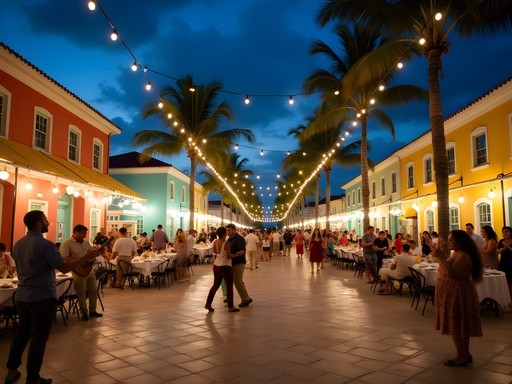
This brings back memories! My partner and I stumbled into Count Basie Square completely by accident during our honeymoon last year. We were actually looking for a restaurant when we heard live music and followed the sound. Ended up spending three hours there, watching a local band and chatting with a sculptor who created these incredible driftwood pieces. We shipped one home - it's now the centerpiece of our living room and every guest asks about it. The story behind it makes it priceless. Benjamin, your emphasis on the cultural experience over just shopping really resonates. These aren't just souvenirs; they're connections to real people and their traditions.
nomadchamp
Been to Lucaya three times now and totally agree about avoiding the stuff right at the cruise ship entrance. It's all the same mass-produced junk. The real gems are when you walk further back into the market and chat with the actual makers. Last trip I got a hand-carved wooden bowl from a guy who's been doing it for 30 years - he showed me photos of his workshop and everything. Cost more than the generic stuff but it's actually unique. Pro tip: bring cash, some vendors give discounts if you're not using credit cards.
journeyking
Good call on the cash tip!
traveldiver
Love the photos! That marketplace looks amazing.
Sarah Powell
Benjamin, excellent breakdown of the marketplace dynamics. I visited Port Lucaya last fall and your point about timing is crucial - arriving early really does make a difference in both crowd levels and vendor engagement. I found the artisans in the back section of the Straw Market were more willing to discuss their craft techniques when it wasn't busy. One vendor spent 20 minutes explaining the traditional palmetto weaving methods her grandmother taught her. That context made the purchase so much more meaningful than just buying a hat. Did you notice any seasonal variations in what's available?
Benjamin Smith
Sarah, great observation! We noticed that handmade jewelry seemed more abundant during our August visit versus a February trip years ago. The vendors mentioned that certain materials are more readily available depending on the season. Definitely worth multiple visits if possible.
globequeen
Going there in March! How much should I budget for souvenirs?
islandmood
Depends what you want but I'd say $100-200 gets you some nice authentic pieces. The straw work is surprisingly affordable and way better quality than cruise port stuff.
globequeen
Perfect, thanks!
escaperider
Count Basie Square is legit! Got some great stuff there last year.
wavehero
Going there next month, any other tips?
Jennifer Rodriguez
Benjamin, excellent breakdown of the shopping scene! I visited Lucaya last spring and completely agree about Count Basie Square being underrated. One tip for budget travelers: hit Port Lucaya Marketplace on weekday mornings (around 10am) when it's less crowded and vendors are more willing to negotiate. I found the local art there to be incredibly affordable compared to Nassau. The eco-conscious angle is so important too - I made sure to ask vendors about the materials and only bought straw goods that were locally made. Did you find any particular artisans you'd recommend for authentic wood carvings?
wavehero
Thanks for the weekday tip! Heading there in October so this is perfect
Venture X
Premium card with 2X miles, $300 travel credit, Priority Pass