

Disclosure: This article contains affiliate links. We may earn a commission from purchases at no extra cost to you, which helps our travel content.
The crisp autumn air of Michigan carries more than just the scent of fallen leaves; it bears the stories of makers, creators, and cultural heritage that define Grand Rapids' remarkable shopping landscape. As an anthropologist who has spent decades exploring marketplaces from Cusco to Chiang Mai, I find myself surprisingly captivated by this Midwestern gem, where contemporary retail therapy meets authentic cultural expression. Join me as we explore how this former furniture manufacturing hub has transformed into a shopper's paradise that honors its industrial roots while embracing artisanal innovation.

Downtown Market: A Cultural Crossroads of Cuisine and Craft
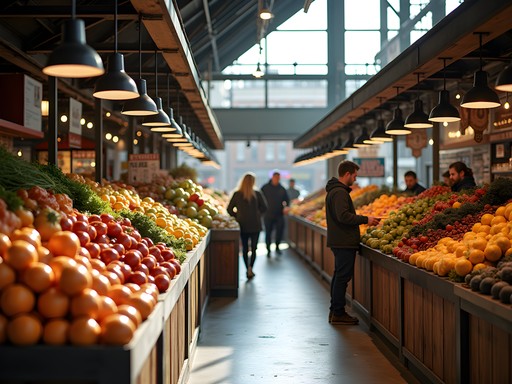
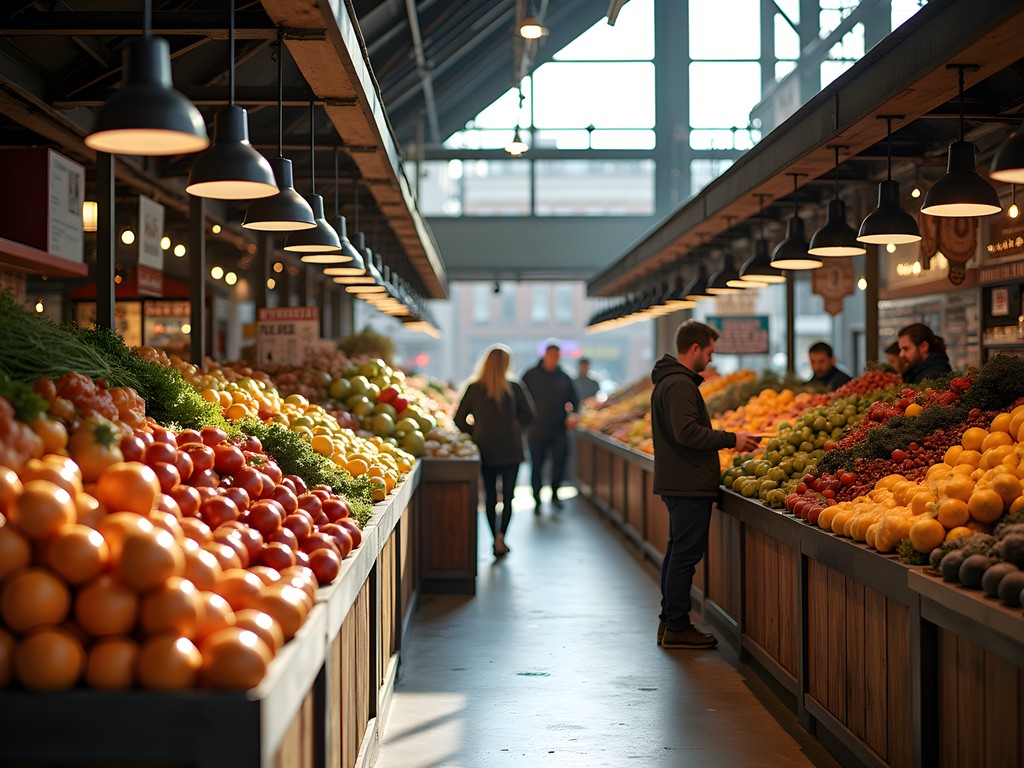
The Downtown Market stands as Grand Rapids' contemporary agora—a gathering place where commerce and community intertwine in ways that would fascinate any cultural anthropologist. This modern interpretation of the traditional marketplace houses over 20 vendors and food artisans under one sustainably designed roof.
On my first morning in Grand Rapids, I arrived early to observe the market's awakening. Vendors meticulously arranged handcrafted cheeses, locally roasted coffee beans, and artisanal baked goods with a pride that transcended mere commerce. What struck me most was the intergenerational knowledge exchange happening at stalls like Field & Fire Bakery, where traditional European baking methods meet Michigan-grown grains.
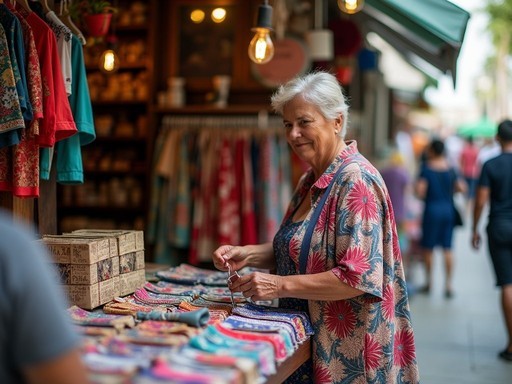
The market represents more than just shopping—it's a cultural institution that preserves foodways while creating space for culinary innovation. I found myself particularly drawn to the spice merchants, whose collections reminded me of Moroccan souks, though displayed with distinctly Midwestern practicality. Before setting out to explore further, I purchased some local maple syrup, carefully packed in my collapsible silicone containers, which have proven invaluable for preserving artisanal food finds during my travels.
💡 Pro Tips
- Visit on weekday mornings to avoid crowds and have meaningful conversations with vendors
- Take the 'Meet the Maker' tour offered on Thursdays for behind-the-scenes insights
- Bring a reusable market bag to reduce waste while shopping
Uptown's Boutique Districts: Where Heritage Meets Contemporary Design
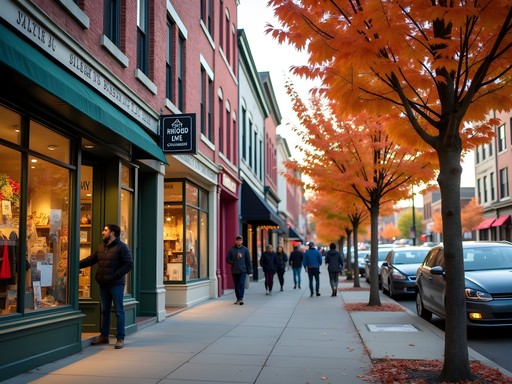
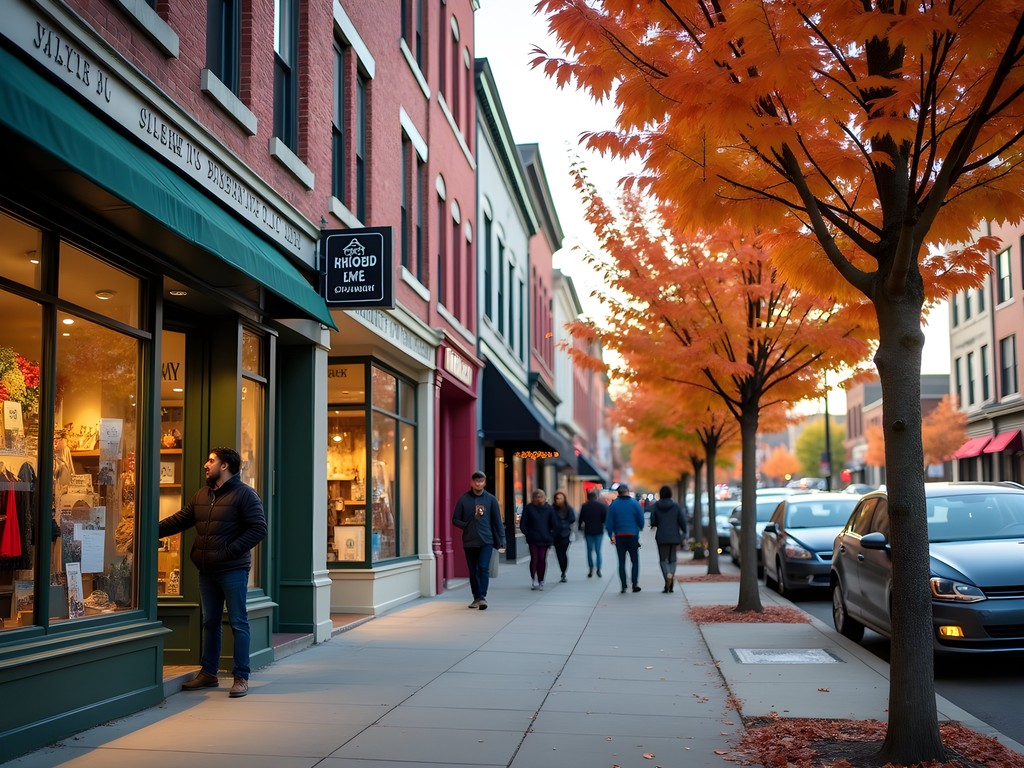
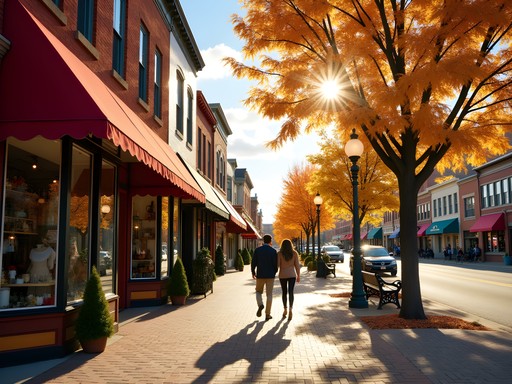
Grand Rapids' Uptown area encompasses four distinct shopping districts—East Hills, Eastown, Wealthy Street, and Cherry Street—each with its own cultural signature. As someone who studies material culture professionally, I was immediately drawn to how these neighborhoods balance preservation with innovation.
East Hills captivated me with its adaptive reuse of historic buildings now housing businesses like Global Infusion, where fair-trade practices support artisans worldwide—a business model I've advocated throughout my career. The shop owner shared stories of direct relationships with textile cooperatives in Guatemala that echoed my own research experiences in the Andes.
In Eastown, I discovered Commune Vinyl, where the resurgence of analog music technology represents a fascinating counter-narrative to our digital age. The proprietor's knowledge of pressing techniques and sound quality reminded me that material culture preservation takes many forms.
Wealthy Street's mix of vintage shops and contemporary boutiques creates a perfect temporal dialogue through objects. I spent hours in Dime & Regal, where locally made jewelry incorporates upcycled elements—a sustainable approach to adornment that resonates with traditional practices I've documented globally.
For exploring these walkable but distinct districts, comfortable footwear is essential. My cushioned walking shoes proved perfect for navigating the neighborhood transitions while providing necessary support during a full day of boutique exploration.
💡 Pro Tips
- Plan each district visit by theme rather than trying to see everything in one day
- Visit during First Fridays for special events and extended hours
- Look for 'Made in Michigan' tags for authentic local craftsmanship
Fulton Street Farmers Market: Seasonal Abundance and Artisanal Traditions
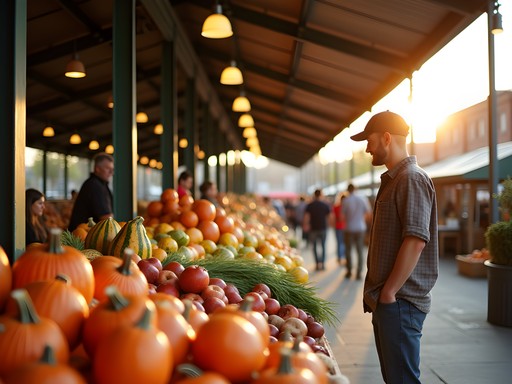
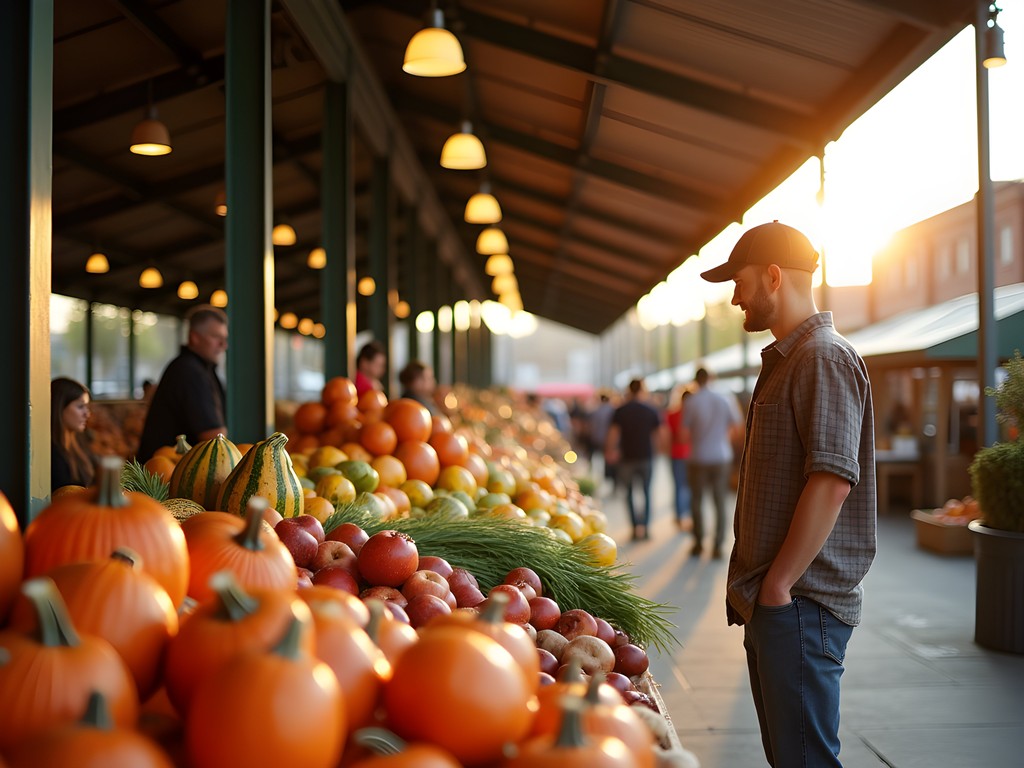
Dating back to 1922, the Fulton Street Farmers Market represents one of Michigan's oldest continuous markets—a living archive of agricultural traditions and seasonal rhythms. Visiting during fall harvest season provided a particularly rich experience as farmers displayed heirloom varieties of squash, apples, and root vegetables that told the story of the region's agricultural heritage.
As an anthropologist who has documented traditional markets worldwide, I was struck by the similarities between this Midwestern market and those I've studied in rural Andean communities—the pride in regional specialties, the intergenerational knowledge transfer, and the social bonds formed through regular commerce.
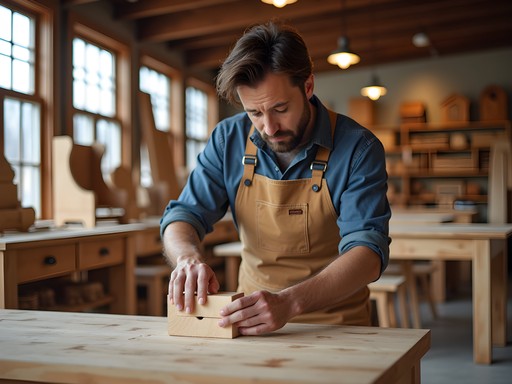
Beyond produce, the market features artisans practicing traditional crafts adapted for contemporary consumers. I spent considerable time conversing with a woodworker creating cutting boards from reclaimed urban timber—a beautiful example of sustainability meeting craftsmanship. His understanding of wood grain patterns and tool techniques demonstrated the deep material knowledge that often goes unrecognized in our mass-production era.
The market's covered structure makes it accessible regardless of Michigan's changeable fall weather. I found my insulated market tote indispensable for keeping produce fresh while continuing to explore, especially when I discovered small-batch cheeses that required temperature control.
💡 Pro Tips
- Arrive within the first hour of opening for the best selection of seasonal specialties
- Bring small bills and change for easier transactions with vendors
- Ask farmers about lesser-known heritage varieties—many are happy to share preparation tips

Heritage Furniture District: Celebrating Grand Rapids' Manufacturing Legacy
Grand Rapids earned its nickname 'Furniture City' during the late 19th and early 20th centuries when it became the center of American furniture manufacturing. Today, this industrial heritage lives on through both preserved showrooms and contemporary makers honoring traditional craftsmanship.
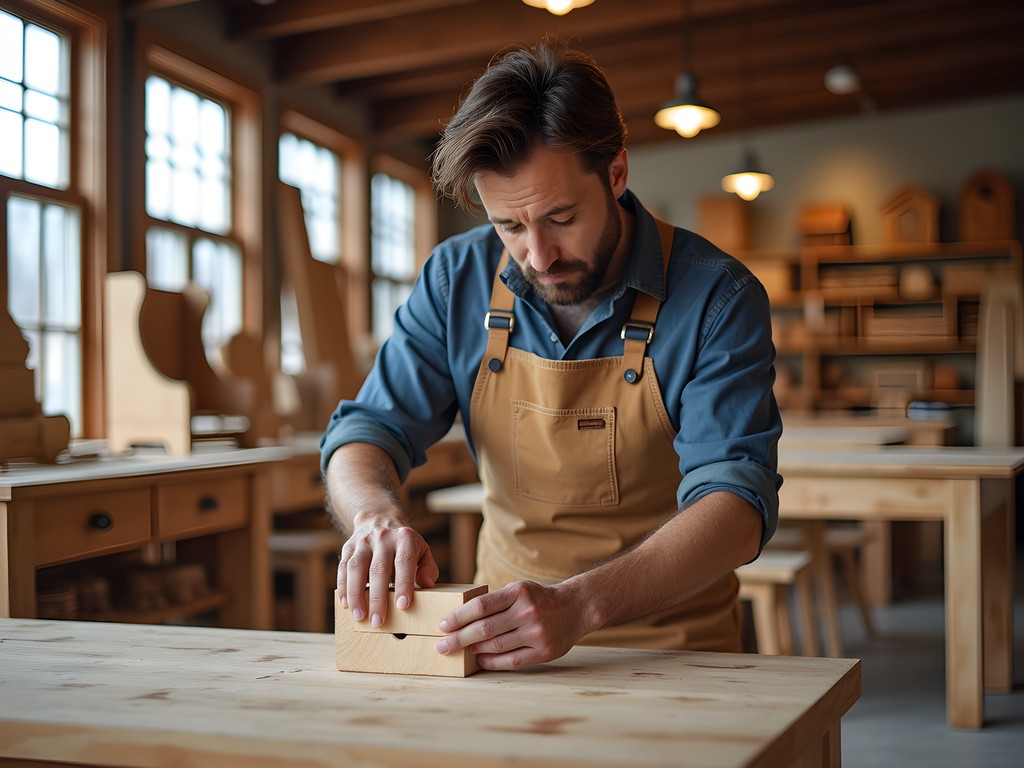
My anthropological interest in material culture made the Heritage Furniture District a fascinating study in how communities maintain connections to their production history. The century-old showrooms now functioning as retail spaces create a temporal dialogue between past and present manufacturing identities.
At Woodways Custom Furniture, I observed contemporary artisans using traditional joinery techniques alongside modern technology—a perfect example of cultural preservation through adaptation rather than rigid adherence to the past. The showroom's display of historical furniture-making tools alongside finished pieces created a narrative continuum that contextualizes today's products.
For design enthusiasts, I recommend visiting Kendall College of Art and Design's furniture design studios, where students reinterpret traditional techniques for contemporary markets. Their experimental approaches to wood joinery and sustainable material sourcing suggest promising futures for this heritage craft.
The district's emphasis on craftsmanship inspired me to reflect on my own documentation practices. I've recently upgraded to a portable voice recorder for capturing interviews with artisans, finding it far more effective than trying to take notes while observing their work processes.
💡 Pro Tips
- Visit the Grand Rapids Public Museum's furniture exhibition for historical context before shopping
- Look for 'Made in Grand Rapids' certification for authentic local craftsmanship
- Ask about wood sourcing—many local makers emphasize sustainable forestry practices
Vintage and Antique Hunting: Urban Archaeology in Grand Rapids
For those who approach shopping as a form of cultural excavation, Grand Rapids offers remarkable opportunities to uncover material history through its vintage and antique districts. The Warehouse District's concentration of antique malls presents a particularly rich terrain for exploration.
At Flashback Vintage Showroom, I discovered how mid-century modern furniture—once standard in Grand Rapids homes—has been recontextualized as collectible design pieces. The proprietor's knowledge of local furniture factories allowed me to understand each piece within its production context rather than merely as aesthetic objects.
The Blue Door Antiques collective represents a fascinating case study in how objects move through cultural value systems. Items once considered ordinary household goods are now preserved as cultural artifacts, their meanings transformed through changing contexts. I spent hours examining kitchen implements that reminded me of those I'd documented in rural Eastern European households—evidence of shared material solutions across seemingly disparate cultures.
For serious vintage hunters, I recommend the portable UV flashlight that has become essential in my market research kit. This tool helps identify original glass, examine textile repairs, and authenticate certain materials—particularly useful when exploring the remarkable collection of Depression glass at Warehouse One Antiques.
The most compelling aspect of Grand Rapids' vintage scene is how it connects to the city's manufacturing history. Finding furniture pieces with original factory stamps from local companies provides a material link to the city's industrial heritage that museum exhibits alone cannot convey.

💡 Pro Tips
- Bring measurements of your spaces—many vintage furniture pieces are larger than contemporary counterparts
- Visit on weekdays when dealers have more time for conversation about provenance and history
- Look for Grand Rapids furniture manufacturer marks—they add both historical value and local significance
Final Thoughts
As I prepare to leave Grand Rapids, my field notes bulging with observations and my luggage considerably heavier with thoughtfully selected purchases, I'm struck by how this city embodies what I've long argued in my academic work: that marketplaces serve as crucial sites of cultural preservation and innovation. From the Downtown Market's culinary artisans to the furniture makers honoring traditional craftsmanship through contemporary designs, Grand Rapids demonstrates how commerce can sustain cultural knowledge across generations. The city's shopping districts aren't merely retail zones but living archives where material culture evolves while maintaining connections to place-based heritage. For visitors seeking more than transactional tourism, Grand Rapids offers something profound: the opportunity to participate in cultural dialogue through mindful consumption. Whether you're a serious collector, a casual browser, or a fellow cultural observer, the city invites you to read its narrative through objects that carry both history and hope for sustainable craft traditions. I'll return home to Edmonton with more than souvenirs—I carry stories of makers whose work ensures that cultural knowledge continues to circulate through objects made with intention and integrity.
✨ Key Takeaways
- Grand Rapids' shopping districts preserve cultural heritage while embracing innovation
- The city's furniture-making history provides context for understanding its contemporary makers and markets
- Seasonal shopping at farmers markets connects visitors to Michigan's agricultural traditions
- Vintage and antique districts offer opportunities for 'urban archaeology' and discovering material history
- Supporting local artisans and markets contributes to cultural sustainability
📋 Practical Information
Best Time to Visit
September-November for harvest season and fall colors
Budget Estimate
$500-700 for a weekend including accommodations, meals, and moderate shopping
Recommended Duration
2-3 days minimum to explore different shopping districts
Difficulty Level
Easy - Most Shopping Areas Are Walkable Or Short Drives Apart
Comments
coffeeperson
How's the Farmers Market compared to the Downtown Market? Are they close to each other?
moonnomad
Different vibes. Farmers Market is more traditional outdoor market, Downtown Market is year-round indoor. Both worth visiting
Casey Andersson
Samantha, this brought back memories! I visited Grand Rapids two years ago and completely fell in love with the furniture heritage story. There's something deeply satisfying about shopping in a place where craftsmanship isn't just a marketing buzzword but an actual living tradition. I ended up shipping a mid-century credenza back to Wellington (not cheap, but so worth it). The Downtown Market reminded me a bit of Wellington's Moore Wilson's - that same energy of local producers and serious food lovers all in one space. Did you try the stroopwafels at that Dutch bakery stall? Absolute perfection with a flat white.
coffeeperson
Wait there's a Dutch bakery?? Adding that to my list
moonnomad
The furniture district is legit. Hidden gem.
happyrider
Just got back from GR last weekend and YES to the Downtown Market! We spent like 3 hours there just wandering around. The cheese shop was incredible and I bought way too much stuff lol. Didn't make it to the furniture district though, kinda kicking myself now after reading this. The boutiques on Wealthy Street were really fun too, found some cool vintage pieces. Parking downtown was easier than I expected tbh.
coffeeperson
Where did you park? Planning a trip in a few weeks and trying to figure out the parking situation
happyrider
There's a ramp on Monroe that was pretty cheap, like $5 for the whole day. Super close to everything
citychamp
Great photos!
summergal
We visited Grand Rapids last spring and totally fell in love with the Downtown Market! Spent way too much on artisan cheese and local honey but zero regrets lol. The upstairs vendors are great too - got some handmade pottery that's now my favorite coffee mug. Pro tip: go hungry because the food stalls are incredible. We also hit up the boutiques on Wealthy Street which weren't mentioned here but def worth checking out if you have time!
adventurequeen
This looks amazing!! Quick question - is the Fulton Street Farmers Market open year round or just seasonal? Planning a trip in February and would love to go!
summergal
It's seasonal - usually May through October. But the Downtown Market is open year round and has a lot of the same vendors! I went in winter last year and it was perfect.
adventurequeen
Oh perfect!! Thank you so much
Jean Wells
Samantha, your observations about the Heritage Furniture District are spot-on. I visited last autumn during my Midwest circuit and was struck by how Grand Rapids has preserved its manufacturing identity while adapting to contemporary retail trends. The juxtaposition of legacy showrooms with modern design studios creates a fascinating study in urban economic evolution. One note for readers: parking can be challenging near the Downtown Market on weekends. I found the lot on Ionia Street more accessible. Did you explore any of the mid-century furniture archives?
citychamp
Good tip about parking!
escapemood
Love this!! Been wanting to check out Grand Rapids
MidwestExplorer
Just returned from Grand Rapids and followed your boutique recommendations in the Uptown districts. Wealthy Street was exactly as charming as you described! Found the most amazing handmade pottery in one of those little shops that I'll treasure forever. One addition - there's a fantastic vintage clothing store on Cherry Street called 'Retrospect' that wasn't mentioned but fits perfectly with the vibe of your article. The owner curates pieces from Michigan designers from the 60s-90s. Prices were surprisingly reasonable too!
oceanrider
Ooh thanks for the Retrospect tip! Love vintage shopping.
Venture X
Premium card with 2X miles, $300 travel credit, Priority Pass