



Disclosure: This article contains affiliate links. We may earn a commission from purchases at no extra cost to you, which helps our travel content.
There's something about marketplaces that reveals a culture's true heart. As someone who's spent 15 years scanning faces and reading body language for the U.S. Border Patrol, I've developed a sixth sense for authenticity – a skill that serves me surprisingly well when hunting for genuine craftsmanship in Vietnam's central coast. My Māori ancestors were master craftspeople, which might explain why I'm drawn to places where traditional skills remain alive. The 30km stretch between Da Nang's urban energy and Hoi An's lantern-lit charm offers one of Southeast Asia's most rewarding shopping experiences. Whether you're hunting for handmade ceramics, custom tailoring, or food souvenirs that will transport you back with a single taste, this region delivers exceptional value without the aggressive haggling that plagues other Asian destinations. Kia ora, fellow travelers – let me guide you through a week of treasure hunting where your shopping dollars directly support local artisans.

Da Nang Markets: Urban Treasures Worth Exploring
Da Nang might be Vietnam's third-largest city, but its markets retain a distinctly local feel that I find refreshingly authentic. My security background has me naturally scanning for exits and potential issues, but here I can actually relax – Da Nang's markets are noticeably less pushy than those in Hanoi or Ho Chi Minh City.
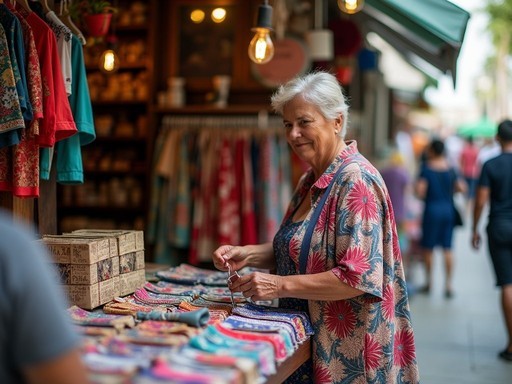
Con Market (Chợ Cồn) stands as the city's largest traditional market, a three-story labyrinth where I spent an entire morning getting wonderfully lost. The ground floor houses fresh produce and food stalls where locals actually shop (always a good sign), while the upper levels offer clothing, housewares, and souvenirs. What impressed me was finding entire sections dedicated to specific crafts – from textile vendors with stunning hand-embroidered tablecloths to artisans selling intricate paper crafts.
Han Market (Chợ Hàn) sits closer to the riverfront and caters slightly more to tourists, but still maintains its local character. The dried food section makes for excellent food souvenirs – I brought back bags of dried tropical fruits and locally-grown coffee beans that had my colleagues back at the Border Patrol office fighting over them for weeks.
For night owls, Helio Night Market transforms an ordinary shopping center into a vibrant night bazaar with street food, performances, and vendors selling everything from handmade jewelry to trendy clothing. The controlled environment makes it perfect for shopping novices who might find traditional markets overwhelming.
💡 Pro Tips
- Visit Con Market before 9am to see locals doing their daily shopping and avoid tourist crowds
- Bring a packable daypack that folds into itself for unexpected purchases
- For electronics or modern items, Non Nước Shopping Center offers fixed prices (no haggling needed) and legitimate warranties
Non Nước Stone Village: Where Mountains Become Art
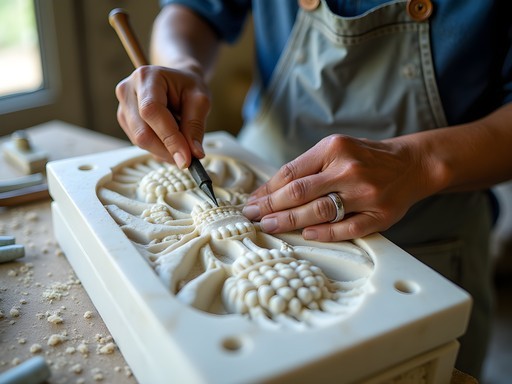
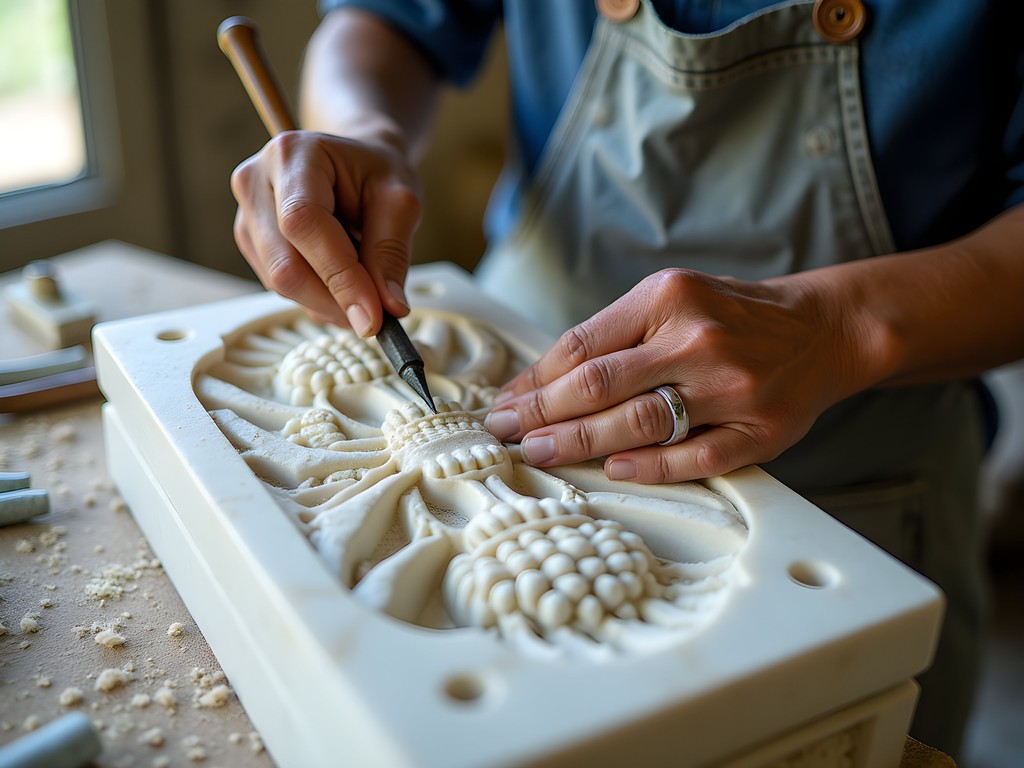
Halfway between Da Nang and Hoi An sits one of Vietnam's most unique craft villages, and it's one that resonated deeply with my Māori heritage. The Māori have a profound connection to stone carving, and watching Vietnamese artisans transform marble from the nearby Marble Mountains into everything from tiny Buddha figurines to massive temple guardians felt strangely familiar despite being halfway around the world.
Non Nước Stone Village (Làng đá mỹ nghệ Non Nước) stretches along the road at the foot of the Marble Mountains. What began centuries ago as a village of craftspeople making stone mortars and pestles has evolved into a thriving community of sculptors whose works are exported globally.
The workshops operate with open fronts, allowing visitors to witness the entire process – from rough cutting with power tools to the delicate hand-finishing that brings the stone to life. The sound of chisels tapping against marble creates a rhythmic backdrop as you explore.
While many shops sell similar items, I discovered that venturing deeper into the village reveals more specialized artisans. One elderly craftsman, his hands weathered by decades of stonework, created miniature animals with such lifelike details that I couldn't resist bringing home a small elephant for my daughter.
Shipping larger items home is surprisingly affordable. After selecting a 30cm Buddha statue, the shop arranged international shipping with impressive efficiency – the statue arrived at my Arlington home just two weeks later, perfectly packaged and intact. If you're considering a substantial purchase, I'd recommend bringing a digital luggage scale to weigh smaller items and determine whether to carry them or ship them.
💡 Pro Tips
- Visit workshops early in the day to see artisans at work before the tour buses arrive
- For unique pieces, look for shops displaying artist certificates or awards
- Negotiate shipping costs separately from the item price – they're often flexible on shipping fees
Hoi An Ancient Town: Tailor-Made Memories
If Da Nang offers variety, Hoi An delivers refinement. This UNESCO World Heritage Site has preserved its merchant history not just in its architecture but in its thriving artisan culture. As someone who typically packs light and practical (old habits from my Border Patrol days die hard), I never expected to become an advocate for custom clothing – yet here we are.
Hoi An's famous tailoring industry offers an experience that goes beyond shopping. With over 400 tailor shops in this small town, finding the right one can feel overwhelming. After multiple visits, I've learned to look beyond the tourist-facing shops on Tran Hung Dao Street to find family-run establishments where three generations might work together on your garments.
BeBe Tailor and Yaly Couture have earned their reputations for quality and service, but I found my personal favorite in a smaller shop called A Dong Silk, where the owner sketched design modifications for my sports jacket while sharing stories of learning tailoring from her grandmother. Within 48 hours, I had a perfectly fitted jacket that would have cost five times as much back home.
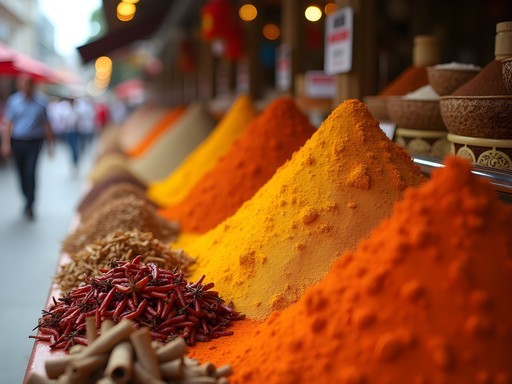
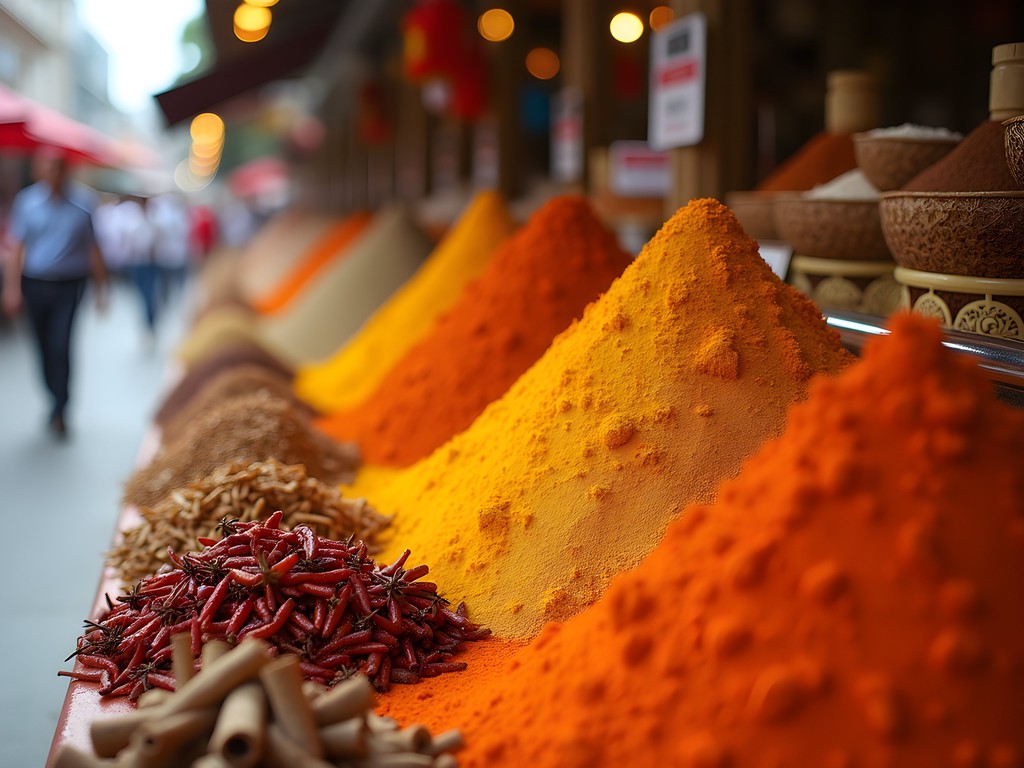
Beyond clothing, Hoi An excels in leather goods (look for Friendly Shoe Shop for custom footwear), lanterns (best along Nguyen Hoang Street), and food products. The central market sells exceptional spices, teas, and Vietnamese coffee beans at better prices than you'll find in Da Nang.
For photography enthusiasts, Hoi An's picturesque streets deserve proper documentation. I've found my travel tripod invaluable for capturing the magical lantern-lit evenings without blur – just be respectful of pedestrian traffic when setting up.

💡 Pro Tips
- Allow at least two days for tailoring with time for fittings – rushing custom work defeats the purpose
- Bring a favorite garment as a reference model – tailors can replicate and improve upon existing pieces
- Morning visits (8-10am) to tailor shops typically mean more attentive service before the crowds arrive

Thanh Hà Pottery Village: Getting Your Hands Dirty
Four kilometers west of Hoi An lies a 500-year-old community where Vietnam's ceramic traditions remain vibrantly alive. Thanh Hà Pottery Village offers something increasingly rare in our digital age – the chance to witness an ancient craft practiced exactly as it has been for centuries.
The village's location along the Thu Bon River is no accident – the riverbanks provide the clay that has sustained generations of potters. While many traditional craft villages throughout Asia have become purely tourist attractions, Thanh Hà maintains its authenticity because it still produces functional pottery for Vietnamese households alongside visitor-friendly souvenirs.
What makes this village special is the interactive opportunity. For a small fee (around 50,000 VND), workshops let visitors try their hand at the pottery wheel under the patient guidance of artisans. My first attempt at creating a simple bowl provided plenty of laughs for the elderly potter supervising me – a humbling reminder that true skill takes a lifetime to develop.
Beyond the hands-on experience, the village's narrow lanes reveal workshops specializing in different ceramic styles. I was particularly drawn to a family creating miniature ceramic houses with remarkable architectural details. These pieces were significantly more affordable than similar items I'd seen in Hoi An's boutiques.
To capture the experience properly, consider bringing a lens cleaning kit – the combination of dust and humidity can leave camera lenses struggling in these workshops. I learned this lesson the hard way when my favorite shots from my first visit came out disappointingly foggy.

💡 Pro Tips
- Visit in the morning when potters are preparing clay and beginning new pieces
- Wear clothes you don't mind getting dirty if you plan to try the pottery wheel
- Look for the ceramic whistle-toys – inexpensive, packable souvenirs that children love
Haggling with Heart: A Border Agent's Negotiation Guide
My years with the Border Patrol taught me to read people quickly – a skill that serves me surprisingly well when negotiating in Vietnamese markets. Unlike some destinations where haggling feels like combat, the Da Nang to Hoi An corridor offers a gentler approach that respects both buyer and seller.
First, understand the context: fixed-price shopping (department stores, branded shops) versus flexible pricing (markets, independent artisans). In traditional markets like Con Market or Hoi An's Central Market, prices are absolutely negotiable, often starting at 2-3 times the actual value. In artisan villages like Non Nước or Thanh Hà, there's still room for negotiation, but the margins are smaller because you're closer to the maker.
My Māori upbringing emphasized the concept of utu – maintaining balance and reciprocity in exchanges. This philosophy has shaped my approach to haggling. Rather than trying to secure the absolute lowest price, I aim for what Kiwis call a "fair go" – a price that respects both the craftsperson's skill and my budget.
Start by establishing rapport. A simple "Xin chào" (hello) and a smile creates a human connection before discussing money. Ask questions about how items are made or where materials come from – genuine interest often leads to better prices than aggressive bargaining tactics.
When naming your first counter-offer, I typically suggest 40-50% of the initial asking price. This gives room to meet in the middle without insulting the seller. Walk away politely if the price doesn't reach a level you're comfortable with – you'll often be called back with a better offer.
For large purchases, I've found having local currency essential. While many shops accept credit cards, carrying a money belt with sufficient Vietnamese dong not only helps you avoid foreign transaction fees but often secures better prices, as sellers don't have to factor in card processing costs.

💡 Pro Tips
- Learn the Vietnamese numbers to understand prices when sellers use calculators to communicate
- Shop around before purchasing – identical items can vary dramatically in price between stalls
- Save your serious haggling for meaningful purchases – spending 10 minutes to save 50 cents on a small souvenir creates unnecessary tension
Final Thoughts
As I packed my treasures for the journey home – a custom-tailored linen shirt, a small marble elephant, pottery whistle-toys for my daughter, and packets of aromatic spices – I reflected on how this stretch of Vietnamese coastline offers more than just shopping opportunities. It provides windows into traditions that have sustained communities for centuries. The value isn't just in the items you'll bring home but in the connections you'll make with the people who create them. My Māori ancestors understood that objects carry the mana (spiritual power) of their makers. When you purchase directly from artisans in Da Nang and Hoi An, you're bringing home pieces with soul and story. Whether you're an experienced market navigator or a first-time visitor to Southeast Asia, this region offers an accessible entry point to ethical, meaningful shopping that supports traditional craftsmanship. Kia kaha (stay strong) in your treasure hunting – and remember that the best souvenirs are the ones that carry memories of the hands that created them.
✨ Key Takeaways
- Allocate at least 2-3 days in Hoi An for custom tailoring with time for multiple fittings
- Visit craft villages in the morning to see production in progress before tour groups arrive
- Learn basic Vietnamese numbers to understand prices and show respect during negotiations
- Support traditional crafts by purchasing directly from artisans rather than resellers whenever possible
📋 Practical Information
Best Time to Visit
February-May and September-November for dry, moderate weather
Budget Estimate
$30-50 per day plus shopping budget
Recommended Duration
5-7 days
Difficulty Level
Easy







Comments
smartguide
Going there next month!! Any tailor shops you'd recommend specifically?
Taylor Hunter
I don't want to play favorites, but walk down Le Loi and Tran Phu streets in Hoi An's old town. Pop into a few shops, check the quality of their sample pieces, and go with your gut. The shop where you feel most comfortable communicating will give you the best results!
Kimberly Murphy
YES to all of this! I did a motorbike tour from Da Nang to Hoi An last year and stopped at every artisan village along the way - absolute magic. The marble carvers at Non Nước are incredible athletes honestly, the physical strength required is insane. I bought a small Buddha statue that now sits in my garden. Pro tip: if you're doing the pottery workshop in Thanh Hà, wear clothes you don't mind getting absolutely covered in clay. I thought I'd stay clean... I was so wrong! Also, bargaining is expected at the markets but NOT at the pottery and marble villages where you're buying directly from artisans. Fair prices for incredible craftsmanship.
vacationlover9262
Good to know about the bargaining! I would have felt so awkward not knowing that.
starone6057
Love your photos!
Jean Wells
Your observations about the artisan communities are spot-on, Taylor. I spent a week in Hoi An last spring and what struck me most was the generational knowledge transfer in these workshops. At Thanh Hà pottery village, I watched a grandfather teaching his grandson the exact hand pressure needed for shaping clay - no words, just demonstration. The tailor shops operate similarly. I commissioned three pieces from the same family-run shop and the attention to detail was extraordinary. One tip: bring fabric swatches or photos of styles you like. It helps bridge any language gaps and ensures you get exactly what you envision.
smartguide
Great tip about the fabric swatches!!
happyguy
How much time would you recommend spending in the marble village? We only have 2 days in Da Nang before heading to Hoi An.
Taylor Hunter
I'd say 2-3 hours is plenty for Non Nước! You can see the workshops, watch artisans work, and browse without feeling rushed. Perfect for a morning trip before heading to Hoi An.
happyguy
Perfect, thanks!
vacationlover9262
This is amazing!! Adding Hoi An to my bucket list right now!
Casey Andersson
I stayed at a boutique hotel in Hoi An that actually arranged private visits to some of these artisan workshops - it was incredible having a translator and not feeling rushed. We spent a whole morning at a marble workshop and I commissioned a custom piece for our garden back in Wellington. The shipping was surprisingly affordable through the workshop's regular channels. Pro tip: if you're buying larger marble pieces, negotiate shipping into the price upfront!
Bryce Diaz
Taylor, your description of reading people in the markets really resonated with me. I've found that taking time to observe before jumping into transactions makes such a difference. In Hoi An, I spent an entire afternoon just watching one tailor work before commissioning anything. That patience paid off - the shirts I got made are still my favorites three years later. The artisan connection you talk about is what separates real travel from just ticking boxes.
moonway
can you bargain at these places or are prices fixed?
roambuddy
We visited Thanh Hà pottery village last summer and actually took a class there. Cost about $15 and we got to make our own bowls. They shipped them to us after firing - took about 6 weeks but they arrived perfectly packed. Such a cool experience and way more meaningful than just buying stuff. The village is super chill, not touristy at all.
redlegend
omg I'm definitely doing this!! did you book ahead or just show up?
roambuddy
We just showed up around 9am and they had space. But maybe book if you're going on a weekend?
Venture X
Premium card with 2X miles, $300 travel credit, Priority Pass