


Disclosure: This article contains affiliate links. We may earn a commission from purchases at no extra cost to you, which helps our travel content.
After tracking down a person of interest through three countries last year, I found myself with an unexpected four-day layover in Athens. On a whim, I hopped a quick flight to Santorini, and those spontaneous 96 hours changed my relationship with photography forever. The island's dramatic caldera views, cubic white architecture, and that legendary Aegean light created a photographer's playground I've since returned to twice. Having just completed my third visit—this time a dedicated week-long photography expedition—I'm finally ready to share my investigative findings on capturing this photographic paradise. From securing the perfect blue dome composition without battling Instagram crowds to finding hidden vantage points that most tourists miss, consider this your comprehensive dossier for photographing one of the world's most iconic islands.

The Blue Dome Equation: Timing is Everything
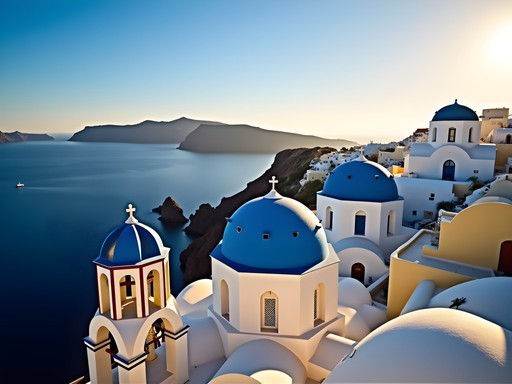
Let's address the obvious first—those iconic blue domes of Oia that grace every postcard, calendar, and travel brochure. Having methodically tracked the best shooting conditions across three separate visits, I can confirm that capturing these landmarks requires the investigative precision I typically reserve for surveillance operations.
The classic Three Blue Domes of Oia shot has become so popular that during peak hours (9am-7pm), you'll find yourself in a photographer traffic jam that would make Los Angeles proud. My solution? Arrive at the main viewpoint by 6:15am. The early summer sunrise illuminates the white buildings with a soft golden glow while the domes retain their rich blue hue—a contrast that's impossible to achieve later in the day.
The exact coordinates for the prime shooting location are 36.4617° N, 25.3756° E. Look for a small alleyway between two souvenir shops that leads to a narrow terrace. Most tourists miss this spot because it appears to be private property (it isn't). The unobstructed view captures all three domes in perfect alignment with the caldera in the background.
For gear, I rely on my Sony Alpha a7 III paired with a 24-70mm lens. The dynamic range handles the stark contrast between bright white buildings and deep shadow areas beautifully, while the weather-sealed body stands up to the constant sea breeze that can carry fine dust.

💡 Pro Tips
- Arrive at blue dome viewpoints before 7am to avoid crowds
- Use a polarizing filter to enhance the blue dome against the white buildings
- Bracket your exposures (±2 stops) to preserve details in both highlights and shadows
Caldera Magic Hour: The Detective's Timeline
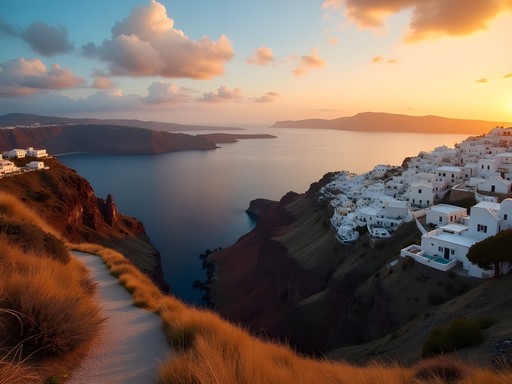
Through careful observation across multiple trips, I've mapped the precise timeline for capturing Santorini's caldera in optimal light. Unlike most destinations where golden hour is the prime time, Santorini's western-facing caldera requires a more nuanced approach.
The sweet spot begins approximately 45 minutes before the posted sunset time and extends 25 minutes after the sun dips below the horizon. This 70-minute window provides dramatically different shooting opportunities that I divide into three distinct phases:
Phase 1 (45-15 min pre-sunset): The warm light bathes the white villages perched on the caldera rim. This is ideal for wide landscape shots showing the relationship between the villages and the volcanic basin. Position yourself at Imerovigli for the most dramatic perspective.
Phase 2 (15 min pre-sunset to sunset): The sun nears the horizon, creating spectacular backlight conditions. This is your opportunity for silhouette shots of the windmills and church domes. The Franco's Bar terrace in Fira offers an exceptional vantage point (worth the €15 minimum drink purchase).
Phase 3 (sunset to 25 min post-sunset): The famous Santorini blue hour. As the sky transitions through purples and deep blues, the village lights begin to twinkle on. This creates my favorite photographic moment—the perfect balance between ambient light and artificial illumination.
For these challenging light conditions, a sturdy travel tripod is essential. After testing numerous models, I've found this carbon fiber option offers the ideal balance of stability and packability, especially when navigating Santorini's narrow pathways between shooting locations.

💡 Pro Tips
- Scout your sunset location at least one day before to secure the best position
- Bring a neutral density filter to extend exposure times during blue hour
- Set a timer to remind yourself when each phase begins—the light changes quickly
Hidden Vantage Points: The Investigator's Advantage
My investigative background has trained me to look beyond the obvious, a skill that proves invaluable when photographing heavily touristed destinations. While most visitors cluster at the standard viewpoints, I've identified several lesser-known locations that offer equally stunning—sometimes superior—photographic opportunities.
Skaros Rock: This medieval fortress ruin requires a moderate 20-minute hike from Imerovigli, deterring many tourists. The path isn't immediately obvious—look for the small sign near Grace Hotel. From the rock's northern face, you'll capture a perspective of the caldera that includes both Fira and Oia in a single frame, something impossible from the main walkways.
Akrotiri Lighthouse: Located at the island's southern tip, this location sees perhaps 1/50th the traffic of Oia's sunset viewpoints. Arrive 90 minutes before sunset to secure the prime position at the base of the lighthouse, where you can compose shots with the historic structure in the foreground and the entire length of the caldera stretching behind it.
Pyrgos Village: This inland hilltop village offers 360-degree views that include not only the caldera but also the eastern coast and vineyards. The rooftop of Franco's Café (not to be confused with the similarly named establishment in Fira) provides an elevated perspective few photographers discover.
Ammoudi Bay: Descend the 300 steps from Oia to this small fishing harbor for low-angle blue hour shots that capture the village lights reflecting in the calm morning water. Most photographers only visit at sunset, missing the superior morning conditions when the water is typically calmer.
To document these locations precisely, I use my GPS camera attachment which automatically tags my images with exact coordinates. This allows me to build a personal database of prime shooting locations I can return to at the optimal time on subsequent visits.

💡 Pro Tips
- Visit Skaros Rock in early morning when the light hits the caldera villages head-on
- Bring a headlamp for navigating back from remote locations after sunset shoots
- Use the PhotoPills app to plan your shots based on sun position throughout the day

Mastering Santorini's Challenging Light
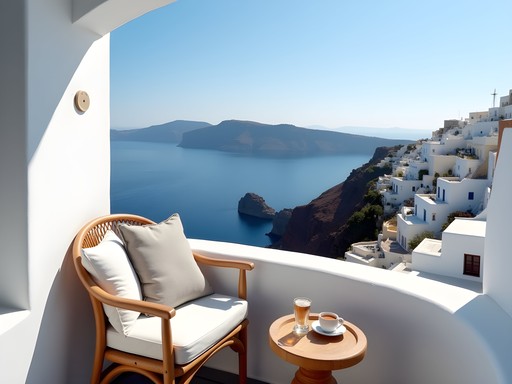
Santorini presents one of the most challenging lighting environments I've encountered in my travels. The combination of blindingly white architecture, deep blue sea and sky, and strong Mediterranean sun creates extreme dynamic range that can frustrate even experienced photographers.
After extensive field testing across different times of day, I've developed a systematic approach to managing these conditions:
Morning (6am-9am): The soft directional light creates defined shadows that add dimension to the white buildings without harsh contrast. This is prime time for architectural detail shots and blue dome close-ups. Use spot metering on the white buildings and underexpose by 2/3 stop to preserve detail.
Midday (10am-4pm): The harsh overhead sun creates problematic shadows and excessive contrast. This is when I switch to my 10-stop ND filter for long exposure work. With a 30-second exposure, the harsh shadows soften, and the sea takes on a ethereal, glassy appearance that contrasts beautifully with the solid geometric architecture.
Golden Hour to Blue Hour: Layer bracketing becomes essential. I typically shoot 5-bracket sequences (±2 stops) and blend them later in post-processing. This preserves both the delicate pastel colors in the sky and the detail in the darkening village buildings.
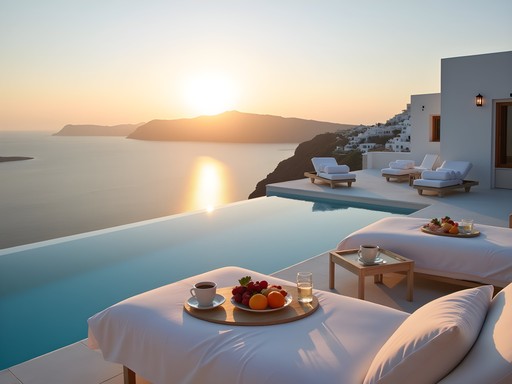
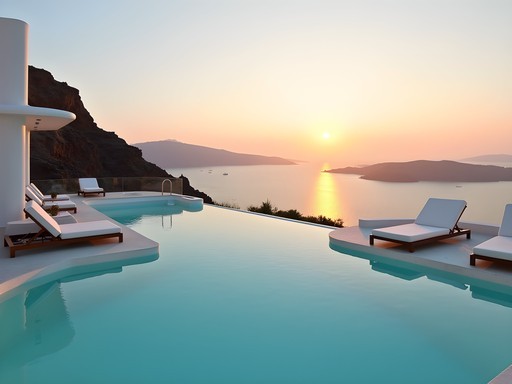
One technique I've refined is the use of reflections to balance challenging light. The infinity pools of luxury hotels along the caldera rim create perfect reflecting surfaces for sunset shots. While staying at hotels with prime pools can cost €500+ per night, I've discovered that polite requests to hotel staff, accompanied by sharing your professional work (and occasionally a €20 note), can sometimes secure 30 minutes of access during optimal light conditions.

💡 Pro Tips
- Use exposure bracketing liberally—Santorini's contrast often exceeds what a single exposure can capture
- Carry a collapsible reflector to fill harsh shadows when photographing architectural details
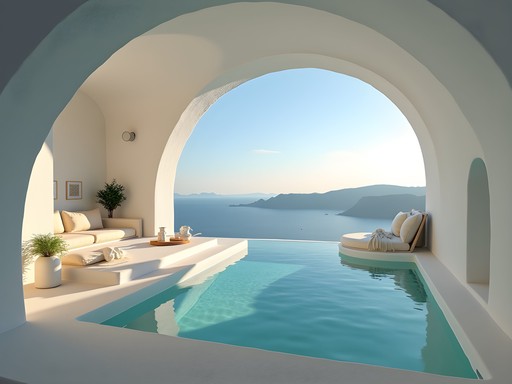
- When shooting interiors of cave houses, balance ambient light with a subtle off-camera flash
Beyond the Postcard: Santorini's Photographic Secrets
While most visitors focus exclusively on the caldera villages, my investigative instincts have led me to several photographic opportunities that rarely make it onto Instagram feeds or travel blogs.
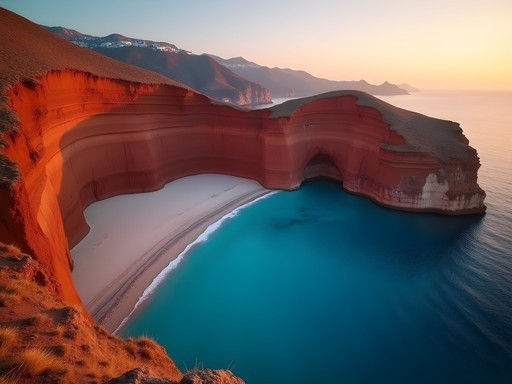
Red Beach Geological Formations: The striking red cliffs contrasting against the deep blue water create dramatic landscape opportunities, particularly in early morning light. Arrive before 8am to have this location entirely to yourself. The beach is technically closed due to rockfall danger, but the viewing platform at the top of the path offers superior compositions anyway.
Ancient Akrotiri: This archaeological site preserves a Bronze Age settlement buried by the volcanic eruption that shaped Santorini. The site opens at 8am, and arriving right at opening provides about 45 minutes before tour groups arrive. The preserved frescoes and pottery create compelling detail shots that tell a deeper story about the island.
Emporio Village Kasteli: This medieval fortress village features a maze-like network of passages and arches that create stunning interplay of light and shadow. Visit between 4-5pm when afternoon light penetrates the narrow alleys at dramatic angles. Look for the small blue doors and windows that pop against the weathered stone walls.
Pyrgos Easter Candles: If you can time your visit for Greek Orthodox Easter, Pyrgos village hosts a unique celebration where thousands of tin cans with candles illuminate the entire hillside village. From a technical perspective, this is an extremely challenging shooting environment that requires careful planning. I use my low-light prime lens which handles the mixed lighting conditions beautifully while maintaining sharpness even when shooting at high ISO settings.
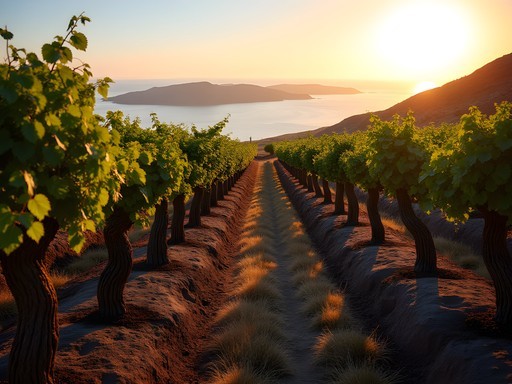
Santorini's Vineyards: The island's unique basket-trained grapevines create fascinating geometric patterns across the landscape, particularly in the central and eastern parts of the island. Visit Gavalas Winery near sunset, when the low-lying vines cast long shadows across the volcanic soil. The contrast between the organized agricultural patterns and the wild volcanic landscape creates compelling compositional tension.

💡 Pro Tips
- Visit Emporio village on weekday mornings when locals are out but tourists are still at the beaches
- Shoot Santorini's basket-trained grapevines from a low angle to emphasize their unique circular pattern
- When photographing archaeological sites, bring a small LED panel light to illuminate dark interior details
Final Thoughts
After a week of methodically documenting Santorini's photographic possibilities, I've come to appreciate that this island rewards those who approach it with investigative patience. The truly exceptional images emerge when you step away from the obvious viewpoints, wake earlier than your fellow photographers, and study the interaction of light with the island's unique architecture and landscapes. Like any good investigation, the best results come from preparation, persistence, and a willingness to look where others haven't. Whether you're wielding a professional camera setup or simply your smartphone, Santorini offers endless compositional possibilities for those willing to seek them out. I've already scheduled my return visit for next spring—there are still several lighting conditions and seasonal changes I'm eager to document. Until then, I'll be reliving this photographic paradise through the thousands of images currently filling my hard drives. If you make it to Santorini, tag me in your captures—I'm always collecting evidence of new perspectives on this remarkable island.
✨ Key Takeaways
- Arrive at iconic locations at least 2-3 hours before the typical tourist crowds
- Master exposure bracketing to handle Santorini's extreme dynamic range
- Explore inland villages like Emporio and Pyrgos for unique photographic opportunities
- Use reflections and long exposures to create distinctive images beyond the standard postcard shots
📋 Practical Information
Best Time to Visit
May-June or September-October for optimal light and fewer crowds
Budget Estimate
$300-500/day for luxury accommodations with caldera views
Recommended Duration
5-7 days minimum for comprehensive photography coverage
Difficulty Level
Intermediate

Comments
wavequeen
This is super helpful! I'm not a serious photographer but want to get some nice pics for Instagram. Is it worth bringing a real camera or will my phone be okay? I have an iPhone 13.
Douglas Murray
Your iPhone will work great for most shots, especially in good light. The key is more about timing and composition than gear. Just be careful with the bright whites - they can blow out easily on phone cameras.
exploreone
Great shots! Love the sunset one.
Haley Hamilton
Douglas, this brings back memories! I spent a month in Santorini back in 2019 and your point about the harsh midday light is SO accurate. I learned the hard way after wasting an entire afternoon with blown-out whites everywhere. One spot you might appreciate - there's a tiny chapel near Pyrgos that barely anyone visits. The light there around 4pm is absolutely magical, and I never saw another photographer the whole week I kept returning. The locals were incredibly welcoming too. Also totally agree about approaching it methodically - the island definitely rewards patience over just showing up and snapping away.
wavequeen
Do you remember the name of that chapel? Adding Pyrgos to my list!
Haley Hamilton
I think it was Agios Nikolaos but there are a few small ones up there. Just wander around the upper village - you'll find some gems!
sunsetnomad
The detective angle is interesting lol. Quick question - you mention the blue dome gets crazy crowded. What time did you actually get there to beat the crowds? Heading there in September and trying to plan my mornings.
Douglas Murray
I was there by 5:45am most mornings. September should be slightly better than peak summer, but I'd still aim for before 6:30am to get clean shots.
sunsetnomad
Perfect, thanks! Early mornings it is then.
lenslady
That shot of the windmills at dusk is absolutely stunning! What lens did you use?
Douglas Murray
Thank you! That was with a 24-70mm f/2.8 at around 35mm. I wanted enough width to capture the scene but still keep the windmills prominent.
capturethejourney
Love the detective angle on this guide! Did you find that ATV rental was necessary for hitting all these photo spots, or is the bus system workable?
Douglas Murray
I actually used a mix of both. The buses are reliable for the main villages, but I rented an ATV for one day to catch specific golden hour spots that weren't on the bus routes. Definitely worth the flexibility!
greekislandlover
Just booked my tickets to Santorini for next May! Your guide is perfect timing, saving this for later!
Amit Sullivan
Douglas, your investigative background really shines through in how methodically you approached photographing Santorini! I was there last September and can confirm your advice about the challenging light is spot on. The contrast between the brilliant white buildings and deep blue sea nearly broke my dynamic range. I found shooting in RAW and bracketing exposures saved many shots. Your 'Hidden Vantage Points' section reminded me of a lovely spot I discovered in Firostefani - a small church courtyard that offered an unobstructed view without the Instagram crowds. Like you, I found that wandering just 5 minutes away from the main paths revealed whole new perspectives. I used my polarizing filter constantly to manage reflections and deepen those blues. Worth every penny on an island like this!
sunsetseeker22
Those church courtyards are such hidden gems! Found a similar spot in Oia that was completely empty while hundreds fought for space at the main viewpoints.
Amit Sullivan
Exactly! The best photographs often come from places just slightly off the beaten path. Did you visit in high season?
sunsetseeker22
Late June, so yes - absolutely packed everywhere! Next time I'll try Douglas's timeline approach and go in shoulder season.
travelphotographer
Those blue dome shots are always the dream! I struggled so much with the crowds when I visited last summer. Ended up waking up at 5am to get a clean shot, but the light wasn't ideal. Your timeline for the Caldera Magic Hour is super helpful - wish I had this guide before my trip! Did you find any good spots for sunset that weren't completely packed?
Douglas Murray
Thanks! For less crowded sunset spots, try hiking down to Skaros Rock about 90 minutes before sunset. Most tourists don't make the trek, and the views back toward Imerovigli are stunning. Just bring a headlamp for the return climb!
travelphotographer
Skaros Rock - noted for next time! Thanks for the tip about the headlamp too.
SoloTravelerJane
Going there next month, any other tips for a solo female traveler with a basic camera?
Claire Hawkins
I traveled solo there last year! It's super safe. For basic cameras, use the sunset mode if you have one, and don't be afraid to ask other tourists to take your photo - everyone's doing it!
SoloTravelerJane
Thanks Claire! That's reassuring. Can't wait to go!
Venture X
Premium card with 2X miles, $300 travel credit, Priority Pass